Quick Glance: DEP vs Indoor vs Traditional Outdoor
| Method | Setup Cost | Yield per Cycle | Cycles per Season | Quality Ceiling | Best For |
| DEP (Light Dep) | Low-Medium ($500-$5,000+) | Medium-High | 2-3 | Approaches indoor quality; sun-grown complexity | Commercial and home growers wanting multiple harvests |
| Full Indoor | High ($5,000-$50,000+) | Medium-High | 4-6 | Highest consistency; controlled environment | Commercial operations; year-round precision growing |
| Traditional Outdoor | Very Low ($100-$500) | Highest per plant | 1 | Variable; weather-dependent | Home growers; low-budget seasonal grows |
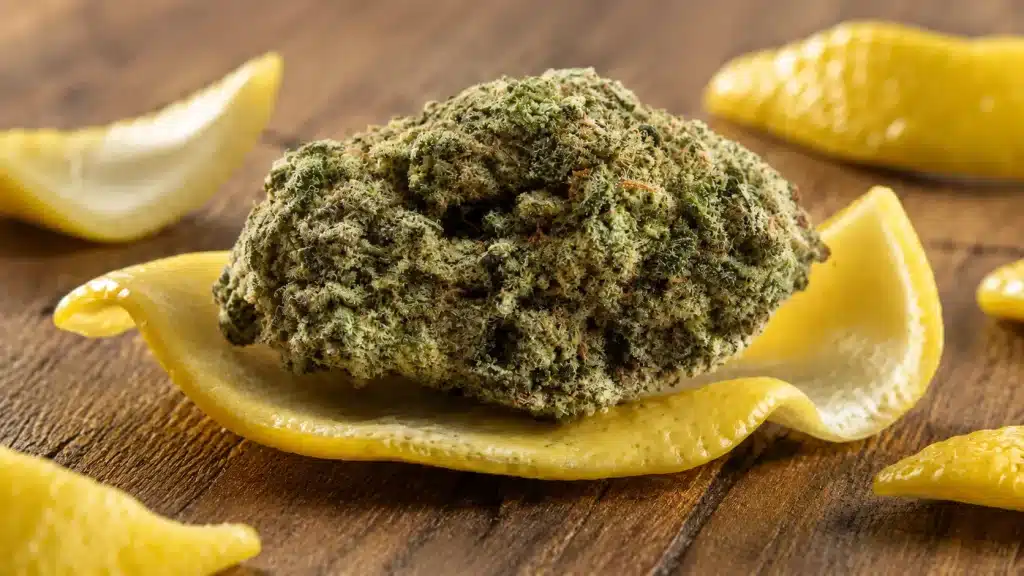
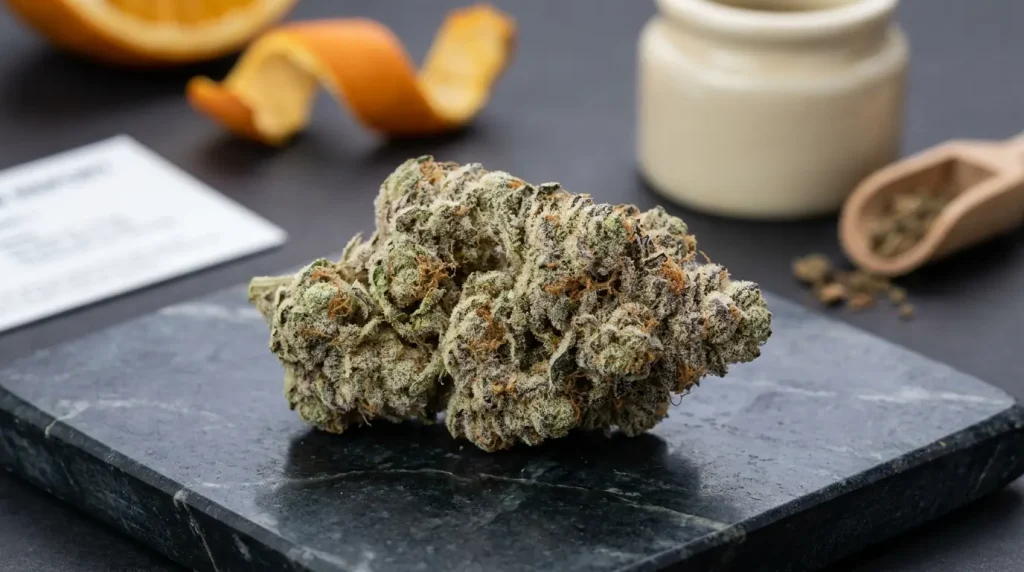
Deps weed is cannabis grown using the light deprivation technique, where growers manage daily light exposure to control exactly when the plants flower. The term “deps” is short for light deprivation, and the method sits between traditional outdoor and full indoor growing in both cost and quality.
The core idea is straightforward: blackout tarps or purpose-built structures block natural sunlight at scheduled times each day, tricking the plant into thinking shorter days have arrived. That signal triggers flowering earlier than it would happen naturally, allowing cultivators to achieve multiple harvests in a single season. This method lets farmers harvest more than once a year while still producing dense, high-quality buds. Compared to fully indoor or outdoor grows, deps weed offers speed, efficiency, and potency that works well for everything from high-THC strains to low-THC weed varieties.
Light deprivation was first developed in the 1980s by growers in Humboldt County, California, and has since become one of the most practical and widely used techniques in cannabis cultivation.
Deps Meaning in Weed Cultivation
In cannabis growing, “deps” refers to the light-deprivation technique: a method where farmers control how much light their plants receive each day.
By using blackout tarps or specially built structures, growers block natural sunlight at certain times of day. This tricks the plants into thinking the days are shorter, which triggers the flowering stage earlier than it would happen naturally.
The main purpose of this process is efficiency. It allows cultivators to achieve multiple harvests in a single year rather than waiting for the natural outdoor cycle. Successful deps growth also requires carefully monitoring plant health, using tools like a detailed cannabis deficiency chart to catch nutrient problems early.
For many growers, deps weed combines the strength of sun-grown cannabis with the precision of controlled growing, making it a highly effective cultivation approach. If you’ve ever wondered how growing method actually affects terpene expression and flavor, light dep sits in an interesting position between outdoor and indoor, and the comparison isn’t always what people expect.
How Light Deprivation Triggers Flowering
Cannabis plants don’t track the calendar. They track light. Specifically, they measure the duration of uninterrupted darkness each night, and when that dark period exceeds roughly 12 hours, they interpret it as a signal that autumn is approaching and start producing flowers.
The 12/12 light cycle (12 hours of light, 12 hours of complete darkness) is the standard flowering trigger, as Advancing Alternatives’ grower-focused light dep guide explains in detail. This is also why light leaks are so damaging: even a pinhole of light during the dark period tells the plant the night wasn’t long enough.
The plant recalibrates, potentially reverting to vegetative growth or, in the worst case, becoming hermaphroditic and going to seed, which ruins the entire crop. One pinhole. Weeks of work. It’s not a metaphor for being careful; it’s a literal biological response.
The earlier in the season you trigger flowering, the earlier you harvest, and finishing plants while summer temperatures are still favorable means avoiding the mould pressure, frost risk, and weather unpredictability that autumn harvests regularly face. That’s the quality argument for DEP beyond the headline of getting more harvests per year.
| 📝 Note: Light dep only works on photoperiod cannabis strains, those that rely on day length to trigger flowering. Autoflowering varieties flower based on age, not on the light cycle, so applying blackout tarps to autos provides no benefit. |
DEP vs Indoor vs Traditional Outdoor: The Honest Quality Position
This comparison gets overclaimed in both directions. Here’s what’s actually true.
Full indoor delivers the highest consistency, every variable controlled, and harvests year-round. The trade-off is cost: electricity and climate systems make it one of the most expensive methods per gram. Consistent results, consistent bills.
Traditional outdoor grows the most distinctive terpene profiles because full-spectrum sunlight is genuinely hard to replicate artificially. The trade-off is one harvest per year, entirely at the mercy of weather, pests, and whatever autumn decides to throw at you.
DEP sits between the two, and that’s exactly why growers find it worth understanding.
| Method | Key Features | Pros | Cons |
|---|---|---|---|
| Indoor | Fully controlled environment with artificial light and climate systems | Consistent potency, year-round growing, precise control | High setup and energy costs, less eco-friendly, lacks natural sunlight complexity |
| Sun-Grown | Full-season outdoor grows rely solely on natural light | Low costs, eco-friendly, authentic flavors, and natural cultivation | Only one harvest per year, weather-dependent, can be less potent or uneven |
| Deps Weed | Outdoor plants with light deprivation tarps to control flowering | Multiple harvests yearly, natural sun boosts terpenes, lower cost than indoor | Labor-intensive, risk of humidity-related issues, requires grower skill |
| Did You Know? Many top California farms rely on deps weed, sometimes producing three premium-quality harvests in a single season! |
DEP, at its best, approaches indoor quality in density and potency while keeping the sun-grown complexity that artificial lighting can’t fully match. Not better than indoor, but closer than most people expect, at a fraction of the energy cost.
According to CannaCon’s practitioner light dep guide, growers consistently report improved bud size and better environmental control over potency and aroma. At its worst, a poorly managed DEP run with timing drift and humidity build-up produces noticeably inferior results. The ceiling is high. The floor is entirely up to the grower.
How is Deps Weed Grown?
Deps weed is cultivated using a smart approach that mixes outdoor sunlight with controlled light cycles. This technique lets growers guide plants to flower earlier, ensuring faster, more frequent cannabis harvests.
Step 1: Start with Sun-Grown Plants

The process of growing deps weed begins outdoors with cannabis plants that enjoy natural sunlight, air circulation, and healthy soil conditions.
Outdoor growth helps plants build strong root systems and sturdy structures, preparing them for a controlled flowering phase. Cultivators often choose sun-grown starts because natural light provides the full spectrum plants need for vigorous development.
By beginning under the sun, growers create a foundation that promotes resilience, strength, and overall higher-quality flowers destined for the next growth stages. Strain selection matters here: vigorous, fast-growing photoperiod varieties perform best under DEP conditions, since reduced vegetative time means you want plants that size up quickly before the switch to flower.
Step 2: Apply Blackout Tarps

Once plants have reached solid growth, growers use blackout tarps or structures to regulate the light cycle. These tarps are pulled over the garden at scheduled times each day to simulate artificial darkness.
The key is consistency: plants must receive uninterrupted darkness to believe that seasons are shifting. This allows cultivators to take full control of daily light exposure, creating an indoor-style schedule outdoors.
Properly applied tarps ensure plants respond effectively without disrupting their natural rhythm or overall health.
Step 3: Mimic Shorter Days

By covering plants with blackout tarps, growers reduce daily sunlight hours, mimicking the natural seasonal change from summer to fall.
Cannabis plants are highly responsive to daylight length, so shortened days signal that it’s time to transition into flowering. This method essentially tricks the plant’s biology, allowing cultivators to bring on budding weeks before it would naturally happen.
The advantage is clear: earlier flowering means faster-to-market buds, particularly useful in regions with shorter growing seasons or unpredictable weather.
Step 4: Force Plants to Flower

With consistent and carefully timed darkness, deps plants begin to flower on a predictable schedule. This gives growers more reliable harvest dates and greater efficiency throughout the season.
Instead of waiting for fall’s natural bloom, cultivators schedule flowering cycles to match their desired timeframe. Controlled flowering not only speeds up production but can also improve bud density, resin production, and overall quality.
The forced timing ensures healthier, more uniform crops while reducing risks tied to outdoor uncertainties such as pests or early frosts.
Step 5: Blend Outdoor and Controlled Techniques

The beauty of deps weed is how seamlessly it combines outdoor advantages with indoor-style control. Plants benefit from natural sunlight, soil fertility, and airflow, boosting flavor and potency, while growers still dictate flowering schedules for multiple harvests each year.
This hybrid method maximizes productivity while ensuring high terpene and cannabinoid profiles. It’s the best of both worlds: sun-grown authenticity with managed precision.
For growers, this process creates a reliable, efficient, and sustainable approach that consistently produces premium-quality cannabis throughout the season.
| Caution: Light leaks are the single most common cause of crop failure in DEP growing. A pinhole is enough. Inspect every cover cycle, not just at setup. |
Manual vs Automated DEP: What the Actual Difference Is
This distinction matters more than most introductory articles acknowledge.
Manual DEP requires pulling and removing the tarp at the exact same time every day, covering at the start of the dark period, and removing at the end. In practice, this means someone needs to be present at the grow site twice a day, every day, for the entire flowering cycle (6-10 weeks depending on strain).
Even a 15-30-minute variation in the cover/uncover timing on a regular basis can stress plants and cause them to partially revert to vegetative growth. This is not hypothetical; it’s the primary reason manual DEP underperforms what the method can deliver.
Automated DEP uses a timer-connected motor that rolls the tarp on and off on a programmed schedule. The timer doesn’t call in sick, get delayed by traffic, or pull the tarp 40 minutes late because something came up.
As Marijuana Venture’s industry guide on light dep points out, automation is widely considered the best way to run light dep. The main hesitation for most growers is the upfront capital, not the value of the consistency it delivers. The cost difference between a basic manual setup and adding a functional timer controller is $50-$150, a genuinely small investment relative to the consistency it provides and the labor it removes.
The cases where manual is the right choice: very small home grows where daily attendance is practical, early trial runs before committing to equipment investment, or setups where the grower is on-site anyway and can maintain a disciplined schedule. For anything beyond that, automation pays for itself.
| Tip: If you’re committing to DEP for multiple cycles per season, budget for an automated controller from the start. The $100 investment saves dozens of hours of labor and protects crop quality in a way that manual discipline simply can’t guarantee at scale. |
Benefits of Deps Weed
Growing deps weed comes with several clear advantages that make it a favorite among cultivators. By blending natural sunlight with controlled light cycles, it offers both efficiency and quality in cannabis production:
- Faster harvests with 2-3 growing cycles per year instead of just one outdoor harvest.
- Natural sunlight boosts terpene profiles, enhancing flavor and aroma compared to some indoor grows.
- Lower operating costs than full indoor setups that require constant artificial lighting.
- More eco-friendly since it uses less electricity and relies on the sun’s power.
- Provides a balanced approach that combines outdoor richness with indoor-style scheduling.
- Earlier flowering means plants finish during warmer summer conditions, reducing mould pressure and frost risk compared to traditional autumn harvests.
Downsides of Deps Weed
While deps weed offers many benefits, it also comes with challenges that growers need to manage carefully. The technique requires more effort and attention than other methods:
- Labor-intensive since tarps must be pulled daily with precision and consistency.
- Increased risk of mold or mildew build-up due to high humidity under blackout coverings.
- Reduced vegetative time means smaller plants per cycle compared to full-season outdoor grows, which can lower per-plant yields.
- Yield and quality can vary greatly depending on the grower’s skill and level of management.
- Equipment like tarps and frames adds extra setup and maintenance costs.
In short, deps weed is highly rewarding but requires dedication, experience, and consistent oversight to avoid setbacks.
Why Deps Weed Is Popular

Deps weed has gained popularity because it strikes a practical balance between quality and affordability. By blending natural sunlight with controlled lighting cycles, growers can produce flavorful, terpene-rich buds without the high costs of a full indoor setup.
Many growers come to this method after comparing sun-grown vs indoor terpene profiles and seeing the flavor advantages firsthand.
In today’s legal cannabis markets, where efficiency and sustainability matter, deps cultivation is seen as a smart, eco-friendly choice. Its mix of control, natural richness, and reliability makes it a growing favorite among both cultivators and consumers.
What Growers Consistently Report
Across cultivation communities and commercial operations, the feedback is consistent. DEP flower approaches indoor density and potency when the system is well-managed, and gets significantly variable when it isn’t. The flavor profile, when executed correctly, retains the sun-grown complexity that full indoor rarely matches.
Growers who want a deep dive into tarp selection and practical DEP setup decisions will find the specifics that most general guides skip in the blackout tarps guide, the things that actually determine whether a DEP run succeeds or becomes a very expensive lesson.
The variable that DEP growers mention most is timing consistency. Plants grown under an automated 12/12 cycle consistently outperform hand-managed grows with scheduling variation, not because the genetics changed, but because the light cycle didn’t.
Final Thoughts
Light deprivation isn’t complicated in principle; it’s just controlled darkness on a schedule. What makes it feel complicated is that the schedule has to be precise, the blackout has to be total, and the ventilation under the tarp has to actually work. Get those three things right, and DEP consistently delivers two to three harvests per season with flower quality that closes the gap on indoor without the indoor energy bill.
The technique rewards consistency above all else. It doesn’t reward hustle, good intentions, or promising yourself you’ll pull the tarp on time tomorrow. It rewards a timer controller, a quality tarp, and regular checks for light leaks.
Start small. Automate from day one if you can afford the $100-$150 to do it. Check your seams. Watch your humidity. The setup is genuinely not complicated; it’s the discipline of running it correctly every day that separates the growers who get three premium harvests a season from those who run one mediocre one.
Disclaimer: This content is for informational purposes only. Always follow local laws regarding cannabis cultivation and use.
Frequently Asked Questions
What does DEP mean in cannabis growing?
DEP stands for light deprivation, a technique where growers control the daily hours of darkness their cannabis plants receive to trigger the flowering stage earlier than it would naturally occur outdoors. The 12/12 cycle (12 hours light, 12 hours complete darkness) is the standard flowering trigger.
How many harvests can I get with light deprivation?
Most growers operating a DEP system achieve 2-3 harvests per season, depending on the strain’s flowering time, the growing region, and the setup quality. Some well-managed California and Oregon operations report three full cycles in a single season.
Does light-dep weed taste as good as indoor?
At its best, yes, and sometimes better, because natural full-spectrum sunlight produces a terpene complexity that artificial lighting is difficult to match at equivalent cost. At its worst, poorly managed DEP with humidity problems or light leaks produces noticeably inferior flowers. The method’s quality ceiling approaches indoor; its floor is determined by execution.
What strains work best for light deprivation growing?
Vigorous, fast-growing photoperiod strains perform best. Since DEP reduces vegetative time, you want plants that size up quickly before the switch to flower. Autoflowering strains are not compatible with light deprivation as they flower based on age, not the light cycle.
What is the best light dep setup for a beginner?
A hoop house or PVC-frame structure with a 100% opacity panda film tarp and an automated timer controller. Keep it small for your first run, inspect for light leaks consistently, and invest in the automated controller. The $50-$150 cost is worth it for the timing consistency alone.
Can I use light deprivation in a greenhouse?
Yes, greenhouses are actually the most common DEP structure for commercial operations. Greenhouse DEP setups benefit from better climate management than open outdoor structures and can be fitted with internal or external automated blackout systems. Ventilation management is especially important in greenhouse DEP due to heat and humidity accumulation under the blackout material.
Does light deprivation stress cannabis plants?
Done correctly, no more than standard flowering induction. Done incorrectly, with light leaks, timing inconsistency, poor ventilation, or humidity build-up, it can stress plants significantly, causing herming, nutrient lockout, or mould. The technique itself is not inherently stressful; execution quality is what determines plant health.
Sources
- Advancing Alternatives: Increasing Production With Light Deprivation – Grower-focused breakdown of light dep mechanics, the 12/12 cycle, and the case for automated vs manual timing
- CannaCon: Tips for Light Dep from a Grower – Practitioner-level tips on flowering consistency, light leak risks, and what experienced DEP growers actually report
- Marijuana Venture: Light Dep Industry Guide – Commercial grower and industry expert perspectives on automation, tarp systems, and DEP cost-benefit analysis
- Hortitech Direct: Light Deprivation Greenhouses Setup Guide – Detailed comparison of manual vs automated DEP greenhouse kits, tarp material specs, and ventilation requirements
- FunWithDizzies: Sun-Grown vs Indoor Cannabis: Terpene Differences – How growing method affects terpene expression, flavor complexity, and where DEP sits in that comparison
- FunWithDizzies: Blackout Tarps for Cannabis: A Grower’s Guide – Practical tarp selection, light dep setup decisions, and the specifics that determine whether a DEP run succeeds
- FunWithDizzies: Cannabis Deficiency Chart – Nutrient deficiency identification reference for monitoring plant health during the light dep cycle
- FunWithDizzies: How to Grow Cannabis Indoors: LED Lights and Yield Tips – Referenced in the DEP growing context for growers comparing indoor and light dep harvest approaches