| ⚠️ If you or someone you know is struggling with substance use, help is available right now. Call the SAMHSA National Helpline: 1-800-662-4357, free, confidential, and available 24/7. Call 911 immediately if someone is unresponsive, not breathing, or showing signs of an overdose. Do not wait. |
Quick Glance: Drew Barrymore’s Childhood and Addiction Timeline
| Detail | Information |
| Date of Birth | February 22, 1975 |
| Breakout Role | E.T. the Extra-Terrestrial (1982), age 7 |
| Reported Age, First Alcohol Use | Around age 9 |
| Reported Age, Marijuana Use | Around age 10 |
| Reported Age, Cocaine Use | Around age 12 |
| First Rehab Stay | Age 13 |
| Legal Emancipation | Age 14 |
| Memoir Published | Little Girl Lost, 1990 |
| Recovery Status | Long-term recovery; publicly discussed stopping drinking |
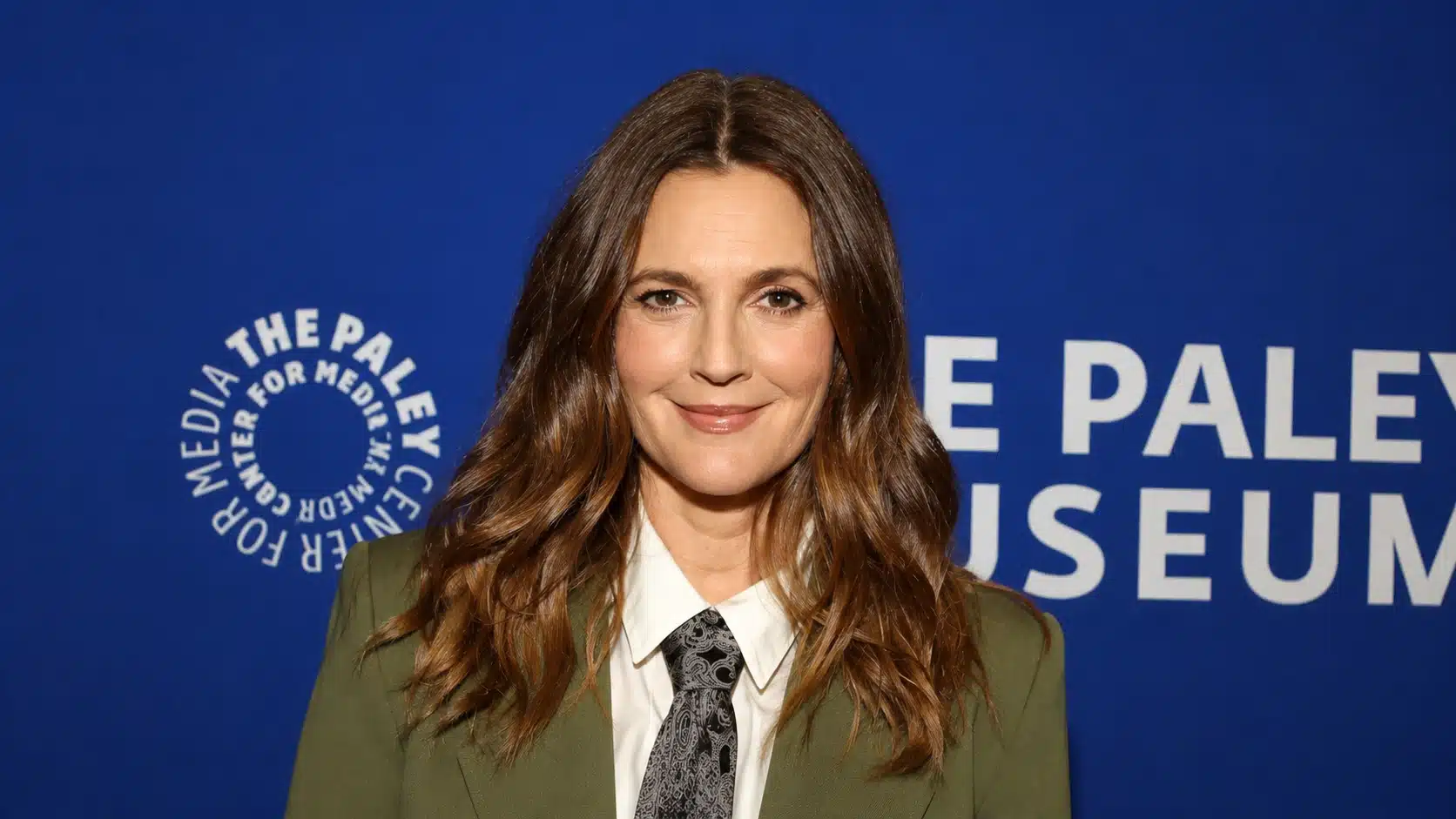
Most people know Drew Barrymore as the warm, funny host who cries at everything on her talk show, or as the little girl who told E.T. she loved him. But before any of that came a childhood that no child should have.
The real story of Drew Barrymore’s drug use, her treatment, and her long road to recovery is not a tabloid headline. It is a serious account of what happens when a child grows up inside an industry that does not always remember she is a child.
This article covers her story based on public records, her own published memoir, and research on childhood addiction. The goal here is not to sensationalize. It is to understand, because understanding is the only thing that makes these stories worth telling.
What Made Drew Barrymore’s Childhood So Dangerous?
The short answer is access without protection. Drew Barrymore came from the Barrymore acting family, one of Hollywood’s most established dynasties, and made her first commercial appearance as an infant.
By age seven, she had starred in E.T. the Extra-Terrestrial, one of the highest-grossing films ever made, and had become a household name overnight.
That level of fame, that early, placed her inside an adult industry with adult schedules, adult parties, and adult substances, while the people responsible for her care either could not or did not create boundaries around any of it.
She had visibility, opportunity, and a famous last name. What she did not have was a childhood structured around her actual needs. That gap is where the drug use and the damage took root.
| 📝 Note: Child actors often enter the industry without the legal protections, structured oversight, or emotional support systems that adult workers have. Early fame creates access to adult spaces, adult substances, and adult pressures long before a child’s brain is equipped to handle any of them. |
What Happened to Drew Barrymore’s Childhood?
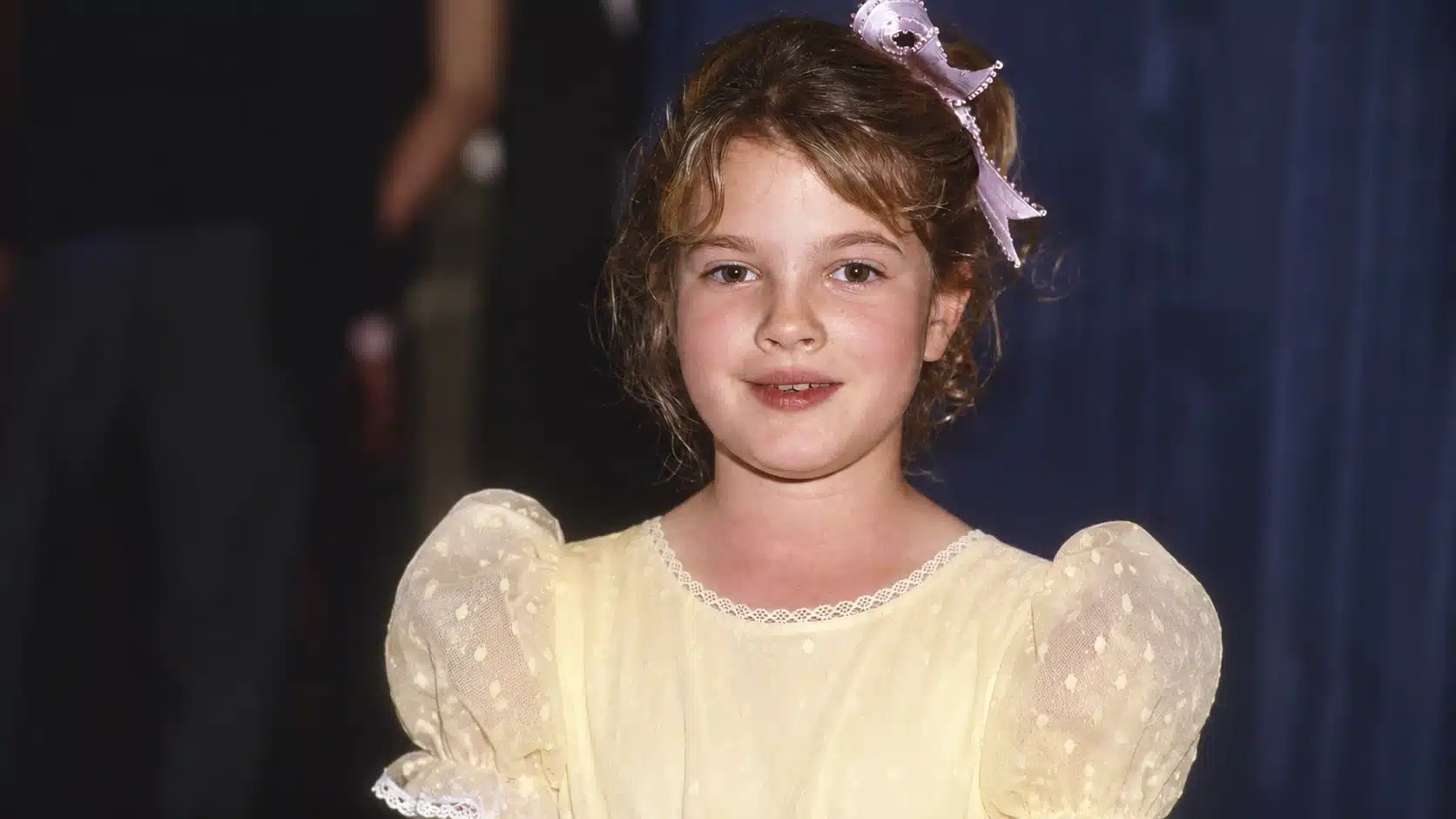
Two factors drove most of the damage: the industry she was placed in and the family she came home to. Neither provided what a child actually needed.
Growing Up Too Fast in Hollywood
After E.T., Drew Barrymore’s childhood looked glamorous on the outside but had almost no structure. She was brought to adult spaces, including Studio 54, before she had any framework for what she was seeing or doing.
The nightclub itself was not the core problem. The core problem was that a child with no real supervision was being handed access to an adult world on a regular basis, and nobody with authority over her was stopping it.
The Role of Her Parents and Family Environment
Many people search for Drew Barrymore’s mother and Drew Barrymore’s parents to understand how the situation became what it did. Her father, John Drew Barrymore, was largely absent.
Her mother, Jaid Barrymore, moved in the same party circles Drew was being exposed to.
According to People, Drew has spoken about a family cycle of alcohol abuse that ran across generations, and described stopping drinking as one of the most meaningful things she could do for her family name. Her story did not begin with her.
When Did Drew Barrymore Start Using Drugs and Alcohol?
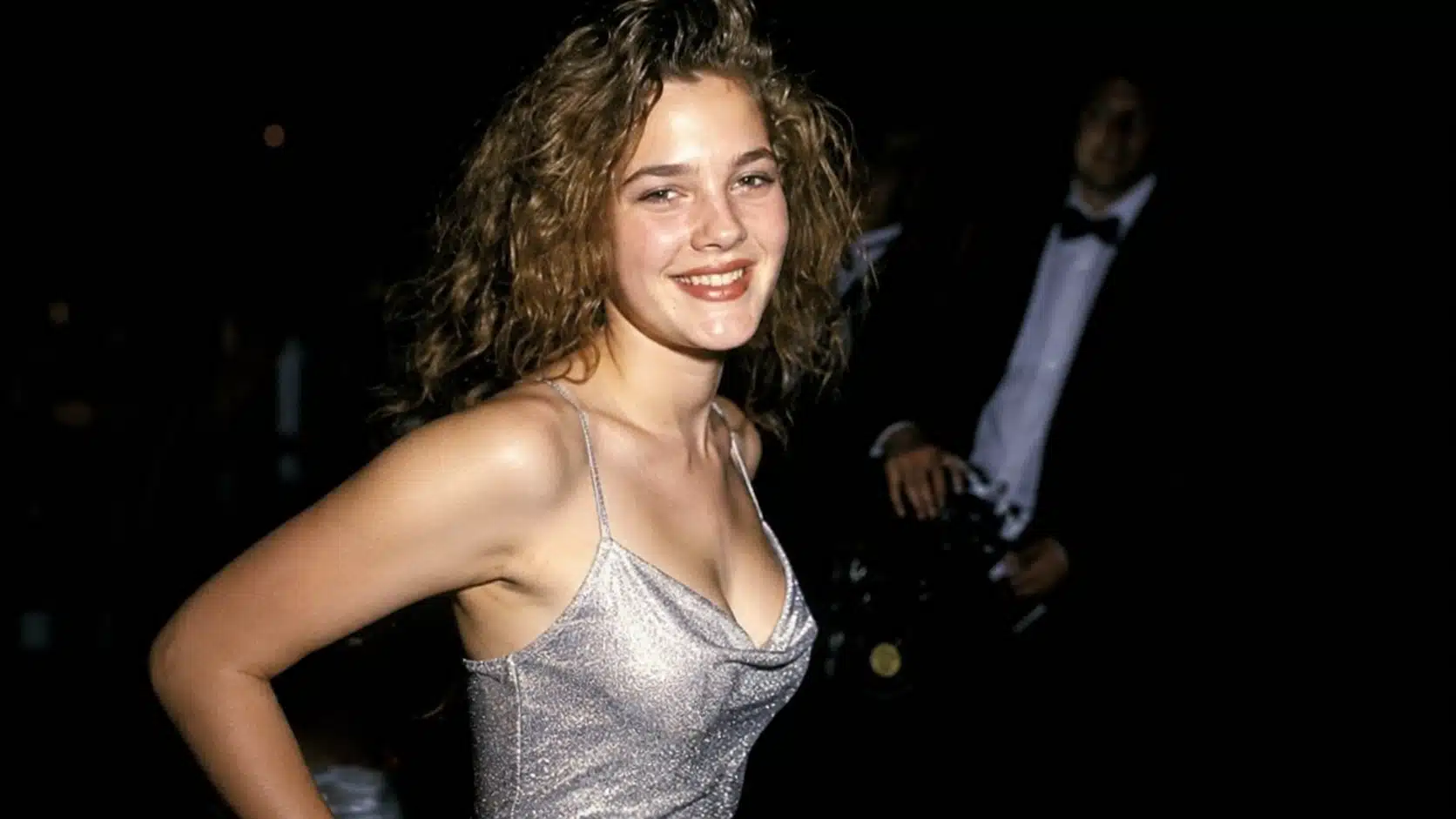
The timeline here is not approximate. Drew documented it herself in her memoir, and the ages involved are what make this story so difficult to look away from.
Alcohol at Age Nine
According to the book description of Little Girl Lost, her memoir co-written with Todd Gold, Drew Barrymore was drinking alcohol by age nine, not once at a party, but regularly enough to call it a pattern.
A child’s brain is still in an active phase of development at that age, and early alcohol use carries compounding risks that do not resolve on their own. This was not a phase. It was the start of something that would take years to address properly.
The timeline here moves fast. Between what the next section describes, the progression from alcohol to harder substances happened in just three years.
Marijuana and Cocaine Before Her Teenage Years
Both substances are documented in her own words, making this one of the more thoroughly recorded cases of childhood drug use in public life. According to the same memoir, marijuana use followed around age ten, and cocaine use began around age twelve.
By then, Drew had spent years in environments where adults around her used substances openly. Children absorb what surrounds them. That is not an excuse for the adults involved.
It is simply the mechanism that made her drug addiction so predictable in hindsight, and so preventable if anyone had been paying closer attention.
| ⚠️ Advisory: Research from the National Institute on Drug Abuse (NIDA)2 confirms that early substance use, particularly before age 14, significantly raises the likelihood of developing a substance use disorder later in life. The younger the age of first use, the greater the long-term risk. This is not about willpower. It is about neurobiology. |
Drew Barrymore at 13: Rehab, Institutionalization, and Crisis
By thirteen, Drew Barrymore’s drug use had reached a point where the adults around her could no longer ignore it. What followed was a sequence of interventions, each more serious than the last:
- She entered a rehabilitation program at age thirteen after her substance use became unmanageable.
- When rehab alone was not enough, she was placed in a psychiatric institution.
- She has described being “out of control” during this period, using her own words in public accounts.
- She has also spoken about being placed in solitary confinement at one point during her institutional stay.
- She was thirteen, using cocaine, and had no stable home environment to return to once treatment ended.
- She later said the experience, as painful as it was, may have saved her life.
That last point carries weight. In an interview covered by The Independent, she reflected on this period not with bitterness, but with a clear-eyed recognition that the intervention, however imperfect, redirected a trajectory that was not going anywhere good.
| 📝 Note: Substance use and mental health struggles frequently occur together, particularly in young people who have experienced adverse childhood experiences. Only Drew Barrymore and her care team can speak to the specifics of her mental health history. This article does not attempt to diagnose or characterize her private medical experiences. |
Why Did Drew Barrymore Get Emancipated?

At age fourteen, Drew Barrymore became legally emancipated from her parents. In legal terms, emancipation means a minor is granted the legal status of an adult before turning eighteen.
She could sign contracts, live independently, and make her own decisions without parental consent. For Drew, emancipation was less about freedom and more about survival. Her home environment had been deeply unstable, marked by neglect and a lack of the structure and safety that a child deserves.
Struggling with substance use at a very young age, she had already experienced rehabilitation and public scrutiny long before most teenagers face adult responsibilities.
The court’s decision acknowledged that she was more capable of directing her own life than the circumstances around her allowed. It was not a happy ending. It was a necessary beginning, one step in a long, difficult process that would take many more years to fully work through.
| ⚠️ Caution: Legal emancipation for minors can be an important protective step in genuine crisis situations, but it also places adult-level responsibilities onto a teenager who is still developing. It should never be seen as a solution to childhood trauma or addiction on its own. |
Childhood Trauma, Adverse Experiences, and the Science Behind the Risk
Drew Barrymore’s story is not just a celebrity story. It is also a case study in what researchers call adverse childhood experiences, often abbreviated as ACEs. These include neglect, unstable home environments, exposure to substance use by caregivers, and early access to harmful situations.
Data from the CDC’s 2023 Youth Risk Behavior Survey found that ACEs are widespread among U.S. high school students and are strongly connected to substance use, mental health challenges, and other risk behaviors.
The more ACEs a child accumulates, the higher the likelihood of long-term harm. Drew Barrymore, by any reasonable measure, had accumulated several before she was ten. Fame complicates this further.
When a child is also a public figure, the adults around her often prioritize the career over the child. That is not unique to the Barrymore story. It is a pattern that runs through the history of child stardom in ways that are still being addressed today.
| 💡 Tip: If you are a parent or caregiver of a child who has experienced adverse childhood experiences, early support makes a measurable difference. Speaking with a pediatric mental health professional sooner rather than later can reduce long-term risk significantly. |
Drew Barrymore’s Journey to Recovery
Drew Barrymore’s path to recovery was neither quick nor linear. It involved years of personal work, deliberate choices, and a deep commitment to breaking patterns that had defined her family for generations.
1. Recovery Was Not a Single Moment
Rehab at thirteen was not a cure; it was a starting point. Drew Barrymore’s recovery unfolded over the years, shaped by therapy, career rebuilding, and genuine internal effort.
She took on smaller roles, worked steadily, and emerged in the late 1990s and 2000s as someone who had done the hard, quiet work that lasting sobriety and emotional health actually require.
2. Stopping Drinking and Breaking a Family Cycle
As an adult, Drew made a deliberate choice to stop drinking, and she has spoken about feeling deeply proud of it. She framed this decision not as a near escape but as a conscious act of self-care and generational change.
Breaking the family cycle of alcohol abuse was something she chose with clarity and intention, redefining what the Barrymore name could represent going forward.
3. Motherhood as a Turning Point
Becoming a mother to daughters, Olive and Frankie, gave Drew a new lens on her own childhood. Parenting as a turning point reshaped how she understood what children need and what she had been denied.
Rather than bitterness, she brought perspective, one that now informs how she speaks openly about addiction, healing, and the real possibility of change across generations.
Common Myths About Drew Barrymore’s Addiction
Several misconceptions surround Drew Barrymore’s early struggles. Understanding what actually happened means setting the record straight on three ideas that often get repeated without much scrutiny:
- Myth 1: It was just Hollywood partying. She had her first drink at nine years old. A child cannot choose a party lifestyle. This was harmful exposure inside an environment that should have kept her safe, not a personal decision made freely.
- Myth 2: Rehab fixed everything overnight. She entered treatment at thirteen and continued working through the consequences of her childhood well into adulthood. Recovery from early addiction is a long-term process, not a single event with a clean resolution.
- Myth 3: Childhood fame is glamorous. Early success without proper oversight, emotional support, and legal protections can expose a child to serious risks. The glamour is frequently the cover story. The reality, for many young performers, is far harder.
These patterns are not unique to Drew. A broader look at celebrities with drug addictions shows how consistently the same pressures appear across different eras and industries alike.
How Drew Barrymore Rebuilt Her Career
After emancipation, Drew Barrymore did not disappear from public life. She worked. She took roles in films such as Poison Ivy, Scream, The Wedding Singer, Ever After, and Charlie’s Angels, and co-founded the production company Flower Films in 1995.
The career that followed her troubled childhood was not accidental. It was built deliberately, one project at a time. Her daytime talk show, which launched in 2020, fits neatly into the longer arc of her story.
It is a show about connection, emotion, and honesty, qualities that someone who spent years disconnected from stability, emotion, and honesty would naturally come to value. The show was a public reflection of private work she had already done.
Recovery stories that hold up over decades tend to share certain features: sustained effort, honest self-reflection, changed environments, and meaningful work.
Bradley Cooper’s long-term sobriety offers a useful comparison point, showing how the internal work of recovery often looks unglamorous from the outside while quietly producing something durable on the inside.
Frequently Asked Questions
What role did Studio 54 play in Drew Barrymore’s childhood?
Studio 54 was an adult nightclub that Drew Barrymore reportedly visited as a child. It represents the broader problem of her exposure to adult spaces, parties, and substance use at an age when she had no framework to process or resist any of it. The venue itself was less important than the pattern it illustrated.
Did Drew Barrymore’s family background contribute to her addiction?
She has said publicly that a family cycle of alcohol abuse existed across generations. Growing up with that as the surrounding norm, combined with an absent father and limited parental supervision, created an environment where substance use was accessible, normalized, and effectively unchecked for years.
What is emancipation, and how did it help Drew Barrymore?
Legal emancipation grants a minor adult legal status before age eighteen. For Drew, it meant the ability to live independently and make her own decisions. It removed her from a home environment that had failed to protect her, though it also placed adult responsibilities onto a teenager who was still healing from significant early trauma.
How does early substance use affect the developing brain?
Research from NIDA confirms that early substance use, particularly before age fourteen, interferes with brain development and raises the long-term risk of addiction substantially. The adolescent brain is especially sensitive to the effects of alcohol, marijuana, and stimulants like cocaine, all of which Drew used before age thirteen.
How did motherhood change Drew Barrymore’s relationship with her past?
Becoming a parent gave Drew a direct reference point for what children need and what she had not received. She has spoken about looking at her own childhood differently after having daughters, with more clarity about the gaps in her early care and a stronger commitment to breaking the generational patterns she inherited.
Is Drew Barrymore’s talk show connected to her recovery story?
The themes of her show, including emotional honesty, second chances, and human connection, align closely with the values she has described building her recovery around. Whether intentional or not, the show reflects a person who has done serious long-term work on her own relationship to vulnerability, openness, and healing.
Final Verdict
Drew Barrymore’s story is not a cautionary tale about the dangers of Hollywood, though it is certainly that too. It is the account of a child who was failed by the systems around her, who found ways to survive anyway, and who built a real life on the other side of a childhood that offered her very little protection.
Her willingness to put that story in writing, at nineteen, in Little Girl Lost, took a kind of honesty that most adults would find difficult. The fact that she has continued to speak about it publicly, with clarity and without drama, across more than three decades, says something about the work she has done and continues to do.
If her story resonates with something in your own life or in the life of someone you care about, the SAMHSA National Helpline at 1-800-662-4357 is free, confidential, and available around the clock.
Recovery is not a destination. It is a direction. And Drew Barrymore has been walking in that direction for a long time. Drop a comment below and share your questions about Drew Barrymore.
Sources
- People: Drew Barrymore on Breaking the Family Cycle of Alcohol Abuse
- Goodreads: Little Girl Lost by Drew Barrymore and Todd Gold
- National Institute on Drug Abuse (NIDA): Adolescent Brain and Substance Use
- The Independent: Drew Barrymore on Rehab and Solitary Confinement
- CDC: 2023 Youth Risk Behavior Survey: Adverse Childhood Experiences
- YouTube: Drew Barrymore on Breaking the Family Cycle of Alcohol Abuse
- Fun With Dizzies: Celebrities With Drug Addictions: The Untold Stories
- Fun With Dizzies: Bradley Cooper Sober: A Journey From Struggle to Strength