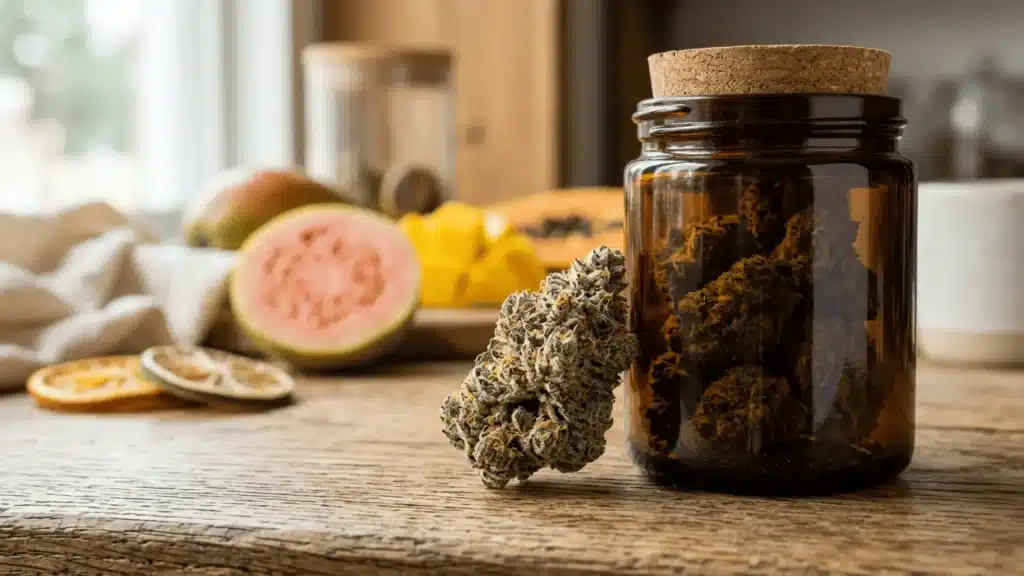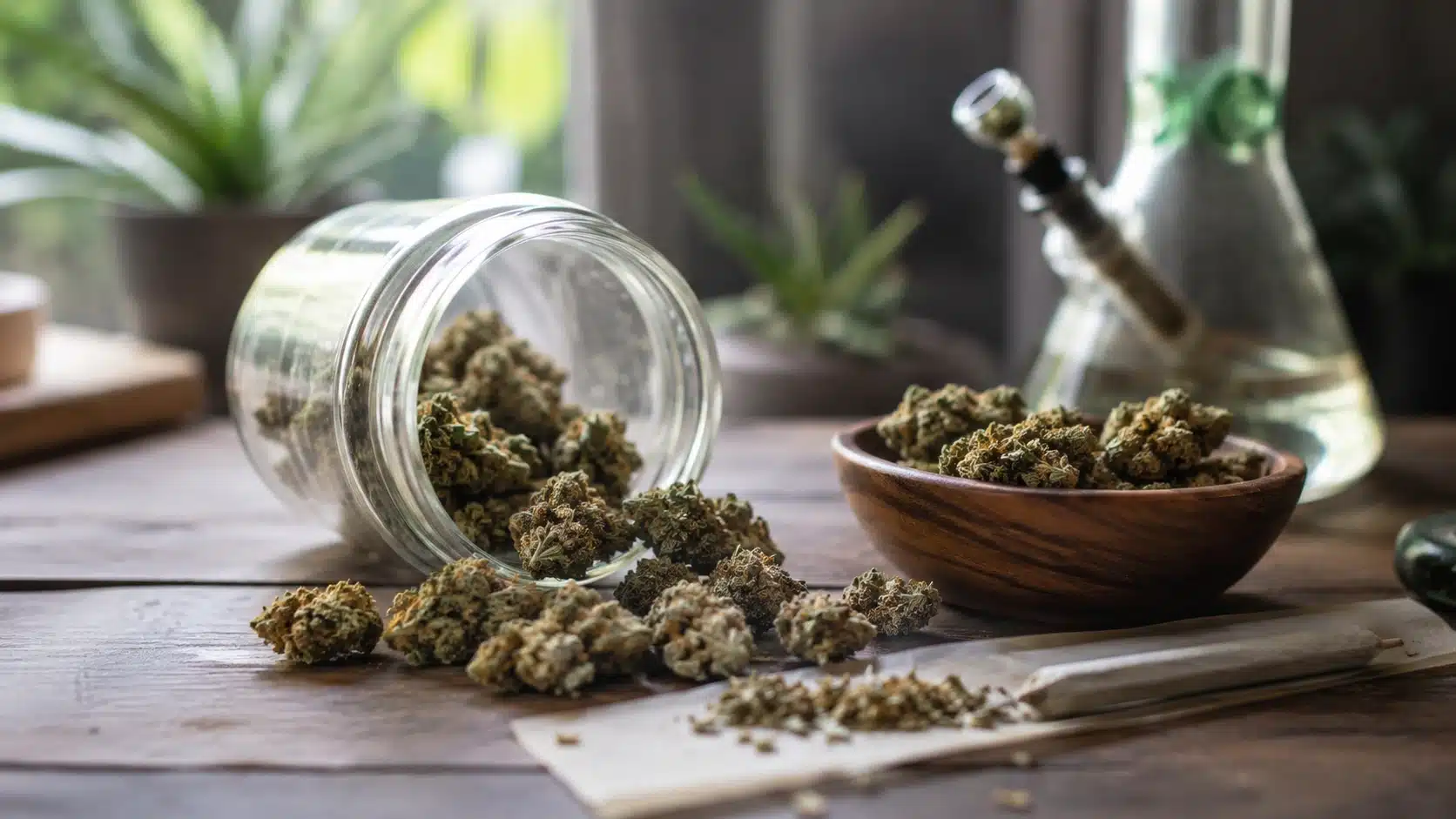
| Feature | High-Quality Cannabis | Low-Quality Cannabis |
|---|---|---|
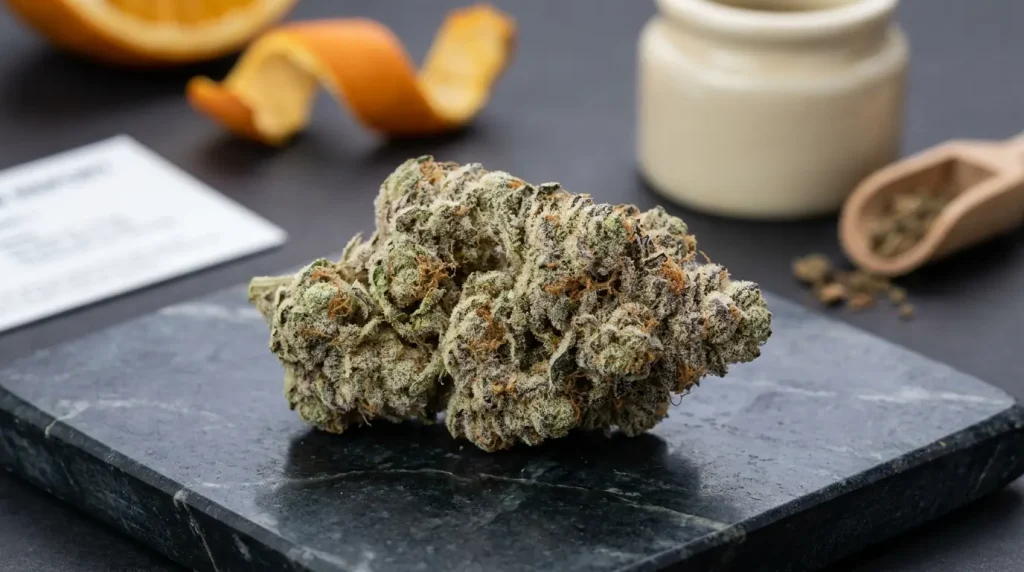
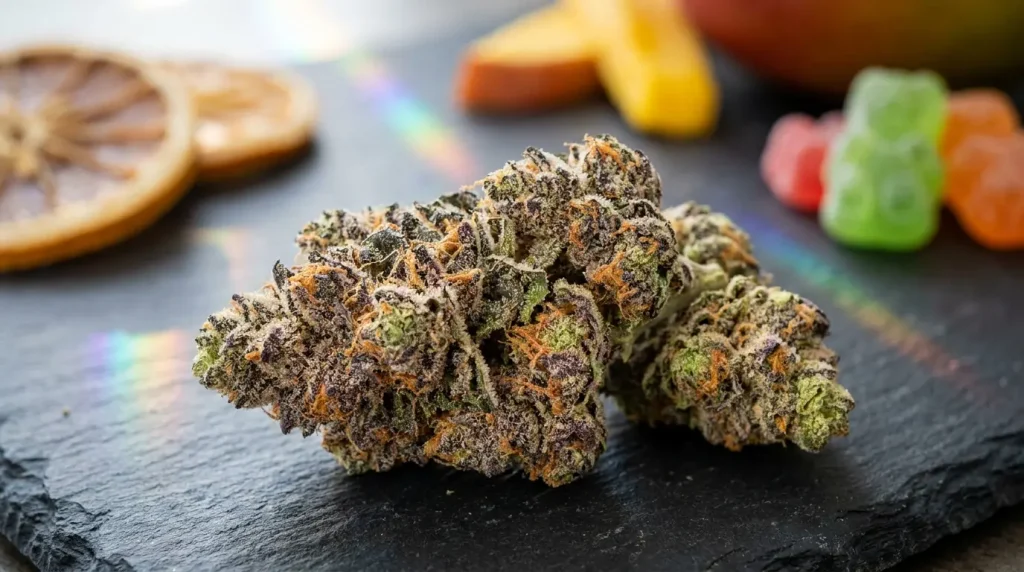
| Color | Deep green, purple tones, bright orange pistils | Brown, yellow, gray, or faded |
| Trichomes | Frosty, milky white, naturally coating the bud | Bare, powdery, clear, or stripped |
| Texture | Slightly sticky, springy, and firm | Dusty, damp, rock-hard, or flat |
| Smell | Fresh, complex, and strain-specific | Hay-like, mildew, ammonia, or odorless |
| Trim | Clean bud structure, minimal leaf, no seeds | Excess stems, visible seeds, loose shake |
| Bud Structure | Dense and intact, not compressed or airy | Too fluffy, too rock-hard, or broken apart |
| Lab Testing | COA available with full panel results | No testing or unverifiable batch claims |
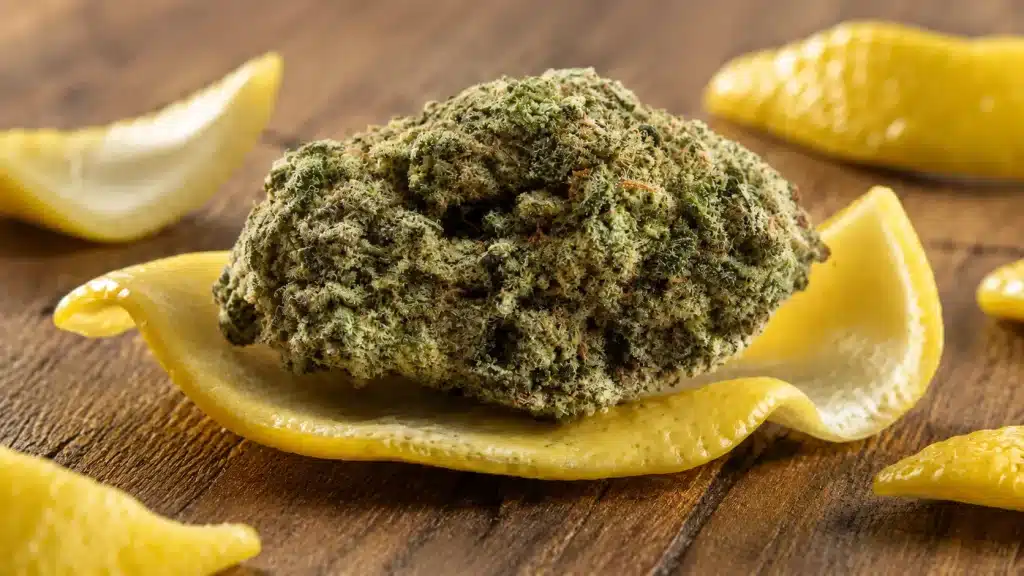
Good cannabis flower looks deep green and frosty with a fresh, layered smell that fills the room the moment you crack the jar. Brown, dull, or odorless bud tells the opposite story, and this guide explains exactly what separates the two.
Each of the seven signs below gets a real explanation, and the sections beyond them cover what most buyers overlook entirely: shelf tiers, storage, how to evaluate cannabis through sealed packaging, and how quality cannabis compares to low-grade reggie.
| ⚠️ Advisory: Cannabis quality has two layers. The first is what you can assess directly through sight, smell, and touch. The second is what only a lab report can confirm, including pesticide levels, mold presence, and accurate cannabinoid percentages. This guide covers both. A bud that clears the sensory check but lacks verified testing is only half-qualified. |
What Does “Good Weed” Mean?
Good cannabis flower refers to a bud that was grown under sufficient light and nutrients, harvested at the right maturity point, properly dried and cured, cleanly trimmed, safely stored, and verified by third-party lab testing. It is not just about appearance.
A visually impressive bud that skips the curing process or lacks testing documentation is not genuinely high quality, even if it photographs well. Think of it this way: quality cannabis has two layers.
The first is what you can assess directly through sight, smell, and touch. The second is what only a lab report can confirm, including pesticide screening, mold levels, and accurate cannabinoid percentages. Both layers matter equally. The goal of this guide is a checklist that accounts for both the visible and the verified.
The 7 Signs of High-Quality Cannabis Flower
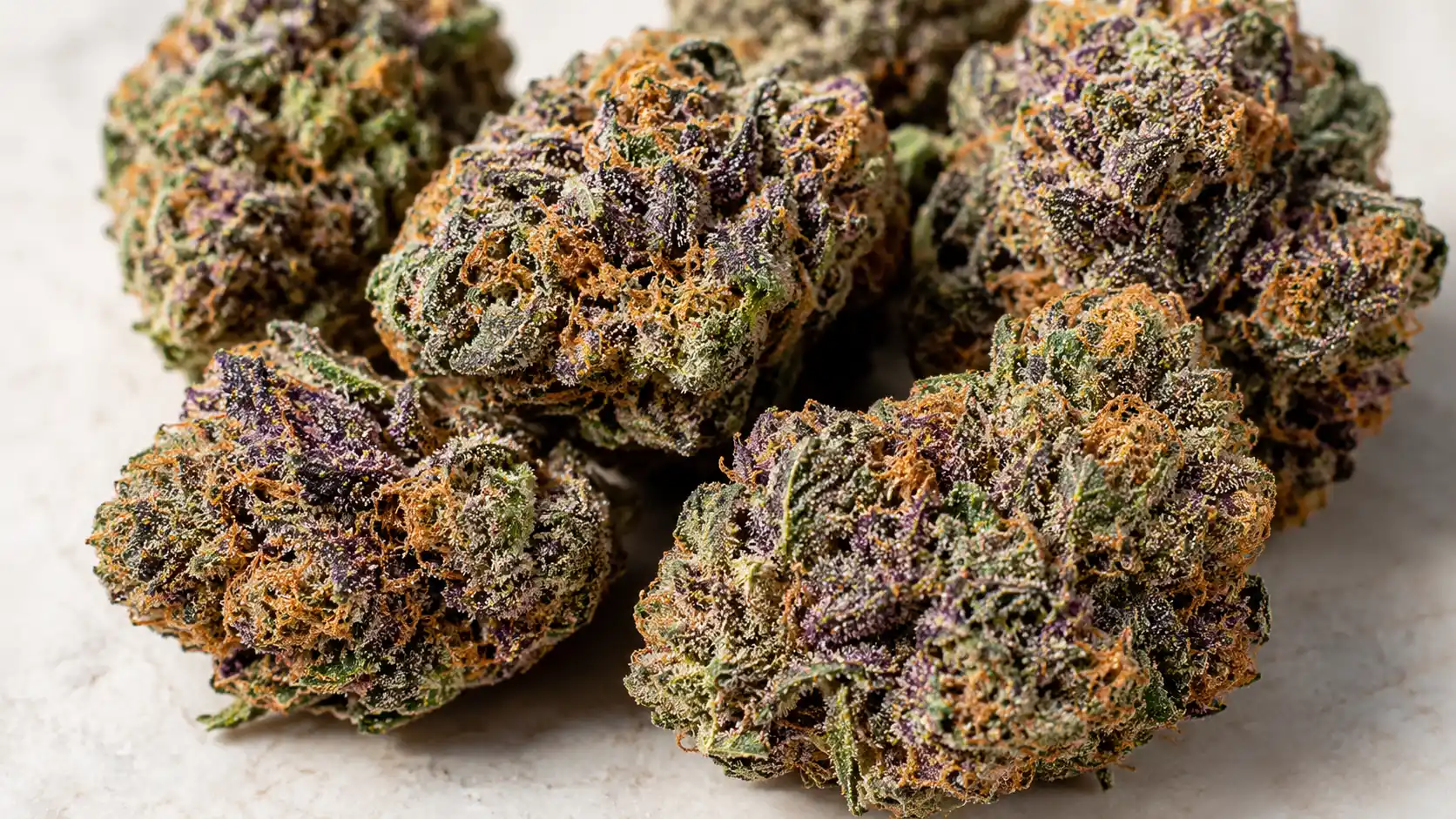
Each of these signs works together. No single cue tells the full story, but when several align, you can buy with real confidence.
1. Trichome Coverage That Looks Frosty and Natural
The frosty coating on a quality bud comes from glandular trichomes, tiny resin structures that produce cannabinoids and terpenes.
Research on cannabis glandular trichome development confirms these are the primary biosynthesis sites for both, making trichome density a reliable potency indicator. Under light, look for a milky white or opaque coating. Clear trichomes indicate early harvest; heavy amber indicates overripe flowers.
| 📝 Tip: A small jeweler’s loupe at 30x magnification costs very little and makes trichome inspection straightforward. If you buy cannabis regularly, it is worth keeping one on hand. |
Avoid buds that look powdery in a way that rubs off or coats your fingers with loose white material. That is not trichomes and can indicate contamination or adulteration.
2. Color That Signals a Healthy Plant
Cannabis color is shaped by genetics, growing temperature, and plant pigments called anthocyanins. Healthy flowers range from lime to forest green, sometimes showing purple or lavender tones. Bright orange pistils are a positive sign of proper maturity.
Brown or yellow tones suggest age or nutrient issues. Some cultivars produce striking hues naturally, and cannabis strains that develop pink or purple hues do so through the same anthocyanin pigment pathway responsible for the color in blueberries and red cabbage.
| ⚠️ Advisory: Gray fuzz on cannabis is not a cosmetic issue. It typically indicates Botrytis, commonly called bud rot, and consuming moldy cannabis carries real respiratory risks, particularly for anyone with a weakened immune system. If you see gray or white fuzz that looks fuzzy rather than frosty, do not consume the product. |
3. Texture That Is Sticky, Springy, and Not Damp
A properly cured bud feels slightly tacky from trichome resin, firm but not rock-solid, and springy under gentle pressure. Too dry leads to terpene degradation and harsh smoke. Too wet means curing was cut short and mold risk is elevated.
Research on fungal contaminants in cannabis and hemp flowers indicates that improper moisture control is a primary contributor to mold and mycotoxin contamination.
| 📝 Note: Rock-hard buds are not necessarily high quality. An unusually dense, almost pebble-like flower can indicate the grower used plant growth regulators, which can affect taste and overall safety. Genuinely quality bud is firm but yields slightly under gentle pressure. For a deeper look at how plant growth regulators affect cannabis quality, see our guide on what PGR weed is and how to spot it. |
4. Smell That Is Fresh, Clear, and Strain-Specific
Aroma comes almost entirely from terpenes, the compounds that define each strain’s scent profile. A fresh bud should hit you immediately with a clear, identifiable smell, whether citrus, pine, diesel, earth, or skunk.
The stronger and more layered the scent, the more intact the terpene content. Hay or grass smell signals degraded terpenes. Mildew or ammonia notes are a firm reason to walk away entirely.
Terpenes also interact with cannabinoids to shape the effect you feel, a relationship researchers call the entourage effect: two buds with identical THC percentages can produce noticeably different experiences if their terpene profiles differ. A rich, complex smell is a proxy for a more complete cannabinoid-terpene interaction.
5. A Trim That Shows Care and Craft
A well-trimmed bud shows dense flowers, trichome-covered surfaces, and pistils with minimal leaf extending beyond the structure. No large fan leaves, long stems, or visible seeds should be present.
A few small sugar leaves are fine. What you want to avoid is a bag where leaf and stem matter compete with the actual flower, which signals rushed processing or lower overall production standards.
| 📝 Tip: Seeds in the flower are more than a cosmetic issue. They divert the plant’s energy away from resin and cannabinoid production during the grow, which typically results in lower overall potency and a harsher smoke. |
6. Bud Structure Appropriate to the Strain Type
Indica-dominant strains typically produce dense, compact buds while sativa-dominant genetics lean toward looser, more open structures. Neither is automatically better, but extreme fluffiness suggests insufficient light during the grow, which limits cannabinoid and terpene development.
Unusually compressed, pebble-hard buds can indicate the use of plant growth regulators. Good bud feels dense for its size and breaks cleanly under moderate pressure.
7. A Certificate of Analysis You Can Actually Verify
A Certificate of Analysis, or COA, is the third-party lab report for a specific cannabis batch. It confirms what no sensory check can: pesticide levels, heavy metals, mold, and accurate cannabinoid percentages. In regulated markets, testing before sale is required.
California’s Department of Cannabis Control requires licensed cannabis batches to pass testing covering cannabinoid content, terpene labeling, pesticides, microbials, and heavy metals before reaching consumers. Always match the batch number on the COA to the product label.
| ⚠️ Advisory: If a seller cannot produce a COA or the batch number does not match the label, there is no reliable way to verify the potency claims or the safety results. That is a reason to walk away regardless of how the bud looks. |
How Good Weed Compares to Reggie Weed
“Reggie” is a common slang term for low-grade commercial cannabis, usually grown outdoors with little attention to harvest timing, curing, or quality control. Understanding the visual and sensory differences between reggie weed and quality cannabis is one of the fastest ways to sharpen your buying instincts.
| Feature | Quality Cannabis | Reggie Weed |
|---|---|---|
| Color | Deep green, with possible purple hues | Brown, tan, or yellowish |
| Trichomes | Dense, milky white coating visible to the eye | Sparse or absent; bud looks dull |
| Texture | Firm and slightly sticky | Dry, crumbly, or compressed |
| Smell | Strong, layered, and strain-specific | Weak, hay-like, or nearly odorless |
| Seeds | None | Frequently present |
| Trim quality | Clean, minimal stems and leaf | Excess stems, mixed shake |
| Lab testing | COA available from a licensed lab | No testing; unverified sourcing |
The seeds found in reggie are a clear sign the plant was not grown as a sinsemilla crop. Sinsemilla refers to unfertilized female cannabis plants, which put all of their energy into resin and cannabinoid production rather than seed development. When seeds are present, potency and terpene density both drop.
If you are buying in a legal, regulated dispensary, true reggie-grade product is unlikely to appear on the shelf. Mandatory batch testing creates a quality floor that eliminates the worst examples.
Reggie is more commonly encountered in unregulated purchases, which is one of the clearest practical reasons to stick to licensed retailers.
How Dispensary Shelf Tiers Work
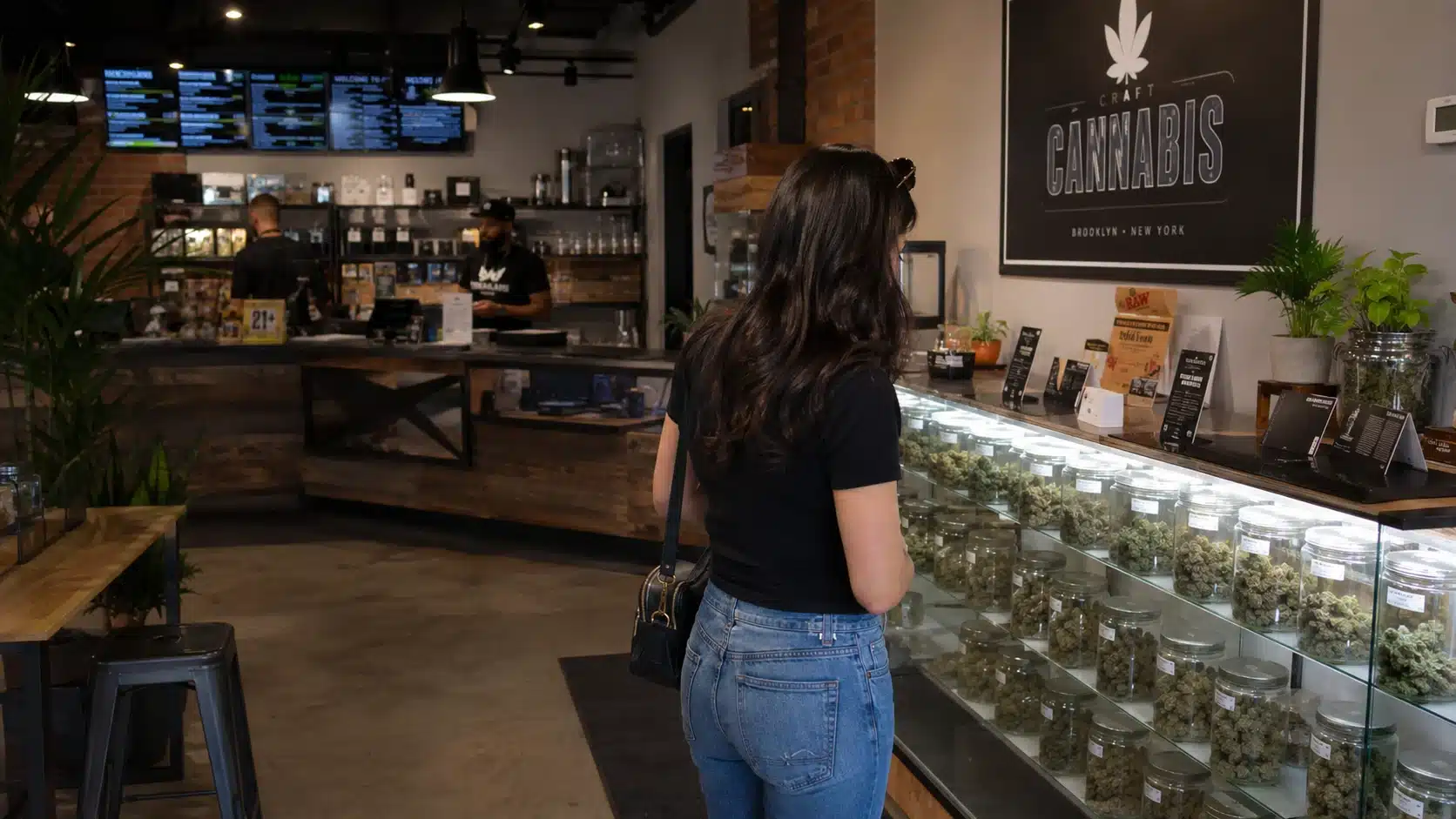
Most legal dispensaries organize flower inventory into tiers. Knowing these categories helps set accurate expectations before you inspect a single bud or ask a single question:
- House or value shelf: Commercially grown at scale. Meets baseline testing requirements but typically shows less trichome development, simpler aroma, and rougher trim than higher tiers.
- Mid-shelf: A step up in cultivation standards and curing time. Usually better trim and a more developed terpene profile than house shelf at a moderate price point.
- Top-shelf: Grown with more attention to light intensity, nutrient management, and post-harvest handling. Notably better aroma, structure, and trichome coverage than in lower tiers.
- Private reserve or craft: Small-batch grows with controlled curing, hand-trimming, and often a more detailed terpene panel on the COA. The premium end of what most dispensaries carry.
Tier labels vary by retailer, so always cross-check the COA rather than trusting the shelf name alone. Asking staff which batches arrived most recently is the simplest way to find fresh stock at any tier.
| 📝 Note: Shelf tier labels vary by dispensary and state. “Top shelf” at one retailer may be equivalent to “mid-shelf” at another. Always cross-check the COA rather than relying solely on marketing labels to assess what you are buying. |
THC Percentage Is Not the Same as Quality
This is worth addressing directly because it is one of the most common buying mistakes. High THC numbers do not equal high-quality cannabis. THC percentage tells you how much of that specific cannabinoid is present in the batch. It does not tell you about terpene complexity, cultivation practices, curing quality, or how well the effects will match what you are actually looking for.
The National Institute on Drug Abuse notes that THC affects mood, perception, and cognition, and that individual responses vary considerably, with higher concentrations increasing the likelihood of unwanted effects for some users.
A full terpene profile alongside a moderate THC percentage often produces a more satisfying experience than a stripped-down high-THC product with minimal terpene content. For a practical look at how much THC percentage actually matters when choosing cannabis, the numbers tell a more nuanced story than most labels suggest.
If you want a practical guide to choosing cannabis by intended effect, there is a useful breakdown of how different cannabis strains vary in their effects for sleep, pain, and anxiety that covers this in concrete terms.
How to Check Quality When You Cannot Smell Before You Buy
In some states, cannabis must be in sealed packaging before purchase, making the smell check impossible. These are the practical alternatives that still give you a reliable quality read:
| What to Check | What to Look For | Red Flag |
|---|---|---|
| COA terpene panel | Multiple compounds listed at meaningful percentages | Single terpene or near-zero percentages |
| Batch number | Matches exactly between packaging and COA | Numbers do not align |
| Flower color | Matches product photography closely | Significant color difference from the photos |
| Harvest or test date | Within the last six to twelve months | No date shown or older than twelve months |
| Terpene percentage total | Above one percent combined is a reasonable baseline | Below 0.5 percent suggests a degraded product |
None of these replaces a direct smell check, but used together, they give a solid picture of freshness and curing quality before you commit to a purchase.
Storing Cannabis Properly After You Buy It
Even genuinely high-quality cannabis degrades quickly if stored carelessly. Terpenes evaporate with heat and air exposure. Light, particularly UV light, degrades THC over time. Moisture fluctuations promote mold growth.
The good news is that proper storage is straightforward and inexpensive. An airtight glass jar kept in a cool, dark location is the most effective storage method. A two-way humidity control pack placed inside the jar, typically at 58 to 62 percent relative humidity, maintains the moisture balance that keeps the flower springy and aromatic without tipping into conditions that favor mold.
Avoid plastic bags for long-term storage because they generate static that pulls trichomes from the surface of the bud. Avoid the refrigerator as well, since repeated temperature changes introduce condensation. Room temperature in a dark cabinet with a humidity pack is genuinely all you need.
| 📝 Tip: Research suggests THC in cannabis can decrease by around 16 percent in the first year of storage, even under reasonable conditions. Buy quantities you will use within a few months rather than stockpiling for extended periods. |
Frequently Asked Questions
What does good weed look like compared to bad weed?
Good cannabis is deep green, coated in a milky white frosty layer of trichomes, and carries bright orange pistils. Bad weed looks brown or tan, has little to no visible trichome coating, and may show gray fuzz, excess stems, or visible seeds.
Smell is equally revealing: quality cannabis has a strong, specific aroma while low-grade product smells like hay or nothing at all.
What does reggie weed look like?
Reggie weed typically looks brown or tan, is noticeably dry and crumbly, and often contains seeds. The trichome coating is sparse or absent, giving the buds a dull, flat appearance rather than the frosty look you expect from quality cannabis.
The smell is weak and tends toward hay rather than anything strain-specific. In legal dispensaries, reggie-grade product is unlikely to clear mandatory lab testing requirements, so it is more commonly found in unregulated markets.
What does moldy weed look like?
Moldy cannabis shows gray or white fuzzy patches that look distinctly different from trichome frost. Trichomes appear as a fine, glistening coating; mold looks cottony or dusty and does not catch the light the same way.
Botrytis, the most common cannabis mold, starts as a gray-white fuzz that turns darker as it spreads. If you see it, do not attempt to salvage the bud by trimming the affected area: the fungal spores and mycotoxins penetrate throughout the flower structure.
Does the smell of weed tell you about quality?
Yes, and it is one of the most reliable indicators available. Terpenes, the compounds responsible for cannabis aroma, degrade with heat, air, and age.
A strong, layered smell signals that the terpene content is largely intact, which also correlates with fresher, better-cured flower and a more complete experience. A hay or grass smell means terpenes have degraded. Mildew or ammonia smells indicate microbial problems and are a hard reason to avoid the product entirely.
Can cannabis look high-quality but still be weak in effect?
Yes. Visual quality does not guarantee potency. A frosty-looking bud can still have a modest cannabinoid profile. Always check the COA for accurate THC and terpene percentages rather than relying on appearance alone.
Does bud density always mean better cannabis?
Not always. Rock-hard buds can indicate the use of plant growth regulators. Genuine quality sits between extremes: firm and springy, not compressed or suspiciously dense beyond what the strain naturally produces.
If a bud feels like a pebble and barely yields under pressure, that is worth investigating before buying.
How long does cannabis stay fresh after purchase?
Properly stored in an airtight glass jar with a humidity pack, most flower retains its quality for 2 to 4 months before noticeable terpene and potency loss begin. Beyond that window, the bud is still usable but will smell and smoke differently than it did when fresh.
Is shake from the bottom of a jar worth buying?
Shake is of lower consistency than intact buds, but that does not make it automatically bad. Quality depends on the source flower.
Check the COA and inspect for stems, seeds, and any visible gray patches before committing. Shake from a high-quality batch is often a cost-effective option for edibles or rolling.
Closing Thoughts
Good cannabis shows itself across multiple signals at once. The milky trichome coverage, the clean strain-specific aroma, the springy and slightly sticky texture, the careful trim, the healthy color range, the appropriate bud structure, and the verifiable COA all point in the same direction when the product is genuinely well-made.
None of these signals works perfectly on its own, which is exactly why a checklist approach is more reliable than relying on any single cue.
The COA is the final step rather than an optional extra, because it catches what your eyes and nose cannot. When a bud clears both the sensory check and the lab verification, you are in solid territory. Drop a comment below and let us know if this helped you better understand cannabis quality.
Disclaimer: This article is for informational purposes only. Cannabis laws and regulations vary by state and country. Nothing in this article constitutes medical advice. Consult local laws before purchasing or using cannabis products.
Sources
- Livingston, S.J. et al., 2024. “Characterization of Cannabis Glandular Trichome Development.” Springer Plant Cell Reports. link.springer.com
- Van Kerckhoven, S. et al., 2023. “Fungal and Mycotoxin Contaminants in Cannabis and Hemp Flowers.” PMC / Environmental Science and Pollution Research. pmc.ncbi.nlm.nih.gov
- National Institute on Drug Abuse (NIDA), 2024. “Cannabis (Marijuana): Research Summary.” U.S. Department of Health and Human Services. nida.nih.gov
- California Department of Cannabis Control, 2024. “Testing Laboratories Requirements.” cannabis.ca.gov. cannabis.ca.gov