| Color source | Anthocyanins: water-soluble pigments activated by genetics and cooler night temps (55–65°F) in late flower |
| THC ranges across the family | 15% (Predator Pink) to 24% (Pink Panties, Pink Cookies, Pink Runtz) |
| Dominant terpenes | Myrcene, Limonene, Caryophyllene, Linalool |
| Potency is correlated with color | Zero. A pink bud can test at 14% or 26% THC. |
| Price premium | 10–25% typical. Only justified when genetics, natural color, and terpene COA are verified. |
| Dyed cannabis | Exists. Natural pink concentrates in pistils and bud seams; dye shows as a uniform surface tint. |
Which Pink Strain is Right for You?
The most common error when buying pink cannabis: choosing based on color intensity rather than effect profile and genetics. The nine strains in this family cover a wide range of experiences. Here is how to narrow your choice based on what you actually need.
| Daytime use: you need to stay functional – Predator Pink or Pink Lemonade
Predator Pink (15–18% THC, Rare Dankness) delivers a clear, balanced experience that does not impair activity. Pink Lemonade is the more energetic option: Limonene-dominant, sativa-leaning, and rarely reported as sedating even at the higher end of its range. |
| Evening wind-down: relaxed but not knocked out – Pink Berry, Pink Rozay, or Pink Champagne
Pink Berry is the gentlest of the three, relaxing without crossing into sedating, and the most flavor-forward. Pink Rozay (Cookies, Linalool-dominant) is the social option, calm and euphoric without full sedation. Pink Champagne offers an uplifting onset that transitions into body ease within 30–45 minutes. |
| Nighttime or high tolerance: you want a significant physical effect – Pink Panties or Pink Cookies
Pink Panties (Burmese x Florida Kush, 20–24%) is the stronger physical sedation option. Pink Cookies (GSC x Pink Kush) layers the GSC potency ceiling over Pink Kush’s body-forward profile. Both are nighttime cultivars and are not recommended for anyone who still needs to function after consuming. |
| Day-to-evening flexibility – Pink Runtz
Pink Runtz (Zkittlez x Gelato lineage) is the most versatile in the family, consistently described as balanced across day and evening use. The Limonene-Caryophyllene terpene profile keeps it from tipping decisively toward sedation or stimulation. |
| First time trying pink cannabis – Predator Pink at a lower dose
The lowest THC ceiling (15–18%) in this family, a balanced effect profile, and an approachable berry-citrus flavor make it the right entry point. Standard first-use rule: one inhalation, wait 20 minutes before reassessing. Do not chase the effect early. |
| ⚠️ Before you buy: Check the color source. Pink cannabis is frequently sold at a premium based on appearance alone. Dyed cannabis exists and can look similar to genuine anthocyanin expression at a glance. Before paying a color premium, confirm that the pink lives in the pistils and bud structure (not as an even surface tint), ask for a COA confirming the terpene profile matches the stated genetics, and ask the budtender what specifically makes this product pink. If the answer focuses only on the look without referencing genetics or growth conditions, that is a gap worth noting before purchase. |
What Actually Causes Cannabis to Turn Pink
Pink coloration comes from anthocyanins, water-soluble pigments that shift color based on cellular pH. In mildly acidic conditions, they express red to pink; as pH rises, the same pigment moves toward purple, then blue-green.
A 2024 peer-reviewed study in Plant Direct (PMC) confirmed that color expression is fundamentally a genetic switch: genes including DFR, ANS, and OMT determine whether the capacity exists. The environment activates it; it cannot create it.
The trigger is nighttime temperature. A drop to 55–65°F (13–18°C) during the final two to three weeks of flowering slows cellular metabolism, shifts tissue pH slightly acidic, and intensifies anthocyanin expression. According to Cannabis Science and Technology, this is the same mechanism behind vivid autumn color in outdoor harvests. Higher temperatures suppress pigmentation regardless of genetics. Carotenoids contribute warm orange-pink tones in some cultivars through a separate pathway.
| 📝 What this means for buyers: The same genetics can produce deep magenta in one grow and a mostly green plant in another, depending on how the late-flower temperatures were managed. When a dispensary sells “Pink Kush” with minimal visible pink, that is often a temperature management issue at the grow level, not a mislabelled product. Color intensity is not a quality indicator. |
How to Identify Genuine Pink Weed
Knowing what natural pink cannabis looks like matters specifically because dyed cannabis exists and is sold alongside legitimate products at dispensary prices.
Natural pink expression: what to look for
Genuine anthocyanin coloration follows the plant’s anatomy rather than coating its surface. These four markers consistently separate natural pigment expression from anything applied after harvest.
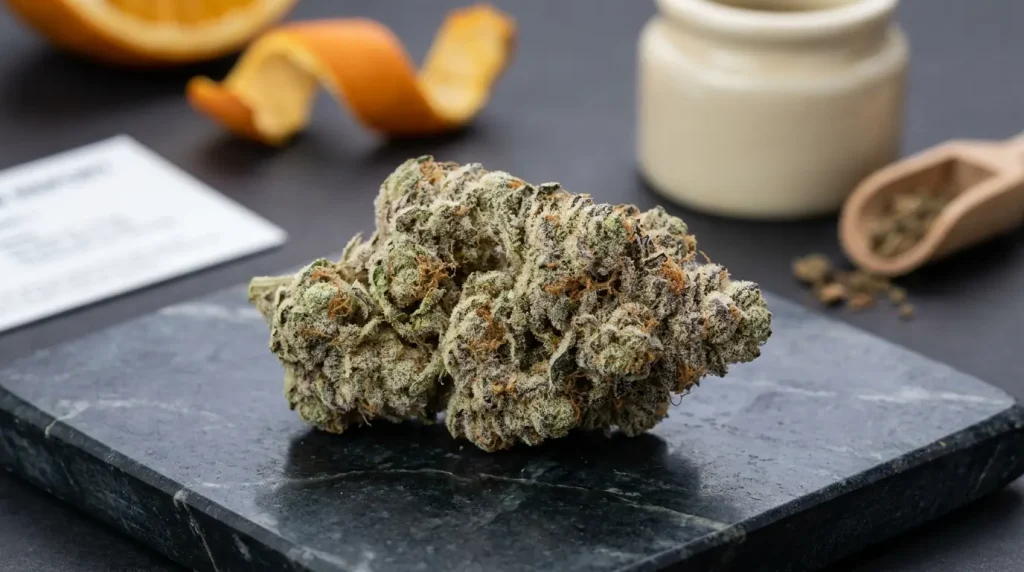
- Pistil concentration: color is most intense in the thin hair-like pistils emerging from bud sites. Pink pistils ranging from light rose to bright magenta are the most reliable visual indicator of genuine anthocyanin expression.
- Structural variation: Natural color follows the plant’s anatomy, more concentrated at pistil tips and bud seams, fading toward the interior. Pigmentation is uneven in the way that plant biology produces.
- Leaf edge expression: In temperature-responsive genetics, sugar leaf tips and edges show pink or reddish tones where they were most exposed to temperature variation during flowering.
- Trichome layer over color: Trichome coverage sits atop the pigmentation naturally, creating a frosty appearance over the pink rather than obscuring or replacing it.
If all four of these markers are present, the coloration is almost certainly genetic. If even one is absent, particularly pistil variation or structural gradation, ask for the COA before paying a color premium.
Signs of dyed cannabis
Dyed cannabis is more common than most dispensary visitors expect. These four red flags are visible before purchase and require no lab equipment, just attention to what you are actually looking at.
- Uniform surface tint: color that is even across the entire outer bud surface without varying between pistils, bud seams, and internal structure. Natural pigmentation is never this uniform.
- Surface-sitting color: Pigmentation that appears to sit on top of the plant tissue rather than emerging from within it. Natural anthocyanin expression comes from inside the cell structure.
- Color transfer on handling: Natural cannabis coloration does not transfer onto skin or packaging. Pigment on your fingers after handling is a reliable indicator of dye.
- No color gradation: Genuine anthocyanin expression produces natural fading from the outside in. The dyed product shows no such gradient.
Spotting one of these signs does not confirm the presence of dye with certainty, but it is enough to ask the question at the counter. Any legitimate dispensary with a quality product should be able to answer it.
Popular Pink Weed Strains: Full Profiles
Each profile below covers the documented lineage, the sensory marker that separates it from other pink cultivars, and what users consistently report, in that order.
Pink Kush

| Pink Kush | ||
| Type: Indica-dominant | THC: 18–22% | Lineage: OG Kush; BC-stabilized |
| Dominant Terpene: Myrcene | Best for: Evening / physical relaxation |
Genetics
OG Kush parentage, stabilized through British Columbia cultivation communities. No single breeder has formally published the lineage, but the BC attribution is consistent across seed bank records.
Sensory differentiator
Sweet vanilla with floral notes and a light earthy undertone. The sweetness resolves cleanly, no lingering fuel or dank base, which is the clearest sensory separation from heavier pink cultivars. OG Kush genetics respond predictably to late-flower temperature drops, making the pink pistil expression vivid and reliable across grows.
What users report
A heavy, body-forward experience that builds over 20–30 minutes and does not plateau early. Users consistently describe physical weight and sleepiness rather than a functional head effect. Rarely cited for daytime use.
| ⚠️ Dose note: At the upper end (20–22% THC), the sedating effect can run long enough to affect next-morning alertness. Timing matters: consume earlier in the evening rather than close to bed. |
Predator Pink

| Predator Pink | ||
| Type: Balanced hybrid | THC: 15–18% | Lineage: Rare Dankness catalog; OG x fruity hybrid |
| Dominant Terpene: Limonene | Best for: Daytime / social / new users |
Genetics
Lineage attributed to the Rare Dankness catalog, combining OG and fruity hybrid genetics. Rare Dankness’ involvement is referenced consistently across cultivation communities, though the exact parent cross has not been formally published.
Sensory differentiator
Berry and citrus with light sweetness, the most approachable aroma in the pink family. The citrus brightens rather than leads, making it the go-to for users who find fuel-forward profiles off-putting.
What users report
Mentally clear and socially functional. The body component is present but does not restrict activity. Frequently cited as the best entry point in the family: manageable ceiling, balanced profile, and an effect that allows self-assessment before committing to more.
“Predator Pink was my go-to recommendation for first-timers who specifically wanted a pink strain. Low ceiling, balanced profile, and you can actually assess how it affects you without worrying that you’ve overdone it.”
Pink Berry

| Pink Berry | ||
| Type: Indica-leaning hybrid | THC: 16–20% | Lineage: Blueberry (DJ Short) x Pink Kush |
| Dominant Terpene: Myrcene + Linalool | Best for: Evening / flavor-focused users |
Genetics
Blueberry (DJ Short) x Pink Kush cross. Blueberry contributes the fruit-forward terpene character; Pink Kush provides structure and a tendency toward color expression.
Sensory differentiator
Sweet berry with a lavender-adjacent floral note from Linalool, the most distinctly sweet-floral aroma in the pink family. The scent is immediately present when the container opens, which is unusual for an indica-leaning cultivar.
What users report
Gentle body ease with maintained mental clarity. Users consistently describe it as relaxing without sedating, the key distinction from heavier pink cultivars. Mood lift is frequently mentioned. The experience is reported as pleasant rather than intense.
Pink Panties

| Pink Panties | ||
| Type: Indica-dominant | THC: 20–24% | Lineage: Burmese Kush x Florida Kush |
| Dominant Terpene: Caryophyllene | Best for: Nighttime / experienced users |
Genetics
Burmese Kush x Florida Kush cross. The Kush-heavy parentage drives both the high THC ceiling and the pronounced body effect. Some phenotypes show Florida OG involvement.
Sensory differentiator
Sweet outer note with a Caryophyllene-driven spice underneath, the only cultivar in this guide where spice is a defining feature rather than a background character. More complex and less one-dimensionally sweet than the rest of the pink family.
What users report
Strong physical sedation builds over 20–30 minutes. Couch-lock appears as the dominant descriptor in community discussions. Consistently positioned as nighttime-only, users note the potency warrants careful dosing before the first experience.
| ⚠️ Ceiling dose note: Pink Panties at the upper end of its range is a full-sedation strain. Not appropriate for situations requiring physical or mental function. If you are new to the 20–24% THC range, start significantly lower than you think you need to and give yourself a full 20-minute window before assessing. |
Pink Rozay
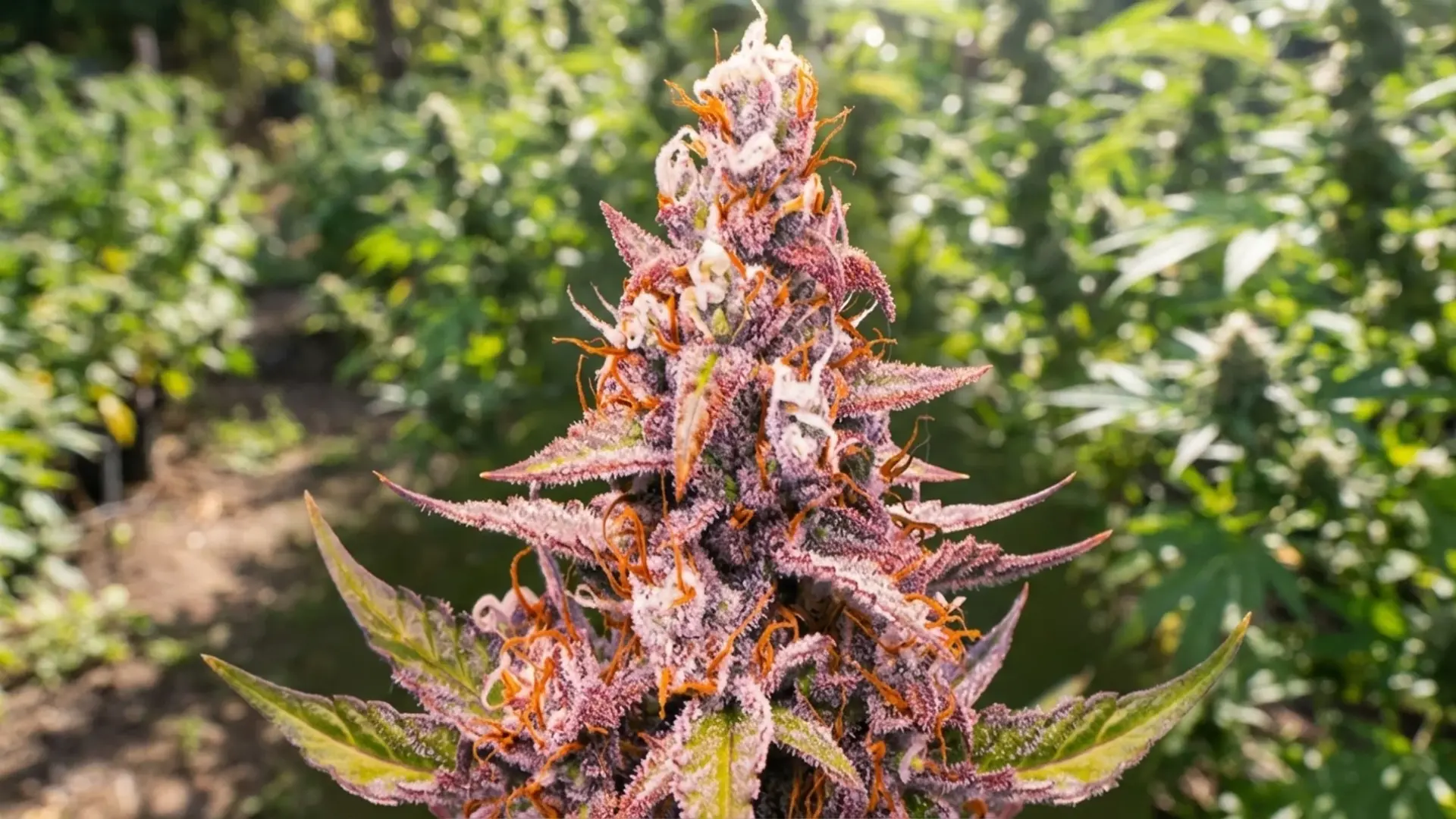
| Pink Rozay | ||
| Type: Hybrid | THC: 18–23% | Lineage: Lemonchello x London Pound Cake |
| Dominant Terpene: Linalool | Best for: Evening social / flavor |
Genetics
Bred by Cookies (Berner), making it one of the few pink cultivars with a formally documented commercial breeder. Lemonchello parentage contributes to the sweet, sparkling quality the name references.
Sensory differentiator
Floral and berry with a Linalool-dominant wine-adjacent sweetness that appears in no other pink cultivar in this guide. The refined terpene profile is the most frequently cited reason users seek this cut specifically over other pink options.
What users report
Calm, relaxed, and slightly euphoric. The transition from mood lift to body ease is described as gradual and comfortable. Social-friendly rather than sedating; evening and early-evening use dominate community discussions.
“Pink Rozay was the one that turned people into regulars. The flavor is different enough from every other pink option that once someone found it, they stopped shopping around. Linalool-dominant profiles do that: they’re distinctive in a way that Myrcene-heavy strains often aren’t.”
Pink Champagne
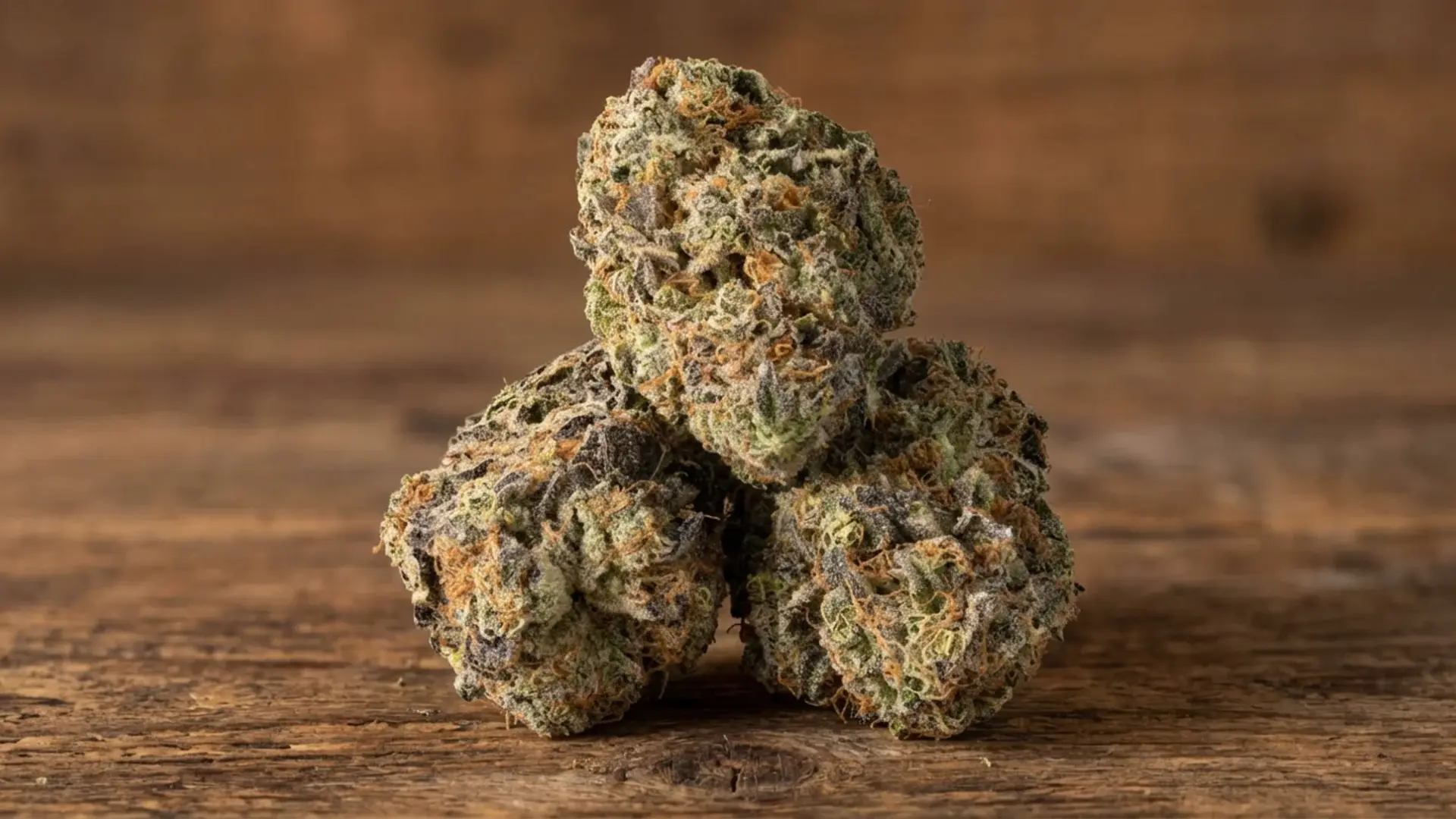
| Pink Champagne | ||
| Type: Indica-dominant hybrid | THC: 17–22% | Lineage: Ken’s GDP x Phantom OG |
| Dominant Terpene: Myrcene + Limonene | Best for: Evening / uplifted onset |
Genetics
Ken’s Granddaddy Purple x Phantom OG. GDP contributes color expression and the sweet berry base; Phantom OG adds structural density and the floral top note.
Sensory differentiator
Sweet berries and floral notes with a subtle earthy undertone, cleaner and brighter than heavier Kush-forward pink cultivars. The Myrcene-Limonene combination produces layered complexity that single-terpene-dominant options in the family do not have.
What users report
Euphoric onset transitioning into body ease within 30–45 minutes. Users describe the arc as starting uplifted and finishing physical, which distinguishes it from cultivars where sedation arrives immediately.
Pink Lemonade
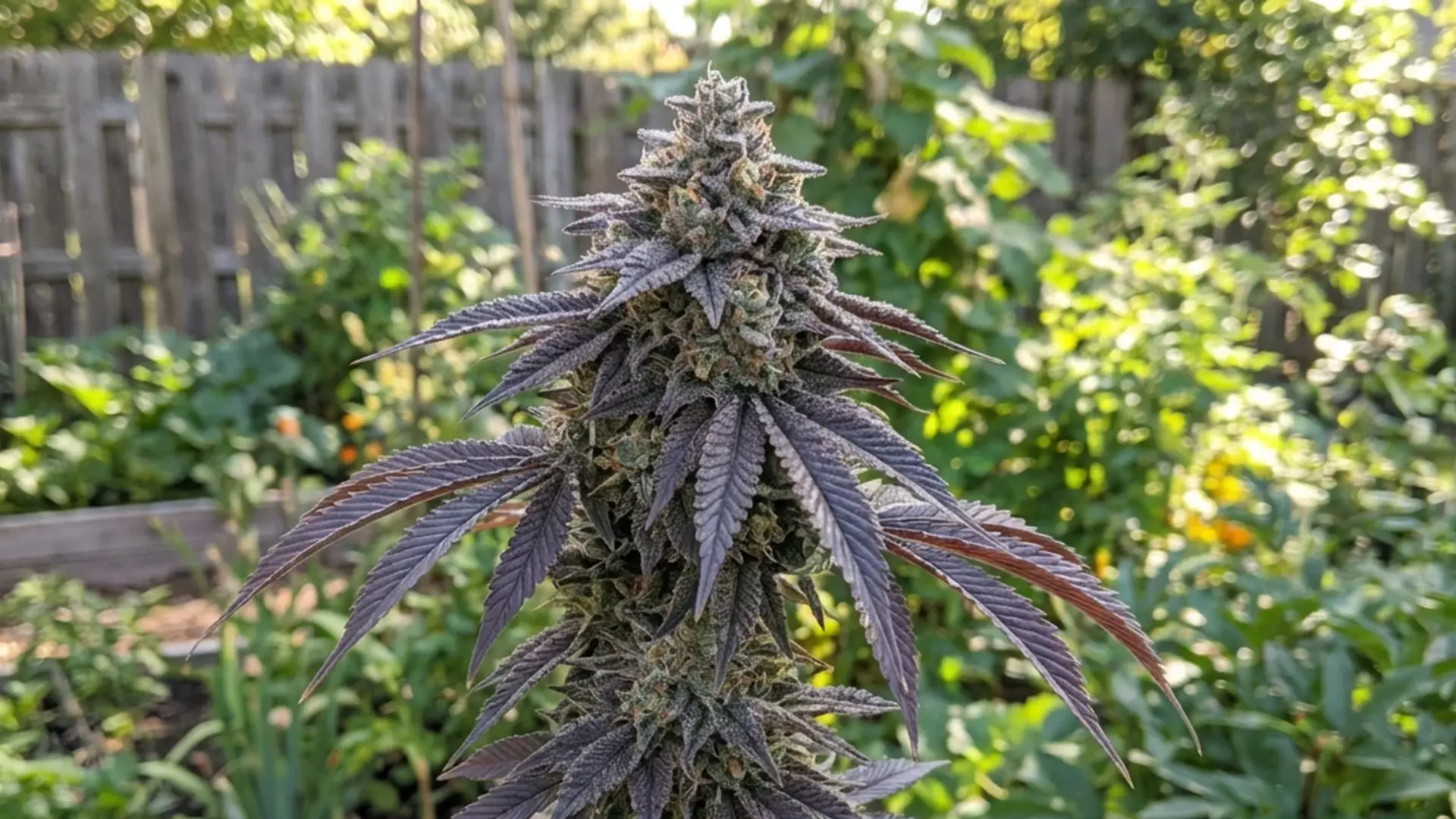
| Pink Lemonade | ||
| Type: Sativa-leaning hybrid | THC: 16–20% | Lineage: Lemon Skunk x Purple Kush |
| Dominant Terpene: Limonene | Best for: Daytime / creative / social |
Genetics
Lemon Skunk x Purple Kush. Lemon Skunk drives the dominant citrus terpene profile; Purple Kush provides the genetic basis for color expression.
Sensory differentiator
Sweet lemon and citrus zest with berry as a secondary accent: the most citrus-forward cultivar in the pink family, and the clearest departure from the dessert-and-dank direction that defines most others in this group.
What users report
Energetic, creative, and social. Rarely described as sedating, even at the higher end of the THC range. Daytime use dominates community discussions; the Limonene profile and sativa lean both point consistently in that direction.
Pink Cookies
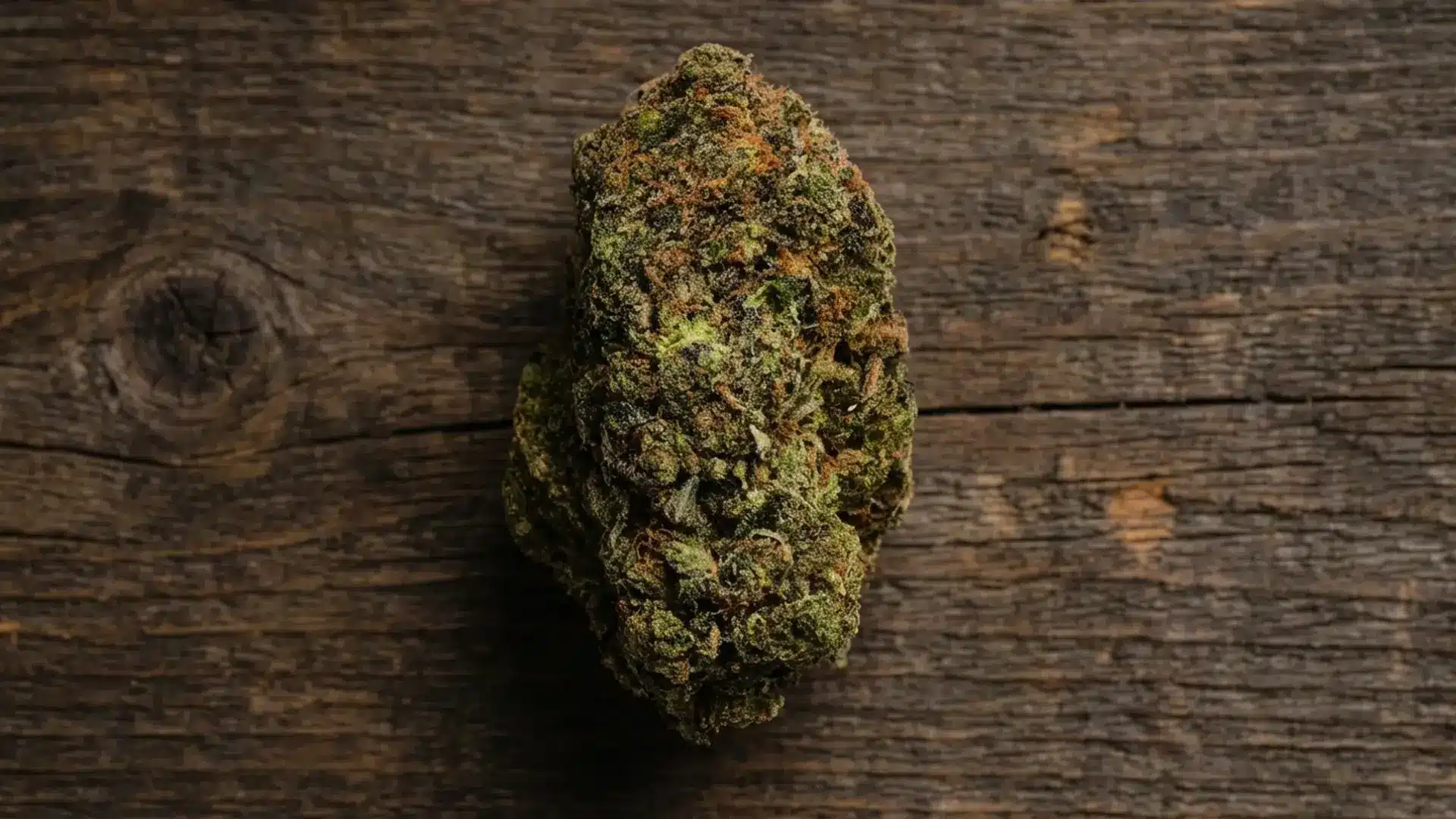
| Pink Cookies | ||
| Type: Indica-dominant hybrid | THC: 20–24% | Lineage: Girl Scout Cookies x Pink Kush |
| Dominant Terpene: Caryophyllene + Myrcene | Best for: Nighttime / GSC-experienced users |
Genetics
Girl Scout Cookies x Pink Kush is one of the more straightforward lineage attributions in this family. GSC contributes the potency ceiling and sweet-earthy base; Pink Kush adds body depth and color expression.
Sensory differentiator
Sweet vanilla and earthiness with spicy Caryophyllene complexity underneath. The GSC parentage is recognizable before you check the label. The most layered flavor profile on the indica-dominant side of the pink family.
What users report
Deep relaxation and euphoria give way to a heavy body effect. Consistently positioned as nighttime-only. Users reach for this when standard cookie phenotypes no longer deliver adequate physical weight.
| ⚠️ Dose note: At 20–24% THC with a Myrcene-Caryophyllene profile, this is among the most sedating options in the pink family. Not appropriate for situations requiring activity. Start lower than you expect to need to. |
Pink Runtz
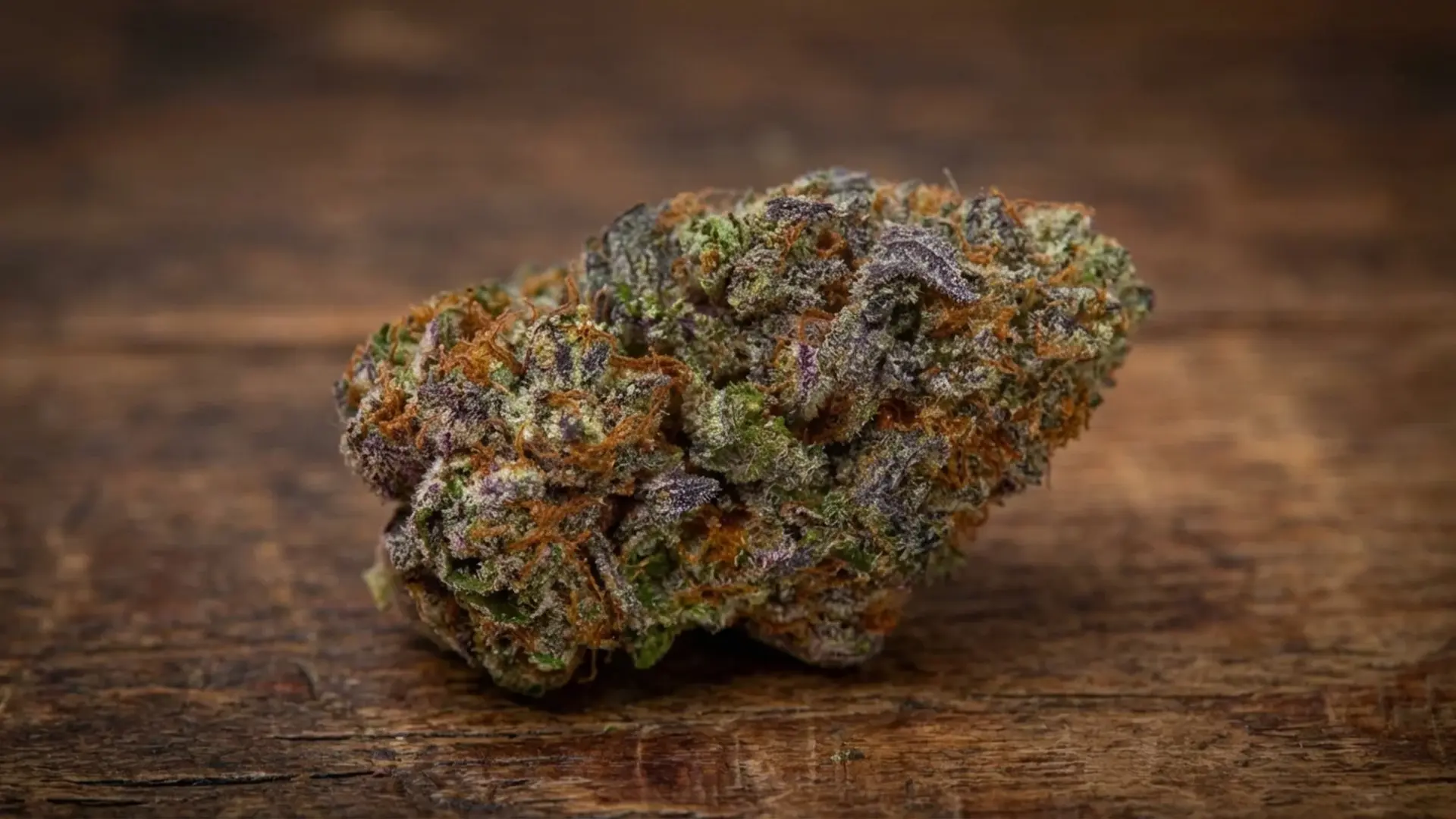
| Pink Runtz | ||
| Type: Hybrid | THC: 19–24% | Lineage: Zkittlez x Gelato (Runtz line) |
| Dominant Terpene: Limonene + Caryophyllene | Best for: Day-to-evening / versatile |
Genetics
Zkittlez x Gelato (Runtz lineage), with pink phenotype selection attributed to breeders within the Cookies ecosystem. One of the better-attributed pink cultivars, the Runtz parent line, is extensively documented.
Sensory differentiator
Candy-store sweet with earthy and floral depth from the Limonene-Caryophyllene combination. The Caryophyllene adds spice that prevents the sweetness from reading as flat, making it among the most visually striking options in the family, with pink pistils, purple undertones, and heavy trichome coverage.
What users report
Happy, relaxed, and mentally uplifted. More frequently described as versatile across day and evening use than any other cultivar in this family. The Limonene-Caryophyllene balance keeps it from tipping decisively toward sedation or stimulation.
Potency and Effects Comparison
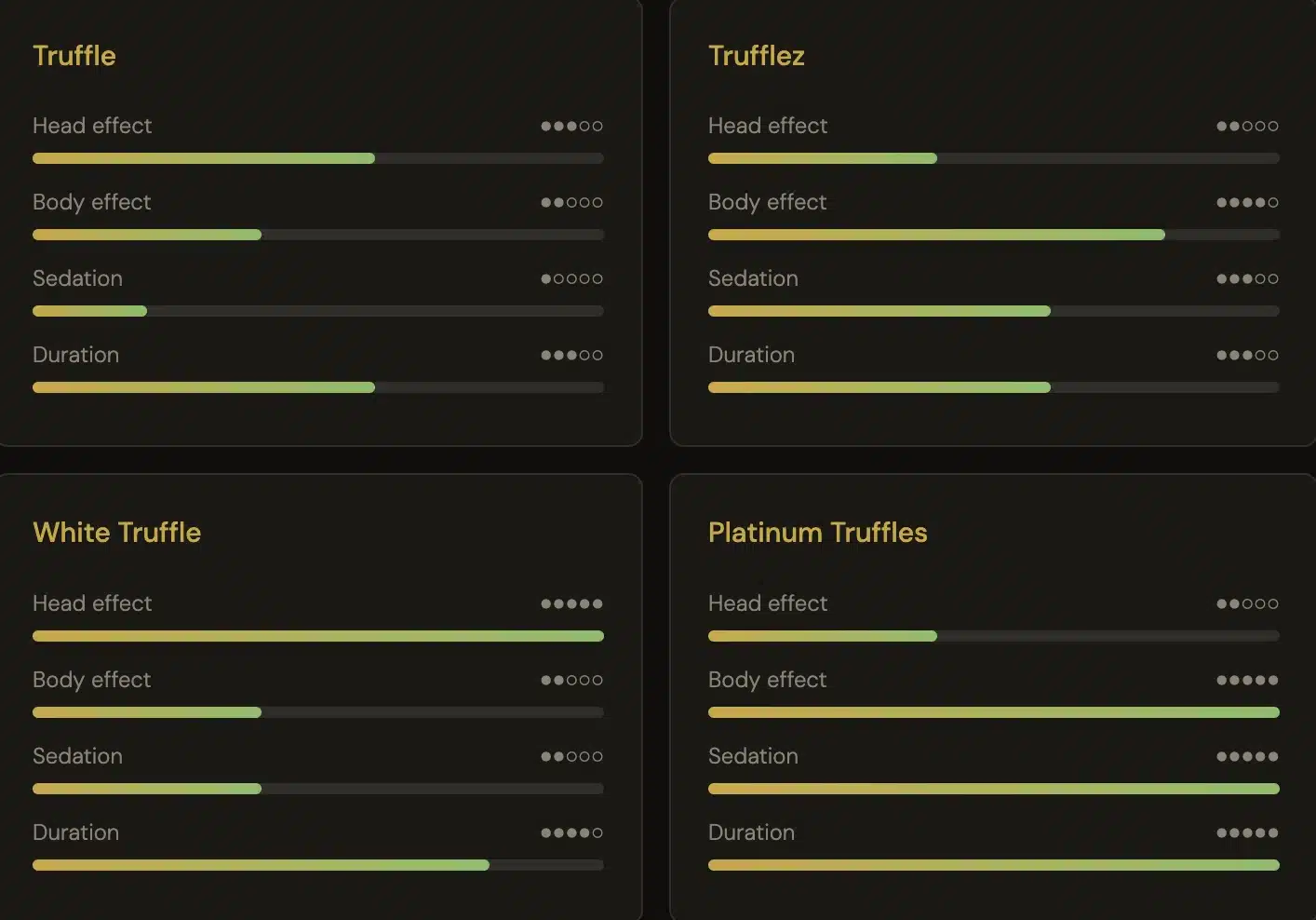
Potency in the pink family runs the full range, from the accessible 15–18% of Predator Pink to the 20–24% ceiling of Pink Panties and Pink Cookies. Color is not a reliable indicator. Here is a direct comparison across experience levels.
| Experience level | THC range | Starting dose | Best options | Key note |
| First-time/low tolerance | 15–18% | 2.5–5mg equiv. | Predator Pink, Pink Lemonade | Wait at least 90 minutes before reassessing, especially with edibles |
| Intermediate | 18–22% | 10–15mg equiv. | Pink Berry, Pink Champagne, Pink Rozay | Match to setting: Pink Rozay for social, Pink Berry for quiet evenings |
| Experienced/high tolerance | 22–24%+ | 15–20mg+ | Pink Panties, Pink Cookies, Pink Runtz | Pink Runtz retains daytime flexibility; Pink Panties and Pink Cookies are nighttime-only |
| 📝 User-reported framing: All effect descriptions use user-reported language because cannabis affects individuals differently based on tolerance, body chemistry, and consumption context. Nothing in this guide constitutes a medical claim about what any pink strain treats or relieves. If you are managing a health condition, speak with a healthcare provider before using cannabis. |
Flavor and Terpene Reference
Understanding which terpenes drive each pink strain’s character is one of the most practical tools for making a dispensary decision. For a broader breakdown of how terpenes interact with cannabinoids across all cannabis types, the FunWithDizzies terpenes guide covers the entourage effect in accessible terms. A peer-reviewed PMC study on cannabis terpenes confirms that beta-caryophyllene, beta-myrcene, and limonene are the most consistently dominant terpenes across cannabis chemotypes: all three appear prominently across the pink strain family.
| Terpene | Flavor note | User-reported association | Most present in |
| Myrcene | Earthy, musky fruit | Body relaxation, sedating quality | Pink Kush, Pink Berry, Pink Champagne |
| Limonene | Citrus, lemon brightness | Uplifting, mood elevation | Pink Lemonade, Predator Pink, Pink Runtz |
| Caryophyllene | Spicy, pepper depth | Physical ease; users note it alongside tension reduction | Pink Panties, Pink Cookies, Pink Runtz |
| Linalool | Floral, lavender-adjacent | Calming, smoothing quality; defines Pink Rozay’s wine-like character | Pink Berry (secondary), Pink Rozay (dominant) |
Growing Pink Weed: What Actually Matters
For a full breakdown of indoor setup considerations, see the guide on how to grow cannabis indoors with LED lights. What follows covers the color-specific variables that standard grow guides do not address.
Genetics comes first
Temperature manipulation cannot induce pink expression in plants that lack the capacity to produce anthocyanins. Selecting strains specifically bred for color, Pink Kush, Pink Berry, Pink Rozay, and Pink Champagne, is the non-negotiable foundation. No environmental adjustment will produce meaningful pink in genetics not equipped for it.
The temperature trigger
Cooler night temperatures in the final two to three weeks of flowering are the primary environmental lever. A drop to 55–65°F (13–18°C) during the dark cycle activates anthocyanin expression by shifting cellular pH toward the range that produces pink-to-red pigmentation. Daytime temperatures can remain in the standard flowering range; the nighttime differential is what drives the color response.
Strain-specific notes
| Strain | Color stability | Grow complexity | Key cultivator note |
| Pink Kush | High: responds predictably to temp drop | Intermediate | Manageable for cultivators past beginner basics |
| Pink Berry | High: Blueberry parentage is color-stable | Beginner-friendly | Most consistent color output per grow in the family |
| Pink Rozay | Moderate | Experienced | Cookie genetics require tighter nutrient and environment control |
| Pink Runtz | Variable: phenotype-dependent | Intermediate | Phenotype selection matters more here than with stable pink cultivars |
| Pink Champagne | High: GDP parentage is color-expressive | Intermediate | One of the more predictable color expressers when temp management is correct |
| 📝 Humidity and dense bud structure: Dense bud structure, common across the indica-leaning pink cultivars, creates interior moisture retention risk. Active airflow through the canopy and defoliation in weeks 4–6 reduces the risk of mould events that surface humidity monitoring will not catch early enough. This applies most significantly to Pink Kush, Pink Panties, and Pink Cookies. |
What to Look For When Buying Pink Weed
Most dispensary visitors ask this question; almost no strain guides answer it practically. Here are the four checks that separate an informed pink cannabis purchase from one based on appearance alone.
- Check where the color lives. Natural pink concentrates in the pistils and bud seams, fading inward. A uniform surface tint is a dye indicator. Natural color does not transfer onto skin or packaging.
- Ask at the counter: “What makes this pink?” A knowledgeable budtender references parent genetics or late-flower grow temperatures, not just the look. A vague answer warrants requesting the COA before committing.
- Request the COA and check the terpenes. A third-party Certificate of Analysis confirms the product’s contents. A Pink Rozay without Linalool, or a Pink Lemonade without Limonene, signals mislabelling or a phenotype failure.
- Understand what the premium reflects. Pink cannabis typically commands 10–25% more. Verified genetics, confirmed terpenes, and natural color can justify it. Color alone, without lab documentation, means you are paying for aesthetics. For a broader look at how to evaluate lab documentation across cannabis products, the guide to spotting safe, lab-tested products covers COA red flags in accessible terms.
None of these checks requires expertise, just the willingness to ask one question and read one document before paying a color premium at the dispensary counter.
Pink Weed vs Purple Weed: The Actual Difference
Both colors come from anthocyanins. The difference is in pigment concentration and the pH conditions under which they express. At lower anthocyanin concentrations in mildly acidic cellular conditions, the pigment expresses in the pink-to-rose range. At higher concentrations, the same pigment class produces deeper purple and violet tones. Neither color indicates potency, effect profile, or quality beyond what the underlying genetics and terpenes communicate.
| Feature | Pink Weed | Purple Weed |
| Color range | Soft pink, rose, magenta | Deep purple, violet, dark lavender |
| Anthocyanin level | Lower concentration | Higher concentration |
| Temperature sensitivity | High: expression depends on cooler late-flower conditions | High: cold temperatures intensify purple in most cultivars |
| Notable examples | Pink Kush, Pink Berry, Pink Rozay, Pink Runtz | Granddaddy Purple, Purple Kush, Purple Punch |
| Potency correlation | None | None |
Final Thoughts
Pink cannabis is genuinely distinctive: in visual character, in the cultivation conditions required to express the color reliably, and in the specific strains bred to carry the trait. It is also a category where marketing frequently outpaces substance, and where dyed product and genuine anthocyanin expression can look similar to an underprepared buyer.
The practical summary: verify the genetics, check the COA for terpene confirmation, look at where the color sits on the bud rather than just whether it is pink, and match the strain to your actual use case rather than to the appearance. The flavor profiles across the pink family, particularly the citrus-forward cuts and the floral-sweet ones, are genuinely distinctive from standard green flower. That is a real differentiator. The color alone is not.
Frequently Asked Questions
Does pink weed get you higher?
No. Color has zero correlation with THC content. A pink bud can test at 14% or 26%: anthocyanin expression is driven by genetics and growth conditions, not cannabinoids. Always check the COA for the actual THC figure.
Is pink weed natural?
It can be. Genuine pink comes from anthocyanin expression triggered by genetics and cooler late-flower temperatures. Dyed cannabis also exists. Natural pink varies across the plant’s anatomy; dye shows as a uniform surface tint.
How do you grow pink weed?
Two requirements: genetics that carry the anthocyanin trait, and night temperatures of 55–65°F during the final two to three weeks of flower. Without the right genetics, temperature drops stress the plant rather than produce color.
What causes weeds to turn pink?
Anthocyanins, pH-sensitive plant pigments, express in the pink-to-red range when cellular pH drops under cooler conditions. The trigger in cannabis is nighttime temperature reduction during late flower. Carotenoids contribute secondary warm tones through a separate pathway.
Is pink weed worth the extra price?
Only if the premium reflects verified genetics, a confirmed terpene COA, and natural color. If it reflects color alone with no lineage documentation and no lab confirmation, you are paying for appearance rather than quality.
What are the best pink cannabis strains?
Pink Kush for body-forward evenings, Pink Rozay for flavor, Pink Runtz for day-to-evening flexibility, Pink Lemonade for uplifting daytime use, Pink Cookies for high-potency indica expression. The right choice depends on your use case and tolerance.
What is the difference between pink weed and purple weed?
Both colors come from the same anthocyanin pigments. Pink expresses at lower anthocyanin concentrations in mildly acidic cellular conditions; purple appears at higher concentrations. Neither color signals higher potency or better quality. For strains with strong purple expression, Granddaddy Purple, Purple Kush, and Purple Punch are the most documented examples.
Can any cannabis strain turn pink?
No. Only strains carrying the relevant anthocyanin biosynthesis genes can produce pink coloration. Temperature manipulation in a non-expressing cultivar will stress the plant without producing color. Genetics must come first.
Sources and References
- Gagalova et al. (2024). Leaf pigmentation in Cannabis sativa: Characterization of anthocyanin biosynthesis in colorful Cannabis varieties. Plant Direct, PMC. — Anthocyanin biosynthesis genetics in cannabis; confirms DFR, ANS, and OMT gene involvement.
- Cannabis Science and Technology: Enhancing Anthocyanin Levels in Cannabis: Environmental Factors at Play. — Temperature trigger mechanism and cultivation context.
- Marcinckova et al. (2021). Terpenes/Terpenoids in Cannabis: Are They Important? Medical Cannabis and Cannabinoids, PMC. — Dominant terpene profiles across cannabis chemotypes.
- FunWithDizzies: Terpenes and CBD: What They Are and Why They Matter. — Internal reference, terpene-cannabinoid interaction guide.
- FunWithDizzies: How to Grow Cannabis Indoors: LED Lights and Yield Tips. — Internal reference, indoor cultivation setup and yield guidance.
This content is for informational purposes only and does not constitute professional advice. Always follow the laws in your state or country regarding cannabis purchase, possession, and use. Nothing in this guide constitutes a medical claim about the effects of any strain on any health condition.