| ⚠️ Warning: If you or someone you know is dealing with a substance use concern or mental health crisis, free and confidential support is available 24/7 through the SAMHSA National Helpline at 1-800-662-4357. Call 911 or go to the nearest emergency room if someone is having a seizure, is unconscious, or is having trouble breathing. |
If you landed here, you are probably not looking for a chemistry lesson. You might be dealing with chronic pain that has not responded well to anything else. You might be curious whether there is a home remedy worth trying.
Or maybe you have been using cannabis for a while and are now noticing some uncomfortable symptoms when you try to cut back. All of that is valid, and this article addresses each of those concerns directly.
What I will do is not tell you how to make or consume marijuana-infused alcohol. What it does do is explain what that phrase actually means, what the real risks are, and what safer options exist, including practical support if cannabis or alcohol has started causing more problems than it solves.
What You Need to Know at a Glance
| Topic | Key Point |
| Meaning | Can refer to topical rubs, THC drinks, cocktails, tinctures, or homemade extracts. |
| Safety | Never drink rubbing alcohol or homemade cannabis extracts. They can be toxic. |
| Pain relief | Cannabis may help with some pain, but evidence is mixed. Alcohol is not a safe pain plan. |
| Mixing risks | Cannabis plus alcohol can increase anxiety, nausea, poor judgment, and accident risk. |
| Withdrawal | Symptoms may include anxiety, irritability, insomnia, cravings, and mood changes. |
| Get help | Seek care for severe anxiety, depression, or alcohol withdrawal signs like shaking, fever, or confusion. |
What Does “Marijuana-Infused Alcohol” Actually Mean?
What does marijuana-infused alcohol actually mean? Online, the phrase can refer to very different products, so you need to know the difference before considering pain relief.
It may mean cannabis-infused rubbing alcohol used on sore muscles or joints, but that is for skin use only. It can also mean THC drinks, cannabis cocktails, alcohol-based tinctures, or homemade cannabis extracts. These are not the same.
A legal THC drink works more like an edible, while a cocktail mixes cannabis with alcohol and can increase impairment. A tincture may use alcohol as a carrier and is taken in measured amounts.
Homemade extracts are risky because their strength and safety are unclear. Knowing the type matters because some forms may cause harm if used the wrong way.
Types of Cannabis and Alcohol Products Compared
Each product works differently, and the risk changes based on how it is used. Use this quick comparison below to clearly separate skin-use products, drinkable products, and unsafe homemade forms:
| Type | Use | Main Risk | Better Step |
| Cannabis rubbing alcohol | Rubbed on sore areas | Poisonous if swallowed | Skin use only |
| THC drink | Used like an edible | Delayed effects, anxiety | Use labeled products only |
| Cannabis cocktail | THC plus alcohol | Stronger impairment, nausea | Avoid mixing |
| Cannabis tincture | Measured a small dose | Dose confusion, interactions | Use with clinician input |
| Homemade extract | DIY remedy | Unknown strength, unsafe alcohol | Do not ingest |
The lower-risk choices are licensed THC drinks or labeled tinctures used with clinician input. Avoid swallowing rubbing alcohol, cannabis cocktails, or homemade extracts, especially for pain relief or withdrawal symptoms.
Why the Type of Cannabis Alcohol Matters
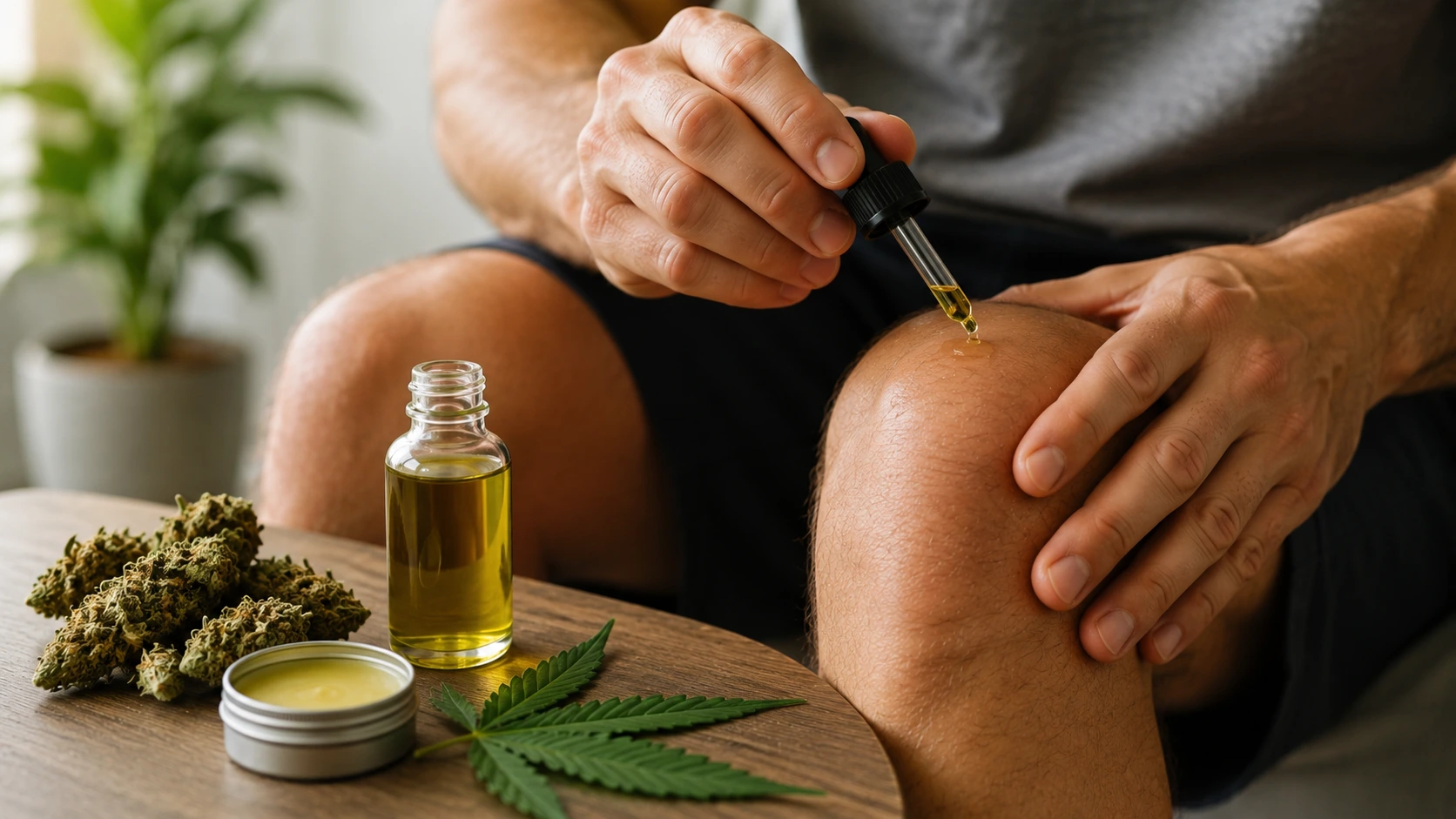
Not all cannabis alcohol products are the same. The safest starting point is simple: know what touches your skin, what enters your body, and what should never be swallowed.
Topical Cannabis Alcohol Is Not a Drink
Topical cannabis alcohol is meant for the skin, not the mouth. Rubbing alcohol can be poisonous when swallowed, and adding cannabis does not make it safe to drink.
Homemade extracts can also be risky because the strength and ingredients are unclear. If someone swallows rubbing alcohol, isopropyl alcohol, or a high-proof homemade cannabis extract, treat it as a medical emergency and get help right away.
Why People Try Cannabis Alcohol for Pain Relief
People look into cannabis alcohol for pain relief because pain can wear you down. Sore muscles, stiff joints, and nerve pain can make daily life hard.
When usual treatments do not help enough, home remedies may feel worth trying. Rubbing alcohol has long been used on sore spots, so adding cannabis may seem familiar. That history explains the interest, but it does not make drinking it safe.
Does Cannabis-Infused Alcohol Actually Help Pain?
People want a clear yes-or-no here, which is fair. The honest answer is more complicated. Research on cannabis for chronic pain does suggest that cannabinoids can help some people with certain conditions, particularly nerve pain and pain related to conditions like multiple sclerosis.
According to the National Center for Complementary and Integrative Health0, evidence supports modest benefit for some chronic pain types, but effects vary significantly by person, dose, THC/CBD ratio, and health history.
Side effects, including dizziness, anxiety, sedation, impaired thinking, and dependence, are common enough to be taken seriously. Alcohol for pain relief has a different problem. It may dull pain in the short term, but that effect comes at a cost.
The National Institute on Alcohol Abuse and Alcoholism explains the risks clearly, noting that using alcohol to manage pain1 can increase how much you drink over time, worsen sleep and mood, interact with pain medications, and make pain harder to manage in the long run.
It is not a neutral coping tool. Mixing cannabis and alcohol does not make pain relief safer or stronger. Alcohol can raise THC levels, making the same dose feel more intense.
This can make impairment harder to judge and increase risks around driving, dosing, nausea, anxiety, or needing help.
| ⚠️ Advisory: People with anxiety, panic disorder, depression, psychosis risk, or a history of substance use disorder are at higher risk for adverse effects when mixing cannabis and alcohol. If any of these apply to you, talk to a doctor before using either substance for pain. |
What Happens When You Mix Weed and Alcohol?
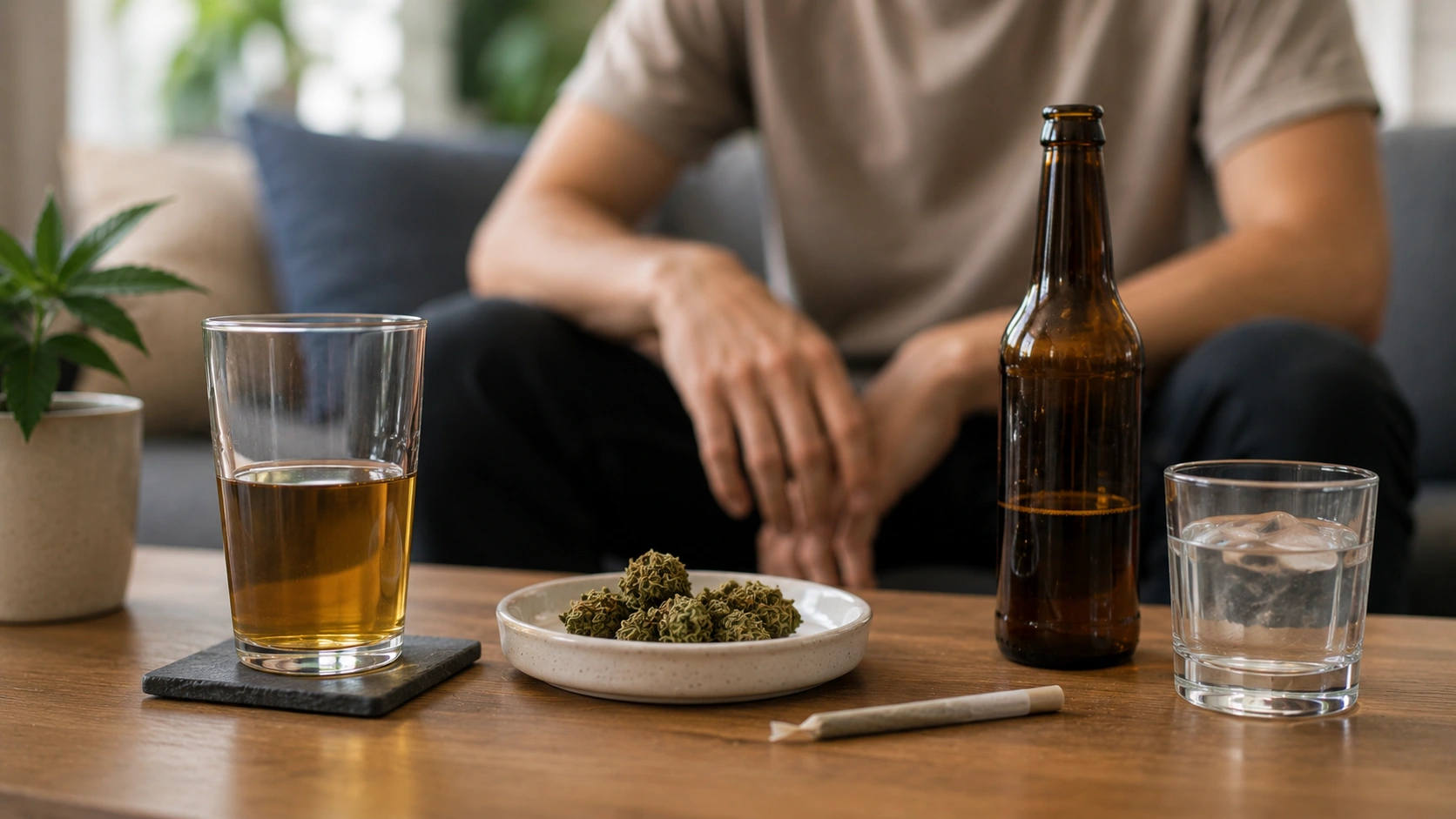
Understanding cannabis and alcohol risks is useful whether you are curious or already concerned about something that happened.
Short-Term Effects of Being Crossfaded
Being crossfaded means using cannabis and alcohol together. The effects can feel stronger than either one alone. You may notice dizziness, nausea, vomiting, panic, heavy sleepiness, or poor coordination.
Judgment can drop fast, raising the chance of falls, unsafe choices, and impaired driving. Some people also green out, with sweating, nausea, confusion, and a sudden need to lie down or get help.
Why Alcohol Makes THC Hit Harder
Alcohol can change how THC affects the body. It may raise THC levels in the blood, so the same cannabis dose can feel much stronger. This matters with THC drinks and edibles because effects can show up late.
You may feel fine at first, drink more, and then feel the cannabis hit harder soon after. That delay can lead to nausea, anxiety, or poor choices.
Who Should Avoid Mixing Cannabis and Alcohol
Some people should avoid mixing cannabis and alcohol completely. This includes anyone with anxiety, depression, bipolar disorder, psychosis risk, cannabis use disorder, or alcohol use disorder.
It also includes people taking sedatives, opioids, antidepressants, or sleep medicines. Pregnant people, teens, young adults, drivers, and anyone using substances to cope with pain, stress, or withdrawal should avoid this mix.
| 📝 Note: If you have already mixed cannabis and alcohol and feel unwell, stop using more, do not drive, sip water, eat something light, and rest somewhere calm. Call someone you trust. Seek emergency care if you have chest pain, trouble breathing, severe vomiting, fainting, or intense panic that does not pass. |
Marijuana Withdrawal Symptoms: What to Expect
Cannabis withdrawal can affect your mood, sleep, body, and appetite. Symptoms often feel strongest during the first week, especially if you used cannabis often or in high amounts:
| Symptom Type | What You May Notice | When It May Show Up |
| Mood changes | Anxiety, anger, irritability, low mood | Often in the first few days |
| Sleep issues | Insomnia, vivid dreams, restless nights | Often strongest in week one |
| Appetite changes | Low appetite, nausea, stomach discomfort | Common early on |
| Body symptoms | Headache, sweating, chills, shakiness | May come and go |
| Cravings | Strong urges to use cannabis again | Can return in waves |
| Restlessness | Trouble sitting still or feeling calm | Often tied to stress or sleep loss |
These symptoms are usually not life-threatening, but they can feel hard to manage. If anxiety, depression, or sleep loss feels severe, getting support can help.
Marijuana Withdrawal Timeline and Safety Notes
Withdrawal usually follows a pattern, but each person feels it differently. Your timeline can depend on how often you use cannabis, THC strength, sleep, stress, and overall health:
- Symptoms often begin within 1 to 3 days after cutting back or stopping.
- Mood, sleep, appetite, and cravings are often strongest during the first week.
- Many people feel better within 2 to 3 weeks.
- Heavy or long-term users may have sleep trouble or irritability for longer.
- Cravings may come in waves and can be triggered by stress, places, people, or routines.
- During the first week, keep meals simple, drink water, avoid late caffeine, and keep steady sleep and wake times.
- Marijuana withdrawal is usually not life-threatening, but anxiety, insomnia, and low mood can feel intense.
- Alcohol withdrawal is different and can be dangerous. Heavy drinkers should not stop suddenly without medical care.
Cannabis withdrawal can be uncomfortable, but it usually improves with time. Seek help right away for severe anxiety, depression, confusion, shaking, fever, seizures, or heavy alcohol use.
Can Cannabis Help With Alcohol Withdrawal?
This question comes up often, and the honest answer is that it is neither reliable nor safe. People who want to stop drinking sometimes turn to cannabis, hoping it will ease anxiety, improve sleep, reduce cravings, or help them avoid formal medical detox.
These goals are understandable. The problem is that cannabis is not a proven or approved treatment for alcohol withdrawal, and alcohol withdrawal can escalate quickly into a medical emergency.
Symptoms like shaking, confusion, fever, hallucinations, or seizures need immediate clinical care, not a cannabis workaround. There is also a practical concern: using cannabis as a replacement can shift one dependence pattern into another.
If someone was drinking primarily to manage anxiety or sleep, using cannabis for the same purpose without addressing the underlying cause may recreate the same loop with a different substance.
| ⚠️ Warning: Signs of serious alcohol withdrawal include shaking, fever, hallucinations, rapid heart rate, seizures, or severe confusion. These are medical emergencies. Call 911 immediately. Do not attempt to manage them with cannabis or at-home remedies. |
The Pain, Anxiety, Cannabis, and Alcohol Loop
One of the least-discussed parts of this conversation is how pain, substance use, and mental health feed into each other over time. The cycle often starts with chronic pain causing stress. Stress disrupts sleep, and poor sleep makes pain worse.
Cannabis or alcohol brings short-term relief, which works well enough to repeat. Tolerance builds gradually. The dose that used to help stops working at the same level.
When you try to cut back, rebound anxiety, insomnia, or pain can feel worse than when you started, which makes it very tempting to go back to using it just to feel normal. This is the loop, and it is not a personal failure. It is a predictable pharmacological pattern.
Signs the coping tool may be becoming a problem include needing more to get the same effect, using even when it causes problems at work or in relationships, feeling anxious or irritable without it, hiding use from people who would be concerned, frequently mixing cannabis and alcohol, trying to quit and finding it harder than expected, or using primarily to avoid withdrawal symptoms rather than for any positive effect.
How to Manage Marijuana Withdrawal Symptoms
If you are in the middle of cannabis withdrawal, practical steps can make the first week more manageable. None of these require a prescription or a perfect plan:
- Remove or reduce triggers where possible and keep your environment calm.
- Eat regular light meals and stay hydrated throughout the day.
- Expect disrupted sleep and vivid dreams. This is normal, not a warning sign.
- Avoid replacing cannabis with alcohol. It worsens weed withdrawal anxiety and disrupts sleep architecture the following day.
- Add light physical movement if your body allows. It helps with restlessness and low mood.
- Build a wind-down routine before bed: dim lighting, no screens, thirty minutes before sleep.
- Talk to someone you trust instead of isolating. Connection makes the first week feel less heavy.
These steps work best when you stay consistent, even on hard days. If you used cannabis and alcohol together and feel unwell, guidance on getting through that feeling more quickly2 can help right now.
| 📝 Tip: Journaling cravings rather than acting on them, even for two minutes, can help break the automatic impulse to use. You do not need to do it perfectly. Writing “I want to use right now because X” and then waiting fifteen minutes is often enough to let the wave pass. |
Safer Ways to Handle Pain Without Mixing Cannabis and Alcohol
Pain can push people toward cannabis and alcohol, but safer options exist. A clinician can help you choose care that fits your pain type, health history, and daily needs:
| Option | What It Supports | Who Can Help |
| Medical evaluation | Finding the cause of pain | Primary care clinician |
| Pain treatment plan | Medicine, referrals, long-term care | Doctor or pain specialist |
| Physical therapy | Strength, movement, stiffness | Physical therapist |
| Mental health support | Pain, stress, anxiety, low mood | Therapist or counselor |
| Home care habits | Heat, cold, sleep, hydration, tracking | You and your care team |
Small, steady steps often work better than risky mixes. Pair medical care with simple home habits, and avoid using cannabis with alcohol when pain, stress, or sleep feels hard.
| 📝 Note: If you are currently using cannabis for pain and considering stopping, speak with a doctor before making sudden changes, especially if you are also taking other medications. Abrupt changes to your routine can affect how other treatments work. |
When to Get Professional Help for Cannabis Withdrawal
Cannabis withdrawal can be hard to handle alone, especially when mood, sleep, or cravings feel intense. Getting support early can reduce risk and make quitting safer:
- You want to stop using cannabis but cannot manage it on your own.
- Anxiety or depression during marijuana withdrawal feels severe or affects daily life.
- Sleep loss is affecting your safety, work, or relationships.
- You are having thoughts of self-harm.
- You are using cannabis to manage alcohol withdrawal symptoms.
- You have a history of psychosis, bipolar disorder, seizures, or severe alcohol withdrawal.
These signs do not mean you failed. They mean your body and mind need more support. A clinician, therapist, or substance use counselor can help you plan safer next steps.
Frequently Asked Questions
Can marijuana-infused alcohol show up on a drug test?
Yes. If the product contains THC, it can show up on a drug test. Detection depends on dose, use pattern, body fat, test type, and time since use. Topical products are less clear.
Can older adults use cannabis alcohol for pain?
Older adults should be careful. Cannabis and alcohol can increase dizziness, falls, confusion, and medication interactions. Anyone taking blood pressure, sleep, anxiety, or pain medicine should speak with a clinician first.
Can cannabis alcohol interact with pain medicine?
Yes. Cannabis and alcohol may interact with opioids, sedatives, sleep aids, antidepressants, and some nerve pain medicines. The mix can increase sleepiness, slow reaction time, and make side effects harder to predict.
Is it safe to drive after using a THC drink?
No. THC drinks can impair driving, even if you feel okay at first. Effects may take time to appear and can last for hours, especially if alcohol was used too.
Final Thoughts
If you were hoping for a simple answer, the key point is that marijuana-infused alcohol for pain relief is not one product and not one solution. Some forms, such as topical cannabis alcohol, are meant only for skin use, while THC drinks, cannabis cocktails, and homemade extracts come with their own risks.
Cannabis may help certain people with chronic pain, but results vary, and alcohol can make effects less predictable. Marijuana withdrawal symptoms, including anxiety, sleep problems, cravings, and mood changes, can also affect daily life and deserve attention.
When pain, withdrawal, or substance use starts feeling difficult to manage, professional support can make a real difference. Seeking help is a practical step toward feeling better and staying safer. Drop a comment below and let me know if you have any further questions.
| ⚠️ Advisory: This article covers sensitive topics including substance use, withdrawal, and pain management. It is written for educational purposes only and does not replace medical advice. If you are managing a health condition, talk to a licensed clinician before making changes to how you use cannabis or alcohol. |
Sources
- National Center for Complementary and Integrative Health. “Cannabis (Marijuana) and Cannabinoids: What You Need to Know.” nccih.nih.gov
- National Institute on Alcohol Abuse and Alcoholism. “Using Alcohol to Relieve Your Pain: What Are the Risks?” niaaa.nih.gov
- FunWithDizzies.com. “How to Get Unhigh: Quick and Effective Ways to Sober Up.” funwithdizzies.com
|
About the Author |