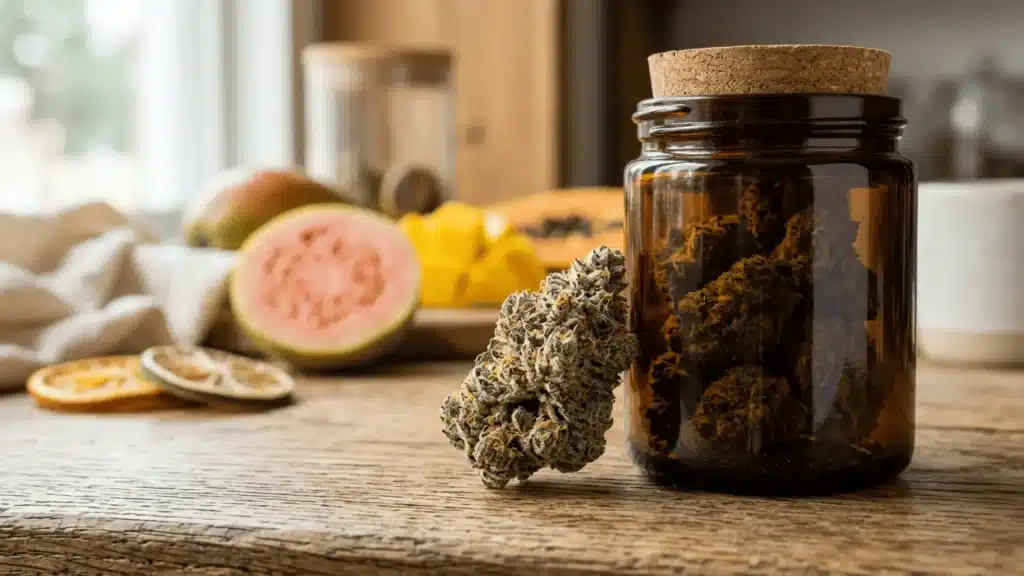
Microdosing THC sounds pretty simple isn’t it? Take a tiny amount of THC and hope for lighter cannabis effects without feeling overwhelmed. No heavy highs, no losing your train of thought, just something that feels easier to manage.
That is the idea, at least. Even in small amounts, THC can still affect your mood, memory, reaction time, sleep, heart rate, and anxiety.
What feels helpful for one person may feel uncomfortable for someone else. That is why people look into microdosing THC. They want to know if low-dose THC can help with pain, stress, sleep, or mood while lowering the chance of stronger side effects.
The blog ahead breaks down the benefits, risks, and why microdosing MDMA belongs in a separate safety conversation.
This article is for general information only and does not constitute medical advice. THC interacts with medications and health conditions in ways that vary by person. Consult a licensed clinician before starting any cannabis regimen, especially if you take prescription medications, have a cardiovascular condition, or have a history of anxiety, psychosis, or substance use.
Microdosing THC: Quick Reference
| What it means | Using a very small amount of THC, typically 1 to 5 mg, to produce a subtle effect without a full high |
| Common reasons | Pain, stress, sleep trouble, mood support, lighter cannabis use, cutting back from higher doses |
| Typical starting dose | 1 to 2.5 mg THC; increase by 1 mg increments only after waiting for full onset |
| Onset by form | Edibles: 45 to 90 min. Sublingual tincture: 15 to 45 min. Inhaled: 5 to 15 min |
| Key pharmacology | THC has a biphasic effect: low doses may ease anxiety and discomfort; higher doses can produce the opposite |
| Main risks | Anxiety, subtle impairment, tolerance build-up, dependence, and edible overshoot |
| Who should avoid it | Pregnant or breastfeeding individuals, people with psychosis risk, heart conditions, or active drug testing |
| Drug test risk | Yes. Even low-dose THC can produce a positive result, especially with regular use |
What Microdosing THC Really Means
Microdosing THC means taking a very small amount of THC, the main compound in cannabis that can make you feel high. The goal is usually not to feel stoned. It is to feel a light shift, such as less tension, less discomfort, or a calmer mood, while still feeling clear.
People may also call it low-dose THC, cannabis microdosing, a THC microdose, or microdosing weed. The names change, but the idea stays the same: using less THC to lower the chance of strong effects.
The tricky part is that “small” is personal. Tolerance, product strength, CBD level, food, mood, sleep, and medications can all change how THC feels. Microdosing THC is also not the same as microdosing cannabis, because cannabis products may include CBD and other compounds, not just THC.
Understanding cannabinoids as a group helps make sense of why those ratios matter so much in low-dose use, something a cannabinoid chart comparing effects and receptor targets can help you see clearly.
| Note: Do not trust the word “microdose” by itself. The product details matter, and they should be checked before you judge any low-dose THC product. |
The Biphasic Effect: Why Dose Size Matters More Than You Think
THC does not behave the same way at every dose. Research consistently shows it has a biphasic effect, meaning low doses and high doses can produce opposite results.
A low amount of THC may ease anxiety and promote relaxation in some people. A higher amount of the same compound in the same person can increase anxiety, paranoia, and discomfort.
This is one of the core pharmacological reasons microdosing THC has attracted interest. The theory is that staying on the low end of the dose-response curve keeps THC closer to its potentially calming range and away from its anxiety-amplifying range.
The challenge is that this curve is not fixed. It shifts based on tolerance, product form, CBD content, time of day, stress level, and individual endocannabinoid system sensitivity. That is why there is no single microdose amount that works for every person.
Published research on low-dose THC and anxiety, including a 2022 study in Psychopharmacology examining inhaled cannabis with and without CBD, found that dose and individual sensitivity both influenced anxiety outcomes.
The biphasic picture is consistent across multiple controlled studies, even when the exact thresholds differ.
What Draws People to Microdosing Cannabis
Most people who try microdosing cannabis are not chasing a heavy high. They want a softer effect. They may want some support while still needing to work, parent, study, cook, or talk to another human without sounding like a buffering video.
Common reasons include:
- Chronic pain
- Stress
- Anxiety
- Sleep trouble
- Muscle tension
- Mood support
- Lower-intensity cannabis use
- Cutting back from higher THC use
That does not mean microdosing THC works for all of these. It means these are the reasons people often look into it.
The key is to match the claim with the evidence. Pain has some early controlled research. Stress and anxiety responses can vary by person and dose. Sleep is mixed. Focus and creativity claims are mostly personal reports, not strong proof.
Potential Benefits of Microdosing THC
Microdosing THC may help some people, but the evidence is not conclusive for every use. Some benefits have early research behind them. Others are based more on personal reports.
So it is best to stay curious, but not too trusting. Cannabis is useful for some people, but it is not a tiny green wizard.
1. Pain Relief May Be the Strongest Reason People Try It
Pain is one of the more common reasons people look at low-dose THC. Some people use it for nerve pain, muscle soreness, arthritis discomfort, migraine-related tension, or pain that makes rest harder.
The idea is simple: a smaller amount of THC may offer some body relief without feeling too foggy or heavily high. That is the benefit many people are looking for.
Research on low-dose THC for pain is still limited, but it is not empty. One controlled study on a metered-dose cannabis inhaler found that precise low THC amounts helped reduce pain in people with neuropathic pain or complex regional pain syndrome.
| Tip: Track pain before use, after use, and the next morning. One good night can happen by chance. A repeated pattern tells you more. |
2. Stress May Ease at Lower Amounts
Some people try microdosing THC because they feel wound up, tense, or mentally overloaded. In this case, the goal is not to feel high. It is to feel a little more settled while staying clear enough to function.
A low amount of THC may feel gentler than a stronger cannabis dose, especially for people who are sensitive to heavy effects. Still, stress relief should be judged by real-life response. If you feel steadier, less tight, and more present, that matters.
If you feel distracted, edgy, or stuck in your thoughts, that matters too. Your body gets a vote here, and it is not shy about sending feedback.
3. Sleep May Feel Easier for Some People
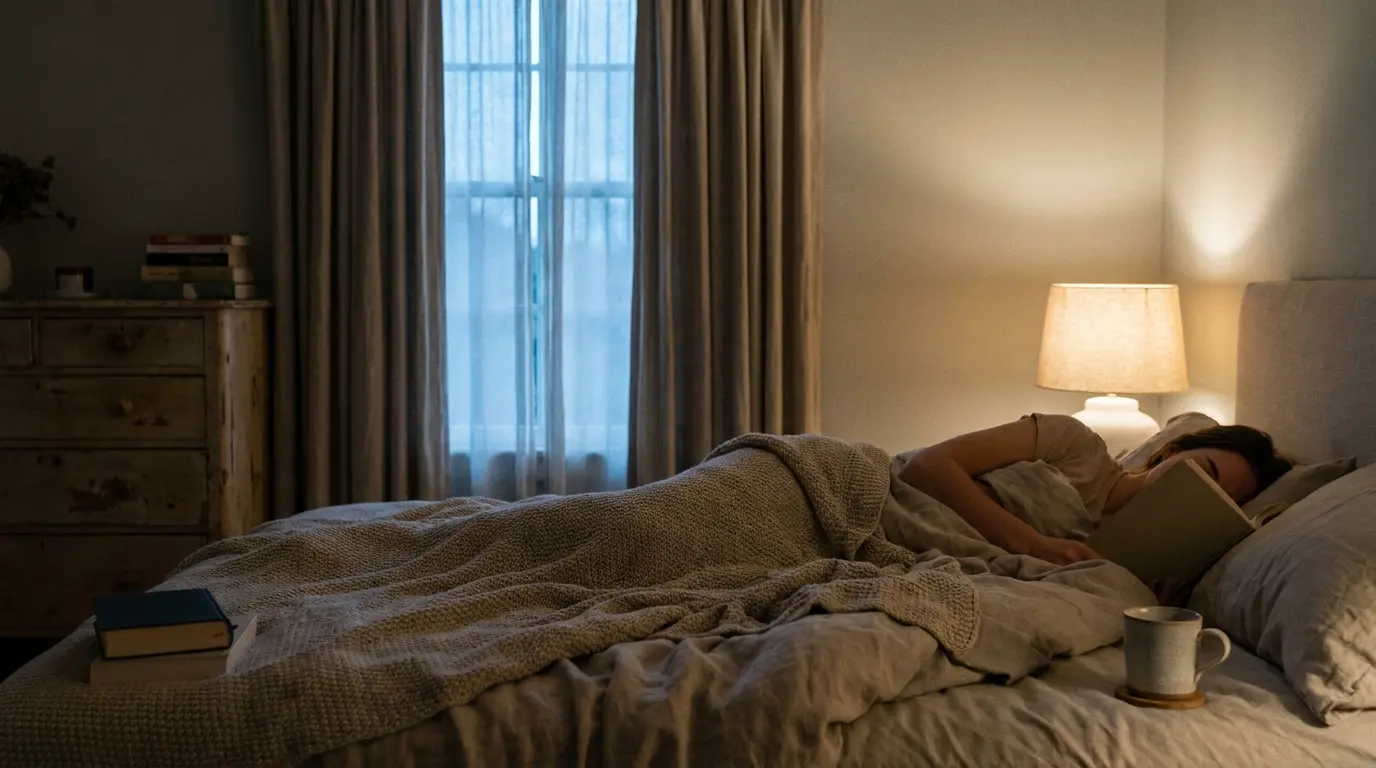
Mood support is a little different from stress relief. This is less about feeling pressured and more about how the day feels overall. Some adults say low-dose THC makes small annoyances feel less sharp, helps them feel more at ease, or makes the evening feel less heavy.
That does not mean microdosing THC is a treatment for depression, PTSD, panic, or ongoing anxiety. It is better to think of it as possible comfort support rather than mental health care.
CBD balance may also shape the experience, especially for people who want a softer cannabis effect. If your mood feels worse, flat, or dependent on THC, that is a sign to pause and reassess.
| Caution: If you only sleep well when you use THC, pause and review the pattern. A sleep aid can turn into a habit when your body starts expecting it every night. |
4. Mood and Daily Comfort May Feel Better
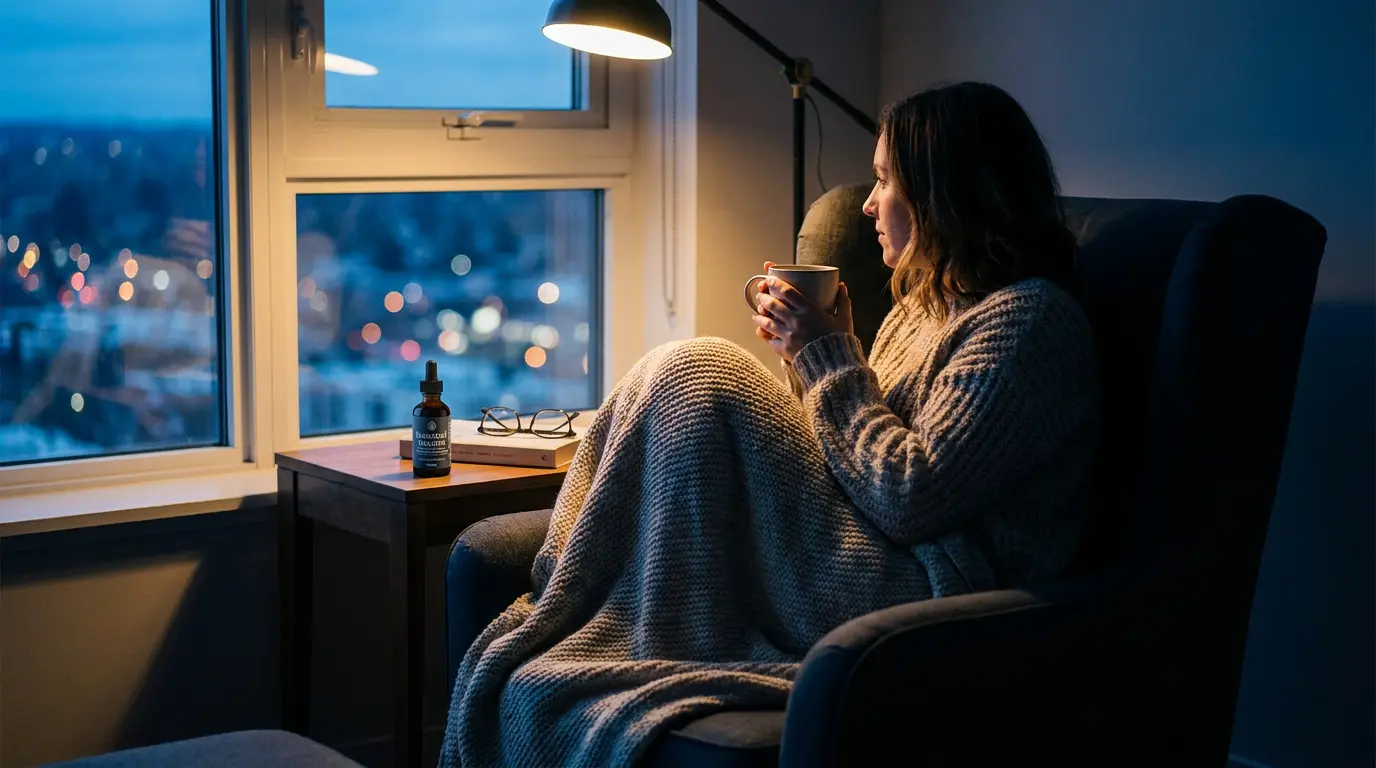
Some adults report that low-dose THC makes daily life feel a little easier. It may make small annoyances feel less sharp, help the body feel more comfortable, or make the evening feel calmer.
This does not mean microdosing THC is a treatment for mental health conditions. It is better to think of this as possible comfort support, not a fix for depression, panic, PTSD, or persistent anxiety.
CBD balance may also shape the experience. If you want a softer cannabis option, strains with higher CBD and lower THC may produce a more stable effect for daily mood support than high-THC products taken in small amounts.
| Note: Mood support is not the same as mental health care. If symptoms are strong, lasting, or getting worse, cannabis should not be your only plan. |
The Biggest Risks of Microdosing THC
The word “micro” can make THC sound harmless, but that is not how it works. A small amount can still affect your brain, mood, focus, and body.
This is especially true if you are new to cannabis, sensitive to THC, using edibles, or taking a product with unclear strength Here are the main risks readers should understand before treating a THC microdose like a harmless, tiny shortcut:
- Anxiety and panic can still happen: Some people take a tiny amount expecting calm, then feel nervous, shaky, or too aware of every thought. THC may raise anxiety in some users, especially with high-THC products, low CBD, poor sleep, caffeine, stress, a panic history, or unknown product strength.
- Impairment can happen even if you do not feel very high: You may feel “fine” but still react more slowly, lose focus, misread distance, or make weaker choices. That matters for driving, biking, cooking, childcare, work tasks, tools, important calls, or signing anything serious. Tiny dose, tiny confidence trap.
- Tolerance can build quietly: Microdosing THC can feel controlled at first, but the same amount may feel weaker over time. That can push some people to use it more often or increase the amount, even when they planned to keep things low and steady.
- Cannabis dependence is possible: Low-dose cannabis can still become hard to stop when use becomes frequent. Warning signs include needing THC to sleep, calm down, eat, or deal with stress. If cannabis becomes the only tool in your kit, the kit needs more tools.
- Edibles can lead to accidental overuse: they may take longer to take effect and last longer than expected. Taking more before the first amount has fully worked is one of the easiest ways to feel overwhelmed.
- Medication and health risks matter: THC may interact with sleep medicines, anxiety medicines, antidepressants, blood pressure drugs, heart medicines, seizure medicines, blood thinners, sedatives, alcohol, or other substances. People with heart issues, panic, psychosis risk, bipolar disorder, pregnancy, breastfeeding, or substance-use history need extra care.
| Note: Microdosing THC may lower the chance of intense effects, but it does not remove risk. If THC affects your sleep, mood, driving judgment, medicine safety, or daily routine in a negative way, that is useful information, not something to ignore. |
How to Start Microdosing THC: A Practical Protocol
Starting low and moving slowly is not just cautious advice. It is the only reliable way to find a dose that works without stumbling into uncomfortable territory. Here is a structured approach based on how the body processes THC at low doses.
- Start at 1 to 2.5 mg THC: This is the threshold range that most medical cannabis clinicians and harm-reduction organizations treat as a true microdose. Products labeled at 2.5 mg or 5 mg per serving are common in legal markets; cut the 5 mg serving in half if needed. If you are new to cannabis or have not used it in a long time, start at 1 mg.
- Wait for full onset before redosing: Edibles and sublingual tinctures taken under the tongue can take 15 to 90 minutes to reach full effect. Taking more before that window has passed is the most common reason people feel overwhelmed. Set a timer. Do not guess.
- Hold the dose stable for at least three sessions: One experience does not tell you much. Three sessions at the same dose, time of day, and food intake give you a clearer baseline. Note what changes, what does not, and whether the effect is consistent.
- Increase by 1 mg only if the current dose produces no noticeable effect: Microdosing is not about chasing a feeling. It is about finding the minimum effective amount for your specific reason. If 2.5 mg produces no noticeable response after three sessions, increase to 3.5 mg and repeat the observation window.
Choose sublingual tinctures or measured inhalers over edibles if accuracy matters. A 2024 review noted that cannabis flower potency can be mislabeled by up to 20%, and many edible products understate THC content.
Sublingual delivery, where liquid is held under the tongue, offers the most predictable absorption of any low-dose format. For people using microdosing for pain or sleep specifically, that accuracy makes a meaningful difference.
For a broader look at how dosage works across CBD products, the CBD dosage framework for pain, anxiety, and sleep shows how starting low and adjusting gradually applies across cannabinoid use in general.
Microdosing Cannabis Product Forms
Microdosing cannabis is not just about how much THC you take. The product form matters too. Edibles, tinctures, vapes, flower, and THC drinks can all feel different because they enter the body in different ways. That changes timing, strength, control, and risk. Small dose, great details. Rude, but true.
Here is where product choice connects directly to the benefits and risks of microdosing THC.
1. Edibles
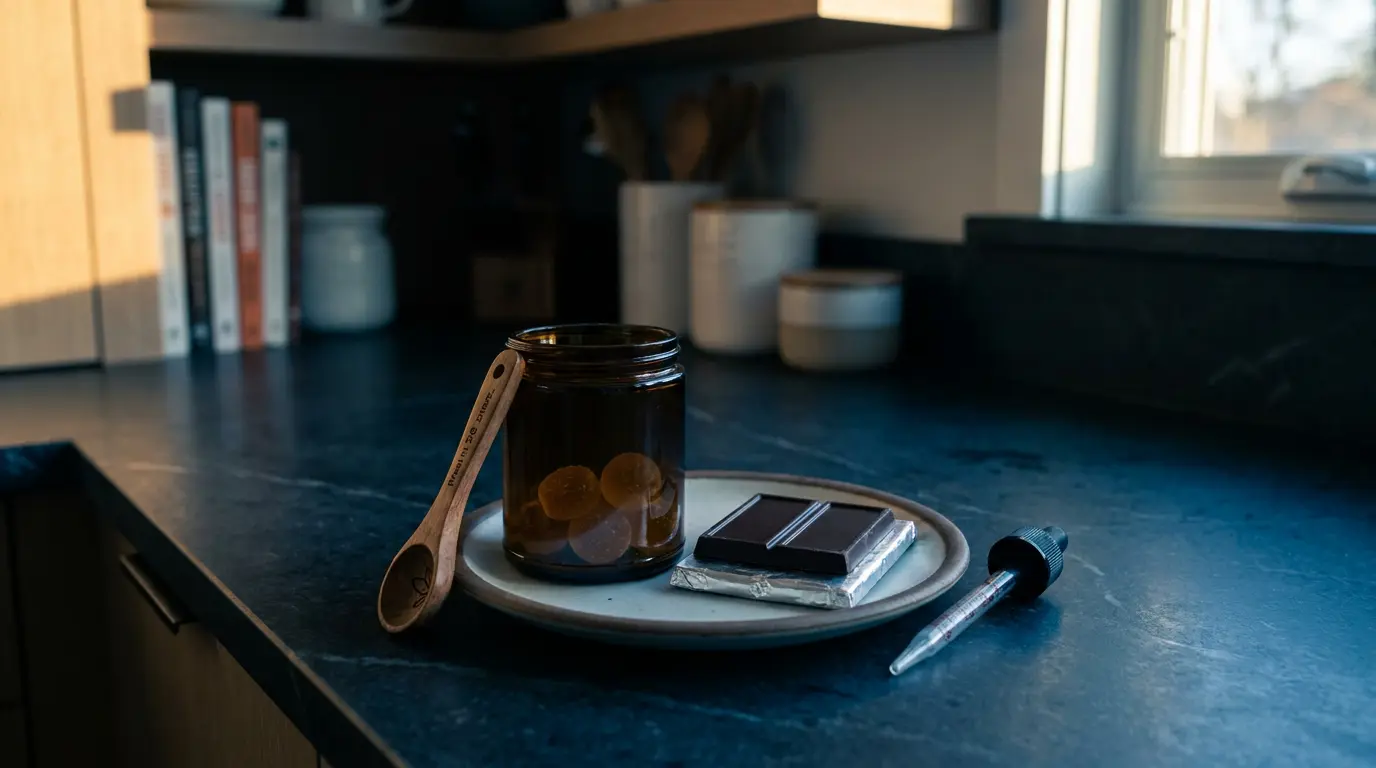
Edibles can seem ideal for microdosing THC because many gummies, chocolates, and baked products list THC per serving. That makes them feel neat and controlled. The issue is the delay. Edibles can take longer to feel, so people may take too much too soon and end up uncomfortable.
They may also last longer than expected, which matters for sleep, work, driving, and anxiety risk. I see edibles as the patient friend who replies three hours late, then sends five messages at once. Useful, but never rush them.
2. Tinctures
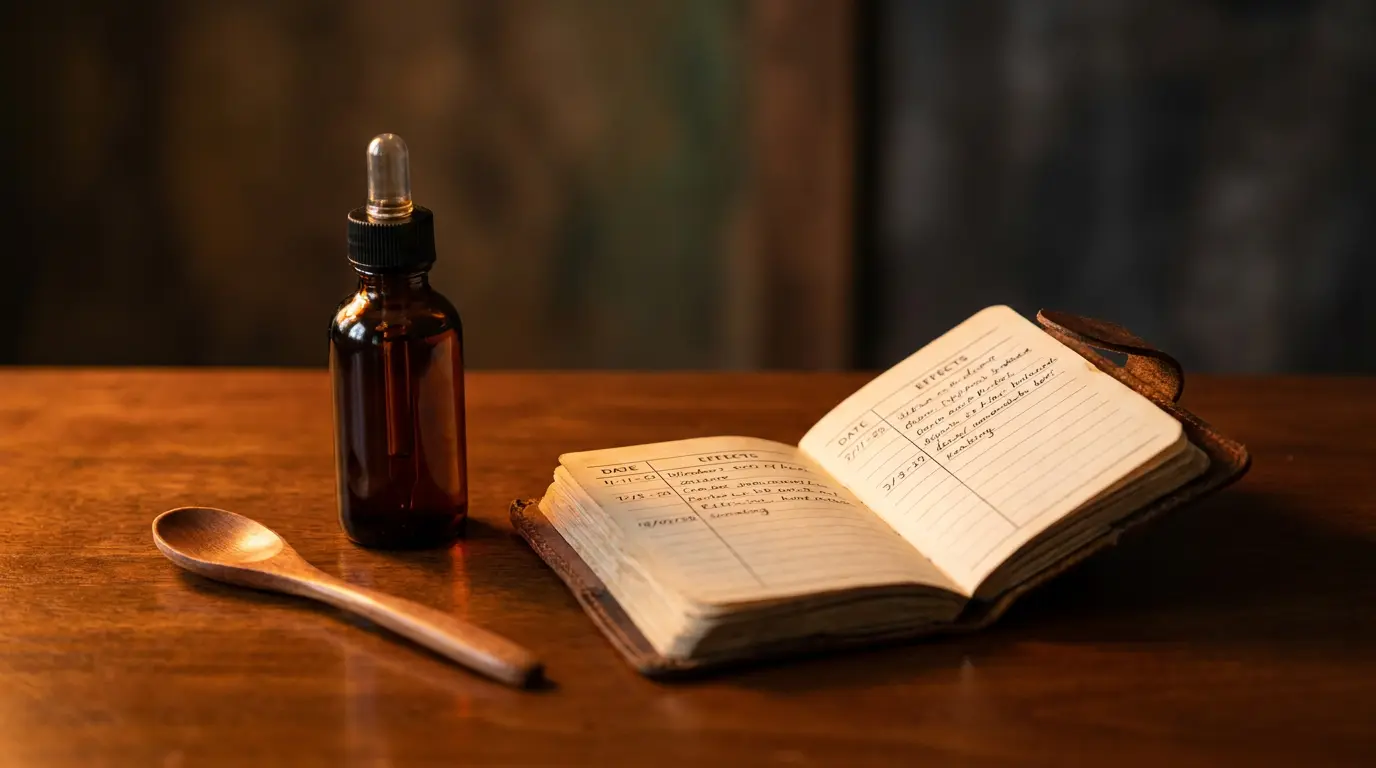
Tinctures can be helpful for microdosing cannabis because they often come with a dropper, which may support more careful use. Still, strength varies by product, and labels need close reading.
Some people hold tinctures under the tongue, while others swallow them, and that can change how fast effects appear. For low-dose THC, tinctures may offer more control than edibles, but they are not foolproof.
A small amount can still feel strong if tolerance is low, stress is high, or the product is stronger than expected.
3. Vapes or Flower
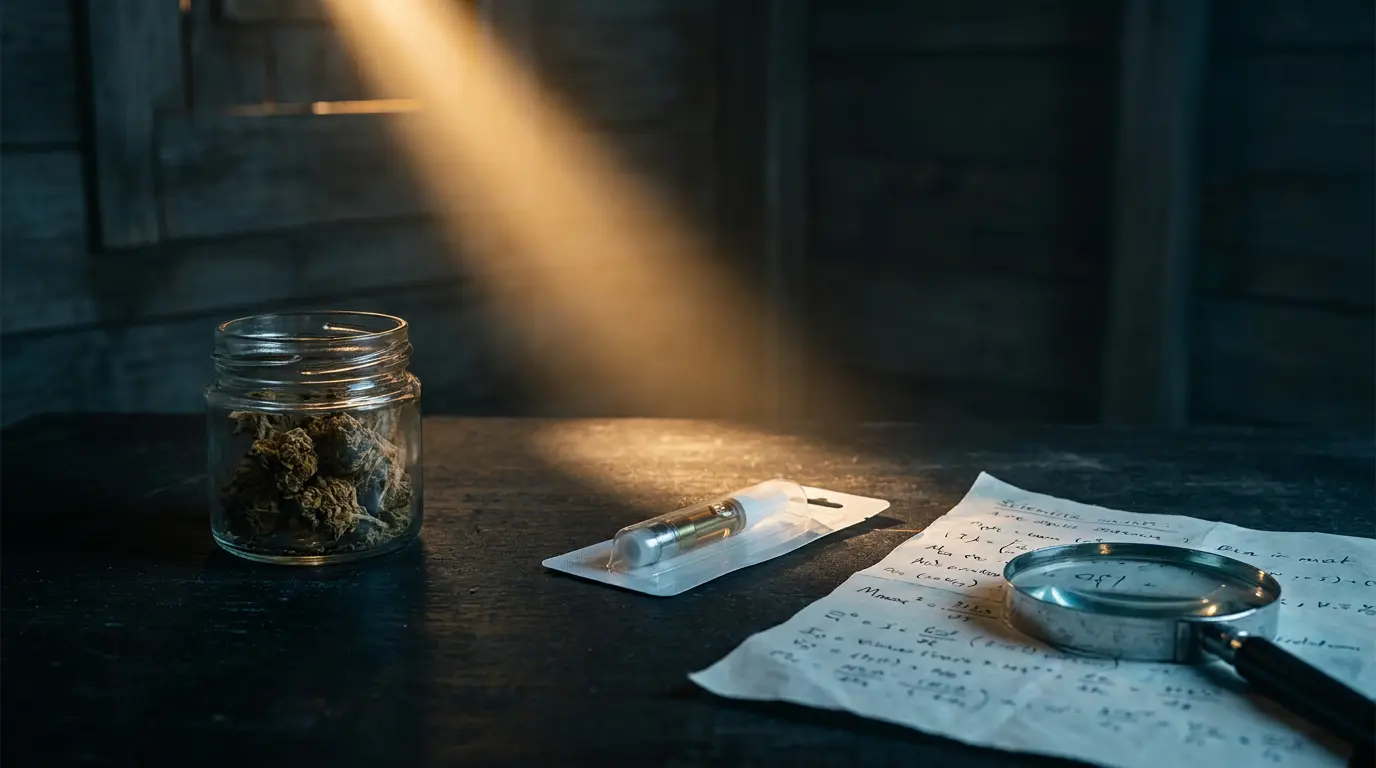
Vapes and flowers usually act faster than edibles, so people may notice the effects sooner. That can help someone avoid taking more before the first amount is felt. The tradeoff is dose accuracy. One puff is not a clear unit. THC intake can shift based on potency, inhale size, device heat, and personal tolerance.
Flower also involves smoke, which may bother the lungs. Vapes avoid smoke, but quality and additives matter. Fast feedback can help, but guessing still has its risks.
4. THC Drinks
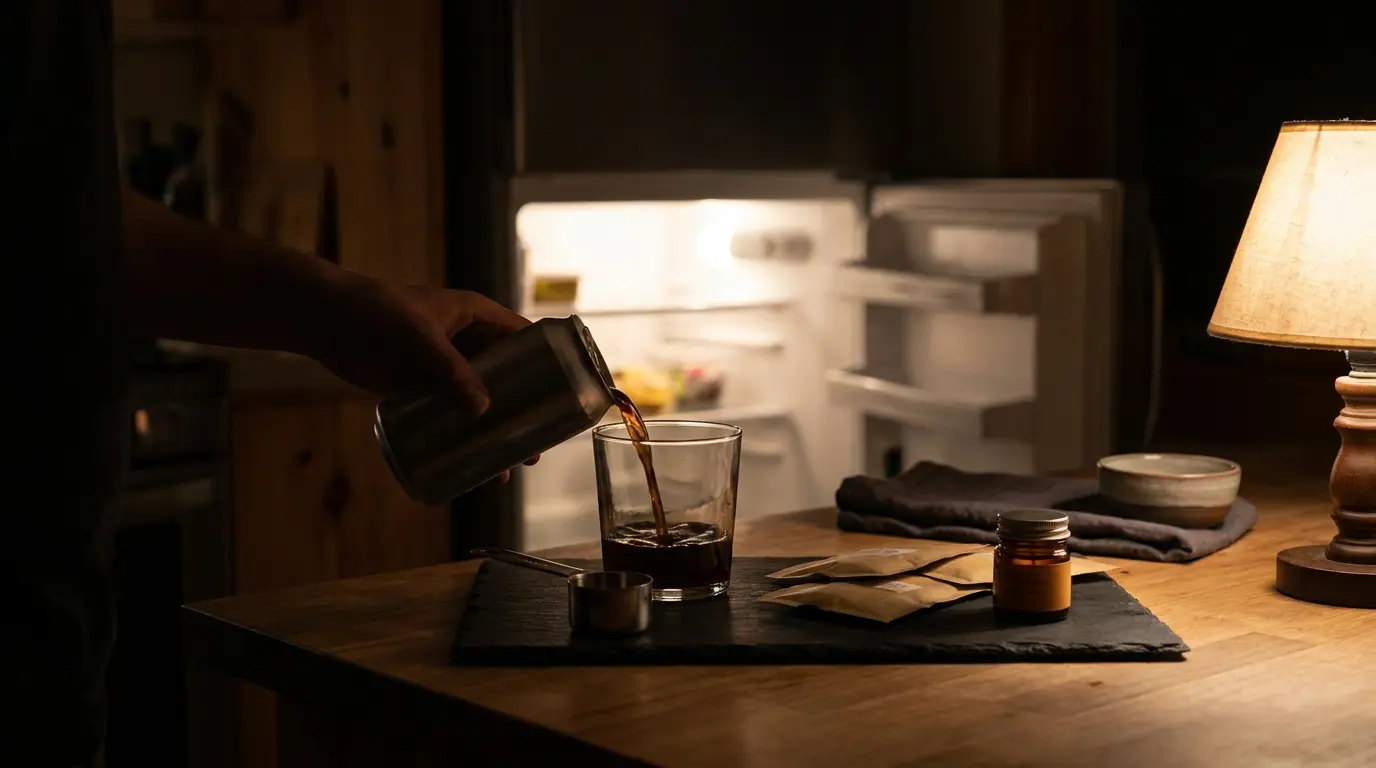
THC drinks can feel casual because they look like regular beverages, but that is also the concern. A drink may seem light, social, and easy to sip without thinking much about the total THC. Some cannabis drinks may act faster than traditional edibles, while others still take time.
Serving size matters here. If a can has more than one serving, microdosing THC can turn into a full dose by accident. I like to think of THC drinks as polite trouble: smooth at first, serious later.
| Note: Product form changes how microdosing THC feels. Edibles and drinks can be harder to time; tinctures may be easier to measure; and vapes or flower may act faster but are harder to dose precisely. The best fit is the one with the least guesswork. |
What to Know About Microdosing MDMA
Microdosing MDMA means using a very small amount of MDMA with the hope of getting a lighter mood, energy, or social effects without a full drug experience. It often gets compared with microdosing THC because both are tied to the low-dose trend.
Microdosing MDMA involves a separate drug that acts more strongly on serotonin, dopamine, and norepinephrine, which affect mood, reward, sleep, body temperature, and heart stress. That makes the safety picture less predictable and more serious.
- The “feel-good” label can hide real strain: MDMA is often linked with closeness, confidence, or emotional ease, but those effects do not mean the body is relaxed. Heart rate, body temperature, and stress response can still rise.
- Mood can swing after use: Some people report feeling low, tired, irritable, or flat later. That matters because a tiny amount may still affect brain chemicals tied to mood balance.
- Sleep can take a hit: MDMA may disturb sleep or make the body feel wired. For someone already using low-dose substances for stress, that can make the next day harder.
- Street products are a major concern: Products sold as Molly or ecstasy may contain other drugs. That means a person may not be microdosing what they think they are. Tiny mystery is still a mystery.
- Therapy research is not casual use: MDMA-assisted therapy involves screening, trained staff, measured substances, and support. At-home MDMA microdosing does not come with that safety net.
- Legal risk changes the whole setup: In many places, MDMA is illegal outside approved research. That can affect product quality, access to help, and personal risk.
- It should not be grouped with cannabis: Microdosing MDMA is not a stronger version of microdosing THC. It is a different substance with different body effects and weaker support for casual use.
| Caution: Microdosing MDMA should not be treated as a casual wellness habit. The safety support is weaker, and street products may not contain what the label or seller claims. |
Microdosing THC vs Cannabis vs MDMA: Quick Comparison
These terms sound close because they all use “microdosing,” but they do not mean the same thing.
THC is the main focus here; cannabis is the wider category, and MDMA is a separate substance with different risks. That difference matters before anyone compares benefits.
| Topic | Microdosing THC | Microdosing Cannabis | Microdosing MDMA |
|---|---|---|---|
| Main idea | Low-dose THC for milder effects | Small amounts of cannabis products | Small amounts of MDMA |
| Common reason | Pain, sleep, stress, lighter effects | Product choice and control | Mood or emotional claims |
| Key risk | Anxiety, impairment, tolerance | Depends on THC level and form | Unknown contents, heart strain |
| Product concern | THC strength and labels | THC-CBD ratio and serving size | Adulterated or mislabeled supply |
| Research strength | Limited, with some pain interest | Mixed by product type | Weak for casual use |
| Best takeaway | Small still affects you | Details shape risk | Not like cannabis microdosing |
This is why microdosing THC stays at the center of the article. Microdosing cannabis helps explain the product side, while microdosing MDMA belongs in its own safety lane. Same small-dose idea, very different road.
Who Should Avoid Microdosing THC or MDMA?
Microdosing THC or MDMA is not a good fit for everyone. You should avoid it if you are pregnant, breastfeeding, under the legal age, driving soon, or using tools or heavy equipment.
It is also worth stepping back if you deal with severe anxiety, panic attacks, bipolar disorder, psychosis risk, heart problems, or past substance use issues. If you are older, at risk of falls, feel confused easily, or take several daily medicines, talk to a clinician before considering low-dose THC.
The same goes if you take medicine for sleep, mood, seizures, blood pressure, pain, or blood thinning. MDMA needs extra caution because it is not a cannabis product and may involve unknown ingredients outside research settings.
| Note: If this sounds like you, it does not mean you did anything wrong. It just means your body may need a safer option and better medical guidance. |
Microdosing THC: Practical Cautions and Tips
Microdosing THC works best when the person has a clear reason, a legal product with verified potency, and enough patience to observe the body’s response across multiple sessions. The goal is not to chase a tiny buzz. It is to lower risk while staying honest about the effects.
- Name the reason first: Be clear whether you are thinking about low-dose THC for pain, sleep, stress, or lighter cannabis effects. A clear reason helps you notice whether it is helping or just becoming a habit.
- Keep safety tasks THC-free: Do not drive, cook under pressure, use tools, care for children alone, or make big decisions after THC. Feeling “mostly fine” is not the same as being fully sharp.
- Check the label carefully: Look for THC per serving, total THC, CBD content, and lab testing where legal. If those details are missing, the product asks for too much trust.
- Watch for stop signs: Panic, vomiting, chest discomfort, strong confusion, craving, or needing THC daily are signs to stop and reassess.
- Keep MDMA in a separate risk box: Do not treat microdosing MDMA like microdosing cannabis. MDMA has different brain and body effects, weaker safety support, and higher concern around unknown ingredients.
- Monitor tolerance over time: If you need more to feel the same effect, that is tolerance building. For some people, low-THC strains with higher CBD content offer a way to maintain cannabis use without pushing THC intake higher.
Frequently Asked Questions
Can microdosing THC show up on a drug test?
Yes. Even low-dose THC can show up on a drug test because standard tests look for THC metabolites in urine, blood, saliva, or hair, not for how high you felt.
Detection depends on use frequency, body chemistry, product type, and the kind of test used. Infrequent low-dose users may clear a urine test after roughly one week of abstaining, but anyone who microdoses regularly will likely produce a positive result.
Most urine tests flag THC at concentrations as low as 50 nanograms per milliliter, a threshold regular microdosers can easily exceed.
How long does a THC microdose stay in your system?
A THC microdose can stay detectable longer than its effects last. Urine tests may detect THC metabolites for 3 to 30 days depending on the frequency of use. Saliva tests typically have a shorter window of 24 to 72 hours. Blood tests are shorter still, usually 1 to 2 days for infrequent users.
Hair tests can flag use for up to 90 days. Frequent microdosing causes metabolites to accumulate, which extends those windows significantly regardless of how small each individual dose was.
Is a CBD and THC ratio important when microdosing cannabis?
Yes. The CBD-to-THC ratio can shape how the product feels. Research suggests CBD may reduce some of the anxiety-amplifying effects of THC by acting on different receptor pathways.
Some people find that CBD-forward or balanced products feel steadier than high-THC products at equivalent doses. Response still varies by person, tolerance, product quality, and reason for use, but the ratio is a meaningful variable worth paying attention to, not a marketing afterthought.
Can microdosing THC help lower cannabis tolerance?
It may help some people reduce total THC use, but it is not the same as a full tolerance break. THC tolerance develops through the downregulation of CB1 receptors in the brain.
If tolerance is already high, a planned pause or lower-frequency use pattern may reset those receptors more effectively than simply switching to smaller doses. A structured reduction is more reliable than microdosing as a tolerance management tool on its own.
What is the biphasic effect, and why does it matter for microdosing?
The biphasic effect means THC produces different, sometimes opposite, outcomes at different dose levels.
Low amounts may reduce anxiety and discomfort in some users; higher amounts of the same compound can increase anxiety and paranoia in those same users. This dose-dependent reversal is one of the main scientific arguments for staying on the low end of the dose curve.
It also explains why what works for a friend at 10 mg may feel unpleasant for you at 5 mg. The curve is real, but it is not the same for every person.
Are THC drinks reliable for microdosing?
It depends on the formulation. Some THC drinks use nanoemulsion technology that speeds absorption and makes onset more similar to inhaled products, around 15 to 30 minutes. Others follow a slower digestive timeline closer to edibles. Serving size is the bigger concern.
Many cannabis beverages contain multiple servings per container, and casual sipping without tracking the amount consumed is one of the easier ways to turn a microdose into a full dose. Always check the THC per serving and the total THC per container before drinking.
Final Thoughts
Microdosing THC is not silly, and it is not magic. It sits in the middle. Some adults may find that low-dose cannabis helps with pain, stress, sleep, or general comfort while causing fewer unwanted effects than larger amounts.
But smaller does not mean harmless. THC can still impair you, raise anxiety, affect sleep, interact with medicines, build tolerance, and become a habit. Edibles can surprise you. Product strength can vary. Your body may not respond the way someone online says it should.
I would treat microdosing cannabis like a tool, not a personality. Use it carefully, question big claims, and pay attention to what your body actually tells you. And keep microdosing MDMA in a separate safety category. If the goal is health, the smartest move is not “more.” It is a better judgment.