| Question | Simple Answer |
|---|---|
| What’s a dispensary? | A licensed store where adults or medical patients can legally buy regulated cannabis products. |
| What do you need? | Valid photo ID, payment, and a medical card if your state requires one. |
| Who helps you? | A budtender, the staff member who explains products and dosing basics. |
| What can you buy? | Flower, edibles, vapes, concentrates, tinctures, topicals, and CBD products. |
| Best beginner rule | Start low, go slow, and give your body time to respond before taking more. |
| Biggest caution | Do not drive after using cannabis, and keep all products away from children and pets. |
Searching “what’s a dispensary” usually means a first visit is on the horizon, and that comes with real questions. A cannabis store may feel different from other shops because the front desk, ID check, menus, and product labels all matter in ways that take a moment to understand.
The point is not to arrive sounding like an expert. The point is to know the basics before making a choice.
You may see items listed with names, strengths, serving sizes, and effects in ways that feel unfamiliar. That is normal for a first visit. Knowing what paperwork to bring, how payment works, and what questions to ask makes the whole trip easier.
It also helps to think ahead about your comfort level, since THC strength, serving size, and timing can all shape the experience. With a little preparation, the visit feels practical instead of confusing.
What Is a Dispensary?
A dispensary is a licensed cannabis store that sells regulated products to adults or medical patients, depending on local law. It is not the same as an unlicensed smoke shop.
A legal dispensary checks photo ID, follows purchase limits, and sells packaged items that carry testing results, strength details, and safety information.
The National Institute on Drug Abuse notes that cannabis contains compounds such as THC and CBD, which affect the body in different ways. Common product types include flower, edibles, vapes, tinctures, concentrates, topicals, and CBD items.
A staff member, called a budtender, can explain basic differences between products, covering onset time, serving size, and THC level. Laws are not the same everywhere, so checking local rules before buying or carrying anything is essential.
| Note: Cannabis laws differ by state and country. A product sold legally in one area may be illegal in another. Check local rules before buying, carrying, or using cannabis, especially when traveling, crossing state lines, or ordering online. |
Medical vs. Recreational Dispensaries
Before choosing where to shop, it helps to understand how medical and recreational dispensaries differ.
Both sell cannabis legally, but they serve different visitors, follow different rules, and may have different prices, product strengths, and buying limits.
| Type | Who It Serves | What You Need | Main Focus | Key Difference |
|---|---|---|---|---|
| Medical dispensary | People with a medical cannabis card or doctor approval. | Medical card, photo ID, or required local document. | Products for pain, sleep, nausea, or appetite support. | May offer higher purchase limits, lower taxes, or stronger products. |
| Recreational dispensary | Adults who meet the legal age limit, often 21 and older. | Valid photo ID. | Products for general adult use. | Usually requires only ID, but local laws still apply. |
Both types can be useful, but the right choice depends on your age, needs, documents, and local rules. Checking before you visit saves time and avoids surprises at the front desk.
| Caution: Do not assume every dispensary follows the same rules. Laws, age limits, purchase amounts, taxes, and product access can vary by location. Check local rules before visiting, especially if you plan to travel with cannabis. |
Who Can Walk Into a Dispensary?
Most recreational dispensaries only allow adults who meet the local age limit, often 21 or older. Medical dispensaries may serve younger patients in some places, but only when the patient has the required approval, paperwork, and a valid photo ID ready.
- Age Rules: Most adult-use stores require buyers to be 21 or older. Medical locations may allow younger patients with proper doctor approval or a medical card.
- Photo ID: Bring a valid government-issued ID, such as a driver’s license, passport, or state ID. Expired or damaged documents are typically not accepted.
- Medical Proof: For a medical dispensary, bring your medical cannabis card or required paperwork. Staff must confirm patient status before allowing purchases under local law.
- Payment Method: Bring cash or a debit card. Many cannabis stores cannot process standard credit card payments due to federal banking restrictions in the United States.
What to Expect When You Walk In
A first dispensary visit usually feels more structured than a regular store. That is by design. Cannabis shops deal with age rules, purchase limits, and product safety, so the steps can feel a bit formal.
Still, the visit does not need to feel stiff. Think of it like checking into a small clinic that happens to sell gummies.
1. The Check-In Process
The first few minutes are mostly about store rules and keeping the line moving. You may be asked to wait in a designated area, keep products sealed, or hold off on taking photos. Some shops ask first-time visitors to create a basic customer profile, which helps staff track orders and follow local sales requirements. Nobody is testing your cannabis knowledge at the door.
- Store Etiquette: Keep phone use, photos, and opened bags in check until staff confirms what is allowed in that location.
2. Meeting Your Budtender
A good budtender will ask what kind of result you are looking for, not just which product looks appealing. You can mention things like a low-key evening, body comfort, or wanting to avoid a strong high.
Clear answers help staff steer you away from products that may feel too intense for where you are starting. There is no reason to buy the strongest item on the menu just to seem confident.
- Clear Goals: Say what you want to feel and what you want to avoid, especially when it comes to THC level, edibles, or products with high potency.
Tip: Be honest about your comfort level. Saying “I’m new” helps staff suggest milder products, lower strengths, and safer starting choices for your first visit.
3. Browsing the Menu
A dispensary menu is easier to read when you focus on product type, THC amount, serving size, and how long the effects may last. Avoid shopping by strain name alone. A funny or creative name does not tell you whether a product fits your body, your plans, or your comfort level.
If you feel stuck between two similar items, ask the budtender to walk you through the differences. That saves time and reduces the chance of buying something that feels overwhelming later.
- Smart Reading: Check serving size, total THC, onset time, and duration before choosing anything, especially with edibles.
What Products Will You Find?
Dispensaries carry several cannabis product types, and each one works a little differently.
The best choice depends on your comfort level, reason for buying, and how much control you want over the experience. Some products act quickly. Others take longer and last much longer.
1. Flower
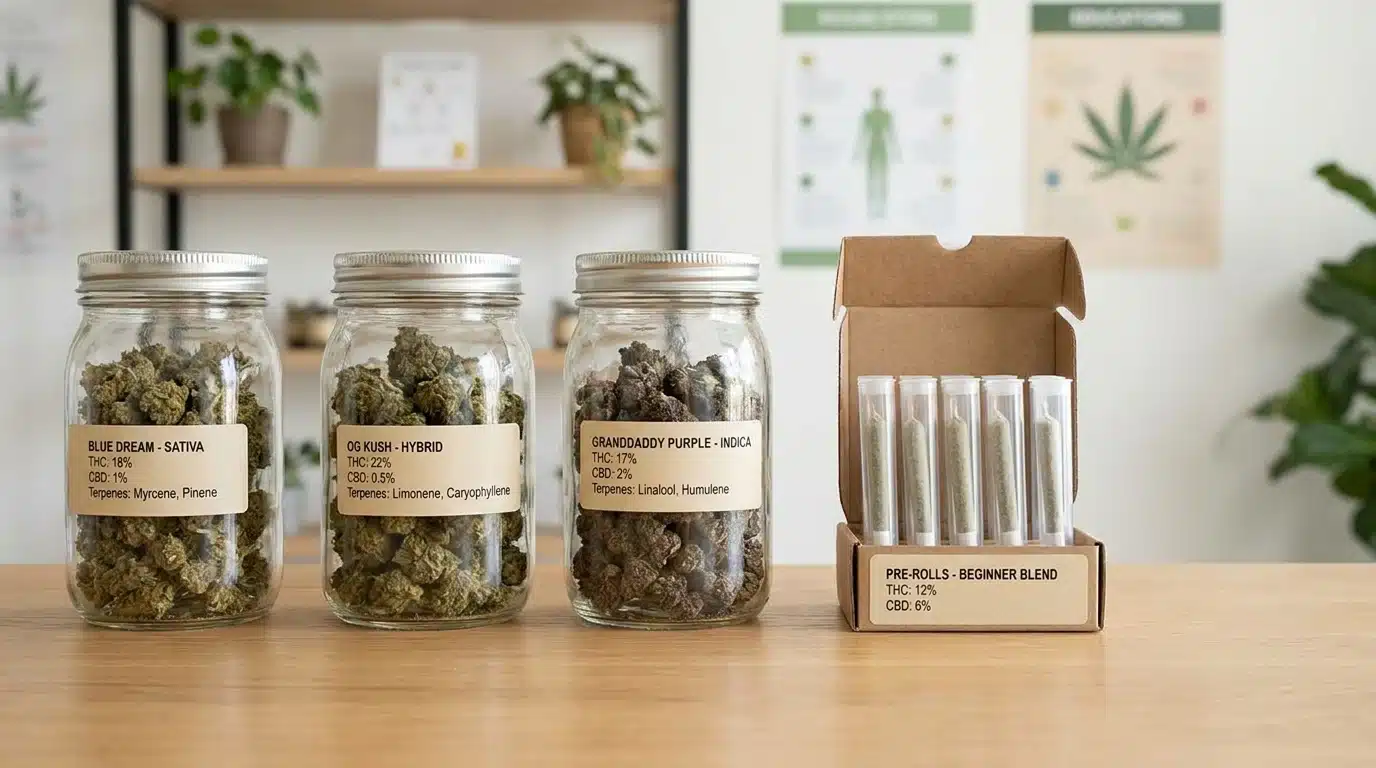
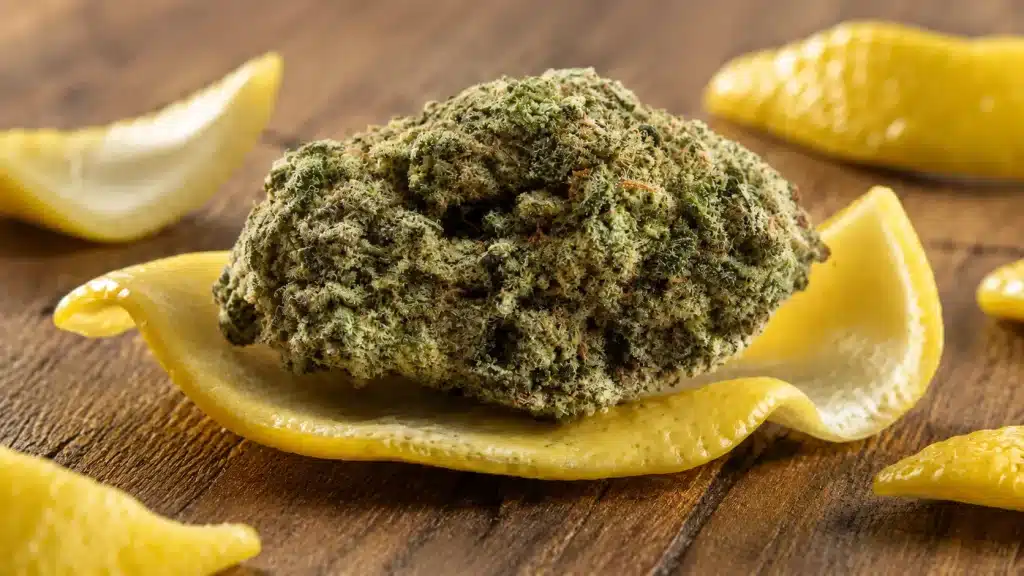
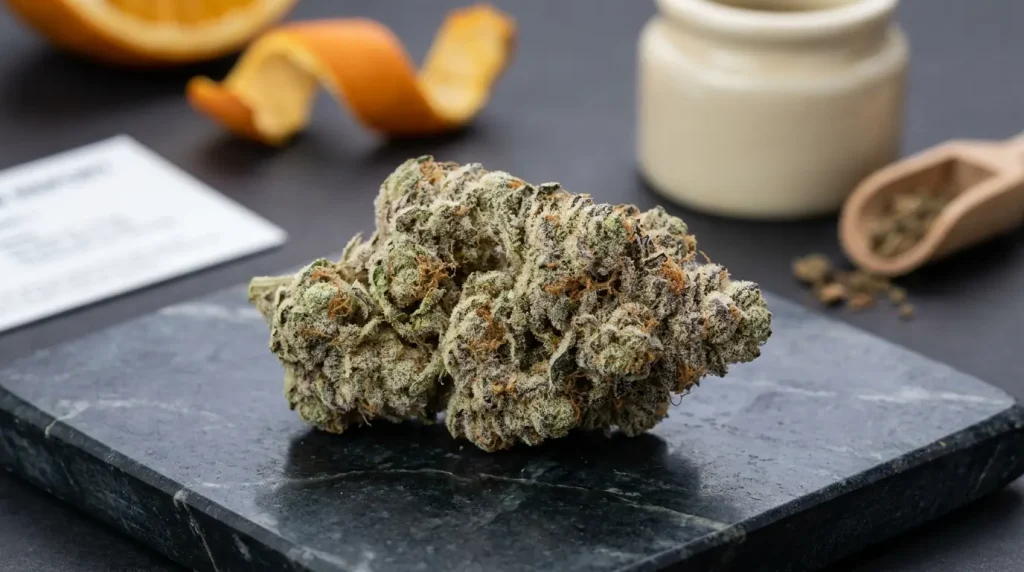
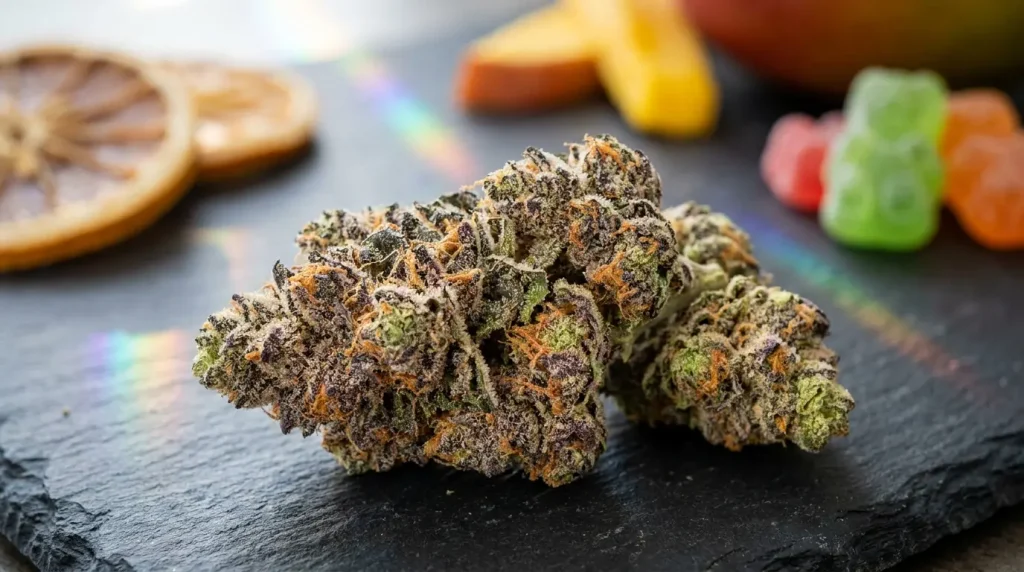
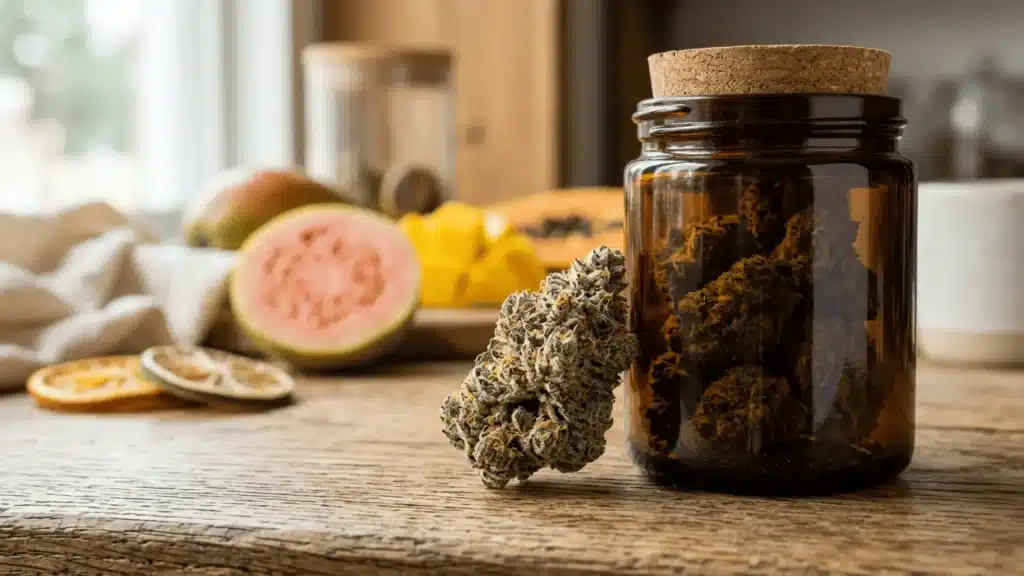
Flower is dried cannabis bud sold loose or as pre-rolls. It may be smoked or used in a dry-herb vaporizer. Product labels typically show THC, CBD, strain type, and terpenes, which affect smell and flavor. A high THC percentage does not always mean a better choice, especially for someone new to cannabis.
Terpenes also shape the experience more than most beginners realize. If you want to understand how those aromatic compounds interact with cannabinoids.
The interplay between THC, CBD, and terpenes is also what makes sativa-dominant hybrids behave so differently from strain to strain, even within the same category. Start with a small amount and give yourself time before reassessing.
2. Edibles
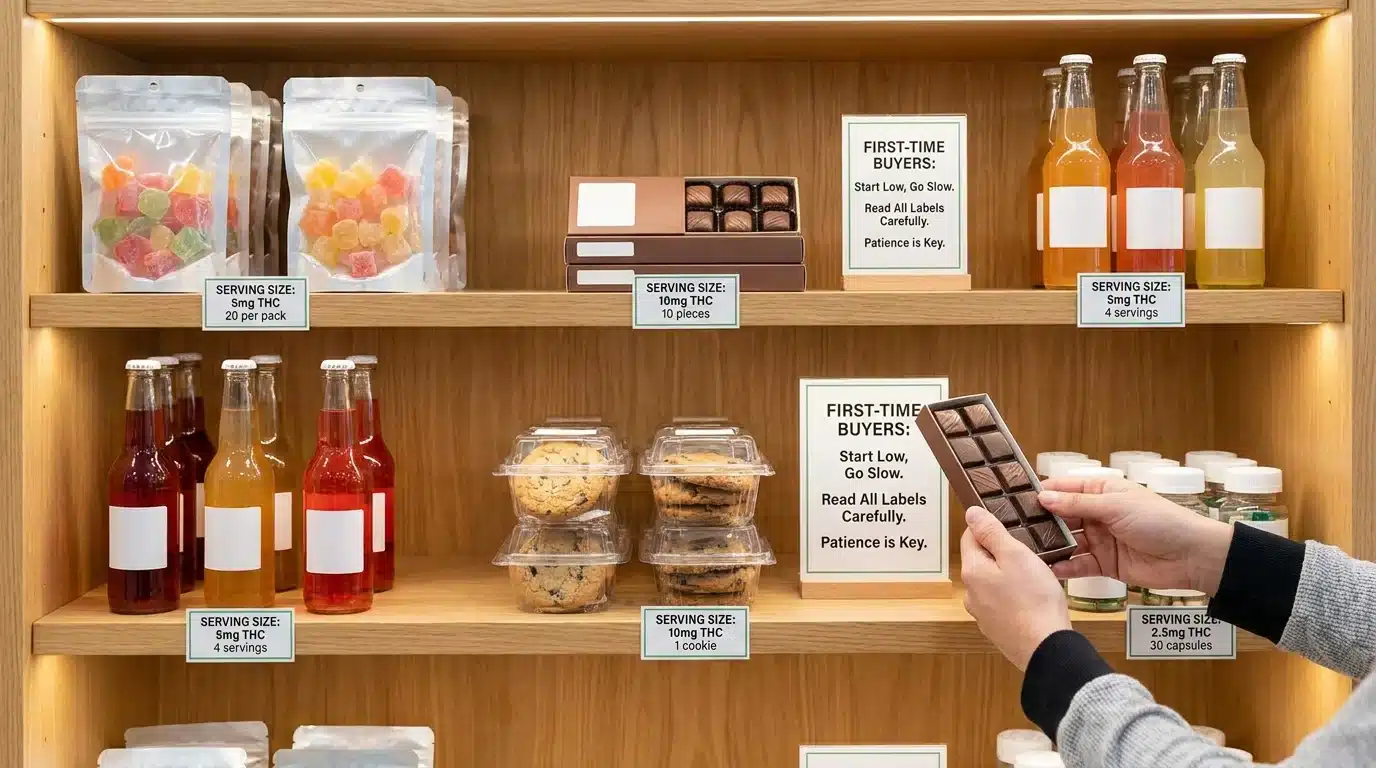
Edibles include gummies, chocolates, baked goods, drinks, and capsules. They are easy to use but require patience. Effects may take 30 minutes to two hours to appear and can last much longer than smoking or vaping.
The most common beginner mistake is taking a second serving before the first one kicks in. Both servings then arrive together, and the experience becomes difficult to manage.
Health Canada’s lower-risk cannabis use guidance explains why lower amounts and slower timing reduce unwanted effects. Serving size matters more than package size. Keep edibles away from children and pets at all times.
3. Vapes and Concentrates
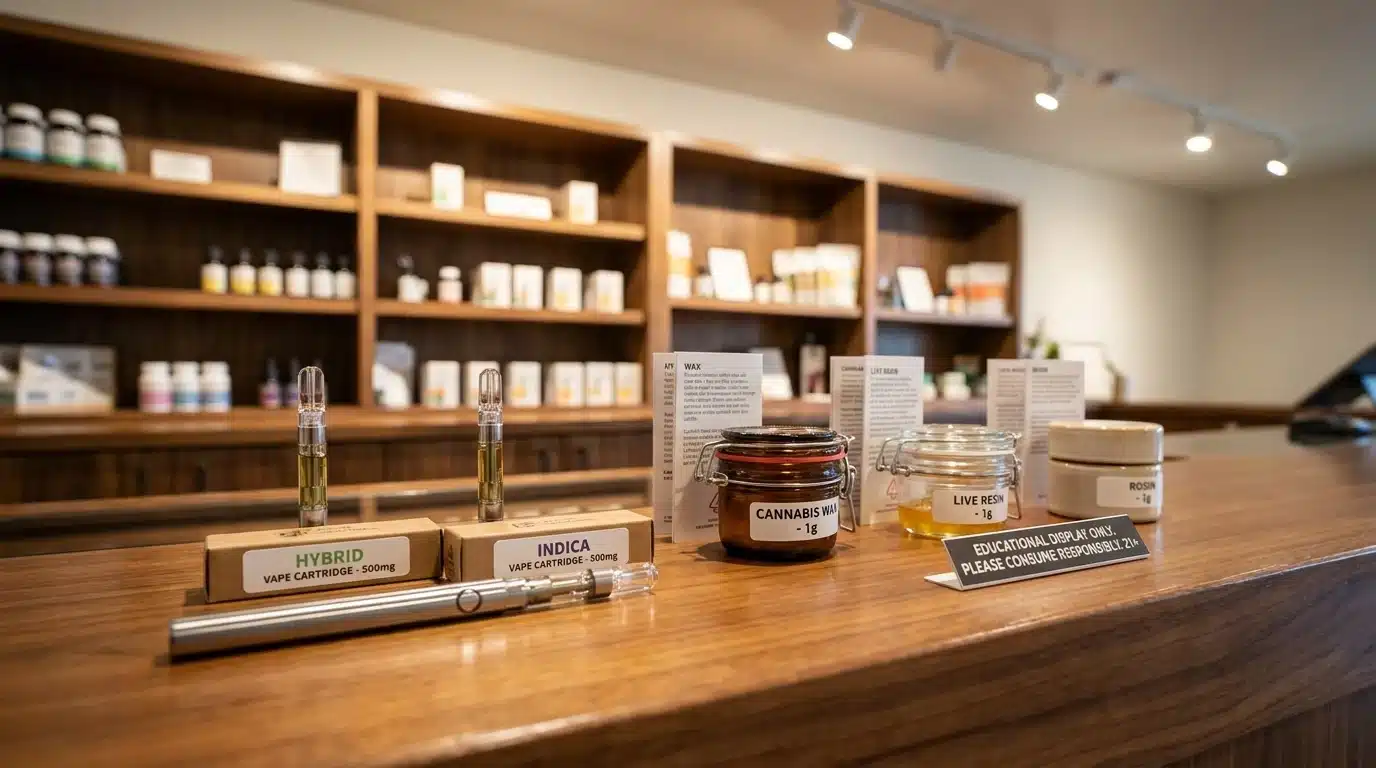
Vapes use cannabis oil in a pen or cartridge. They often act faster than edibles, which can make controlling the amount feel more manageable for some people. Still, many vape products contain high THC levels, so even a few draws can feel stronger than expected.
Concentrates include wax, shatter, live resin, rosin, and similar products. These are usually very potent and are not the most practical choice for a first visit. Ask whether any vape or concentrate product is considered beginner-friendly before buying.
4. Tinctures and Topicals
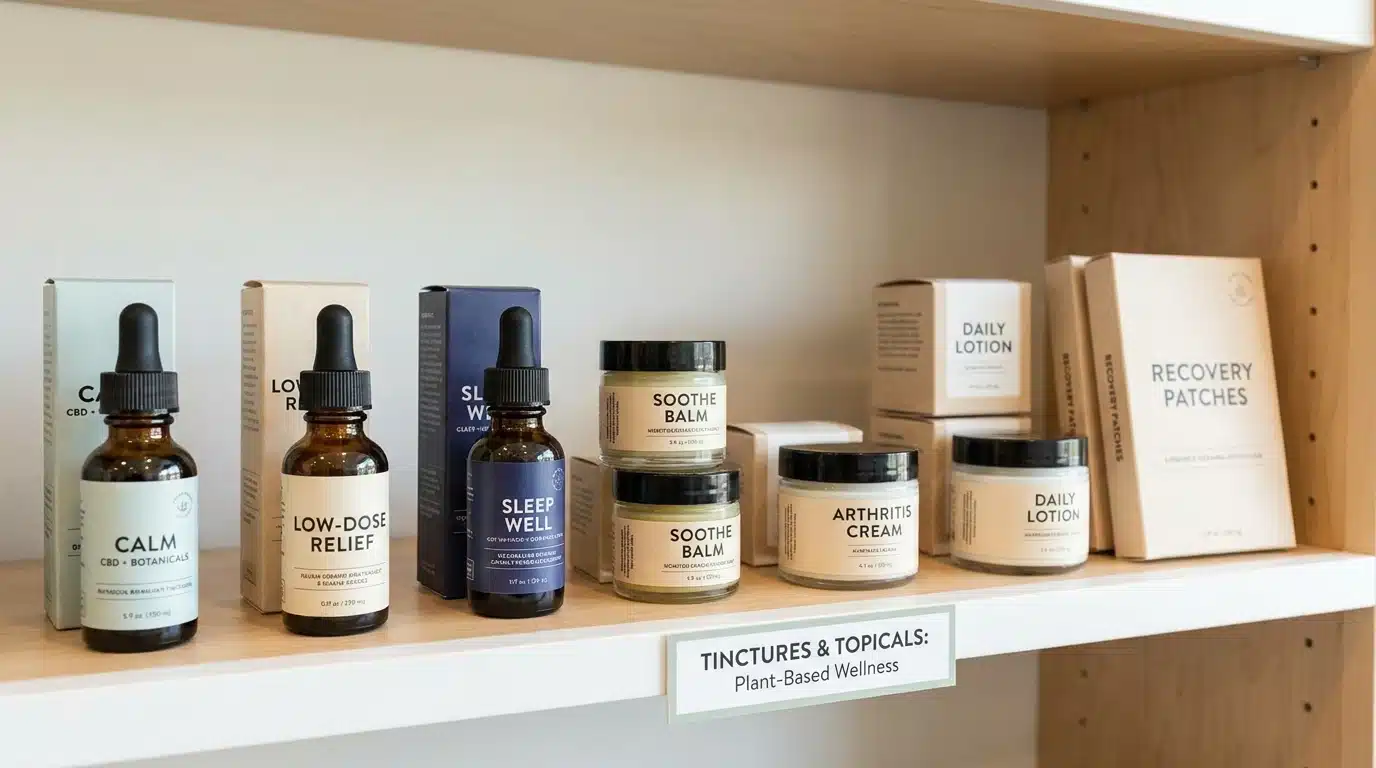
Tinctures are liquid cannabis products measured with a dropper. They offer good serving control because you can adjust the amount more precisely than with most other formats. Some contain THC, some contain CBD, and some contain both.
The most common method is placing drops under the tongue and holding for 30 to 60 seconds, which allows absorption before digestion starts; that timing difference matters for how quickly you feel anything.
A CBD tincture taken sublingually, for instance, typically acts faster than the same dose swallowed in a capsule. Topicals include creams, balms, lotions, and patches applied to the skin.
Many topicals do not produce a high, but the label still matters. CBD amounts in both tinctures and topicals vary widely, and common CBD serving ranges give useful context when comparing products side by side.
| Tip: As a beginner, focus on dose, THC amount, CBD amount, and timing. These details matter more than a popular strain name, a clever label, or whatever sounds most interesting on the menu. |
How to Read Product Labels Without Feeling Lost
Cannabis labels can feel busy at first, but most shoppers only need a few basics. Pay attention to THC, CBD, serving size, and timing. Those details help you avoid buying something stronger or slower than expected.
- THC Level: THC indicates how intoxicating a product may feel. Higher numbers can mean stronger effects, but your tolerance, mood, and setting still matter significantly.
- CBD Amount: CBD does not cause the same high as THC. Check the amount, ingredients, and lab test details when listed. Strength and quality vary across products.
- Serving Size: With edibles, read the serving amount first. A package may show 100 mg THC total, but one serving could be only 5 or 10 mg.
- Product Type: Words like indica, sativa, and hybrid can provide a general sense of effect direction, but they are not guarantees. Two similar-looking labels can still feel very different. Understanding how hybrid cannabis effects actually work can help you make a more informed call when the menu includes a range of mixed strains.
Do’s and Don’ts at a Dispensary
Good dispensary etiquette comes down to respect, safety, and patience. The CDC’s cannabis health effects page notes that cannabis can affect coordination, memory, and attention, which matters when planning how you get home after shopping.
| Do | Don’t |
|---|---|
| Bring your photo ID. | Don’t bring anyone underage. |
| Ask about the dose and THC level. | Don’t ask for medical advice. |
| Read the label before buying. | Don’t open sealed products in the store. |
| Share your comfort level with the budtender. | Don’t take photos without asking. |
| Plan a safe ride home before you go. | Don’t drive after using cannabis. |
Beginner Safety Tips Before You Buy
Buying cannabis for the first time is easier when you set firm limits before reaching the counter. Choosing a mild product, checking serving size, and planning what happens after use keeps the experience manageable. Good safety choices make the first visit boring in the best possible way.
- Low Dose: Choose the smallest THC amount available, especially with edibles. You can always wait and reassess, but you cannot undo a dose once taken. Starting at 2.5 to 5 mg THC for edibles is a widely referenced beginner range.
- Product Strength: Skip the strongest item on the menu. High THC levels can feel too intense even for confident first-time shoppers. Mild choices make the experience easier to read and adjust.
- No Mixing: Avoid pairing cannabis with alcohol or sedating substances unless a clinician has confirmed it is safe. Mixing can make effects stronger, harder to predict, and more difficult to manage.
- Safe Storage: Keep edibles in original packaging, stored away from children and pets. The FTC’s warning about candy-style cannabis packaging highlights why this matters at home.
| Note: If you are pregnant, breastfeeding, taking prescription medication, or dealing with anxiety, depression, a history of psychosis, heart issues, or substance-use concerns, speak with a qualified health professional before using cannabis. Personal medical context matters more than general product descriptions, and a conversation with your doctor is always the more reliable starting point. |
How Much Does a Dispensary Visit Cost?
A dispensary visit can cost more than the shelf price because product type, local taxes, weight, and brand all affect the final total. Asking for the full price, including taxes, before you pay avoids surprises at checkout.
| Cost Factor | What It Means |
|---|---|
| Flower | Priced by weight, such as grams or eighths of an ounce. |
| Pre-Rolls | Usually, a lower-cost way to try a small amount of flower. |
| Edibles | Priced by package strength and number of servings included. |
| Vapes | Can cost more due to oil concentration, hardware, and processing. |
| Concentrates | Often higher priced because of stronger formulas and extra processing steps. |
| Taxes | Cannabis excise taxes can raise the final price noticeably at checkout. |
| Licensed Products | It may cost more, but it includes testing results, labeling, and safety oversight. |
| Unlicensed Products | Cheaper options may carry unknown strength, poor labeling, or contaminants. |
Common First-Time Mistakes to Avoid
First-time buyers often overthink the menu and underthink the plan. The safer move is to choose one simple product, use it in a calm place, and give your body time to respond.
Avoid stacking different forms of cannabis in one session, because it becomes hard to know what felt fine and what felt too strong. Do not let flashy packaging or a goofy strain name make the choice for you. The real clues are the label, serving details, and how the product is meant to be used.
Also, do not shop when rushed. A quick panic-buy at the counter can turn into a very long evening at home. Ask clear questions, stay within your budget, and leave anything confusing on the shelf. Simple choices usually make the first visit easier and safer for you
Frequently Asked Questions
Can you return cannabis products after buying them?
Most stores do not accept returns once cannabis leaves the building, even when products are unopened. Some locations may replace a defective item, such as a broken vape cartridge, depending on store policy.
Keep your receipt, check the packaging before you leave, and ask about the return policy at the time of purchase.
Can tourists buy from a dispensary?
In some legal adult-use areas, tourists can buy cannabis if they meet the age requirement and show a valid photo ID. Other places restrict sales to residents or medical patients only. Check local rules before planning a visit, especially during travel to a new state or country.
Are online dispensary menus always accurate?
Online menus are useful for planning, but stock can change quickly. A product listed online may sell out before you arrive.
Prices, taxes, and available serving options may also differ in person. Call ahead if you want to confirm a specific item is available for pickup.
Can you smell cannabis before buying it?
Some shops use sealed sample jars or scent containers, but many do not allow customers to handle open flowers.
Policies depend on local law and individual store setup. Ask staff what is permitted before touching any display jars or product packaging.
Will a dispensary keep my personal information?
Many licensed stores record basic identifying details to follow purchase limit rules and local compliance requirements. What they store and how long they keep it can vary by location. You can ask about their data practices before completing a purchase.
Can you use an out-of-state medical card?
Some states accept out-of-state medical cannabis cards, while others do not. Even when accepted, purchase limits and required paperwork may differ from your home state.
Check the destination state’s program rules before traveling, so you are not sorting out forms at the front desk.
Is cannabis delivery the same as visiting a dispensary?
Delivery may offer convenience, but the rules are often stricter. You may need to upload a valid ID in advance, be present to meet the driver, and follow order limits.
Delivery fees, service zones, and payment options vary by city and store policy, so reviewing those details before ordering saves confusion.
Does the type of cannabis product affect how long the effects last?
Yes, significantly. Flowers and vapes typically produce effects within minutes, and users commonly report they taper off within one to three hours.
Edibles take longer to feel (anywhere from 30 minutes to two hours) but tend to last several hours longer. Tinctures fall somewhere in between, depending on how they are taken.
Understanding how different cannabis types affect timing and duration can help you choose a format that fits your schedule.
Final Tip
A first dispensary visit feels easier when you treat it like a planned stop, not a guess at the counter. I want you to know the basics before you walk in: bring your ID, check payment, ask honest questions, and read the label before buying.
Whats a dispensary is really about more than the store itself. It is about knowing how medical and adult-use rules differ, how THC, CBD, servings, timing, and product type affect your choice, and why safety matters after you leave.
I would start small, skip the strongest option, and tell the budtender you are new. Try these tips on your first visit, then share what helped you most or read a related guide before shopping again.
Sources
The following sources were cited directly in this article:
- National Institute on Drug Abuse. “Cannabis (Marijuana).” NIDA. Cannabis overview, including THC, CBD, product types, and health effects. https://nida.nih.gov/research-topics/cannabis-marijuana
- Health Canada. “Cannabis: Lower Your Risks.” Canada.ca. Guidance on dose, timing, and the start low, go slow safety approach. https://www.canada.ca/en/health-canada/services/drugs-medication/cannabis/resources/lower-your-risks.html
- Centers for Disease Control and Prevention. “Cannabis Health Effects.” CDC.gov. Information on how cannabis can affect memory, attention, coordination, decision-making, and reaction time. https://www.cdc.gov/cannabis/health-effects/index.html
- Federal Trade Commission. “Government warns sellers of edible cannabis: Stop using packaging that mimics foods popular with kids.” Consumer Advice. Child safety warning about edible cannabis packaging that resembles common snacks. https://consumer.ftc.gov/consumer-alerts/2023/07/government-warns-sellers-edible-cannabis-stop-using-packaging-mimics-foods-popular-kids