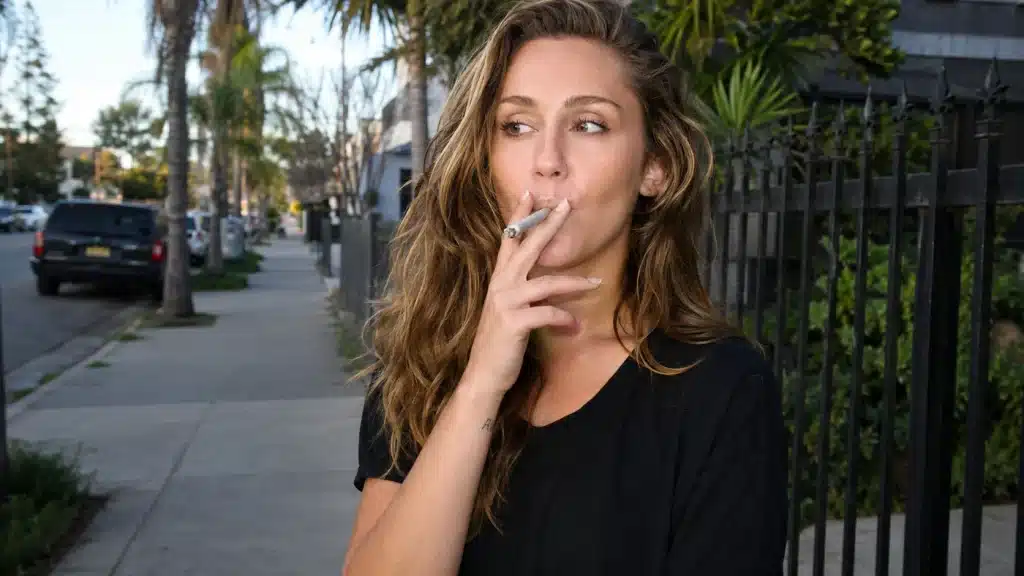
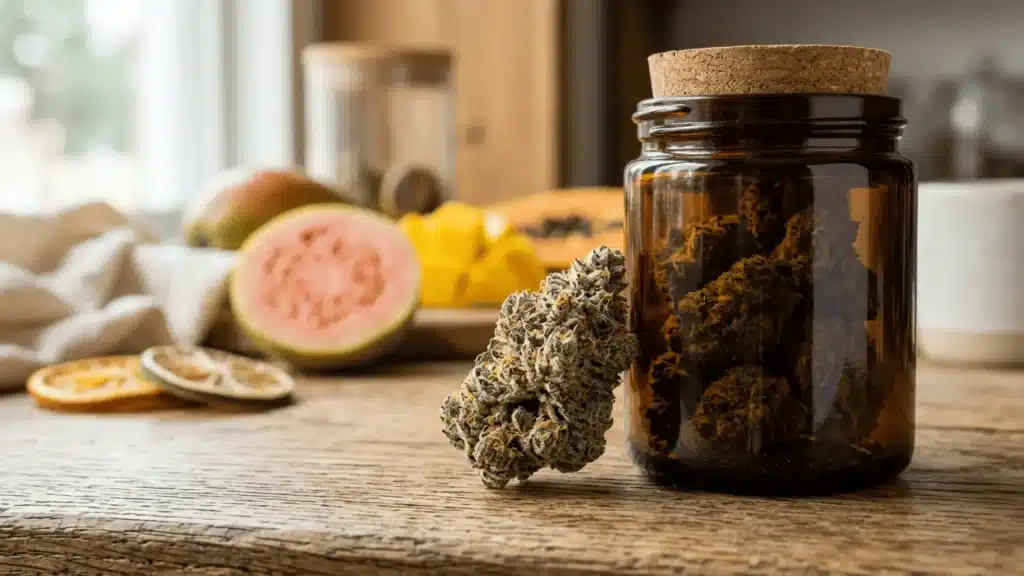
Many employees and athletes worry about unexpected exposure to cannabis. You might wonder: can you fail a drug test from secondhand smoke if you spend time near friends who consume marijuana?
Passing a routine workplace screening is critical for your career and peace of mind.
While casual social contact rarely causes problems, intense exposure in closed spaces creates real risks for anyone facing a screening.
Knowing how your body processes airborne compounds helps you protect your test results. Airflow and room size play a massive role in whether compounds enter your body.
This helpful guide explains testing thresholds, detection timelines, and clear steps to lower your risks. Read on to master these facts and share this guide with friends today.
How Secondhand Marijuana Smoke Affects the Body

When a non-smoker is in the vicinity of active cannabis consumption,airborne compounds enter the body primarily through passive pulmonary inhalation.
Understanding this process requires looking at how cannabinoids interact with human physiology:
1. Pulmonary Inhalation and Direct Absorption
Non-smokers breathe in surrounding sidestream and exhaled mainstream smoke. Fine particulate matter and vaporized cannabinoids enter the respiratory system rapidly.
Active tetrahydrocannabinol passes effortlessly through thin alveolar lung membranes into capillaries.
This direct gas exchange mechanism allows airborne compounds to bypass preliminary barriers. The active molecules quickly enter circulating plasma.
They initiate systemic distribution throughout your cardiovascular system within minutes of passive inhalation.
2. Bloodstream Distribution Across Tissues
Active tetrahydrocannabinol binds swiftly to lipophilic tissues and plasma proteins throughout the human body. The bloodstream distributes absorbed compounds into high-fat organs.
These target organs include brain tissue, liver cells, and systemic adipose stores. Rapid tissue uptake causes circulating blood levels to drop sharply after exposure ends.
Meanwhile, trace compounds are stored temporarily in fatty tissue reserves for subsequent breakdown and eventual natural elimination.
3. Central Nervous System Interaction Mechanisms
Absorbed cannabinoids cross the blood-brain barrier in dense, unventilated environments. They bind directly with CB1 cannabinoid receptors across the prefrontal cortex and cerebellum.
This interaction alters local neurotransmitter release, inducing temporary neurological responses. You may experience mild spatial disorientation, delayed reaction times, and subtle mood shifts.
This response aligns with cannabis research from the National Institute on Drug Abuse, which documents how airborne cannabinoids affect brain receptors in enclosed spaces.
These physical symptoms, commonly called a contact high, subside naturally as blood concentrations decline.
4. Hepatic Metabolism and Compound Conversion
The liver processes circulating active cannabinoids using specialized enzymes.
Hepatic metabolism rapidly transforms active tetrahydrocannabinol into primary metabolites before converting them into inactive carboxy molecules.
These non-psychoactive carboxy metabolites bind with glucuronic acid to increase overall water solubility. This process prepares the converted compounds for safe, natural clearance.
Elimination occurs through your renal urinary excretion and biliary systems over the following hours.
Detection Timelines & Screening Windows
How long secondhand cannabis smoke remains detectable depends entirely on the testing matrix,room ventilation,and exposure intensity.
Standard guidelines that help people prepare safely for a drug test use cutoff thresholds designed to filter out casual passive exposure.
Below is the breakdown of detection windows for passive/secondhand exposurecompared to standard cutoff limits:
| Testing Method | Target Compound | Detection Window From Passive Exposure | Standard Screening Cutoff |
|---|---|---|---|
| Urine test | THC COOH metabolite | 12 to 34 hours in heavily exposed, unventilated spaces | 50 ng/mL with confirmation at 15 ng/mL |
| Blood test | Active THC | 1 to 6 hours after exposure | 1 to 5 ng/mL |
| Oral fluid saliva test | Surface THC deposition | 1 to 24 hours | 2 to 4 ng/mL |
| Hair follicle test | THC COOH in the hair shaft | Usually not detectable because laboratories use decontamination | 1 pg/mg |
These figures are consistent with a controlled room-ventilation study on secondhand cannabis exposure, which found ventilation status directly changes how much THC a bystander absorbs.
Key Takeaways on Detectability
Exposure risk changes sharply depending on airflow, room size, smoke concentration, and the time a non-smoker spends near active cannabis use.
-
Urine Testing Clearances: Under normal social conditions, passive exposure does not exceed federal screening cutoffs. Peak metabolite levels occur two to six hours post-exposure, dropping below detection limits within twenty-four hours.
-
Blood and Saliva Timelines: Blood testing measures circulating active compounds, while understanding how long THC stays in saliva helps explain the shorter detection window associated with surface smoke residue.
-
Hair Follicle Protections: Accredited laboratories perform multi-step decontamination washes before processing hair samples. These chemical solvent washes remove external smoke residue, preventing false positives from passive environmental exposure alone.
-
Individual Clearance Factors: Body fat percentage, hydration levels, and metabolic efficiency govern clearance rates. Proper hydration supports renal function, helping your kidneys flush trace metabolites from your body much faster.
-
Confirmation Cutoff Safeguards: Preliminary positive samples undergo confirmatory gas chromatography testing with a strict threshold, following federal workplace drug testing guidelines. This secondary validation step specifically protects non-smokers from failing due to incidental passive smoke contact.
Environmental Factors & Exposure Scenarios

The degree to which secondhand smoke impacts a non-smoker is governed almost entirely by environmental conditions.
The Gold Rule of Exposure: Smoke proximity and airflow dictate chemical absorption. Smelling cannabis odor alone does not mean active cannabinoids are entering your bloodstream in measurable amounts.
1. Open Air and Outdoor Gatherings
Outdoor environments provide natural, unrestricted airflow that rapidly disperses airborne contaminants.
Even when standing near active cannabis consumers, atmospheric wind currents dilute sidestream smoke instantly before significant inhalation occurs.
This rapid environmental dilution ensures non-smokers absorb practically no active cannabinoids during normal social interactions, keeping personal health risks and drug testing concerns negligible.
Conditions: Parks, backyards, outdoor venues, and open patio spaces.
Impact: Atmospheric air currents instantly dilute sidestream smoke. Cannabinoid absorption into the bloodstream is virtually zero, posing no realistic risk to drug test results.
2. Ventilated Indoor Spaces
Indoor environments with active air circulation offer strong protection against passive smoke absorption.
Mechanical ventilation systems continuously draw fresh air into the room while exhausting floating contaminants outside.
This ongoing air exchange prevents sidestream smoke from accumulating, ensuring non-smokers in the room maintain clear airways and avoid absorbing measurable amounts of floating active drug compounds.
Conditions: Rooms with open windows, running HVAC systems, or active mechanical air exchange.
Impact: Continuous air exchange (eleven or more swaps per hour) keeps non-smoker blood and urine metabolite levels far below standard screening thresholds.
3. Unventilated Rooms and Living Areas
Spending extended periods inside sealed rooms creates notable risks for non-smokers. Without active air exchange, sidestream smoke accumulates until breathing zones fill with dense airborne compounds.
Remaining in these smoky spaces forces non-smokers to inhale concentrated smoke continuously, allowing active compounds to enter the lungs and build up inside the body over several hours.
Conditions: Closed doors and windows with multiple active consumers smoking over an extended duration.
Impact: Smoke density builds rapidly. Non-smokers absorb measurable quantities of THC, which can temporarily trigger positive urine tests at lower cutoff thresholds (twenty nanograms per milliliter).
4. Enclosed Vehicles and Hotboxing
Riding inside a closed automobile while passengers consume cannabis represents an extreme passive exposure hazard.
Small passenger cabins trap exhaled and sidestream smoke in tiny air volumes, forcing non-smokers to breathe highly concentrated airborne compounds.
This continuous inhalation forces rapid absorption into circulating blood plasma, creating high risks for physical impairment and testing failures.
Conditions: Small passenger cabins (eighty to one hundred twenty cubic feet) with closed windows.
Impact: Severe accumulation of concentrated airborne compounds occurs. Inhaling smoke in a hotboxed vehicle presents the highest likelihood of temporary physical impairment and urine drug test failure.
Health & Health-Related Implications
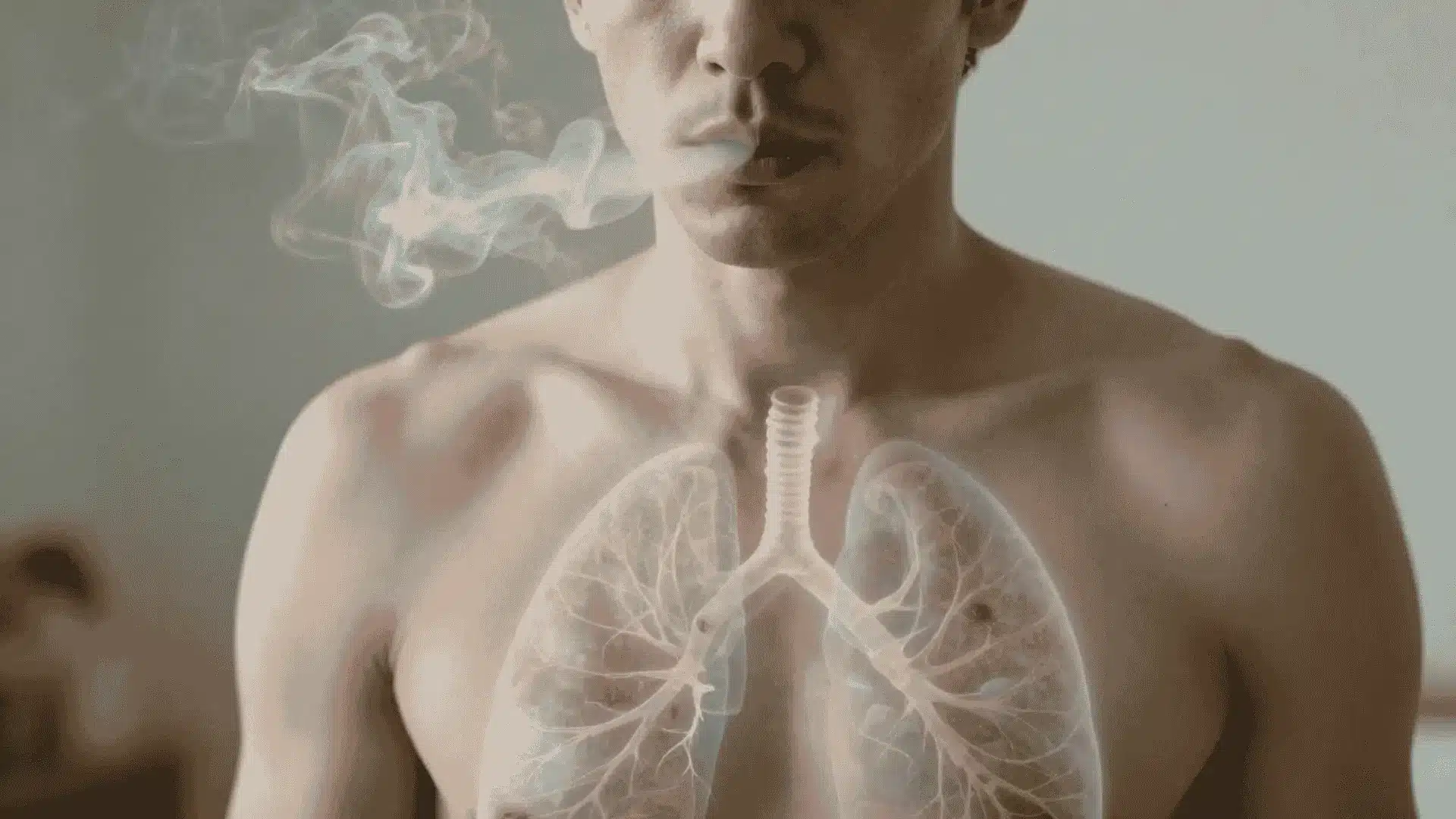
Beyond drug testing,secondhand cannabis smoke carries physical,respiratory,and systemic health considerations:
-
Toxic Combustion Byproducts: Secondhand cannabis smoke contains many of the same toxic chemicals, fine particulate matter, carbon monoxide, and volatile organic compounds found in tobacco smoke, sometimes in higher concentrations, according to documented health effects of secondhand smoke.
-
Respiratory Toxicity & Irritation:Inhaling particulate matter causes bronchial inflammation,coughing,throat irritation,and airway constriction.It presents acute risks for individuals with underlying respiratory conditions such as asthma,COPD,or bronchitis.
-
Cardiovascular Stress:Research shows secondhand cannabis smoke exposure can impair blood vessel dilation (endothelial dysfunction) for over an hour after exposure,putting temporary strain on the cardiovascular system.
Impact on Sensitive & Vulnerable Groups
-
Children & Infants: Exposure can lead to detectable urine levels, motor incoordination, agitation, increased risk of viral infections, and potential developmental concerns.
-
Pregnant Individuals:Cannabinoids and carcinogens pass through fetal circulation, increasing the risk of lower birth weight and abnormal neurodevelopment, based on secondhand smoke and reproductive health research.
-
Pets: Dogs and cats are highly sensitive to THC. Secondhand cannabis smoke can cause extreme tiredn, ess poor coordinat, ion excessive drool, ing breathing probl, ems and other signs of toxicity.
Practical Tips to Avoid Secondhand Marijuana Smoke
If you have an upcoming drug test or want to reduce passive cannabis exposure, taking a few practical precautions can help minimize your risk.
While casual exposure in open environments is unlikely to cause detectable THC levels, enclosed spaces with heavy smoke deserve extra attention.
- Choose open or well-ventilated spaces with windows, fans, or working air systems so cannabis smoke disperses quickly and less airborne THC reaches your breathing zone.
- Avoid sealed rooms and hotboxed vehicles because smoke builds rapidly in enclosed spaces, increasing how much you inhale and raising the chance of passive THC exposure.
- Move farther away from active smokers because greater distance reduces the concentration of smoke and airborne cannabinoids reaching your face, lungs, and bloodstream during nearby social gatherings.
- Leave smoky environments as soon as possible because every extra minute increases exposure, while an early exit limits absorption and reduces concerns before testing or travel.
- Before a scheduled drug test, avoid parties, cars, and indoor gatherings where prolonged cannabis smoking may occur to reduce unnecessary passive exposure in advance of screening.
| If you or someone you know needs help, please contact the SAMHSA National Helpline (24/7) at 1-800-662-4357. |
Common Myths About Secondhand Marijuana Smoke
Misinformation about passive cannabis exposure often causes unnecessary concern, especially for people preparing for a drug test.
The table below separates common myths from evidence-based facts to help you better understand the real risks of secondhand marijuana smoke.
| Myth | Fact |
|---|---|
| Smelling marijuana means you’ll fail a drug test. | The smell alone does not mean enough THC has entered your body to trigger a positive drug test. |
| Any secondhand marijuana smoke will make you test positive. | Casual exposure in open or well-ventilated areas rarely produces THC levels above standard testing cutoffs. |
| Outdoor exposure is just as risky as indoor exposure. | Outdoor airflow disperses smoke quickly, making significant THC absorption highly unlikely. |
| You can fail a hair drug test from secondhand smoke. | Hair testing laboratories typically decontaminate samples before analysis, reducing the chance of passive smoke causing a positive result. |
| Air fresheners or scented sprays remove the risk of exposure. | They only mask the smell and do not remove airborne cannabinoids or improve ventilation. |
| A contact high always means you’ll fail a drug test. | Feeling mild effects after heavy exposure does not necessarily mean your THC levels exceed workplace testing thresholds. |
| Opening one window eliminates secondhand smoke. | Better ventilation reduces exposure, but heavily smoked, enclosed spaces can still contain airborne cannabinoids. |
| Drinking lots of water immediately after exposure guarantees a negative test. | Hydration supports normal body function but does not instantly eliminate THC metabolites or guarantee a negative result. |
Final Thoughts
In summary, if you can fail a drug test from secondhand smoke depends heavily on your environment and ventilation.
Casual contact in open areas creates minimal risk, while enclosed spaces create serious hazards. Testing thresholds are specifically set to prevent false positives from incidental contact.
Taking simple steps like stepping away from active smoke protects your test results and personal health.
Knowing the facts helps you handle social settings without unnecessary stress about your workplace tests. Always focus on maintaining clean airflow whenever you encounter active cannabis consumption.
If you face an upcoming screening, stay cautious and avoid sealed rooms entirely. Subscribe to our workplace safety newsletter today to receive expert advice directly in your inbox.
Frequently Asked Questions
Can Secondhand Smoke Cause a Permanent Drug Test Record?
A positive result enters your employment record. However, passive exposure in normal ventilated spaces rarely triggers positive results that reach formal reporting thresholds.
Do Air Purifiers Remove Airborne Cannabis Metabolites Indoors?
Activated carbon filters reduce smoke particles and odor. However, purifiers cannot replace proper room ventilation or stepping away from active smoke in enclosed spaces.
Does Vaping Cannabis Create Secondhand Test Risks?
Exhaled vapor contains fewer particles than combustion smoke. However, heavy vapor in unventilated rooms still releases airborne cannabinoids that pose risks during extreme exposure.
Can Thirdhand Residue on Clothes Trigger Urine Positives?
Fabric residue carries odor but negligible active compounds. Physical contact with smoky clothes will not cause absorbed metabolites to appear on standard urine screens.
Should You Inform HR Before Testing If Exposed?
Notifying employers about brief exposure is unnecessary due to high cutoffs. If extreme exposure occurred, document the event details in case retesting becomes required.
Sources
- Johns Hopkins Study: Urine Screening & Confirmation Results (2014)
- Johns Hopkins Study: Effect of Room Ventilation on Cognitive & Biological Outcomes (2015)
- Johns Hopkins Study: Oral Fluid and Blood Drug Concentrations (2015)
- Journal of the American Heart Association Study on Secondhand Cannabis Smoke & Vascular Function (2016)
- SAMHSA Mandatory Guidelines for Federal Workplace Drug Testing Programs
- NIDA Research Report: Cannabis & Cannabinoid Receptor Mechanisms