| ⚠️Disclaimer: This article is for education only and is not legal, medical, or employment advice. CBD and hemp products vary, and no drug test outcome is guaranteed. For job, legal, or health concerns, consult a qualified professional. |
Yes, CBD oil can make you fail a drug test, but only if it contains enough THC to clear the screening cutoff. The answer always came down to what was actually in the bottle, not what CBD does on its own.
A 2017 study in JAMA found that 42.85% of products contained more CBD than labeled, 26% contained less, and 30.95% were accurately labeled. THC was detected in 21.4% of products, reaching 6.43 mg/mL.
A certificate of analysis can sometimes tell a different story from the bottle’s label.
That gap between the product and the lab result can determine whether it passes testing, so it is important to understand it before your own product is assessed.
Quick Answer: Pure CBD will not cause a positive drug test, but full-spectrum CBD oil containing trace THC can, particularly with frequent use or an inaccurate label.
Why CBD Oil Can Make You Fail a Drug Test?
CBD oil can cause a positive drug test only if it contains enough THC to clear the test’s cutoff level. CBD itself does not trigger a positive result on standard immunoassay or GC-MS screens.
Full-spectrum CBD products are legally permitted to contain up to 0.3% THC by dry weight under the 2018 Farm Bill, a threshold confirmed by Johns Hopkins Medicine researchers.
In a 2019 Johns Hopkins Medicine study, two of six participants tested positive on a standard urine drug screen after a single vaping session using cannabis containing just 0.39% THC.
It was only slightly above the legal hemp limit. Regular, cumulative use of legal-limit products can raise detectable THC further.
Quick Drug Test Risk by CBD Product
| CBD Product | Chance of a Positive Drug Test |
| CBD Isolate | Very Low (if third-party tested) |
| Broad-Spectrum CBD | Low (trace THC may still be present) |
| Full-Spectrum CBD | Moderate to High with regular use |
| Unverified CBD Products | High (THC content may not match the label) |
Can CBD Oil Cause a False Positive Drug Test?
A false positive drug test occurs when a screening test incorrectly identifies a drug that the person has not used.
CBD itself is unlikely to cause a false positive because standard drug tests detect THC metabolites, not cannabidiol (CBD).
Initial immunoassay screens can sometimes react with similar compounds, which is why non-negative results are confirmed using GC-MS or LC-MS/MS, the standard verification methods in federal testing guidelines.
Most confirmed positives after using CBD oil are caused by trace THC in the product rather than CBD itself.
What Drug Tests Actually Detect (Its Not CBD)
Standard drug tests do not screen for CBD. They look for THC-COOH, the metabolite created when the body processes THC. This means a positive result usually comes from trace THC in the product, not CBD itself.
The Substance Abuse and Mental Health Services Administration (SAMHSA), the federal agency that sets mandatory workplace drug testing cutoffs, uses a two-stage process:
-
Initial immunoassay: Screens at a 50 ng/mL cutoff.
-
Confirmation test: Uses GC-MS at a stricter 15 ng/mL cutoff.
-
Main limitation: Immunoassays react to molecular shape, so similar compounds may affect the first result.
Detection also depends on the sample type, dose, frequency of use, product THC content, label accuracy, and how long the product has been used.
1. Urine Tests and CBD Oil
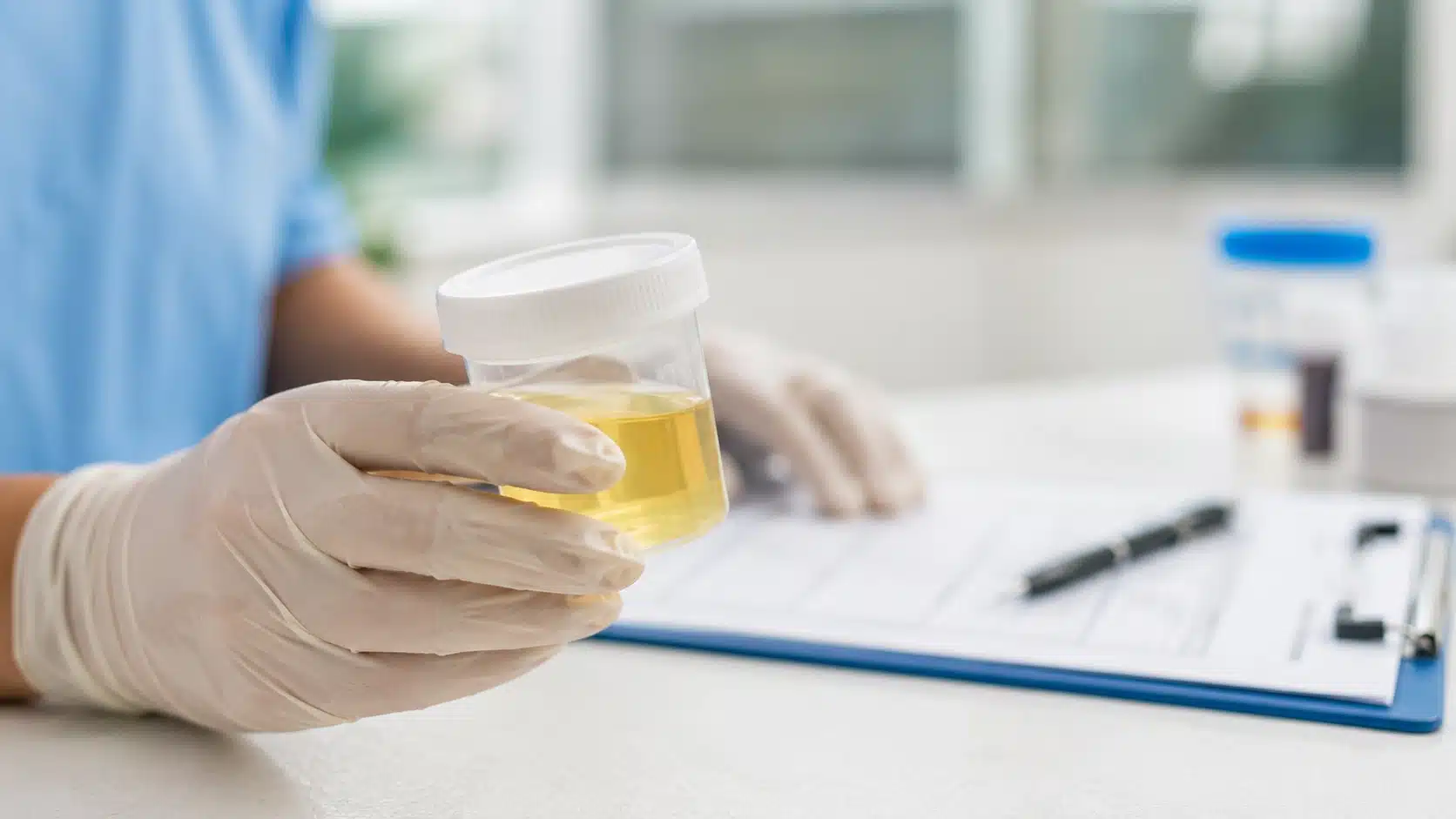
Urine testing is the most common method for detecting THC exposure after CBD oil use. It measures THC-COOH, which can remain in the body after the effects fade
Positive results become more likely with:
- Daily full-spectrum CBD use
- Larger or repeated doses
- THC buildup from regular use
- Oils containing more THC than stated
2. Saliva and Oral Fluid Tests
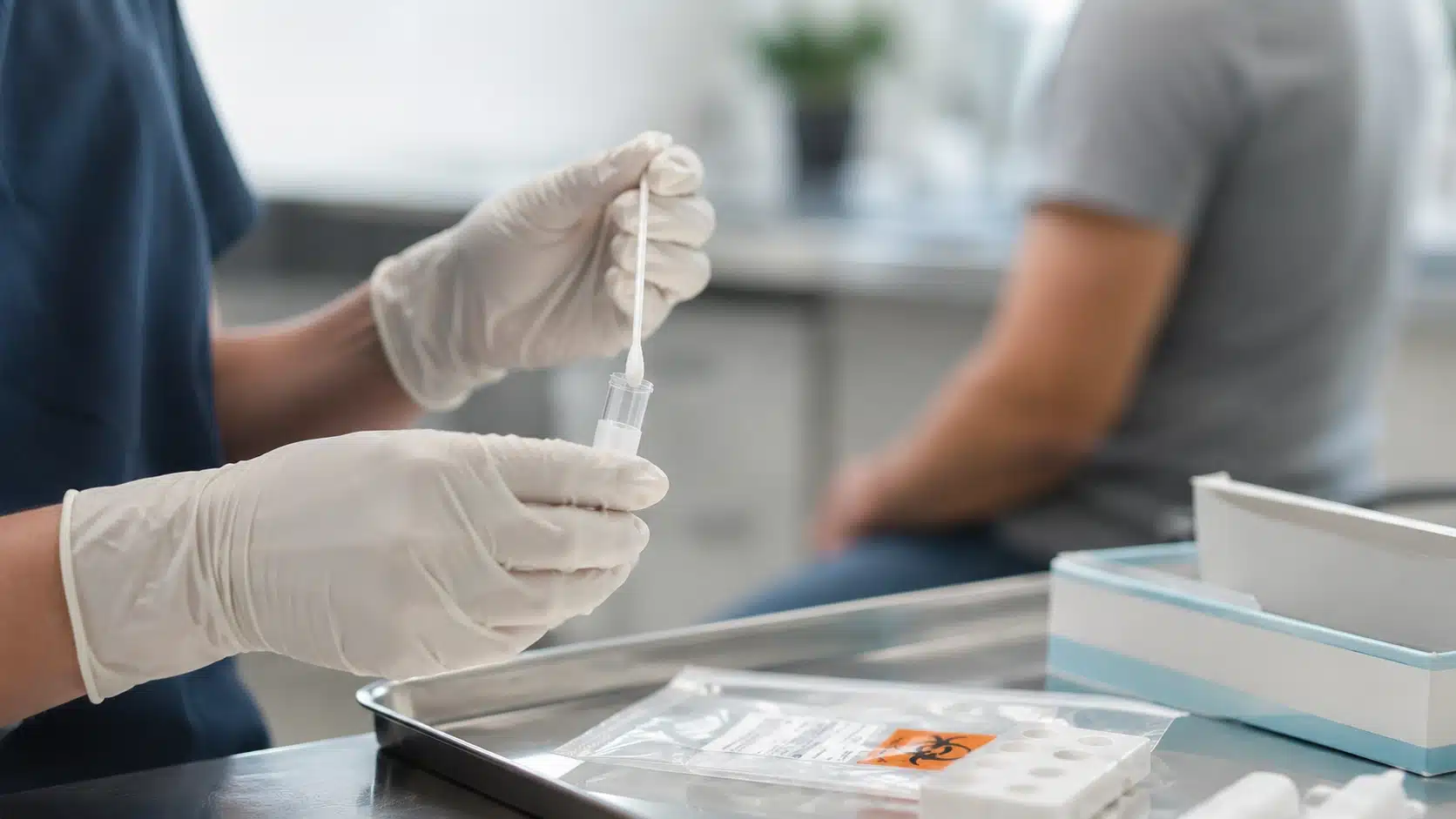
Saliva tests detect active THC rather than stored THC-COOH, so they focus more on recent exposure. The usual detection window is about 24 to 72 hours.
A positive result is more likely when:
- CBD oil was used within the past 24 to 72 hours
- Residue remains in the mouth
- The product contains detectable THC
- Testing occurs shortly after a large dose
Metabolism and oral hygiene may also affect the result.
3. Hair Follicle Tests
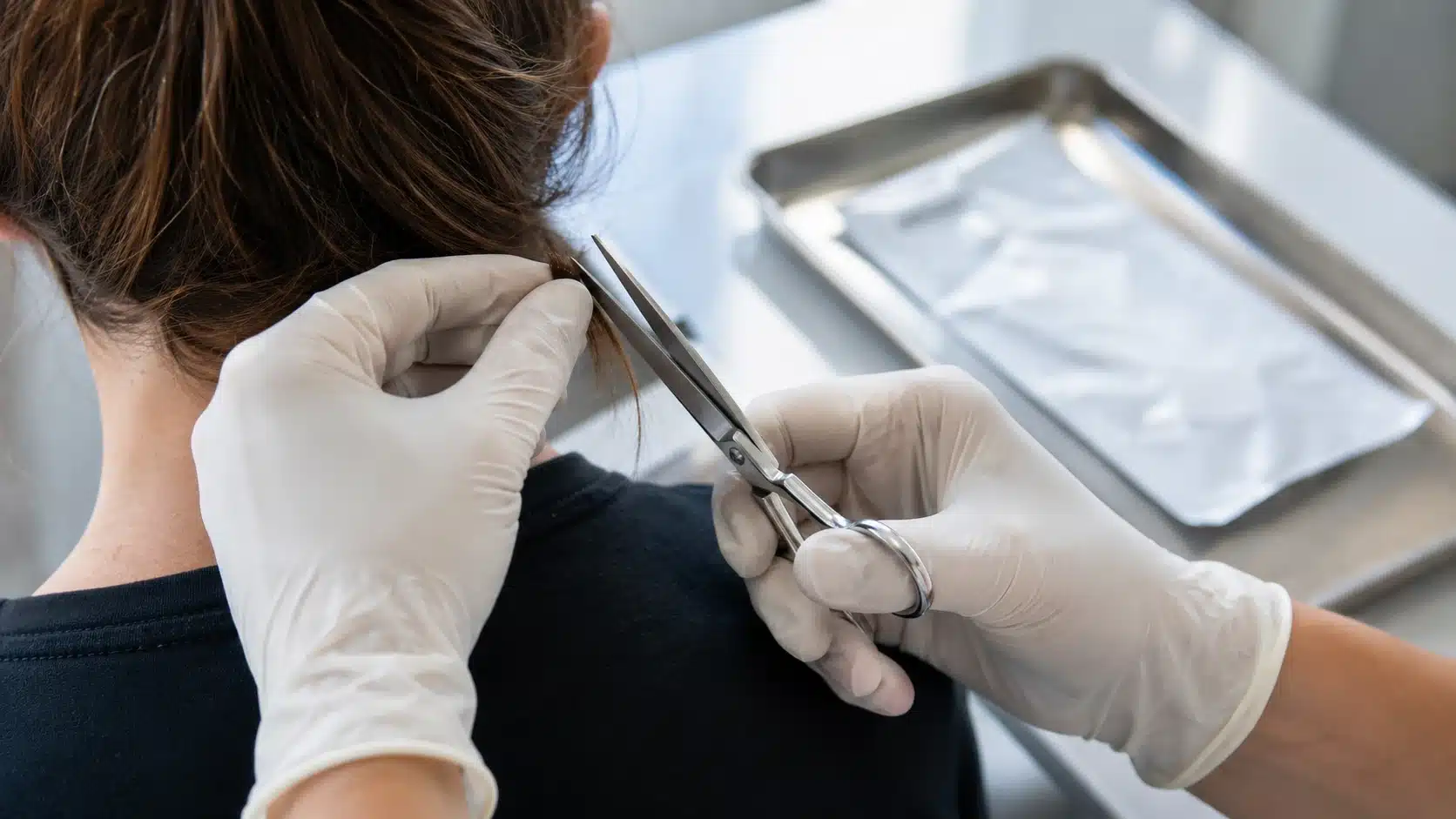
Hair testing can reflect THC exposure from the previous 90 days, but it usually requires repeated or meaningful exposure. Routine CBD use is less likely to cause a positive result.
Risk increases when someone:
- Uses THC-containing CBD consistently
- Continues using the product for several months
- Has repeated exposure to mislabeled oil
- Accumulates enough THC for it to enter growing hair
Full-Spectrum vs Broad-Spectrum vs Isolate
Full-spectrum CBD oil carries the highest drug test risk in my experience, because it’s the only category legally allowed to carry THC.
Broad-spectrum removes most of it during processing, though “most” isn’t the same as “all.” Isolate is the only category I’d call zero-risk on a standard panel, assuming the lab report actually backs that claim up.
| CBD Type | THC Content | Drug Test Risk | Best For |
| Full-Spectrum | Up to 0.3% THC (legal limit) | Highest: can build up with daily use | People not facing any testing |
| Broad-Spectrum | Trace to none, varies by brand | Low, but not guaranteed zero | Balancing benefits with some caution |
| CBD Isolate | 0% THC | Lowest: essentially none | Anyone facing routine testing |
Why the Certificate of Analysis Matters More than the Label
A certificate of analysis (COA) is an independent lab result, not marketing copy.
In the journal Pediatric Neurology Briefs, it was found that 43% of CBD products contained more CBD than labeled and 26% contained less, with mislabeling affecting THC disclosures as well.
A separate study of 105 topical CBD products found detectable THC in 35% of them, and of those, 11% were labeled “THC-free.”
Note:Initial immunoassay screens can sometimes react with similar compounds, so non-negative results are confirmed using GC-MS or LC-MS/MS testing.
A trustworthy COA lists the testing lab’s name and accreditation number, the batch number, and the testing date, not just a logo.
If those details are missing, treat the product as unverified regardless of what the packaging claims.
How to Avoid Failing a Drug Test While Using CBD Oil
Choose a THC-free isolate, then get the batch-specific certificate of analysis instead of trusting what’s printed on the bottle.
The safest way to avoid failing a drug test while using CBD oil comes down to product choice and documentation.
Here’s what I’d tell anyone facing a test:
- Choose CBD isolate over full-spectrum if a test is coming up
- Request the certificate of analysis matched to your specific batch number, not a generic one
- Stop using it three to four weeks before a known test, since THC accumulates in fat tissue
- Ask for confirmatory GC-MS testing if a screening result surprises you
- Avoid products from brands that won’t share a recent COA on request
- Keep the COA and product packaging on file in case a result needs explaining
If a drug test result affects your employment, a Medical Review Officer (MRO) is the correct channel to review and potentially contest a positive result, not a general appeal to an employer.
The Bottom Line on CBD Oil and Drug Test
So, can CBD oil make you fail a drug test? Yes, if there’s enough THC in the sample, and that comes down to the product, not to CBD as a compound.
Full-spectrum oils carry real risk because they’re legally allowed to contain trace THC. Broad-spectrum sits in a gray area, and isolate is the closest thing to zero risk I’ve seen on a panel.
Test type matters too: urine and hair windows run longest, while saliva catches only recent use.
Labels lie more often than people expect. If a test is coming, isolate paired with a batch-matched COA is the safest combination I know. Read the lab report before you read the label.
Have you used CBD oil before a drug test? Share your experience in the comments.
| This content is for education only and is not legal, medical, or employment advice. CBD products may vary from label claims. Consult a qualified professional if drug testing or legal concerns apply. |
Frequently Asked Questions
Can CBD Oil Show Up as THC on a Drug Test?
Yes, if the oil contains enough THC to clear the test’s cutoff; pure CBD itself will never register as THC on a standard immunoassay or GC-MS screen.
How Much THC in CBD Oil Can Trigger a Positive Test?
Federal cutoffs sit at 50 ng/mL for the initial screen and 15 ng/mL for GC-MS confirmation; daily full-spectrum use can push levels above both over time.
Does Broad-Spectrum CBD Oil Show Up on a Drug Test?
It’s less likely than full-spectrum since most THC is removed during processing, but trace amounts can still remain depending on the brand’s actual manufacturing standards.
How Long does THC from CBD Oil Stay in Your System?
It varies by body fat percentage, metabolism, and frequency of use; occasional users typically clear it within one to two weeks, while daily users can take longer.
Is CBD Isolate Safe for Drug Testing?
Yes, CBD isolate contains 0% THC when it’s properly processed and lab-verified, making it the lowest-risk option I’d recommend for routine drug testing.
Sources
- JAMA/PubMed (2017): Bonn-Miller et al., Labeling Accuracy of Cannabidiol Extracts Sold Online
- Johns Hopkins Medicine (2022 press release): Widespread Mislabeling of CBD Content in OTC Products
- Johns Hopkins Medicine (2019 press release): Some CBD Products May Yield Cannabis-Positive Urine Drug Tests
- Pediatric Neurology Briefs: Inadequate Regulation Contributes to Mislabeled Online Cannabidiol Products
- Spindle TR, Sholler DJ, Cone EJ, Murphy TP, ElSohly M, Winecker RE, Flegel RR, Bonn-Miller MO, Vandrey R: Cannabinoid Content and Label Accuracy of Hemp-Derived Topical Products Available Online and at National Retail Stores
- Federal Register: Mandatory Guidelines for Federal Workplace Drug Testing Programs
- SAMHSA: Cutoff Levels for Federal Workplace Drug Testing
- Johns Hopkins Medicine (2022 article): CBD Consumers Can Be Misled