A red nose after a few drinks can raise an uncomfortable question: is alcohol changing the nose permanently, or is the redness only temporary?
The term gin blossom nose has long been linked with drinking, which can make visible redness, swelling, or changes in nose shape feel alarming.
Yet redness after alcohol and gradual thickening of nasal skin do not always come from the same process.
From a clinical pharmacology perspective, I pay attention to when redness appears, how long it lasts, and what substances or medicines were involved.
This guide separates alcohol-related flushing from rosacea and rhinophyma, while explaining why drinking gets blamed for nasal changes.
It also covers what may improve after avoiding alcohol and which lasting changes usually need medical assessment.
| This content is for general educational purposes and is not medical advice. Information is based on reliable health sources, but individual concerns should be discussed with a qualified healthcare professional. |
What is a Gin Blossom Nose?
A gin blossom nose commonly refers to rhinophyma, a condition in which the skin of the nose gradually becomes thicker, larger, and more uneven.
It is often associated with phymatous rosacea and develops through changes in the skin, oil glands, and surface blood vessels.
Cleveland Clinic provides a list of common signs that may include:
-
Enlarged nasal tip: The nose may appear wider, rounder, or bulbous.
-
Thickened skin: Nasal skin can become noticeably raised or firm.
-
Large pores: Oil-gland openings may become more visible.
- Uneven surface: Bumps or irregular areas can develop.
-
Color changes: The nose may look red, purple, or persistently flushed.
-
Visible blood vessels: Small surface vessels may become easier to see.
A red nose after drinking does not automatically mean rhinophyma.
Does Alcohol Cause Rhinophyma?
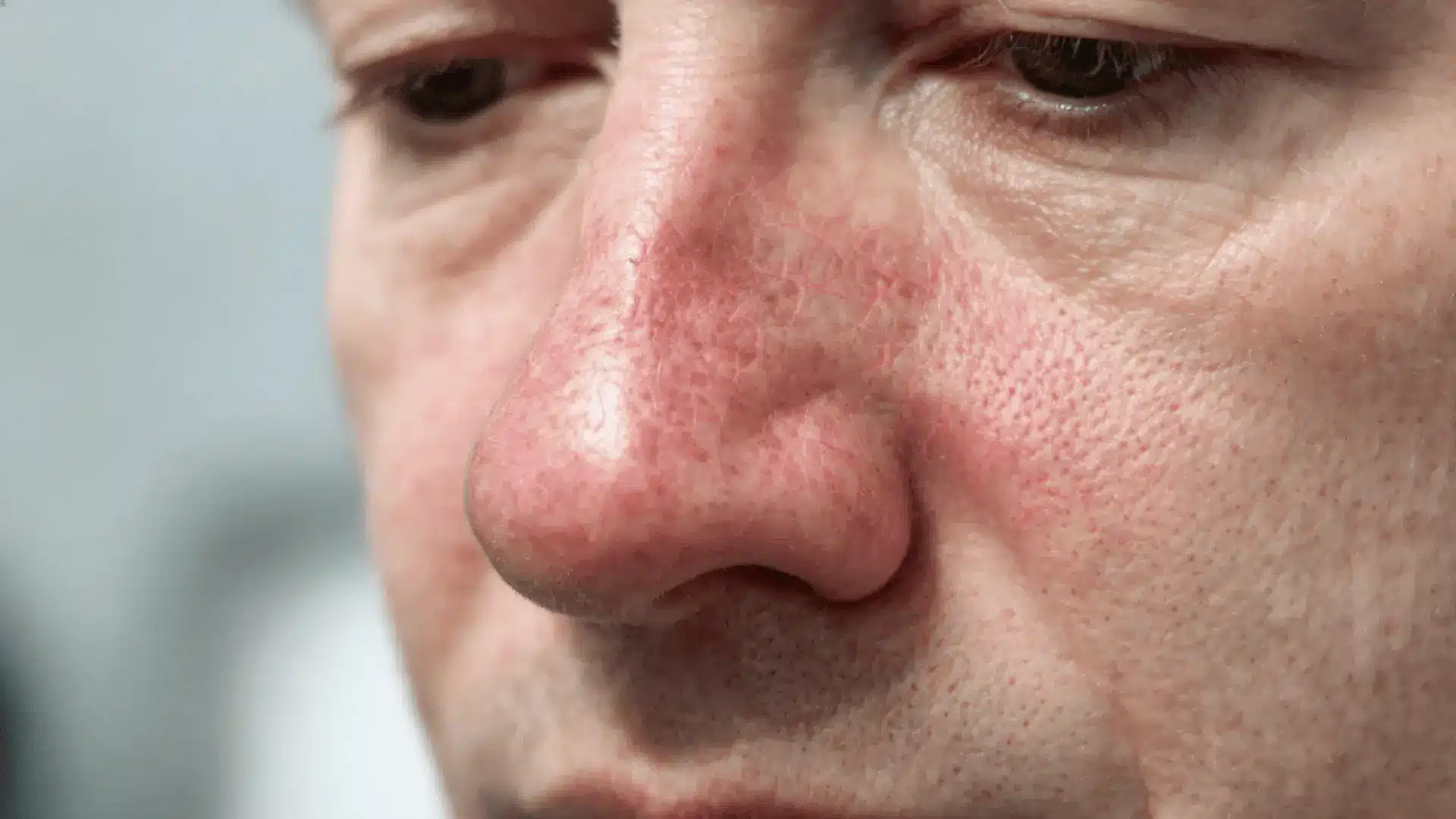
No, according to the American Academy of Dermatology; alcohol has not been established as a direct cause of gin blossom nose, or rhinophyma.
People who do not drink alcohol can still develop the condition, so nasal enlargement should not automatically be linked with drinking habits.
That distinction matters because temporary redness and gradual nasal tissue growth are different changes.
Alcohol may influence redness or symptom severity, but current evidence does not show that drinking alone causes rhinophyma.
1. What Research Shows: One small case-control study in the Journal of American Academy of Dermatology compared 52 people with rhinophyma with 156 matched participants without the condition. Reported alcohol intake averaged 14 units per week among those with rhinophyma and 3 units among the control group.
Researchers found an association between alcohol intake and rhinophyma severity. However, this type of study cannot prove that alcohol caused the nasal changes.
2. Trigger Versus Cause: Alcohol can act as a trigger because it increases blood flow near the skin, which may temporarily make the nose and cheeks appear redder. For someone with rosacea, drinking may also contribute to a flare.
Rhinophyma develops differently. Nasal skin gradually thickens, oil glands enlarge, and the shape or surface of the nose may change over time.
A trigger can make symptoms more noticeable without being the underlying cause of the condition itself.
Alcoholic Nose Before and After
One involves facial or nasal redness becoming less noticeable after reducing alcohol. The other shows changes following medical treatment for rhinophyma.
That difference is important when looking at photos online. A less-red nose after avoiding alcohol does not necessarily mean rhinophyma has reversed.
Redness may improve with trigger avoidance, while established tissue growth often needs medical treatment.
1. After Drinking Less or Stopping
If alcohol regularly triggers flushing or rosacea symptoms, drinking less or stopping may reduce how often that redness appears. The change may be most noticeable in people whose nose becomes red shortly after drinking.
However, alcoholic nose before and after comparisons should not imply that avoiding alcohol will shrink established rhinophyma.
Thickened nasal tissue and temporary blood-vessel flushing are separate physical changes that may require different approaches.
2. After Rhinophyma Treatment
Established rhinophyma may require professional treatment aimed at removing or reshaping excess nasal tissue. Depending on the individual case, treatment can involve laser procedures, dermabrasion, cryotherapy, or surgery.
These procedures may improve nasal shape, skin texture, or excess tissue, but results differ between individuals. Recurrence can also occur, so continued medical follow-up may be needed after treatment.
3. Why Before-and-After Images Can Mislead
Before-and-after photos can show a visible difference, but they cannot explain what caused that change. Lighting, camera angle, facial swelling, skin redness, and treatment procedures can all affect how the nose appears.
A photo taken after avoiding alcohol is also not comparable with one taken after rhinophyma surgery or another procedure.
Images can document appearance, but they cannot prove that alcohol caused or reversed nasal tissue changes.
Three Red-Nose Patterns
A red nose can come from temporary flushing, a rosacea flare, or gradual tissue changes linked with gin blossom nose. American Academy of Dermatology also lists common rosacea triggers.
Looking at timing, skin texture, and actual tissue growth can help separate these patterns.
| Pattern | Typical Timing | What It May Look Like | Skin or Tissue Change | Main Clue |
| Alcohol flush | Appears during or shortly after drinking | Temporary redness across the nose, cheeks, or face | No nasal tissue growth | Redness develops around alcohol exposure and reflects a flushing response |
| Rosacea flare | Recurrent or longer-lasting episodes | Redness, sensitivity, irritation, or more noticeable surface blood vessels | Skin may remain sensitive or inflamed, but enlargement is not required | Symptoms tend to return and may become more noticeable after personal triggers such as alcohol |
| Rhinophyma | Develops gradually over time | Nose may become larger, bulbous, bumpy, or uneven | Nasal skin and underlying tissue progressively thicken | Persistent enlargement and texture changes remain even when temporary flushing settles |
Alcohol flushing mainly changes skin color for a period, while rosacea can produce repeated redness and sensitivity. Rhinophyma is different because the nasal tissue itself gradually becomes thicker and enlarged.
The most important clue is structural change. Persistent thickening or enlargement points to something different from a temporary red nose after drinking.
Why Alcohol Makes the Nose Red
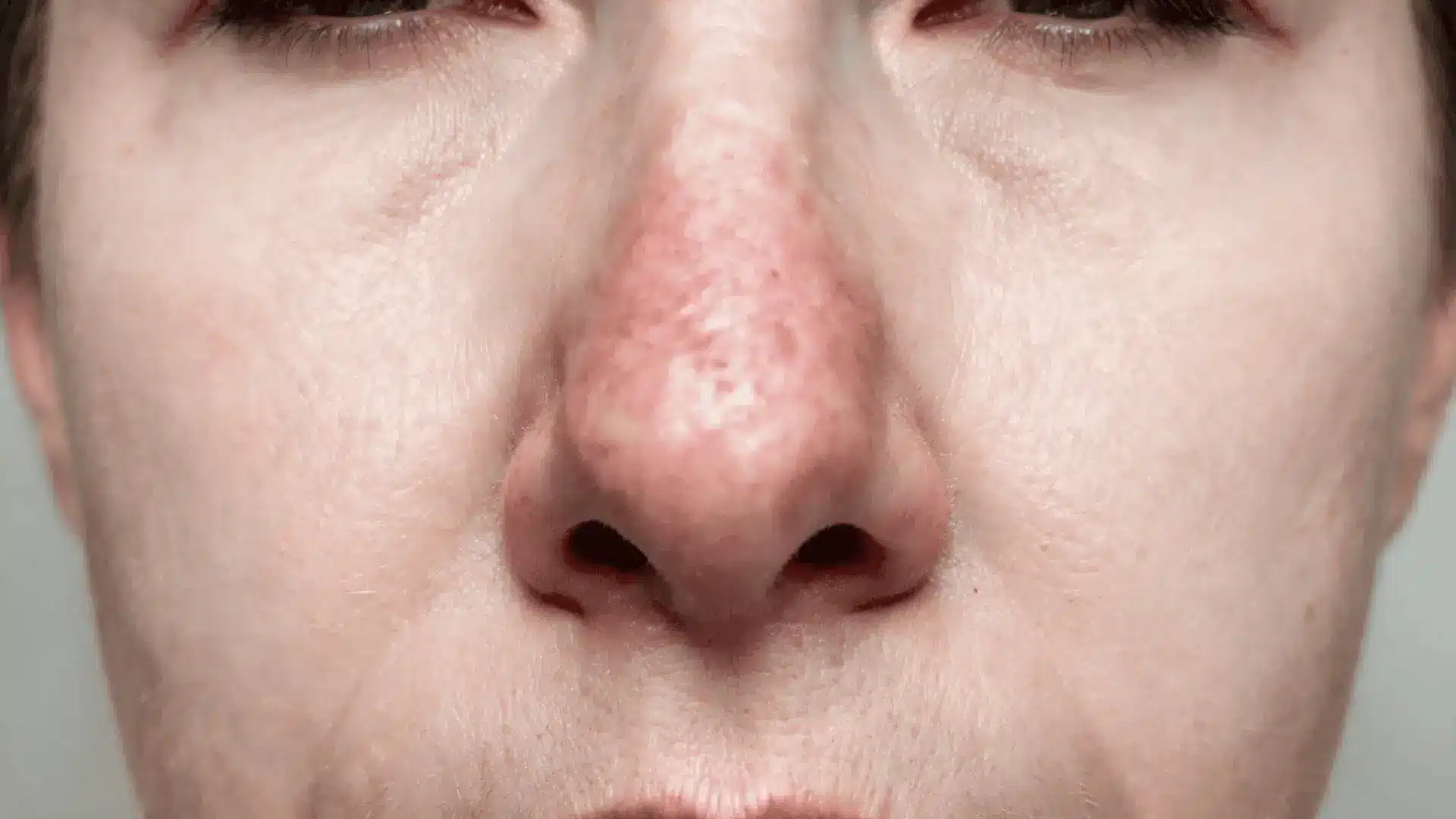
Alcohol can make the nose look red because it affects blood flow near the skin and changes how the body processes alcohol. These reactions are usually different from the gradual tissue thickening seen with rhinophyma.
From a clinical pharmacology standpoint, I would pay attention to how quickly the redness appears and how long it lasts. Those details can help separate temporary flushing from a persistent skin change.
Blood Vessel Widening
Alcohol can cause small blood vessels near the skin to widen, allowing more blood to flow through them. This increased blood flow can make the nose and cheeks appear warmer, pinker, or noticeably red.
People with rosacea may experience a stronger response because alcohol is a common flushing trigger.
The redness can become noticeable soon after drinking, but this vascular reaction does not mean nasal tissue is growing or permanently changing shape.
Acetaldehyde and Flushing
The body first converts alcohol into acetaldehyde, a compound that must then be broken down further. Some people process acetaldehyde less efficiently because of inherited differences in the enzymes involved.
When acetaldehyde accumulates, facial flushing, warmth, and redness may become more noticeable after drinking. This response is often called alcohol flush reaction.
Alcohol flush reaction should not be confused with rhinophyma. One involves alcohol metabolism and temporary flushing, while the other involves gradual thickening and enlargement of nasal tissue.
Can Medicines Change Flushing?
Yes. Certain medicines can change how the body responds to alcohol and may make facial or nasal flushing more noticeable. Some drugs affect alcohol metabolism, blood vessels, or other processes involved in redness and warmth after drinking.
This matters because a sudden red nose after alcohol may not come from alcohol alone. Medication use, dose timing, and individual metabolism can all influence the reaction.
From a clinical pharmacology perspective, I would not treat redness after drinking as a cosmetic issue alone. Medication use, alcohol metabolism, and the timing of symptoms can all matter.
Anyone who notices new or stronger flushing after starting a medicine should review possible alcohol interactions with a doctor or pharmacist.
What Can Improve?
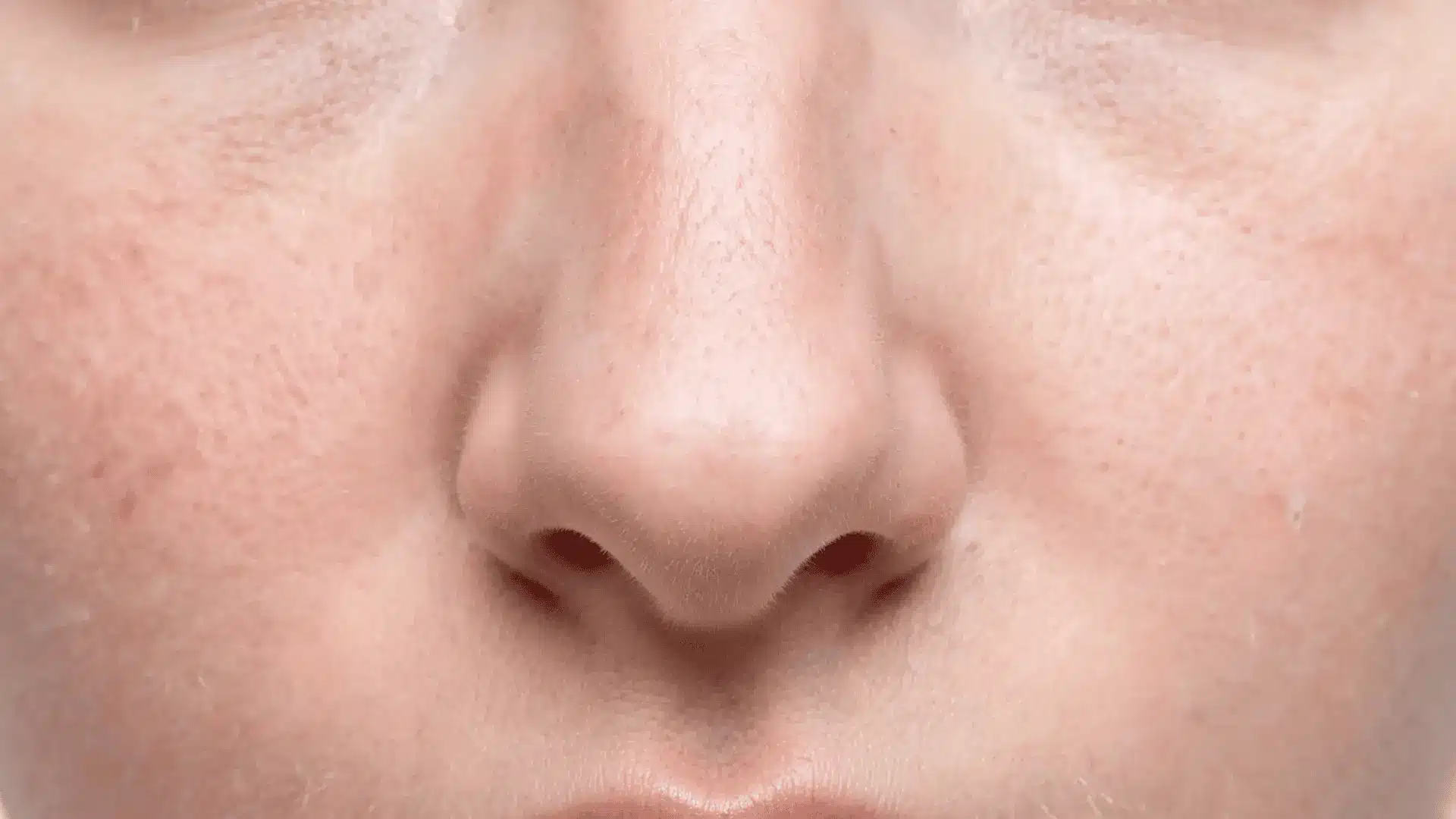
Improvement depends on what is causing the visible change.
Alcohol-related flushing may become less frequent when a personal trigger is reduced, while rosacea symptoms may respond to suitable skin care and medical treatment.
1. Rosacea Flare Control: Managing rosacea often starts with identifying personal triggers that repeatedly bring on redness, warmth, or irritation. Alcohol is one possible trigger, but reactions can vary considerably from person to person.
Gentle skin care and treatment recommended by a healthcare professional may also help manage recurring symptoms. Someone who consistently notices redness after drinking can record when it happens and discuss that pattern during a medical appointment.
2. Established Rhinophyma Care: Once rhinophyma has caused noticeable tissue growth, treatment may involve procedures that physically remove or reshape excess nasal tissue. Options can include laser treatment, dermabrasion, cryotherapy, or surgery, depending on the individual case.
The National Library of Medicine has suggested the procedures and care mentioned in this article.
The aim is usually to reduce excess tissue and improve the nose’s surface or shape rather than simply calm temporary redness.
Results can differ, and recurrence is possible. A dermatologist or other qualified healthcare professional can assess the severity and recommend an appropriate treatment based on the nasal changes present.
When to Get Checked
Persistent nasal changes deserve medical assessment, especially when the skin keeps thickening or the shape of the nose continues changing. These signs should not be dismissed as a normal effect of drinking.
Consider speaking with a healthcare professional if you notice:
-
Increasing thickness: Nasal skin gradually becomes thicker or firmer.
-
New or growing lumps: Raised areas appear or increase in size.
-
Persistent swelling: Swelling or discoloration does not settle.
-
Progressive enlargement: The nose becomes wider, bulkier, or more uneven.
-
Changes that persist: Redness or texture changes do not improve as expected.
-
Breathing problems: Nasal growth begins interfering with normal airflow.
A medical assessment can help determine what is causing the change and if further testing or treatment is needed.
Conclusion
A gin blossom nose should not be treated as proof of heavy drinking. Alcohol can cause temporary facial flushing and may make rosacea symptoms more noticeable, but it has not been established as the direct cause of rhinophyma.
Persistent thickening, enlargement, or uneven nasal skin deserves medical attention because these changes can involve more than temporary blood-vessel widening.
From a clinical pharmacology perspective, I would pay attention to when redness starts, how long it lasts, and which medicines or substances were involved. Those details can give a healthcare professional useful context.
Reducing alcohol may help someone who notices repeated flushing after drinking, but established rhinophyma often needs professional treatment.
Have you noticed changes in nasal redness after drinking? Share your experience or questions in the comments.
FAQs
Can Gin Blossom Nose Develop Without Diagnosed Rosacea?
Yes. Rhinophyma may appear even without a previous rosacea diagnosis, so earlier recognition of rosacea is not required before nasal thickening develops.
Can Medicines Make Alcohol Flushing More Noticeable?
Yes. Some medicines can affect alcohol metabolism or blood-vessel responses, making facial redness more noticeable when alcohol is consumed.
Can Before-And-After Photos Show What Caused Nose Changes?
No. Photos may show visible differences, but lighting, swelling, camera angles, alcohol avoidance, or medical treatment can change how the nose appears.
Does Temporary Alcohol Flushing Mean Rhinophyma Is Starting?
Not necessarily. Temporary flushing affects skin color and blood flow, while rhinophyma involves gradual thickening and enlargement of nasal tissue.