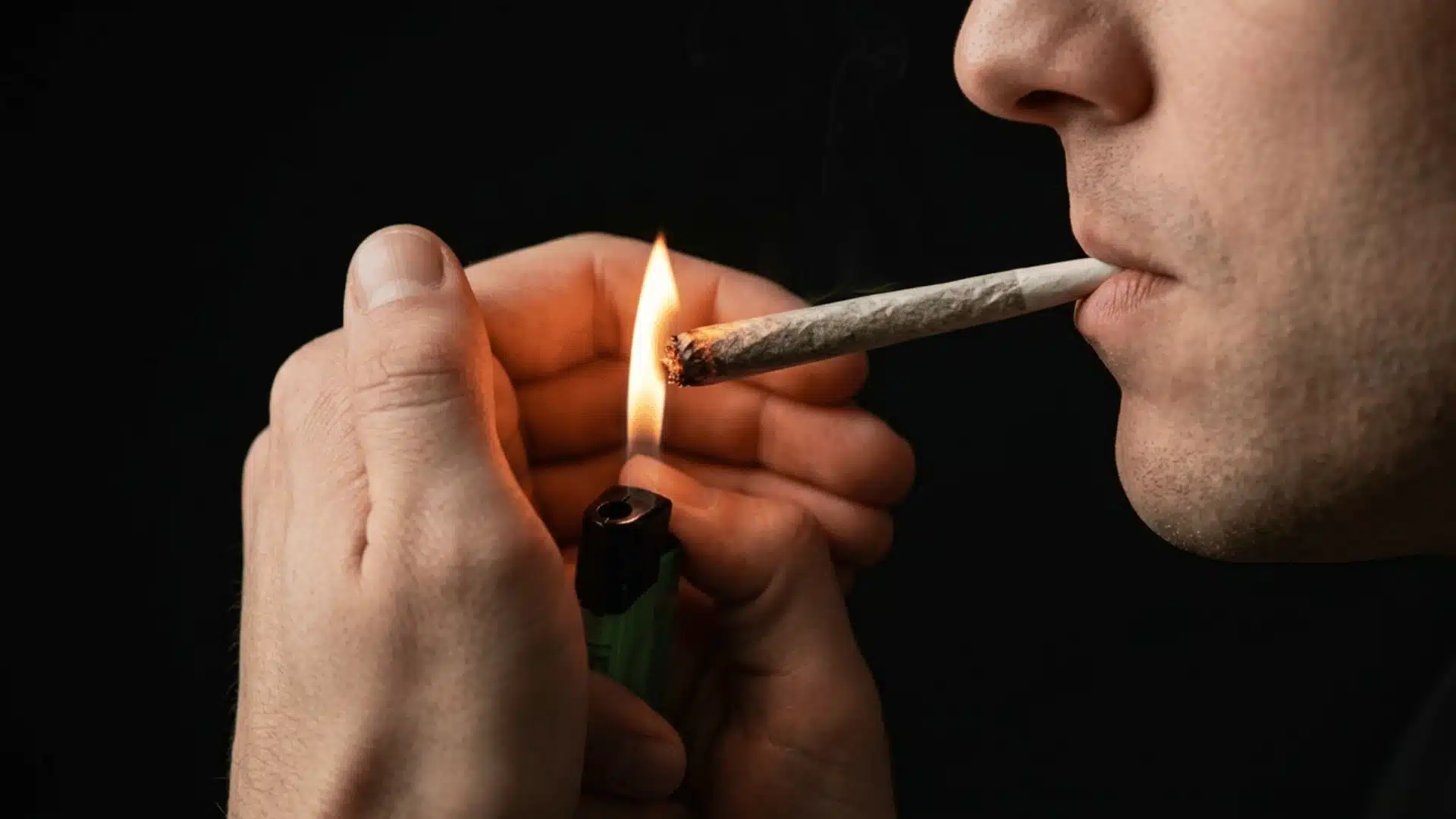
A joint is cannabis rolled in thin paper with no tobacco; a blunt is cannabis wrapped in a tobacco or hemp leaf, which makes it larger, slower-burning, and, with traditional wraps, nicotine-containing. That single material difference shapes everything else, from burn time and flavor to cost and health exposure.
Most people stick with what they first try and rarely question it again. But the choice actually says a lot about the kind of session you are after: how long you want it to last, how it should feel, and what you want to taste along the way. Getting that right starts with understanding what separates the two.
| Quick Reference | Joint | Blunt |
| Wrap material | Hemp, rice, or wood pulp paper | Tobacco leaf or hemp blunt wrap |
| Cannabis per roll | 0.5 to 1 gram | 1 to 3 grams |
| Burn time | 5 to 15 minutes | 20 to 40 minutes |
| Contains nicotine? | No | Yes (tobacco wraps); No (hemp wraps) |
| Best for | Solo sessions, beginners, flavor purity | Groups, longer sessions, stronger kick |
| Cost per session | $3 to $8 | $8 to $15 |
What Is a Joint?
A joint has two parts: rolling paper and cannabis, with no tobacco involved. Rolling papers come in three common types: hemp, rice, and wood pulp, each burning slightly differently. Hemp paper is a popular choice for its slow, even burn and subtle earthy note; rice paper burns cleanest and is the thinnest option; wood pulp is the traditional standard and easiest to roll for beginners.
To roll one, cannabis is ground up, spread evenly along the paper, and rolled into a thin cylinder. Many rollers also add a small cardboard crutch, or filter, at the mouthpiece end. This improves airflow and keeps the draw smooth. Not confident rolling one yourself? Pre-rolls are ready-made joints, perfect for beginners.
Because it contains only cannabis, you get a clean, pure taste with every draw. The flavor you experience reflects the strain itself; nothing is competing with it. The trade-off is speed: joints burn faster than blunts, typically finishing in 5 to 15 minutes, so they suit shorter, more controlled sessions.
What Is a Blunt?
A blunt is cannabis rolled inside a tobacco leaf or cigar wrap. Unlike a joint, a traditional blunt contains nicotine from the wrap itself, which adds an extra kick alongside the cannabis. Hemp wraps have become a popular tobacco-free alternative that still delivers the slow-burning, thicker structure that blunts are known for.
To make a traditional blunt, a cigar is split down the middle, the tobacco inside is removed, and cannabis is packed in before rolling it back up. Many people also use ready-made blunt wraps to skip the splitting step entirely.
The result is noticeably thicker and heavier than a joint. Because of the dense wrap, a blunt burns much more slowly, lasting 20 to 40 minutes depending on size and how it is packed. That slow burn is what makes it the natural choice for group settings where it gets passed around. It also carries a stronger, more distinct smell, mostly from the wrap on the outside.
Blunt vs Joint vs Spliff: What About the Third Option?
The spliff gets overlooked in this comparison, but it is worth knowing about. A spliff uses thin rolling paper, like a joint, but is filled with a mix of cannabis and tobacco rather than pure cannabis.
This makes it the middle ground between the two: smaller than a blunt, tobacco-present like a blunt, but without the thick wrap or the long burn time. Spliffs are more common in Europe than in North America. If you want the nicotine effect without committing to a full blunt, a spliff sits in between.
Main Differences Between a Blunt and a Joint
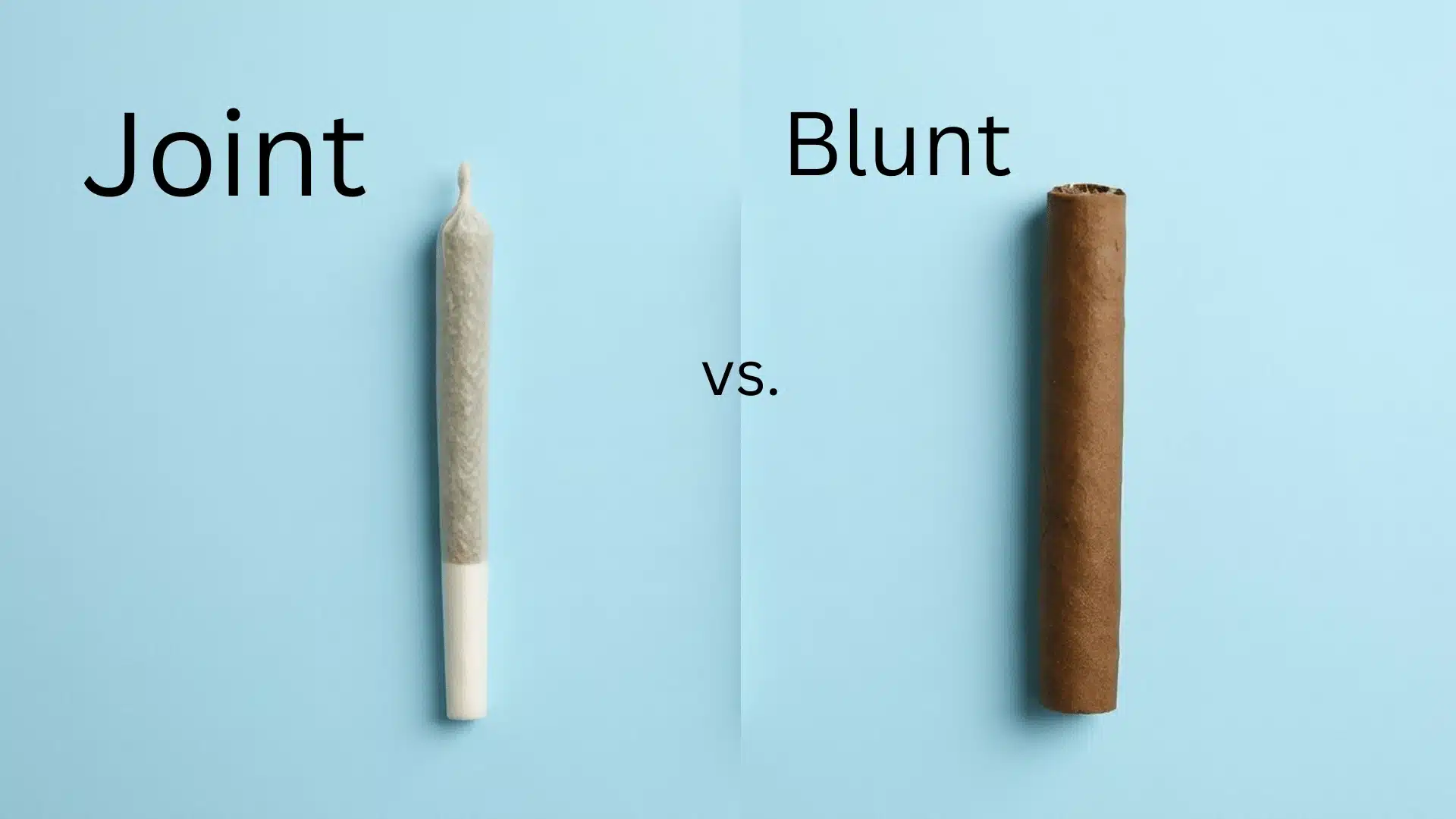
The differences between joints and blunts go far deeper than size and paper. Here is a clear breakdown of every key distinction that shapes your smoking experience.
1. Composition and Materials Used
Joints use thin, lightweight rolling papers that burn clean and let the cannabis flavor stand on its own. The paper itself contributes almost nothing to the taste.
Blunts are wrapped in tobacco leaves or dedicated blunt wraps, creating a thicker, slower-burning roll. That tobacco layer directly influences taste, adding an earthy, slightly sweet undertone that changes the flavor experience from first light to last draw. Hemp wraps offer the structural benefits of a blunt without the tobacco influence.
2. Size and Smoking Duration
Joints are compact and efficient, holding 0.5 to 1 gram of cannabis and burning through in roughly 5 to 15 minutes. This makes them ideal for shorter, more controlled sessions or solo use.
Blunts are noticeably larger, typically packed with 1 to 3 grams, and wrapped in a denser material that slows the burn significantly. A standard blunt can burn for 20 to 40 minutes, making it far better suited for extended sessions and group settings where it is meant to be passed around multiple times.
3. Health Considerations
Joints burn primarily cannabis, keeping the health concerns largely limited to smoke inhalation itself, without additional chemical interference from a wrap.
Traditional tobacco-wrapped blunts introduce nicotine into every session, along with added carcinogens from the wrap material. For anyone mindful of long-term wellness, this distinction matters: the tobacco wrapper genuinely changes the health equation. Hemp-wrapped blunts remove the nicotine concern while preserving the slow burn.
4. Effect on the Experience
Joints offer a clean, unaltered cannabis experience. What you feel reflects the strain and nothing else.
Blunts with tobacco wraps layer nicotine into the equation, producing a noticeable head rush alongside the cannabis effect. Users commonly report that this combination feels more intense than a joint of equivalent size. Whether that is appealing or too much depends entirely on personal tolerance and preference.
Cost Difference: Joints vs Blunts
Price matters, and the difference between rolling a joint and a blunt is more than just the wrap. It affects how much cannabis you use and how far your money goes.
| Cost Factor | Joint | Blunt |
|---|---|---|
| Rolling Material Cost | $2 to $5 per pack of papers | $1 to $3 per wrap or cigar |
| Cannabis Per Session | $3 to $6 for 0.5 to 1g | $6 to $12 for 1 to 2g |
| Cost Per Session | $3 to $8 overall | $8 to $15 overall |
| Monthly Cost (Occasional Use) | $30 to $60 | $60 to $120 |
| Monthly Cost (Regular Use) | $60 to $120 | $120 to $200 |
When it comes to saving money, joints are the clear winner. Papers are cheap, and you use less cannabis per session. If you are watching your budget, a joint gives you the most out of your cannabis without spending more than you need to.
| 📝 Note: Costs may vary depending on your region, dispensary, brand, and local market conditions. |
Health Precautions to Know Before Choosing
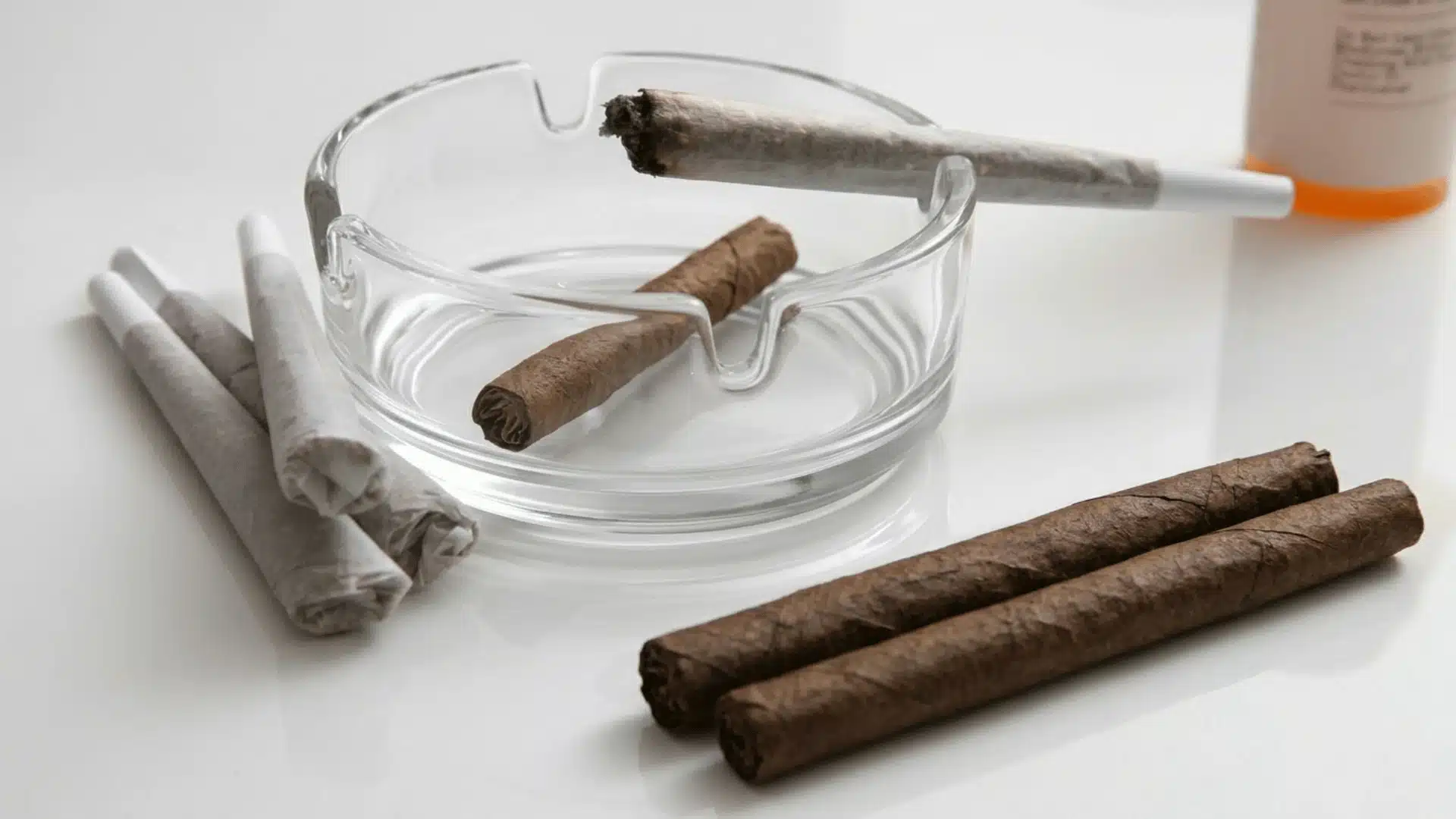
Both options involve smoking, so there are a few health differences worth knowing before you choose.
Tobacco exposure: Blunts use a tobacco wrap, which means every session includes tobacco, even if you did not add any yourself. Joints have none. Hemp wraps are a tobacco-free blunt option worth considering if this is a concern.
Nicotine effects: The tobacco in a traditional blunt delivers nicotine, a stimulant that raises heart rate and can be habit-forming over time. Joints carry no nicotine at all.
Smoke intake: Blunts burn more slowly but produce thicker, heavier smoke due to the wrap. Joints burn quicker with lighter smoke, making each draw a little less harsh.
Smoke-free alternatives: If you want to avoid smoke inhalation altogether, weed pens vaporize cannabis without combustion and are worth comparing, particularly for users managing respiratory sensitivity. Edibles are another smoke-free option for those seeking longer-lasting effects without inhalation.
| ⚠️ Advisory: Smoking anything regularly affects lung health. Adding tobacco on top of cannabis with a traditional blunt wrap increases that exposure. If you smoke regularly and have respiratory concerns, speaking with a healthcare professional is a smart starting point. |
Which One Should You Choose?
Choosing between a joint and a blunt comes down to knowing what you want from your experience. Your strain choice also shapes the result: a flavor-forward strain like Blue Nerdz tends to shine cleanest in a joint, where no wrap competes with its terpene profile. For users who prefer gentler sessions with less THC intensity, exploring low-THC strains is a worthwhile step regardless of rolling method.
| Your Priority | Best Choice | Why It Works |
|---|---|---|
| First-Time Users | Joint | Simpler, cleaner, and carries fewer health risks; the easiest entry point into cannabis |
| Social Smoking | Blunt | Burns longer, passes around easily, and naturally suits a shared group setting |
| Potency Seekers | Blunt | Larger size combined with the added nicotine kick delivers a stronger, more intense hit; users commonly report a noticeable head rush on top of the cannabis effect |
| Health-Conscious Users | Joint or Hemp-Wrapped Blunt | No tobacco means you are only inhaling cannabis; hemp wraps preserve the blunt format without the nicotine |
| Flavor Preference | Joint or Blunt | Joints preserve the pure taste of the cannabis strain; blunts add a richer, tobacco-influenced or wrap-flavored draw |
| Budget-Conscious | Joint | Uses less cannabis per session and requires cheaper rolling materials; costs roughly half as much over time |
Frequently Asked Questions
What is the difference between a blunt and a joint?
A joint is cannabis rolled in thin paper (hemp, rice, or wood pulp) with no tobacco. A blunt is cannabis wrapped in a tobacco leaf or hemp blunt wrap, making it larger, slower-burning, and, with traditional wraps, nicotine-containing. The wrap material is the defining difference between the two.
Does a blunt get you higher than a joint?
Not from cannabis alone. Blunts hold more cannabis (1 to 3 grams vs 0.5 to 1 gram for a joint), so the total THC consumed is higher. With tobacco wraps, users commonly report a stronger sensation because nicotine adds its own stimulant effect on top of the cannabis. It is the combination, not the cannabis itself, that feels more intense.
How long does a blunt burn compared to a joint?
A joint typically burns for 5 to 15 minutes, depending on size and rolling style. A blunt generally burns for 20 to 40 minutes due to the thicker, denser wrap material. That slower burn is the primary reason blunts are preferred for group sessions.
Are blunts worse for you than joints?
Traditional tobacco-wrapped blunts introduce nicotine and additional carcinogens from the wrap into every session, which joints do not. Both involve smoke inhalation, which carries its own health considerations. Hemp-wrapped blunts remove the tobacco concern while keeping the slow-burning format.
What is a hemp wrap blunt?
A hemp wrap is a blunt wrap made from hemp leaf rather than tobacco. It burns slowly like a traditional blunt and holds more cannabis than a joint, but contains no nicotine or tobacco-derived additives. Hemp wraps have grown significantly in popularity as a tobacco-free blunt option.
What is the difference between a blunt, a joint, and a spliff?
A joint is pure cannabis in rolling paper. A blunt is cannabis in a tobacco or hemp wrap. A spliff is cannabis mixed with tobacco, rolled in thin rolling paper, similar in size to a joint but containing tobacco throughout the fill. Spliffs are more common in Europe; blunts are more popular in North America.
How much weed do I need for a blunt vs a joint?
A joint typically uses 0.5 to 1 gram of cannabis. A blunt generally requires 1 to 3 grams because the larger, sturdier wrap can accommodate more material. If you are rolling both for the first time, start with 1 gram for a joint and 1.5 grams for a blunt.
Can you roll a blunt without tobacco?
Yes. Hemp blunt wraps are widely available and deliver the same slow burn and larger format without any tobacco or nicotine. Many dispensaries stock hemp wraps alongside traditional cigar wraps, giving users the blunt experience without the tobacco component.
Final Call
The difference between a blunt and a joint goes well beyond the wrap, covering rolling style and burn time, taste, smell, cost, and health factors. Joints keep things clean and pure. Blunts bring a slower burn, a heavier feel, and, with tobacco wraps, a nicotine element that changes the experience. Knowing what you are choosing always leads to a better session.
Drop a comment below and share how your experience has been so far.
Sources
Verilife — “Blunt vs Joint: How Are They Different?” (2025). Key data on burn times, cannabis amounts per roll, and hemp wrap options. verilife.com
Smoakland — “What’s the Difference Between a Joint and a Blunt?” (2025). THC absorption figures and burn time comparisons. smoakland.com