| ⚠️ Emergency Warning: Call 911 immediately if someone is unconscious, not breathing, having a seizure, has blue lips or fingernails, or cannot be woken up. If fentanyl exposure is possible, give naloxone while waiting for help. Do not leave the person alone. For free, confidential support 24/7, call SAMHSA at 1-800-662-4357. |
Can You Overdose on Meth?
Yes, you can overdose on meth, and it can happen faster than most people expect. Methamphetamine overstimulates the central nervous system, pushing the heart, brain, kidneys, muscles, and temperature regulation beyond safe limits. When the body cannot keep up with that pressure, the situation becomes life-threatening quickly.
Overdose does not always require a massive amount in a single sitting. Risk builds through repeated use, heat exposure, dehydration, lack of sleep, and mixing substances. Even experienced users can overdose because meth strength and contamination vary widely and without warning. This guide covers how overdose happens, what the warning signs look like, what medical treatment involves, and when to call for help right now.
Quick Reference: When to Call 911
| Symptom | Action |
|---|---|
| Unconscious or unresponsive | Call 911 immediately |
| Breathing has stopped or slowed dramatically | Call 911 + give naloxone if available |
| Blue lips or fingernails | Call 911 immediately |
| Seizure | Call 911, clear space, do not restrain |
| Chest pain or irregular heartbeat | Call 911 immediately |
| Extreme overheating, stopped sweating, collapsing | Call 911, move to cool area |
| Severe confusion or extreme paranoia building fast | Call 911, stay calm, do not leave alone |
| Overamping symptoms getting worse, not stabilizing | Seek emergency care now, do not wait |
Why Meth Overdoses Happen
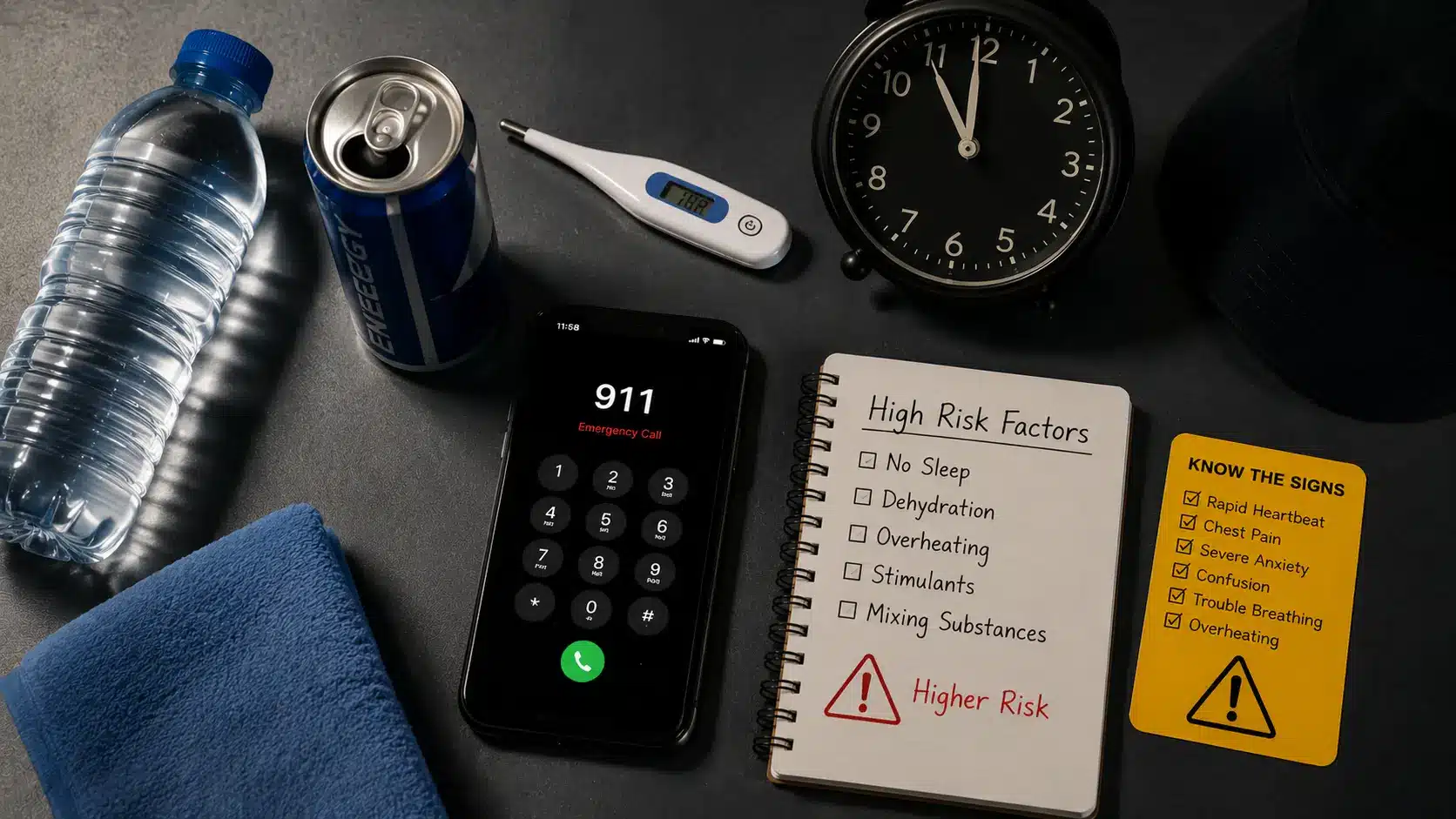
Meth overdoses happen when the body reaches a point where it can no longer manage the drug’s stimulant effects. This may come from the amount used, the strength of the supply, the setting, or what else is in the person’s system. Understanding these triggers is the first step toward reducing danger.
Strong or Unpredictable Supply
Meth sold illegally varies greatly in purity and strength. One batch can affect the body very differently from another, even when the amount looks the same.
A person may think they are taking a familiar dose while unknowingly exposing themselves to something far more potent.
This is one of the most common reasons methamphetamine overdose happens even among experienced users.
Repeated Dosing
Many people take more meth before the earlier dose fully wears off. This stacks stimulant pressure on the heart, nervous system, and temperature regulation.
As stimulation rises, the body has less and less time to recover. Heart rate, blood pressure, anxiety, and body heat can all climb together, making the reaction much harder to manage or reverse.
Overheating
Meth raises body temperature and makes a person feel more active or restless. Hot rooms, crowded spaces, heavy clothing, and long periods without rest accelerate heat buildup significantly.
Severe hyperthermia can damage the brain, kidneys, and muscles. If someone feels very hot, confused, or stops sweating altogether, do not wait. Medical help should happen now, not after symptoms worsen.
Sleep Deprivation
Staying awake for extended periods puts extra strain on the brain and heart. It also makes paranoia, confusion, hallucinations, and poor judgment more likely.
When meth use and sleep loss combine, the person may not recognize how unwell they are becoming.
That delayed recognition allows symptoms to escalate past a point where they can be managed without emergency care.
Mixing Drugs or Alcohol
Combining meth with opioids, alcohol, benzodiazepines, cocaine, or MDMA increases danger sharply. Some combinations raise heart strain; others slow breathing or reduce awareness of warning signs.
The National Institute on Drug Abuse reports that nearly 70% of stimulant-involved overdose deaths in 2023 also involved fentanyl. A person may not know fentanyl is present until breathing slows, they pass out, or they stop responding.
Crystal Meth Overdose: Is It Different?
Crystal meth and powdered methamphetamine are the same drug in different physical forms.
The risks of crystal meth overdose follow the same pattern: overstimulation of the cardiovascular and central nervous systems, dangerous overheating, and compounding danger when other substances are present.
Crystal meth is typically smoked, which delivers the drug to the brain faster and may cause a more rapid onset of overdose symptoms.
The warning signs, emergency steps, and treatment approach are identical regardless of how the meth was used.
What “Overamping” Really Means?
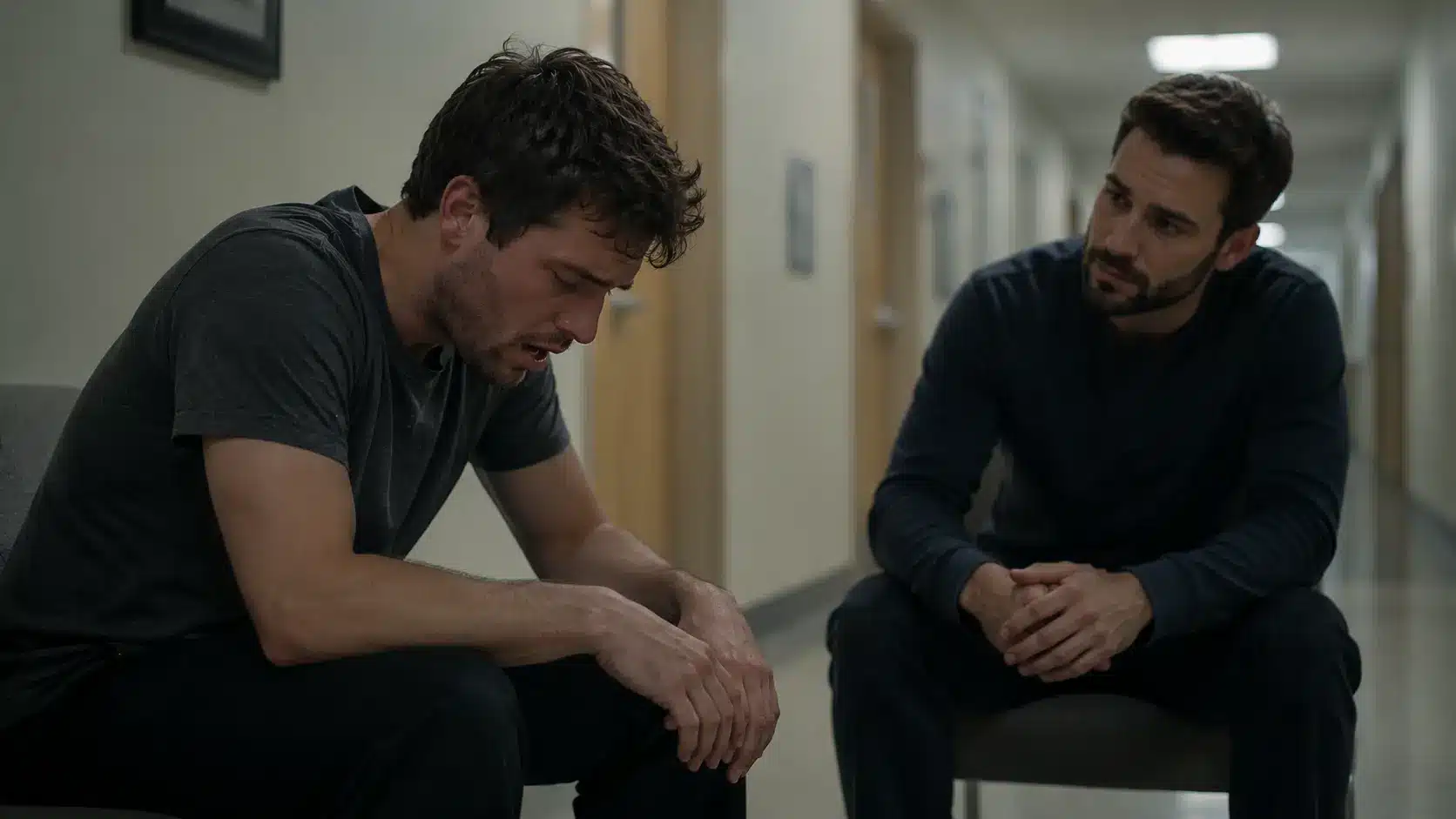
Overamping is a harm-reduction term for when stimulant use pushes the body and mind into acute distress.
Research published in the Harm Reduction Journal by Harding et al. (2022) documented firsthand accounts of overamping as a range of symptoms experienced on a continuum from uncomfortable to life-threatening, and found that people who use meth often lacked clinical strategies to respond to it.
People describe it as feeling trapped inside racing thoughts while the body overheats, shakes, and cannot slow down.
Others become paranoid, confused, panicked, or unable to sit still. Physical signs include a racing heart, heavy sweating, trembling, chest tightness, and dangerous overheating.
Overamping matters because it appears before a full overdose. When symptoms become intense or keep getting worse, do not brush it off. That trajectory is the warning.
If chest pain, seizures, collapse, breathing problems, extreme confusion, or unresponsiveness appear, the situation has become a medical emergency. Call 911.
Meth Overdose Symptoms and Warning Signs
These symptoms can appear suddenly or build over time depending on the amount used, other substances involved, body temperature, and overall health. Knowing them can be the difference between acting in time and not.
Heat-Related Symptoms
These signs indicate the body is losing its ability to regulate temperature safely.
- Hot or flushed skin
- Heavy sweating followed by sudden absence of sweating
- Dizziness or lightheadedness
- Very high body temperature
- Severe dehydration
Heart and Body Symptoms
These symptoms show the cardiovascular system is under dangerous stress.
- Rapid or irregular heartbeat
- High blood pressure
- Chest pain
- Trouble breathing
- Tremors or muscle twitching
- Muscle breakdown (rhabdomyolysis)
- Seizures
Mental and Behavioral Symptoms
These signs show the brain is becoming overwhelmed and losing its ability to process normally.
- Extreme agitation or panic
- Confusion or disorientation
- Aggression
- Hallucinations
- Extreme paranoia
- Inability to recognize familiar people or places
Emergency Warning Signs – Call 911 Now
Do not wait to see if these symptoms improve on their own.
- Passing out or loss of consciousness
- Blue lips or fingernails (cyanosis)
- Irregular or stopped heartbeat
- Seizures
- Unresponsiveness to voice or touch
- Severe overheating with no sweating
- Breathing that is slow, shallow, or stopped
Serious Medical Complications From Meth Overdose
Meth overdose can damage several organ systems simultaneously. One major danger is hyperthermia, where body temperature rises fast enough to damage tissues and organs.
Severe overheating can lead to kidney failure, muscle breakdown (rhabdomyolysis), and brain injury when left untreated.
Meth can also trigger strokes, heart attacks, irregular heart rhythms, and seizures. In some cases, the body becomes so overstimulated that breathing and circulation become unstable.
The Centers for Disease Control and Prevention reports that psychostimulant overdose deaths involving methamphetamine have increased sharply over the past decade, with polysubstance exposure playing a central role in many fatal outcomes.
Can You Die From Meth?
Yes. Meth can be fatal. Death may result from a heart attack, stroke, organ failure, seizures, overheating, or respiratory complications, especially when fentanyl or other depressants are present in the supply.
Environmental factors compound the risk. A person who becomes confused, collapses in a hot setting, or loses consciousness while alone may not receive help in time.
Meth emergencies typically result from several problems converging at once rather than from one isolated cause.
That is why recognizing early symptoms and acting quickly matters far more than waiting to confirm severity.
Meth Overdose Treatment: What Medical Care Looks Like
There is no antidote for a methamphetamine overdose. Emergency treatment focuses on stabilizing the body system by system while the drug clears.
If fentanyl is also present, naloxone is administered to reverse opioid-related breathing suppression, which can be immediately life-saving even before the stimulant effects are fully addressed.
In an emergency room setting, medical staff typically work to:
- bring down dangerous body temperature with cooling measures
- manage seizures with anticonvulsant medications
- stabilize heart rate and blood pressure
- provide intravenous fluids to treat dehydration and protect the kidneys
- monitor for signs of stroke or muscle breakdown
In severe cases, a person may need cardiac monitoring for 24 hours or longer. The U.S. National Library of Medicine outlines that meth overdose complications affecting the heart, brain, kidneys, and muscles all require targeted clinical management, not watchful waiting.
After immediate stabilization, medical staff will assess for complications that may not be obvious right away, including kidney function, cardiac damage, and neurological effects. Seeking emergency care quickly improves outcomes significantly. Delay allows organ damage to progress in ways that become much harder to reverse.
How Much Meth is Too Much: Dangers of Meth
There is no single safe amount. Body size, existing health conditions, hydration level, tolerance, sleep status, route of use, and drug purity all affect how meth impacts a specific person in a specific moment.
A dose that felt manageable once can become dangerous the next time because the body’s condition changes constantly. That variability is why overdose happens even when someone believes the amount feels familiar.
Harm Reduction: Steps That Lower Immediate Risk
These steps do not make meth safe, but they can reduce the immediate danger of a life-threatening event.
- Avoid mixing substances, particularly opioids, alcohol, or benzodiazepines with meth.
- Stay hydrated steadily throughout, not all at once.
- Take rest breaks in a cool, ventilated space, especially in warm environments.
- Avoid extended periods without sleep; the neurological cost builds faster than most people recognize.
- Do not use alone. Having someone present who can call for help is one of the most effective risk reducers available.
- Carry naloxone and know how to use it. Fentanyl contamination is now widespread in the meth supply.
- Watch for overheating and chest pain. Those two symptoms together are a signal to seek care without delay.
- Act early if symptoms worsen rather than waiting to see if they resolve on their own.
When to Seek Medical or Mental Health Help
Medical evaluation is important after any overdose or severe overamping episode, even if symptoms appear to improve.
Some complications, particularly cardiac and renal effects, develop slowly and may not be obvious immediately.
Chest pain, confusion, hallucinations, breathing changes, memory problems, or emotional instability that appear after a meth episode should be assessed by a medical professional.
It is equally important to reach out for support if meth use feels harder to manage, cravings intensify, or mental health begins declining.
That pattern is a signal that the situation is changing in a direction worth addressing now, not later.
| Support Resources: The Substance Abuse and Mental Health Services Administration (SAMHSA) provides free, confidential support 24 hours a day at 1-800-662-4357. You can also text your ZIP code to 435748 to find local treatment options. If you need help right now, you do not have to figure this out alone. |
Frequently Asked Questions
Can you overdose on meth the first time you use it?
Yes. First-time use carries real overdose risk because there is no established tolerance and no way to know the purity or contamination level of an unregulated supply. The body’s response to methamphetamine is affected by individual health factors, weight, existing heart conditions, and what other substances are present, none of which are predictable on a first exposure. Emergency responses to first-time meth overdoses are documented in clinical literature.
What does a meth overdose feel like?
Most people describe the onset as a racing heart and a feeling that the body is overheating and cannot slow down. Anxiety escalates rapidly into panic. Chest tightness, tremors, confusion, and paranoia can build within minutes. Some people lose awareness of their surroundings or experience hallucinations. In severe cases, seizures or loss of consciousness follow. Because these symptoms overlap with intense high states, people sometimes delay seeking help, which is one of the most dangerous patterns in meth emergencies.
Can you overdose on crystal meth specifically?
Yes, and the risk pattern is the same as with other forms of methamphetamine. Crystal meth is typically smoked, which delivers the drug to the brain rapidly and can cause a faster onset of overdose symptoms compared to snorting. The emergency warning signs, treatment approach, and fentanyl contamination risk are identical regardless of how the drug was administered.
Is fentanyl contamination common in meth now?
Fentanyl contamination has become a significant concern in the illegal meth supply. According to the National Institute on Drug Abuse, nearly 70% of stimulant-involved overdose deaths in 2023 also involved fentanyl, often without the person knowing opioids were present. Breathing problems or sudden unconsciousness in someone who used meth should prompt immediate naloxone administration, even if opioids were not expected to be present.
What should I do first if someone is overdosing on meth?
Call 911 immediately and stay with the person. Move them away from heat, loosen tight clothing, and keep them as calm as possible. Do not give more substances of any kind. If fentanyl exposure is possible, administer naloxone while waiting for emergency services. Position an unconscious person on their side to reduce choking risk. Do not assume symptoms will resolve without help.
Can symptoms appear even with small amounts of meth?
Yes. Drug strength, contamination, dehydration, lack of sleep, existing health conditions, and other substances all affect how the body reacts. Some people experience dangerous symptoms after amounts they previously used without significant reaction. Tolerance is not a reliable indicator of safety, particularly given the unpredictable nature of an unregulated supply.
Can someone recover fully after a meth overdose?
Recovery is possible with fast medical care and ongoing support. Some people improve fully; others experience lasting effects on mood, memory, heart health, or mental health, depending on how severe the overdose was and how quickly treatment was received. Early intervention consistently produces better outcomes. After a meth overdose, medical follow-up and connecting with addiction support resources significantly improves long-term recovery prospects.
Why does overheating become so dangerous during a meth overdose?
Meth directly affects the body’s ability to regulate temperature. Heat can rise faster than the body can cool itself, especially during physical activity or in crowded, warm environments. The U.S. National Library of Medicine identifies hyperthermia as a leading cause of organ damage in meth overdose cases. Severe overheating can damage kidneys, trigger muscle breakdown, cause seizures, or lead to collapse if not treated quickly.
Sources
- MedlinePlus / U.S. National Library of Medicine. “Methamphetamine overdose.” Reviewed 2023. medlineplus.gov
- Centers for Disease Control and Prevention. “About Stimulant Overdose.” Overdose Prevention, 2024. cdc.gov
- National Institute on Drug Abuse. “Overdose Death Rates.” NIDA, updated 2024. nida.nih.gov
- Harding RW, Wagner KT, Fiuty P, et al. “It’s called overamping: experiences of overdose among people who use methamphetamine.” Harm Reduction Journal, 19(1), January 2022. doi: 10.1186/s12954-022-00588-7
- Substance Abuse and Mental Health Services Administration. “Find Help: National Helpline.” SAMHSA, 2024. samhsa.gov