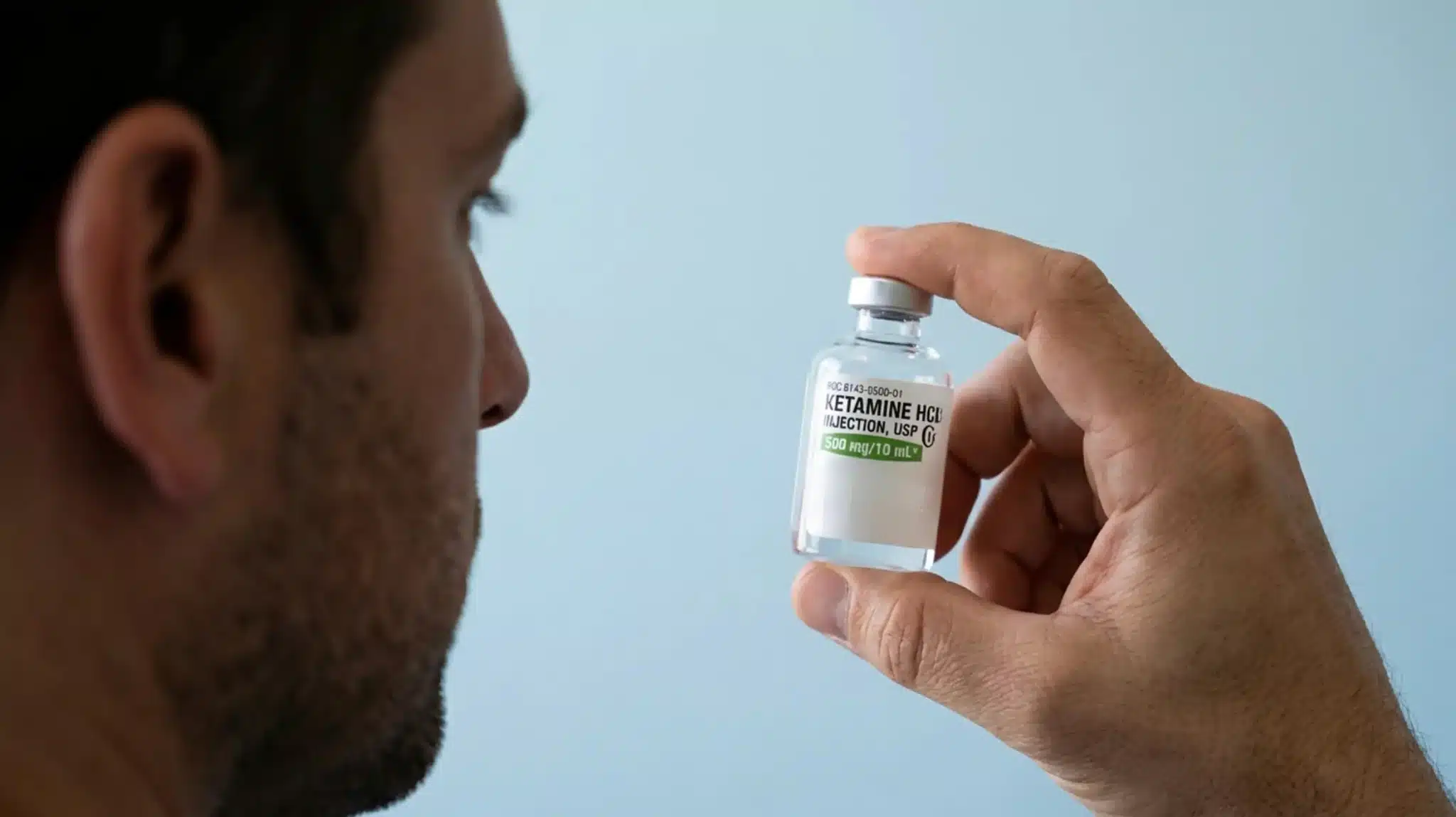
| ⚠️ Warning: If someone is unresponsive, breathing very slowly, or has lost consciousness after taking ketamine, call 911 immediately. Do not wait to see if they “sleep it off.” There is no antidote for a ketamine overdose. Turn the person on their side to prevent choking if they vomit. Stay on the line with emergency services until help arrives. For substance use support, contact SAMHSA’s National Helpline: 1-800-662-4357 (free, confidential, 24/7). |
Ketamine can cause fatal respiratory failure, and there is no medication that reverses an overdose. Knowing the correct ketamine dose for sedation in adults and recognizing the warning signs of a ketamine overdose before a crisis hits are the two things most likely to change an outcome.
After following this topic closely for years, what strikes me most is how little accurate information reaches people before they actually need it. The safety conversation around ketamine therapy keeps getting buried under sensational coverage or clinical language that means nothing to the average person. That gap costs lives.
What Ketamine’s Safety Conversation Is Really About
For a drug first synthesized in the 1960s as an anesthetic, ketamine has had a remarkably complicated public life. Medical professionals have long discussed the safety limits around ketamine, yet public awareness remains dangerously low.
When used correctly, under strict supervision and within precise dosage limits, ketamine can be a genuinely useful tool. But that narrow margin for responsible use is being stretched thin by recreational misuse.
Outside a hospital setting, clinical boundaries go ignored. And when they do, the consequences can be fatal. A ketamine overdose doesn’t always look dramatic; sometimes it’s quiet, fast, and irreversible, which is exactly what makes understanding this drug’s limits so critical.
Ketamine Dosage in Medical Settings
Medical professionals use ketamine as a sedative across emergency trauma care and minor surgical procedures. Dosage is calculated based on body weight, overall health, and the level of sedation required. Here is how dosing breaks down by administration route:
| Route | Typical Dose | Notes |
| Intravenous (IV) | 1-2 mg/kg standard; up to 4-5 mg/kg for deeper sedation | Most common in acute care settings |
| Intramuscular (IM) | 4-5 mg/kg | Used when IV access is not immediately available |
| Oral/Nasal | Varies by protocol | Reserved for specific therapeutic applications |
These numbers represent a carefully calculated therapeutic window. Even a slight overage shifts ketamine from a controlled anesthetic into a serious respiratory and cardiovascular risk. Its short duration and preserved airway reflexes are clinical advantages, but only when dosing is precise and a qualified professional is present.
According to peer-reviewed dosing research, personalized dosing based on factors like chronic illness and BMI plays a critical role in minimizing adverse effects during ketamine administration.
The gap between a therapeutic dose and a harmful one is narrower than most assume. What works safely in a monitored hospital setting can be catastrophic without medical supervision or emergency equipment on hand.
What Actually Happens During a Ketamine Overdose
An overdose does not always require a massive amount. It can happen when someone takes more than their body can process, mixes ketamine with other substances, or has an unexpected physiological reaction. The following symptoms are the ones to watch for.
1. Dissociation and Loss of Consciousness
Severe dissociation goes far beyond the drug’s typical effects. The person may lose the ability to communicate or respond, making it nearly impossible for bystanders to gauge how serious the situation actually is. At high doses, this is sometimes called a “K-hole,” a state of profound disconnection from reality that people experiencing an overdose cannot self-report or self-manage.
Full unconsciousness can follow, and the person becomes completely unresponsive. Cardiovascular strain compounds this: blood pressure and heart rate spike sharply, placing dangerous stress on the heart, particularly for anyone with pre-existing cardiac conditions.
2. Respiratory Depression: The First and Most Dangerous Sign
Respiratory depression is one of the earliest and most dangerous signs of a ketamine overdose. Breathing slows significantly, becomes labored, and in severe cases stops entirely. Clinical toxicity data from StatPearls confirms that these effects are heavily dose-dependent and can escalate without warning, making them easy to miss until the situation becomes life-threatening. This is the leading cause of death in ketamine-related fatalities, and there is no antidote. Emergency medical support to maintain the airway is the only intervention available.
3. Why Mixing Ketamine With Alcohol Is Especially Dangerous
Alcohol is a central nervous system depressant, and at high doses, so is ketamine. Together, they dramatically increase the likelihood of respiratory failure. Adverse event trial findings show cardiovascular complications are among the most consistently reported outcomes in such cases. Matthew Perry’s case brought this reality into sharp focus: recreational users rarely know the exact concentration of what they are taking, and the consequences of that uncertainty can be fatal.
The non-negotiables here are straightforward. Never use ketamine without direct medical supervision. Never combine it with alcohol, opioids, or benzodiazepines. Never estimate a dose outside of clinical protocols.
| ⚠️ Advisory: If the person is unconscious, turn them onto their side (recovery position) to prevent choking if they vomit. Keep their airway clear and call 911. Do not give them anything to eat or drink. Do not leave them alone. Even if symptoms seem to ease, continued medical observation is essential; ketamine’s effects can last several hours. |
When Celebrity Culture Shapes Drug Perception
Hollywood has played a significant role in shaping how people perceive ketamine, and not in a way that serves public health. The case of Matthew Perry makes this impossible to ignore. Perry, who had been using ketamine as an off-label depression treatment, sought more than his doctor would prescribe, a decision that ultimately cost him his life.
That demand led directly to Jasveen Sangha, dubbed the “Ketamine Queen” by prosecutors, who sold Perry 25 vials of ketamine days before his fatal overdose in October 2023. Sangha was sentenced to 15 years in federal prison in April 2026.
What makes this case particularly troubling is how ordinary the transaction looked: vials changing hands, money exchanged, no clinical oversight whatsoever. The FDA approval of esketamine (Spravato) for treatment-resistant depression has created a false sense of broad safety that simply does not hold outside a clinical setting.
The Long-Term Cost of Chronic Ketamine Use
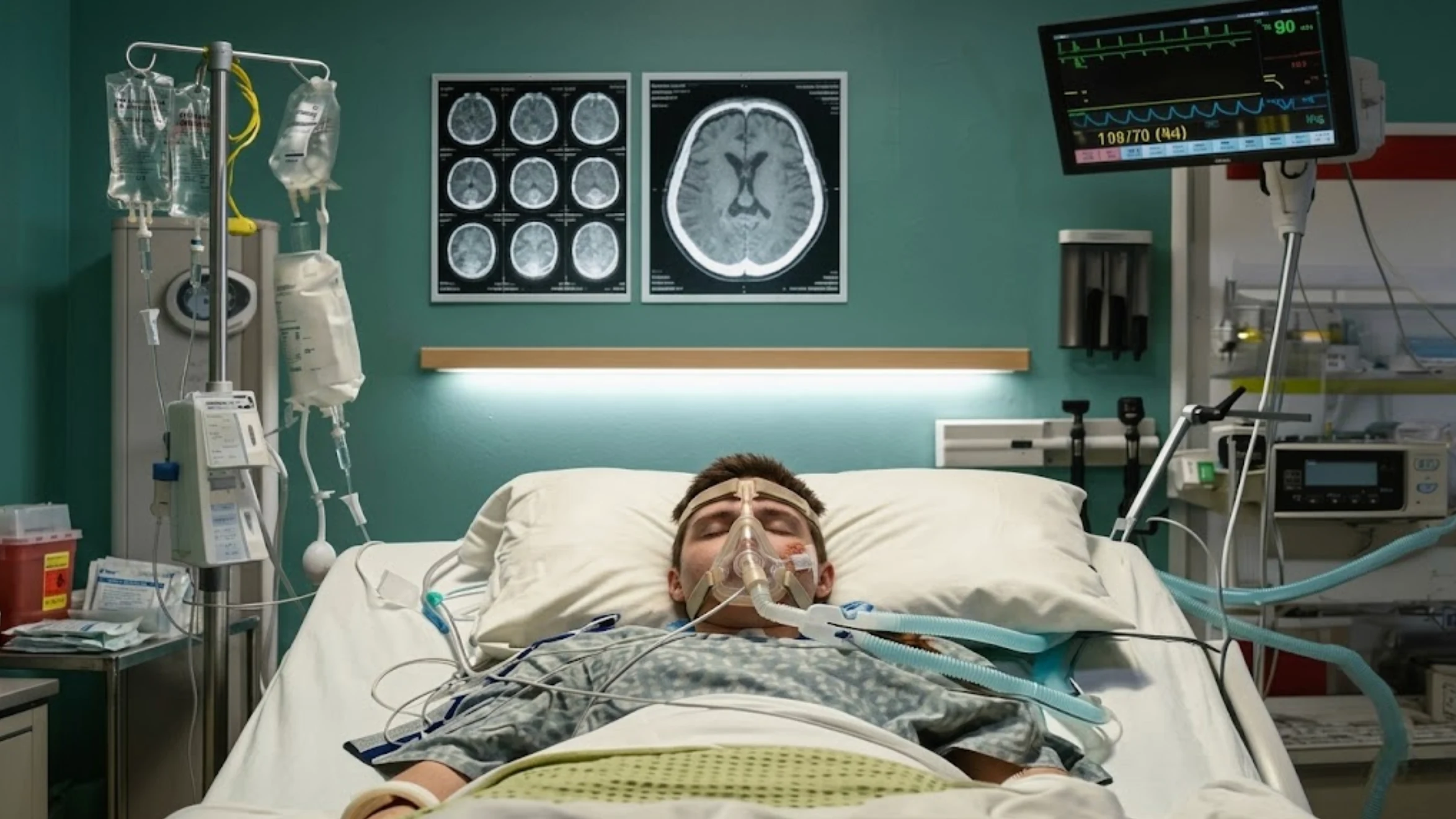
Regular ketamine use outside of medical supervision carries long-term consequences that do not stay isolated. They build on each other, compounding quietly until the damage becomes difficult, sometimes impossible, to reverse.
Bladder and Kidney Damage
Ketamine bladder syndrome is a well-documented consequence of chronic use. It leads to severe bladder inflammation, persistent pain, urinary urgency, and in advanced cases, bladder contraction that may require surgical intervention. Kidney function can also deteriorate with prolonged exposure, and the damage can become permanent.
Cognitive Decline
Memory impairment is one of the most consistently reported long-term effects of heavy ketamine use. Both short-term and working memory are affected, disrupting daily functioning in concrete ways: concentration, problem-solving, and information retention all decline. These effects can persist even after use stops, particularly when large quantities have been consumed over extended periods.
Psychological Consequences
Mood disorders, depression, and anxiety are well-documented among heavy users, and in those with underlying vulnerabilities, psychotic episodes are a real risk. The very dissociation that makes ketamine feel appealing can, with repeated use, create psychological distress far harder to resolve than the original problem it was meant to quiet.
A systematic neuroanatomy review published in Frontiers in Neuroanatomy found that long-term recreational ketamine use was directly linked to reduced gray matter volume and weaker white matter integrity, changes that help explain the memory loss and cognitive decline reported by chronic users. The irony is hard to ignore: a drug often used to manage pain has a documented track record of creating new, more complex forms of suffering over time.
Red Flags That Ketamine Use Has Gone Too Far
Ketamine poisoning reports in the US have more than doubled between 2019 and 2023, according to US Poison Center data. Most of those cases did not start with someone intending to overdose; they started with use that quietly escalated. These are the warning signs worth knowing:
-
Needing more to feel the same effect: Tolerance builds faster than most people expect. When someone starts using larger amounts to achieve the same state, that is a measurable, documented sign that dependence is taking hold.
-
Using ketamine to manage mood or stress: When the drug shifts from occasional use to an emotional crutch, the psychological grip has already set in. This pattern is far more common than most people admit, either to themselves or to others.
-
Continuing use after physical symptoms appear: Bladder pain, persistent dissociation, or memory gaps that do not resolve are the body’s clearest signals that damage is accumulating. Continuing past these signs significantly raises the risk of permanent harm.
-
Combining it with other substances to intensify effects: Mixing ketamine with alcohol, cocaine, or opioids to chase a stronger high dramatically increases the risk of a fatal outcome, regardless of how many times it may have seemed fine before. Mixing ketamine with other substances in any form compounds these dangers further.
-
Withdrawal discomfort when stopping: Depression, intense cravings, and exhaustion after stopping use are signs the body has adjusted to ketamine’s presence. This is not a minor inconvenience; it is a clinical signal that professional support is needed.
-
Secrecy or defensiveness around use: When someone becomes evasive about how much they are using, or reacts with hostility to concern from people close to them, the behavior pattern mirrors what is consistently documented in substance use disorder research.
Recognizing these signs early, in yourself or someone close to you, is the difference between a timely intervention and a crisis with no good options left.
| ⚠️ When to Seek Emergency Care: Call 911 immediately if the person is unresponsive, breathing very slowly or not at all, has a seizure, turns blue around the lips, or cannot be woken up. Do not wait. These are not signs to monitor; they are signs to act on right now. |
Frequently Asked Questions
What is the correct ketamine dose for sedation in adults?
In clinical settings, intravenous ketamine for adult sedation is typically given at 1-2 mg/kg for standard procedures, and up to 4-5 mg/kg for deeper sedation. Intramuscular doses are generally 4-5 mg/kg. These doses are calculated individually based on body weight, health status, and the procedure involved, and they are always administered by a qualified professional with monitoring equipment present.
Can you overdose on ketamine alone?
Yes, though deaths from ketamine alone are uncommon. The far greater risk occurs when ketamine is combined with alcohol, opioids, or benzodiazepines. According to CDC data, ketamine was detected in fewer than 1% of all overdose deaths between 2019 and 2023, but the risk rises sharply with polydrug use.
What are the signs of a ketamine overdose?
Key signs include severely slowed or stopped breathing, full unconsciousness or unresponsiveness, uncontrolled eye movements (nystagmus), dangerously high or low blood pressure, muscle rigidity, and seizures. Any combination of these symptoms after ketamine use requires an immediate 911 call.
Is there an antidote for ketamine overdose?
No. There is no FDA-approved medication that reverses a ketamine overdose. Treatment is entirely supportive: maintaining the airway, monitoring breathing and heart rate, and providing oxygen or ventilation if needed. This is why calling 911 immediately is the only correct response to a suspected overdose.
Why is mixing ketamine with alcohol so dangerous?
Both substances depress the central nervous system and slow breathing. Used together, their effects are compounding, not additive. The combined impact dramatically increases the risk of respiratory failure. Ketamine is considered potentially fatal in alcohol-intoxicated patients, according to clinical pharmacology literature.
What is ketamine bladder syndrome?
Ketamine bladder syndrome is a documented consequence of chronic ketamine use. It causes severe inflammation of the bladder lining, persistent pelvic pain, frequent urination, and in advanced cases, bladder shrinkage requiring surgical intervention. In some documented cases, full bladder removal becomes necessary. The condition is strongly associated with daily or near-daily use.
How do I know if someone has a ketamine problem?
Signs that use has become problematic include needing larger amounts to feel the same effect, using ketamine to cope with stress or low mood, continuing use despite physical symptoms like bladder pain or memory gaps, combining it with other substances, and becoming defensive or secretive when others express concern. Any of these patterns warrants a conversation with a medical professional or addiction specialist.
What should I do if I think someone is overdosing on ketamine?
Call 911 immediately. Turn the person onto their side to prevent choking if they vomit. Keep their airway clear. Stay with them and stay on the line with emergency services. Do not give them anything by mouth, do not leave them alone, and do not wait to see if the symptoms pass on their own.
Final Thoughts
Ketamine’s medical value is real, but so is its potential for serious harm when misused. The conversation around this drug needs to happen openly, without the filter of celebrity culture or clinical detachment.
For anyone trying to understand a loved one’s situation, or making informed decisions about their own health, the facts matter more than media narratives. Knowing the correct ketamine dose for sedation in adults and understanding what a ketamine overdose actually looks like can make a critical difference.
This information is most useful before an emergency, because by then the window for intervention is often already closing. If ketamine use has already reached a point where these effects feel familiar, please contact a licensed medical professional or addiction specialist without delay. SAMHSA’s helpline (1-800-662-4357) is free, confidential, and available 24/7.
Sources
Murthy, P. et al., “Ketamine Toxicity.” StatPearls, NCBI Bookshelf. Clinical toxicology reference on dose-dependent overdose symptoms and treatment protocols.
PubMed Central, peer-reviewed dosing study. Personalized ketamine dosing based on BMI and chronic illness to minimize adverse effects.
Frontiers in Neuroanatomy (2022). Systematic review linking long-term recreational ketamine use to reduced gray matter volume and white matter integrity changes.
US National Poison Data System via PubMed (2024). Ketamine poisoning reports in the US more than doubled between 2019 and 2023.
ScienceDirect, adverse event trial findings. Cardiovascular complications are a consistent outcome in cases combining ketamine and CNS depressants.