| ⚠️ Crisis Resources: If you or someone you know is struggling with addiction, call SAMHSA’s National Helpline: 1-800-662-4357 (free, confidential, 24/7). Call 911 immediately if someone is unresponsive, has stopped breathing, has a blue tint to the lips or fingertips, or cannot be woken up. These are signs of an overdose. Do not wait. |
If you have ever read a headline about a celebrity checking into rehab and thought, “Again?” you are not alone in being confused. But addiction does not work on a schedule, and it does not care how famous, wealthy, or beloved you are.
It hits differently when it is someone the world watches, someone who seems to have everything. Addiction does not discriminate based on fame, wealth, or success. Celebrities are often caught in the grip of substance use, fueled by constant attention, irregular schedules, and easy access to money.
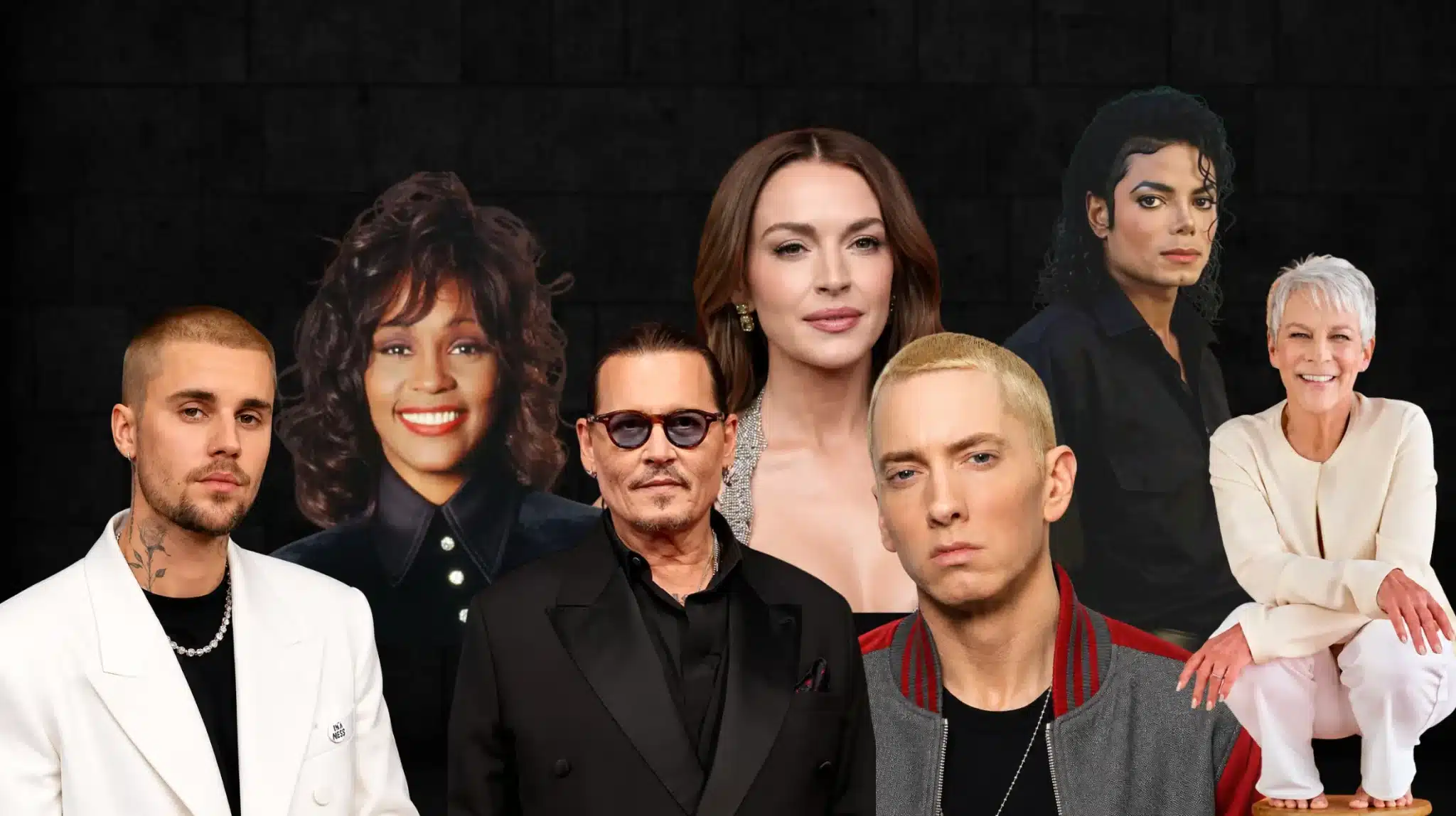
While the topic has been brushed aside in tabloids, this piece sheds light on famous celebrities with drug addictions, including those who did not make it. The aim is not to sensationalize, but to show the reality of addiction, even for those at the top, and offer perspective on what that reality actually costs.
Quick Reference: Celebrities and Drug Addiction at a Glance
| Category | Celebrities | Primary Substance(s) |
| Passed Away | Matthew Perry, Heath Ledger, Whitney Houston, Mac Miller, DMX, Kurt Cobain, Liam Payne, Angus Cloud, Michael Jackson, Brittany Murphy, Coolio | Varied: opioids, cocaine, ketamine, fentanyl, alcohol, prescription medications |
| In Sustained Recovery | Robert Downey Jr., Eminem, Elton John, Jamie Lee Curtis, Bradley Cooper, Lindsay Lohan, Angelina Jolie, Demi Lovato, Kelly Osbourne, Drew Barrymore, Charlie Sheen, Matty Healy, Winona Ryder, Justin Bieber, Pamela Anderson | Varied: heroin, cocaine, alcohol, prescription drugs, opioids |
| Ongoing or Unresolved | Tommy Lee, Britney Spears, Amanda Bynes, Johnny Depp, The Weeknd, Snoop Dogg | Varied: alcohol, prescription medications, marijuana, cocaine |
Understanding Celebrity Addiction: Why Fame Makes It Worse
There is a misconception that successful people have fewer struggles because of wealth, strong support systems, and access to top doctors. In reality, celebrities face intense public scrutiny, where every performance or personal detail is picked apart online.
Many turn to substances to manage anxiety, maintain high performance, or cope with the pressures of overnight fame, especially those who rose to prominence as teenagers.
The entertainment industry often normalizes drug use through parties, after-parties, and backstage rituals. Addiction is a medical condition, not a moral failing, and framing it as such delays necessary conversations and help.
The stigma around celebrity addiction means stars risk being seen as unreliable when speaking out, but staying silent only prolongs the struggle, often leading to tragic outcomes.
Substance use disorder affects an estimated 48.7 million people in the US each year, according to SAMHSA’s 2023 National Survey on Drug Use and Health. Fame does not shrink that number. It often inflates it.
Celebrities Who Passed Away From Addiction
The following celebrities lost their lives as a direct result of substance use or complications tied to addiction. Their stories are a reminder that no level of fame, wealth, or access to care guarantees protection from the consequences of addiction.
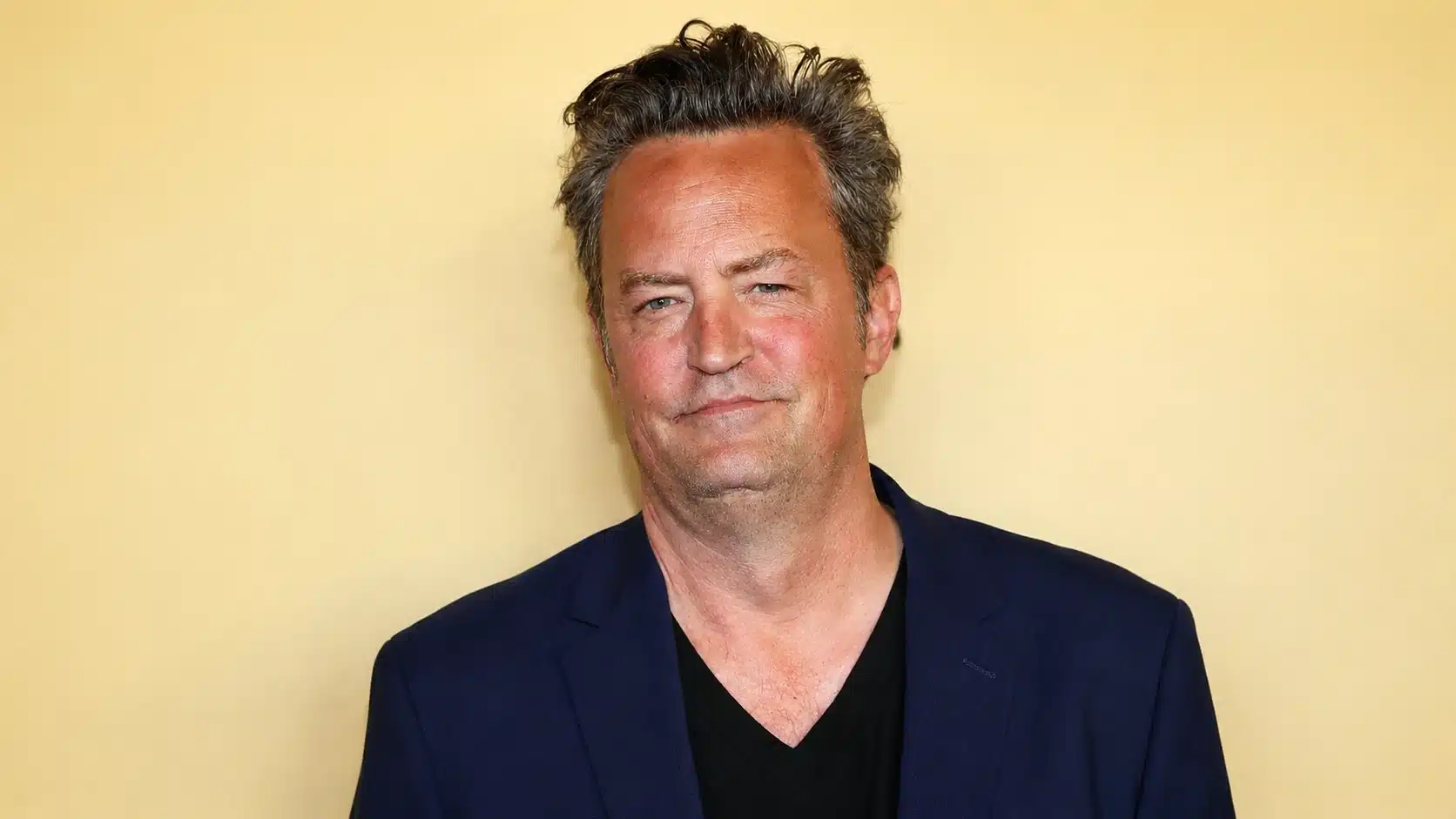
1. Matthew Perry
Substance: Alcohol, prescription painkillers, and ketamine
Career phase: Active throughout; struggled most during the Friends era and after
Outcome: Found unresponsive in his hot tub in October 2023; the Los Angeles County Medical Examiner confirmed acute effects of ketamine as the primary cause, with drowning, heart disease, and buprenorphine listed as contributing factors
Matthew Perry spent nearly three decades battling addiction, checking into rehab over a dozen times, and losing significant stretches of his life in the process.
His memoir, published a year before his passing, captured the true cost of addiction with rare honesty. Federal investigators confirmed the ketamine in his system came from an illegal supply network of five individuals, all of whom entered guilty pleas.
2. Heath Ledger

Substance: Prescription medications, opioids, sedatives, anti-anxiety drugs
Career phase: At peak, had just finished filming The Dark Knight
Outcome: Passed away in January 2008 from acute intoxication due to the combined effects of six prescription drugs
Heath Ledger’s passing was one of the most shocking in Hollywood history, partly because it came so unexpectedly. He was not known as a party star. He struggled with insomnia and chronic anxiety and had been prescribed multiple medications by different doctors.
The combination of those drugs, none of which were illegal, proved fatal. His case brought real attention to the dangers of polypharmacy, the practice of taking multiple prescribed medications simultaneously. This remains one of the most underrecognized risk factors in celebrity overdose deaths.
| 📝 Note: Polypharmacy, combining multiple prescribed drugs, is responsible for a significant portion of celebrity overdose deaths. Always inform each doctor of all medications currently being taken. |
3. Whitney Houston
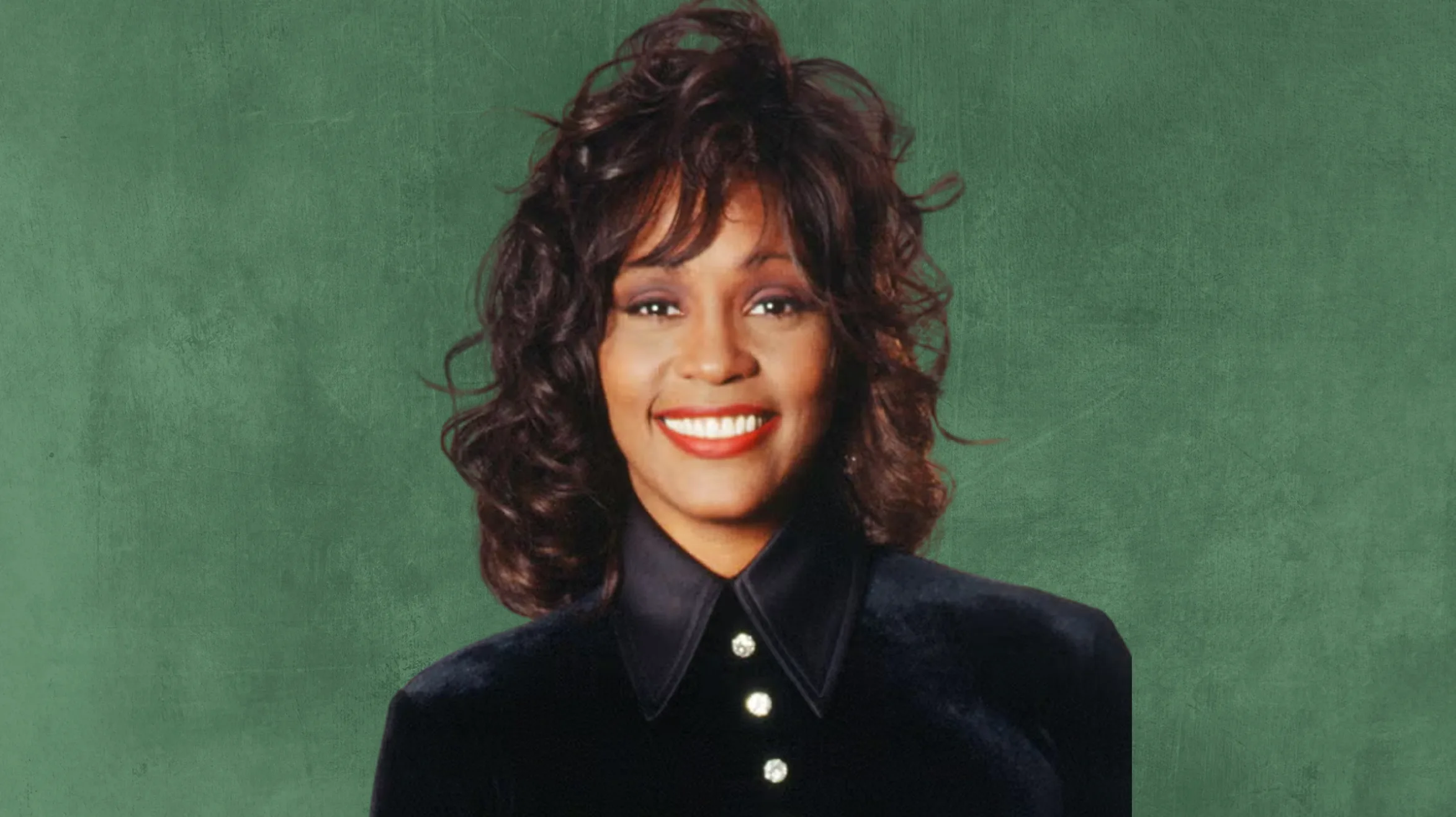
Substance: Cocaine (long-term), prescription medications
Career phase: Later career; years of decline following peak success
Outcome: Found in a bathtub in February 2012; official cause was accidental drowning with atherosclerotic heart disease and cocaine use listed as contributing factors; she was 48
Whitney Houston’s voice was, by many accounts, the greatest of her generation. Her cocaine use began in the late 1980s and ran alongside one of the most celebrated careers in music history.
The damage was visible by the time of her final public appearances, including vocal strain, erratic behavior, and publicly troubled relationships. Her passing ended a story that had been heading toward a breaking point for years.
4. Mac Miller
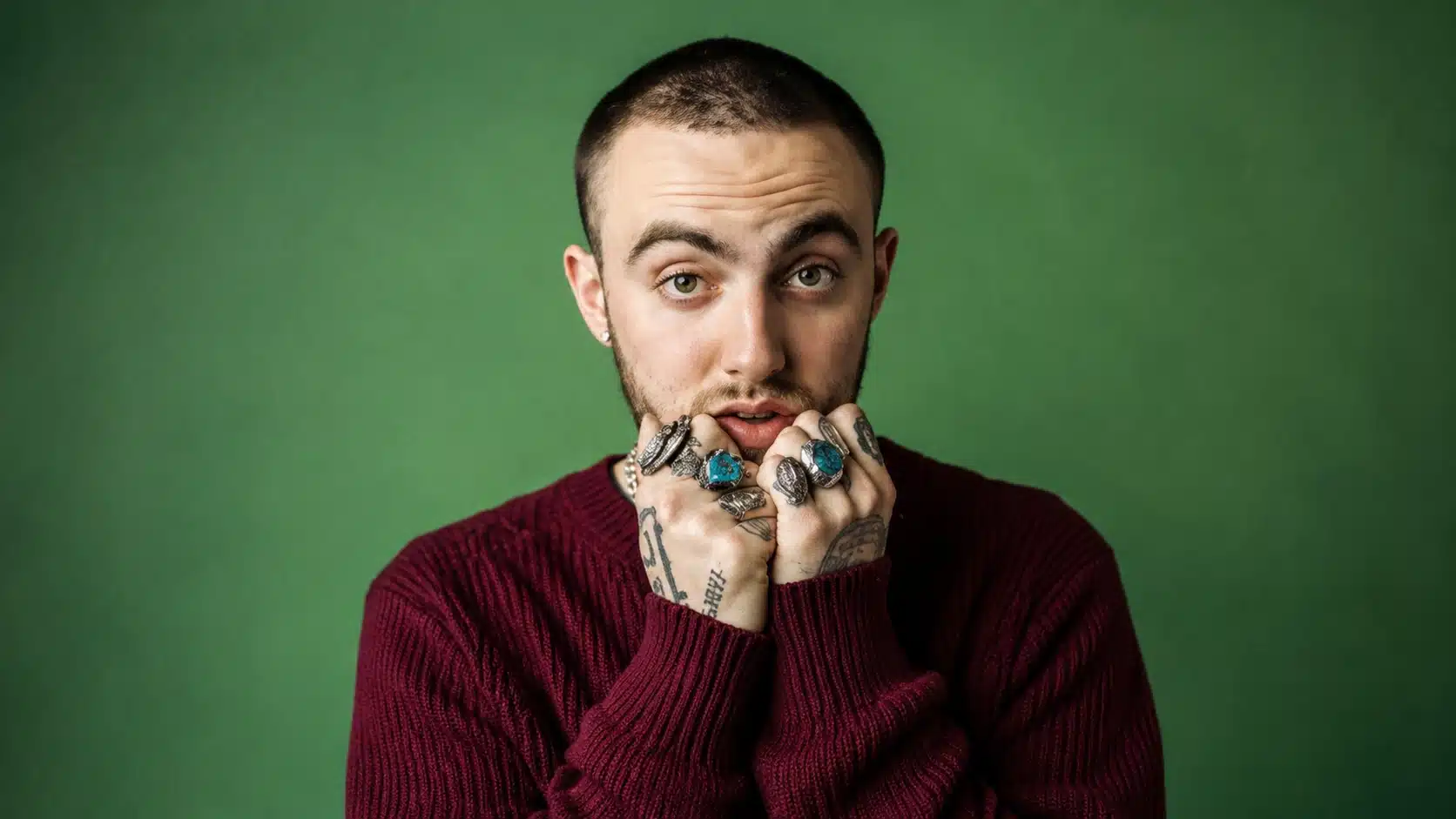
Substance: Fentanyl-laced cocaine, alcohol, and other drugs
Career phase: Active; had released a critically praised album just weeks before his passing
Outcome: Passed away in September 2018 at age 26 from an accidental overdose
Mac Miller spoke openly and honestly in his music about depression, substance use, and emotional pain. His passing came just weeks after the release of Swimming, an album widely praised for its introspection.
The fentanyl in the cocaine he consumed was unknowingly ingested, a grim reminder of how lethal the current drug supply has become. Three men were later convicted for their roles in supplying the drugs that killed him.
Understanding how fentanyl contamination works in street cocaine is something every person who uses drugs, or knows someone who does, needs to understand.
5. DMX
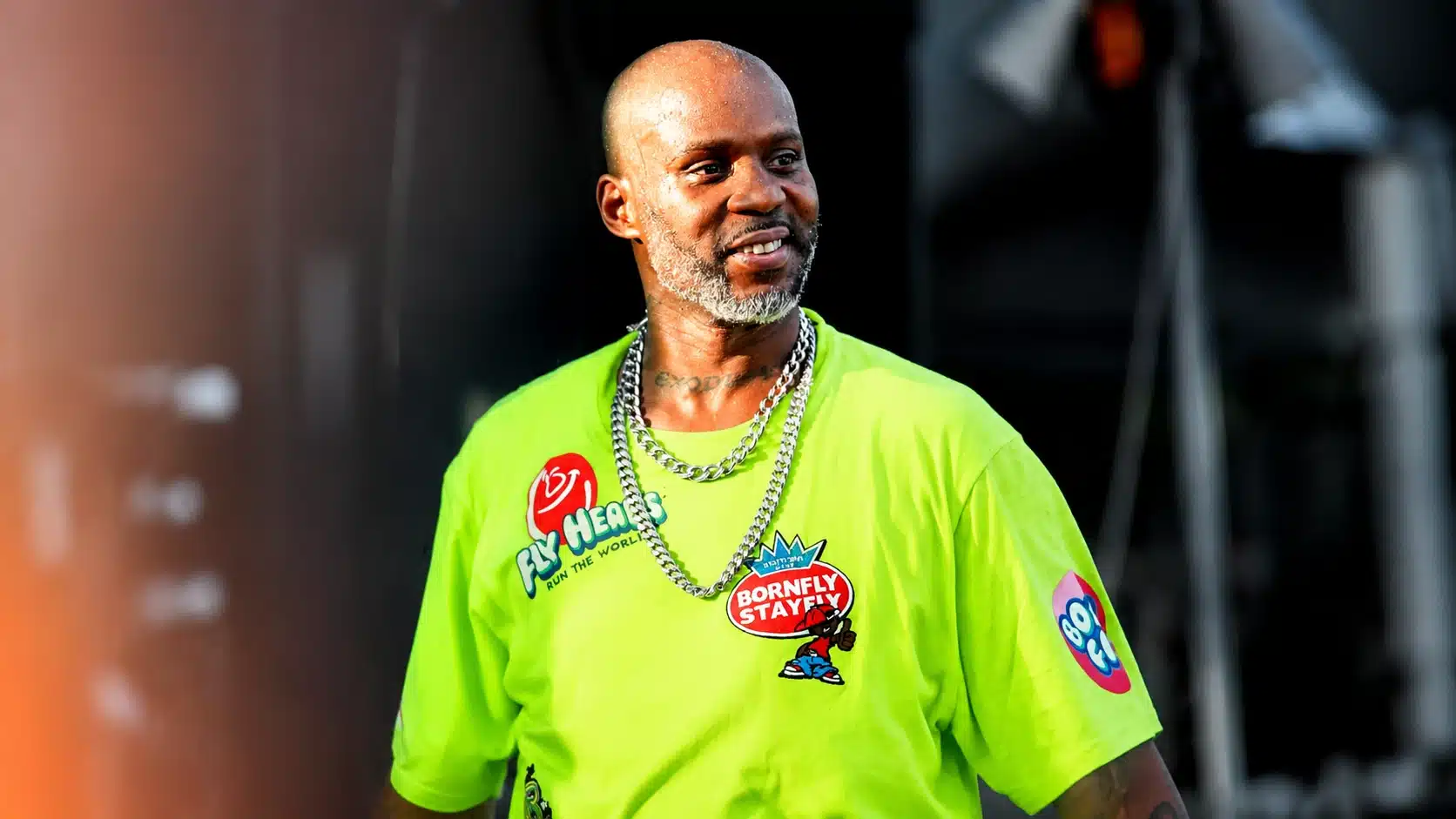
Substance: Heroin, crack cocaine
Career phase: Ongoing, with multiple comebacks and arrests in between
Outcome: Passed away in April 2021 after a cardiac arrest triggered by an overdose; he was 50 years old
DMX was one of the most charismatic and raw performers of the late 1990s and 2000s. He was completely honest about how much heroin had taken from him, in interviews, in documentaries, and in his music.
He entered rehab repeatedly, relapsed repeatedly, and kept trying. His passing came after a reported overdose triggered a cardiac arrest. He was in a coma for nearly a week before his family confirmed he was gone.
6. Kurt Cobain

Substance: Heroin (primary); also prescription medications
Career phase: At the height of Nirvana’s global fame
Outcome: Passed away April 1994; cause of death was a self-inflicted gunshot wound, with addiction and untreated mental illness recognized as deeply connected factors
Kurt Cobain’s heroin use was inseparable from his struggle with chronic stomach pain, depression, and the weight of sudden, massive fame he had never prepared for. He attempted rehabilitation multiple times but found sobriety nearly impossible to sustain.
The note he left referenced both physical and emotional exhaustion. His story remains one of the clearest examples of what happens when addiction and mental health issues are treated as separate problems rather than as deeply intertwined ones.
7. Liam Payne

Substance: Alcohol, cocaine, benzodiazepines, and a mixture of other substances
Career phase: Post-One Direction solo career; had spoken publicly about mental health and substance challenges
Outcome: Passed away October 16, 2024, after falling from the third-floor balcony of his Buenos Aires hotel room; toxicology confirmed multiple substances in his system; he was 31.
Liam Payne had spoken candidly in interviews about his struggles with alcohol and mental health during and after his years with One Direction. Hotel staff called emergency services shortly before his passing, reporting that a guest was in a severely impaired and erratic state.
Argentine authorities charged several individuals in connection with supplying him with substances during his final hours. His case reignited conversations about the toll of childhood fame and the absence of long-term support for young stars once the spotlight moves on.
8. Angus Cloud
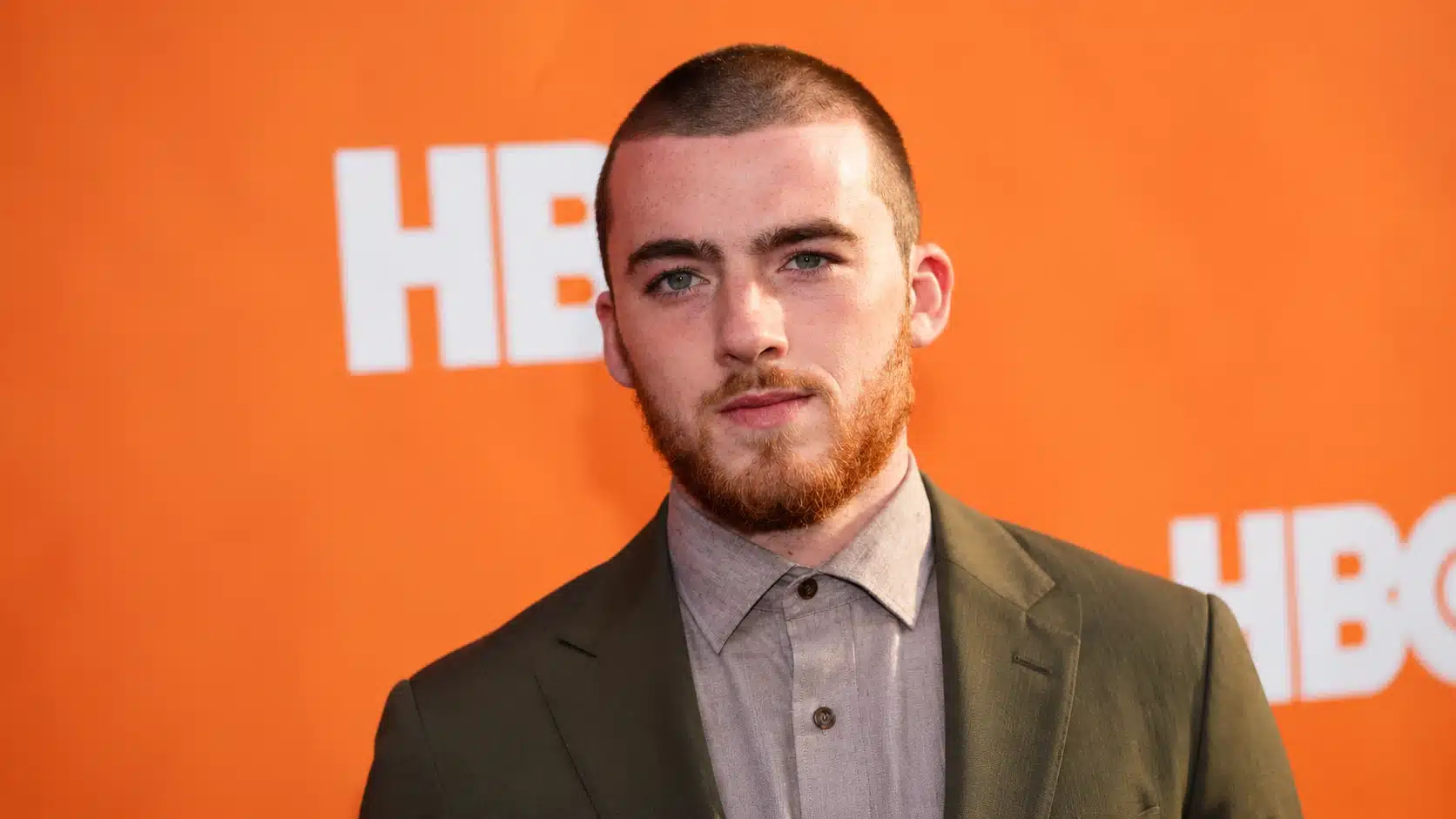
Substance: Multiple substances; the Alameda County Coroner confirmed acute intoxication from the combined effects of methamphetamine, cocaine, fentanyl, and benzodiazepines
Career phase: Active; best known for playing Fezco in Euphoria
Outcome: Passed away July 31, 2023, at age 25; officially ruled accidental overdose
Angus Cloud had always spoken candidly about the darker sides of life. His passing came approximately one week after he returned from burying his father, who had passed away in May 2023 after a brief illness.
His family’s public statement described his overwhelming grief in the days that followed. He was 25. His story is a stark reminder of how loss and bereavement can be powerful relapse triggers, and how quickly circumstances can change in the absence of adequate support.
9. Michael Jackson
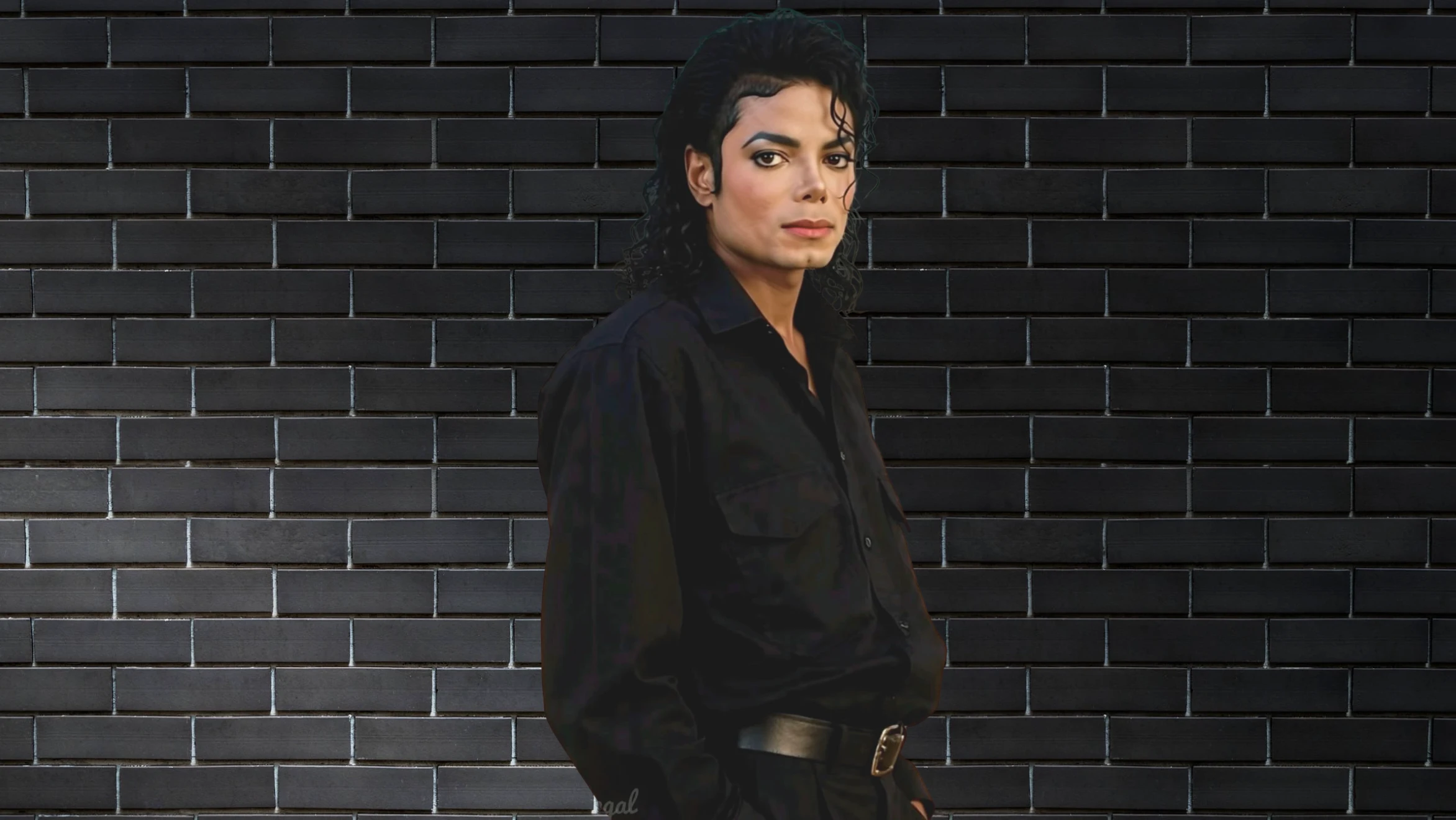
Substance: Propofol, prescription opioids, benzodiazepines
Career phase: Preparing for his This Is It comeback tour
Outcome: Passed away June 2009; his personal physician, Conrad Murray, was convicted of involuntary manslaughter
Michael Jackson’s relationship with prescription drugs was shaped by chronic pain following his 1984 Pepsi commercial accident, severe anxiety, and the isolating demands of his public life.
He had been using propofol, a powerful anesthetic, as a sleep aid, something deeply unsafe outside of a monitored clinical setting. His doctor administered the fatal dose and was later convicted.
The case raised serious questions about the ethics of medical professionals who provide care exclusively to high-profile clients outside of standard oversight.
10. Brittany Murphy

Substance: Multiple prescription medications
Career phase: Career had slowed; she was 32 at the time of her passing
Outcome: Passed away December 2009; official cause was pneumonia, with iron-deficiency anemia and multiple prescription medications listed as contributing factors
Brittany Murphy’s passing was ruled accidental, attributed to pneumonia compounded by iron-deficiency anemia and prescription medications.
Her husband passed away five months later in nearly identical circumstances, fueling ongoing speculation. A 2013 independent toxicology report raised questions about possible toxic exposure, though no definitive conclusion changed the official ruling.
11. Coolio
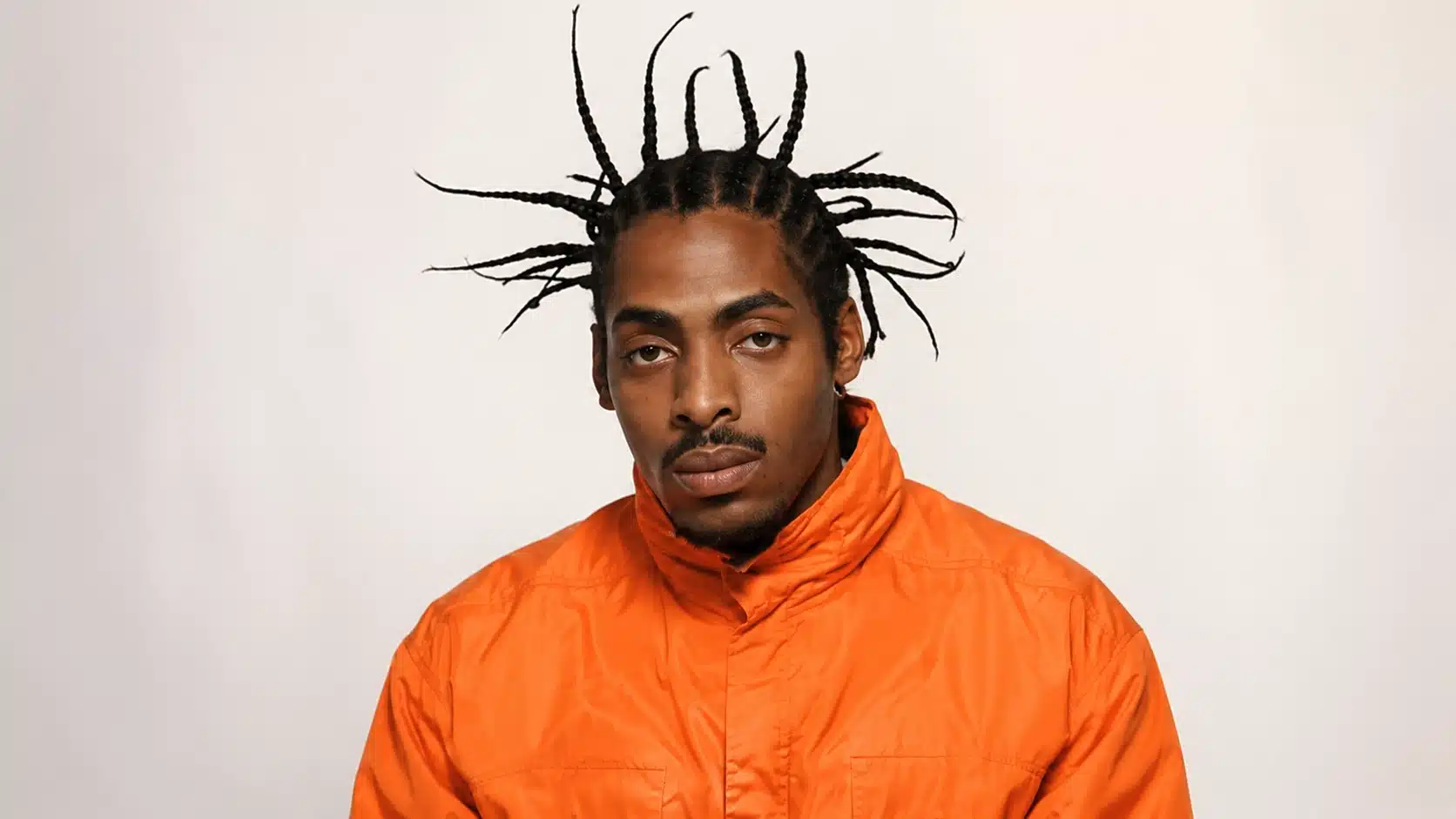
Substance: Crack cocaine (decades-long)
Career phase: Still actively performing and touring at the time of his passing
Outcome: Passed away in September 2022 at age 59; fentanyl was detected in his system, and cardiac arrest was listed as the cause
Coolio had openly discussed his long battle with crack cocaine over the years. His passing at 59 came as a surprise to many, as he had appeared relatively stable in public life.
The presence of fentanyl in his system once again highlighted the contaminated drug supply that has become lethal for people who are not even seeking fentanyl. He was found by a friend in a bathroom in Los Angeles.
Celebrities Who Overcame Addiction and Are in Recovery
Recovery does not always look the same. For the people below, it was a process that required time, honesty, and in many cases multiple attempts before something finally held. Their stories offer a grounded picture of what getting clean actually involves.
12. Demi Lovato

Substance: Cocaine, opioids (heroin and fentanyl-laced drugs), alcohol, prescription medications
Career phase: Active throughout; rose to fame as a teenager through Disney, struggled publicly from her early 20s onward
Outcome: Survived a near-fatal overdose in July 2018; has been public and evolving about her recovery journey since then
Demi Lovato’s 2018 overdose was one of the most widely reported celebrity health crises in recent memory. Paramedics responded to her Los Angeles home after she was found unresponsive; she later revealed she had suffered three strokes and a heart attack that night, and that the fentanyl-laced heroin she had consumed left her with permanent vision and brain damage.
What makes Lovato’s story particularly important is how openly she has navigated the post-overdose period in public.
She has spoken about relapses, about the limitations of a “sober or nothing” framework, and about her mental health diagnoses, including bipolar disorder and an eating disorder.
She coined the term “California Sober” to describe her approach for a period, before ultimately stating in 2021 that she had returned to full sobriety.
Her story defies easy packaging and reflects the reality that recovery is rarely a single decision made once. She has also been outspoken about how fame, trauma, and untreated mental illness drove her substance use, making her one of the most substantive celebrity voices on addiction in her generation.
13. Robert Downey Jr.
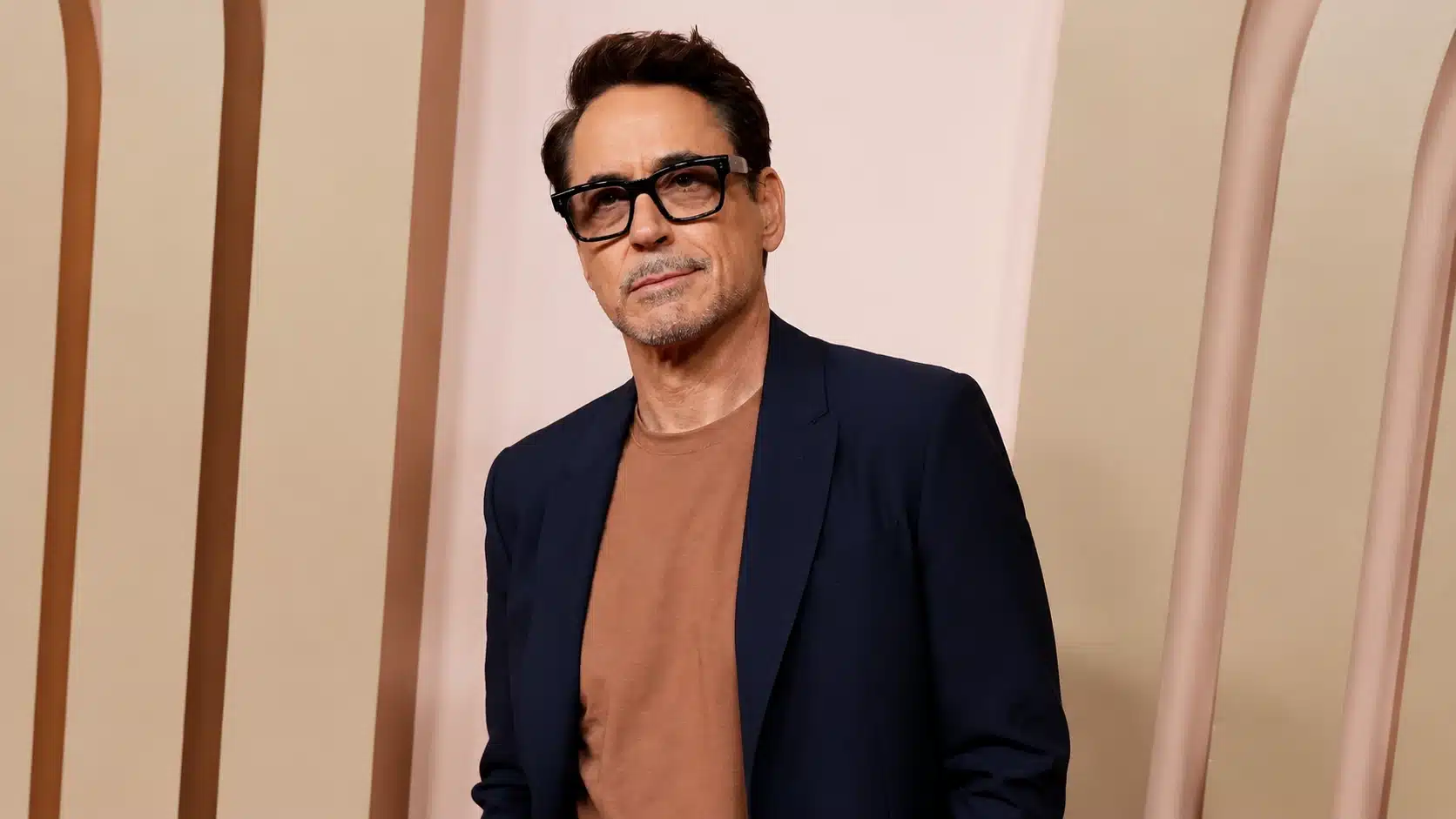
Substance: Heroin, cocaine, alcohol
Career phase: Peak of early career, then total collapse through the 1990s
Outcome: Fully sober since 2003; his career comeback is among the most celebrated in Hollywood history
Robert Downey Jr.’s fall was very public, with multiple arrests, prison time, and a career that appeared to be finished by 2001. His recovery was not a straight line either.
It took a supportive relationship, AA, martial arts, and what he later described as a personal decision to simply stop. His return as Iron Man in 2008 became one of the most celebrated second acts in Hollywood. He credits sobriety as the foundation of everything he has built since.
14. Eminem
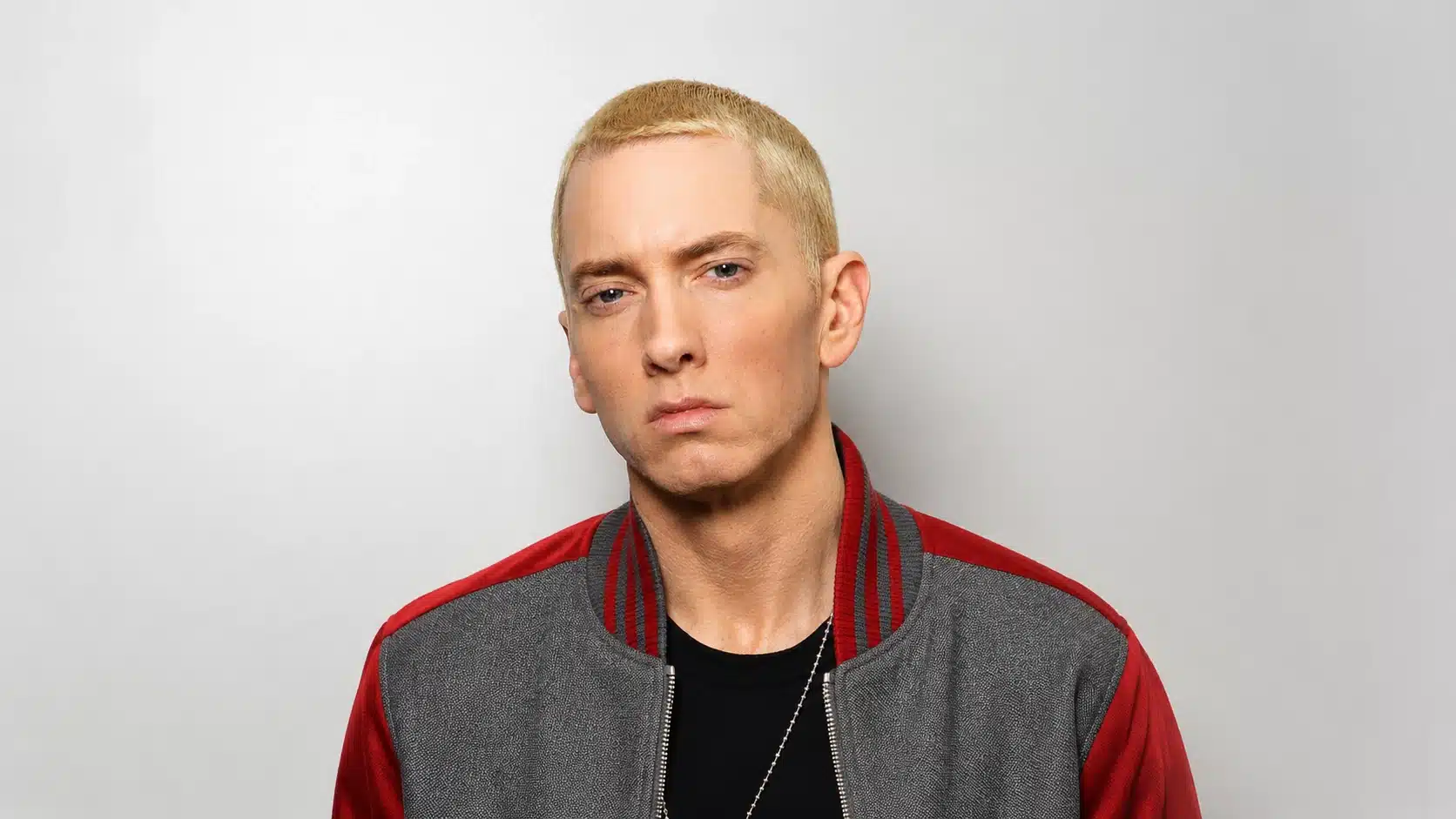
Substance: Prescription opioids, Valium, Vicodin, Ambien
Career phase: Mid-career; escalated significantly after the passing of his close friend Proof in 2006
Outcome: Nearly lost his life in December 2007 from a methadone overdose; sober since 2008 with support from Elton John
Eminem’s addiction to prescription pills nearly killed him in 2007. At his peak, he was taking up to 60 Valium and 30 Vicodin daily. Doctors told him he was approximately two hours from death.
Relearning how to write and record took time. Elton John supported his early recovery. He has been sober since 2008, speaking openly about the connection between mental health and substance use.
| Tip: Prescription drug addiction is often slower to identify than illicit drug use because the substances are legal and doctor-prescribed. If someone’s medication needs keep increasing to achieve the same effect, that is a sign worth paying attention to. |
15. Elton John
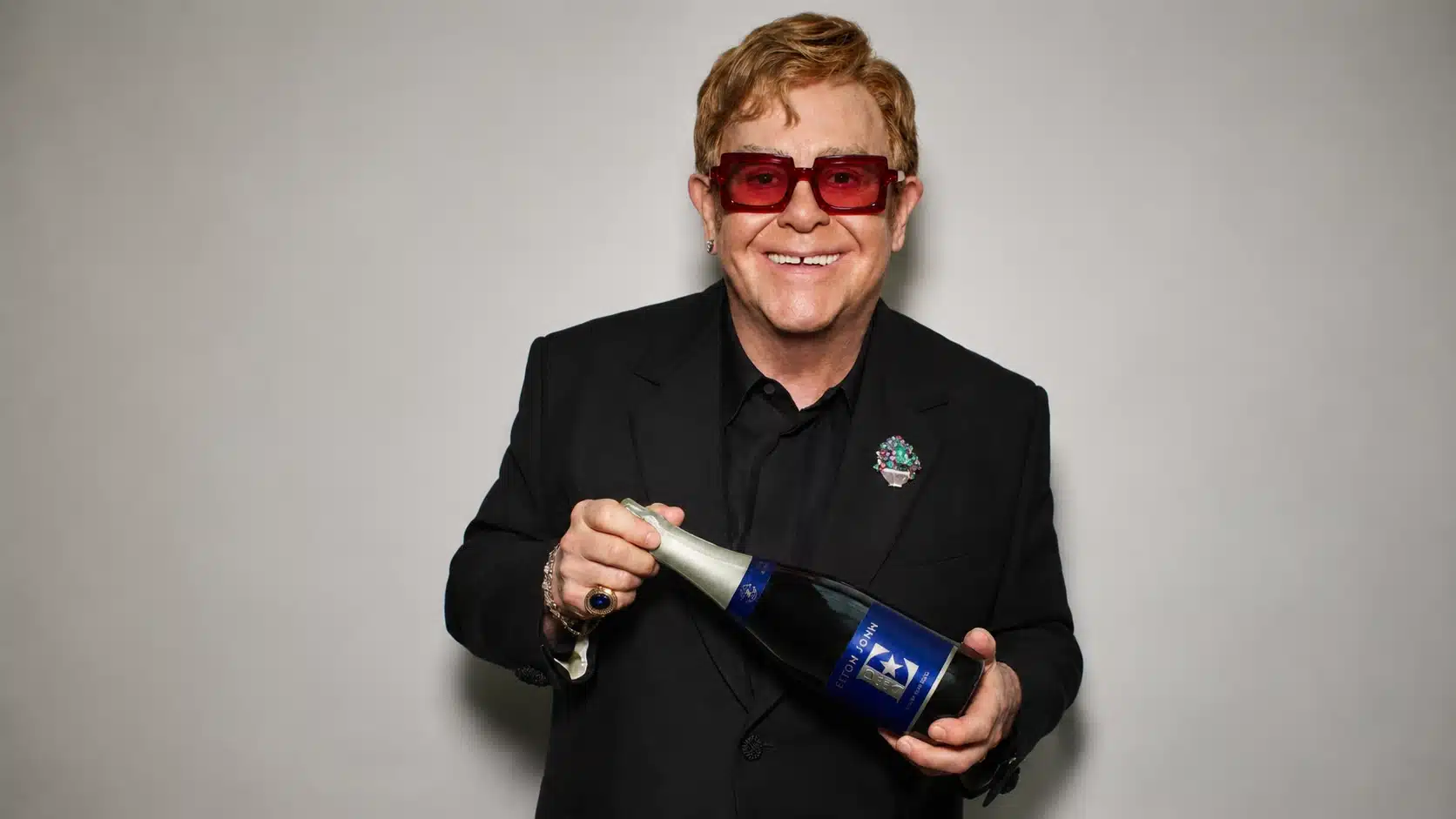
Substance: Cocaine, alcohol
Career phase: Long-running addiction during the height of his career in the 1970s and 1980s
Outcome: Sober since 1990; one of the most sustained voices in addiction recovery advocacy globally
Elton John has been sober for over 35 years, which is a remarkable achievement given how severe his cocaine and alcohol use were at the peak of his fame.
He founded the Elton John AIDS Foundation and has been a consistent force in the fight against addiction. He personally reached out to Eminem during his recovery and became his sponsor. That kind of impact does not come from wealth alone. It comes from having lived through the same thing.
16. Kelly Osbourne
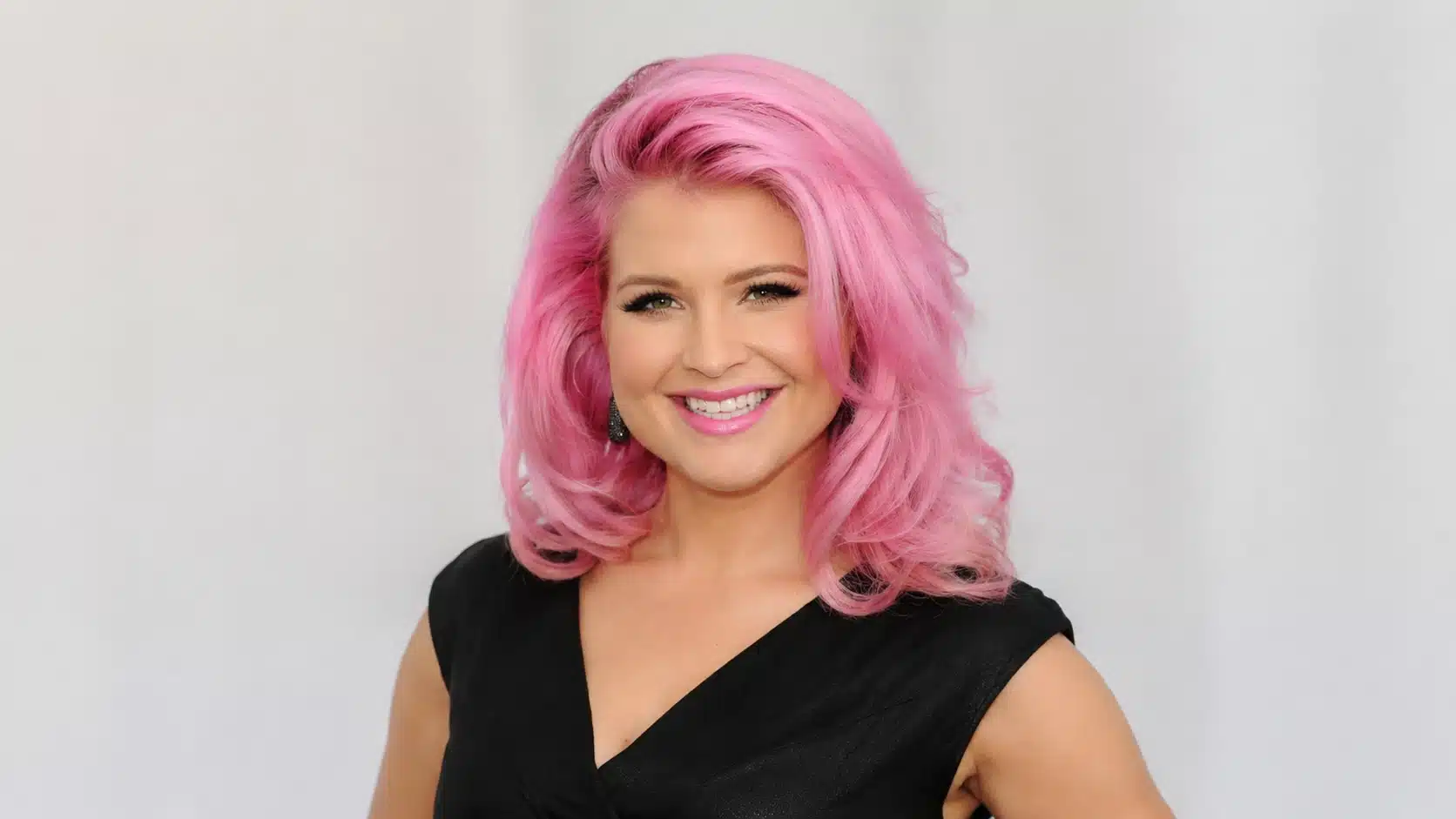
Substance: OxyContin, alcohol, MDMA, cocaine
Career phase: Public substance use began during her teens on The Osbournes reality show; escalated through her 20s
Outcome: In sustained recovery since 2017 following multiple relapses; experienced a relapse in 2021 after 4 years of sobriety, then returned to recovery
Kelly Osbourne grew up with addiction modeled in front of her and around her. Her parents’ own struggles were documented on television while she was a teenager. By her early 20s, she had developed a dependence on OxyContin following a prescription for tonsillitis, a trajectory that mirrors countless cases of opioid addiction that begin with legitimate medical prescriptions.
She has been publicly candid about attending multiple rehabilitation programs, about the specific mechanics of her relapse in 2021 after four years clean, and about the shame and internal conflict that came with it. Her account of how quickly one drink undid years of work is one of the more honest descriptions of how relapse actually functions. As of 2024, she has spoken publicly about her return to recovery and the perspective it gave her on the long-term nature of managing addiction.
17. Drew Barrymore
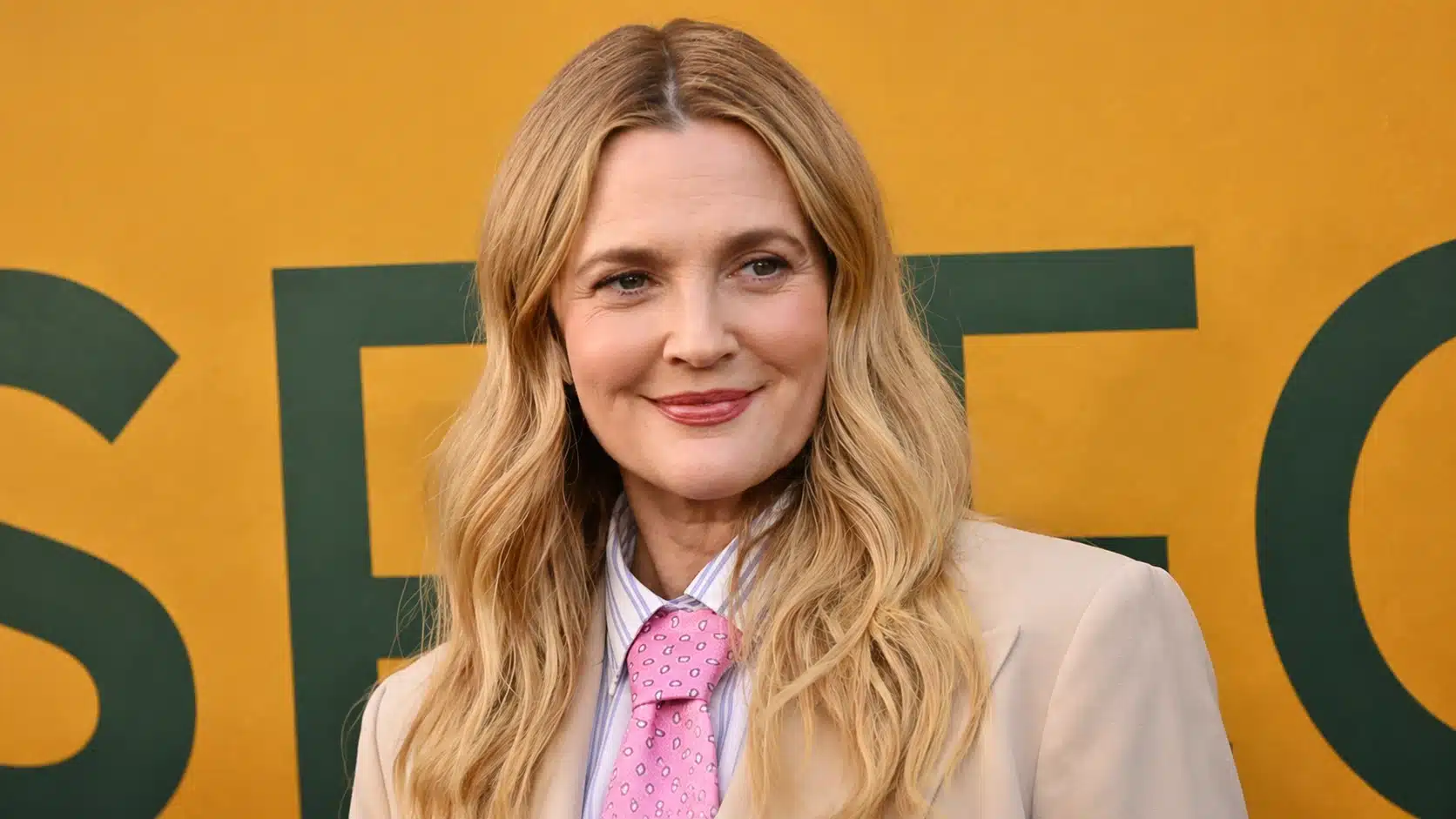
Substance: Alcohol, marijuana, cocaine
Career phase: Childhood; substance use began at age 9 and escalated into her early teens before she sought treatment
Outcome: Entered rehabilitation at 13, maintained long-term recovery, and built one of Hollywood’s most successful second-act careers
Drew Barrymore’s case is one of the most striking examples of childhood-onset substance use in celebrity history. She was drinking by age 9, smoking marijuana by 10, and using cocaine by 12. By 13, she had entered rehabilitation for the first time.
The factors that pushed her toward substances this early, the pressures of being a child actor, an unstable home environment, and easy access through an adult world she was never supposed to be in, reflect a pattern that researchers now recognize as significantly elevating addiction risk. Her long-term recovery and career rebuild serve as evidence that intervention at any stage, including adolescence, can change a trajectory entirely.
18. Jamie Lee Curtis
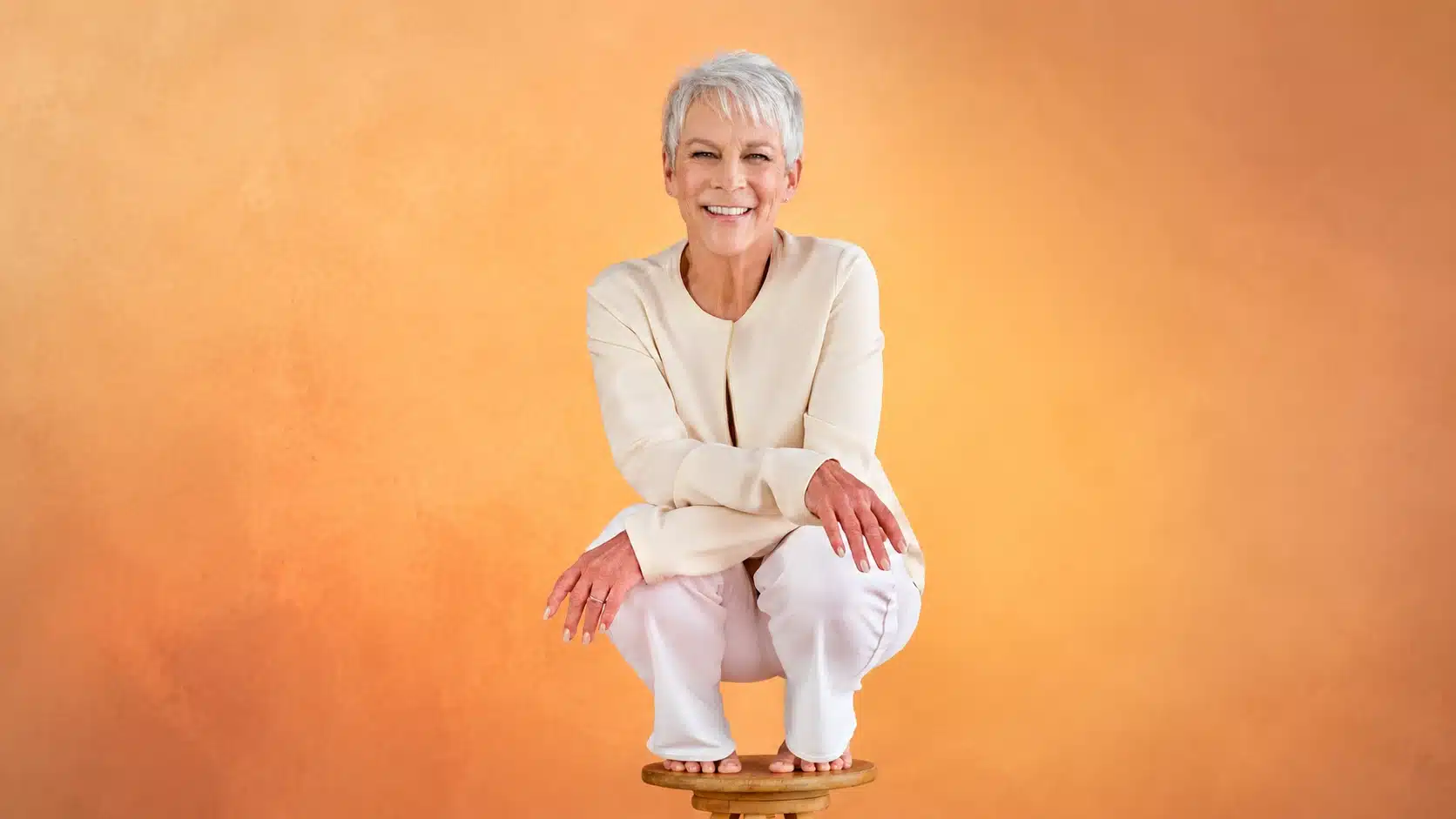
Substance: Prescription painkillers (opioids)
Career phase: Active career; addiction began after a routine cosmetic surgery procedure
Outcome: Sober since 1999; one of the most consistent and credible celebrity voices on opioid addiction and recovery policy
Jamie Lee Curtis’s story is a textbook case of how opioid addiction can begin completely innocuously. A routine cosmetic surgery led to a prescription, which led to a decade of hidden dependence.
She had a family, an active career, and a well-maintained public persona, and still managed to conceal it for years. Since going public, she has spoken at legislative panels and in press interviews about opioid policy, making her one of the more grounded and consistent voices on the subject.
19. Bradley Cooper
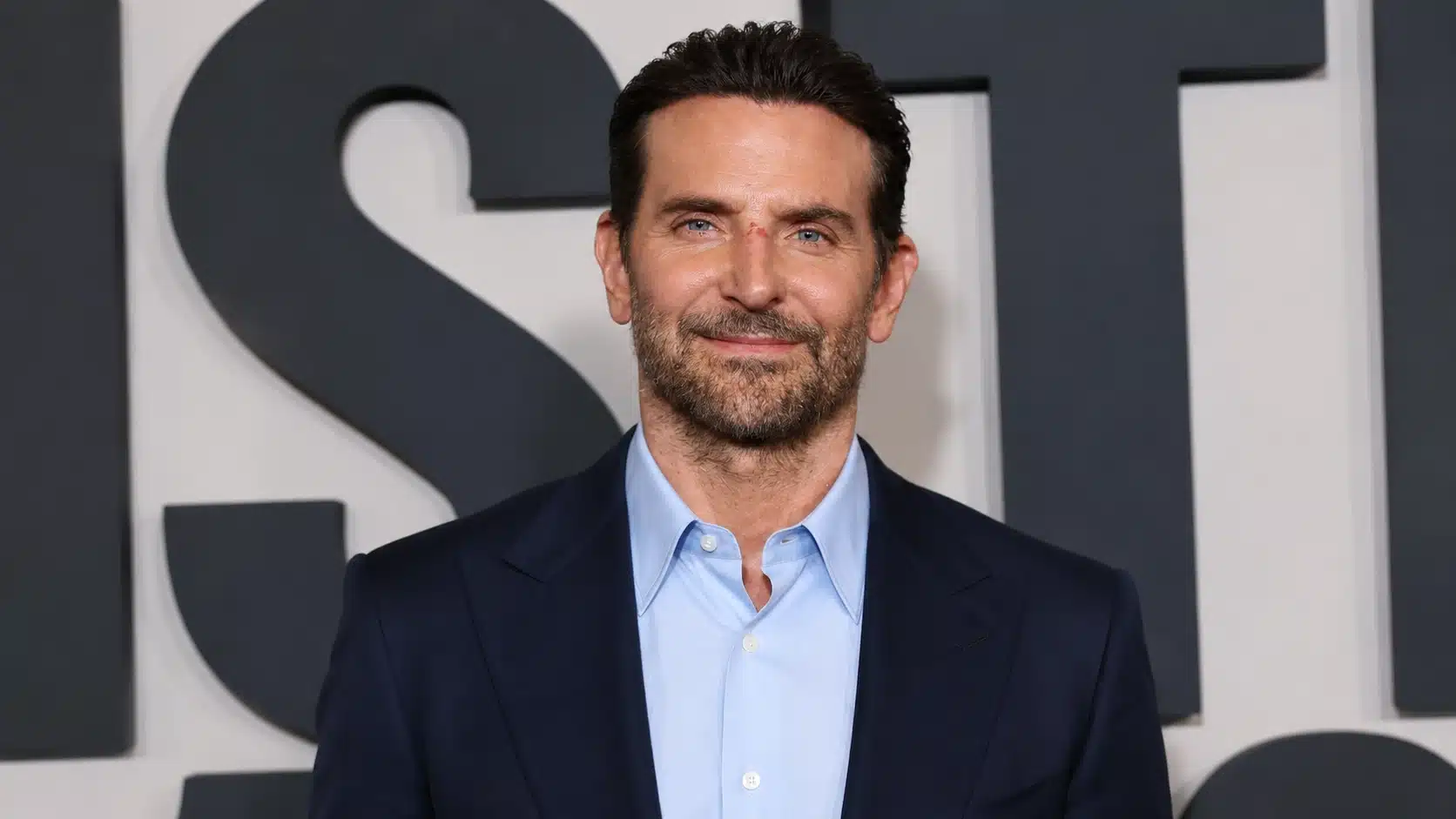
Substance: Alcohol and drugs
Career phase: Got sober in his mid-20s, before his major career breakthrough
Outcome: Sober since around 2004; has credited sobriety directly for his career clarity and success
Bradley Cooper got sober before he was famous, which is a less common story. He credits that decision with giving him the discipline and focus to build the career he has.
He has spoken in interviews about how completely different his life would have looked if he had continued. He is not a poster child for dramatic recovery narratives, more of a quiet example that deciding early and sticking to it makes a measurable difference.
20. Charlie Sheen

Substance: Cocaine, alcohol
Career phase: Highest-paid actor on US television during Two and a Half Men; public breakdown in 2011 led to his firing
Outcome: Sober since December 2017; as of 2025, openly celebrating over eight years of sobriety, marked by a Netflix documentary and published memoir
Charlie Sheen’s 2011 public breakdown was so intense that it became a cultural reference while still unfolding. Beneath it was a serious cocaine and alcohol addiction, a firing from one of the most lucrative roles in television history, and a very real unraveling.
He went through multiple failed attempts at getting sober before finally stopping in December 2017. The turning point, as he described it, was missing a child’s appointment due to his condition. He turned 60 in September 2025 and released both a memoir and a Netflix documentary. He has described his current life as grounded in raising his children and staying well. His story is one of the more dramatic recoveries on this list.
21. Lindsay Lohan

Substance: Alcohol, cocaine, prescription medications
Career phase: Rose to fame as a teenager; public spiral through the mid-2000s and early 2010s
Outcome: Recovered; returned to acting on her own terms and largely moved away from the public spotlight that defined her lowest years
Lindsay Lohan’s early 2000s spiral was among the most heavily documented in tabloid history, including DUIs, court appearances, failed drug tests, and multiple rehab stints. Her recovery was quieter than her descent.
She relocated abroad, largely avoided the American press, and returned to acting when she was ready. Her story is a useful example of what rebuilding without fanfare can look like.
22. Angelina Jolie

Substance: Heroin and cocaine
Career phase: Late teens and early 20s; substance use preceded her global fame entirely
Outcome: Recovered; credits personal growth and becoming a parent as the core of that change
Angelina Jolie has spoken openly about using heroin and other drugs as a young woman, before she became the globally recognized public figure the world knows. The version of her that has shaped public life for decades came after those years.
She has described becoming a mother as the turning point. Her story is less about formal treatment and more about a life restructuring that made substance use incompatible with who she was choosing to become.
23. Matty Healy

Substance: Heroin
Career phase: During the height of The 1975’s commercial success
Outcome: Sober after completing rehabilitation; has discussed the experience openly without framing it as a rock-and-roll cliche
Matty Healy’s heroin use became public around the height of The 1975’s commercial success. He entered rehabilitation and has been open about the experience, describing it as requiring serious clinical intervention rather than willpower alone.
His recovery has been part of his public persona in a grounded way that is harder to maintain than it sounds. He is one of the younger male musicians to speak about heroin addiction without romanticizing it, which sets him apart from the tired rock narrative.
24. Justin Bieber
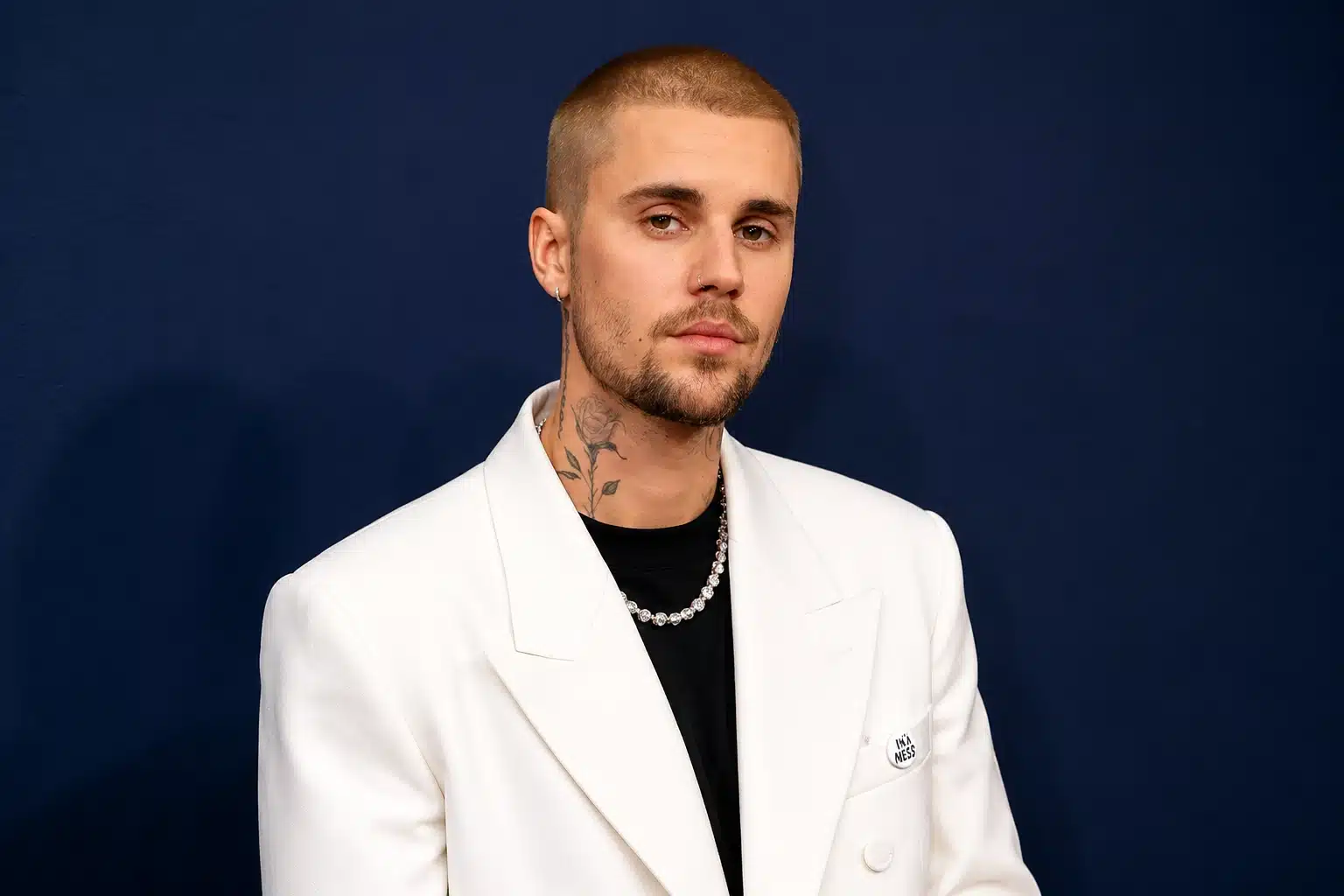
Substance: Marijuana, lean (codeine), prescription pills, alcohol
Career phase: Late teens and early 20s; at the peak of his global fame
Outcome: Sober; credits faith and his personal life as the stabilizing forces behind his recovery
Justin Bieber was 15 when he became globally famous, an extremely difficult age to handle that kind of pressure. His substance use became part of his public persona by his late teens, with DUIs and erratic behavior making him a constant tabloid subject.
His recovery has been faith-based and tied closely to his personal life. He has spoken about it in a documentary and multiple interviews. The gap between who he was in 2014 and the person he presents today is substantial.
25. Winona Ryder

Substance: Prescription medications, painkillers, anti-anxiety drugs
Career phase: Active career throughout the 1990s; dependence developed during a period of chronic pain and professional pressure
Outcome: Recovered; returned to major prominence in Stranger Things without making her recovery a public narrative
Winona Ryder’s prescription drug dependence developed quietly in the 1990s while she was managing chronic pain and the sustained demands of a high-profile career.
Her recovery was largely private, and her return to prominence in Stranger Things came without making it a public story. She has spoken about it occasionally in interviews with measured honesty.
26. Pamela Anderson

Substance: Alcohol, prescription painkillers
Career phase: Active throughout her peak Baywatch fame and beyond; addressed substance use publicly in her 2023 memoir
Outcome: Recovered; addressed her substance use directly and honestly in her 2023 autobiography
Pamela Anderson addressed her substance use directly in her 2023 memoir. She discussed alcohol and pain medication as responses to trauma and the dehumanizing nature of extreme public objectification.
Her account is notable for how clearly she links the emotional conditions that enabled her use, a context that often gets omitted from celebrity addiction stories.
27. Ozzy Osbourne
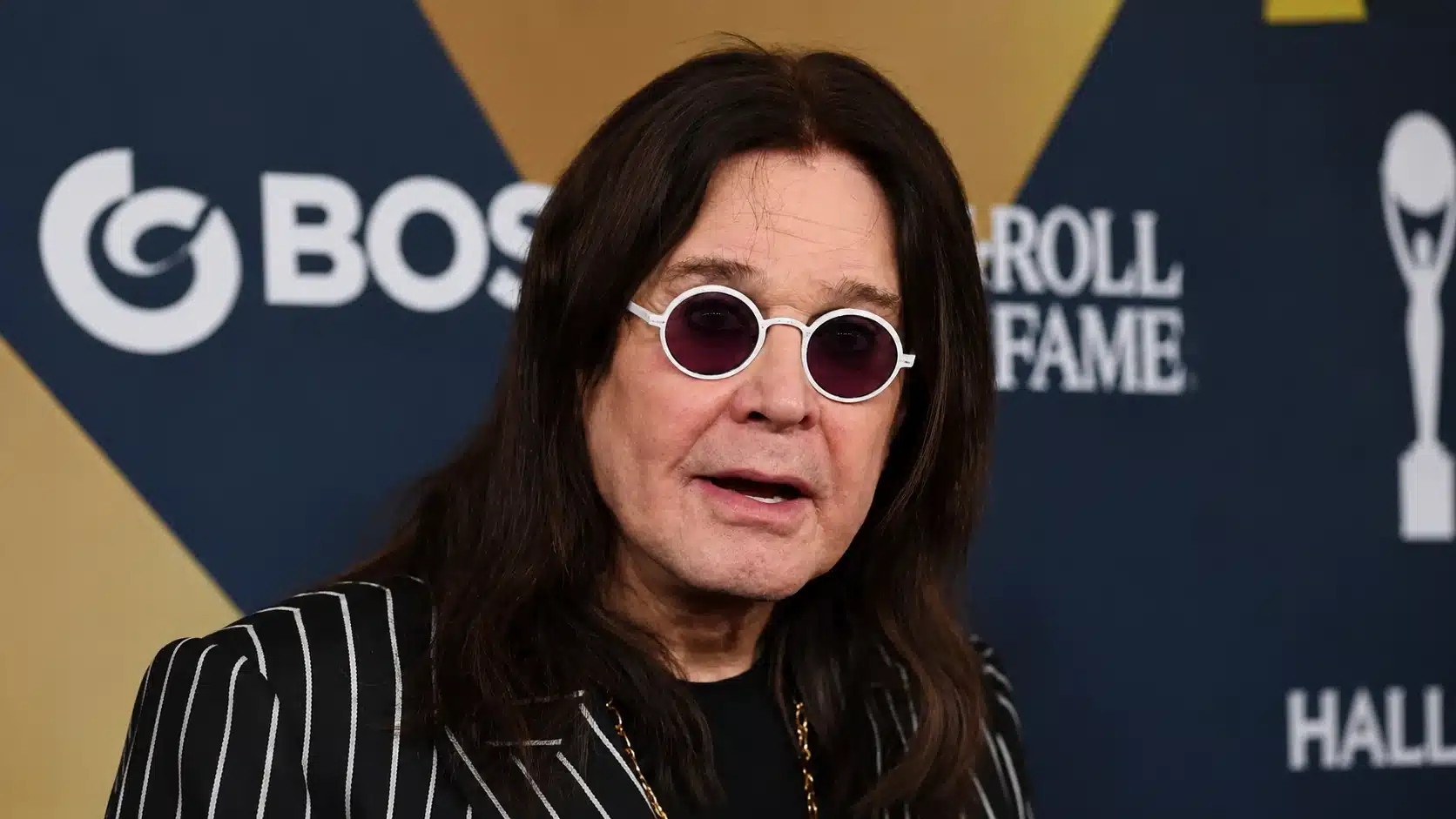
Substance: Alcohol, cocaine, LSD, heroin, Quaaludes, benzodiazepines, marijuana
Career Phase: Addiction ran through the late 1960s through the 1980s, escalating alongside his Black Sabbath years before serious sobriety began around 2014
Outcome: Fired from Black Sabbath in 1979, survived numerous overdoses, achieved sobriety by 2014, and currently identifies as California sober, using marijuana while avoiding harder substances
Ozzy Osbourne’s substance use is one of rock history’s most extreme documented cases. He consumed up to four bottles of Cognac daily, took LSD every day for over a year, and once stayed awake nine consecutive days on cocaine.
Scientists later found a rare genetic mutation that likely helped him survive consumption levels that would have been fatal for most. He achieved meaningful sobriety around 2014 and continues using marijuana today.
Celebrities Who Continue to Navigate Substance Use Challenges
Not every story has a clean turning point. The people in this section are dealing with ongoing struggles, recent setbacks, or situations that have not resolved into clear recovery narratives. Their inclusion reflects the reality that addiction rarely moves in a straight line.
28. Tommy Lee
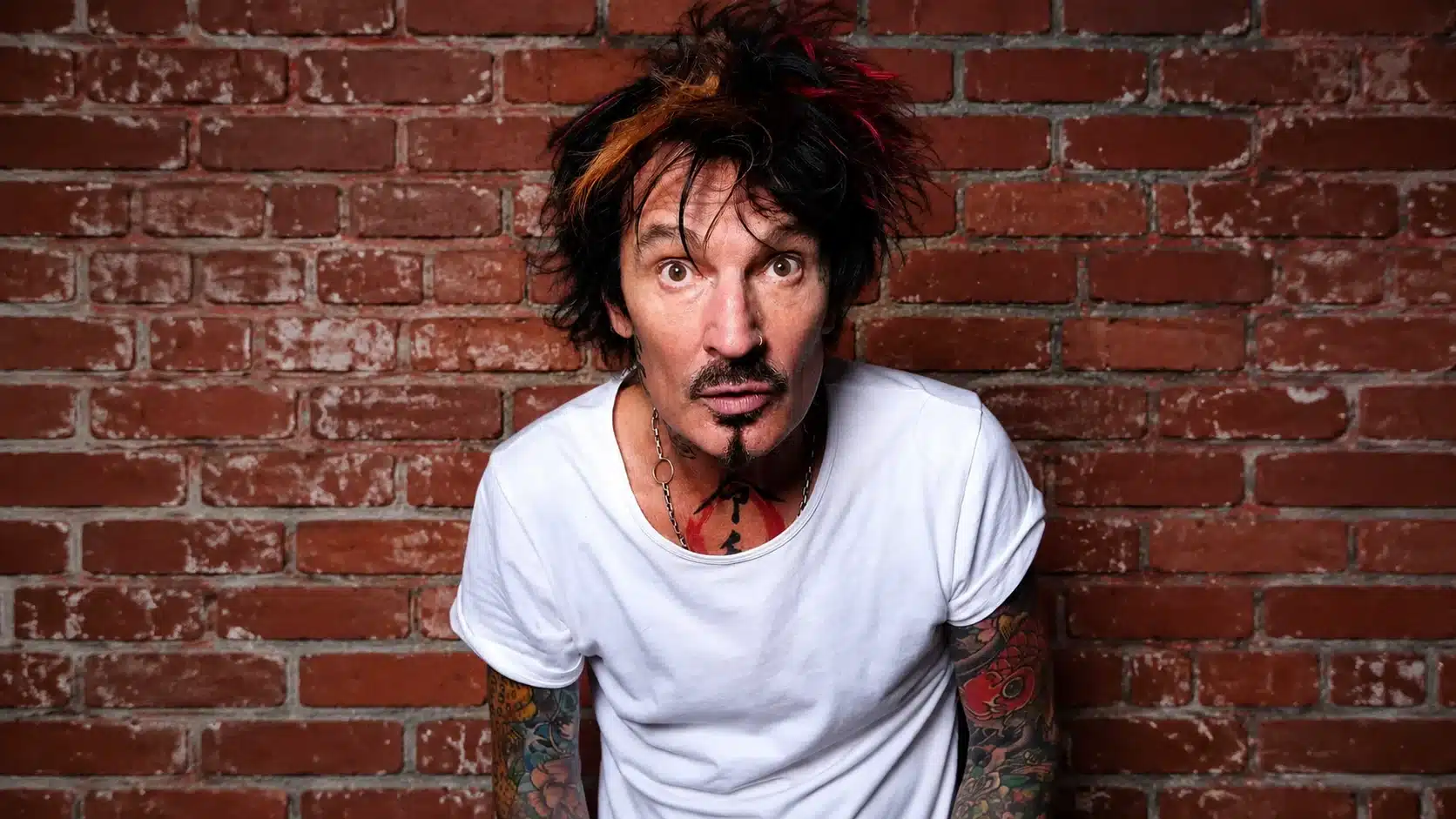
Substance: Alcohol; at his worst consuming approximately two gallons of vodka daily
Career phase: Ongoing throughout his career with Motley Crue and as a solo artist; sobriety attempts coincided with later years
Outcome: Achieved one year of sobriety in October 2023; by May 2025, multiple sources reported he had resumed drinking, and his marriage of six years ended with his drinking cited as a central issue
Tommy Lee’s battle with alcohol has been well-documented, with him admitting to drinking two gallons of vodka daily at his lowest. After entering rehab and reaching one year of sobriety in late 2023, he struggled with a relapse by May 2025, as reports confirmed his heavy drinking had resumed and affected his marriage. His story highlights the challenges of long-term sobriety and the impact of the environment.
29. Britney Spears

Substance: Alcohol, prescription medications, including Adderall
Career phase: Post-conservatorship era; struggles continued after her legal freedom was restored in 2021
Outcome: Her 13-year conservatorship ended in November 2021; in March 2026, she was arrested on suspicion of DUI in Ventura County, California, making it the most recent documented public incident related to substance use
Britney Spears’ conservatorship became one of the most discussed legal arrangements in celebrity history. The substance use and mental health challenges that contributed to her 2008 psychiatric hold were real, and they did not fully resolve when the conservatorship ended.
In March 2026, she was arrested by the California Highway Patrol on suspicion of DUI in Westlake Village and was later released. Her story sits at an ongoing intersection of personal health, mental wellbeing, and public scrutiny that has yet to reach a resolution.
30. Amanda Bynes

Substance: Adderall (the substance she has publicly identified as the one she abused most), cocaine, and other substances
Career phase: Following her retirement from acting in 2010, her struggles intensified in the years that followed
Outcome: Conservatorship officially ended March 22, 2022, after nearly nine years; as of early 2026, she is living independently in Los Angeles and pursuing creative projects
Amanda Bynes was one of the most talented young comedic performers of her generation. Her public breakdown between 2012 and 2014 was painful to witness, and the conservatorship that followed lasted nearly nine years.
In 2023, she experienced a psychiatric hold, underscoring that recovery does not always move in a straight line. As of early 2026, she is living independently, exploring fashion, art, and music, and maintaining a lower public profile. Her story is still being written.
31. Johnny Depp
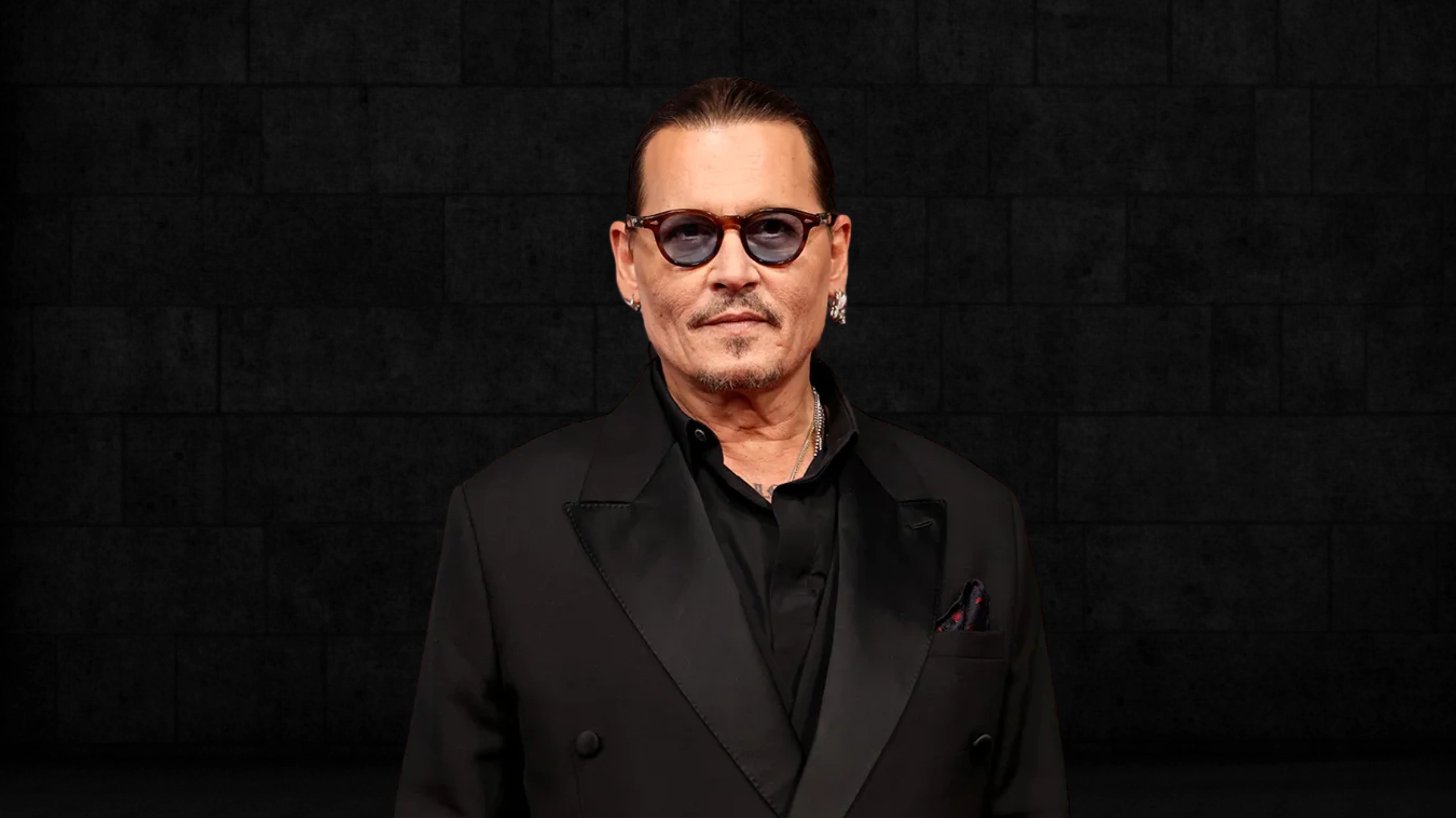
Substance: Alcohol, opioids, benzodiazepines, stimulants
Career phase: Later career; substance use became extensively documented during his high-profile defamation trial
Outcome: Substance use documented in detail through court proceedings; as of 2026, has not publicly committed to a sustained recovery program
Johnny Depp’s substance use became deeply public during his defamation trial, where text messages, recordings, and medical testimony painted a detailed picture of his history with alcohol and multiple prescription medications.
His career has been in partial recovery since the trial concluded. He has spoken about periods of sobriety at various points in his life, but has not publicly committed to a sustained recovery narrative in the way other celebrities on this list have. His situation as of 2026 remains complicated and largely private.
| ⚠️ Caution: Mental health conditions and addiction almost always co-occur. Treating only one without addressing the other dramatically reduces the chances of lasting recovery. The National Institute on Drug Abuse (NIDA) reports that people with mental illness are twice as likely to develop a substance use disorder as those without a mental health diagnosis. |
Hollywood and Drug Culture: The Industry’s Role
Hollywood has a documented culture of normalizing excess. That is not a new observation. It has been the subject of films, memoirs, and journalistic investigations for decades.
What is less often discussed is the structural reality that enables it: unpredictable work schedules, production companies that benefit from keeping stars functional by whatever means necessary, and a social ecosystem where sobriety can feel like the odd choice.
The party culture angle only goes so far as an explanation. More relevant is the professional pressure: performance-enhancing substance use, self-medication for stage fright, and the specific anxiety of maintaining a public image at all times.
Younger stars in particular often enter these environments without adequate support systems. Understanding what a standard drink is and why it matters can actually be a useful starting point for conversations about where casual use becomes dependence. The same principle applies to understanding how opioids differ from stimulants in how they hook the brain, since the mechanisms of dependence vary significantly between drug classes.
Studios have historically been reluctant to intervene in talent’s personal lives until the behavior becomes a financial liability. The result is that problems go unaddressed, even enabled, until they become public crises. Insurance requirements, casting decisions, and publicist management often obscure rather than address underlying addiction.
Note: Several celebrities on this list cite being around people who normalized substance use as a key factor in their addiction developing. Environment is one of the most underrated influences on substance use disorder.
The Fentanyl Crisis and the Celebrity Drug Supply
A pattern that appears in multiple entries on this list is fentanyl contamination. Mac Miller, Angus Cloud, and Coolio all had fentanyl in their systems despite not necessarily seeking fentanyl specifically. This is not a coincidence. It reflects the transformation of the US illicit drug supply over the past decade.
The CDC reports that synthetic opioids, primarily illicit fentanyl, were involved in over 73,000 overdose deaths in the US in 2022. Fentanyl is approximately 100 times more potent than morphine and can be lethal in quantities too small to see. It has infiltrated cocaine, counterfeit prescription pills, and even methamphetamine supplies. A person who has never intentionally used an opioid can die from fentanyl exposure during a cocaine or stimulant session they have done dozens of times before without incident.
This has fundamentally changed the risk calculus for anyone using street drugs. The “I know what I’m doing” logic that has historically given some users a degree of real protection no longer applies in the same way. Fentanyl test strips, available from harm reduction organizations and many pharmacies, can detect fentanyl in a drug supply before use and represent one of the most effective and underused harm reduction tools currently available.
The Impact of Addiction on Celebrity Careers
The career costs of addiction go beyond lost roles, public scandals, and failed projects; they reveal the long-term impact on an individual’s trajectory. Years of potential are lost, and the road to recovery can be long and uncertain.
For many celebrities, their work and reputation were deeply affected, with addiction often leaving visible and irreversible marks. Alongside public fallout, there are subtler costs: missed milestones, fractured relationships, and the sheer amount of time addiction consumes.
Some celebrities have described these lost years as irreplaceable, periods of life they cannot fully reconstruct. While rehabilitation programs designed for high-profile individuals offer privacy and premium care, they can also reinforce the notion that these stars are above standard recovery methods, sometimes hindering true healing.
When to Seek Emergency Care
🚨 Call 911 immediately if someone shows any of the following:
If naloxone (Narcan) is available and opioid overdose is suspected, administer it while calling 911. It will not cause harm if the substance involved turns out not to be an opioid. Many states now offer naloxone without a prescription at pharmacies. |
Frequently Asked Questions
What celebrities have struggled with drug addiction and are currently in recovery?
Several high-profile celebrities are in sustained recovery from substance use disorder, including Demi Lovato, Robert Downey Jr., Eminem, Kelly Osbourne, Elton John, Bradley Cooper, Jamie Lee Curtis, Matty Healy, Lindsay Lohan, and Charlie Sheen, among others on this list. Each person’s recovery looks different in terms of method, timeline, and what triggered the change.
What celebrities died from drug overdoses or addiction-related causes?
Celebrity overdose deaths include Matthew Perry (ketamine, 2023), Liam Payne (multiple substances, 2024), Angus Cloud (fentanyl, methamphetamine, cocaine, 2023), Mac Miller (fentanyl-laced cocaine, 2018), Whitney Houston (cocaine and drowning, 2012), Heath Ledger (polypharmacy, 2008), Michael Jackson (propofol, 2009), DMX (heroin and cardiac arrest, 2021), and Coolio (fentanyl and cardiac arrest, 2022).
Why do so many celebrities struggle with substance use disorder?
Celebrity substance use is driven by a combination of industry factors and personal vulnerability. Public scrutiny, irregular schedules, performance pressure, access to substances through social and professional networks, and a culture that normalizes excess all contribute. Many celebrities also entered the industry at a young age before they had the coping tools or support structures to manage those pressures without chemical help. Addiction is a medical condition, not a personal failing, and fame does not protect against it.
What is polypharmacy and why is it dangerous?
Polypharmacy is the practice of taking multiple medications simultaneously, often prescribed by different doctors who are unaware of each other’s prescriptions. Heath Ledger’s death from six combined prescription drugs is the most cited example. The drugs interact in ways that a single medication would not, and the combined sedative or respiratory effects can become fatal. This risk is common among high-profile individuals who see multiple specialists without coordinated care.
How does fentanyl contamination affect people who are not opioid users?
Fentanyl has contaminated a wide range of street drugs including cocaine, counterfeit pills, and methamphetamine. A person who has no history of opioid use and no opioid tolerance can be exposed to a lethal dose without knowing fentanyl was present. Mac Miller and Angus Cloud are among the celebrities whose toxicology reports showed fentanyl in combination with other drugs they intentionally consumed. Fentanyl test strips can detect its presence before use and are available through harm reduction organizations and many pharmacies.
Can someone recover from a near-fatal overdose and maintain long-term sobriety?
Yes, though recovery after a near-fatal overdose often involves significant medical, neurological, and psychological rehabilitation. Demi Lovato survived a 2018 overdose that she says caused three strokes and a heart attack, and has continued pursuing recovery since. Long-term sobriety is possible but rarely linear. Relapse rates for substance use disorder are comparable to other chronic illnesses like diabetes and hypertension, meaning they are a part of the condition, not a failure of character.
What role does mental health play in celebrity addiction?
Mental health conditions and substance use disorder co-occur at extremely high rates. The National Institute on Drug Abuse reports that people with mental illness are twice as likely to develop a substance use disorder. Among celebrities on this list, Kurt Cobain, Demi Lovato, Britney Spears, Eminem, DMX, and Liam Payne all had documented mental health struggles running alongside their substance use. Treating addiction without addressing the underlying mental health condition dramatically reduces the chance of lasting recovery.
What should I do if someone I know is showing signs of addiction?
If someone you know is showing signs of substance dependence, the most effective first step is a direct, non-judgmental conversation focused on specific behaviors rather than character judgments. Encourage them to speak with a doctor or addiction counselor. SAMHSA’s National Helpline (1-800-662-4357) is free, confidential, and available 24 hours a day and can help connect individuals to local treatment resources. If the situation involves active intoxication or risk of overdose, call 911 without hesitation. Many states have Good Samaritan laws that provide limited legal protection for people who call for help during an overdose.
Final Thoughts
Every story of celebrities with drug addictions reminds us that recovery is not linear. Some find lasting sobriety, while others struggle for years or never escape.
What is universal is that addiction does not follow a script. There is no single cause, no typical path, and no guaranteed outcome. What these stories teach us is the value of compassion over judgment.
If you are facing addiction yourself or supporting someone you care about, know that help and resources are available. The journey can be long and difficult, but deciding when it is time to seek help is the hardest step. Sooner is often better for lasting recovery.
Sources
- SAMHSA. “2023 National Survey on Drug Use and Health.” Substance Abuse and Mental Health Services Administration, 2023. samhsa.gov
- National Institute on Drug Abuse. “Drug Use and Mental Health Disorders: Facts.” NIDA, 2024. nida.nih.gov
- Centers for Disease Control and Prevention. “Drug Overdose Deaths in the United States: 2022.” CDC National Center for Health Statistics, 2024. cdc.gov
- Matthew Perry: What Really Happened
- Whitney Houston After Drugs: The Tragic Legacy of Addiction
- What Drugs Did Kurt Cobain Do: A Look Into His Addiction
- Why Michael Jackson Died: The Cause and Conspiracy Theories
- Why Did Justin Bieber Go to Jail: The Full 2014 Story
| About the Author: Maya Thompson Maya Thompson is a harm reduction advocate and recovery educator with over a decade of experience working with community-based treatment programs. She writes on substance use disorder, relapse prevention, and the social conditions that drive addiction, prioritizing practical, evidence-based information for people navigating recovery or supporting someone who is. |