| ⚠️ Warning: If you or someone you know is struggling with addiction or thoughts of suicide, help is available right now. Call or text 988 (Suicide and Crisis Lifeline) or call SAMHSA’s National Helpline at 1-800-662-4357 (free, confidential, 24/7). Call 911 immediately if someone is in immediate danger. |
Quick Glance: The Official Record of Kurt Cobain’s Cause of Death
| Detail | Information |
| Estimated date of death | April 5, 1994 |
| Age at death | 27 |
| Location | 171 Lake Washington Boulevard, Seattle, Washington |
| Specific area of the home | Greenhouse above the garage |
| Body discovered by | Gary Smith, an electrician arriving to install a security system |
| Time body was discovered | Approximately 9:00 a.m. on April 8, 1994 |
| Days between death and discovery | Approximately three days |
| Cause of death | Fatal shotgun wound; ruled suicide |
| Weapon | A 20-gauge shotgun found between his knees |
| Toxicology | Heroin at 1.52 mg per liter, three times the typically lethal dose; Valium also present |
| Suicide note | Found nearby, addressed to his childhood imaginary friend Boddah |
| Public memorial | April 10, 1994, at Seattle Center; approximately 7,000 fans attended |
Kurt Cobain’s cause of death was a self-inflicted shotgun wound to the head, ruled a suicide by the Seattle Police Department on April 8, 1994. He was 27 years old.
The toxicology report documented heroin at 1.52 mg per liter in his bloodstream, approximately three times the concentration considered typically lethal, alongside Valium.
Understanding how Cobain reached that point requires tracing a long history of untreated physical pain, compounding substance dependency, and a mental health crisis that never received consistent clinical support.
Cobain’s battle with drug addiction, particularly heroin, was not a sudden collapse. It was a slow accumulation of pain, inadequate medical care, and a music industry that either looked away or leaned in for the spectacle. Below is a complete account of what drugs Kurt Cobain used, why he used them, and how his addiction shaped the final years of his life.
A Life Shaped by Pain Long Before Fame
Kurt Cobain did not arrive at addiction through fame alone. His difficulties started early. Growing up in Aberdeen, Washington, Cobain dealt with his parents’ divorce at age nine, a disruption that, by his own accounts, changed something fundamental in how he related to the world.
He was later diagnosed with attention deficit hyperactivity disorder (ADHD) and prescribed Ritalin as a child, which introduced him to psychoactive substances at a young age. He also carried an unofficial diagnosis of bipolar disorder for much of his adult life, a condition that went without consistent treatment.
He also suffered from a chronic, undiagnosed stomach condition that caused him persistent pain throughout his life. When doctors could not find a clear cause or solution, Cobain turned to substances to manage the discomfort.
That pattern of self-medication followed him into adulthood and became the foundation of his dependency. By the time Nirvana broke through commercially with Nevermind in 1991, the coping habits were already deeply set.
What Drugs Did Kurt Cobain Use Throughout His Life?
Cobain’s drug use was not limited to one substance. It moved through several phases, often overlapping, and was shaped by both availability and whatever pain he was trying to quiet at the time. Below is a closer look at each substance and its role in his addiction history.
1. Heroin: The Dependency That Took Over
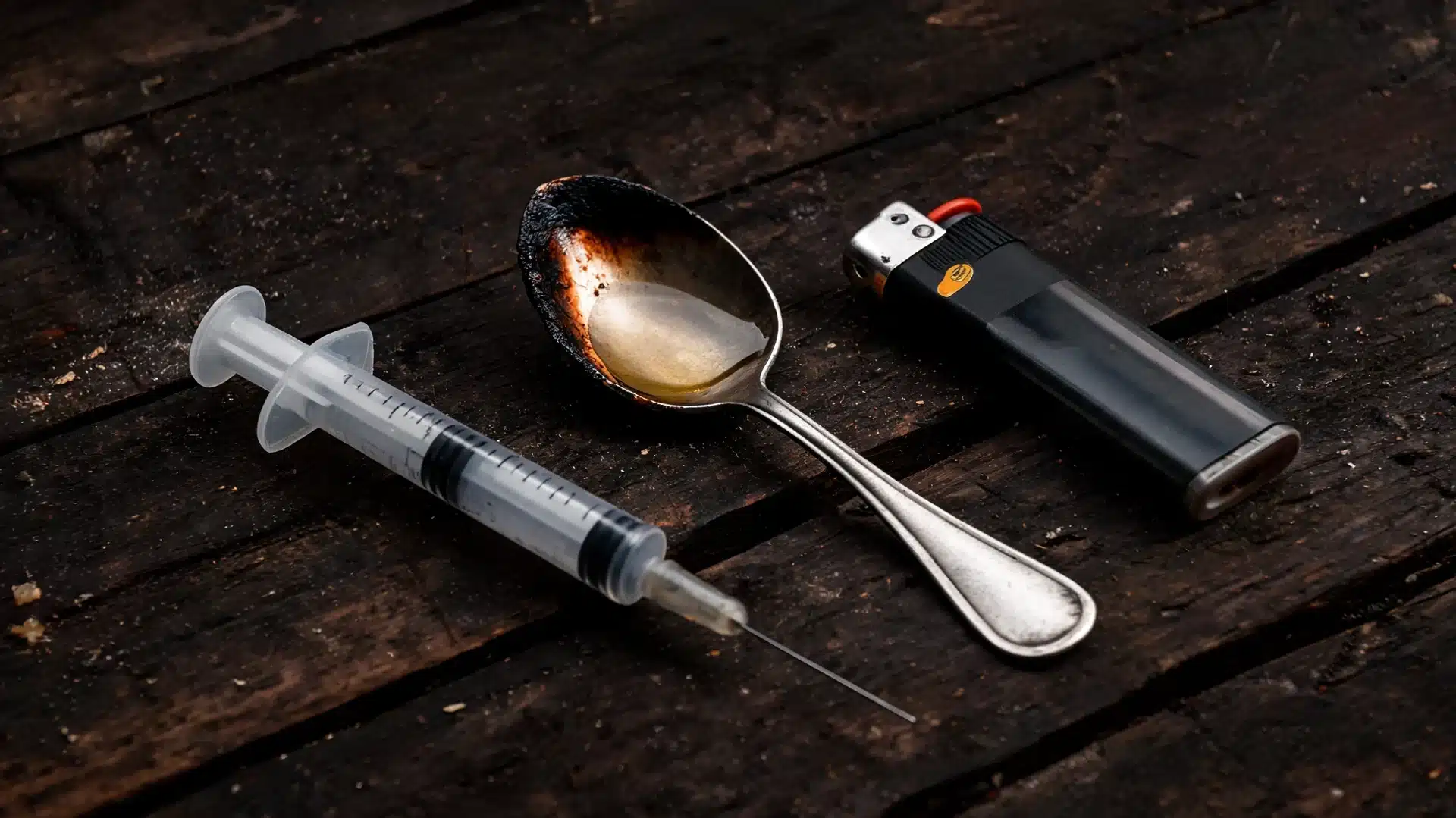
Cobain’s heroin use began around 1987, initially framed as a way to manage chronic stomach pain that years of medical treatment had failed to resolve. What started as self-medication shifted into full physical dependency within a few years.
- Physical impact: Daily use caused dangerous cardiovascular deterioration that became increasingly difficult to reverse over time.
- Psychological impact: Heroin reinforced emotional withdrawal, making it impossible to process the pressures of fame without chemical support.
- Social impact: His dependency created distance between Cobain and the people most capable of meaningful intervention.
- Treatment history: Multiple rehabilitation attempts between 1992 and 1994 each collapsed within weeks of beginning.
- Fatal outcome: His bloodstream showed a heroin concentration three times the lethal threshold alongside Valium at the time of his death.
What makes this phase significant is not just the volume of use but how quickly relief turned into full physical dependence, leaving fewer and fewer windows in which recovery remained a realistic option.
| Note: Cobain checked out of a Los Angeles treatment facility just days before his death, consistent with late-stage opioid dependency, where sobriety itself becomes physiologically and psychologically destabilizing. |
2. Prescription Painkillers: The Starting Point
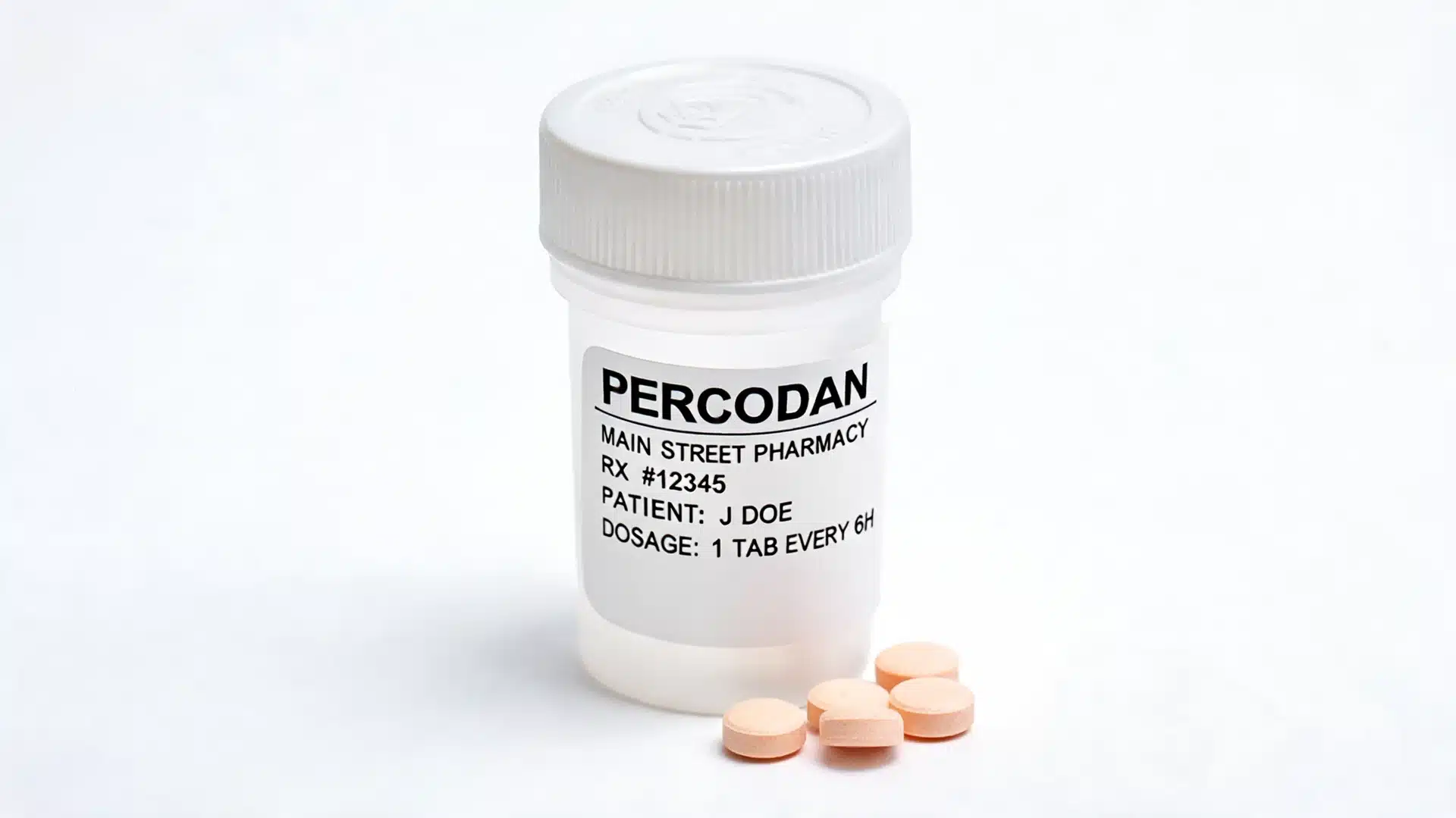
Long before heroin entered the picture, Cobain was already reliant on prescription opioids given by doctors attempting to manage legitimate, ongoing physical complaints.
- Physical impact: Percodan and codeine steadily raised his tolerance threshold, requiring higher doses for basic pain management.
- Psychological impact: Sedative effects created a lasting mental association between chemical relief and emotional calm.
- Social impact: The medical origin of his dependency made those around him slower to raise concerns early on.
- Treatment history: No formal rehabilitation was pursued at this stage, allowing opioid dependency to deepen without any structured intervention.
Dependency rarely announces itself clearly. What began as a doctor-approved response to real pain became the psychological and physical foundation on which a far more destructive habit would later be built. Cobain’s case reflects a pattern documented across addiction medicine, where untreated chronic pain and inadequate prescription oversight create the conditions for long-term opioid dependency.
| Caution: Prescription opioids carry serious dependency risks even when taken as directed. Cobain’s case reflects a wider pattern where pain management quietly becomes the foundation for long-term addiction. If you or someone you know is managing chronic pain with opioids, consult a healthcare provider about safer alternatives and dependency monitoring. |
3. Cocaine and Stimulants: The Background Pattern
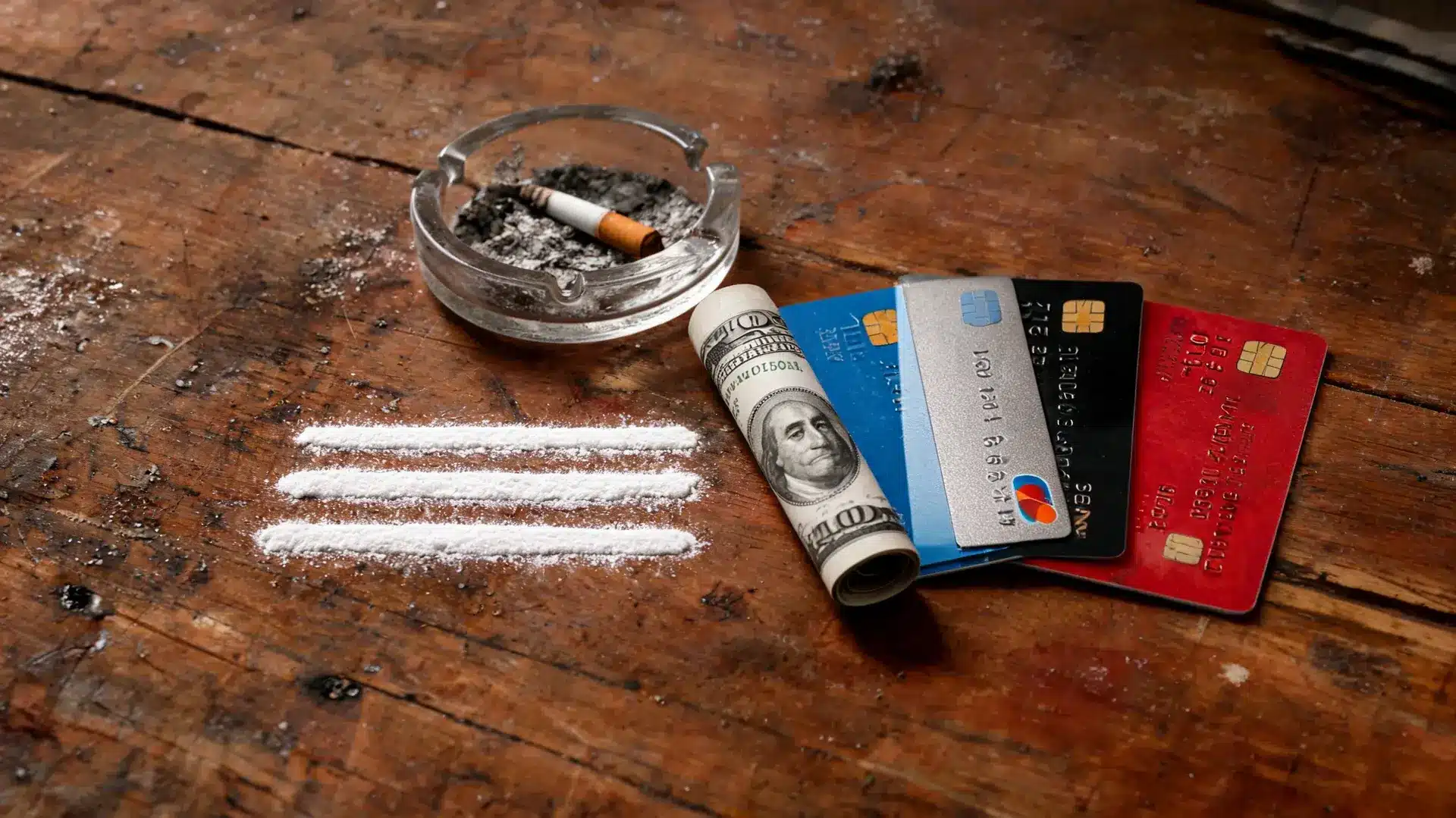
Cobain’s cocaine use never matched his opioid dependency, but it remained a consistent presence during the most intense years of Nirvana’s commercial rise.
- Physical impact: Stimulant use added cardiovascular strain to a system already weakened by chronic opioid dependency.
- Psychological impact: Cocaine temporarily masked fatigue, making the underlying emotional depletion far harder to recognize or address.
- Social impact: Tour environments normalized his stimulant use, framing it as acceptable rather than concerning behavior.
- Treatment history: Cocaine was never the focus of rehabilitation, leaving its role in the dependency cycle unexamined.
The situational nature of his cocaine use kept it in the background of a larger story. Even so, stimulants added measurable physical and psychological load to a system already strained by opioids and chronic stress.
4. Psychedelics: Early Experimentation Before the Harder Years
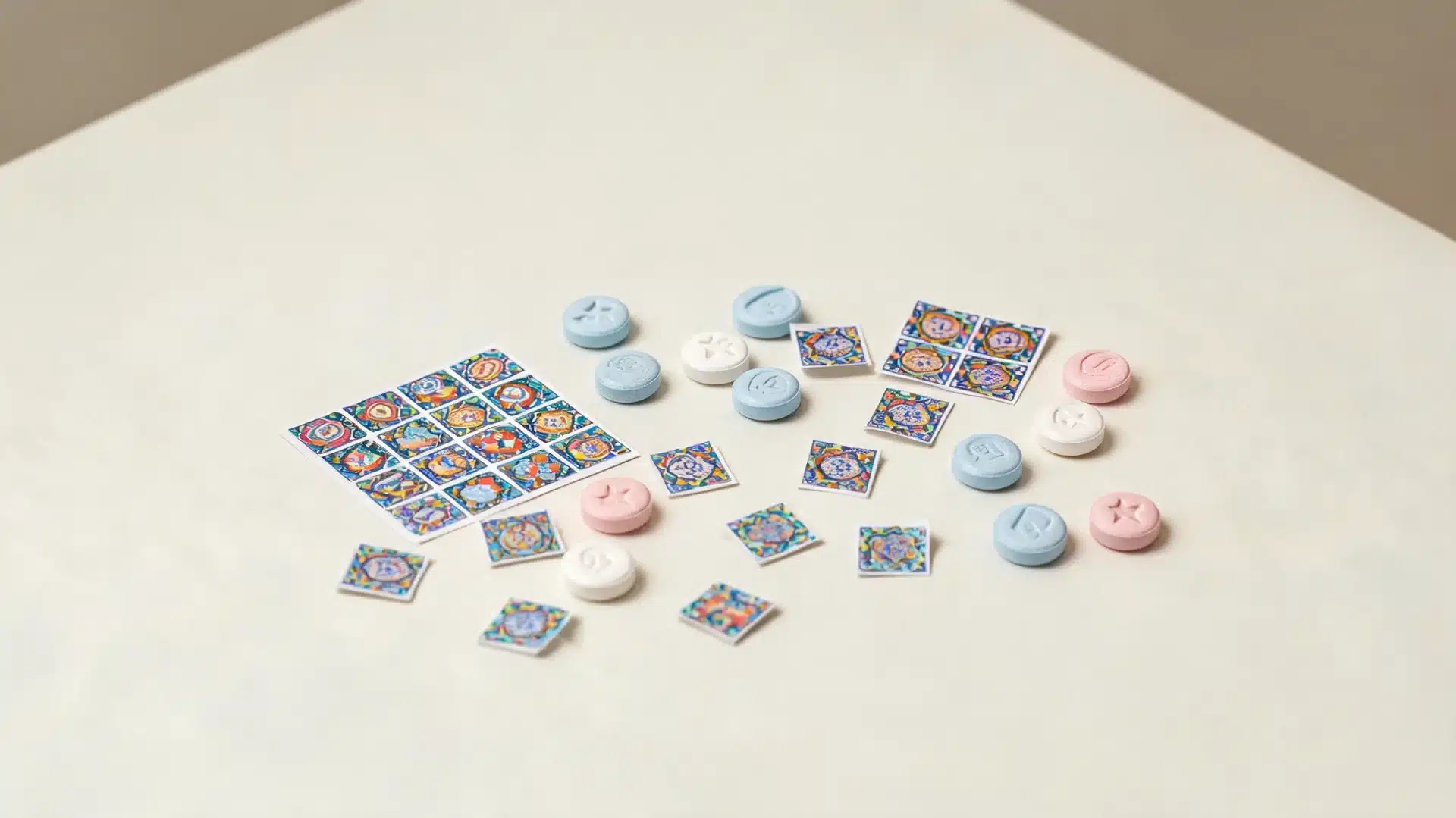
In his teenage years, Cobain engaged with LSD and ecstasy as part of the wider culture running through the late-1980s Pacific Northwest music scene.
- Physical impact: Repeated use placed neurological demands on a developing brain already navigating significant emotional instability.
- Psychological impact: These experiences reinforced seeking altered states as a primary coping mechanism for emotional pain.
- Social impact: Within the grunge scene, psychedelic use carried little stigma, lowering his resistance to future substances.
- Treatment history: Psychedelic use was never treated clinically, leaving its role in shaping long-term substance patterns unaddressed.
What the psychedelic years reveal is that Cobain’s turn toward self-medication was never a sudden collapse. It was a gradual process that began long before the world was watching and shaped every subsequent choice he made about substances.
| When to seek emergency care: If someone has used heroin and becomes unresponsive, is breathing very slowly, or has blue-tinged lips or fingertips, call 911 immediately. Naloxone (Narcan) can reverse an opioid overdose and is available without a prescription at most pharmacies. |
Kurt Cobain’s Drug Use and Addiction Timeline
Cobain’s substance use did not begin with heroin and did not end with one decision. The timeline below tracks each phase, what he was using, and what it cost him.
| Year | Substance | Context | Impact |
| Early 1980s | Alcohol, Cannabis | Teenage experimentation post-divorce | Early signs of addictive coping behavior |
| Mid 1980s | LSD, Ecstasy | Grunge scene experimentation | Openness to substance use deepened |
| Late 1980s | Prescription opioids | Chronic stomach pain management | Early opioid dependency formed |
| 1987 to 1990 | Heroin (recreational) | Self-medication for pain and emotional distress | Addiction took hold gradually |
| 1991 to 1994 | Heroin (daily use), Cocaine | Fame, pressure, and physical deterioration | Full dependency, multiple overdoses |
| March 1994 | Heroin, prescription sedatives | Rome overdose, initially reported as an accident | Near-fatal event treated as accident publicly |
| April 1994 | Heroin, Valium | Found at the death scene after leaving rehab April 4 | Officially ruled suicide |
What this timeline makes clear is that no single moment created Cobain’s dependency. Each phase built on the last, quietly closing off exits until the window for recovery had narrowed to almost nothing.
What Did Kurt Cobain Have in His System When He Died?
The toxicology report from the King County Medical Examiner’s Office documented heroin at a blood concentration of 1.52 mg per liter. For context, the threshold commonly cited as lethal in forensic literature is approximately 0.5 mg per liter, making the level found in Cobain’s system roughly three times that figure. Valium (diazepam) was also detected.
The concentration raised questions at the time about whether Cobain could have physically operated the shotgun after using that amount of heroin.
Forensic toxicologists have noted in subsequent analyses that tolerance in long-term opioid users can substantially raise the dose at which physical incapacity occurs, meaning a person with severe dependency may remain ambulatory at concentrations that would be fatal to someone without that tolerance history. The medical examiner’s ruling remained suicide.
| Note: The toxicology findings are consistent with the documented pattern of heroin use in the weeks before Cobain’s death, including his departure from the Exodus Recovery Center in Los Angeles on April 4, 1994. |
Kurt Cobain Death Ruling: Was It Suicide or Murder?
The official death ruling has been suicide since 1994, but questions about that ruling have not disappeared entirely. Understanding why those questions exist, and why investigators and forensic analysts who have reviewed the case continue to support the original conclusion, is part of the complete picture of how Cobain died.
The Official Ruling
The Seattle Police Department ruled Cobain’s death a suicide based on a scene investigation, the physical evidence, a handwritten note addressed to his childhood imaginary friend Boddah, and the toxicology results. The note contained language interpreted as consistent with a decision to end his life, referencing his alienation from music and his perceived inability to connect with audiences in the way he once had.
Why Some People Dispute the Ruling
The primary argument from those who dispute the suicide ruling centers on the heroin concentration. Critics have argued that at 1.52 mg per liter, Cobain could not have operated the shotgun.
Investigators including private detective Tom Grant, hired by Courtney Love after Cobain went missing, have publicly questioned whether the investigation was conducted thoroughly. Grant has maintained a website and documentary presence advocating for a homicide investigation for decades.
Additional points raised include the question of legible fingerprints on the shotgun (only a partial print was recovered), the interpretation of the suicide note (which some analysts read as a letter of retirement from music rather than a note of intent to die), and gaps in the timeline of who knew Cobain’s whereabouts in his final days.
What the Evidence Actually Shows
Multiple independent forensic reviews have not produced evidence that overturns the original ruling. The Seattle Police Department reopened a review in 2014 and found no new evidence warranting a change.
The tolerance argument, while frequently cited, does not account for the documented pattern of high-dose use by long-term heroin users, and forensic experts who have reviewed the case publicly have generally concluded the physical evidence is consistent with suicide. The note, while ambiguous in some passages, was authenticated as Cobain’s handwriting.
The homicide theory remains without confirmed physical evidence to support it. The official cause of death remains a self-inflicted gunshot wound, ruled suicide.
Frances Bean Cobain: The Daughter He Left Behind
Frances Bean Cobain was born August 18, 1992, to Kurt Cobain and Courtney Love. She was 20 months old when her father died.
She was named Frances after the Vaselines’ Frances McKee, and her middle name came from Cobain’s admiration for the Beat Generation writer William S. Burroughs, who went by the pseudonym “Bean” in some circles.
The naming was characteristically Cobain: literary, specific, and meaningful to him alone.
Frances Bean grew up in a heavily public environment despite both parents’ attempts at privacy. Her parents’ drug use during her early life became a subject of intense media scrutiny, particularly after a 1992 Vanity Fair profile by Lynn Hirschberg raised concerns about Courtney Love’s heroin use during pregnancy. Love has since disputed the article’s characterization.
Frances Bean later worked as a visual artist and model, and was briefly married to Isaiah Silva from 2014 to 2017. She has spoken publicly about the complications of inheriting her father’s legacy and the difficulty of growing up with his absence and his mythology simultaneously.
In interviews, she has described navigating grief for someone she never fully knew, while also managing the weight of what he represents to millions of other people.
She controls a significant portion of Cobain’s estate through the Kurt Cobain Trust and has been involved in decisions about how his image and catalog are used.
Her relationship with that legacy has evolved publicly over the years, from visible resistance to a more reflective engagement with what her father’s life actually meant, separate from what the music industry and media made of it.
Courtney Love and Kurt Cobain: Two Addictions, One Relationship
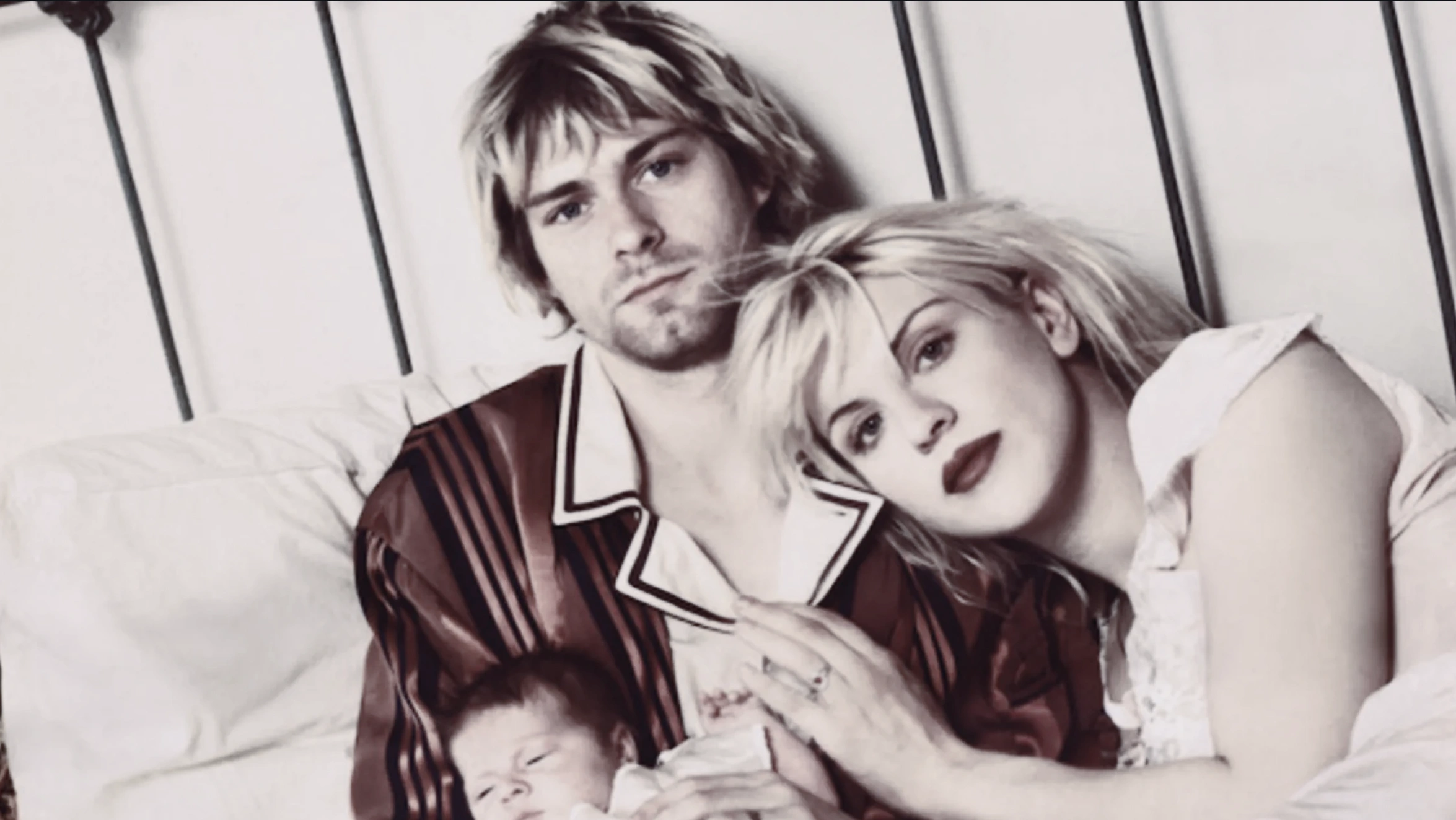
Before she became inseparable from Cobain’s story in the public eye, Courtney Love had already built her own complicated history with substances, fame, and survival. Understanding her as an individual matters to understanding the environment Cobain was in.
Her Own Addiction and Public Life
Courtney Love is a musician, actress, and founder of the band Hole, who spent much of the 1990s navigating her own serious substance dependency alongside a career that kept her permanently in public view. Her addiction to heroin was not a footnote to Cobain’s story; it was a parallel crisis unfolding in real time.
Love has been candid in interviews about the depth of her opioid use during that period, including how it shaped her decision-making, her public image, and the ongoing scrutiny she faced from a media that was rarely sympathetic. She is reported to be sober and has been living in London since 2019.
Their Relationship and Shared Dependency
Cobain and Love married in February 1992, at a point when both were already actively using heroin. Friends and bandmates from that period consistently described a dynamic where each person’s dependency made the other’s harder to confront or treat.
Love has spoken publicly about attempting to reduce her use during her pregnancy with Frances Bean, a decision made under intense media and legal pressure after the Vanity Fair profile raised serious concerns.
Their relationship did not create their addictions, but it created an environment where shared substance use was normalized between two people who each needed independent, consistent support that neither fully received.
This Yelloers documentary on YouTube covers how Love’s personal history with addiction extended well beyond her years with Cobain.
Media Pressure and the Heroin Chic Narrative
The term “heroin chic” became cultural shorthand in the early 1990s for a specific aesthetic that mainstream media alternately criticized and glamorized. Cobain and Love were frequently placed at the center of that narrative, not entirely fairly.
What was being read as a deliberate pose was an actual addiction causing measurable damage to both of their lives in real time. The media’s framing made it harder, not easier, for either of them to be seen as people who needed clinical support rather than symbols of a cultural moment. Photographers and publications profited from imagery that, in any other context, would have read as a visible health crisis.
That sustained external pressure added another layer of difficulty to what was already a serious situation for both individuals. Being watched that closely, and that reductively, made the distance between them and real help considerably wider.
| Note: The “heroin chic” trend of the 1990s has been widely criticized for normalizing the visible signs of addiction. The fashion and media industries have since faced significant scrutiny for their roles during that period. |
Mental Health: The Underlying Crisis
Cobain’s death cannot be reduced to substances alone. Beneath the addiction was a long history of untreated psychological pain that shaped nearly every decision he made in his final years.
- Childhood trauma: His parents’ divorce at age nine left a lasting mark on how he processed emotional pain throughout his life.
- Diagnosed conditions: He carried diagnoses of bipolar disorder and ADHD, both of which went without consistent, adequate treatment.
- Chronic physical pain: An undiagnosed stomach condition compounded his mental health struggles, making it harder to separate physical suffering from psychological distress.
- Persistent depression: His published journals reveal a sustained thread of self-doubt, isolation, and despair that existed long before fame arrived.
- Fame as pressure: Public visibility intensified existing struggles rather than relieving them, removing the privacy needed to seek real support.
What makes Cobain’s mental health story significant is how long it went without serious intervention. The signs were present in his writing, his interviews, and the accounts of people closest to him, well before the final weeks arrived.
The Final Weeks and the Role of Heroin
In March 1994, Cobain overdosed in Rome, initially reported publicly as an accident. Those close to him have since described it as a serious warning sign that was not adequately addressed in the days that followed.
He was admitted to the Exodus Recovery Center in Los Angeles on April 1, 1994. He left without completing treatment on April 4. His body was discovered on April 8.
The toxicology report confirmed a lethal concentration of heroin alongside Valium. His death was ruled a suicide. Whatever the full emotional picture was in those final days, the heroin dependency was central to the physical and psychological state he was in.
For a more complete account of how his addiction progressed in those final months, FHE Health provides a clinically grounded perspective on the trajectory of his dependency.
| Caution: If you or someone you know is struggling with addiction or suicidal thoughts, please reach out to a mental health professional or call the 988 Suicide and Crisis Lifeline by dialing or texting 988. Cobain’s story is a reminder of what goes unaddressed when people in crisis do not receive consistent, adequate support. |
His Legacy: How Addiction Shaped His Music

Cobain’s music carried the weight of what he was living through, and that is a significant reason it connected so deeply with listeners. Songs like “Pennyroyal Tea” and “Dumb” are not subtle about the emotional and physical exhaustion at their core.
His lyrics gave language to a kind of pain that many young people recognized but had never heard expressed so directly in mainstream music before. The suffering was real, and audiences felt that immediately.
The mental health dimension of his songwriting continues to resonate decades later.
The way music from that period addressed depression, alienation, and self-destruction helped shift broader cultural conversations about these topics in ways that academic or clinical voices had not managed to reach.
The industry surrounding that music, however, was consistently slow to protect the very people making it possible.
What His Story Tells Us About Addiction and Fame
Cobain’s case illustrates something important about how addiction operates inside high-pressure environments. Fame did not cause his addiction, but it removed the ordinary friction that sometimes slows a dependency down.
Money removed financial barriers to obtaining substances. A demanding schedule removed recovery time. Public scrutiny removed the privacy needed to seek help without consequences.
The cultural analysis of Cobain’s lasting influence in The New Yorker points to the contradiction at the center of his legacy: a figure who communicated pain more honestly than almost anyone in his generation, within an industry structurally unable to respond to that pain meaningfully.
| Tip: When examining the lives of musicians who struggled with addiction, it is worth separating the romanticized cultural narrative from the medical reality. Addiction is a clinical condition, not a personality trait or a marker of artistic depth. |
Frequently Asked Questions
What was Kurt Cobain’s cause of death?
Kurt Cobain’s cause of death was a self-inflicted shotgun wound to the head, ruled a suicide by the Seattle Police Department. His body was discovered on April 8, 1994, in the greenhouse above the garage at his Seattle home. The toxicology report documented heroin at 1.52 mg per liter in his bloodstream alongside Valium, and a handwritten note was found at the scene.
How old was Kurt Cobain when he died?
Kurt Cobain was 27 years old when he died, making him one of the most cited members of what is informally called the 27 Club, a group of musicians who died at that age including Jimi Hendrix, Janis Joplin, Jim Morrison, and Amy Winehouse. He was born February 20, 1967, and his estimated date of death is April 5, 1994.
What did Kurt Cobain have in his system when he died?
The toxicology report confirmed heroin at a concentration of 1.52 mg per liter, approximately three times the level typically considered lethal in forensic medicine. Valium (diazepam) was also present. Forensic toxicologists have noted that documented high-tolerance opioid users can remain physically capable at concentrations that would be fatal to someone without that dependency history, which is a central factor in the medical examiner’s sustained suicide ruling.
Was Kurt Cobain’s death ruled a murder or a suicide?
Kurt Cobain’s death was ruled a suicide by the Seattle Police Department and the King County Medical Examiner’s Office. The ruling has not changed despite periodic public challenges from private investigators and documentary filmmakers. The Seattle Police Department reopened a review of the evidence in 2014 and found nothing that warranted reclassifying the manner of death. The homicide theory remains without confirmed physical evidence to support it.
Did Kurt Cobain ever seek treatment for his addiction?
Yes, Cobain entered rehabilitation programs multiple times. His final attempt was at the Exodus Recovery Center in Los Angeles, where he was admitted on April 1, 1994. He left against medical advice on April 4 and died four days later. His treatment history reflected the difficulty of sustaining recovery without consistent long-term support, which addiction medicine research consistently identifies as a key factor in relapse and treatment dropout.
How did Kurt Cobain’s drug use affect Nirvana as a band?
His addiction caused missed commitments, unpredictable behavior, and growing tension within the band. Bandmates Dave Grohl and Krist Novoselic were aware of his struggles and participated in an intervention in March 1994, shortly before Cobain entered treatment. The instability made sustained touring and recording increasingly difficult in the final two years of the band’s existence.
What happened to Frances Bean Cobain after her father died?
Frances Bean Cobain was raised primarily by Courtney Love following her father’s death. She later pursued a career as a visual artist and was briefly married to musician Isaiah Silva from 2014 to 2017. She controls a significant portion of her father’s estate and has been involved in decisions about his image and catalog. In public statements over the years she has spoken about the complexity of grieving someone she never fully knew while also managing the weight of his cultural legacy.
Did Kurt Cobain’s stomach condition contribute to his drug use?
Yes. Cobain frequently cited a chronic, undiagnosed stomach condition as a primary reason he turned to opioids in the first place. When conventional medical treatment failed to resolve his pain, he found that heroin reduced the discomfort, which accelerated his dependency significantly over time. This pattern of self-medication in response to unresolved chronic pain is well-documented in addiction medicine literature as a significant pathway to opioid dependency.
Sources
- FHE Health. “Kurt Cobain’s Heroin Addiction: A Clinical Perspective.” FHE Health Learning Center. Available at: fherehab.com/learning/kurt-cobain-heroin
- Cross, Charles R. Heavier Than Heaven: A Biography of Kurt Cobain. Hyperion, 2001. Primary biographical source for timeline and personal history details.
- King County Medical Examiner’s Office. Toxicology and death records, April 1994. As reported in contemporaneous Seattle police documentation and subsequent journalistic accounts.
- The New Yorker. “My Time with Kurt Cobain.” The New Yorker. Available at: newyorker.com