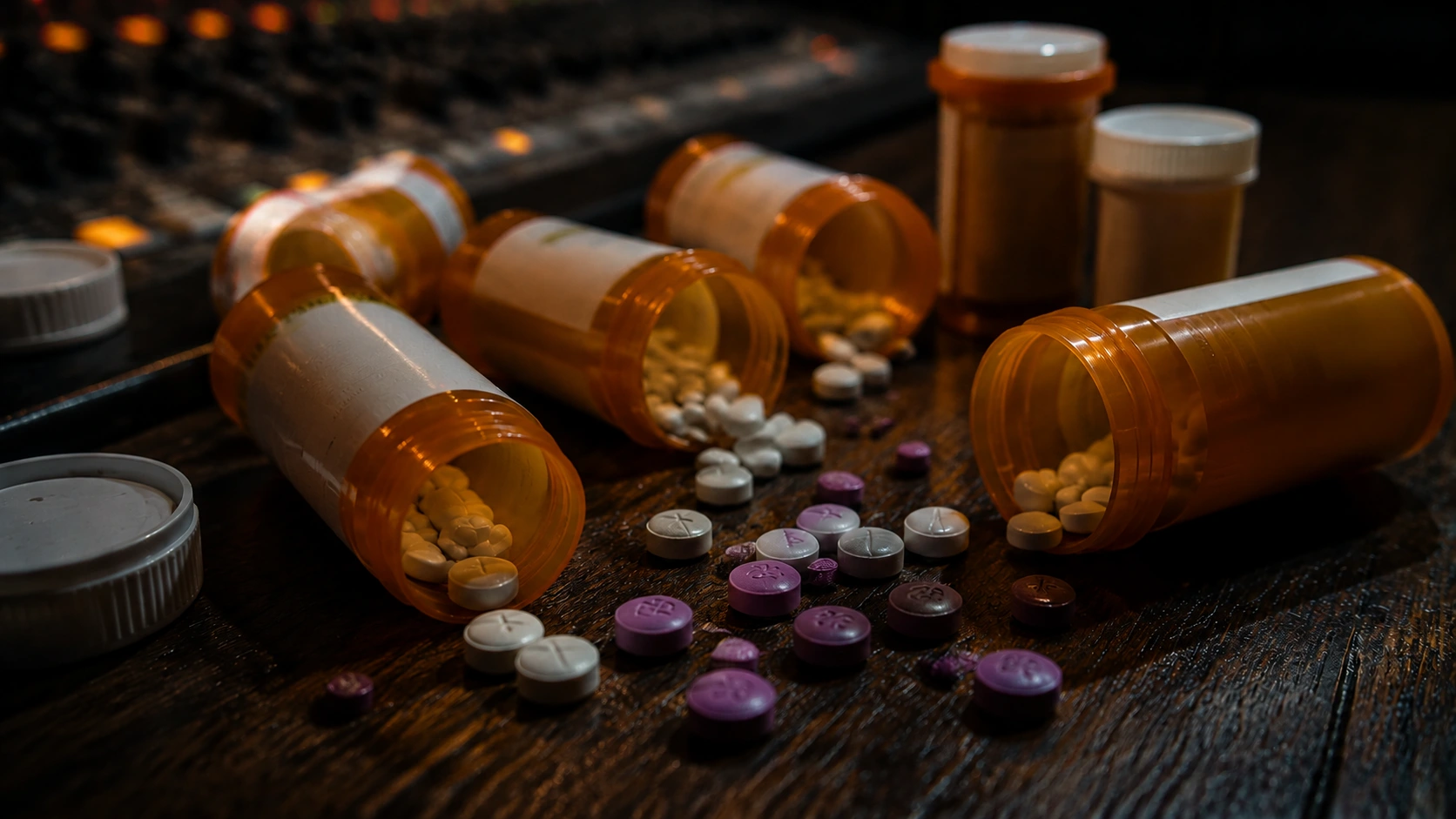
| ⚠️ If you or someone you know is struggling with substance use, call SAMHSA’s National Helpline at 1-800-662-4357 (free, confidential, 24/7). If someone is unresponsive or not breathing, call 911 immediately. |
Quick Glance: Rappers Who Died From Drugs
| Artist | Year of Death | Primary Substance | Age |
| DJ Screw | 2000 | Codeine-promethazine | 29 |
| Ol’ Dirty Bastard | 2004 | Cocaine and Tramadol | 35 |
| Pimp C | 2007 | Codeine (lean) | 33 |
| Baatin | 2009 | Cocaine | 35 |
| Eyedea | 2010 | Opiate toxicity | 28 |
| Chris Kelly | 2013 | Cocaine and heroin (speedball) | 34 |
| A$AP Yams | 2015 | Mixed drug intoxication | 26 |
| Lil Peep | 2017 | Fentanyl and alprazolam | 21 |
| Mac Miller | 2018 | Fentanyl, cocaine, and alcohol | 26 |
| Juice WRLD | 2019 | Oxycodone and codeine | 21 |
| Chynna Rogers | 2020 | Accidental drug overdose | 25 |
| Lexii Alijai | 2020 | Fentanyl and alcohol | 21 |
| DMX | 2021 | Cocaine-induced cardiac event | 50 |
| HellaSketchy | 2021 | Opioid overdose | 18 |
| Shock G | 2021 | Fentanyl, meth, ethanol | 57 |
| Big Scarr | 2022 | Prescription pill overdose | 22 |
| Coolio | 2022 | Fentanyl, heroin, meth | 59 |
| SauxePaxk TB | 2022 | Multi-drug toxicity | 17 |
| Gangsta Boo | 2023 | Fentanyl, cocaine, and alcohol | 43 |
Hip-hop has produced some of the most raw, honest music of any genre. It has also lost some of its most talented voices far too soon. Reading their cause-of-death reports never feels abstract. It feels like a pattern that keeps repeating and deserves a serious, clear-eyed look.
From lean to fentanyl, from prescription pills to cocaine, the substances change but the outcome often does not. This piece covers the rappers who died from drugs, what was found in their systems, and what the broader picture tells you about addiction inside one of the world’s most high-pressure industries.
The Culture That Made Substance Abuse Invisible Until It Was Not
Hip-hop did not create drug addiction, but for decades it normalized the imagery around it. Lean, also known as purple drank, was celebrated in lyrics long before it began showing up in toxicology reports.
Prescription pills became status symbols. Fentanyl, which most artists did not even know they were consuming, began appearing in counterfeit versions of those same pills. The industry rewarded output and penalized vulnerability, so artists in serious trouble kept performing, recording, and touring rather than getting help.
Understanding that environment matters because it explains why so many deaths came as a shock to fans, while those closer to these artists often saw the signs well in advance.
| 📝 Note: Many of the overdose deaths listed here involved fentanyl that was unknowingly present in other substances. Counterfeit pills are now one of the leading causes of accidental overdose deaths in the United States, according to the CDC’s overdose surveillance data. |
Rappers Who Died From Drugs: A Closer Look at Each Loss
The tragic deaths of many hip-hop artists due to drug overdoses highlight a concerning pattern. The following section covers each loss, the substance involved, and what made that particular death a turning point in how the broader culture understood addiction.
1. DJ Screw (2000)
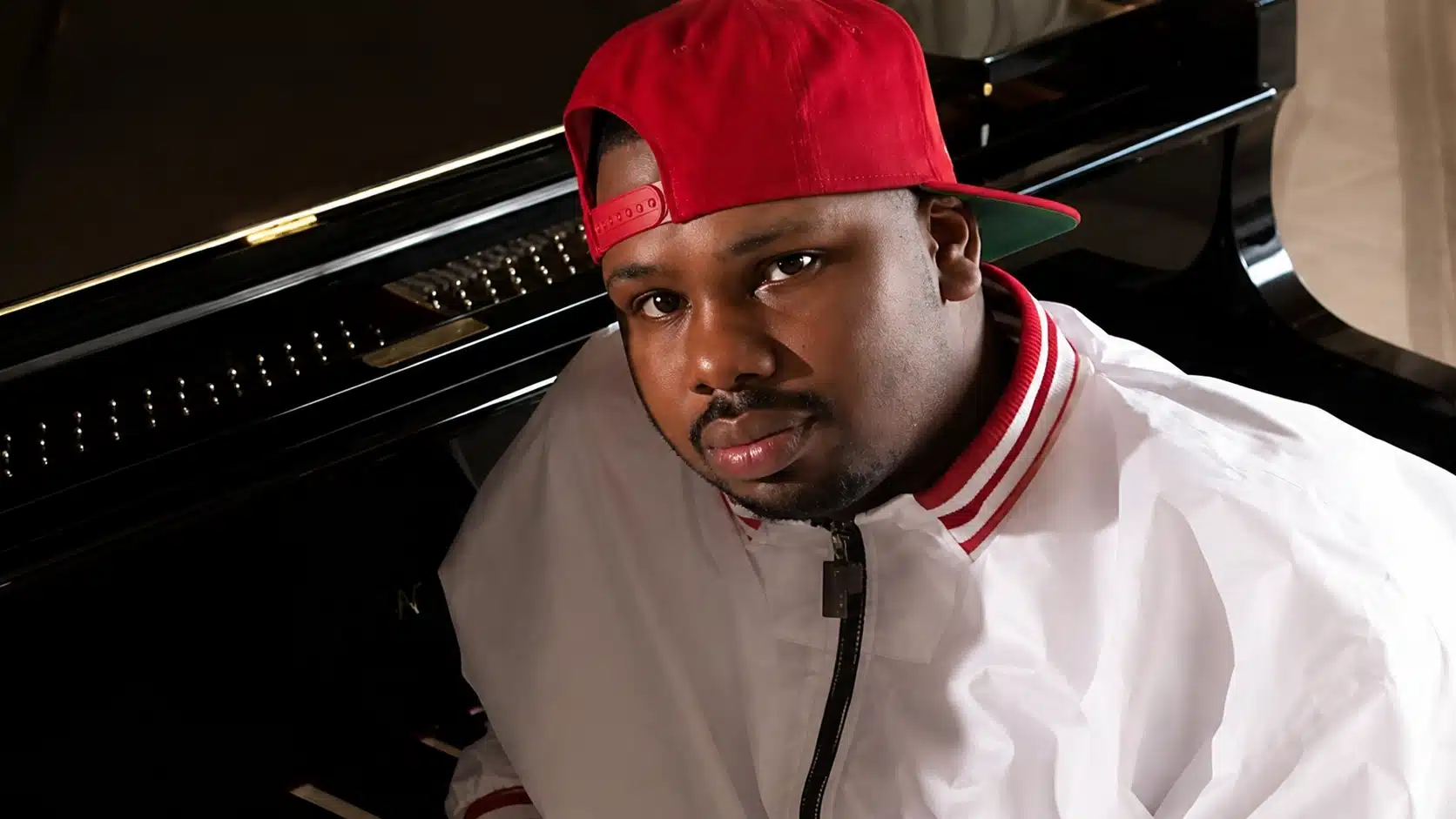
Robert Earl Davis Jr., known as DJ Screw, died on November 16, 2000, from a codeine-promethazine overdose. He was 29. DJ Screw built the chopped and screwed subgenre out of Houston, and lean was woven into that culture from the beginning.
His death was one of the earliest high-profile cases connecting lean directly to a fatality in hip-hop, though the industry took years to treat it as a warning rather than a footnote.
| ⚠️ Caution: Codeine-promethazine syrup, commonly mixed with soda to make lean, suppresses the central nervous system. Even small increases in dosage can cause respiratory failure, particularly during sleep. |
2. Ol’ Dirty Bastard (2004)
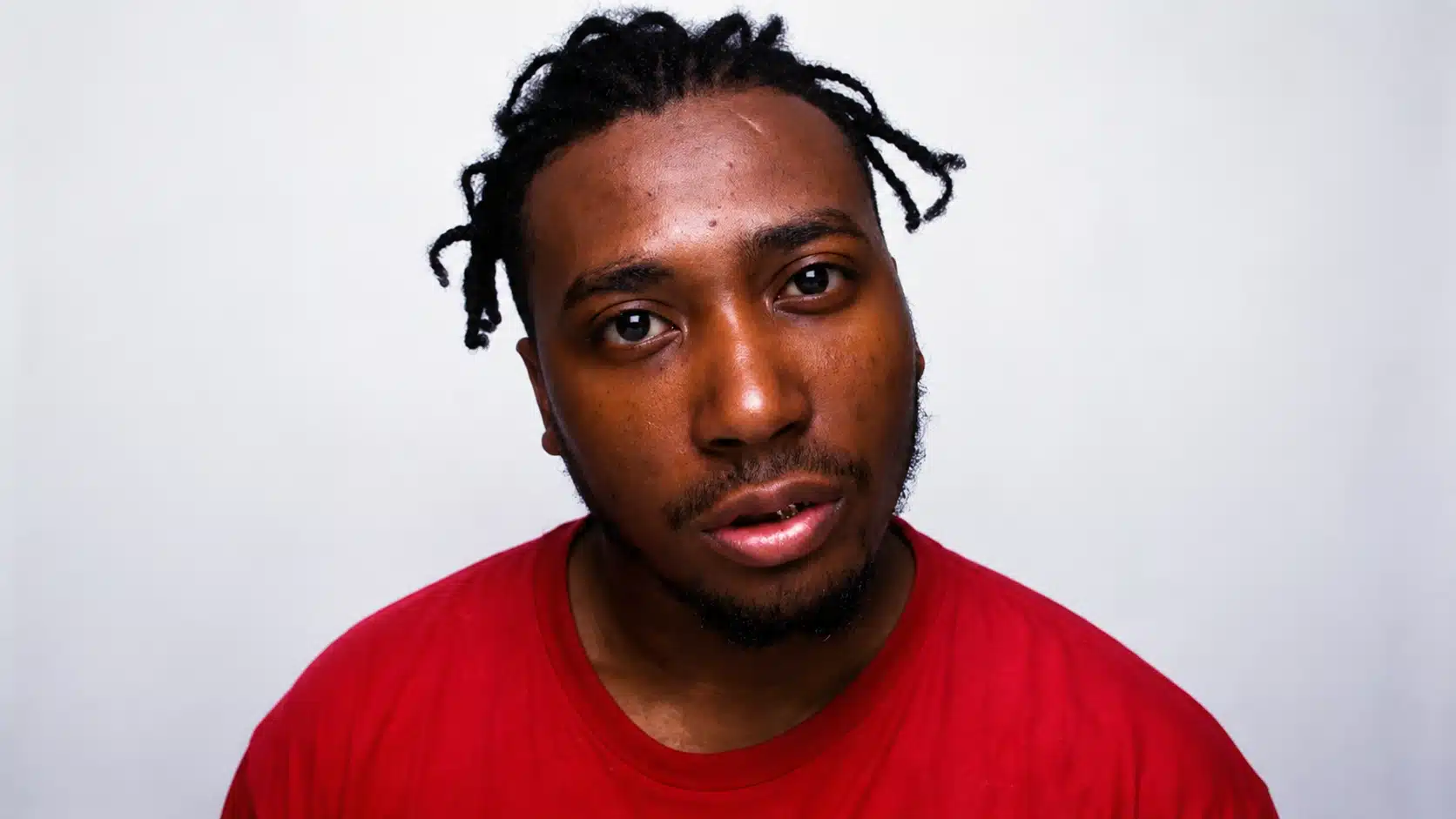
Russell Tyrone Jones, known as Ol’ Dirty Bastard, died on November 13, 2004, two days before his 36th birthday. The cause was a lethal combination of cocaine and Tramadol.
ODB was one of the most distinctive voices in Wu-Tang Clan history, and his death came while he was actively recording new material. His substance use had been publicly documented for years, but the industry around him kept moving at full speed regardless.
3. Pimp C (2007)
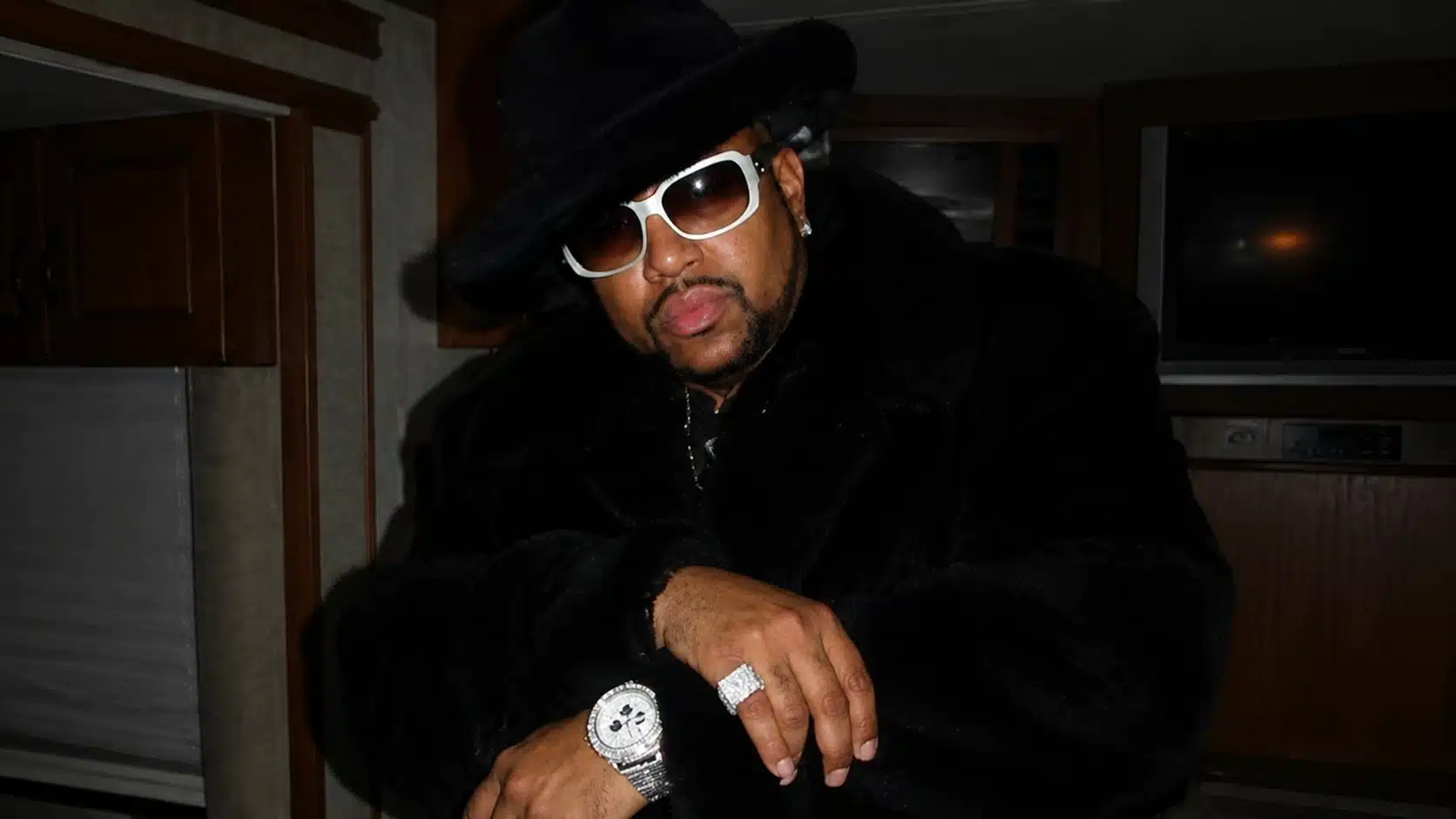
Chad Butler, one-half of UGK and one of the architects of Southern rap, died on December 4, 2007. His death was ruled an accidental overdose involving promethazine and codeine, compounded by a pre-existing sleep apnea condition.
Pimp C had spoken openly about lean use, and his profile in the genre meant his death carried significant weight. The Los Angeles Times documented the full circumstances of Pimp C’s death, including how his sleep apnea amplified the respiratory risk of codeine use.
4. Baatin (2009)

Titus Glover, known as Baatin and a founding member of Slum Village, died on July 30, 2009, from a cocaine overdose. He was 35. Baatin had struggled with mental health issues alongside substance use for several years before his death.
His case reflects something that comes up repeatedly across this list: addiction and untreated mental illness operating together, with neither getting the structured support it needed.
5. Eyedea (2010)
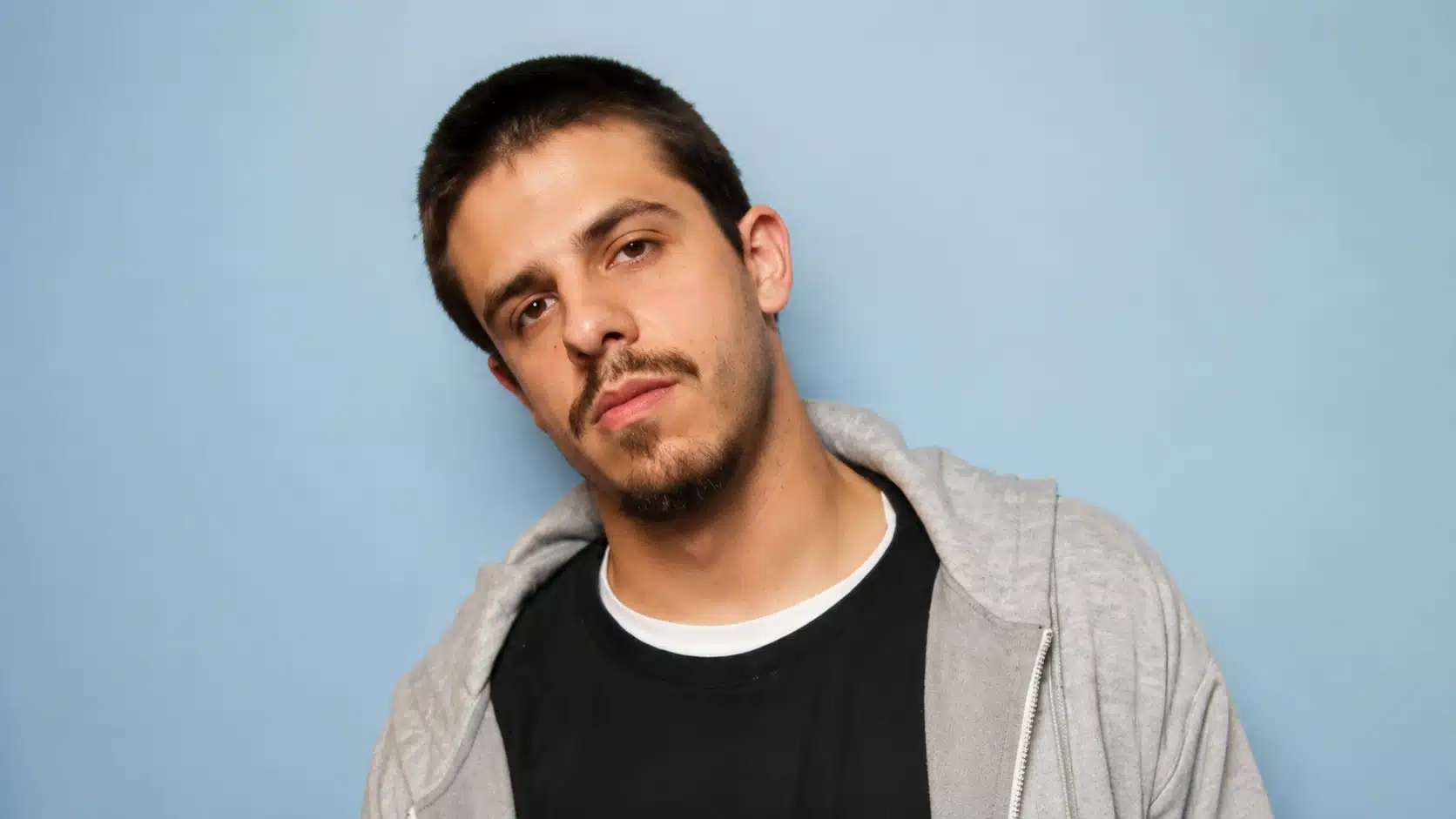
Micheal Larsen, known as Eyedea, was a celebrated battle rapper and recording artist who died on October 16, 2010, from opiate toxicity. He was 28.
Eyedea was known for his technically complex lyricism and introspective subject matter. His death received limited mainstream coverage but resonated deeply within underground hip-hop communities, where his influence had been substantial for over a decade.
| 📝 Note: Underground and independent artists are underreported when they die from the same substances as their major-label peers, and they typically have far less institutional support around them while they are still alive. |
6. Chris Kelly (2013)
Christopher Kelly, known as Mac Daddy and one-half of the 1990s rap duo Kris Kross, died on May 1, 2013, from a speedball overdose combining cocaine and heroin. He was 34.
Kris Kross had achieved mainstream success with their 1992 hit “Jump,” and Kelly had reportedly struggled with drug use for years before his death.
The Atlanta Medical Examiner confirmed a mixture of substances in his system. His case represents an earlier wave of rapper deaths that has since been overshadowed by the fentanyl era, but it set a visible precedent the industry largely ignored.
7. A$AP Yams (2015)
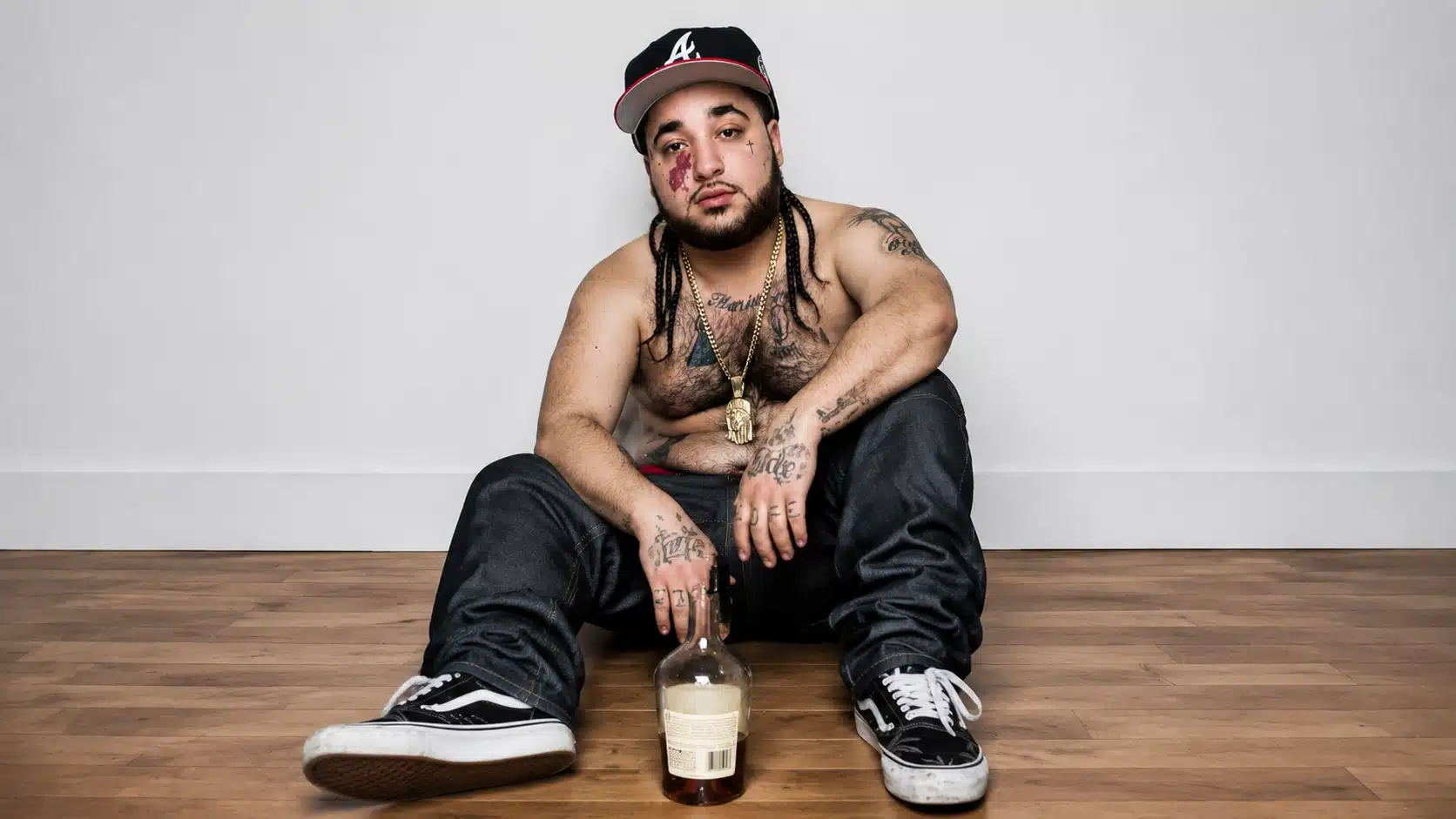
Steven Rodriguez, known as A$AP Yams and the co-founder of A$AP Mob, died on January 18, 2015, from acute mixed drug intoxication. He was 26.
Yams was not primarily known as a performer but as a tastemaker, the person who shaped A$AP Mob’s sound, image, and direction. His death hit the group hard and publicly.
The pressure of managing one of hip-hop’s most visible collectives while managing his own dependency had been visible to those around him for some time.
8. Lil Peep (2017)
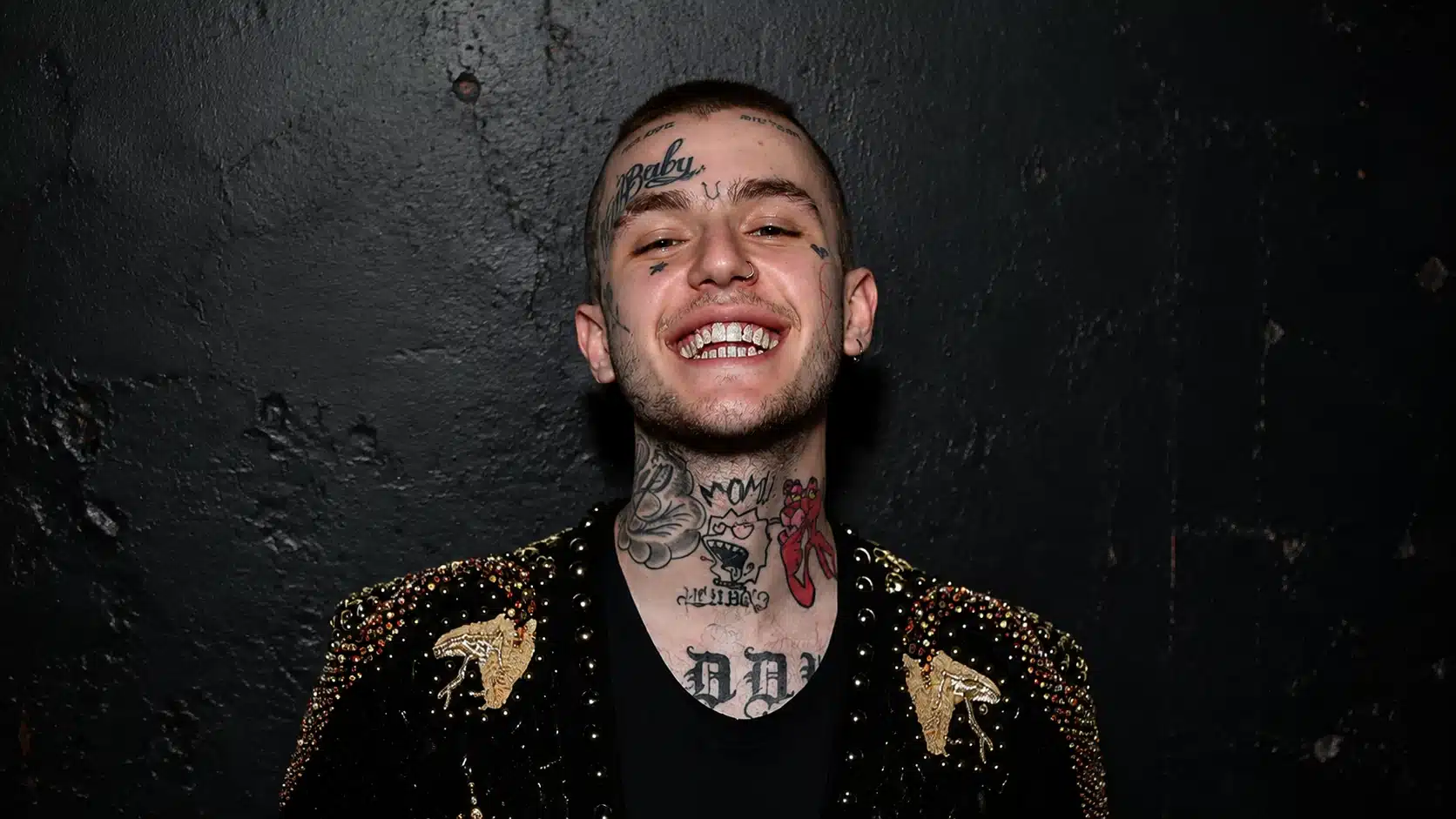
Gustav Elijah Åhr, known as Lil Peep, died on November 15, 2017, from an accidental overdose of fentanyl and alprazolam. He was 21.
Lil Peep occupied a space between emo and rap that was genuinely new, and his music dealt openly with depression, substance use, and emotional pain.
The fentanyl in his system was present in counterfeit Xanax pills he had taken, meaning he likely had no idea the drug was there. His death became one of the clearest early examples of the counterfeit pill crisis affecting young artists directly.
9. Mac Miller (2018)
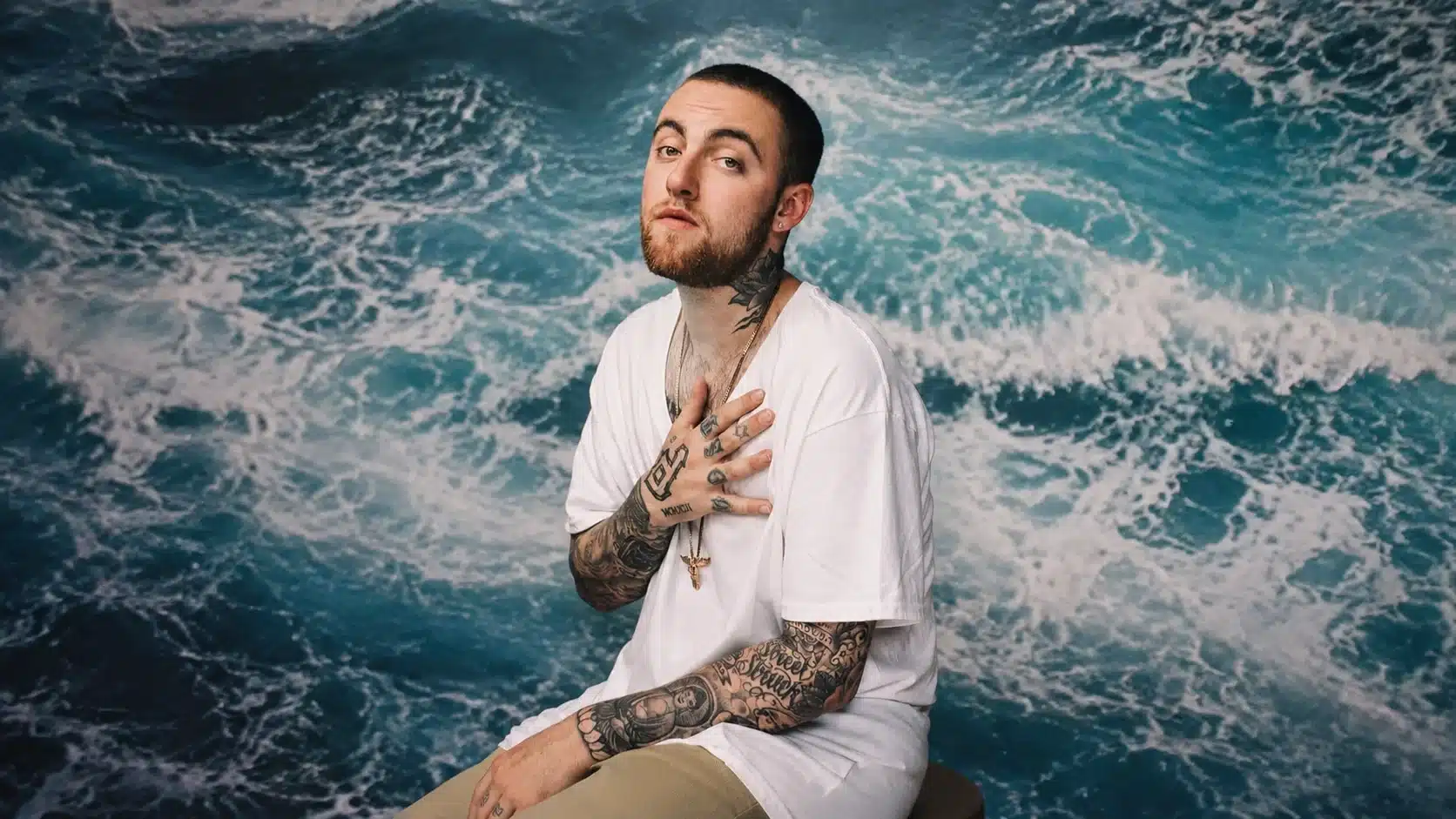
Malcolm James McCormick, known as Mac Miller, died on September 7, 2018, from a fatal combination of fentanyl, cocaine, and alcohol. He was 26.
Mac Miller had been open about his substance use in his music and in interviews, and his later work showed someone actively trying to work through it. His death prompted serious public conversation about the dangers of fentanyl specifically, and about how the music industry responds when artists signal they are struggling.
The County of Los Angeles Medical Examiner’s report on Mac Miller’s passing remains one of the more complete public records of the timeline.
10. Juice WRLD (2019)
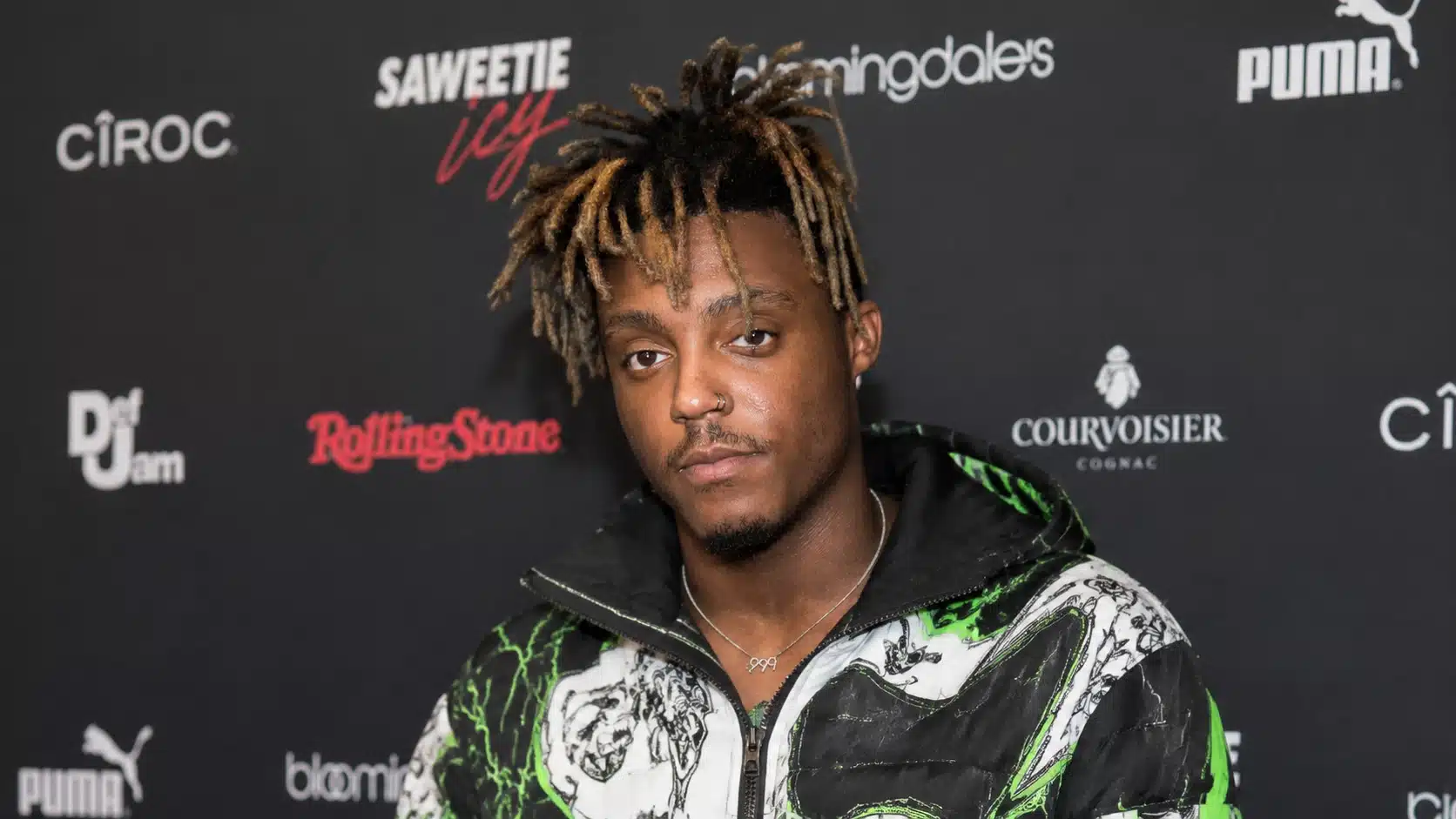
Jarad Higgins, known as Juice WRLD, died on December 8, 2019, from acute oxycodone and codeine toxicity. He was 21. He died at Chicago’s Midway Airport after swallowing multiple Percocet pills, reportedly to conceal them from federal agents who were searching his private jet.
Juice WRLD had been one of the most commercially successful young artists in hip-hop, and his music dealt extensively with drug use, heartbreak, and mental health.
The circumstances of his death made it especially difficult to process. XXL’s coverage of rappers lost to overdoses documents how his death fits into a pattern stretching back decades.
| 📝 Note: Juice WRLD had spoken in interviews about wanting to stop using lean and pills. Publicly expressing the desire to get clean while still actively using is a common and well-documented feature of opioid dependency, not a contradiction. |
11. Lexii Alijai (2020)
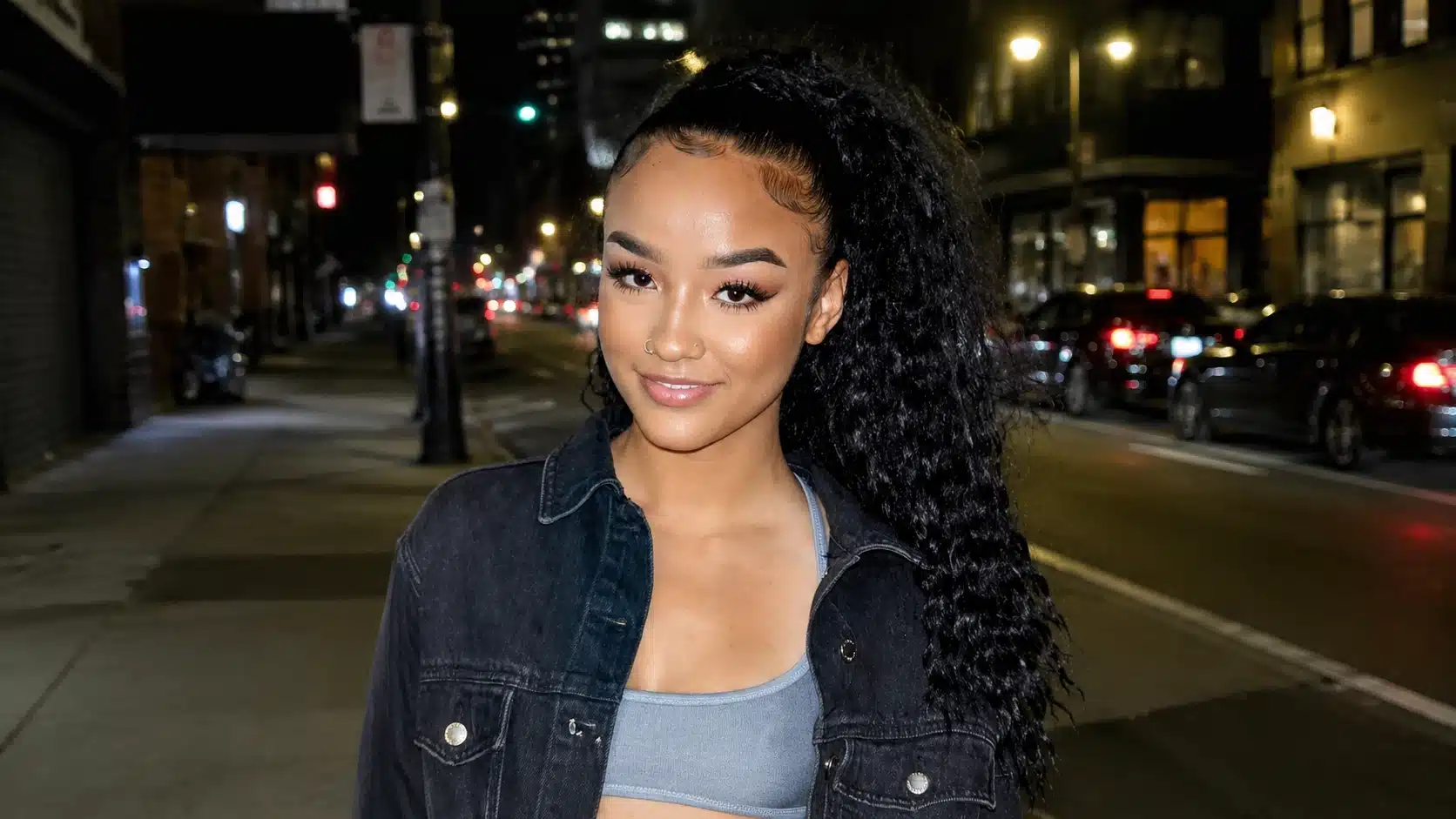
Alexis Alijai Lynch, known as Lexii Alijai, died on January 1, 2020, from fentanyl and alcohol toxicity. She was 21. Alijai had been recognized as a rising talent in the Minneapolis rap scene, known for introspective songwriting and a vocal style that drew significant attention early in her career.
Her death on New Year’s Day was reported widely, though her name has since faded from mainstream coverage in a way that says something uncomfortable about which artists the industry chooses to remember.
12. Chynna Rogers (2020)
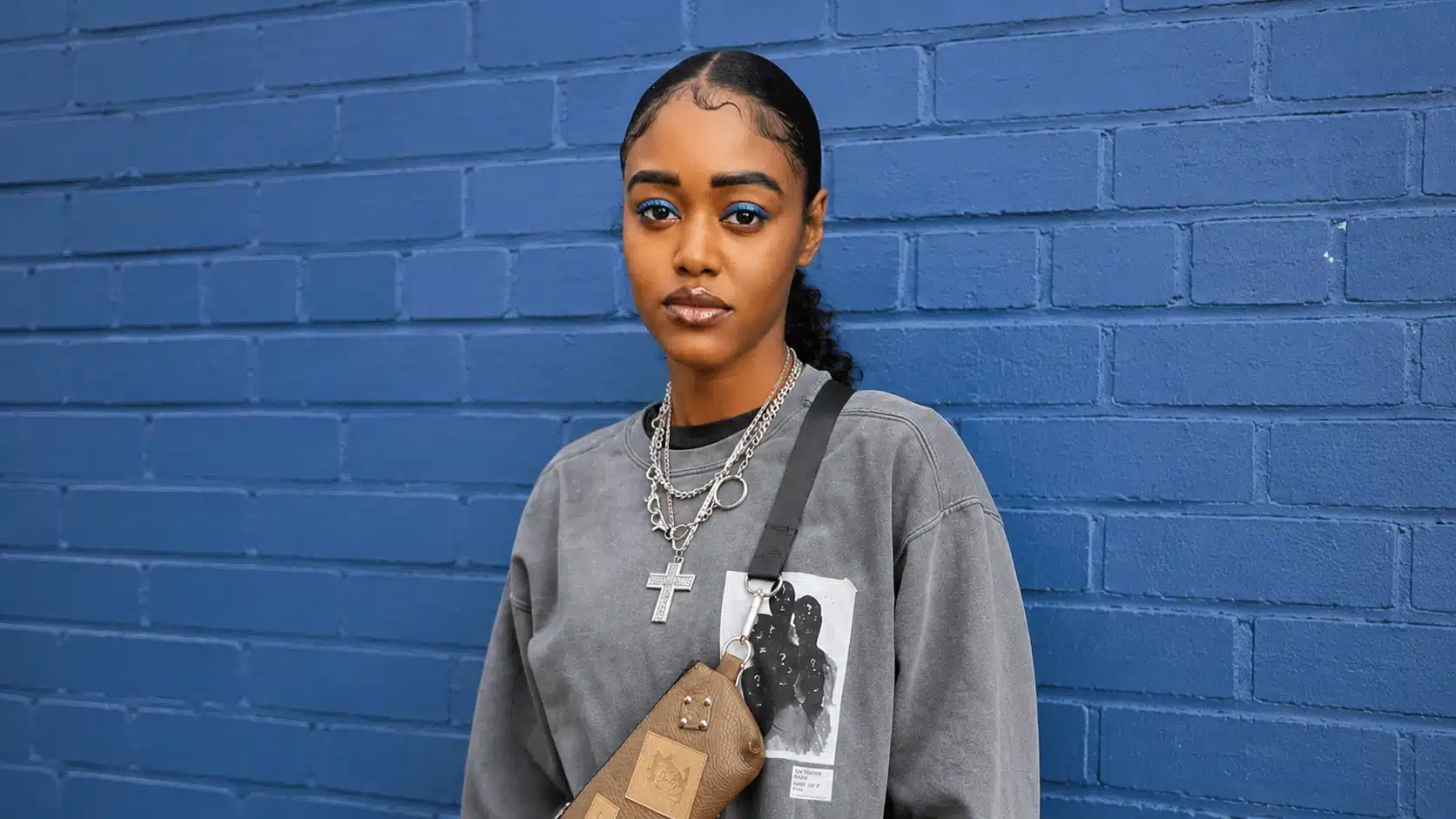
Chynna Rogers, a Philadelphia-based rapper and model affiliated with A$AP Mob, died on April 8, 2020, from an accidental drug overdose. She was 25. Rogers had spoken publicly and candidly about her opioid addiction and her efforts to get clean.
Her death came as a genuine shock to many who had followed her recovery publicly. She had been one of the more openly honest voices in hip-hop about what dependency actually looks and feels like from the inside.
13. DMX (2021)
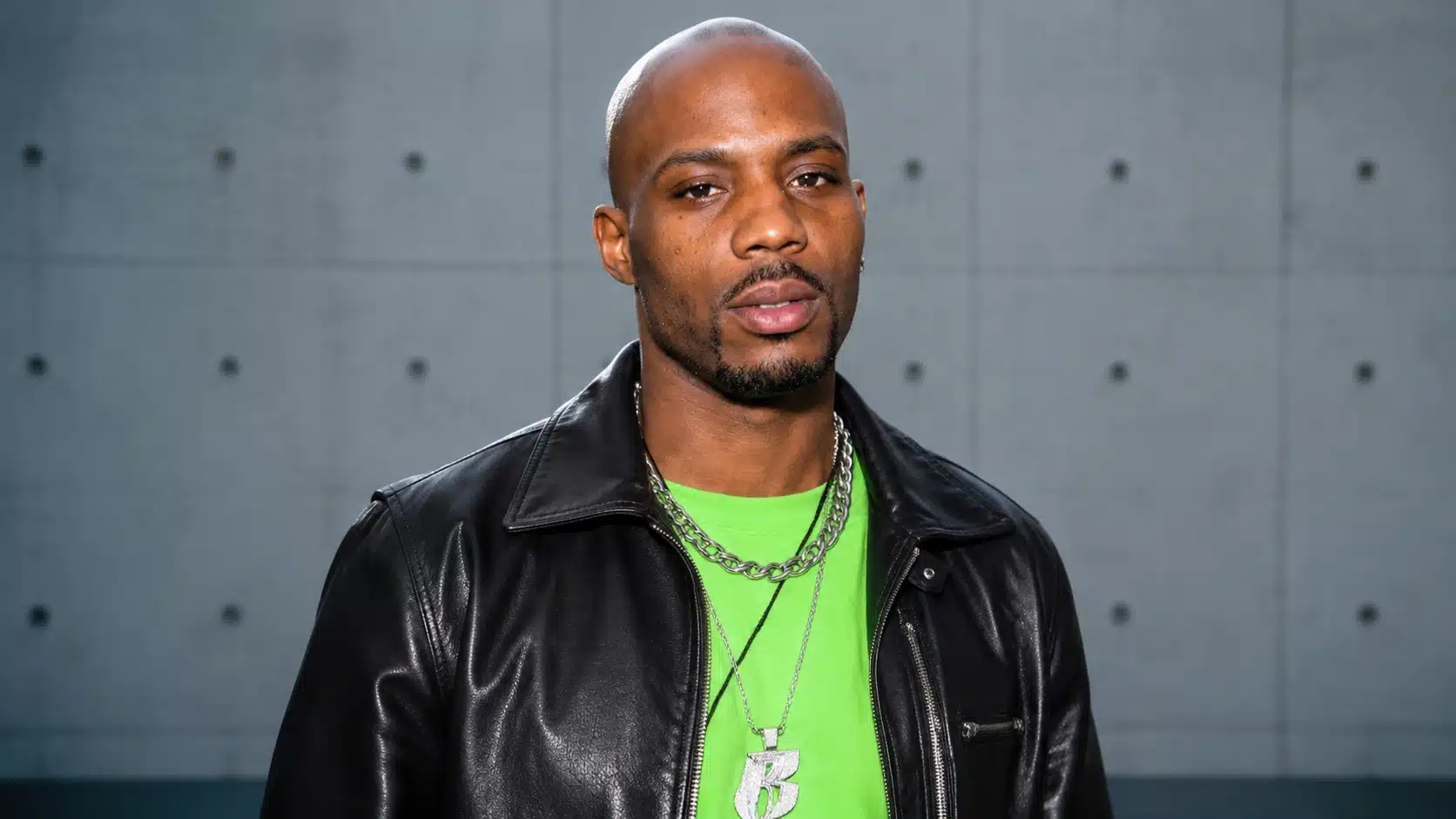
Earl Simmons, known as DMX, died on April 9, 2021, following a cocaine-induced cardiac event. He was 50.
DMX had been one of the most dominant forces in hip-hop during the late 1990s and early 2000s, and his struggles with addiction had been public for most of his adult life.
He had completed multiple rehabilitation programs, spoken about his faith and recovery in numerous interviews, and still could not fully break free.
His death is a reminder that the length of a career and the level of public awareness about someone’s addiction do not determine the outcome.
| ⚠️ Caution: Cocaine significantly increases the risk of cardiac arrest, particularly in people with existing heart conditions. The risk does not decrease with age or with periods of sobriety followed by relapse. |
14. HellaSketchy (2021)
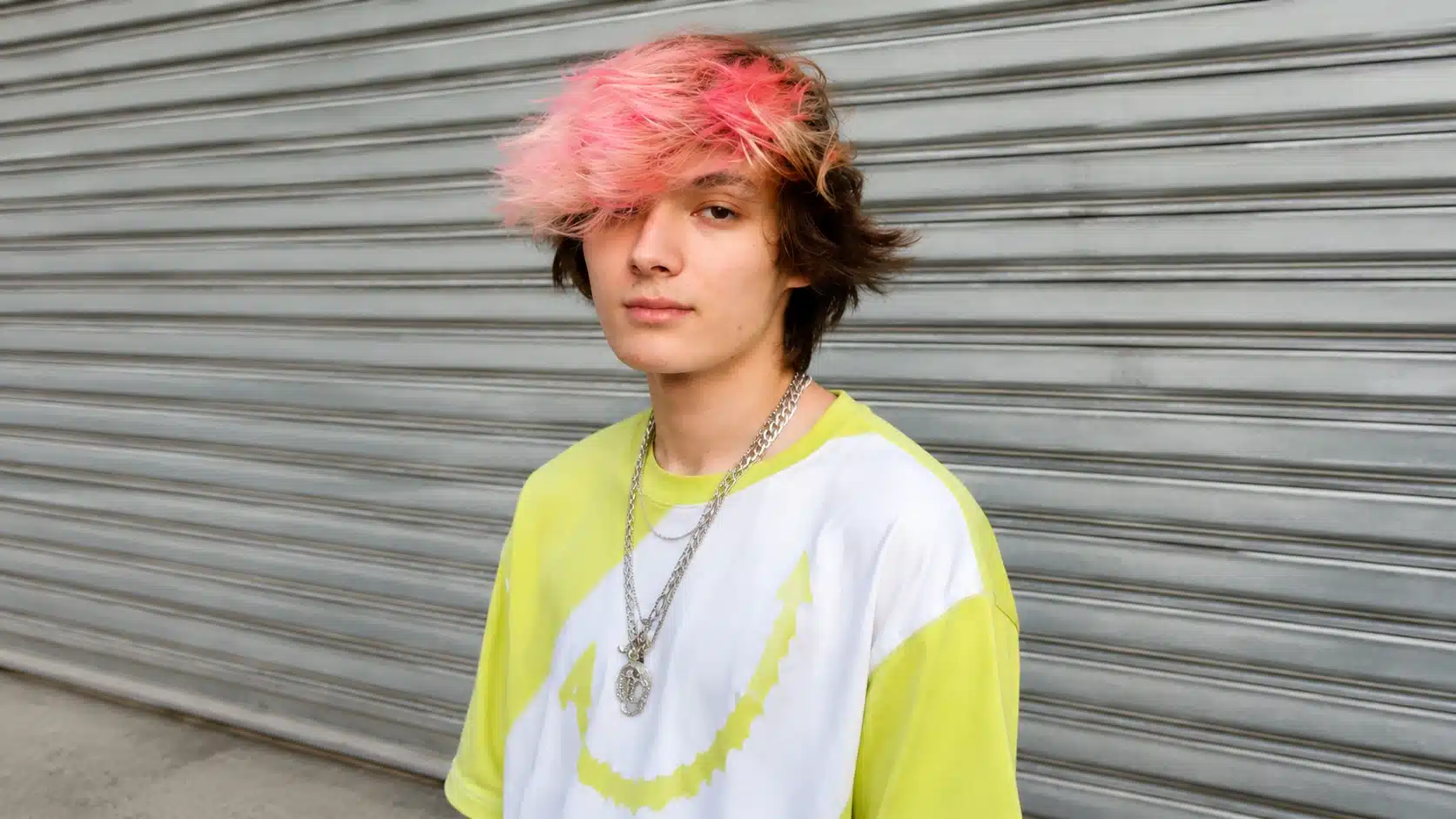
HellaSketchy, an 18-year-old rapper from the emerging online rap scene, died in 2021 from an accidental opioid overdose. His death received limited coverage outside of close online communities, but it represents a category of loss that rarely makes headlines: young, lesser-known artists with small but genuine audiences, dying from the same substances as their more famous peers, with far less institutional support around them.
15. Shock G (2021)
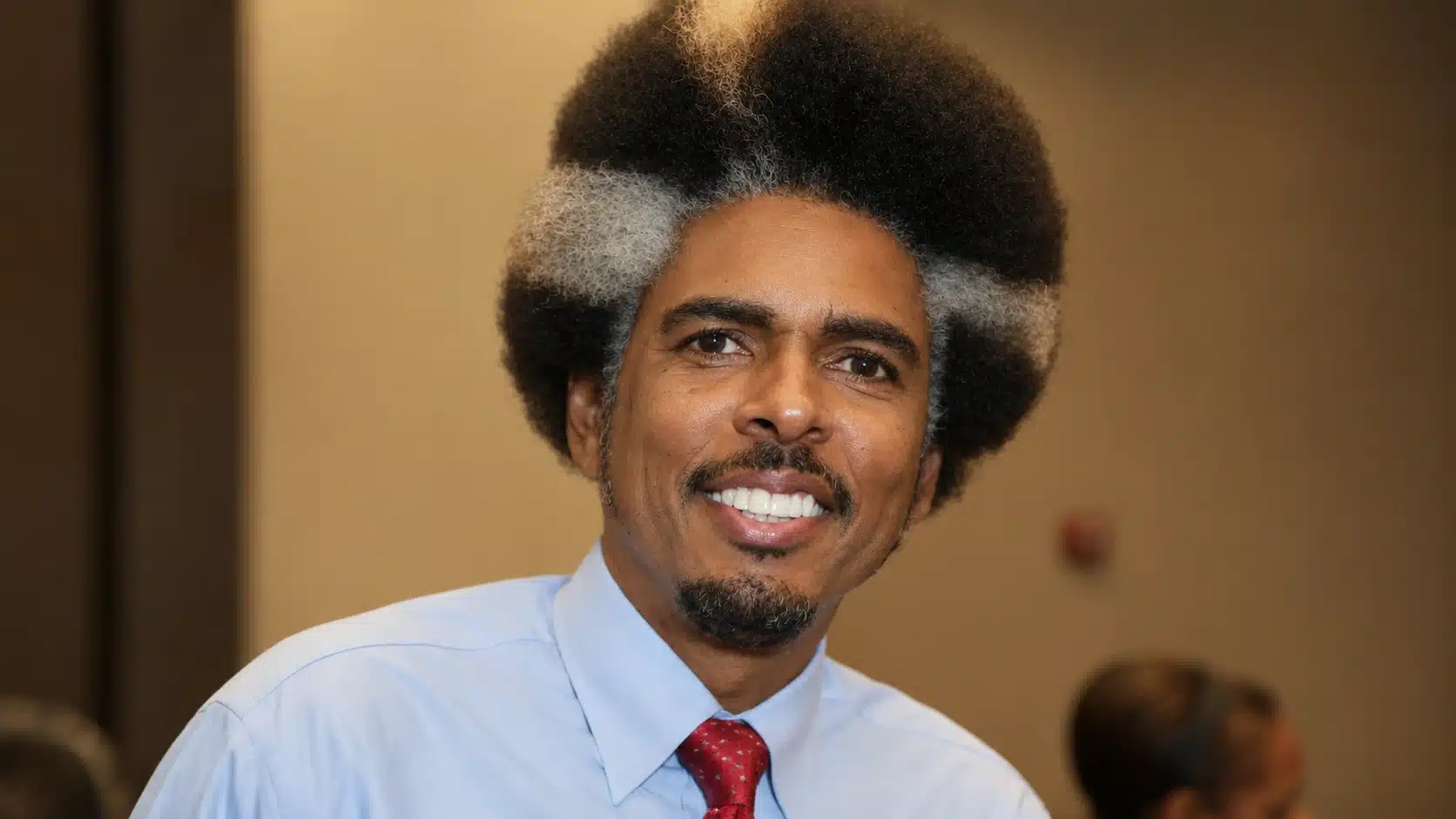
Gregory Jacobs, known as Shock G and the frontman of Digital Underground, died on April 22, 2021, from accidental fentanyl, methamphetamine, and ethanol intoxication. He was 57.
Shock G was responsible for one of the most recognizable songs in hip-hop history and had been a creative force across multiple decades.
His death came just two weeks after DMX passed, making April 2021 a particularly heavy month for anyone who grew up with that era of the music.
16. Big Scarr (2022)
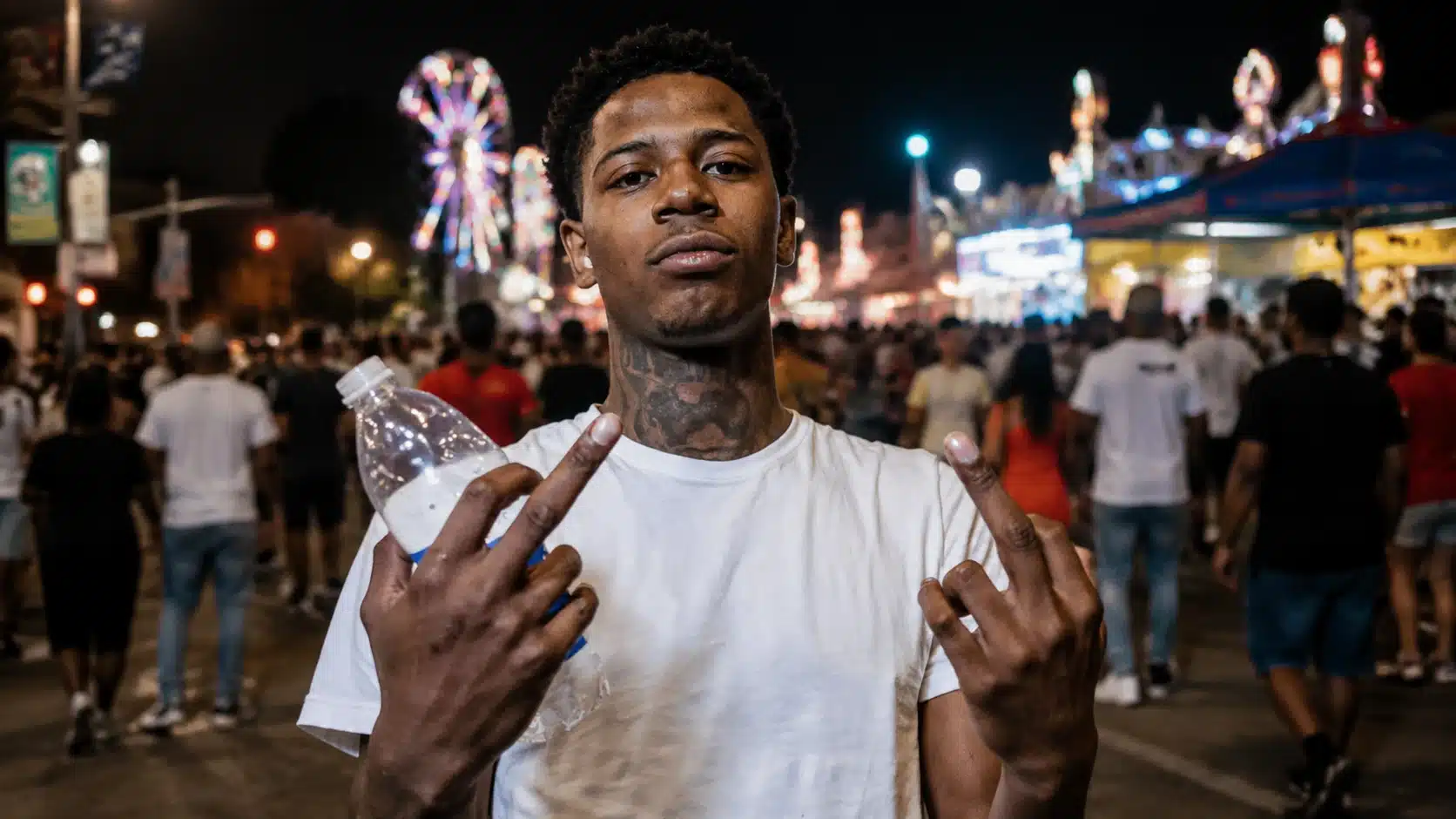
Alexander Woods, known as Big Scarr, died on December 22, 2022, from a prescription pill overdose. He was 22. Big Scarr had been signed to Gucci Mane’s 1017 Records and was considered one of the more promising newer voices in Memphis rap.
His death followed a difficult few years that included a serious car accident leaving him with permanent physical injuries, for which he had been prescribed pain medication.
The circumstances were not unusual, which is part of what made them so troubling.
17. Coolio (2022)
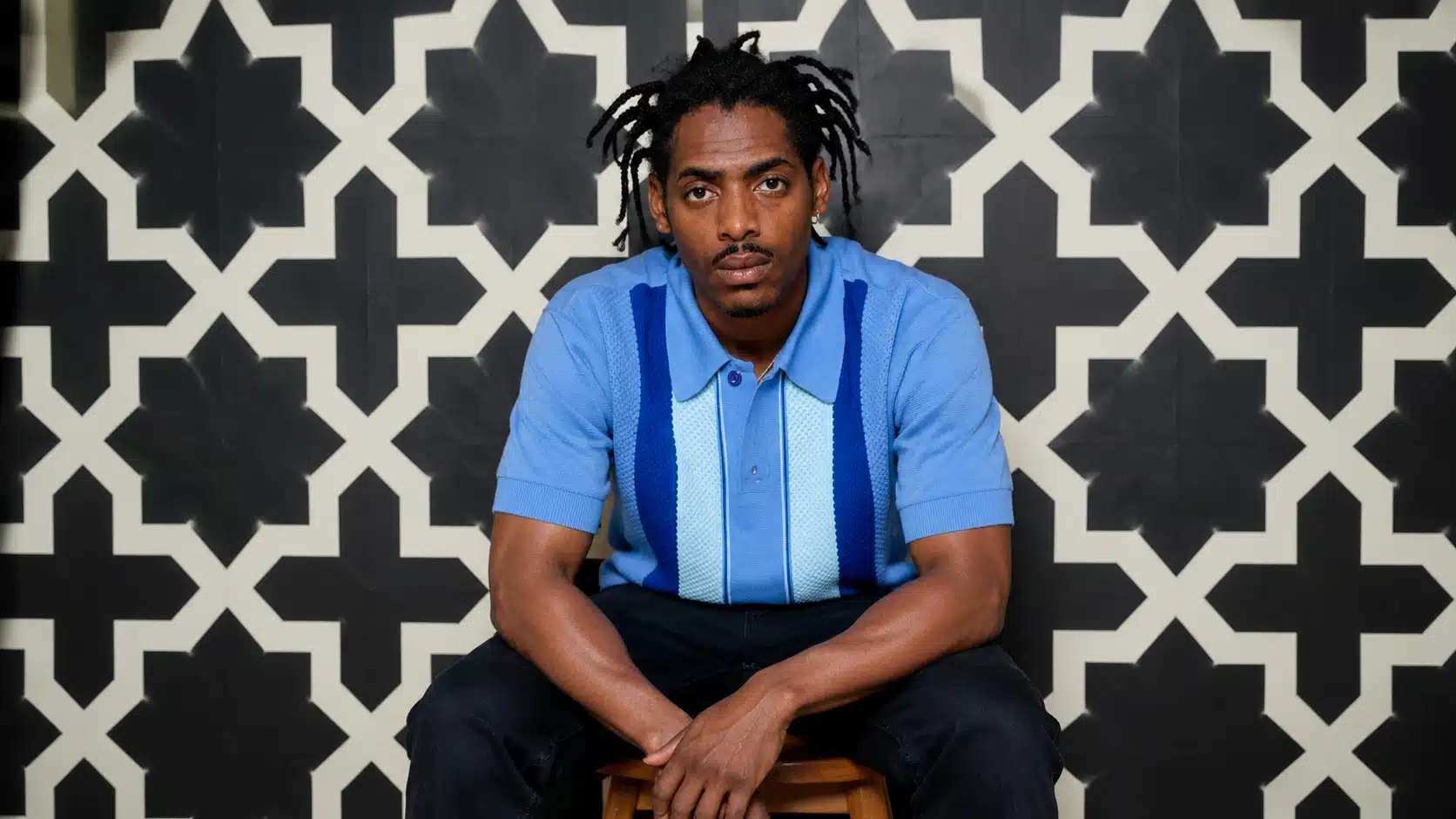
Artis Leon Ivey Jr., known as Coolio, died on September 28, 2022, from an accidental fentanyl overdose, with heroin and methamphetamine also present in his system. He was 59.
Coolio had achieved mainstream recognition in the mid-1990s and remained active in music and entertainment for decades after.
His death at 59 is a reminder that addiction does not follow a predictable arc and that long careers do not insulate anyone from the risks of active substance use.
18. SauxePaxk TB (2022)
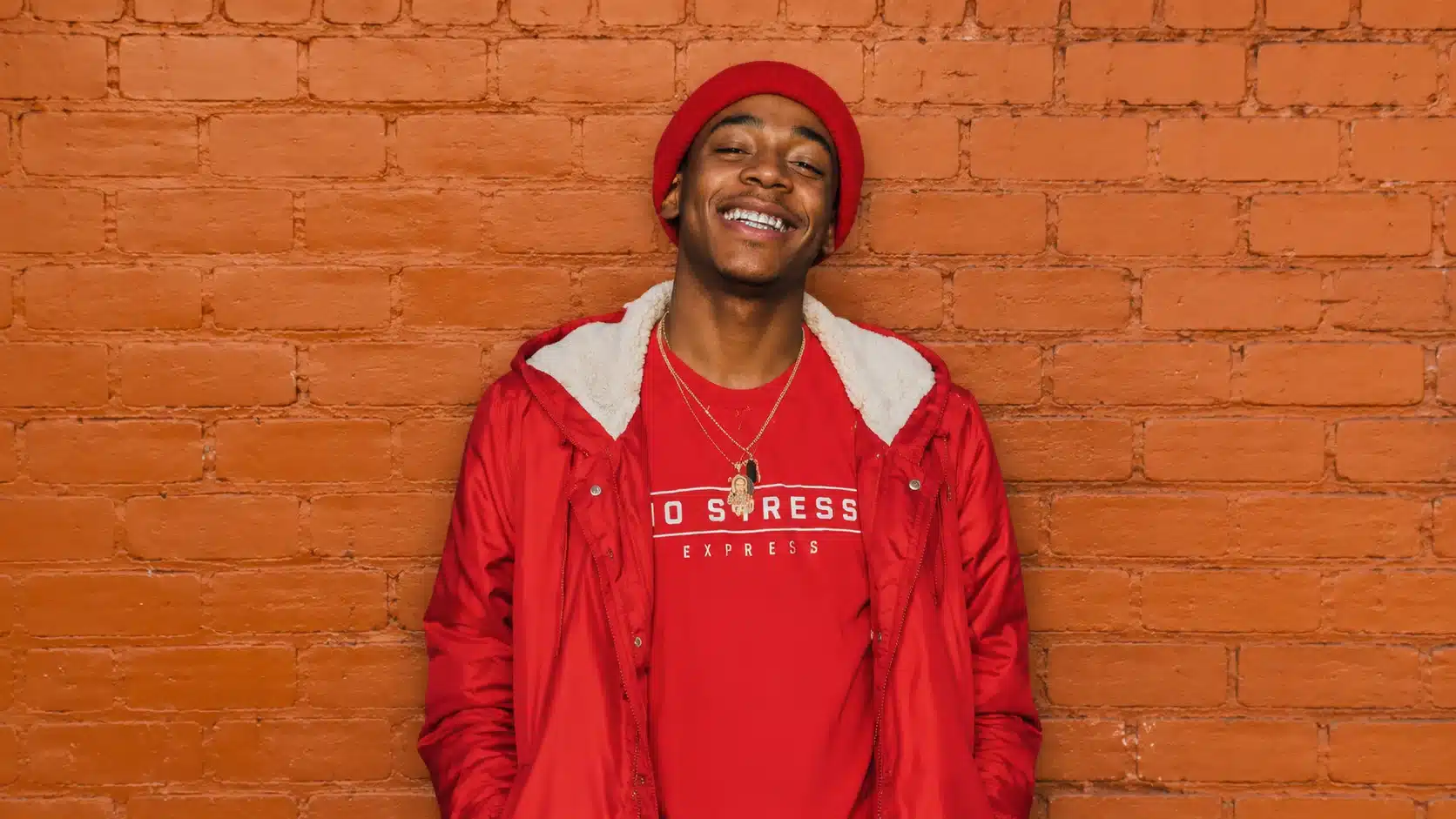
SauxePaxk TB died in 2022 with fentanyl, amphetamine, Xanax, oxycodone, and tramadol found in his system.
The multi-drug toxicity involved in his death reflects a pattern becoming increasingly common, particularly among younger artists who may not fully understand the compounding risks of mixing substances, especially when counterfeit pills make it impossible to know exactly what is being taken.
| 📝 Note: Mixing opioids with benzodiazepines like Xanax dramatically increases the risk of fatal respiratory depression. This combination is now one of the most commonly identified factors in accidental overdose deaths, according to SAMHSA’s overdose data. |
19. Gangsta Boo (2023)
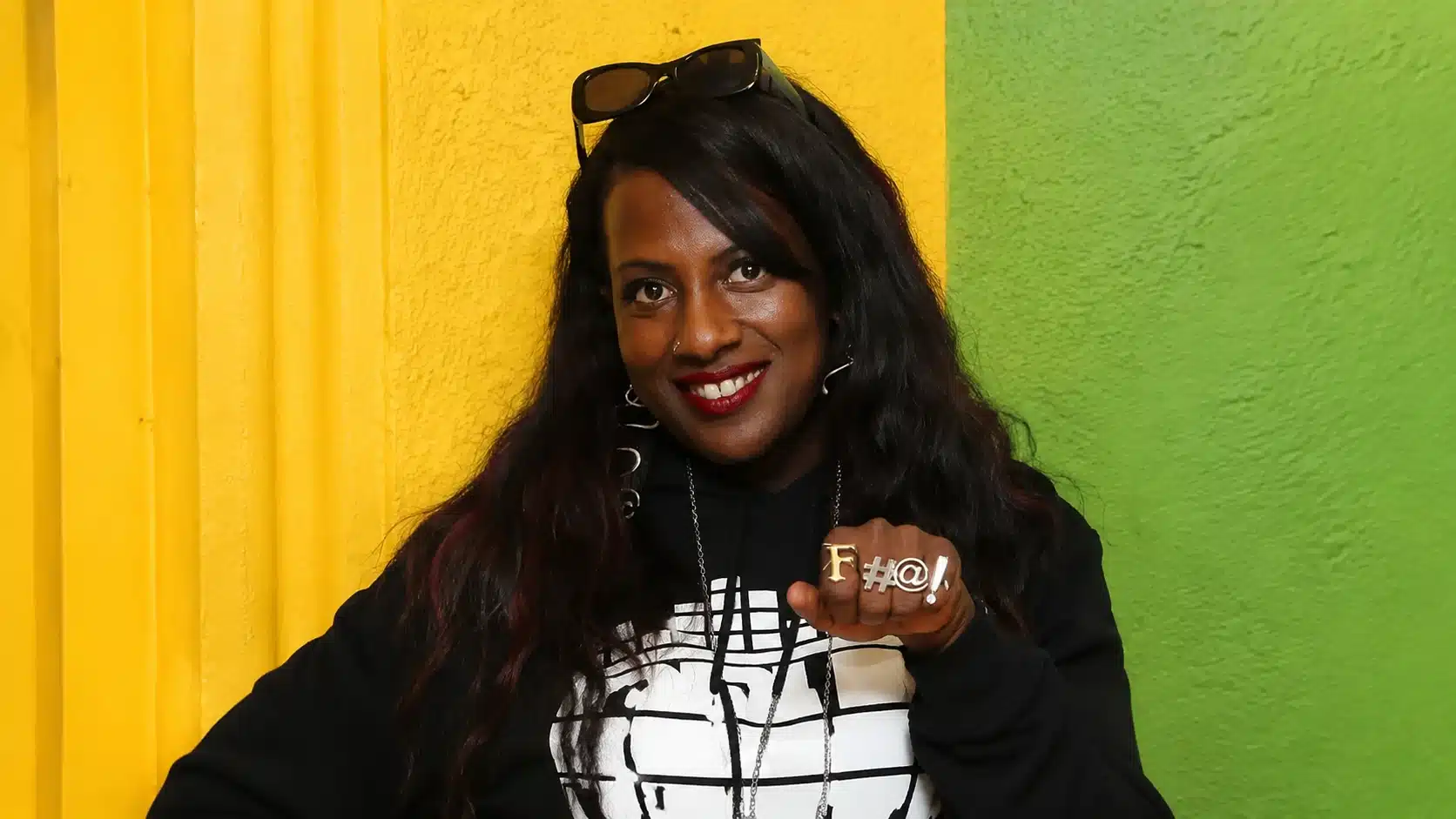
Lola Mitchell, known as Gangsta Boo and a longtime member of Three 6 Mafia, died on January 1, 2023, from a fentanyl, cocaine, and alcohol overdose. She was 43.
Gangsta Boo was one of the few prominent women in Memphis rap during its formative years and continued working in the industry for decades.
Her death on the same calendar date as Lexii Alijai, three years apart, is a coincidence that feels less like a coincidence and more like a pattern the industry keeps failing to interrupt.
Fentanyl’s Role in the Current Crisis
Fentanyl is now involved in a significant portion of accidental drug overdose deaths, including in hip-hop. What makes it especially dangerous is that many users unknowingly consume it.
According to the CDC’s overdose prevention data, fentanyl is a synthetic opioid roughly 100 times more potent than morphine, meaning the margin of error when using any substance contaminated with it is extremely small.
Counterfeit pills resembling Percocet, Xanax, and other common substances are frequently laced with fentanyl. A dose measuring a few grains of salt can be fatal. Artists who have used certain substances for years without issue are now dying because of this hidden variable. The music industry’s response has been slow.
Some artists have advocated for naloxone, an overdose-reversal medication, and a few labels are offering resources. The underlying system that pushes artists to continue working, touring, and recording while struggling with addiction has not significantly changed.
What You Can Do: Harm Reduction Steps That Matter
These deaths do not have to be abstractions. If you use substances yourself, or you’re close to someone who does, here are the concrete steps that research supports as genuinely protective.
| Step | Why It Matters |
| Carry naloxone (Narcan) | Naloxone reverses opioid overdose within minutes. It is available without a prescription at most US pharmacies and from many local harm reduction organizations. It does not work on cocaine or stimulants alone, but it is essential whenever opioids are present. |
| Use fentanyl test strips | Test strips can detect fentanyl in substances before use. The National Harm Reduction Coalition notes they are one of the most effective low-cost tools available for accidental overdose prevention. They are now legal in most US states. |
| Never use alone | Overdoses that happen in isolation are far more likely to be fatal. If using alone is unavoidable, the NEXT Distro hotline (1-800-484-3731) offers a call-in service so someone can contact emergency services if you stop responding. |
| Start low, go slow | Tolerance changes fast. Anyone returning to use after a period of abstinence, including after time in treatment or incarceration, is at dramatically increased risk of overdose from a dose they previously handled. |
| Avoid mixing substances | Opioids combined with alcohol, benzodiazepines, or other CNS depressants multiply overdose risk sharply. Multiple substances appeared in the toxicology reports of nearly every death covered in this article. |
| ⚠️ When to Call 911 Immediately
Call 911 without hesitation if someone: will not wake up or respond to voice or touch; is breathing very slowly, shallowly, or making choking or gurgling sounds; has blue or grayish lips, fingertips, or fingernails; or has a lax, limp body with no muscle tone. Do not wait to see if they “sleep it off.” Opioid overdose is a medical emergency. Most states have Good Samaritan laws that protect people who call for help from drug-related prosecution. |
Mental Health and the Structures That Fail Artists
Mental health and substance use are often deeply connected, especially in the music industry. Depression, anxiety, ADHD, bipolar disorder, and trauma frequently coexist with drug use, sometimes predating it by years. Self-medication is a common response to unmanaged pain when structural support is absent, not a character flaw.
The music industry has historically treated mental health as a private matter, but artists are increasingly speaking out about therapy, medication, and what they actually need from the people around them.
iFame exacerbates existing issues, making recovery harder amid financial pressure, punishing schedules, and the expectation of constant output.
The shift toward treating mental health as a serious systemic issue for working artists is continuing, but it is moving much more slowly than the death rate would warrant.
The Music They Left Behind
Juice WRLD had a rare melodic instinct that produced emotionally immediate music most writers work years to develop. Mac Miller’s growth as a producer and songwriter made his discography one of the most compelling in modern hip-hop.
Pimp C’s ear for Southern production shaped a regional sound still audible in the work of artists who have never heard his name.
DJ Screw’s slowed-down technique became a foundational influence well beyond Houston. Streams remain high. New listeners keep discovering their work.
That ongoing presence turns their absence from a historical loss into a constant, lingering void, a particular kind of grief specific to following an artist’s life in real time and then losing them before the story was anywhere near finished.
Frequently Asked Questions
What drugs are most commonly found in rapper overdose deaths?
Fentanyl appears most frequently in recent cases, often alongside cocaine, alcohol, or benzodiazepines like Xanax. Codeine-based lean was more prevalent in deaths from the early 2000s through the early 2010s.
Prescription opioids and counterfeit pills have become the dominant pattern since around 2017, driven by fentanyl contamination across the illicit drug supply, according to the CDC’s national overdose surveillance data.
Who are some of the most well-known dead rappers lost to drugs?
Among the most widely recognized losses are Mac Miller (2018, fentanyl and cocaine), Juice WRLD (2019, oxycodone and codeine), Lil Peep (2017, fentanyl in counterfeit Xanax), DMX (2021, cocaine-induced cardiac event), and Coolio (2022, fentanyl with heroin and methamphetamine).
Earlier deaths including DJ Screw (2000) and Pimp C (2007) were central to how lean culture became visible as a fatal risk. The full picture of how many rappers have died from drug overdose across decades is broader than most fans realize.
Why does drug use remain so widespread in hip-hop specifically?
The industry rewards output and penalizes visible vulnerability. Substance use has been normalized in lyrics, videos, and public personas for decades.
Combined with the mental health pressures of fame and inconsistent support structures, the conditions for dependency are consistently present for many artists.
There is also a financial dynamic: labels and management often have more to gain from an artist continuing to work than from pausing a career for treatment.
What is naloxone and can it save a rapper or fan’s life during an overdose?
Naloxone (brand name Narcan) is a medication that rapidly reverses opioid overdose by blocking opioid receptors in the brain. It is available without a prescription at most US pharmacies and through local harm reduction programs.
The National Harm Reduction Coalition notes it is safe, fast-acting, and carries no risk of misuse. It works specifically on opioids, so it will not reverse a cocaine or stimulant overdose on its own, but given how frequently fentanyl appears in mixed-substance deaths, having naloxone accessible is a front-line protective measure for anyone in environments where substances are present.
What is the connection between counterfeit pills and recent accidental overdose deaths?
Counterfeit pills pressed to resemble common prescriptions frequently contain fentanyl. Many recent deaths, including Lil Peep’s, involved artists who believed they were taking a familiar substance. The CDC has documented that counterfeit pills now account for a large proportion of accidental overdose deaths, and that a significant share test above the lethal threshold. The unpredictable fentanyl content in these pills makes even a single dose potentially fatal without any prior warning sign.
How can fans support artists who are publicly struggling with addiction?
Avoiding glorifying substance use in fan culture is a meaningful start. Pushing back against media narratives that treat addiction as part of an artist’s brand matters. Supporting artists who speak openly about recovery sends a clear signal about what audiences actually value. Fans can also support organizations like the National Harm Reduction Coalition, which provides free naloxone training and distribution resources to communities with limited access to formal treatment infrastructure.
Closing Thoughts
Going back through this list is not easy. These were not cautionary tales while they were alive. They were musicians making work that connected with millions of people, many of whom had no idea how serious things had gotten behind the scenes. The pattern is clear enough that looking away feels less and less like an option. Addiction in hip-hop is not a subplot. For too many artists, it became the whole story. That deserves more than a streaming playlist and a Wikipedia entry. It deserves the kind of honest, ongoing conversation these artists themselves were often trying to start.
If you are currently struggling with substance use, call SAMHSA’s National Helpline at 1-800-662-4357, available free and confidential, 24 hours a day.
Sources
Los Angeles Times. “Pimp C Death Report.” LA Times, 2008. Full account of cause of death and toxicology findings.
County of Los Angeles Medical Examiner. “Cause and Manner of Death Determined for Mac Miller.” 2018. Official autopsy findings and timeline.
XXL Magazine. “Rappers Lost to Overdoses.” Ongoing coverage of drug-related deaths in hip-hop.
Centers for Disease Control and Prevention. “Fentanyl.” CDC Overdose Prevention, 2024. National data on fentanyl’s role in overdose deaths.
National Harm Reduction Coalition. “Overdose Prevention Resources.” 2024. Naloxone access, fentanyl test strips, and harm reduction guidance.