| Also called | Spray weed, spray pack |
| When it happens | After harvest, during packaging or distribution |
| Common substances | Sugar water, hairspray, synthetic cannabinoids (K2/Spice), artificial terpenes, glass particles, pesticides |
| Primary motive | Inflate weight, fake potency, improve appearance |
| Highest risk | Synthetic cannabinoids, glass particles, and post-harvest pesticides |
| Occurs in | Both regulated and unregulated markets |
| Definitive test | Licensed lab analysis (COA) |
| ⚠️ If you are experiencing a medical emergency after smoking cannabis: Call 911 immediately. Symptoms warranting emergency care include seizures, chest pain, loss of consciousness, difficulty breathing, and severe hallucinations. If you need support for synthetic cannabinoid use, contact the SAMHSA National Helpline: 1-800-662-4357 (free, confidential, 24/7). |
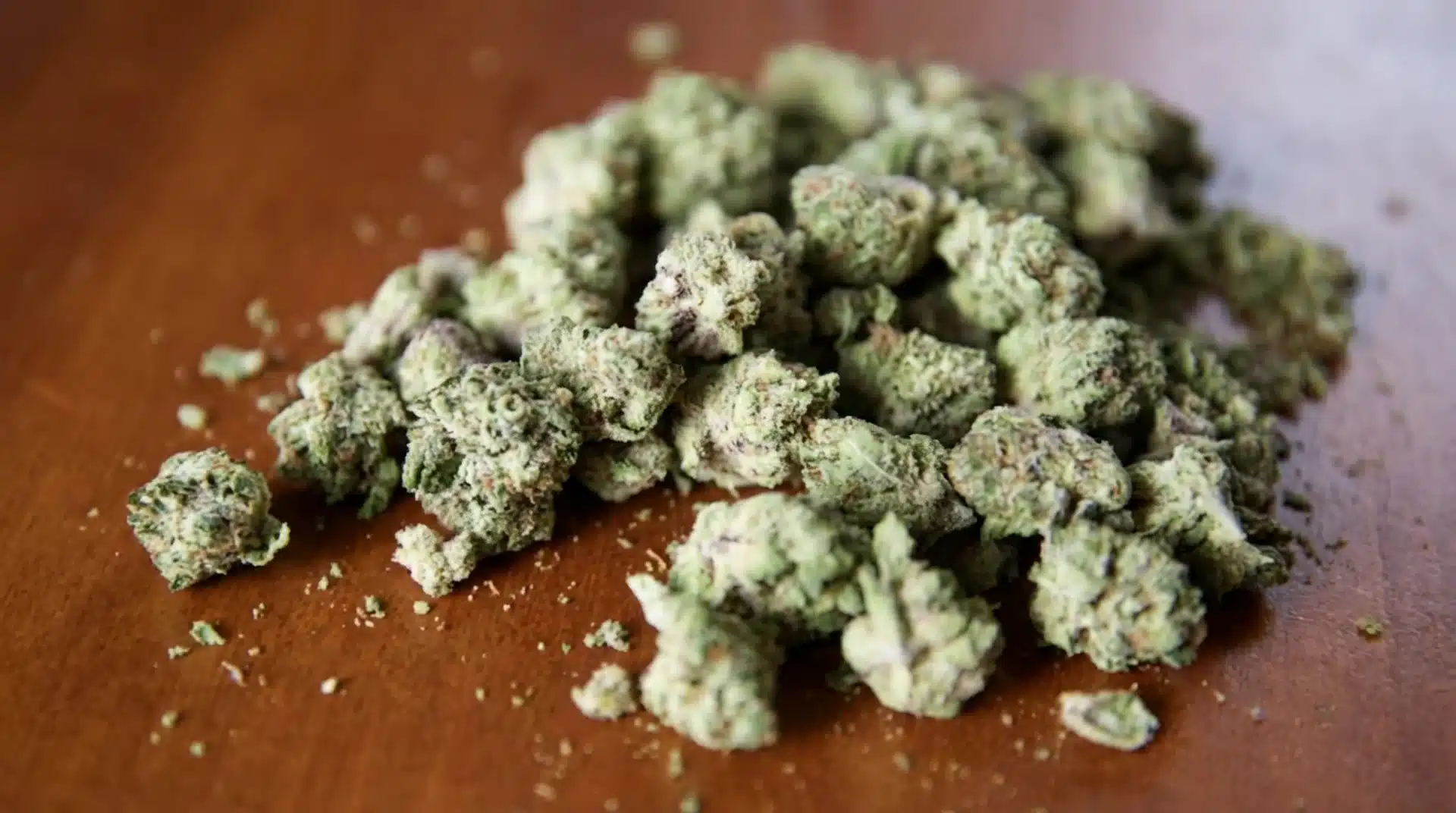
Sprayed weed refers to cannabis coated with foreign substances after harvest to artificially boost its weight, appearance, smell, or perceived potency. Common additives include synthetic cannabinoids (K2/Spice), sugar water, pesticides, hairspray, artificial terpenes, and, in extreme cases, glass particles.
The practice is distinct from pesticide use during cultivation. Spraying happens post-harvest, which means there is no agricultural justification for it. The sole purpose is deception.
Having reviewed lab reports and Certificates of Analysis inside a state-accredited testing facility, I can tell you that the gap between what consumers assume is in their product and what results actually show is wider than most people realize. This breakdown covers what the sprayed product actually is, why sellers do it, the documented health risks, and specific detection methods you can apply before purchase.
Disclaimer: This article is purely informational and educational, not medical advice. We neither endorse nor encourage cannabis or controlled substance use. For health concerns, consult a qualified healthcare professional. We aim to inform only.
What is Sprayed Weed?
Sprayed weed refers to cannabis that has been coated with various substances after harvest. Sellers do this to manipulate the product’s appearance, smell, weight, or perceived potency. These additives can include chemicals, synthetic compounds, or other materials that make low-quality weed look more appealing or weigh more than it actually should.
According to the CDC’s Cannabis Facts and Stats, approximately 52.5 million people, or about 19% of Americans, used cannabis at least once in 2021. A more recent estimate from the 2022 National Survey on Drug Use and Health (NSDUH) puts past-year cannabis users at around 62 million people aged 12 and older. With use this widespread, understanding what is actually in the cannabis you consume has never been more important.
The terms “spray weed” and “sprayed weed” are used interchangeably. This is distinct from pesticides applied during cultivation. Spraying occurs after the plant is harvested and dried, making it an entirely deceptive practice with no legitimate purpose.
Spray Weed vs. Laced Weed: Key Differences
These terms are often used interchangeably in casual conversation, but they describe different practices with different risk profiles.
| Factor | Sprayed Weed | Laced Weed |
| Definition | Coated post-harvest with additives | Mixed with psychoactive drugs |
| Primary purpose | Fake weight, appearance, smell | Increase or change the high |
| Effect on high | Usually none (unless synthetic cannabinoids are used) | Always alters the experience |
| Detection | Visual/smell cues may reveal it | Often impossible without a lab test |
| Common additives | Sugar water, hairspray, glass, pesticides, terpenes | K2/Spice, PCP, cocaine, opioids |
| Addiction risk | Low (unless synthetic cannabinoids are used) | High, especially with opioids or stimulants |
| ER risk level | Moderate to high | High |
| Most common in | Both legal and illegal markets | Primarily illegal markets |
Despite widespread concern, the DEA has not confirmed fentanyl-laced cannabis as a widespread threat. Fentanyl degrades significantly when burned, and there is no documented financial incentive for dealers to add it to cannabis. Synthetic cannabinoids are a far more realistic and well-documented danger, with all 50 US states having reported adverse health effects linked to their use.
Why Do Sellers Spray Weed?
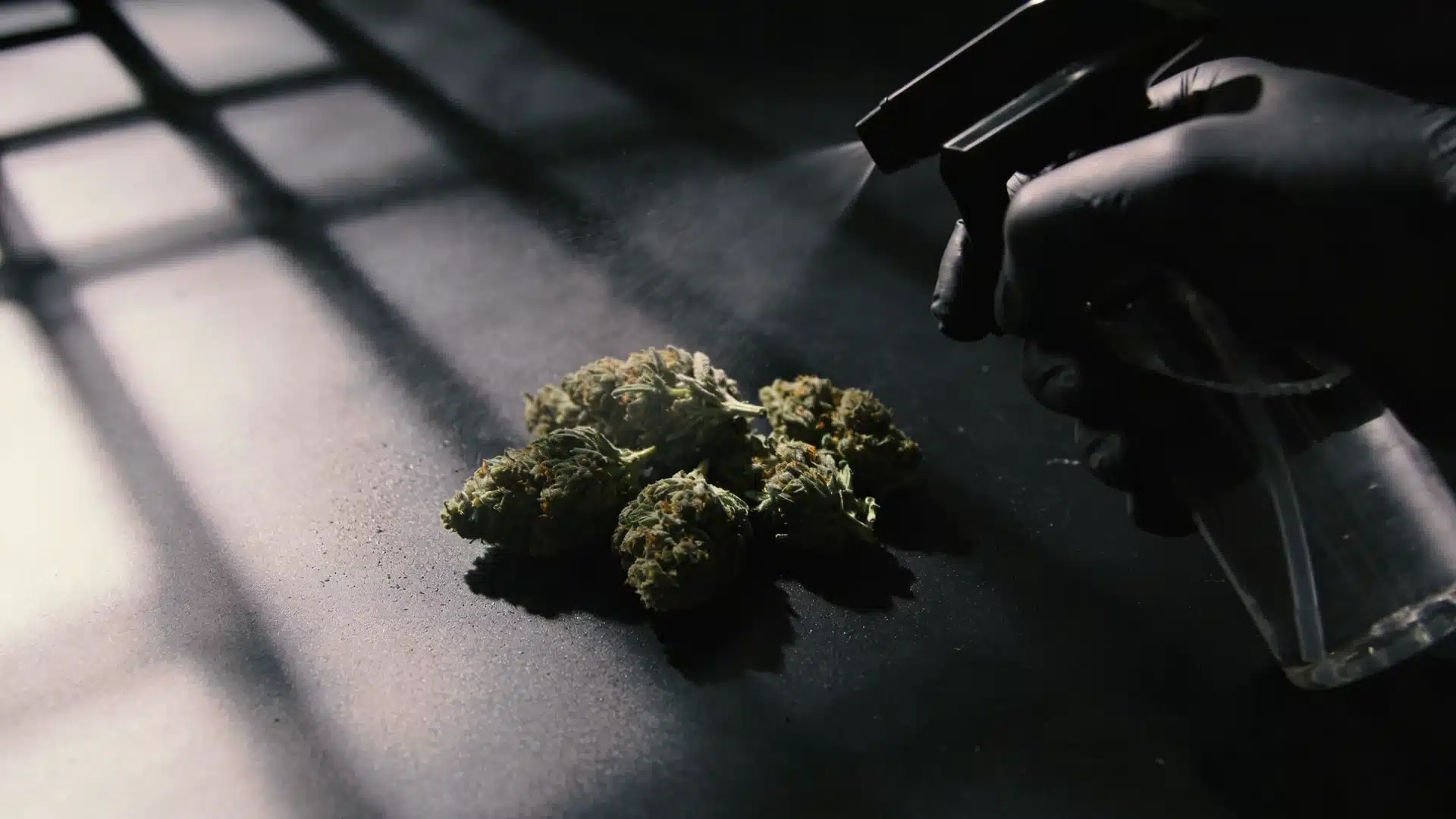
Sellers who spray weed are motivated by profit. They want to make inferior products appear premium or increase weight to charge more.
1. To Increase Weight
Some sellers spray cannabis with substances like sugar water, hairspray, or glass particles to make buds heavier. Since cannabis is sold by weight, adding 10 to 15% extra mass through spraying translates directly to profit on bulk sales.
2. To Improve Appearance
Glossy sprays or coating agents can make dull, low-quality buds look frosty and trichome-covered. This visual deception tricks buyers into thinking they are getting potent, well-cultivated cannabis. The sparkly, crystalline appearance mimics what naturally occurs in high-quality strains, but it is artificial.
3. To Add Smell or Mask Defects
Synthetic terpenes or fragrance sprays can make old, improperly cured, or low-grade cannabis smell like premium flower. These additives cover up musty odors, lack of natural aroma, or even the smell of mold. Synthetic terpenes are inexpensive to source online, making this an easy shortcut for rushed or poor-quality cures.
4. To Mask Low-Quality Flower
When cannabis is poorly grown, harvested too early, or improperly stored, it lacks the characteristics consumers want. Spraying can temporarily hide these flaws by adding artificial shine, weight, and smell.
5. To Inflate THC Test Results
Some producers spray distillate or synthetic cannabinoids onto the flower specifically to boost the THC percentage reading on potency tests. This allows low-grade cannabis to command premium pricing in markets where consumers rely on THC numbers as a quality signal. It is especially problematic in markets where testing oversight is inconsistent.
Always request a Certificate of Analysis (COA) before purchasing, and look for one that includes terpene data alongside cannabinoid percentages, since inflated THC results rarely come with convincing terpene panels.
What is Weed Sprayed With? (Common Substances)
Dishonest sellers use a variety of substances to alter cannabis. Understanding what might be sprayed on your weed helps you grasp the severity of the risks involved.
Low Threat: Primarily Deceptive
These substances are used mainly to deceive buyers into thinking they are getting a higher quality or heavier product. While not immediately dangerous, they represent dishonest practices with real long-term concerns:
| Substance | Purpose |
| Sugar water/molasses | Adds weight and stickiness; makes buds feel denser |
| Vegetable oil/hairspray | Creates artificial shine that mimics trichome coverage |
| Fragrance sprays | Fakes aroma or covers mold smell with artificial scent |
| Artificial terpene blends | Replicates popular strain profiles on weak or rushed flower |
Moderate Threat: Respiratory Risk
These substances introduce genuine health risks, particularly to the respiratory system. Exposure may cause both short-term discomfort and long-term damage depending on the frequency and quantity of contact:
| Substance | Purpose / Risk |
| Post-harvest pesticide residues | Preserve appearance; organophosphates and neonicotinoids cause nausea, dizziness, and organ stress |
| Fragrance oils not intended for inhalation | Burning these produces toxic byproducts, including formaldehyde and benzene |
| Heavy metals (lead, chromium, arsenic) | Contamination from spray solutions accumulates in the body over time |
High Threat: Medical Emergency Risk
The following substances represent the most serious end of the spectrum. Contact with any of these can trigger life-threatening reactions, with documented hospitalizations across all 50 states:
| Substance | Risk |
| Synthetic cannabinoids (K2/Spice) | Bind to CB1 receptors up to 100x more aggressively than THC; erratic dose-response; documented deaths |
| Delta-8 THC distillate on hemp flower | FDA-documented adverse events, impurities, and mislabeled potency; poison-control calls |
| Glass/silica /grit particles | Internal lacerations in airways and lungs; added to increase weight |
| PCP-dipped joints (“wet” / “sherm”) | Dissociative anesthetic; causes agitation, psychosis, and dangerous behavior |
A peer-reviewed systematic review published via the NIH’s National Library of Medicine (Dryburgh et al., 2018) found that cannabis contaminants, including heavy metals, pesticides, and microbes, carry risks of carcinogenicity, infection, and reproductive harm. In 2020, the National Poison Data System recorded 3,663 synthetic cannabinoid poisoning calls across the United States. SAMHSA data show synthetic cannabinoid-related emergency department visits more than doubled between 2010 and 2011, rising from 11,406 to 28,531.
| ⚠️ Warning: Inhaling these substances can cause serious respiratory issues, chemical burns, toxicity, and unpredictable reactions. Synthetic cannabinoids and glass particles in particular have been linked to hospitalizations and severe health complications. If you suspect you have smoked sprayed weed and are experiencing chest pain, seizures, difficulty breathing, or severe paranoia, call 911 immediately. |
Health Risks and Dangers of Smoking Sprayed Weed

Smoking or vaping sprayed weed exposes you to hazards that go far beyond what you would experience with pure cannabis. The health consequences range from mild irritation to serious medical emergencies, depending on what has been added.
Short-Term Health Effects
- Respiratory irritation: Coughing, wheezing, chest tightness, and difficulty breathing from chemical exposure
- Toxic combustion byproducts: Burning synthetic sprays produces formaldehyde, acetaldehyde, and benzene, all known carcinogens
- Allergic reactions: Skin rashes, throat swelling, or anaphylaxis in sensitive individuals
- Acute synthetic cannabinoid toxicity: Severe anxiety, paranoia, hallucinations, rapid heart rate, seizures, psychosis
- Glass particle damage: Internal lacerations throughout the respiratory tract
- Pesticide poisoning: Nausea, dizziness, headaches, and potential organ damage
The CDC’s Cannabis Health Effects page notes that cannabis use can have wide-ranging effects on the body and brain, and those risks are compounded significantly when unknown chemical additives are introduced through spraying.
Long-Term Health Effects
- Increased cancer risk from repeated inhalation of carcinogenic combustion byproducts
- Chronic lung inflammation and potential scarring (chemical bronchiolitis)
- Neurological impact: Repeated synthetic cannabinoid exposure is linked to persistent anxiety, depression, and memory impairment
- Organ stress: Kidneys and liver process toxic metabolites over time, increasing the risk of organ damage
- Addiction: Synthetic cannabinoids show higher dependency potential than natural THC, with withdrawal symptoms including irritability, insomnia, and severe cravings
Synthetic cannabinoids bind more aggressively to CB1 receptors than natural THC, triggering a dopamine response that can reinforce use more powerfully than cannabis. Over time, brain chemistry adapts, and users may need increasingly dangerous doses to feel the same effect.
What to Do Immediately if You Have Smoked Sprayed Weed
If you suspect you have smoked sprayed weed, here is what to do right now:
- Stop immediately and move to fresh air. Do not take another hit to “see if it gets better.”
- Call 911 if you are experiencing chest pain, difficulty breathing, seizures, loss of consciousness, or severe hallucinations.
- Do not drive. Synthetic cannabinoids can cause sudden impairment and dissociation.
- Contact Poison Control at 1-800-222-1222 if you are stable but concerned. Have the product or packaging available to describe.
- Tell medical staff exactly what you smoked and when. Synthetic cannabinoid toxicity is treated differently from natural cannabis reactions, and accurate information speeds up treatment.
- Dispose of the remaining product. Do not let others use it.
| ⚠️ When to seek emergency care: Call 911 if you or someone with you experiences seizures, chest pain, loss of consciousness, difficulty breathing, a racing heartbeat that will not slow, or visual hallucinations. Do not wait to see if symptoms resolve on their own. SAMHSA National Helpline (treatment referral, 24/7): 1-800-662-4357 |
The “Spray Pack” Trend: From NYC Streets to Legal Markets
The spray pack phenomenon originated in New York City’s underground cannabis scene, where brands pioneered terpene-infused “spray pack” flower marketed as exotic and dessert-flavored. Social media, influencers, and local rap culture spread demand nationally, with consumers in legal states chasing that New York flavor profile.
The trend accelerated as East Coast states like New York, New Jersey, and Massachusetts had only recently legalized recreational cannabis, creating a demand gap where street markets dominated and had every incentive to spray. Consumers in cities like New York and Philadelphia began reporting flowers that smelled off, looked unusually frosty, or caused headache-inducing reactions, many of which turned out to be due to spraying.
It is not exclusively a street market problem. Sprayed product has appeared on licensed dispensary shelves, with producers using post-harvest coatings to inflate potency results and boost shelf appeal.
Research published in Environmental Health Perspectives (NIH) found significant variation in how states regulate cannabis contaminants, with some states testing for hundreds of substances while others have minimal requirements. This regulatory patchwork is part of why sprayed products continue to reach consumers even in legal markets.
Sprayed Weed vs. PGR Weed: Two Different Problems
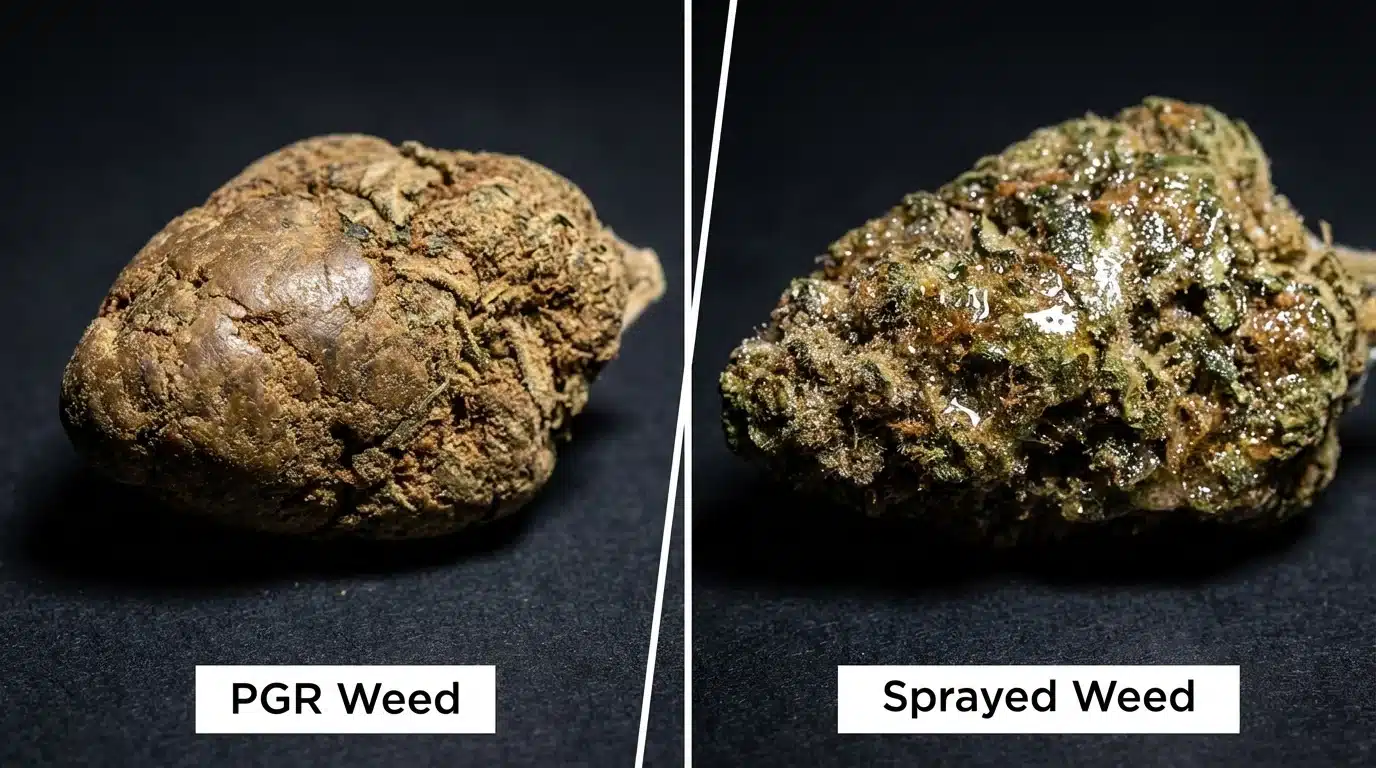
PGR weed is cannabis grown using plant growth regulators, synthetic chemicals that force unnaturally dense, heavy buds during the grow cycle. Both are used to fake quality, and both expose consumers to potentially toxic chemicals, but they look and behave differently.
| Factor | Clean Cannabis | PGR Weed | Sprayed Weed |
| When compromised | Never | During growth | After harvest |
| Bud density | Firm but yielding | Rock-hard, unnaturally dense | Varies; may feel artificially heavy |
| Trichomes | Visible crystals, depth | Very few, dull surface | Fake glossy shine or oily coating |
| Aroma | Complex, plant-based | Little to no smell | Chemical, perfumed, or candy-like |
| Ash color when burned | White/light grey | Dark, uneven | Black or dark; crackling / sizzling |
| Finger rub residue | Slight resin stickiness | Minimal, powdery | Oily, greasy film |
How to Spot Sprayed Weed
Knowing how to identify sprayed weed can protect you from serious health risks. While no single sign guarantees contamination, multiple red flags together warrant serious caution.
- Visual cues: Buds that look overly glossy, shiny, or have an unnatural sparkle may be coated with additives or glass particles.
- Texture test: If the bud feels excessively sticky beyond normal resin, leaves a greasy film on your fingers, or has an unusual coating, it has likely been sprayed.
- Smell check: A chemical, perfumed, or artificially sweet scent rather than a natural cannabis aroma indicates the presence of fragrance additives or synthetic terpenes.
- Burn behavior: Harsh smoke, crackling sounds, unusual chemical smell when burning, or an unpleasant aftertaste all suggest contamination.
- Residue test: Gently rub the bud between your fingers. If it leaves behind powder, grit, or strange residue, it has been tampered with.
- The effect test: Paranoia, hallucinations, or a racing heartbeat that is disproportionate to the amount consumed is a red flag. Stop immediately. Synthetic cannabinoids can be 10 to 100 times more potent than natural THC.
If you notice several of these signs together, do not use that product. Additional state-level regulatory analysis documents how inconsistent testing requirements contribute to contaminated products reaching consumers.
How to Avoid Buying Sprayed Weed
Knowing what to look for before making a purchase is one of the most effective ways to protect yourself. These practical steps apply whether you are shopping in a regulated or an unregulated market.
Buying From a Licensed Dispensary
Licensed dispensaries offer more consumer protections than unregulated sources, but that does not guarantee every product is clean. Knowing what documentation to request puts you in a stronger position:
- Request Certificates of Analysis (COAs), third-party lab results confirming cannabinoid content and testing for pesticides, heavy metals, and residual solvents.
- Look for COAs that include full terpene panels. An authentic flower will show natural, varied terpene readings. Inflated THC results without corresponding terpene data are a consistent warning sign in lab reports reviewed from state-accredited facilities.
- Be suspicious of products showing THC percentages above 35% without supporting terpene data.
- Ask your budtender about the source farm or grower. Avoid brands that only push high-THC numbers without documentation.
In California alone, more than 60 product recalls were issued in 2024 due to contamination identified through testing, according to NPR reporting.
Buying From Non-Regulated Sources
Unregulated markets carry significantly higher risk. Without lab testing or legal accountability, the burden of identifying potentially adulterated products falls entirely on the buyer:
- Use the 6-test method outlined above before purchasing.
- Trust your sensory instincts. If it smells or feels wrong, do not buy it.
- Be especially skeptical of products claiming exotic strain profiles at unusually low prices.
- Be wary if the seller discourages close inspection. That itself is a red flag.
As of 2025, roughly 40% of cannabis users in the US still source their products outside licensed dispensaries, making awareness of these risks especially important for a large portion of the consumer population.
What Does Smoking Sprayed Weed Feel Like?
Most people who smoke sprayed weed do not realize it until symptoms hit. Based on clinical case reports and poison control data, here is what people consistently report:
- Throat burn on the first hit: Harsher and more chemical than normal cannabis smoke, often with a plasticky or perfumed aftertaste
- Persistent, unusual coughing: Not typical smoke irritation. Described as deeper and harder to stop.
- Pressure headache: Develops within minutes, often described as different from any cannabis-related discomfort before
- Flat or absent high: When only cosmetic additives are used, the product underdelivers. Users feel cheated rather than impaired.
- Overwhelmingly intense onset: With synthetic cannabinoids, the effect hits far harder and faster than the amount smoked should produce
- Racing heartbeat and surging panic: Tachycardia and severe anxiety are the most commonly reported synthetic cannabinoid symptoms in clinical literature
- Hallucinations and paranoia: Not the mild anxiety some feel with high-THC cannabis. Users describe terror-level fear responses and visual disturbances.
- Seizures or loss of consciousness: In the most severe cases, documented across ER reports in all 50 states
The most universal signal across all accounts is simpler than any specific symptom: the feeling that something is deeply wrong. If the experience does not match cannabis you have used before, stop, get fresh air, and if symptoms escalate, call 911 immediately.
Frequently Asked Questions
Is sprayed weed more dangerous than regular weed?
Yes, significantly. Natural cannabis has a well-documented safety profile. Sprayed weed introduces unknown chemicals that were not designed to be burned and inhaled. Synthetic cannabinoids in particular are far more dangerous than natural THC, with unpredictable potency and documented links to hospitalizations and deaths.
Is sprayed weed common in legal dispensaries?
It is less common but not impossible. Some licensed producers have been found to use post-harvest distillate coatings or flavor sprays. Research published in Environmental Health Perspectives found significant variation in how states regulate cannabis contaminants, meaning consumer risk levels depend heavily on where you live.
What does sprayed weed smell like?
Sprayed weed typically lacks the complex, plant-based aroma of natural cannabis. Instead, it may smell chemically pungent, plasticky, perfume-like, artificially sweet, or like candy or dessert, which is a sign of synthetic terpenes. Very little or no smell can also indicate a treated or low-quality flower.
What does sprayed weed look like?
Sprayed weed often has an unnatural, waxy gloss or appears uniformly frosty in a way that looks painted rather than grown. Naturally grown cannabis has varied trichome coverage that catches light without looking oily. Some sprayed buds have visible powder or grit on the surface.
What does sprayed weed feel like in your hands?
Sprayed weed often feels excessively sticky, greasy, or wet, beyond the natural tackiness of quality resin. It may leave an oily film on your fingers that does not evaporate. Weight-boosted buds might feel unusually heavy or gritty.
What happens if you smoke-sprayed weed?
Effects vary by substance. At minimum, expect harsh coughing, throat irritation, and headache. If sprayed with synthetic cannabinoids, effects can include intense paranoia, hallucinations, rapid heart rate, and seizures. Long-term repeated exposure to chemical additives can cause respiratory damage, increased cancer risk, and potential addiction.
Can you test the weed for spraying at home?
No home test reliably detects all adulterants. Fentanyl test strips do not screen for synthetic cannabinoids, which are the most common and dangerous additives. Visual, smell, and texture checks described in this article are useful screening tools, but the only definitive test is a Certificate of Analysis from a licensed cannabis testing laboratory.
Can you tell if weed is sprayed just by looking at it?
Sometimes, but not always. Visual cues like unnatural shine or unusual residue can be red flags. However, some synthetic cannabinoids are colorless and odorless. The only definitive test is laboratory analysis by a licensed cannabis testing facility.
Sources
- Dryburgh, L.M. et al. (2018). “Cannabis contaminants including pesticides, heavy metals, and microbes.” Journal of Toxicology, via NIH National Library of Medicine. pmc.ncbi.nlm.nih.gov
- National Poison Data System (2020). Synthetic cannabinoid poisoning call data. Via PubMed. pubmed.ncbi.nlm.nih.gov
- SAMHSA (2022). National Survey on Drug Use and Health (NSDUH). samhsa.gov
- CDC (2021). Cannabis Facts and Stats. cdc.gov
- Environmental Health Perspectives (NIH). State-level cannabis contaminant regulation analysis. catalog.nlm.nih.gov
- PMC (2022). State-level regulatory analysis of cannabis testing requirements and public health implications. pmc.ncbi.nlm.nih.gov
- FunWithDizzies: What Is PGR Weed: Risks, Signs, and Safer Choices