| ⚠️ If you or someone you know is struggling with alcohol or drug use, help is available right now.
Call the SAMHSA National Helpline: 1-800-662-4357 – free, confidential, 24/7, in English and Spanish. Call 911 immediately if someone is unconscious, not breathing, having a seizure, or showing signs of overdose. |
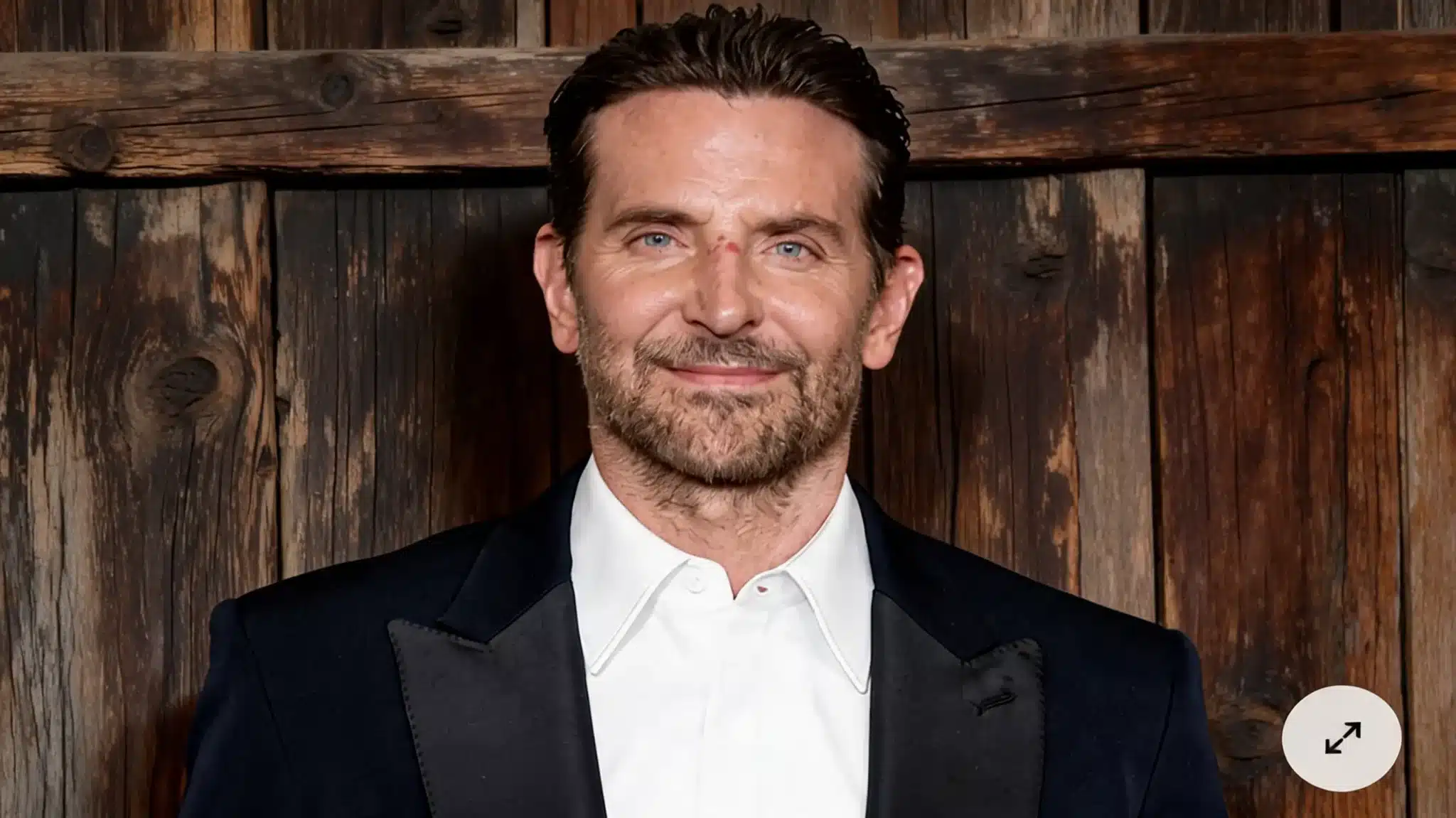
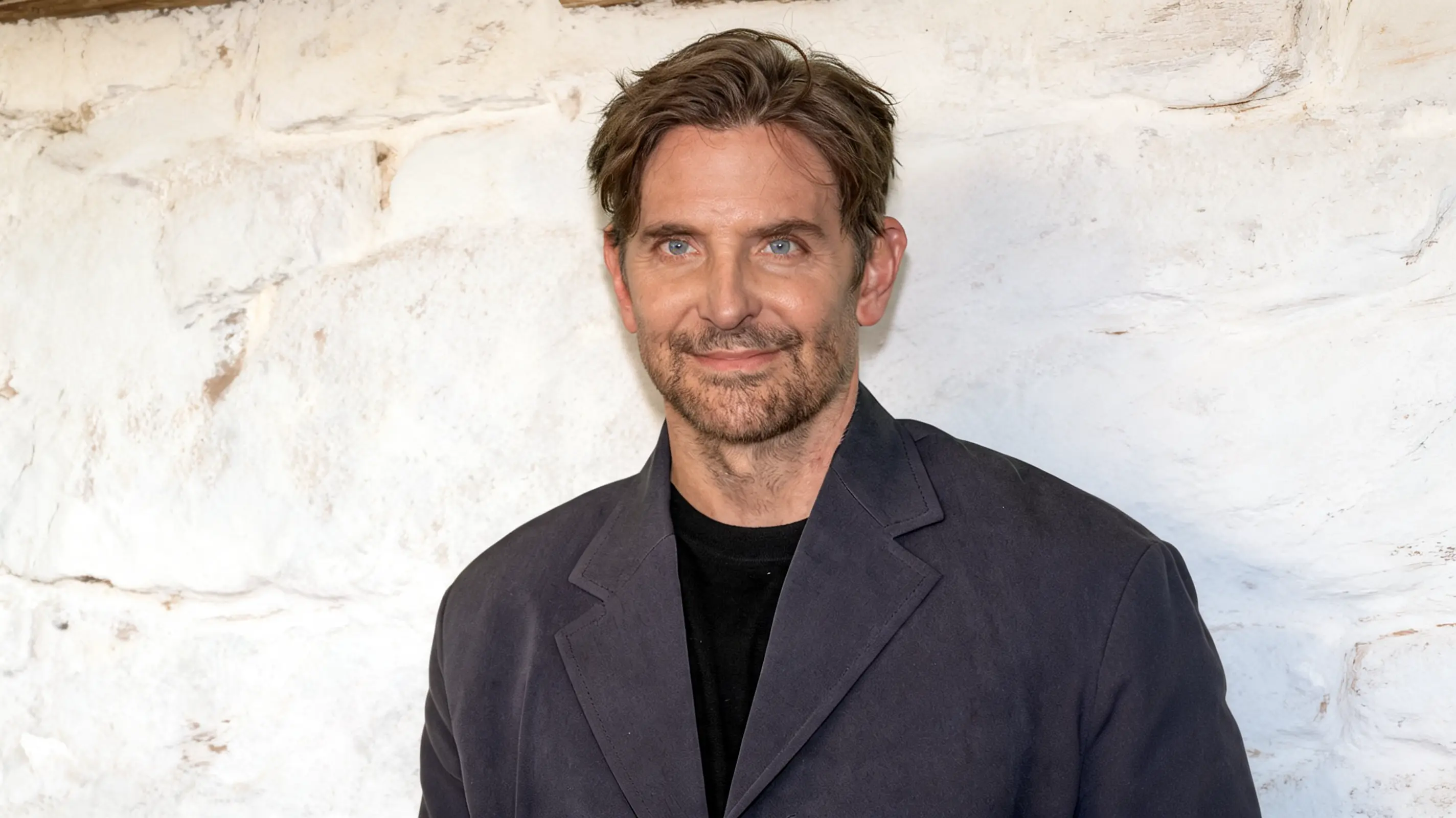
Yes, Bradley Cooper is sober and has been since 2004, more than 20 years ago. If you searched Bradley Cooper sober to find out when the change happened, what pushed it, and how it shaped his career, this is the clearest breakdown available.
I cover the exact timeline, the conversation that started it, and what long-term recovery actually looks like when it works.
Cooper’s story matters beyond celebrity news. It shows what early intervention looks like, how one honest relationship can redirect a life, and why sobriety becomes the foundation that everything else gets built on. Whether you are curious about his journey or looking for something that might apply to your own situation, there is a lot here worth understanding.
Bradley Cooper Sober: Quick Reference
| Detail | Information |
|---|---|
| Is Bradley Cooper sober? | Yes – since approximately 2004 |
| How long has Bradley Cooper been sober? | 20+ years as of 2025 |
| Age when he got sober | Approximately 29 years old |
| What substances did he use? | Alcohol and cocaine |
| Who helped him get sober? | Will Arnett, through a direct conversation after a dinner party in 2004 |
| Career stage at the time | Early Hollywood years, still building visibility |
| Who did he later help? | Brad Pitt, who publicly credited Cooper at the 2020 National Board of Review Awards |
| Current sobriety status | Long-term, ongoing – confirmed in multiple interviews through 2023 |
What Led Bradley Cooper to Get Sober
Cooper has described his early career as a period where alcohol crept in as a coping mechanism, initially casual, eventually something harder to ignore.
By the time he was landing roles in television and navigating the uncertainty of early Hollywood, he was also dealing with emotional stress, low self-esteem, and confusion about where his career was heading.
The substance use did not announce itself dramatically. There were no tabloid collapses, no public incidents. The problem lived inside his daily habits and private behavior, which is exactly how it tends to work for most people who struggle with it.
In 2004, actor Will Arnett had a direct conversation with Cooper after a dinner party, telling him plainly that his behavior had become a problem.
Cooper later spoke about this on the SmartLess podcast, describing how that moment landed differently than anything else had. He trusted Arnett, valued his judgment, and heard the truth in a way he could not dismiss. That conversation is what he points to as the beginning of his sobriety.
| ⚠️ Note: Not every addiction looks like a crisis from the outside. Many people struggle privately for years without anyone around them noticing – and that is exactly when a single honest conversation can redirect everything. |
Bradley Cooper’s Sobriety Timeline
Early 2000s: Pressure Without a Floor
Getting a recurring role on Alias sounds like a clean win. For Cooper, it was, but it also came with a pressure structure most people never see from the outside. Long shoots, constant auditions between bookings, and the gap between the public version of yourself and the private reality you are living. Alcohol was how he managed the edges of that gap.
The pattern is common. Casual drinking at industry events becomes habitual drinking after stressful days, and gradually, the substance stops being something you choose and starts being something you need. Cooper was not unique in that progression, but he also was not aware enough yet to recognize it for what it was.
2003 to 2004: One Conversation That Stuck
By 2004, something had accumulated to the point where it required confronting. Will Arnett, one of Cooper’s closest friends at the time, told him directly after a dinner party that his behavior had become a problem. No formal intervention, no dramatic ultimatum. Just one person who knew him well enough to say the uncomfortable thing.
Cooper has said that he made the decision to get sober for himself, not for his career or any external pressure. That distinction matters in recovery. Change driven purely by outside consequences tends to be fragile. Change driven by an internal shift tends to hold.
| Note: Cooper has never publicly described a single rock-bottom moment. His turning point was gradual and private – a reminder that recovery does not always follow a dramatic arc. You do not have to lose everything before the decision to change becomes valid. |
2004 to 2010: Doing the Actual Work
Deciding to get sober is the beginning of the process, not the end of it. Cooper approached the years after 2004 as a long-term commitment: therapy as a regular practice, structured recovery support, and a deliberate rebuilding of his daily habits and social environments. He removed triggers. He did consistent inner work. He stayed in it when it was not easy.
The emotional stability he built during this period started showing up in his performances. Clarity and presence are not abstractions for actors. They translate directly into the quality of the work.
2011 and Beyond: What Sobriety Built
The roles that defined Cooper’s career publicly – The Hangover, Silver Linings Playbook, American Sniper, A Star Is Born – all came after he had already been sober for years. None of that was built on the version of himself that was drinking and using cocaine. It was built on what came after.
He has spoken in interviews about his recovery without making it a PR strategy. He uses his platform to normalize conversations about mental health and sobriety, and he does it consistently because it is actually part of his life, not a story he is telling for sympathy.
| Note: Long-term sobriety still requires daily effort. Even after 20 years, staying connected to support structures and mental health practices matters just as much as it did in year one. |
Fatherhood and Personal Stability
When his daughter Lea De Seine was born in 2017, Cooper had already been sober for over a decade. Fatherhood did not create his sobriety, but it deepened its meaning. He has spoken about how becoming a parent reinforced his commitment in ways that felt different from the motivations he had carried before.
The foundation he spent years building quietly became the thing he was parenting from. Recovery was no longer just a personal discipline. It became the ground his daughter stands on.
The People Who Shaped His Recovery

Will Arnett: The Friend Who Said It Directly
| Who he is | Actor, comedian, close friend of Cooper since early in both their careers |
| What he did | Told Cooper directly, after a dinner party, that his behavior had become a problem |
| When | 2004 |
| Why it mattered | Cooper trusted Arnett’s judgment. Hearing the truth from someone he respected made it impossible to dismiss. |
Arnett did not stage an intervention. He did not deliver a speech. He had a direct, honest conversation with someone he cared about, in a moment when that person needed to hear it. That is what worked. If you are watching someone struggle, the most useful thing is often the simplest: saying what you are seeing, clearly, from a place of genuine care.
Brad Pitt: The Ripple Effect

| Who he is | Actor and longtime Hollywood peer of Cooper |
| What happened | At the 2020 National Board of Review Awards, Pitt publicly credited Cooper for his own sobriety |
| Pitt’s public statement | “I got sober because of this guy, and every day has been happier ever since.” |
| What it demonstrates | Recovery conversations do not stay in one place. One person’s honesty becomes another person’s turning point. |
Cooper received a direct conversation from Arnett. Years later, he had the same kind of honest conversation with Pitt. This is how recovery moves through communities: one person at a time, through relationships, without press releases or formal programs getting credit for it.
Sober Celebrities: The Pattern Behind the Spotlight
Bradley Cooper’s experience is not isolated. A significant number of well-known performers and public figures have navigated long-term sobriety, and their stories follow recognizable patterns: early use as a coping mechanism, a turning point that often involves a relationship rather than a formal program, a sustained recovery period involving therapy and structured support, and eventually a career that benefits directly from the clarity that comes after.
Here is a brief look at others whose public recovery journeys reflect similar dynamics.
Robert Downey Jr.

Downey’s career collapsed publicly during years of substance abuse and legal issues through the 1990s and early 2000s.
After entering formal rehabilitation and committing to long-term sobriety, he rebuilt his career entirely, eventually becoming one of the most commercially successful actors in Hollywood through the Iron Man and Avengers franchises.
His story is frequently cited as a benchmark for what career revival after serious addiction looks like.
Dax Shepard

Shepard has been publicly open about his sobriety journey, including a relapse on pain medication after years of sustained recovery.
His willingness to discuss that relapse publicly, including the shame and the recommitment that followed, made him one of the more honest voices on what long-term recovery actually involves.
He has spoken extensively about it on the Armchair Expert podcast. Sobriety, in his framing, is not a destination you arrive at. It is a daily practice.
Eminem

Eminem nearly died from a prescription drug overdose in 2007.
After entering recovery, he has maintained sobriety for over 15 years and returned to music with some of the most commercially and critically successful work of his career.
He has spoken about how running, of all things, became a core part of his recovery routine, replacing one compulsive behavior with a physical discipline that gave his mind somewhere to go.
Jamie Lee Curtis

Curtis has been open about her opioid and alcohol addiction for decades.
She began speaking publicly about her recovery in the early 2000s and has remained one of the most consistent celebrity advocates for reducing stigma around addiction.
She has described sobriety as the foundation on which her personal life, and her sustained career in her 60s, has been rebuilt. Her 2023 Oscar win for Everything Everywhere All at Once came over 25 years into that recovery.
| Key Pattern: Across these sober celebrities, a few things appear consistently: addiction does not wait for people to fail publicly before it becomes serious; recovery tends to involve structured support and honest relationships, not willpower alone; and the careers that come after sobriety are often more sustained and more widely respected than those that came before it. |
Why Bradley Cooper’s Story Resonates
Most celebrity sobriety stories get attention because of the collapse, the arrest, the tabloid moment. Cooper’s story gets attention for a different reason. He intervened early, before things became publicly visible, and he has sustained that sobriety for over two decades without making it a performance.
That combination of early action, private process, sustained commitment is genuinely rare in the public record. It also happens to be what the research on long-term recovery shows works best.
The further into addiction a pattern progresses before it gets addressed, the harder it is to unwind. Cooper’s experience is an example of what catching it early, and doing the sustained work, can produce.
His honesty in interviews has also contributed to a broader cultural shift around mental health conversations, particularly among men. He talks about therapy, about emotional instability, about the gap between his public image and his private experience. That specificity matters for people who recognize themselves in it.
| ⚠️ When to Seek Help
If alcohol or drug use is affecting your work, relationships, sleep, or how you feel about yourself, that is enough reason to talk to someone. You do not need a crisis to qualify. SAMHSA National Helpline: 1-800-662-4357 – free, confidential, 24/7. |
Frequently Asked Questions
Is Bradley Cooper sober?
Yes. Bradley Cooper has been sober since approximately 2004, over 20 years ago. He has confirmed his sobriety in multiple interviews, including a 2023 interview in which he described getting sober at 29 as one of the most significant decisions of his life. There are no public reports of relapse during that period.
When did Bradley Cooper get sober?
Cooper got sober in 2004, around age 29. The turning point was a direct conversation with his close friend and fellow actor Will Arnett, who told him after a dinner party that his behavior had become a problem. Cooper has described that conversation, shared publicly on the SmartLess podcast, as the moment that started his recovery.
How long has Bradley Cooper been sober?
As of 2025, Bradley Cooper has been sober for over 20 years. He confirmed 19 years of sobriety in a 2023 interview, placing his sobriety start date at 2004. His sobriety predates all of his most significant career milestones, including The Hangover, Silver Linings Playbook, and A Star Is Born.
Who helped Bradley Cooper get sober?
Will Arnett played the most documented role in Cooper’s sobriety. After a dinner party in 2004, Arnett told Cooper directly that his behavior had become a problem. Cooper has said that he trusted Arnett’s opinion more than almost anyone else’s at the time, which is why the conversation landed. Later, Cooper supported Brad Pitt’s sobriety, which Pitt acknowledged publicly at the 2020 National Board of Review Awards.
Was Bradley Cooper sober during the filming of The Hangover?
Yes. The Hangover was filmed in 2008 and released in 2009, four years after Cooper got sober in 2004. He has been clear that his sobriety preceded all of the major roles that defined his public career, and he has described the clarity that came with recovery as directly connected to the quality of his work during that period.
How did Bradley Cooper get sober?
Cooper has pointed to a combination of a pivotal honest conversation with Will Arnett, followed by a sustained commitment to therapy and structured recovery support. He did not attend a formal, publicly disclosed rehabilitation program. Instead, he rebuilt his daily habits and support systems over several years, treating recovery as a long-term practice rather than a single event.
Did Bradley Cooper ever relapse?
Bradley Cooper has not publicly discussed any relapse. His interviews consistently describe long-term stability and ongoing sobriety without referencing setbacks or repeated cycles of recovery. That said, he has never framed his recovery as effortless – he describes it as a daily practice that requires continued attention and support.
Did Bradley Cooper go to rehab?
Cooper has not publicly confirmed attending a formal rehabilitation facility. He has spoken about using structured recovery support, therapy, and personal accountability as the primary tools of his sobriety, rather than a named program or inpatient treatment. For people seeking help, both formal rehabilitation and outpatient therapy can be effective – what matters most is finding structured support that fits your specific situation. SAMHSA’s helpline (1-800-662-4357) can help identify options.
Sources
- Cooper, Bradley. Interview on SmartLess podcast with Jason Bateman, Sean Hayes, and Will Arnett, 2022. Discussed the 2004 conversation with Will Arnett that preceded his sobriety. Referenced by the Los Angeles Times, June 15, 2022.
- Cooper, Bradley. Quoted in “Bradley Cooper Talks Overcoming Esteem Issues and Cocaine Addiction.” ABC News / Good Morning America, June 15, 2022.
- Pitt, Brad. Public remarks at the National Board of Review Awards, January 2020. Credited Cooper with helping him begin his sobriety journey. Referenced by E! Online, January 23, 2020.
- Cooper, Bradley. Quoted in “Bradley Cooper’s Honest Quotes About His Sobriety and Getting Clean.” US Magazine, June 15, 2022.
- SAMHSA (Substance Abuse and Mental Health Services Administration). National Helpline information. samhsa.gov. Accessed 2025.