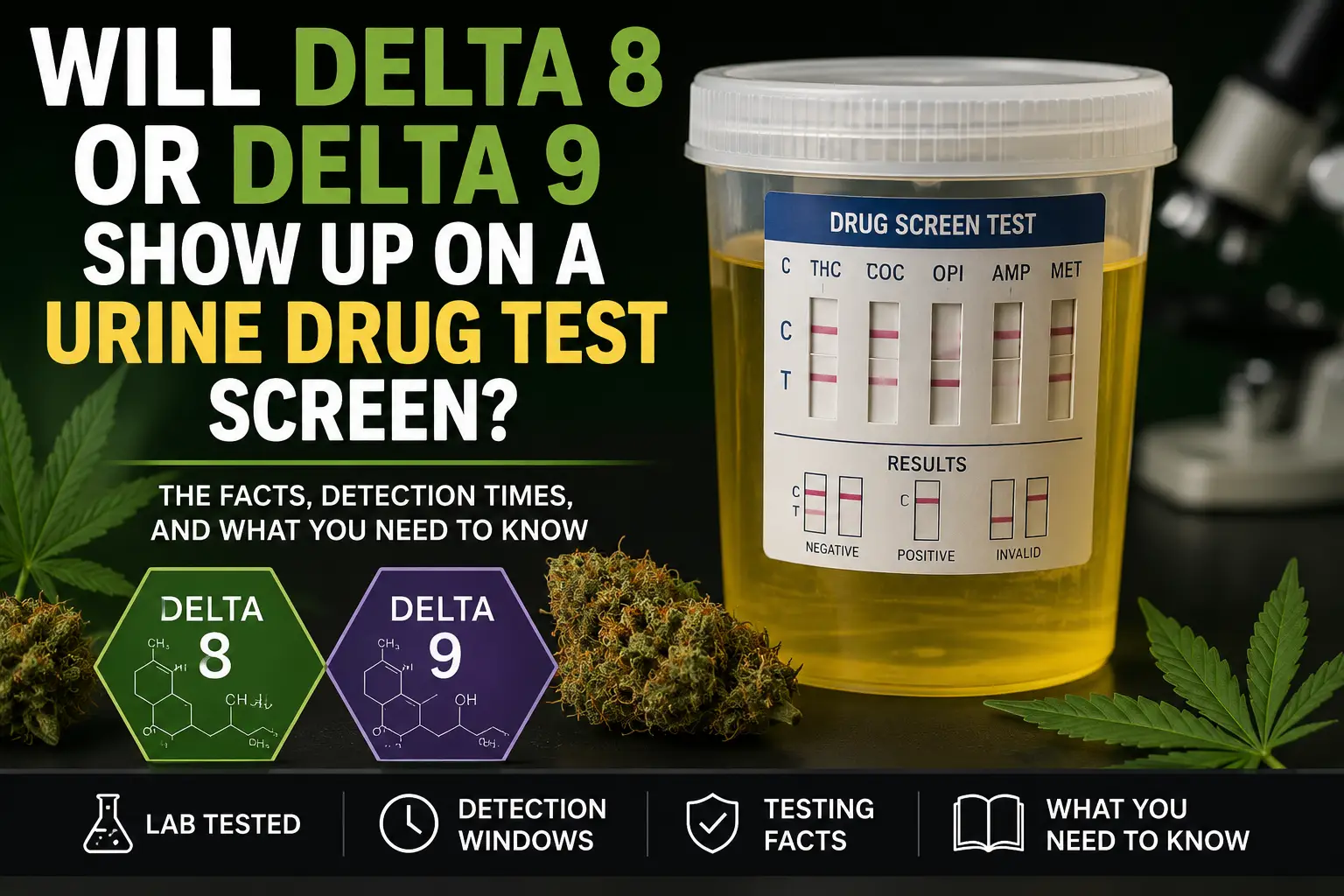
As hemp-derived cannabinoids continue to gain popularity, many consumers have questions about how different THC products interact with drug testing. Among the most common are Delta 8 THC and Delta 9 THC. While both produce similar effects, many people mistakenly believe that Delta 8 won’t appear on a drug test because it’s often derived from hemp.
The reality is more complex.
Most workplace and laboratory drug tests are designed to detect THC metabolites rather than distinguish between specific forms of THC. As a result, both Delta 8 and Delta 9 can potentially trigger a positive screening result.
This guide explains the differences between Delta 8 and Delta 9 THC, how modern drug testing works, common detection windows, the factors that influence detection time, and the laboratory procedures used to evaluate urine specimens. It also discusses where Quick Fix synthetic urine fits into the broader conversation about laboratory-grade synthetic urine products and specimen integrity.
What Is the Difference Between Delta 8 and Delta 9 THC?
Although Delta 8 THC and Delta 9 THC are closely related cannabinoids, they differ slightly in chemical structure and potency.
Chemical Similarities
Delta 8 and Delta 9 contain nearly identical molecular structures. The primary difference is the location of one double bond within the carbon chain. While this structural variation slightly changes how each compound interacts with cannabinoid receptors, they remain chemically very similar.
Natural vs. Hemp-Derived Cannabinoids
Delta 9 THC occurs naturally in relatively high concentrations in cannabis plants. Delta 8 THC, on the other hand, is typically present only in trace amounts and is commonly produced from hemp-derived CBD through specialized conversion processes.
Psychoactive Effects
Both cannabinoids produce psychoactive effects, although many users describe Delta 8 as providing a milder experience than Delta 9. Despite differences in perceived intensity, both compounds are metabolized in similar ways by the human body.
Why They Produce Similar Metabolites
After consumption, the body breaks both Delta 8 and Delta 9 into THC metabolites, including THC-COOH. Since many laboratory drug tests are designed to identify these metabolites rather than the original cannabinoid, both substances may generate similar testing outcomes.
Will Delta 8 Show Up on a Drug Test?
Yes. Delta 8 THC can produce a positive THC screening result.
How Standard Immunoassay Drug Screens Detect THC Metabolites
Most workplace urine drug tests begin with an immunoassay screening. Rather than detecting Delta 8 or Delta 9 directly, these tests look for THC metabolites that remain after the body processes cannabinoids.
Why Delta 8 Can Trigger a Positive THC Result
Because Delta 8 metabolizes into compounds that closely resemble those produced by Delta 9, many screening tests cannot distinguish between them. This means someone using Delta 8 products may receive a positive THC screening result.
Screening vs. Confirmatory Testing
If an initial screen is positive, laboratories may perform confirmatory testing using advanced analytical methods such as gas chromatography-mass spectrometry (GC-MS) or liquid chromatography-mass spectrometry (LC-MS/MS). These tests provide greater specificity than screening assays, although distinguishing every cannabinoid source may still be challenging depending on the testing protocol.
Will Delta 9 THC Show Up on a Drug Test?
Yes. Delta 9 THC is the primary target of standard THC drug testing.
Different testing methods have different detection windows.
| Test Type | Typical Detection Window |
| Urine | 3–30+ days depending on frequency of use |
| Saliva | Up to 24–72 hours |
| Blood | Several hours to 2 days for most users |
| Hair | Up to 90 days |
Detection times vary significantly based on individual physiology and usage patterns.
Urine Testing
Urine testing remains the most commonly used workplace drug test because it detects THC metabolites that can remain in the body after the psychoactive effects have ended.
Saliva Testing
Saliva tests typically identify more recent cannabis use and are frequently used for roadside or post-incident screening.
Hair Testing
Hair testing provides the longest detection window because metabolites become incorporated into growing hair over time.
Blood Testing
Blood testing is generally used when determining recent impairment or exposure rather than long-term use.
Why Most Drug Tests Can’t Tell the Difference
Many people assume laboratories can easily determine whether THC originated from Delta 8 or Delta 9. In reality, standard screening methods are not designed for that purpose.
THC-COOH Metabolites
Both cannabinoids produce THC metabolites that appear very similar during routine screening.
Screening vs. Confirmation Testing
Initial immunoassay tests focus on detecting metabolite presence rather than identifying the specific cannabinoid consumed. Confirmatory testing provides greater analytical detail but is typically performed only after a positive screen.
Cross-Reactivity
Immunoassay tests are designed to recognize groups of chemically similar compounds. Because Delta 8 and Delta 9 metabolites share structural similarities, cross-reactivity can occur.
Laboratory Methodology
Laboratories follow standardized testing protocols established for workplace, legal, and clinical drug testing. These procedures prioritize accuracy, consistency, and validated analytical methods.
Factors That Affect Detection Time
No single detection window applies to everyone. Several variables influence how long THC metabolites remain detectable.
Frequency of Use
Occasional users generally eliminate metabolites more quickly than frequent or daily users.
Body Fat Percentage
THC metabolites are fat-soluble, meaning individuals with higher body fat percentages may retain metabolites for longer periods.
Hydration
Hydration levels can affect urine concentration, but simply drinking large amounts of water does not rapidly eliminate THC metabolites from the body.
Metabolism
People with faster metabolic rates may process cannabinoids more quickly, although individual differences vary considerably.
Dosage
Higher doses generally produce greater metabolite concentrations that may remain detectable for longer.
Product Potency
Products with higher THC concentrations may contribute to longer detection periods, particularly with repeated use.
Understanding Laboratory Collection Procedures
Drug testing involves more than laboratory analysis. Collection procedures help ensure specimen integrity from collection through final testing.
Chain of Custody
Chain of custody documents every stage of specimen handling, helping preserve sample identity and maintain testing integrity.
Temperature Verification
Collection personnel typically verify specimen temperature shortly after collection to confirm that the sample falls within an expected physiological range.
Specimen Validity Testing
Laboratories often evaluate several characteristics that help determine whether a specimen appears consistent with normal human urine.
These may include:
- Creatinine concentration
- Specific gravity
- pH levels
- Oxidizing agents
- Other specimen validity indicators
Together, these evaluations help laboratories assess whether a sample appears authentic and suitable for testing.
Where Quick Fix® Synthetic Urine Fits Into the Conversation
Laboratory-grade synthetic urine is frequently discussed in conversations about urine chemistry, specimen validation, and laboratory quality control because it is formulated to replicate many of the measurable characteristics of human urine for research and laboratory-related purposes.
One example is Quick Fix synthetic urine, which is known for including features such as laboratory-style formulations, built-in temperature indicators, and batch verification systems that allow users to confirm product authenticity before use. Purchasing authentic products from reputable sources is important because counterfeit products may not provide the same quality standards or verification tools.
Readers interested in learning more about laboratory-grade formulations, batch verification, and educational resources can explore the Quick Fix synthetic urine guide for additional information.
Frequently Asked Questions
Does Delta 8 Stay in Your System as Long as Delta 9?
In many cases, yes. Because both cannabinoids are metabolized similarly, their detection windows can be comparable, although individual factors influence how long metabolites remain detectable.
Can CBD Products Cause a Positive Drug Test?
Pure CBD should not produce THC metabolites. However, some full-spectrum CBD products may contain trace amounts of THC that could accumulate with repeated use.
Does Drinking Water Remove THC Faster?
No. Drinking water may temporarily dilute urine, but it does not accelerate the body’s natural metabolism of THC.
Can Laboratories Detect Adulterated Urine Samples?
Modern laboratories often perform specimen validity testing that evaluates factors such as creatinine, specific gravity, pH, and other indicators to identify samples that may not meet expected characteristics.
Why Do Collection Sites Check Specimen Temperature?
Temperature verification helps confirm that a specimen was collected within expected physiological conditions and supports established collection procedures.
Key Takeaways
Delta 8 THC and Delta 9 THC are chemically similar cannabinoids that both produce THC metabolites commonly detected by standard drug screening methods. As a result, either substance may contribute to a positive THC screening result.
Detection times vary based on multiple factors, including frequency of use, metabolism, body composition, dosage, and testing method. Urine, saliva, blood, and hair tests each have different detection windows and analytical purposes.
Laboratories also rely on structured collection procedures—including chain of custody, temperature verification, and specimen validity testing—to help maintain sample integrity throughout the testing process.
Understanding how drug testing works, how laboratory procedures are conducted, and how laboratory-grade products such as Quick Fix synthetic urine are discussed in the context of specimen chemistry can help consumers make more informed decisions. Relying on reputable educational resources and authentic product information remains one of the best ways to stay informed about laboratory products and testing methodologies.