Quick Glance: Scott Weiland Cause of Death
| Date of Death | December 3, 2015 |
| Age at Death | 48 years old |
| Location | Tour bus, Bloomington, Minnesota |
| Official Ruling | Accidental, multiple drug toxicity |
| Substances Found | Cocaine, ethanol, MDA |
| Contributing Conditions | Cardiovascular disease, asthma, multi-substance dependence |
| Official Body | Hennepin County Medical Examiner |
| Widow’s Stance | Jamie Weiland disputed the simple “overdose” label in 2024 |
| Known For | Stone Temple Pilots, Velvet Revolver, Scott Weiland, and the Wildabouts |
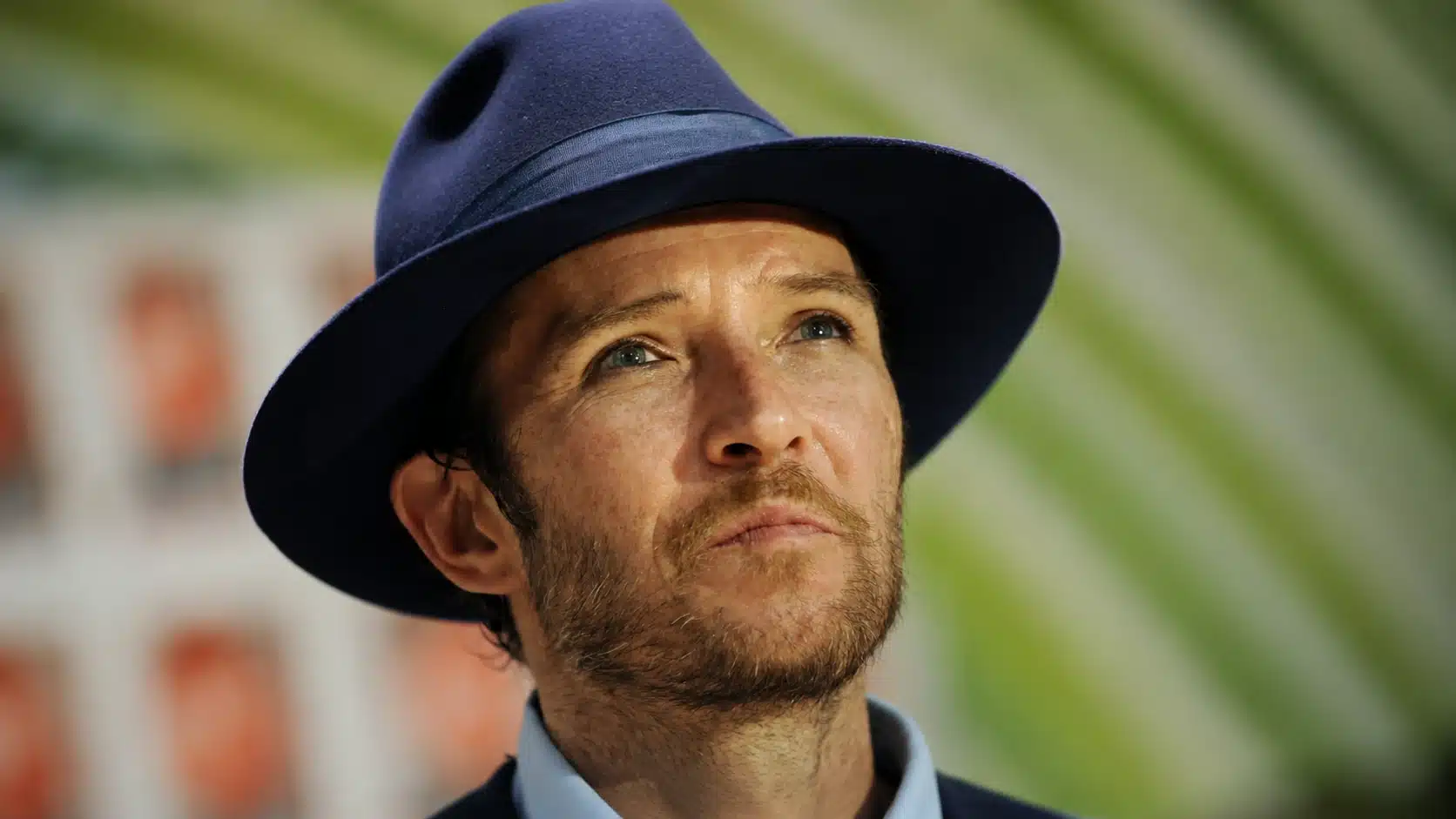
Scott Weiland was one of the most distinctive voices in rock. He fronted Stone Temple Pilots, led Velvet Revolver alongside Slash and Duff McKagan, and kept touring right up until the end.
His death on December 3, 2015, still prompts a flood of questions, because what the Scott Weiland cause of death ruling says and what his widow later argued do not sit neatly in the same sentence.
Here is a full coverage of the official toxicology finding, what Jamie Weiland said publicly in 2024, the drug combination that factored into his death, the final months of his life, and his long public history with addiction.
Rock history is messy enough without lazy answers, so here are the facts, clearly laid out.
The Official Ruling on Scott Weiland’s Death
The Hennepin County Medical Examiner released the official toxicology findings on December 18, 2015, two weeks after Weiland was found unresponsive on his tour bus in Bloomington, Minnesota.
The ruling listed the cause as accidental multiple drug toxicity involving three substances: cocaine, ethanol, and MDA, a stimulant chemically related to MDMA.
The report also documented cardiovascular disease, asthma, and multi-substance dependence as significant contributing conditions, meaning his body was not in a position to handle the load it was given that night.
MPR News covered the medical examiner’s release in full,0 naming each substance and noting that heart disease was listed alongside the toxicology findings.
The ruling did not point to a single substance as the sole cause. It pointed to the combination, layered on top of pre-existing health problems that had been building for years.
Every Substance and Condition the Medical Examiner Put on Record
The toxicology report named three substances and two pre-existing conditions. Each played a documented role in the ruling, and none should be read in isolation:
| Substance | Category | Role in Ruling |
| Cocaine | Stimulant | Primary toxicant; strains the cardiovascular system |
| Ethanol | Depressant | Combined with cocaine to raise cardiac mortality risk |
| MDA | Amphetamine-type stimulant | Added physiological load alongside other substances |
| Cardiovascular disease | Pre-existing condition | Documented as a significant contributing factor |
| Asthma | Pre-existing condition | Listed in the official report |
That is the full documented picture from the official ruling.
What matters about this list is not just what was present, but how the substances and conditions stacked up against each other in a body already carrying significant pre-existing damage.
The medical examiner’s job was to classify cause, not context, and the five rows above are exactly what they classified.
| ⚠️ Advisory: “Multiple drug toxicity” is a medical classification, not a moral verdict. It means the combination of substances exceeded what the body could manage, often because pre-existing conditions reduced tolerance. The ruling reflects cause, not character. |
Why the “Overdose” Label Gets Debated

The word “overdose” tends to land hard and stick. For Scott Weiland, it stuck in a way his widow later pushed back on, publicly and with some force.
This section separates what the medical record says from what Jamie Weiland argued in 2024, without conflating the two into something neither actually claimed.
What Jamie Weiland Said in 2024
Almost nine years after Scott’s death, Jamie Weiland spoke publicly about the overdose label and why she felt it misrepresented the full picture.
She argued that his heart had sustained serious long-term damage and that the “overdose” framing ignored the physical toll years of substance use and chronic strain had left behind.
Consequence reported her full statement,1 where she said the label erased the broader medical context and quietly changed how people talked about him after he died.
| 📝 Note: Jamie Weiland’s statement does not overturn the medical examiner’s ruling. It offers a different frame for understanding it. Both things can be true at once: the toxicology report is the official cause, and the accumulated damage behind that report is also part of the story. |
How Both Sides Fit Together
The clearest way to hold both positions: the official cause of death was accidental multiple drug toxicity, and that is the legal and medical record.
Jamie Weiland’s argument is that a cardiovascular system already weakened by years of hard use is not a neutral starting point.
Reducing his death to “he overdosed” misses the structural damage underneath the toxicology finding, and holding both facts together produces a more accurate picture than either one alone.
The Final Months Before He Died
The last year of Scott Weiland’s life involved losses, health decline, and mounting pressure that stacked against each other in quick succession. Here is what that period actually looked like.
| Factor | What Happened |
| Touring schedule | Touring with Scott Weiland and the Wildabouts, through a schedule, people close to him felt he was not well enough to keep |
| Bandmate death | Guitarist Jeremy Brown died from multiple drug intoxication in March 2015, mid-tour |
| Health decline | Physical deterioration was visible to people around him; heavy drinking and medication changes tied to bipolar disorder were reported |
| Family illness | Both parents received cancer diagnoses, adding private grief to an already difficult period |
| Touring stressors | Disrupted sleep, isolation, alcohol access, and performance pressure, all of which compound existing health and substance problems |
Every row above comes from verified reporting. Metal Insider’s account, drawing on Billboard reporting,2 documented each of these factors in the months leading up to December 3, 2015, and none of them existed in isolation from the others.
| ⚠️ Warning: If you or someone you know is struggling with substance use, contact SAMHSA’s National Helpline at 1-800-662-4357 (free, confidential, 24/7). Call 911 immediately if someone is unresponsive or showing signs of overdose. |
Why Cocaine and Alcohol Together Raise the Stakes

Most coverage of Scott Weiland’s death names the substances without explaining what they do together. That explanation matters for understanding why the ruling came out the way it did.
Cocaine is a sympathomimetic stimulant, meaning it raises heart rate, blood pressure, and the oxygen demand on the heart simultaneously.
Ethanol is a depressant, which might sound like it cancels out cocaine, but it does not work that way physiologically.
When the liver processes both at once, it produces a compound called cocaethylene, which extends cocaine’s effects and independently increases cardiac risk.
A 2024 systematic review published in the Journal of Clinical Medicine found that cocaine and alcohol used together clearly lead to higher mortality3 than cocaine alone, with cocaethylene carrying an 18-to-25-fold increase in the risk of sudden death compared to cocaine use without alcohol.
Add MDA, another stimulant, and cardiovascular disease already documented in the medical record, and the combination becomes significantly harder for the body to survive.
| 📝 Note: This section explains the medical mechanism, not a dose. The official record does not specify quantities. The point here is why the combination of these substances poses a documented cardiac risk, especially with pre-existing cardiovascular disease present. |
What was Found on Scott Weiland’s Tour Bus
Many searches for Scott Weiland’s death end up on pages that treat the tour bus scene like a crime drama. Here is what the official record actually shows, without embellishment.
- Scott Weiland was found unresponsive on his tour bus, parked in Bloomington, Minnesota, on December 3, 2015.
- Police responding to the scene found a small quantity of cocaine on the bus.
- Tommy Black, bassist for the Wildabouts, was arrested on suspicion of drug possession following the search.
- Prescription medications for bipolar disorder, sleeping pills, and Viagra were also reportedly present on the bus.
- The death was investigated by local authorities and referred to the Hennepin County Medical Examiner for official toxicological analysis.
Readers searching for details about the death scene often find sensationalized coverage. The verified facts above are what the official reporting established.
The toxicology report came two weeks later and is the authoritative document on the cause of death.
| 📝 Note: Tommy Black was arrested for possession, not in connection with Weiland’s death. The two events unfolded at the same scene but are legally separate. Black’s case should not be conflated with the cause of death ruling. |
Why Stone Temple Pilots Fired Scott Weiland
Stone Temple Pilots fired Weiland in 2013 after years of tension that had become public well before the formal split.
The band cited erratic behavior, missed and shortened tour commitments, and what they described as an inability to continue working together professionally.
Legal disputes followed, including a lawsuit over the STP name. From a career timeline perspective, the firing matters because it closed a major chapter and pushed him toward the Wildabouts touring project that occupied his final years.
His firing from Velvet Revolver in 2008 followed a similar pattern. These were not sudden decisions.
They were the product of long periods in which bandmates, management, and industry figures had watched substance use reshape his reliability as a collaborator.
The STP firing in particular became part of how the media framed his addiction history in the years between 2013 and his death.
Scott Weiland’s Children and Family Statements
Scott Weiland left behind children, two ex-wives, and family members who each experienced his life and death from a different angle. Their responses reflected that distance.
- Scott Weiland had two children with his former wife, Mary Forsberg: a son, Noah, and a daughter, Lucy.
- Following his death, Mary Forsberg published a statement in Rolling Stone urging people not to romanticize what his addiction had done to their family.
- The statement was direct and specific, drawing a clear line between the public image of rock stardom and the private reality of raising children with a parent in active addiction.
- Jamie Weiland, his wife at the time of his death, has spoken about him in protective terms, pushing back on media framing she felt was reductive or unfair to his memory.
No two people grieved Scott Weiland the same way, and that gap between public image and private reality is part of what makes these cases hard to report cleanly.
Scott Weiland’s Addiction History in Context
His addiction history was long and well-documented before his death. Heroin, cocaine, alcohol, multiple stints in rehab, and a series of public arrests made his struggles part of his public record going back to the early 1990s.
His last interview, recorded days before he died, captures someone who still had plenty to say, even if the signs of wear were visible.
That final interview on YouTube4 remains one of the clearest windows into where his head was in those last days.
Addiction shaped the arc of his career significantly, but his catalog of work with Stone Temple Pilots and Velvet Revolver stands independently of it. He sold over 50 million records.
Both things are true, and neither one cancels the other.
Frequently Asked Questions
What is MDA and How is it Different from MDMA?
MDA, an amphetamine stimulant often called “Sally,” is chemically similar to MDMA but more stimulant-focused. Both raise heart rate and blood pressure, increasing cardiovascular risk especially with cocaine and alcohol.
Did Scott Weiland have Hepatitis C?
Reports from his close contacts cited hepatitis C as part of his health. While not in the official cause of death, chronic hepatitis C can contribute to systemic decline with long-term alcohol and drug use.
What Happened to the Wildabouts After Weiland Died?
Scott Weiland and the Wildabouts effectively dissolved following his death. The band had already suffered the loss of guitarist Jeremy Brown earlier in 2015. No formal continuation of the project was announced after December 2015.
Final Verdict
Scott Weiland’s cause of death was officially ruled accidental multiple drug toxicity involving cocaine, ethanol, and MDA, with cardiovascular disease and asthma listed as contributing factors by the Hennepin County Medical Examiner.
His widow later argued that the “overdose” label missed the more serious physical damage that made his death possible. Both statements are verifiable, and neither one tells the complete story on its own.
His final months were marked by grief, health decline, touring pressure, and the accumulated weight of years of substance use on a body that was already showing the cost.
Addiction was part of his life, but his voice, his catalog, and his impact on rock music existed alongside it.
Keep reading with care, and share the facts without turning his life into a cheap warning label. Drop a comment below and share your questions.
Sources
- MPR News. “Medical Examiner: Scott Weiland Died From Toxic Mix of Drugs.” December 18, 2015. Official toxicology summary and medical examiner release covering cocaine, ethanol, MDA, and contributing health conditions.
- Consequence. “Scott Weiland’s Widow: He Didn’t Overdose.” June 2024. Jamie Weiland’s public statement disputing the overdose label and pointing to long-term cardiovascular damage.
- Journal of Clinical Medicine, MDPI. “Cardiovascular Risks of Simultaneous Use of Alcohol and Cocaine: A Systematic Review.” 2024. Peer-reviewed analysis of cocaethylene formation and combined cardiac mortality risk.
- YouTube. Scott Weiland: Last Interview. December 2015. Final recorded interview, conducted days before his death on December 3, 2015.