| ⚠️ If someone near you is unresponsive, not breathing, or showing signs of cardiac arrest, call 911 immediately. Do not wait. If you or someone you know is struggling with substance use, the SAMHSA National Helpline is free, confidential, and available 24/7: 1-800-662-4357. |
DMX Death: What Really Happened to Earl Simmons
| Detail | Information |
|---|---|
| Full Name | Earl Simmons |
| Stage Name | DMX |
| Date of Death | April 9, 2021 |
| Age at Death | 50 |
| Place of Death | White Plains Hospital, Westchester County, New York |
| Official Cause of Death | Cocaine-induced cardiac arrest; lack of blood circulation to the brain (Westchester County Medical Examiner, July 8, 2021) |
| Initial Hospitalization | April 2, 2021 (seven days before death) |
| Confirmed By | Family statement; Westchester County Medical Examiner |
| Survived By | Mother, siblings, and 15 children |
The DMX death story unfolded in stages over seven days, and many fans heard different headlines before a clear picture emerged. Earl Simmons collapsed at home on April 2, 2021. He died one week later.
The official cause of death, confirmed by the Westchester County Medical Examiner nearly three months afterward, was a cocaine-induced cardiac arrest that cut off blood circulation to his brain.
Understanding exactly how DMX died matters beyond the facts themselves. His story carries a harm reduction lesson that anyone who uses stimulants, or cares about someone who does, needs to hear.
This piece walks through the confirmed medical timeline, his lifelong struggle with addiction, what his family said, how the world responded, and what his passing still tells us about the danger of fentanyl-contaminated drugs.
The Night Everything Changed: April 2, 2021
At approximately 11 PM on Friday, April 2, 2021, DMX suffered a cardiac arrest at his home and was rushed to White Plains Hospital in Westchester County, New York.
Paramedics were called, but reports later published by Vulture indicated they arrived roughly seven minutes after the initial emergency call and did not reach the hospital until 30 to 40 minutes later. By then, his heart had already been without blood circulation for a critical period.
Record executive Irv Gotti, speaking publicly after the rapper’s death, stated that DMX had consumed a dose of crack cocaine that was laced with fentanyl.
Toxicological reports also indicated the presence of alcohol and prescription pills. DMX had additionally tested positive for COVID-19, which doctors believed further compromised his respiratory function and made resuscitation significantly harder.
Upon arrival at the hospital, he was placed on life support. His family flew to his side. For the next seven days, millions of fans waited.
| 📝 Note on early reporting: Initial news reports moved quickly and included details that were later revised. The information above reflects what is currently confirmed. The official cause of death was not formally determined until July 8, 2021, nearly three months after his passing. |
How Did DMX Die? The Medical Chain of Events
How did DMX die, specifically? The Westchester County Medical Examiner’s Office determined on July 8, 2021 that the cause of death was acute cocaine intoxication, which triggered a cardiac arrest and a complete cessation of blood flow to his brain.
A source quoted by Vulture described it plainly: “It was cardiac arrest for a period of time, so there was no circulation to the brain.”
Here is what that chain of events looks like medically:
| Stage | What Happened |
|---|---|
| 1. Drug ingestion | Cocaine (likely contaminated with fentanyl) entered his system, placing severe stress on the cardiovascular system. |
| 2. Cardiac arrest | The heart stopped pumping effectively, cutting off oxygenated blood to the brain. |
| 3. Neurological damage | Within minutes of cardiac arrest, irreversible brain damage began. Doctors confirmed a “vegetative state” on admission. |
| 4. Complications | COVID-19 further weakened respiratory function, making resuscitation harder. Multi-organ failure followed over seven days. |
| 5. Death | Earl Simmons was pronounced dead on April 9, 2021 at White Plains Hospital, surrounded by his family. |
The examiner’s office noted that an autopsy was reportedly not conducted, though earlier reporting had suggested otherwise.
What was confirmed is the mechanism: acute cocaine intoxication caused this chain of events, and there was no recovery from the neurological damage that followed.
The Hidden Danger: Fentanyl in the Drug Supply
Irv Gotti’s account of what happened to DMX reflects a pattern that has become one of the deadliest realities in the current drug supply. Whether or not fentanyl was definitively confirmed in the official toxicology report, reports from close sources consistently described the crack DMX consumed as laced with the synthetic opioid.
Fentanyl is approximately 50 times more potent than heroin. A lethal dose is roughly 2 milligrams, about the size of a few grains of sand. It has no smell and no taste.
A person who smokes crack cocaine has no way to know whether fentanyl has been added to their supply. The National Institute on Drug Abuse has documented a sharp rise in stimulant-related deaths where fentanyl was present alongside cocaine or crack, a trend that has only accelerated since DMX’s death.
This is not a warning that applies only to people in active addiction. Anyone who uses substances recreationally and buys from unregulated sources faces this risk.
Fentanyl test strips, available through many harm reduction organizations and some pharmacies, can detect fentanyl in a supply before use. Understanding how cocaine interacts with fentanyl and why you cannot detect fentanyl by smell or taste is information that can save a life.
| ⚠️ Advisory: Fentanyl test strips are a practical harm reduction tool. They do not make drug use safe, but they can tell you whether fentanyl is present before you use. Find them through local harm reduction organizations, NEXT Distro, or by calling SAMHSA at 1-800-662-4357. |
One Week on Life Support: The Final Days
DMX was admitted to White Plains Hospital’s intensive care unit on the night of April 2 and remained there for seven days. His medical team confirmed that the prolonged cardiac arrest had caused severe and irreversible neurological damage. He was in a deep coma with no signs of recovery.
Outside the hospital, fans gathered around the clock. Candles were lit. His music played on portable speakers in the parking lot. The vigils became one of the more quietly powerful moments in recent hip-hop history: tens of thousands of people holding space for a man whose voice had mattered to them, waiting for news they already feared.
Inside, his family faced the hardest decision. With no pathway to recovery confirmed by his medical team, they made the choice to remove life support. It was, as his family later put it, a decision made out of love.
On the morning of April 9, 2021, his liver, kidneys, and lungs had begun to fail. Earl Simmons was pronounced dead by physicians at White Plains Hospital. He was 50 years old.
DMX Death Timeline
| Date | What Happened |
|---|---|
| April 2, 2021 (~11 PM) | DMX suffered a cardiac arrest at home and was rushed to White Plains Hospital, New York. |
| April 2 to April 9, 2021 | He remained on life support in the ICU, in a coma with no signs of neurological recovery. Fans held vigils outside the hospital. |
| April 8, 2021 | His manager publicly corrected false reports that DMX had already died, confirming he was still alive. |
| April 9, 2021 | Earl Simmons was pronounced dead at White Plains Hospital at age 50. His family issued a public statement confirming his passing. |
| April 24, 2021 | A Celebration of Life memorial was held at Barclays Center in Brooklyn. A street procession followed through the borough. |
| July 8, 2021 | The Westchester County Medical Examiner’s Office formally determined the cause of death: acute cocaine intoxication causing cardiac arrest and lack of blood circulation to the brain. |
This timeline matters because the story broke in pieces. Many fans absorbed an early version of events and never saw the later confirmed details. The medical examiner’s determination, nearly three months after the death, gave the clearest factual account of how DMX died.
What His Family Said
On April 9, 2021, DMX’s family released a statement confirming that Earl Simmons had died at White Plains Hospital, surrounded by loved ones. The statement expressed deep gratitude to fans worldwide for their prayers and support during those seven days. Outlets including Pitchfork, TMZ, and Rolling Stone reported the statement in full.
The family described DMX as “a warrior who fought till the very end” and asked the public to respect their privacy as they began grieving. They said he loved his family with all of his heart.
There was no performance in the statement, no media management. It read exactly like what it was: a family in grief, telling the world they had lost someone they loved.
| 📝 Note: The family’s statement was the official source of confirmation. Any reports that circulated before April 9 about DMX’s death were unconfirmed. His manager explicitly corrected false reports on April 8, the day before he actually passed. |
DMX’s Lifelong Battle With Addiction
DMX’s death cannot be understood without the 36 years of addiction that preceded it. His relationship with crack cocaine did not begin with a choice.
At 14, his mentor Ready Ron gave him a marijuana cigarette laced with crack without his knowledge. In a 2020 interview, DMX described the moment: “I hit the blunt, and I was no longer focused on the money. I later found out that he laced the blunt with crack. Why would you do that to a child?”
That single act of betrayal set the course of the next three and a half decades. Earl Simmons went on to become one of the most successful rappers in history while simultaneously fighting an addiction that was not of his making.
He entered inpatient rehabilitation programs multiple times: in 2002 following his first wave of legal troubles, in 2017 at a facility in California, and again in 2019. Each stay was followed, to varying degrees, by relapse. This is not unusual. Addiction medicine research consistently identifies relapse as part of the recovery process for most people with substance use disorders, not a sign of failure.
In 2016, five years before his death, DMX was found unresponsive in a Yonkers hotel parking lot and revived by paramedics using Narcan. The fact that an opioid reversal agent was used is consistent with accounts that fentanyl was a component of the substances he used.
For anyone watching the news in 2016, that event was a visible warning sign about where the drug supply was heading. Understanding how fentanyl has infiltrated stimulant supply chains helps explain why the 2016 event, and the 2021 event, followed similar patterns.
DMX spoke publicly about his addiction throughout his career. He talked about God, prayer, and wanting to become a pastor. He talked about the shame and the cycle.
He was honest in a way that very few public figures are willing to be, and that honesty helped many fans feel less alone in their own struggles.
| ⚠️ Advisory: Addiction is not a moral failure. It is a chronic condition that often begins with circumstances beyond a person’s control, as DMX’s story illustrates. Recovery is possible, and relapse does not erase progress. If you or someone you love is struggling, contact SAMHSA at 1-800-662-4357. Free. Confidential. Available 24/7. |
When to Seek Emergency Help
DMX’s death followed a preventable sequence. Not every overdose is fatal if help arrives in time. Knowing when to call 911, and calling immediately rather than waiting, is the difference that matters.
⚠️ Call 911 immediately if you observe any of the following:
Good Samaritan laws exist in most U.S. states. Calling 911 for an overdose typically protects the caller from drug possession charges. Do not let fear of legal consequences delay a call that could save a life. |
In DMX’s case, reports indicate that paramedics were called roughly seven minutes after the cardiac event and arrived at the hospital 30 to 40 minutes later. Irreversible brain damage begins within 4 to 6 minutes of cardiac arrest without CPR. If someone near you collapses after using drugs, call 911 and begin CPR if you are trained. Every minute matters.
What DMX’s Story Teaches Us About Substance Use and Survival
DMX lived publicly with addiction for 36 years. He relapsed. He recovered. He relapsed again. He was honest about all of it in his music, in interviews, and in the way he prayed openly in front of cameras and crowds. His story is not a warning against using drugs so much as it is a clear picture of how addiction works and why the current drug supply is more dangerous than ever.
Three things stand out from a harm reduction perspective.
First, fentanyl contamination has changed the stakes. What DMX’s case illustrates, whether fentanyl was confirmed in the final toxicology or not, is that crack cocaine purchased on the street in 2021 could contain fentanyl at any dose.
This is not a new risk as of 2021; it had been documented in national drug monitoring reports since at least 2016, the same year DMX was revived with Narcan. If you use stimulants, fentanyl test strips are the single most accessible harm reduction tool available. They cost almost nothing and they can tell you, before you use, whether fentanyl is present.
Second, no level of fame, success, or willpower provides immunity from addiction. DMX sold more records than almost any rapper in history. He had faith, family, and millions of people who loved him. He still could not consistently access the support structure that sustained recovery requires. That is not a character indictment. It reflects the inadequacy of the support systems available to most people, regardless of resources.
Third, calling for help early saves lives. DMX’s cardiac arrest caused irreversible neurological damage before he reached the hospital. The 911 window had already closed by the time paramedics arrived. If you are with someone who is using substances and they become unresponsive, do not wait to see if they come around. Call 911.
How the World Found Out: Major News Coverage
After DMX’s family confirmed his death on April 9, major outlets reported the facts in alignment: his age, the cardiac arrest, the life support, the New York hospital. The coverage differed in depth and angle.
Pitchfork placed his death within the context of his late-1990s rise and his body of work, giving readers a fuller picture of the life behind the headlines.
CBS New York focused on the local details, reporting on White Plains Hospital and the Westchester County setting for readers in the area. CNN’s national reach helped spread the confirmed news quickly after days of unverified reports and rumor. The Associated Press covered both the death and the subsequent public memorial at Barclays Center, framing his cardiac arrest as catastrophic and contextualizing the public grief that followed.
Vulture’s July 2021 report, sourced from the medical examiner’s office, gave the clearest factual account of how he died and remains the authoritative source for the official cause of death.
| 📝 Note: Looking at major outlet coverage side by side makes it easier to separate verified facts from early speculation. The Vulture report (July 8, 2021) and the family statement (April 9, 2021) are the two most reliable sources for confirmed information. |
Why DMX’s Death Still Hits Hard
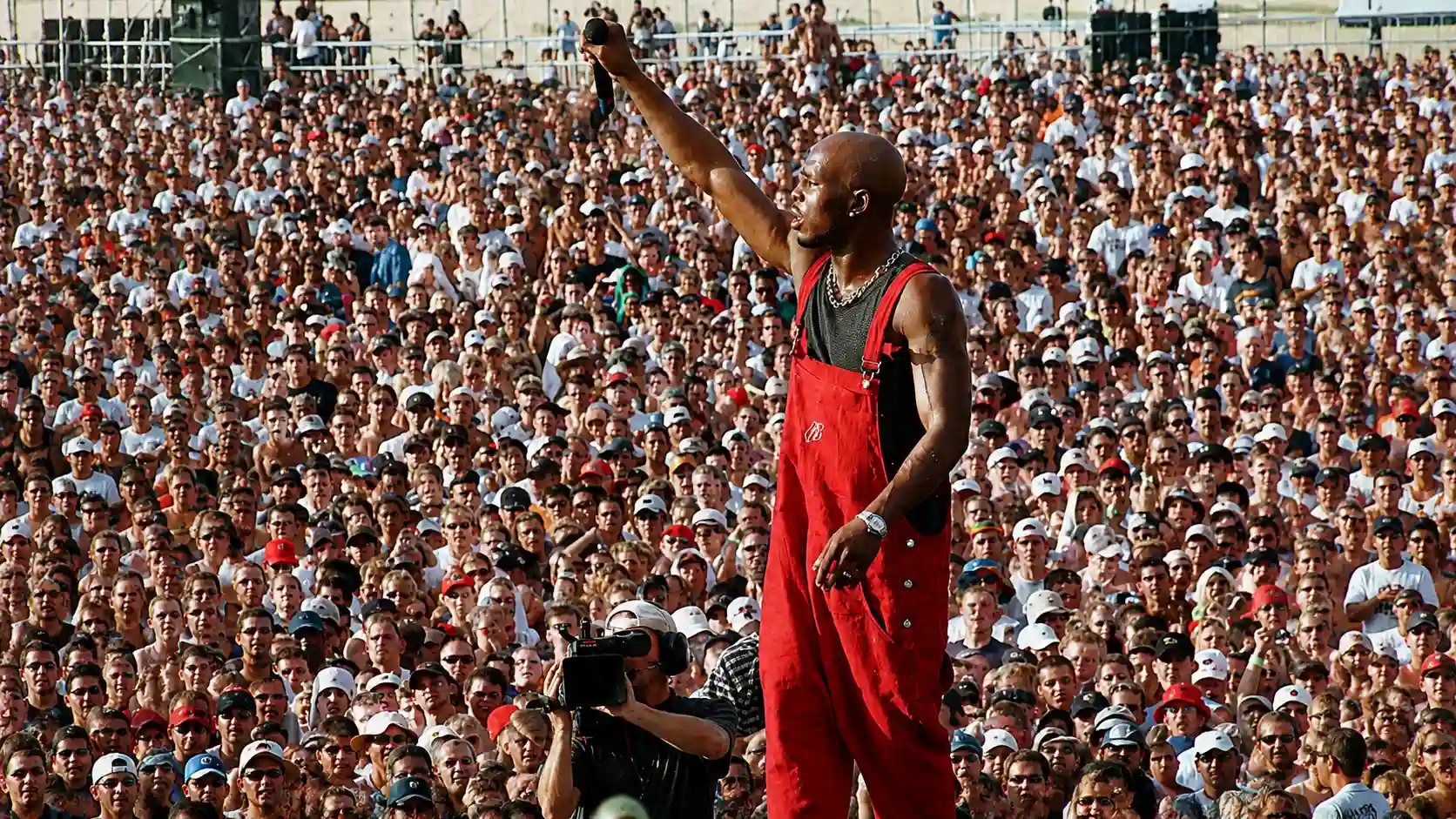
DMX’s music never sounded finished or polished. It sounded like someone talking directly from inside a hard life, and that directness was the point.
“Slippin'” showed vulnerability he did not have to share publicly. “Ruff Ryders’ Anthem” and “Party Up” showed power and stage presence that nobody else in hip-hop was matching at the time. The range was the thing. He could sound broken and fearless in consecutive tracks on the same album, and both felt equally true.
Fans connected with his honesty about faith and failure equally. He prayed in public. He spoke about crack. He talked about God and guilt in the same breath. That lack of performance, that insistence on saying the real thing, made people feel seen in a way that celebrity artists rarely manage.
The reason his death hit so hard is the same reason his music did: it felt personal. People did not just lose a rapper. They lost a voice that had told them the truth about struggle and survival for 25 years.
The Tributes: Saying Goodbye to Earl Simmons
| Tribute | Key Detail |
|---|---|
| Barclays Center Memorial | A Celebration of Life was held April 24, 2021 at Barclays Center in Brooklyn. Thousands attended in person; more gathered outside. |
| Street Procession | A monster truck carried DMX’s coffin through Brooklyn, followed by bikers, ATVs, cars, and fans on foot. |
| New York State Honor | The New York State Senate designated December 18, DMX’s birthday, as Earl “DMX” Simmons Day. |
| BET Awards 2021 | Swizz Beatz, Busta Rhymes, Method Man, The Lox, Griselda, and Michael K. Williams performed a tribute at the 2021 BET Awards. |
| Posthumous Ordination | In January 2026, Foster Memorial AME Zion Church posthumously ordained DMX as a minister, fulfilling a calling he had spoken about publicly throughout his career. |
DMX’s Legacy
DMX left behind more than hit records. His posthumous album Exodus, released May 28, 2021 through Def Jam, gave fans one final full-length project and debuted in the top ten on the Billboard 200, his eighth consecutive top-ten debut. He remains the first rapper in history whose first five studio albums all debuted at number one on the Billboard 200, a record that still stands.
His estate was complicated. Despite enormous record sales, DMX died with significant unpaid tax debts, outstanding child support obligations, and no will. He was survived by his mother Arnett Simmons, his siblings, and 15 children. Family members have worked to protect his name and manage his affairs in the years since.
His honesty about addiction, trauma, and faith helped many fans feel less alone. That part of his legacy did not require a hit record. It required only that he told the truth, which he did, consistently, for 25 years.
Frequently Asked Questions About DMX’s Death
What was the official cause of DMX’s death?
The Westchester County Medical Examiner’s Office formally determined on July 8, 2021 that DMX died from acute cocaine intoxication that caused a cardiac arrest and a complete lack of blood circulation to his brain. The medical examiner described it as a chain of events set off by cocaine, leading to cardiac arrest, then irreversible brain damage, then multi-organ failure. DMX was pronounced dead on April 9, 2021, approximately seven days after the initial cardiac event.
Did DMX die from a fentanyl overdose?
The official cause of death as stated by the medical examiner was cocaine-induced cardiac arrest. However, multiple sources close to DMX, including record executive Irv Gotti, stated publicly that the crack cocaine he consumed was laced with fentanyl. Early toxicological reports cited by Digital Music News also noted the presence of fentanyl, alcohol, and prescription pills. The Vulture report, sourced from the medical examiner’s office, focused on cocaine as the confirmed cause without explicitly naming fentanyl in the final ruling. Whether fentanyl played a role remains unresolved by official sources, though accounts from people close to the situation consistently pointed to a contaminated supply.
How long was DMX on life support before he died?
DMX was placed on life support at White Plains Hospital on April 2, 2021, following his cardiac arrest. He remained on life support for seven days. During that time, his medical team confirmed irreversible neurological damage and no pathway to recovery. His family made the decision to remove life support, and he was pronounced dead on April 9, 2021.
How many children did DMX have?
DMX had 15 children at the time of his death. He was survived by his mother Arnett Simmons, his siblings, and all 15 of his children. The estate proceedings following his death were complicated in part by the number of dependents involved, as well as the absence of a will.
What was DMX’s net worth when he died?
Despite having sold more than 74 million records worldwide, DMX died with a significantly encumbered estate. Reports indicate he had substantial unpaid federal tax debts and outstanding child support obligations. He did not leave a will, which complicated the probate process for his family and the 15 children he left behind. His posthumous album Exodus and continued streaming royalties have since contributed to his estate.
When did DMX start using crack cocaine?
DMX disclosed publicly that he first used crack cocaine at age 14, when his mentor Ready Ron gave him a marijuana cigarette laced with crack without his knowledge. He described the experience in a 2020 interview, noting that he had no idea what had been done to him. That single exposure, rooted in betrayal and manipulation rather than choice, set the course of an addiction he spent 36 years trying to manage. He entered rehabilitation programs in 2002, 2017, and 2019.
What can people learn from DMX’s death about drug safety?
DMX’s case illustrates several realities that apply to anyone using substances in the current drug supply. Fentanyl contamination of crack cocaine and other stimulants has been documented nationally since at least 2016, and a person cannot detect fentanyl by sight, smell, or taste. Fentanyl test strips, available through harm reduction organizations, can identify fentanyl before use. Calling 911 immediately at any sign of cardiac distress or loss of consciousness is critical, as irreversible brain damage can begin within minutes of cardiac arrest. Good Samaritan laws in most U.S. states protect callers from drug possession charges when reporting an overdose. For anyone struggling with stimulant use or addiction, SAMHSA’s helpline (1-800-662-4357) is free, confidential, and available 24 hours a day.
Sources
Vulture Staff. “DMX’s Cause of Death: Cocaine-Induced Heart Attack.” Vulture, July 8, 2021. vulture.com. Westchester County Medical Examiner source confirms acute cocaine intoxication as cause of cardiac arrest.
Associated Press. “Rapper DMX Dies at 50 After Heart Attack and Life Support.” AP News, April 9, 2021. apnews.com. Covers confirmed death, family statement, and subsequent Barclays Center memorial.
Pitchfork Staff. “DMX Has Died at 50.” Pitchfork, April 9, 2021. pitchfork.com. Covers confirmed death and career context.
National Institute on Drug Abuse. “Cocaine Research Report.” NIDA, 2020. nida.nih.gov. Background on cocaine’s cardiovascular effects and polysubstance overdose risk.
SAMHSA National Helpline. Substance Abuse and Mental Health Services Administration. Free, confidential, 24/7 treatment referral line: 1-800-662-4357. samhsa.gov.