| ⚠️ If you or someone you know is struggling with alcohol use disorder, free and confidential help is available 24/7 through the SAMHSA National Helpline at 1-800-662-4357. Call 911 immediately if someone is unconscious, has stopped breathing, or cannot be woken after drinking. |
| Group | People Covered |
| Hollywood celebrities | 13 actors, singers, and public figures with documented or self-reported alcohol struggles |
| American historical figures | 7 well-known figures linked to heavy drinking, with historical sourcing notes |
| Main focus | Alcohol use disorder, recovery, relapse, public pressure, and caution around labeling |
| Reader takeaway | Fame does not protect anyone from addiction, but recovery is possible and common |
| Primary source | NIAAA, SAMHSA, documented public statements, and published reporting |
Alcohol addiction looks different from the outside than it feels from the inside. That is why stories about famous alcoholics tend to catch people’s attention.
We know the movies, the speeches, the songs, and the headlines, but we rarely see the private fight behind them. I have spent a long time reading about both Hollywood careers and addiction research, and the overlap between those two worlds is far more common than most people want to admit.
Some people on this list got sober. Some lost years. Some lost their lives. A few lived before modern addiction care existed, so their stories need extra care in how we read them.
This article covers famous celebrities with alcohol addiction, famous alcoholics in history, famous alcoholics who got sober, and cases where alcohol contributed to early death.
What Does “Alcoholic” Mean Today?
Today, doctors typically use the term alcohol use disorder rather than “alcoholic.”
It is a medical condition where someone struggles to control alcohol use even when it causes harm to their health, relationships, work, or safety.
The National Institute on Alcohol Abuse and Alcoholism defines alcohol use disorder on a spectrum from mild to severe, with diagnostic criteria including cravings, loss of control, tolerance, withdrawal, and continued drinking despite known consequences.
That distinction matters because “famous alcoholic” is a blunt search phrase, not a clinical label we should apply loosely.
For living people, this article only includes public figures who have spoken openly about alcohol addiction, rehab stays, sobriety, or alcohol-related struggles in their own words or through confirmed reporting. Rumor is not evidence, and tabloid repetition is not the same as a diagnosis.
| 📝 Note: Alcohol use disorder is a medical condition, not a character flaw. The clinical language shifted away from “alcoholic” precisely because stigma gets in the way of people seeking care. Keep that in mind as you read these stories. |
Why So Many Famous People Struggle With Alcohol
Celebrity life can look easy from the outside, but it often carries a specific set of pressures that can make alcohol harder to put down. Irregular hours, social environments where drinking is expected, money that removes practical barriers, and the constant weight of public judgment create a combination that many people find hard to navigate without a crutch.
For actors and musicians in particular, drinking can start as a social ritual and quietly become a structural part of their lives, woven into touring schedules, wrap parties, and the rhythm of waiting around on set.
For historical figures, the story is different but not simpler. Alcohol was often tied to daily culture, limited pain relief options, military life, political socializing, and trauma that had no recognized treatment. Judging their situations through a modern lens needs care.
Understanding how addiction develops across different life circumstances is part of what makes these stories worth reading carefully. A broader look at how addiction progresses through its stages puts many of these cases in useful context.
Famous Hollywood Celebrities Who Have Had Alcohol Addiction
Hollywood has a long memory for the dramatic, and alcohol addiction has been part of that story since the studio system existed.
What follows are people who have either spoken openly about their own alcohol use disorder or whose struggles are confirmed through documented public reporting, not gossip or speculation.
These are the cases that matter because the people themselves chose to be honest about them.
1. Anthony Hopkins
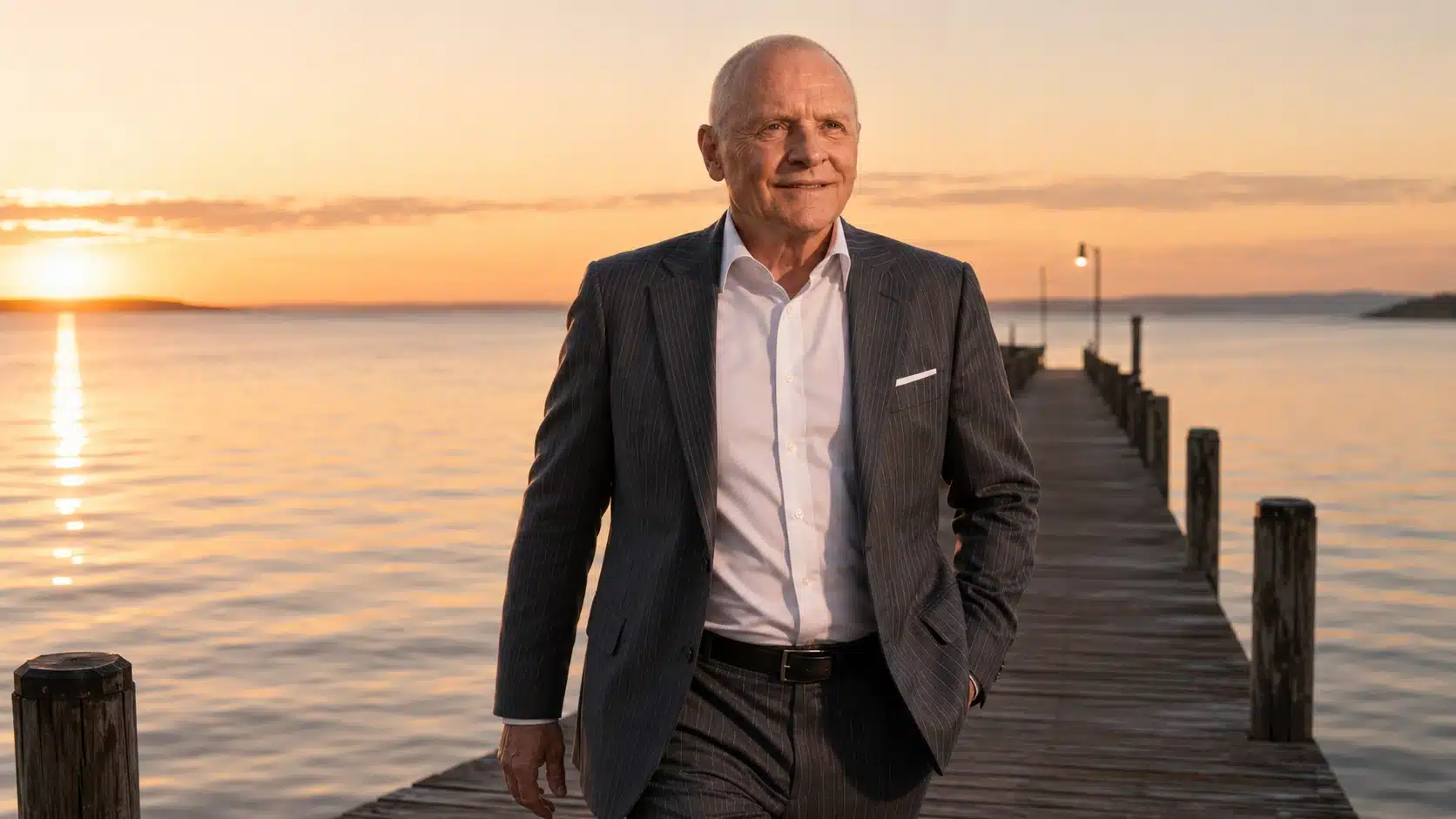
- Trigger: A blackout episode in 1975 made Hopkins recognize his drinking had become life-threatening.
- Recovery approach: He stopped without a public treatment narrative, describing sobriety as a repeated daily decision over decades.
- Outcome: Sustained sobriety since 1975, with painting and music replacing alcohol as daily structure.
Hopkins stopped drinking in 1975 and never made his recovery into a public spectacle. His plain-spoken view of sustained sobriety as a daily choice, not a single event, is one of the more grounded accounts any celebrity has given on the subject.
2. Bradley Cooper
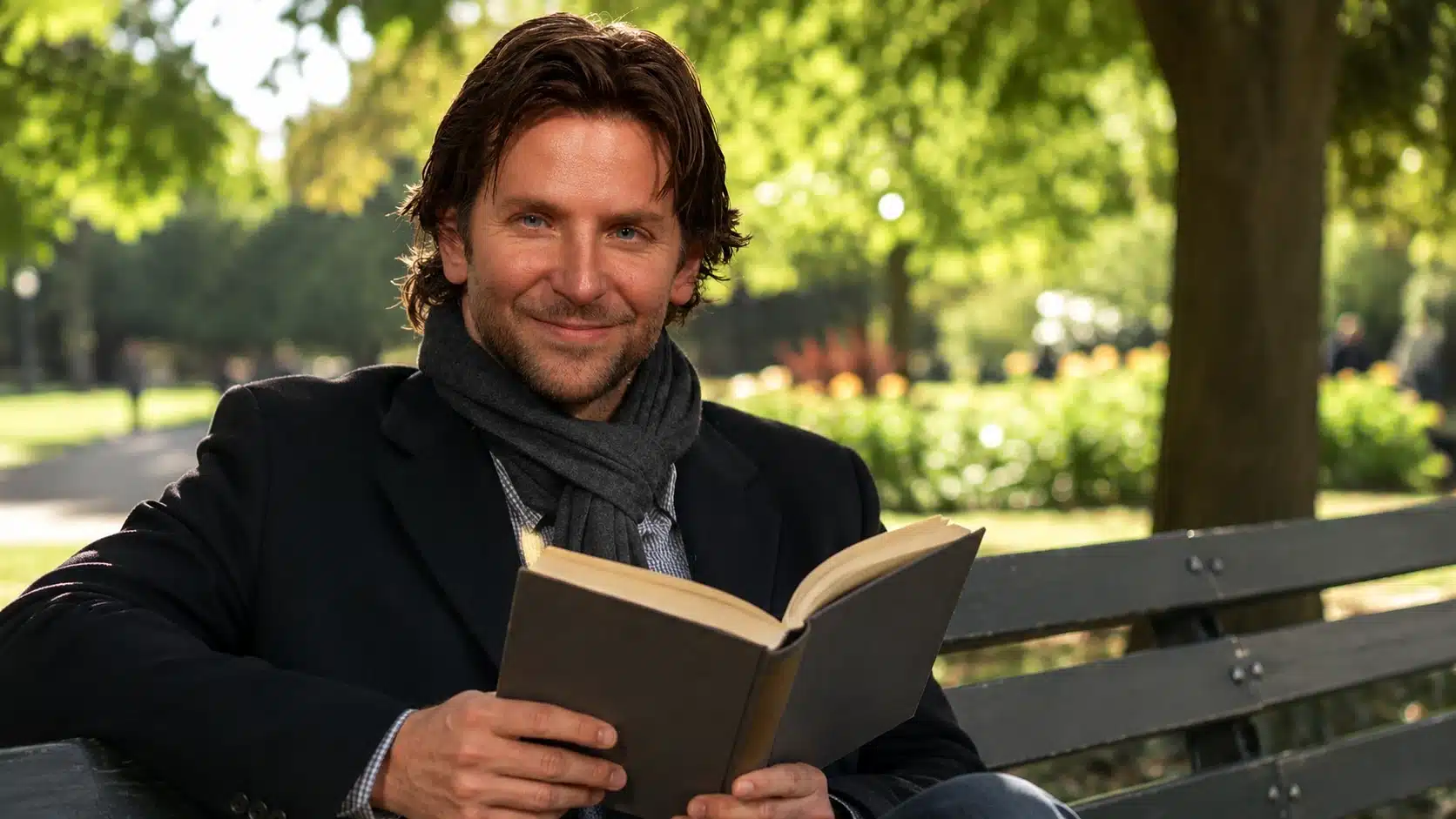
- Trigger: Alcohol and drug use in his mid-twenties were derailing his career and personal life before fame arrived.
- Recovery approach: Got sober early, before most people around him thought the situation was serious.
- Outcome: Credited sobriety with making his career possible; has remained open about the decision for years.
Cooper’s case makes a point that often gets missed: early intervention is real intervention. Getting help before collapse is not an overreaction. His specific timeline and what changed for him are detailed in a closer look at Bradley Cooper’s recovery journey on this site.
3. Ben Affleck
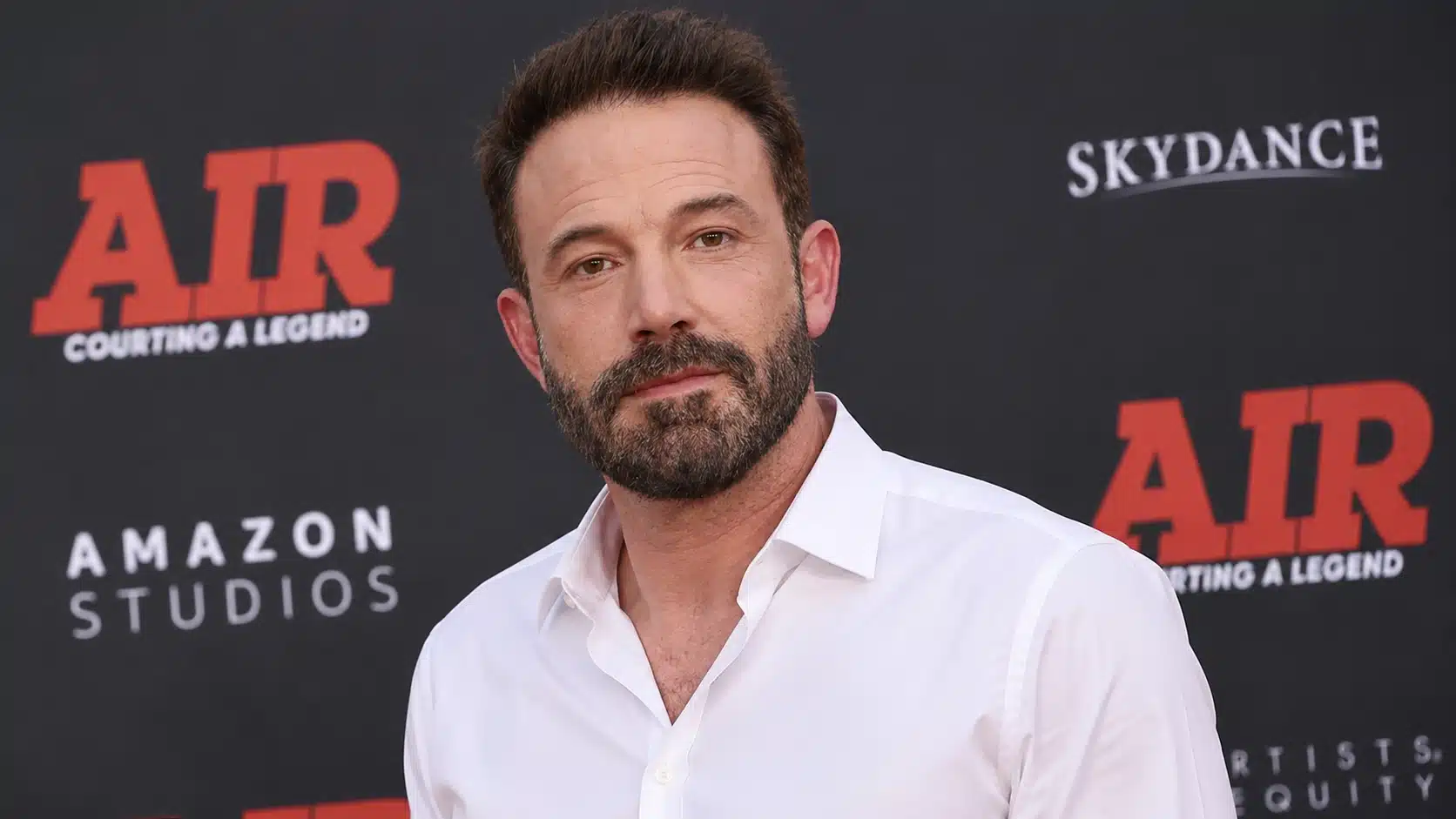
- Trigger: Alcohol became a documented pattern across his career, with treatment stays in 2001, 2017, and 2018.
- Recovery approach: Multiple rehab attempts, family support, and public honesty about each episode rather than denial.
- Outcome: Ongoing recovery with relapse acknowledged openly, shifting how many people discuss alcohol and high-functioning careers.
Affleck’s story is valuable precisely because it refuses the clean arc. Relapse in his case became a public conversation about how alcohol use disorder actually behaves, which is rarely in a straight line, and why that should not end someone’s shot at recovery.
4. Robert Downey Jr.

- Trigger: Alcohol and substance use across the late 1990s led to arrests, court orders, and serious career damage.
- Recovery approach: Multiple treatment attempts, legal accountability, family support, and structured changes in daily life.
- Outcome: Full career recovery, including the Iron Man franchise, after years of public addiction coverage.
His case is one of the most-studied celebrity comeback stories in Hollywood, and it illustrates that recovery rarely happens in a single attempt. His full history with substances and what finally shifted is covered in this piece on Robert Downey Jr.’s rehab and comeback.
5. Daniel Radcliffe
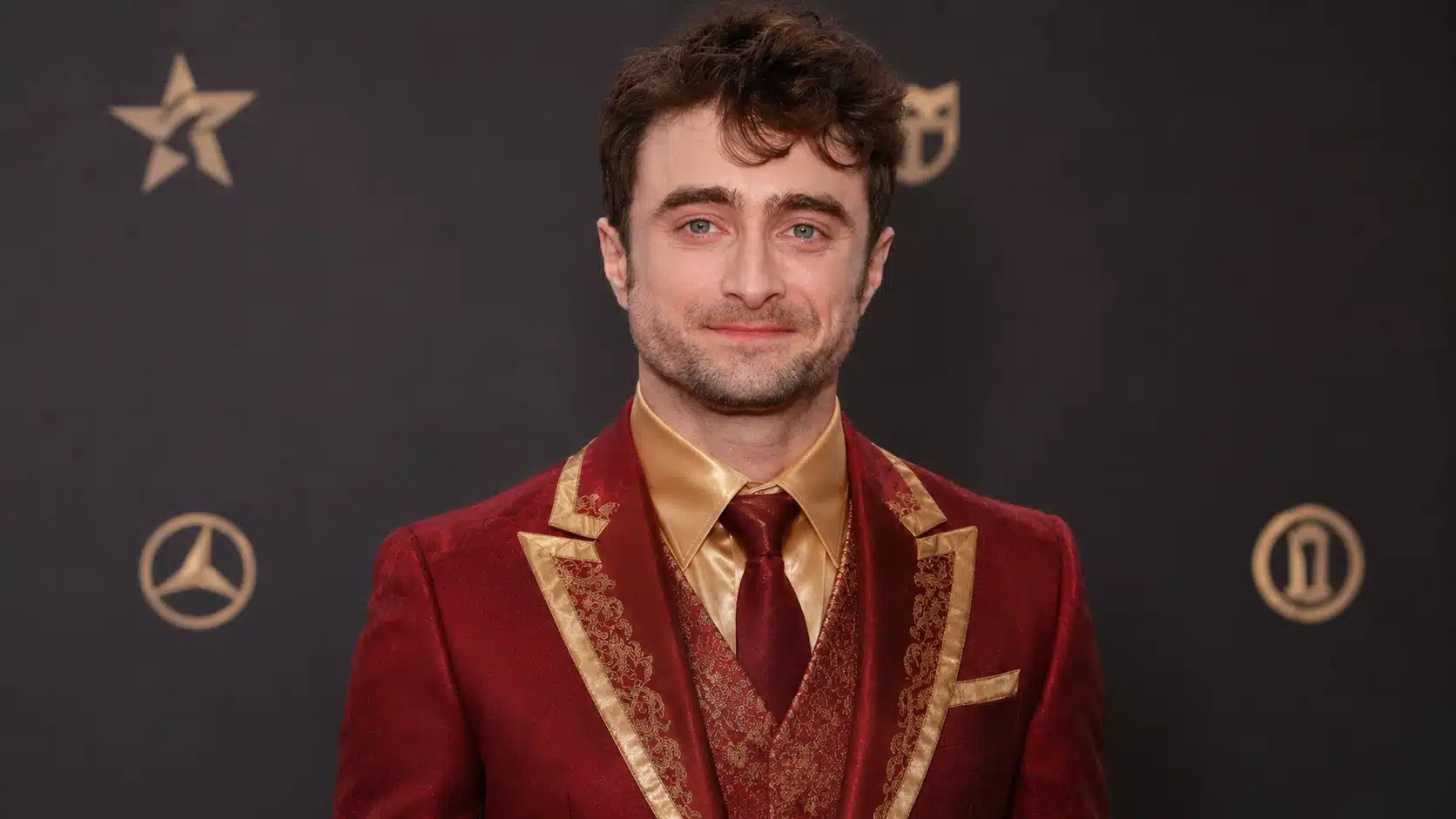
- Trigger: Global fame starting at age eleven created anxiety that alcohol became a daily tool for managing by his early twenties.
- Recovery approach: Stopped drinking and spoke publicly about the mental clarity that followed.
- Outcome: Sustained sobriety, with honest accounts of how child stardom and alcohol can quietly connect.
Radcliffe’s story is one of the clearest accounts of how child stardom and alcohol use can intertwine without being visible to the public watching from outside. He stopped and talked about it plainly, which is rarer than it should be at his level of fame.
6. Zac Efron

- Trigger: Substance use, including alcohol, developed under the pressure of a public image built entirely on health and control.
- Recovery approach: Entered rehab and later spoke openly about the gap between image and reality.
- Outcome: More honest public presence around wellness, with treatment acknowledged rather than hidden.
Efron’s case shows how a polished public image can make addiction easier to hide and harder to admit. When the marketing around a person is “peak condition,” struggling with alcohol becomes something that happens behind a very well-constructed wall.
7. Lindsay Lohan

- Trigger: Alcohol and substance use emerged publicly in the mid-2000s through arrests, rehab stays, and tabloid coverage.
- Recovery approach: Multiple treatment attempts, often reported on as entertainment rather than medical care.
- Outcome: Career rebuilt over years, though the media framing of her struggles caused measurable damage to her recovery environment.
Her case shows what happens when tabloid coverage treats addiction as content. Public shame does not treat alcohol use disorder. It increases isolation and pushes people away from help. Her full history is documented in a detailed piece about Lindsay Lohan’s rehab and recovery.
8. Shia LaBeouf
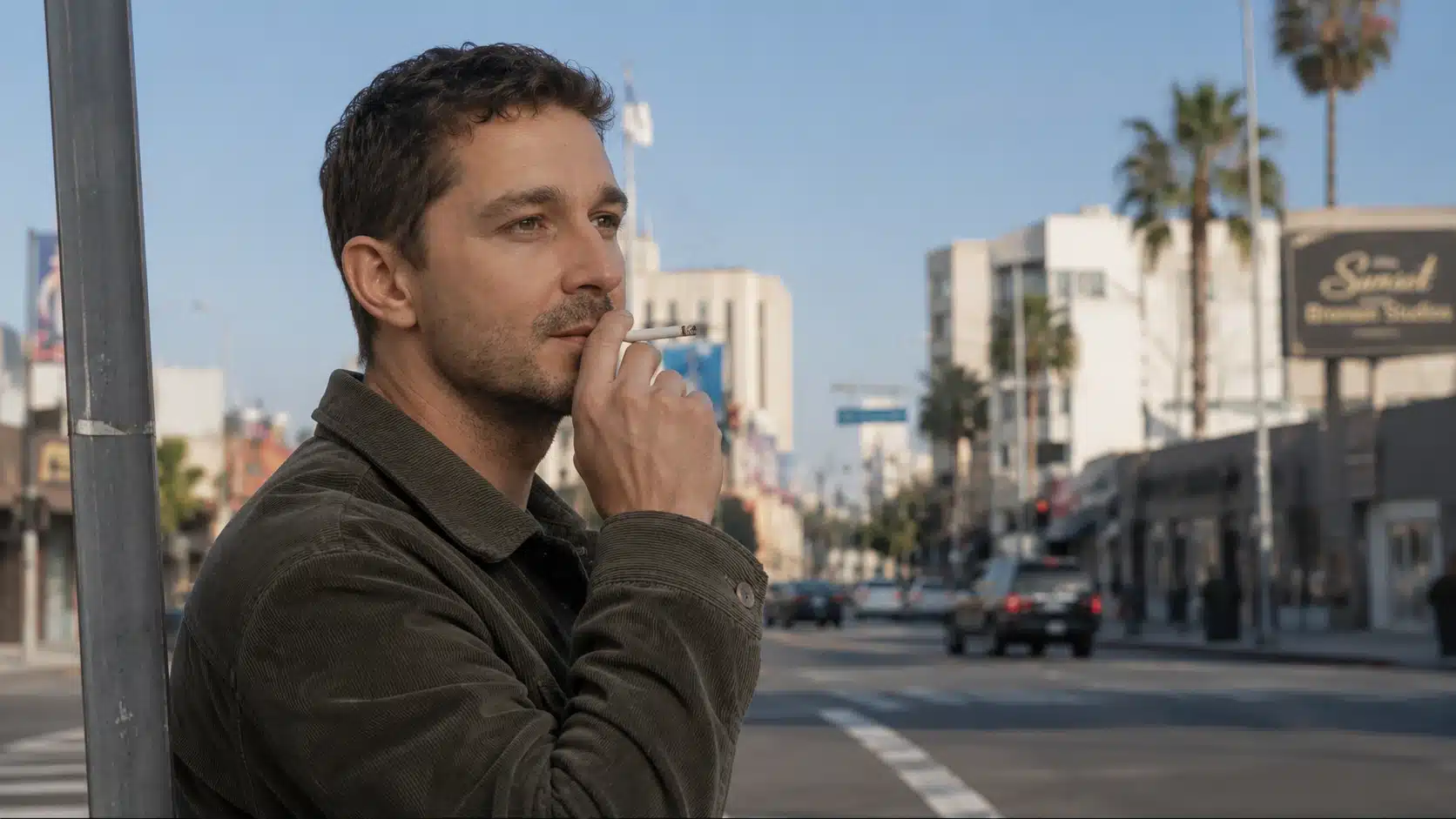
- Trigger: Alcohol use disorder connected to untreated childhood trauma and public behavior that made it hard for the person to separate from performance.
- Recovery approach: Treatment, including a film project built around his own recovery experience, and public religious conversion.
- Outcome: Documented improvement, with alcohol acknowledged as one layer of a deeper mental health picture.
His story points to something addiction researchers document consistently: alcohol use disorder rarely operates on its own. It sits beside unaddressed pain, grief, or trauma, and treating only the drinking without the rest tends not to hold over time.
9. Drew Barrymore

- Trigger: Drinking and substance use began before her teenage years, in an adult professional environment with no protective structure around her.
- Recovery approach: Treatment, family rebuilding, and a public account of her childhood that did not sanitize what actually happened.
- Outcome: Lasting recovery and a career built deliberately on her own terms, with sobriety as part of that foundation.
Her story is about more than alcohol. It is about what happens when a child is placed inside an adult industry with no guardrails. Her full history from childhood addiction through recovery is covered in this earlier piece on Drew Barrymore’s childhood addiction story.
10. Robin Williams
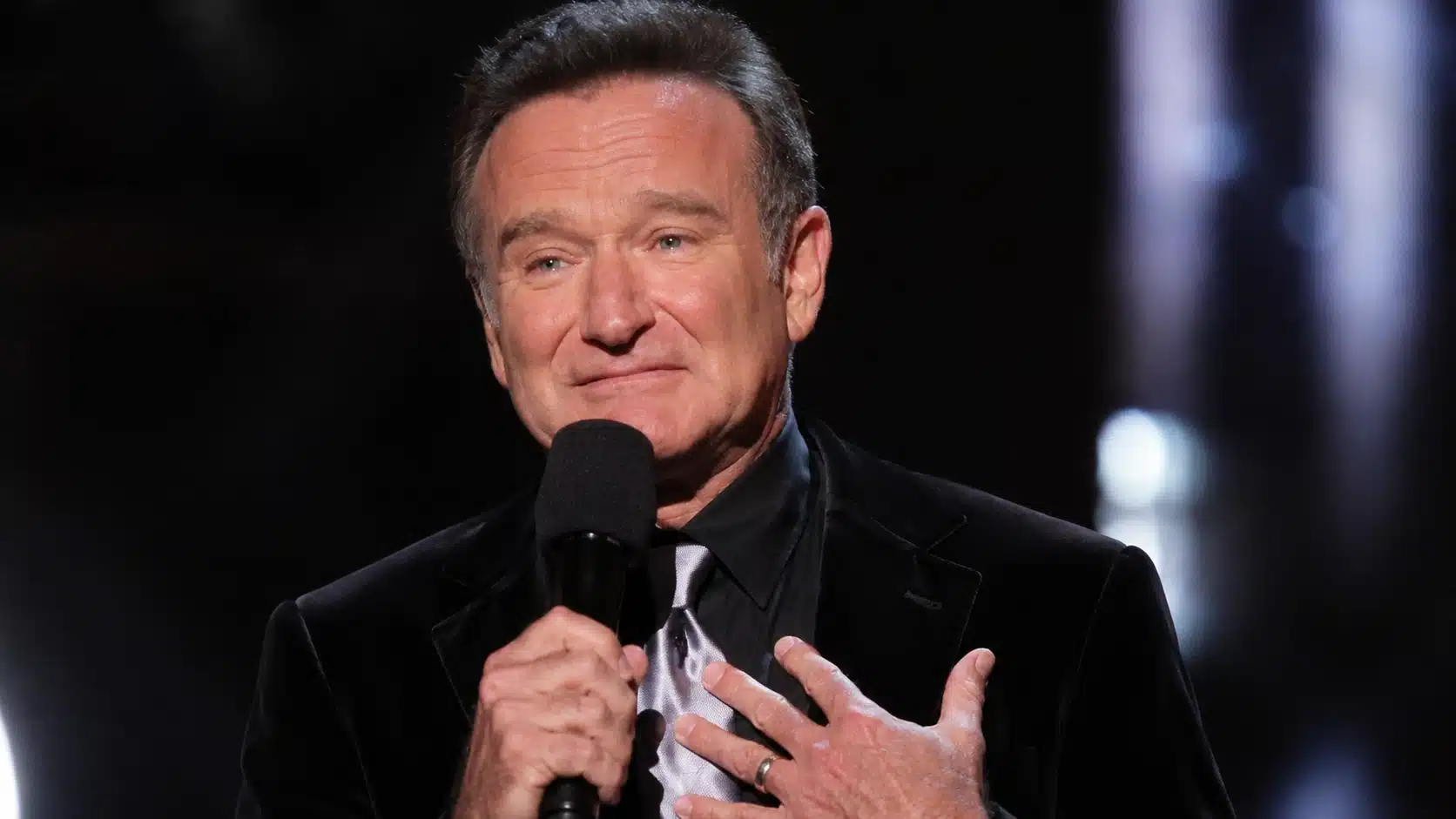
- Trigger: Alcohol and cocaine use in the late 1970s, sobriety achieved, and then relapse with alcohol roughly two decades later.
- Recovery approach: Treatment in 2006, alongside ongoing mental health care for conditions that were not fully understood until after his death.
- Outcome: His 2014 death by suicide was followed by a diagnosis of Lewy body dementia, adding important context to the mental health struggles behind the comedy.
Williams is one of the clearest illustrations that humor can mask pain at a very high level. The funniest person in a room can still be in serious distress, and sobriety achieved once does not automatically hold when other conditions go undiagnosed and unmanaged.
11. Demi Lovato

- Trigger: Alcohol overlapped with eating disorders, mental health conditions, and a 2018 near-fatal overdose that became one of the most documented celebrity crises in recent years.
- Recovery approach: Multiple treatment stays, public honesty about relapse, and an evolving personal definition of what recovery means for them.
- Outcome: Ongoing, with a public record that shows recovery shifting form across years rather than arriving as a single conclusion.
Lovato’s account is one of the more honest portraits of long-term recovery available from any public figure, precisely because it refuses to pretend the story is finished. Their full addiction and treatment history is covered in this piece on Demi Lovato’s overdose and recovery.
12. Elizabeth Taylor

- Trigger: Alcohol and prescription drug dependence developed across a career that began in childhood and never let up in public pressure.
- Recovery approach: Entered the Betty Ford Center in 1983, publicly and without apology, at a time when most celebrities hid any treatment engagement.
- Outcome: Long-term recovery, public advocacy for the center, and a cultural contribution to reducing the stigma around seeking help.
Taylor’s decision to enter the Betty Ford Center publicly in 1983 changed the cultural conversation around celebrity treatment. Her honesty made that path seem available to people who might otherwise have refused to take it.
13. Amy Winehouse
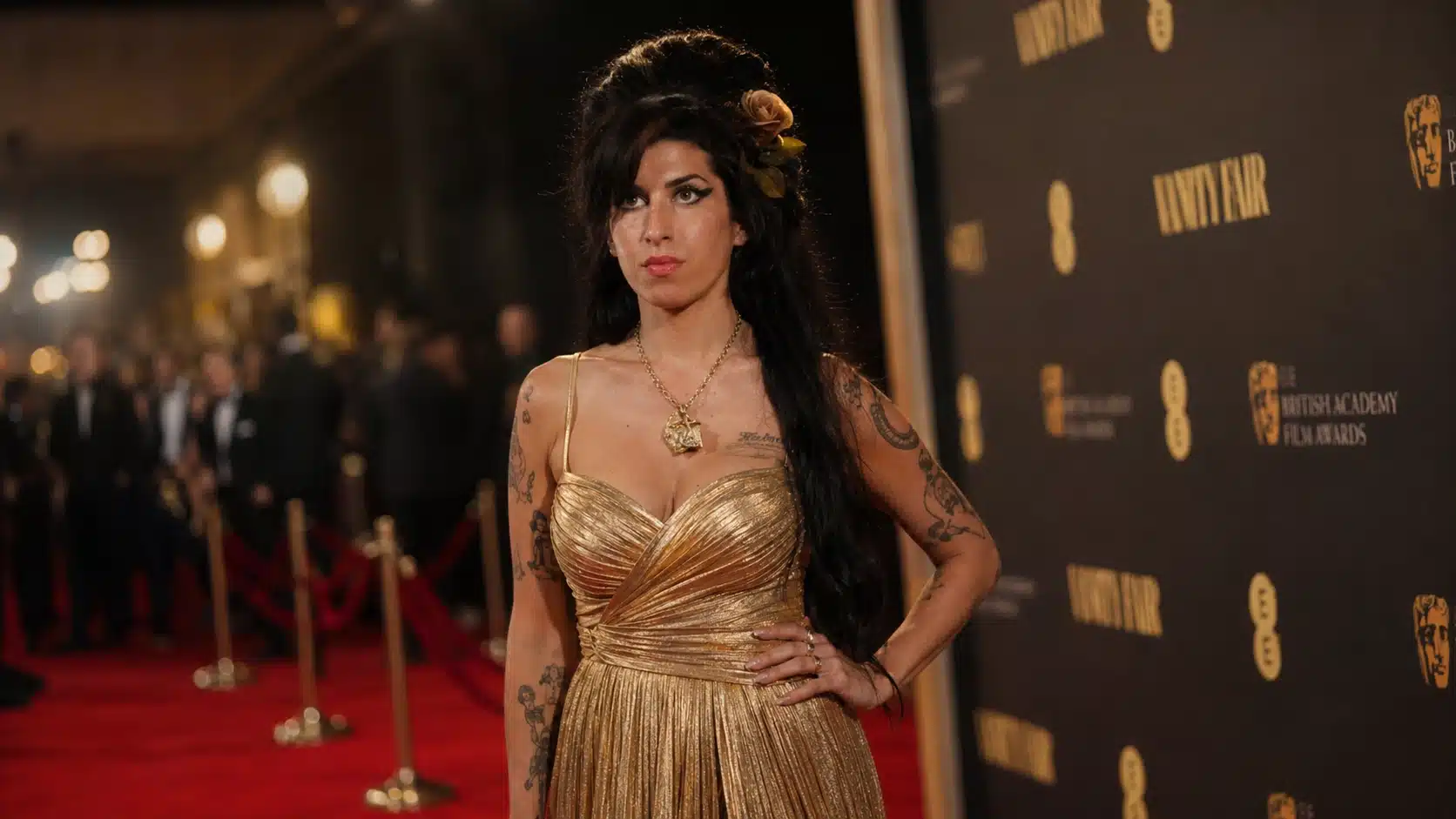
- Trigger: Alcohol addiction was publicly documented in the years before her death, with multiple reported treatment attempts that did not hold.
- Recovery approach: Periods of abstinence, but without sustained clinical support that matched the severity of her condition.
- Outcome: Death in 2011 at 27 from alcohol poisoning, with reduced tolerance after a period of abstinence playing a direct role in the fatal amount consumed.
The medical detail in her case matters beyond the headline: tolerance drops after abstinence, making relapse physically more dangerous than continued use in a narrow physiological sense. Her full story is covered in this piece on what actually killed Amy Winehouse.
Famous American Historical Figures Reportedly Linked to Alcohol
Writing about historical figures and alcohol requires a different level of care than writing about living people.
Medical records from earlier centuries are incomplete, terminology has changed, and political enemies had strong incentives to exaggerate or fabricate drinking problems.
What follows draws on the most reliable historical accounts available and exercises appropriate caution where the evidence is thin.
14. Ulysses S. Grant
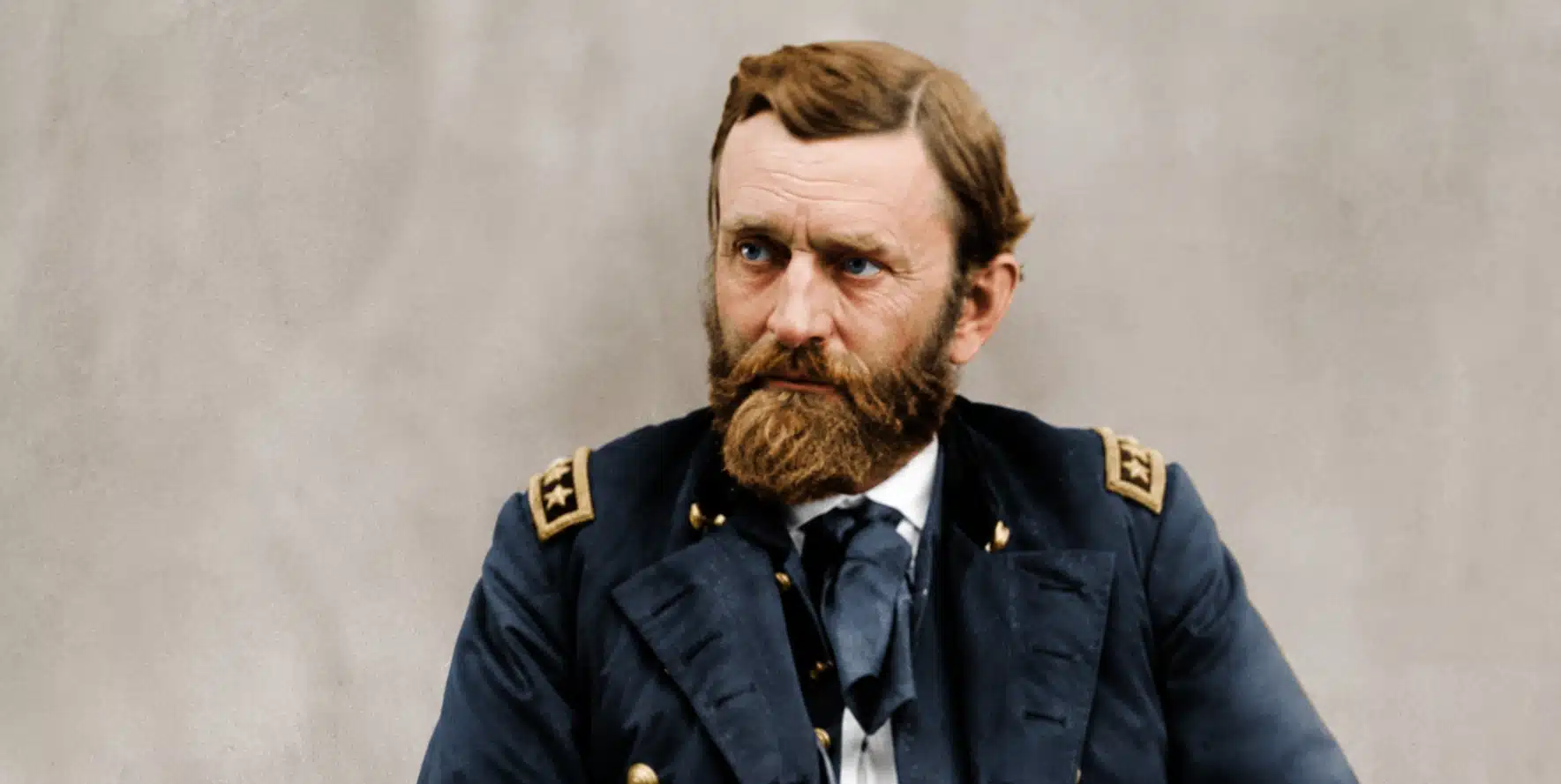
- Trigger: Documented episodes of problem drinking during periods of military isolation and inactivity.
- Recovery approach: His wife Julia’s presence during campaigns is historically credited with helping him maintain stability.
- Outcome: Successfully commanded the Union Army and served two presidential terms, though the alcohol reputation was heavily distorted by political opponents.
Grant’s case is a good example of why historical accounts need scrutiny.
His documented alcohol episodes are real, but the cartoonish version of him as constantly impaired during the Civil War does not hold up when examined against reliable primary sources.
15. Franklin Pierce
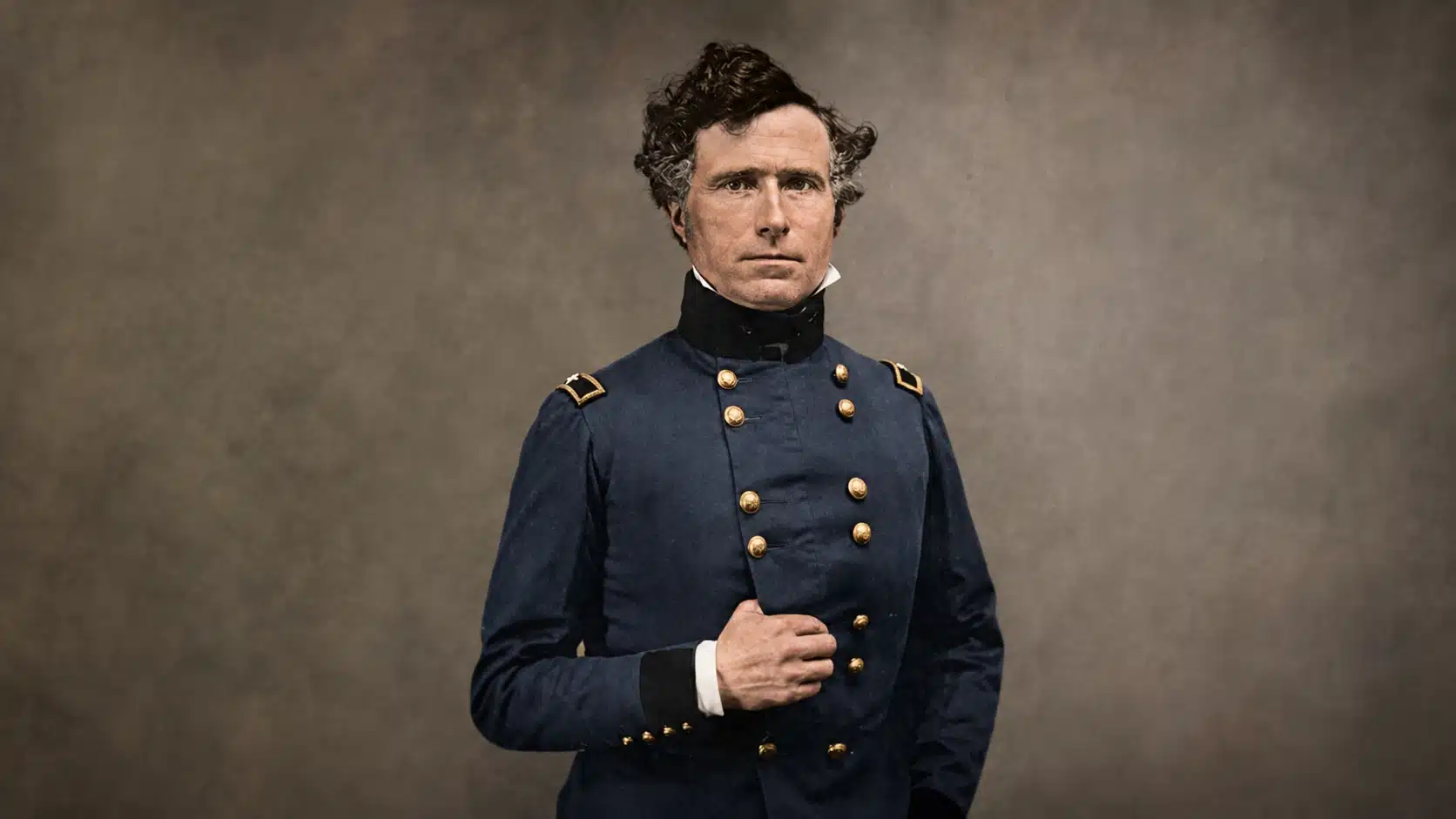
- Trigger: Severe grief, including watching his son die in a train accident two months before his inauguration, combined with political failure.
- Recovery approach: No recognized treatment options existed in his era; his drinking worsened through his post-presidential years.
- Outcome: Died in 1869, with historians broadly describing his final years as marked by serious alcohol dependence.
Pierce is one of the more straightforward cases among U.S. presidents linked to alcohol. The grief and the drinking locked together in a cycle that his era had no tools to address, and the historical record reflects that clearly.
16. Edgar Allan Poe
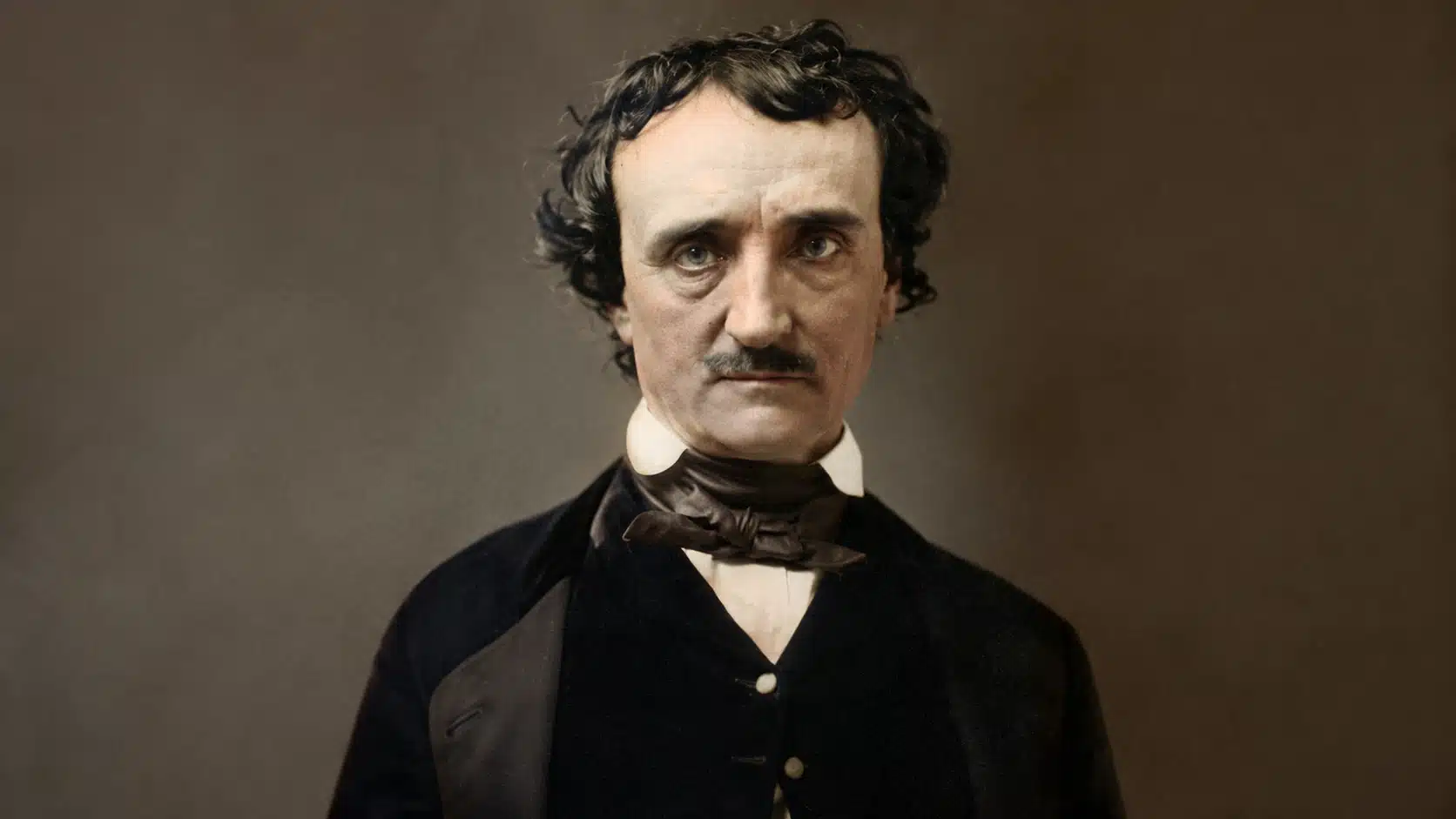
- Trigger: Alcohol use documented through his own letters and contemporaries’ accounts, with a pattern of professional disruption across his adult life.
- Recovery approach: Periods of abstinence were reported, but no sustained treatment or support structure was available in his era.
- Outcome: Death in 1849 remains genuinely unresolved, with alcohol as one of several theories and no definitive cause confirmed.
Poe’s case needs honest handling. His alcohol-related problems cost him jobs and relationships, and the record is clear on that.
But his death cannot be attributed to alcohol with the confidence popular accounts tend to claim, and the legend has grown past what evidence supports.
17. Ernest Hemingway
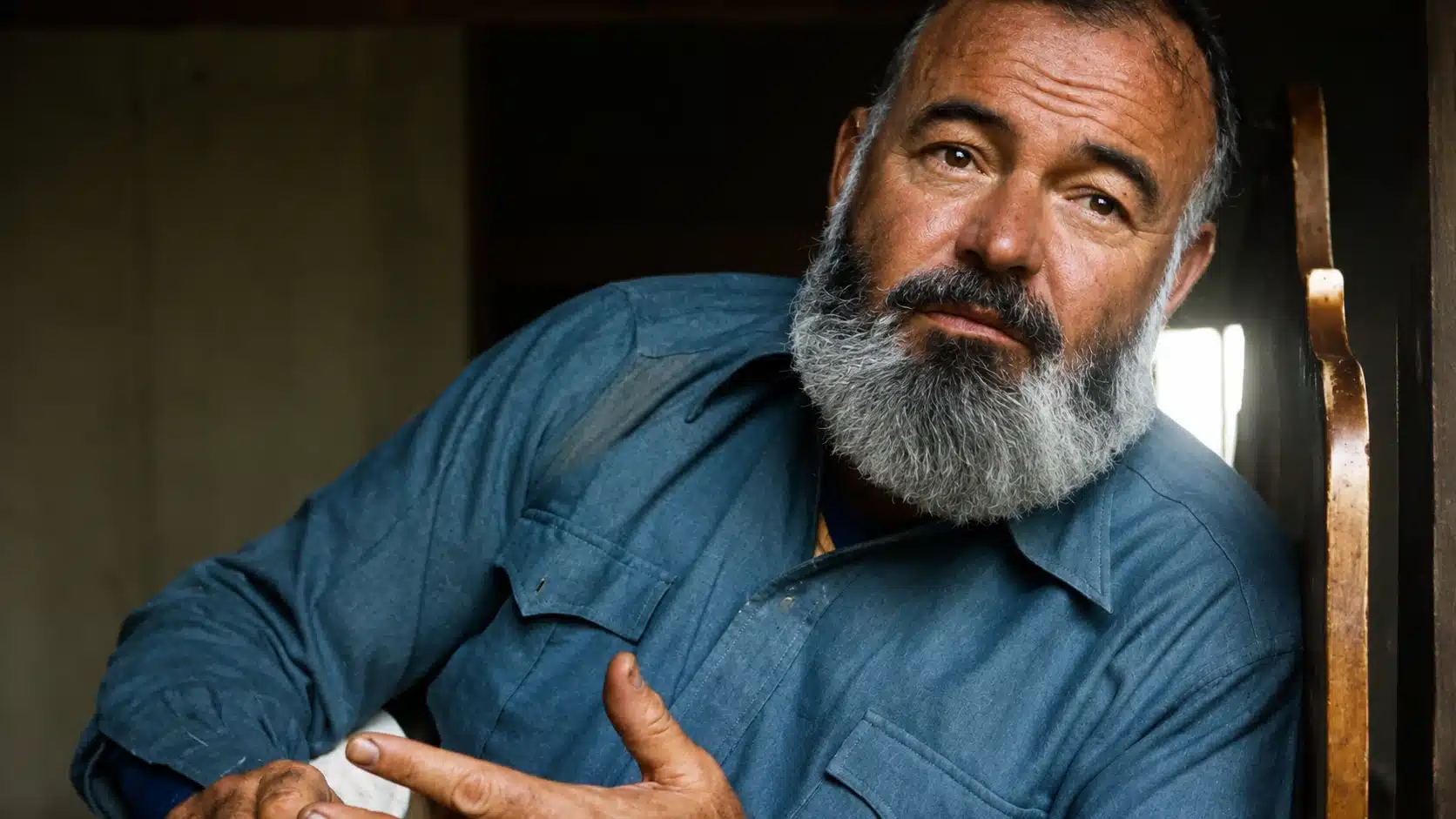
- Trigger: Heavy drinking across most of his adult life, alongside documented head injuries, depression, and family history of mental illness.
- Recovery approach: Electroconvulsive therapy treatment in his final years, which he believed destroyed his memory and writing ability.
- Outcome: Died by suicide in 1961; his alcohol use existed within a much larger clinical picture that the hard-drinking myth tends to collapse into a single cause.
Hemingway’s reputation helped build the hard-drinking writer myth that has influenced generations of artists.
The actual evidence from his career argues against it: his most productive periods were not his heaviest drinking ones, and the myth has caused real harm as a model.
18. F. Scott Fitzgerald
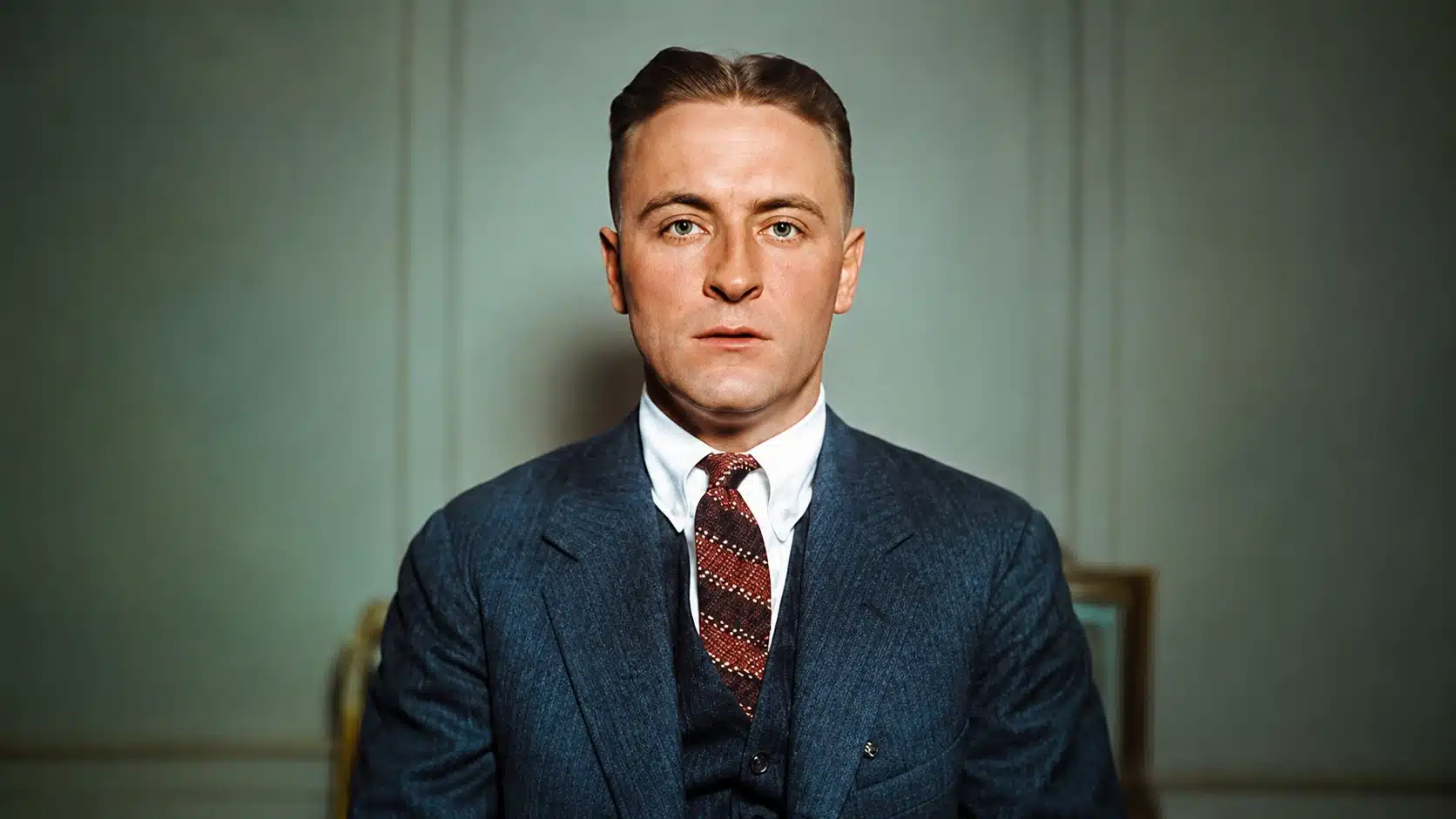
- Trigger: Heavy drinking woven into his professional and personal life, documented through his letters and his wife Zelda’s writing.
- Recovery approach: Periods of reduced drinking during more productive writing phases, but no sustained treatment engagement.
- Outcome: Died in 1940 at 44 with cardiovascular disease as the immediate cause and decades of heavy drinking as a significant contributing factor.
Fitzgerald knew alcohol was damaging his output and could not stop.
The Jazz Age glamour surrounding his reputation makes the damage seem romantic in retrospect, but the actual record is that of a writer who lost years of productivity to a condition he could not manage on his own.
19. William Faulkner
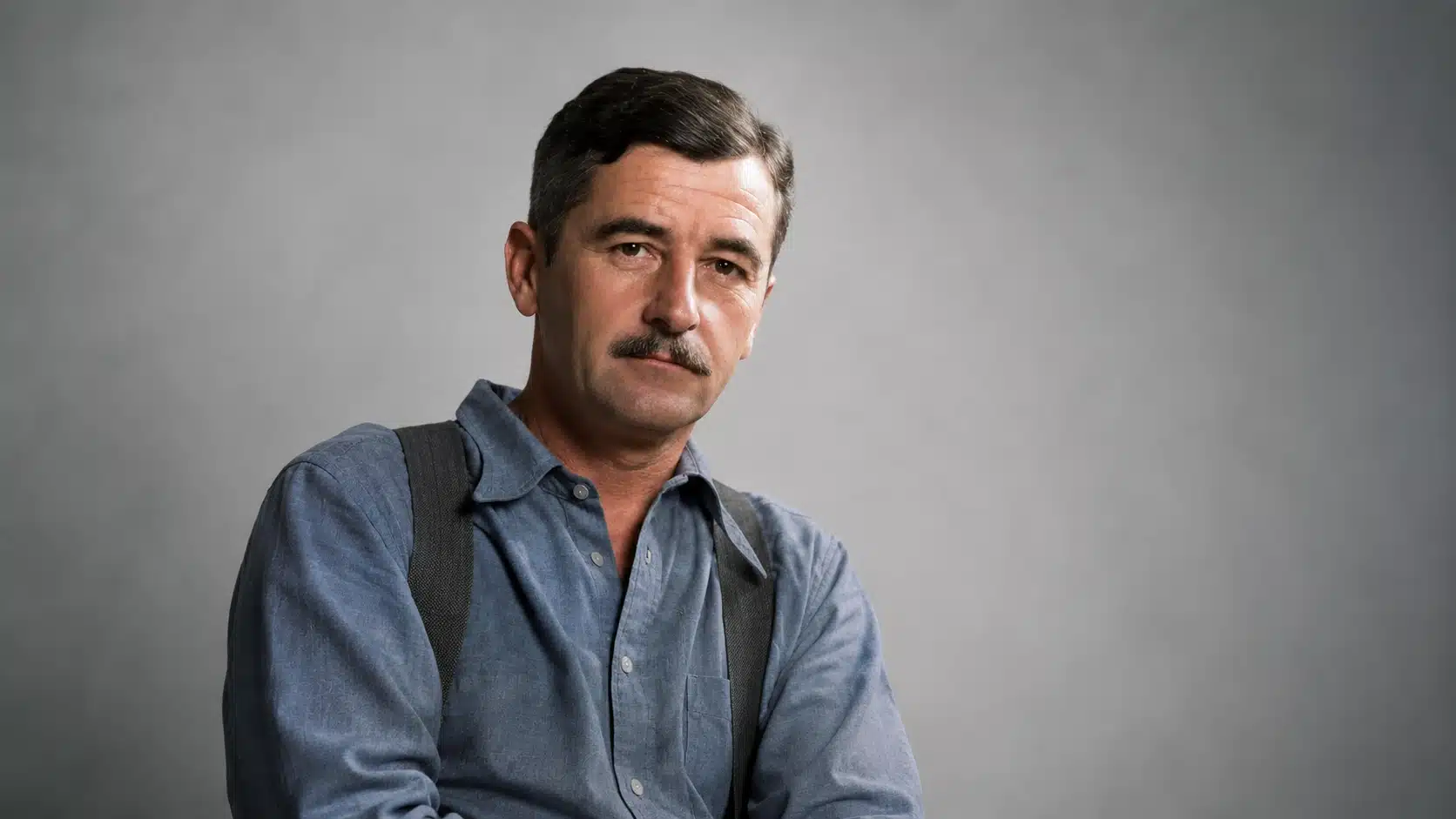
- Trigger: Heavy drinking connected to periods of professional stress and personal difficulty, documented by colleagues and in his own letters.
- Recovery approach: Multiple hospitalizations for alcohol-related complications across his adult life.
- Outcome: His most sustained and productive writing came during periods of reduced drinking, which directly contradicts the myth of alcohol as a creative aid.
Faulkner has been absorbed into the same literary mythology as Hemingway and Fitzgerald, with heavy drinking framed as artistically compatible. The evidence from his own career argues the opposite, and that myth is worth correcting every time it appears.
Famous Alcoholics Who Got Sober
Recovery stories tend to get less coverage than crisis stories, which distorts public understanding of what alcohol use disorder actually looks like over time. Anthony Hopkins has been sober since 1975.
Bradley Cooper has been sober since his mid-twenties. Elizabeth Taylor used her own recovery to reduce the stigma around treatment for an entire generation of celebrities who followed her into the Betty Ford Center.
Drew Barrymore rebuilt her career and public life after a childhood that should have been far more damaging than it turned out to be. Robert Downey Jr. went from a courtroom ordering him into treatment to one of the highest-grossing film franchises in history.
These are not exceptions. They are what recovery from alcohol use disorder can look like when someone has access to real support and consistent structure.
The SAMHSA National Helpline offers free, confidential, 24-hour support for people facing substance use or mental health problems. It is a starting point, not a complete treatment plan, but it is a real one.
Understanding what the recovery process typically involves, including timelines and what makes it harder or easier, is covered in more depth in this piece on how many days it takes to break an addiction.
| 📝 Note: If someone you care about is struggling with alcohol, you do not need to wait for a crisis to suggest help. Early intervention works. SAMHSA: 1-800-662-4357. |
Famous Alcoholics Who Died From Alcohol-Related Harm
Amy Winehouse is the most clearly documented modern case in this list.
Her death at 27 from alcohol poisoning, following a period of abstinence that had lowered her tolerance, is one of the most medically important stories in any serious account of alcohol use disorder.
The tolerance reduction that follows even a short period of abstinence makes relapse more dangerous, which is one of the key reasons medically supervised detox matters. For historical figures, the evidence is harder to read.
Franklin Pierce and F. Scott Fitzgerald both died with alcohol as a significant contributing factor, though the medical records of their eras cannot support the same certainty modern cases allow.
The broader pattern that alcohol use disorder can be fatal even for people with resources and public recognition is consistent across all of them.
What These Stories Have in Common
Reading across twenty lives from different centuries and industries, the same patterns keep showing up. Fame changes the setting. It does not change how alcohol use disorder works or who it reaches:
- Addiction ignores success: Awards, income, military victories, and political office protected none of these people from alcohol use disorder.
- Relapse is clinical, not moral: Affleck, Williams, Lovato, and Downey Jr. all relapsed. Addiction medicine treats this as a signal for more support, not evidence of failure.
- Media framing does damage: Lohan and Winehouse were covered as entertainment. That increased isolation and delayed real help for both.
- Alcohol rarely operates alone: Across this list, it sits beside grief, trauma, unmanaged mental health, and chronic pain. Treating only the drinking rarely holds.
- Early help is still real help. Cooper got sober before the collapse. That is not an overreaction. It is the smarter path.
- The hard-drinking myth causes harm: Hemingway, Fitzgerald, and Faulkner built a model that romanticizes self-destruction. Their actual output tells a different story.
These patterns repeat across centuries, industries, and income levels. Fame changes the backdrop but not the illness. The people who came through did so with structure, honest support, and a willingness to stop waiting for the right moment to ask for help.
| ⚠️ When to Call 911: If someone is unconscious after drinking, has slow or irregular breathing, has blue-tinted lips, cannot be woken, or is vomiting while unresponsive, call 911 immediately. Alcohol poisoning is a medical emergency. Do not wait to see if they sleep it off. |
Frequently Asked Questions
What is the difference between alcohol use disorder and being an alcoholic?
Alcohol use disorder is the current clinical term used by the NIAAA and the American Psychiatric Association. “Alcoholic” is older and informal, largely replaced because stigma blocks people from seeking care. Both describe the same condition, but alcohol use disorder is more precise and less harmful as a label.
Did all the historical figures on this list actually have alcohol use disorder?
Not all can be diagnosed with confidence retrospectively. Records are incomplete, diagnostic language has changed, and political enemies had incentives to exaggerate. Figures like Grant, Pierce, and Fitzgerald had documented alcohol-related problems, but a formal modern diagnosis goes beyond what the evidence reliably supports.
How does celebrity culture specifically increase addiction risk?
Celebrity environments combine chronic stress, normalized alcohol access, financial resources that remove practical barriers, and professional cultures where drinking is embedded in networking. These factors do not cause addiction alone, but they can accelerate its development in people who are already at risk for alcohol use disorder.
What is holistic rehab, and how does it differ from standard treatment?
Holistic rehab adds wellness practices, including meditation, nutrition therapy, and creative work, alongside standard clinical care. Several people on this list used treatment that incorporated these elements.
Final Thoughts
Reading about famous alcoholics can produce a complicated mix of feelings. Part of the pull is the celebrity angle, which is understandable. But the more useful takeaway is the recognition that alcohol use disorder does not require a particular kind of person or a particular kind of life.
It touches actors, generals, presidents, writers, and people who seem, from the outside, to have every reason to be fine. Some of the people on this list recovered and built lives they could not have imagined at their worst points. Some did not.
Some lived in eras where help was not available in any meaningful form. What stays consistent across all of them is that the illness was real, the fight was real, and the outcome was not determined by how famous, talented, or successful they were.
If there is one practical thing to take from all twenty of these stories, it is this: needing help is not the part that should embarrass anyone. Waiting until things break apart completely before asking for it is the part that costs the most.
Drop a comment below and tell me which story hit too close to home for you.
Sources
- National Institute on Alcohol Abuse and Alcoholism. “Alcohol Use Disorder (AUD) in the United States: Age Groups and Demographic Characteristics.” niaaa.nih.gov
- FunWithDizzies. “Stages of Addiction: Signs, Risks, and Help.” funwithdizzies.com
- FunWithDizzies. “Bradley Cooper Sober: A Journey From Struggle to Strength.” funwithdizzies.com
- FunWithDizzies. “Robert Downey Jr. Drugs, Rehab, and Comeback Story.” funwithdizzies.com
- FunWithDizzies. “Lindsay Lohan Drugs, Rehab, Recovery, and Comeback.” funwithdizzies.com
- FunWithDizzies. “Drew Barrymore Drugs: Her Childhood Addiction Story.” funwithdizzies.com
- FunWithDizzies. “Demi Lovato Drugs: Her Overdose and Recovery Path.” funwithdizzies.com
- FunWithDizzies. “What Killed Amy Winehouse: Drugs, Alcohol, Truth.” funwithdizzies.com
- FunWithDizzies. “How Many Days Does It Take to Break an Addiction.” funwithdizzies.com