| ⚠️ If you or someone you know is struggling with substance use, call SAMHSA’s National Helpline at 1-800-662-4357 (free, confidential, 24/7). Call 911 immediately if someone is unresponsive, not breathing, or showing signs of overdose. |
Quick Glance: Philip Seymour Hoffman’s Death
| Full Name | Philip Seymour Hoffman |
| Date of Death | February 2, 2014 |
| Age | 46 |
| Location | West Village, Manhattan, New York City |
| Cause of Death | Acute mixed drug intoxication (accidental) |
| Substances Involved | Heroin, cocaine, benzodiazepines, amphetamine |
| Found By | Playwright David Bar Katz |
| Last Major Project | The Hunger Games: Mockingjay |
| Years of Prior Sobriety | Approximately 22 years |
| Official Ruling | Accidental overdose |
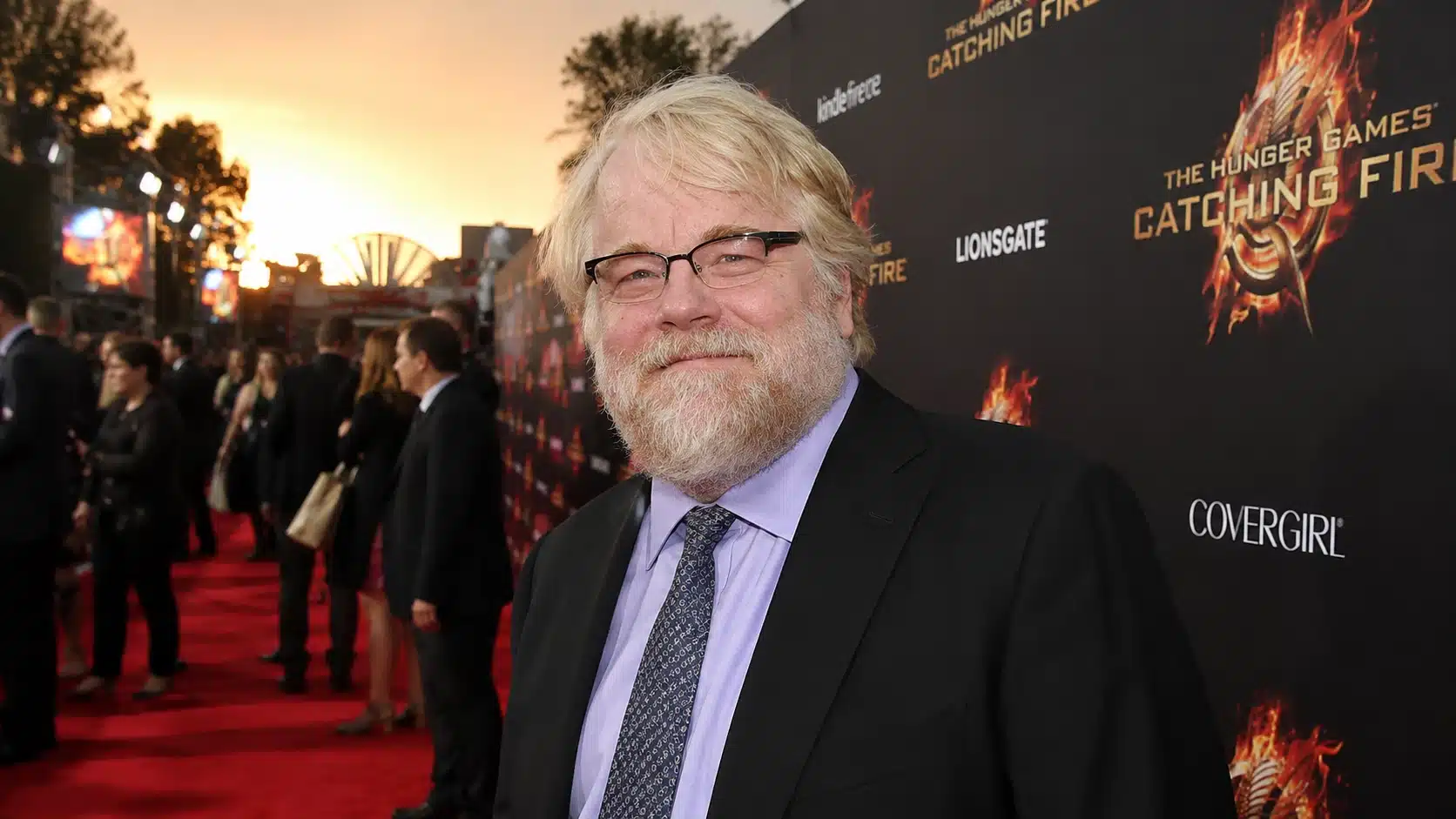
Philip Seymour Hoffman was, by every measure, one of the most respected actors of his generation. His death on February 2, 2014, at 46 years old, hit people hard, not just because of what the world lost, but because of what it revealed.
He had stayed sober for more than two decades, built a family, a career, and what looked from the outside like a stable life. And then, quietly, that changed.
His story is not about moral failure. It is an honest look at how relapse works and why even long-term sobriety does not guarantee permanent safety.
I have got you covered. Going below, you can find out what happened, what investigators found, and what his final months looked like, based on documented facts rather than tabloid speculation.
What’s the Story Behind Philip Seymour Hoffman’s Death?
On the morning of February 2, 2014, Hoffman failed to appear for his scheduled plans with his children, prompting his partner, Mimi O’Donnell, to contact his close friend, playwright David Bar Katz.
Katz went to Hoffman’s West Village apartment and found him unresponsive in the bathroom. Emergency responders arrived but were unable to revive him. He was pronounced dead at the scene.
Investigators confirmed a syringe was still in his arm when he was found, and heroin along with prescription medications were recovered from inside the apartment. The circumstances pointed to recent intravenous drug use, and the scene was consistent with an acute overdose event.
Multiple substances were present, which later proved significant in the toxicology findings. The New York City medical examiner reviewed all available evidence and formally ruled his death an accident caused by mixed drug intoxication.
| 📝 Note: Accidental overdose does not mean careless or unaware. Many overdose deaths occur when a person misjudges tolerance after a period of abstinence. The body resets quickly when substance use stops, and what was once a manageable amount can become fatal during or after a relapse. |
Philip Seymour Hoffman’s Official Cause of Death
The New York City medical examiner ruled that Hoffman died of acute mixed drug intoxication, officially classified as an accident. The toxicology report identified four substances in his system.
The breakdown of each substance and its specific role in the toxicology findings is outlined in the table below:
| Substance | Class | Primary Risk |
| Heroin | Opioid | Severe respiratory depression; slows or stops breathing |
| Cocaine | Stimulant | Cardiac stress: irregular heart rhythm, increased blood pressure |
| Benzodiazepines | CNS Depressant | Compounds opioid respiratory suppression significantly |
| Amphetamine | Stimulant | Cardiovascular strain masks sedation effects, delaying warning signs |
| ⚠️ Advisory: Mixing depressants such as opioids and benzodiazepines is consistently cited by toxicologists as one of the most dangerous substance combinations. Even small amounts of each can become lethal when taken together. The additional presence of stimulants can mask early warning signs, making the situation harder to recognize in time. |
The broader risks of mixing substances are documented in detail at the National Institute on Drug Abuse. Understanding what happened in Hoffman’s case requires understanding how polysubstance toxicity works, not as an abstraction, but as a documented and common cause of accidental death.
The CDC’s overdose prevention resources note that polysubstance use is a leading factor in overdose fatalities because different drug classes suppress the central nervous system far more severely in combination than any single substance would alone.
A Timeline of Philip Seymour Hoffman’s Final Days

The days leading up to February 2, 2014, followed a pattern that is common in relapse cases: quiet, private, and largely invisible to those around him until it was too late.
1. One Week Before His Death
People close to Hoffman later described him as withdrawn and visibly troubled in the days leading up to February 2.
He had wrapped much of his filming for The Hunger Games: Mockingjay in late 2013 and was reportedly under significant personal pressure, as well as a relapse he had not fully disclosed.
Friends said he had acknowledged concerns about his drug use but had not re-entered formal treatment by that point.
2. His Last Known Public Appearances
Hoffman attended the Sundance Film Festival in late January 2014, just days before his death. Those who spoke with him at the time recalled nothing that signaled an immediate crisis.
That detail matters because relapse rarely looks dramatic from the outside. The visible unraveling that people imagine is usually private, not something witnessed in a public setting, which is part of why it often goes unaddressed until it is too late.
3. The Night of February 1 and Early February 2
The exact events of his final night are not fully documented in public investigative records. What authorities confirmed is that Hoffman was alone in his West Village apartment, that multiple substances were present, and that he died from their combined effect.
He was discovered in the early morning hours of February 2 after he failed to appear for time with his children, the absence that prompted the welfare check that led to his discovery.
| 📝 Note: Most overdose deaths occur in private settings when a person is alone. Harm reduction advocates consistently stress the importance of not using alone, as the presence of another person who can administer naloxone or call 911 significantly increases the chance of survival. |
What Investigators Found Inside His Apartment
The official investigation documented a specific set of items inside Hoffman’s West Village apartment. A syringe was still in his arm when David Bar Katz found him.
Early media reports exaggerated the findings, with some outlets claiming 70 or more bags of heroin were recovered. The verified investigative record tells a more specific story. Here is what authorities confirmed was present at the scene:
- Glassine envelopes: Approximately 50 were found, some containing heroin residue, others empty. This number was widely misreported in initial coverage.
- Multiple syringes: Several were recovered from the apartment, consistent with recent intravenous drug use.
- Prescription medications: Various prescription drugs were also found, contributing to the mixed-substance profile confirmed in the toxicology report.
- No witness was present: Hoffman was alone when he died. There were no other individuals present in the apartment.
In the weeks following his death, police arrested four people in connection with distributing heroin in the area, though prosecutors could not directly link those individuals to the supply found in his apartment.
The combination of heroin with cocaine carries particularly high cardiac risk, a pairing whose specific dangers are covered in detail in the resource on cocaine overdose symptoms and warning signs.
| 📝 Tip: When reading coverage of any celebrity overdose death, look for the official medical examiner or coroner’s report as the primary source. Early media accounts are frequently inaccurate on quantities, substances, and circumstances. Official findings released by investigators are the most reliable baseline for understanding what actually occurred. |
Philip Seymour Hoffman’s Long Battle With Addiction
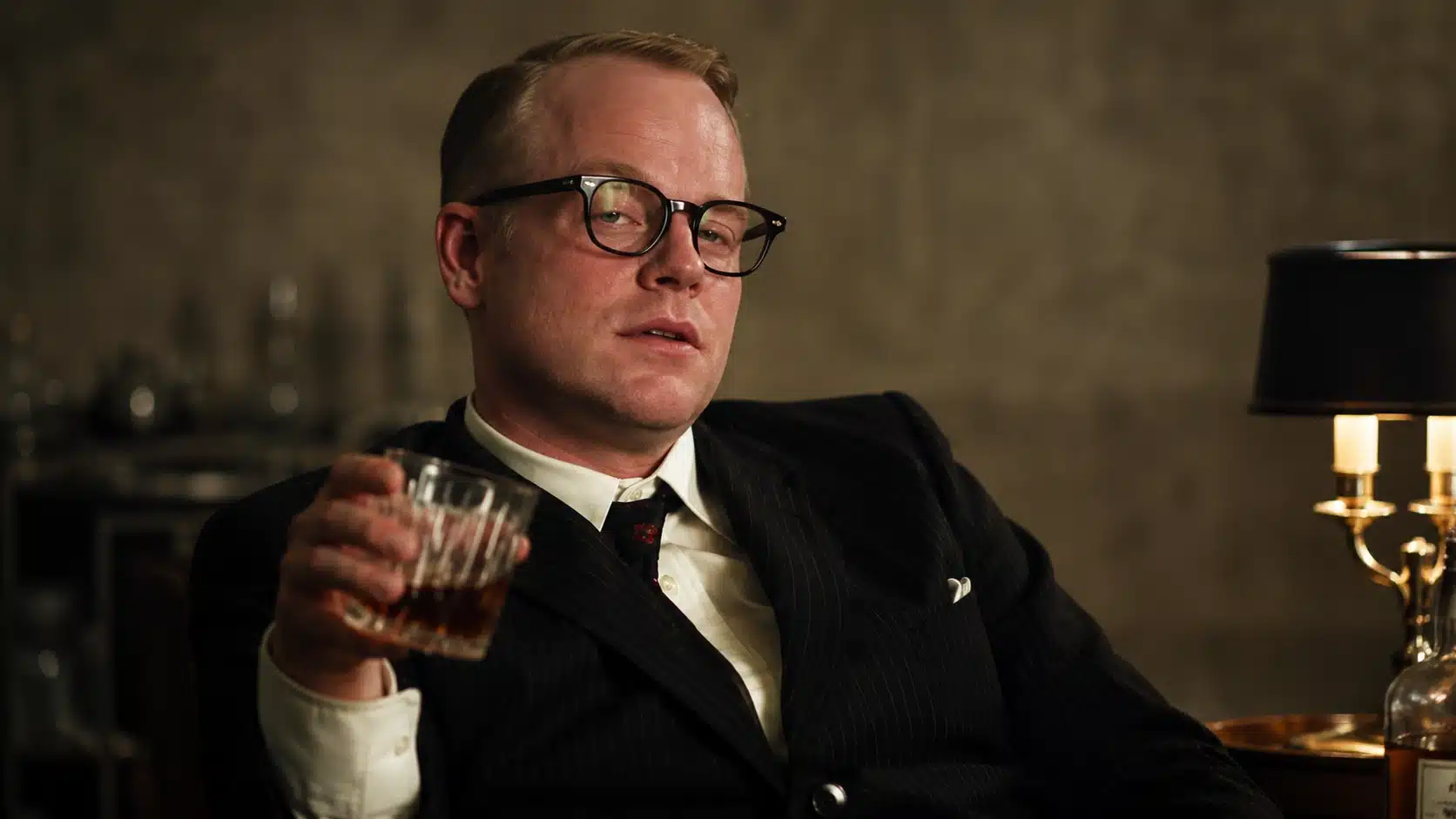
Hoffman’s relationship with substance use spanned his entire adult life, moving from early struggles to decades of sobriety and finally to a relapse that his closest circle had not fully seen coming.
1. Early Sobriety and Two Decades Clean
Hoffman was open about his history with alcohol and drugs, which began during his early twenties. He entered sobriety around age 22 and, by his own account, remained clean for approximately 22 years.
During that period, he built one of the most respected careers in American cinema, a run that included an Academy Award and widespread recognition as one of the most committed performers of his generation, all while managing a long-term recovery.
2. The Relapse That Changed Everything
Around 2012, Hoffman began using prescription medications in ways that escalated steadily over time. He checked himself into a rehabilitation program for approximately 10 days in May 2013 and spoke publicly about it afterward.
What began with prescription pill misuse progressed to heroin use in the months before his death.
The Substance Abuse and Mental Health Services Administration notes that relapse after extended sobriety carries some of the highest overdose risk, because tolerance drops sharply during abstinence while the psychological pull of familiar substances remains.
3. Why Long-Term Sobriety Does Not Eliminate Risk
This is the part of the story that gets overlooked most often. Twenty-two years without using did not reset his brain’s relationship with addictive substances. Research consistently shows that addiction changes neural pathways in ways that can persist for decades.
When Hoffman used again, he did so with a significantly lower tolerance than during his earlier use, which multiplied his overdose risk. Understanding how addiction progresses through distinct stages helps explain why recovery is ongoing rather than resolved after a period of abstinence.
| ⚠️ Caution: Relapse is not a sign of weakness or failure, but it does carry real physical risk. Returning to previous doses after any period of abstinence can be fatal because the body’s tolerance has dropped. Treat relapse after extended sobriety as a medical situation that needs prompt support, not judgment. |
Why His Death Still Matters More Than a Decade Later
Hoffman’s death pushed back against the idea that success, talent, or a long stretch of sobriety makes anyone immune to addiction. The public reaction was more considered than usual, marked more by grief than judgment.
The National Institute on Alcohol Abuse and Alcoholism describes addiction as a chronic relapsing disorder in which sustained support, not a single treatment episode, is what maintains long-term health.
One of the most significant outcomes of his death was wider awareness of polysubstance overdose risk, particularly the danger of combining opioids with central nervous system depressants.
Understanding how mixing substances compounds overdose risk is something more people in harm reduction circles began taking seriously in the years that followed.
Was Philip Seymour Hoffman Still Working When He Died?
Yes, and with significant projects in motion. Hoffman was one of the more active working actors of his caliber at the time of his death, with multiple films either completed or in post-production. Here is where his professional commitments stood in early 2014:
- The Hunger Games: Mockingjay: Hoffman had completed most of his scenes as Plutarch Heavensbee. Filmmakers adjusted the small number of remaining scenes through script rewrites rather than digital recreation, a decision that received broad support from the cast and crew.
- God’s Pocket: Already filmed and in post-production at the time of his death. Released in May 2014, with Hoffman in the lead role.
- A Most Wanted Man: A completed spy thriller based on the John le Carré novel, released posthumously in July 2014, in which Hoffman gave what many critics called one of his finest late performances.
- Other projects in development: Several additional films were at various stages of pre-production, none of which moved forward after his death.
The logistical and creative questions that follow a sudden celebrity death are rarely simple or clean. Similar challenges came up around the projects left unfinished after Heath Ledger’s death and its effect on his final film. In both cases, productions found ways to honor the work already completed rather than attempt technological substitution.
| ⚠️ When to Seek Emergency Care: Call 911 immediately if someone is unconscious and cannot be woken, if breathing is slow, shallow, or has stopped, if their lips or fingernails are turning blue, or if they are making gurgling sounds. Do not wait to see if they sleep it off. Opioid overdose can be reversed with naloxone if given quickly enough. |
Frequently Asked Questions
How long had Philip Seymour Hoffman been sober before relapsing?
Hoffman maintained sobriety for approximately 22 years before relapsing around 2012. He entered a short rehabilitation program in May 2013. His relapse progressed from prescription medication misuse to heroin use in the months leading up to his death.
What was found inside Philip Seymour Hoffman’s apartment?
Investigators found glassine envelopes containing heroin residue, multiple syringes, and prescription medications. A syringe was still in his arm when he was discovered. These findings formed the basis of the official investigation into his accidental death.
Why is combining heroin with other drugs so dangerous?
Heroin and benzodiazepines both suppress the central nervous system and slow breathing. When combined, the effect intensifies beyond what either substance alone causes, making respiratory failure far more likely. Adding cocaine creates additional cardiac stress, compounding the overall physiological risk significantly.
Final Thoughts
Philip Seymour Hoffman did not die because he ran out of willpower or stopped caring.
He died because addiction is a chronic condition, relapse is physically dangerous in ways that are easy to underestimate, and a body with reduced tolerance does not forgive the same doses it once tolerated.
What made his case particularly difficult to process was that he had done everything right for more than two decades. He stayed clean, built a life, and remained present for the people around him. And still, the pull came back.
His story matters because it is honest, and honesty is what actually helps people understand what addiction looks like in real life, not in cautionary headlines.
Recovery deserves ongoing support, not just a starting line. Drop a comment below and share your questions.
Sources
- National Institute on Drug Abuse. NIDA.nih.gov. Research-based information on drug interactions, addiction neuroscience, and overdose mechanisms.
- Centers for Disease Control and Prevention. “Overdose Prevention.” CDC.gov. Federal resource on overdose risk factors and polysubstance use data.
- FunWithDizzies. “Cocaine Overdose: Key Symptoms and Emergency Signs.” Overview of cocaine overdose warning signs, cardiac risks, and emergency response guidance.
- FunWithDizzies. “Stages of Addiction: Signs, Risks, and Help.” Breakdown of how addiction develops across stages, with risk factors and treatment options.
- National Institute on Alcohol Abuse and Alcoholism. NIAAA.nih.gov. Federal research and clinical guidance on alcohol and substance use disorders as chronic relapsing conditions.
- FunWithDizzies. “Polysubstance Abuse: A Comprehensive Overview.” Detailed look at the compounded risks of using multiple substances simultaneously.
- FunWithDizzies. “Heath Ledger Cause of Death: What Really Happened.” Factual account of Heath Ledger’s death, toxicology findings, and the circumstances surrounding his final days.