Long before cannabis carried branded names or complex family trees, growers saved seeds that suited their land, climate, customs, and practical needs.
What happened to those regional plants after seeds crossed borders and breeders began combining them with lines from distant places?
That question sits at the heart of landrace strains, which connect geography, farmer selection, ancestry, and the history behind modern cannabis.
This guide explains what the term means, where these populations began, how they differ from heirlooms and hybrids, and why preservation, proof, and cultural credit matter.
I separate a plant’s place-based history from the labels placed on modern products. That step helps beginners assess ancestry claims by asking clearer questions.
|
Safety Warning: This article is educational only. Cannabis may cause dependence and harm health. Use responsibly, follow local laws, and call SAMHSA at 1-800-662-4357 for confidential support. |
What are Landrace Strains?
According to the National Library of Medicine, these are locally adapted cannabis populations tied to long-term cultivation in a particular region.
They are not single, perfectly uniform plants, nor are they always untouched wild cannabis.
Across generations, climate, altitude, growing seasons, seed saving, and farmer choices shape each population. Geographic isolation can limit outside pollen, while growers select plants suited to regional needs.
Core Features
- Connected to a defined region
- Maintained across many generations
- Shaped by local conditions
- Influenced by farmer seed selection
- Limited outside genetic mixing
A landrace is a changing regional population, not one perfectly fixed plant.
How Landraces Began
Cannabis landraces began through a long mix of domestication, human movement, local farming, and environmental pressure.
Geography shaped survival, while growers influenced which seeds continued:
1. Early Domestication
A 2021 whole-genome study placed early cannabis domestication in East Asia during the early Neolithic period. This finding challenges claims that every regional population began from a separate wild origin.
Present-day place names should not be treated as proof of an independent beginning. Scientific models may change as researchers study older remains and broader genetic samples.
Domestication created the foundation, but human travel carried cannabis beyond its farming centers.
2. Movement With People
Cannabis seeds moved through migration, farming, trade, medicine, fiber production, ritual practices, and informal exchange. People carried useful plants between nearby regions and distant communities.
After arrival, seeds entered new growing seasons, soils, elevations, and cultural systems. Farmers planted them, watched their performance, and shared successful seed stock across generations.
Each movement introduced new pressures, preparing regional populations for gradual change through local cultivation and selection.
3. Local Selection Over Time
Local growers often saved seeds from plants that finished reliably, survived regional weather, produced useful fiber, or matched preferred aromas and cultural uses.
Nature also removed plants poorly suited to local conditions. Farmer selection and environmental pressure worked together rather than acting as separate forces.
Repeated choices made certain traits more common without making every plant identical. Those combined pressures formed recognizable regional populations with shared histories.
Landrace Strains vs Modern Hybrids
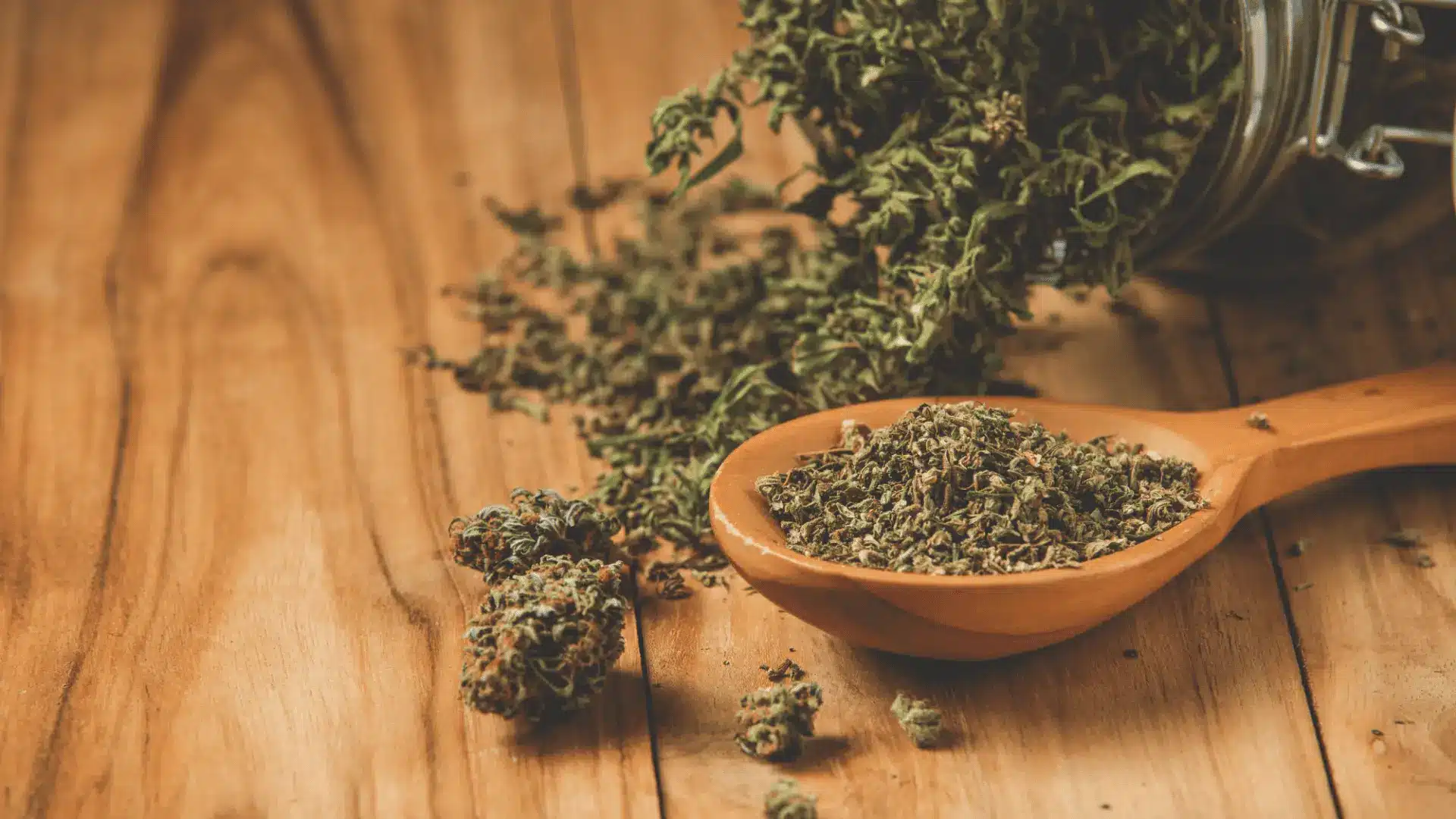
The main difference is simple. Landrace strains develop within regional farming systems, while modern hybrids come from intentionally crossing selected parent lines. Neither type is automatically better.
| Type | Regional Link | Breeding History | Expected Variation |
| Landrace | Strong | Local selection | Broad |
| Heirloom | Historical | Maintained elsewhere | Moderate |
| Hybrid | Mixed parent lines | Intentional crossing | Varies |
| Clone | Source dependent | Copy of one plant | Very low |
I use three checks for beginners: home region, outside breeding, and documented lineage.
These differences matter most when regional seeds move away from the environment that helped shape them.
How Place Shapes Traits
Geography can influence plant structure, flowering behavior, and survival traits, but it cannot guarantee a specific consumer experience.
Plants respond to inherited genetics, local conditions, and cultivation methods working together. Regional patterns are useful guides, not fixed rules for every plant.
1. Mountain Regions: Cannabis from cooler mountain regions often faces shorter seasons, lower nighttime temperatures, strong sunlight, and rapidly changing weather. These pressures may favor plants that finish sooner in exposed conditions.
Common patterns include broader leaves, compact growth, shorter flowering periods, and dense resin coverage. They remain tendencies rather than guarantees because elevation, farming practices, and seed history differ between valleys.
2. Tropical Regions: Tropical cannabis populations commonly grow under warm temperatures, long seasons, and relatively steady day lengths. Many develop tall frames, narrow leaves, wider spacing, and extended flowering periods.
Airflow can matter in humid settings, so less compact flower structures may appear more often. Still, tropical origin does not prove a certain strength, aroma, or experience.
3. Effects are Not Geography: Geographic ancestry does not accurately predict how a cannabis product will feel. Modern indica and sativa labels may reflect marketing, plant shape, or reported lineage rather than consistent genetic identity.
A clearer assessment considers cannabinoid results, aroma compounds, batch testing, dose, and personal response separately from origin.
Major Landrace Regions
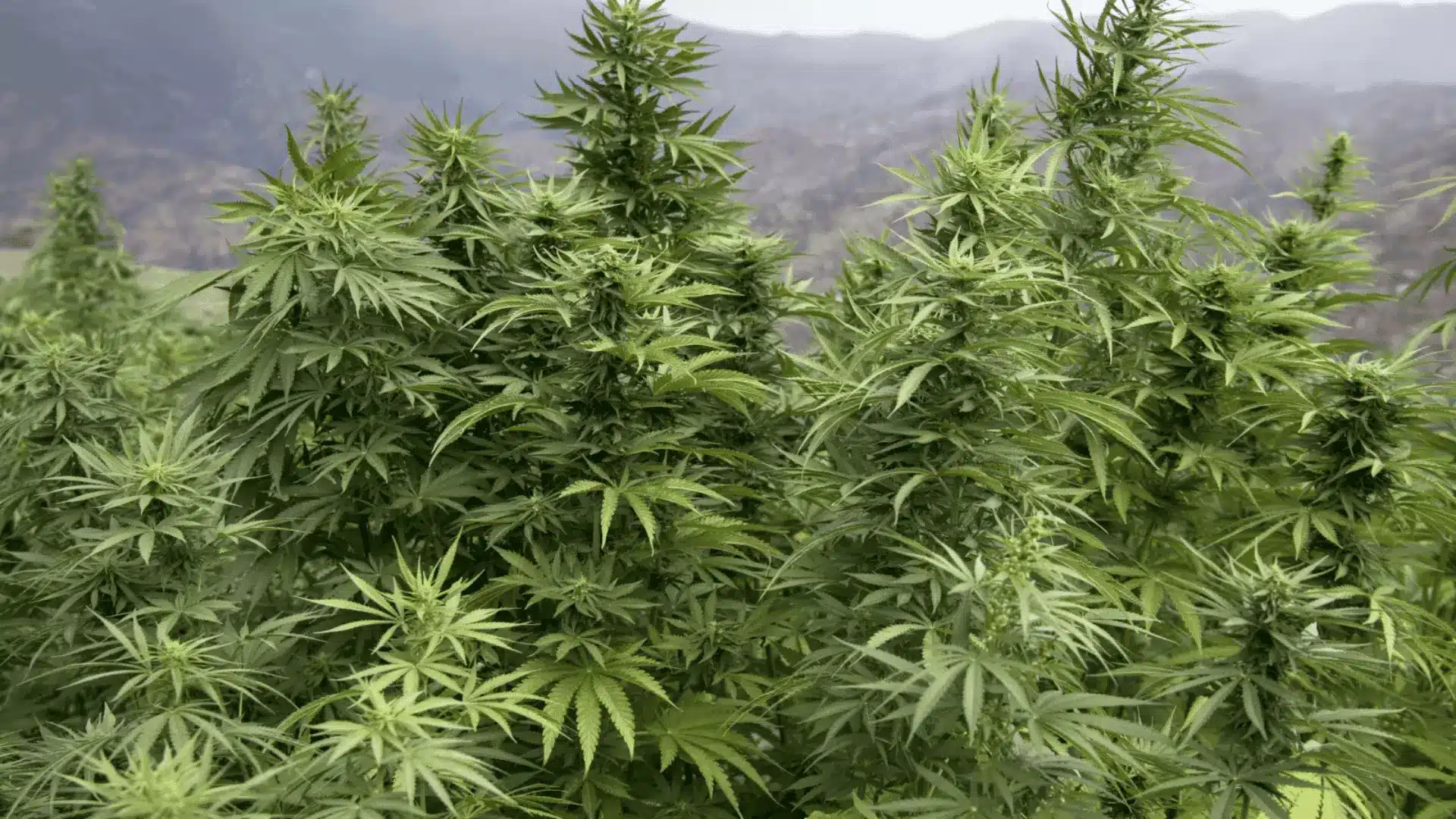
Historic cannabis populations developed across several regions, each shaped by local climates, farming practices, seed exchanges, and cultural uses.
The examples below highlight commonly reported origins and plant patterns. Traits can vary within the same region, so appearance, aroma, and flowering behavior cannot confirm ancestry alone.
Regional names provide historical context, but collection records are needed to support authenticity claims:
1. Central and South Asia
Central and South Asia are linked with Afghan regional populations, Hindu Kush lines, Mazar-area plants, and varieties from the Himalayas and northern India.
Mountain climates often include cool nights, short seasons, dry conditions, and large changes in elevation. Regional communities maintained cannabis for fiber, food, resin, ritual practices, and traditional preparations.
- Afghan regional populations
- Hindu Kush
- Mazar-area populations
- Himalayan varieties
These names may now appear on hybrids with only reported connections to their original regions.
Warmer parts of Asia produced different growth and flowering patterns.
2. Southeast Asia
Southeast Asian cannabis commonly includes Thai, Lao, Cambodian, and Vietnamese regional populations. Warm temperatures, long growing seasons, and steady daylight patterns often supported tall plants with narrow leaves and extended flowering periods.
Local farmers selected and exchanged seeds according to regional needs and growing conditions. Many commercial products using these names are selected descendants or hybrids rather than preserved local populations.
Reported examples include:
- Thai
- Lao
- Cambodian
- Vietnamese regional varieties
African cannabis history adds many distinct climates, traditions, and regional identities.
3. Africa
Africa contains varied cannabis populations shaped across southern, eastern, central, coastal, and highland regions.
Commonly named examples include Durban-area cannabis, Malawi populations, Congolese varieties, and Ethiopian regional lines.
Treating the continent as one growing zone hides major differences in rainfall, altitude, temperature, farming methods, and cultural use.
- Durban-area cannabis
- Malawi populations
- Congolese varieties
- Ethiopian regional lines
Documentation for many commercial names remains limited, especially after decades of seed movement and crossbreeding.
Cannabis also developed strong regional identities across the Americas and Caribbean.
4. Latin America and the Caribbean
Colombian, Mexican, Jamaican, and Panamanian cannabis populations became widely known during twentieth-century seed movement and international trade.
Frequently mentioned examples include Colombian regional lines, Panama Red, Mexican varieties, and Jamaican cultivated plants.
Colonial movement, local agriculture, informal exchange, export markets, and later hybridization all affected their histories.
A familiar place name does not prove that a modern product remains genetically connected to its reported source. Many of these regional populations later supplied parent material for named modern hybrids.
Preservation, Credit, and Culture
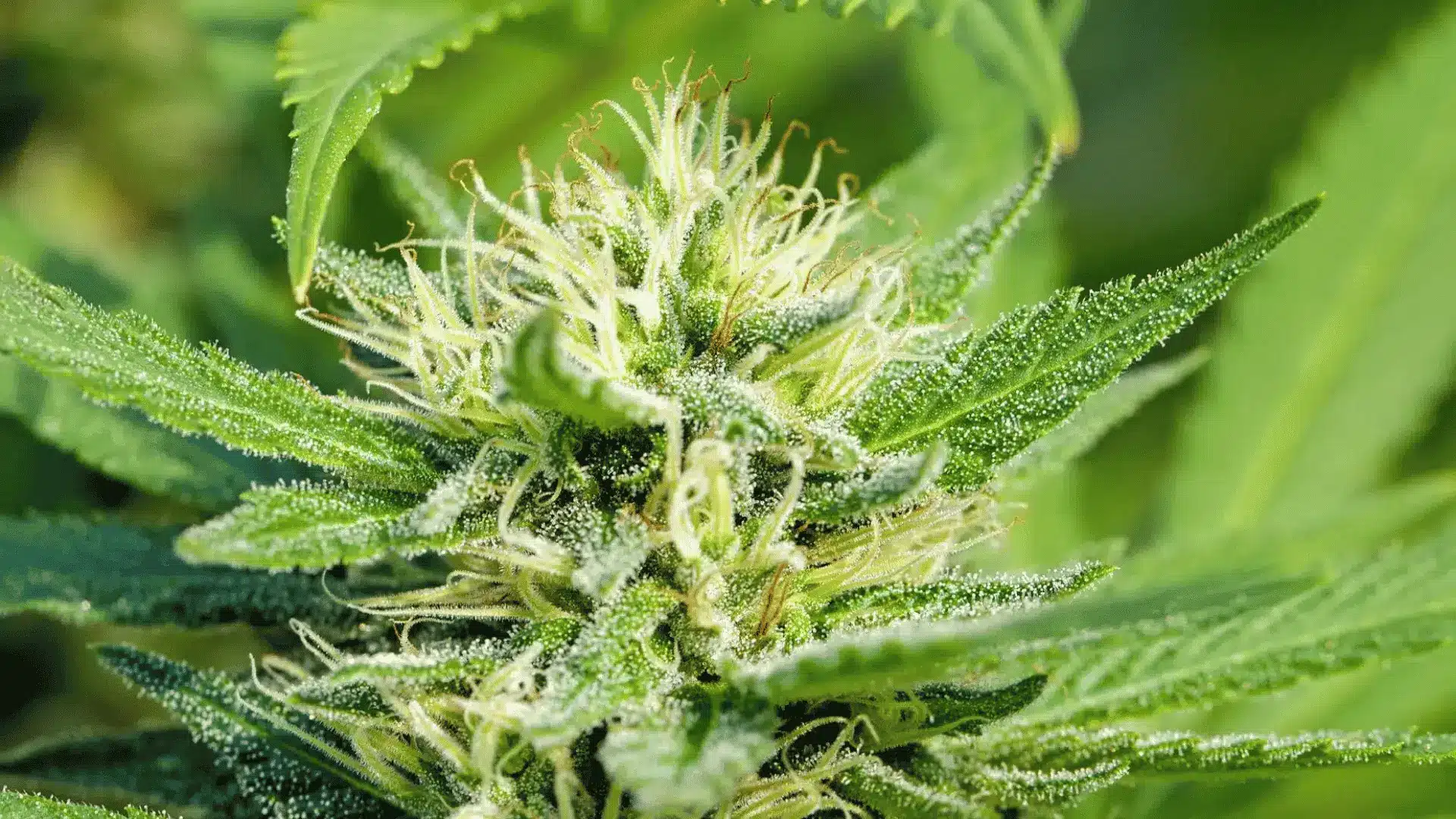
Preserving regional cannabis means protecting more than seeds. It also involves maintaining genetic variation, farming knowledge, local names, cultural uses, and the history of communities that cared for these plants.
Responsible records should explain where seeds came from, who maintained them, how they were selected, and what changed after collection.
The history of a plant also belongs to the people who carried its knowledge across generations.
That wider view connects conservation with attribution, consent, and fair access.
1. Genetic Conservation
Regional genetics can be maintained in two main ways:
- In Place: Farmers continue growing the population within its home region.
- Outside the Region: Seeds are stored or reproduced in another location.
Both methods can support conservation, but each has limits. Keeping only a few chosen plants may reduce the variation found across the original population.
Preservation works best when seed records, population size, selection choices, and outside crosses are clearly documented.
2. Local Knowledge and Attribution
Farmers and regional communities selected, named, exchanged, and used cannabis plants long before many lines entered commercial seed markets.
Their work shaped flowering habits, plant form, useful traits, and cultural meaning. Crediting only the collector, breeder, or company leaves an important part of that history untold.
A clear history should name the people who maintained the seed, not only the company that later sold it.
Writers should name known communities and traditions when reliable records support that connection.
3. Fair Access and Benefit-Sharing
Access and benefit-sharing asks how genetic resources and traditional knowledge are collected, used, and commercialized.
The Nagoya Protocol presents wider biodiversity principles involving prior consent, community knowledge, genetic resources, and fair sharing of benefits. These ideas can help readers think more carefully about regional cannabis collection.
Where to Buy Landrace Cannabis Seeds Online
Buyers near ZIP code 10001 can consider these established websites. Product stock and shipping rules may change, so confirm availability before ordering.
| Website | Landrace Selection | U.S. Shipping | Key Details |
| Attitude Seedbank USA | Dedicated landrace genetics category | U.S. addresses only | Lists regional genetics from several breeders and provides domestic delivery information. |
| Seed Cellar | Khalifa Genetics and regional seed lines | Ships within the U.S. | Carries genetics linked with Afghanistan, Laos, India, and the Philippines. |
| ACE Seeds Authorized Sellers | Preservation-focused regional genetics | Available through approved U.S. sellers | The official distributor page helps buyers find verified American retailers carrying ACE Seeds. |
I suggest checking collection history, disclosed crosses, seed generation, and breeder documentation before accepting any landrace label as proven.
Cannabis laws vary by state. Buyers should review current New York and federal rules before placing an order.
Common Landrace Myths
Landrace cannabis is often described with romantic claims that overlook farming history, genetic variation, and weak origin records.
- Myth: Landrace Means Wild.
Many regional populations were cultivated and shaped by farmers who saved preferred seeds across generations. - Myth: Pure Means Identical.
Plants from one population can vary in height, flowering time, aroma, and structure without losing their regional identity. - Myth: Place Names Prove Origin.
Names such as Afghan or Thai need collection records and documented seed history. - Myth: Older Genetics Are Always Weaker.
Age does not determine cannabinoid content, plant quality, or consumer response. - Myth: Geography Predicts Effects.
Chemistry, dose, product consistency, and personal response matter more than a regional label.
Reliable landrace history depends on evidence, context, and accurate language rather than purity claims.
Why these Genetics Still Matter
Landrace strains matter because they carry genetic variation, farming history, cultural knowledge, and traits that influenced later cannabis breeding.
A landrace remains linked to a regional farming system. An heirloom line continues outside its home area, a hybrid combines selected parents, and a clone copies one plant.
These labels describe different histories, not levels of quality. Preserving regional cannabis also requires accurate records, broad seed populations, local knowledge, and fair credit for the communities that maintained them.
Familiar place names or marketing claims cannot confirm ancestry without supporting evidence.
Which part of landrace cannabis history surprised you most? Share your thoughts in the comments.
Frequently Asked Questions
Can a Landrace Change After Leaving its Home Region?
Yes. New climates, breeding choices, and repeated seed selection can gradually shift traits, even when the population still carries documented ancestry from its original region.
Can Legal Seed Sales Confirm Authentic Genetics?
No. A legal sale confirms compliance with applicable rules, not ancestry. Provenance still depends on collection records, breeding disclosures, and reliable seed history.
Why do Researchers Value Regional Cannabis Populations?
They may contain useful genetic variation linked with flowering, resilience, structure, or adaptation. Researchers must still test those traits instead of assuming regional superiority.
Can Indoor Growing Preserve a Regional Population?
It can preserve seeds and some genetics, but different conditions and narrow selection may change the population. Careful records and broad sampling reduce that risk.
Do Traditional Names have One Standard Spelling?
Not always. Transliteration, local languages, collector spelling, and later marketing can create several names for related material, making source records more useful than spelling alone.