| ⚠️ Warning: Crack cocaine is a highly addictive substance. If you or someone you know is struggling with crack cocaine use, call the SAMHSA National Helpline at 1-800-662-4357 (free, confidential, 24/7). Call 911 immediately if someone is experiencing chest pain, seizures, or loss of consciousness after use. |
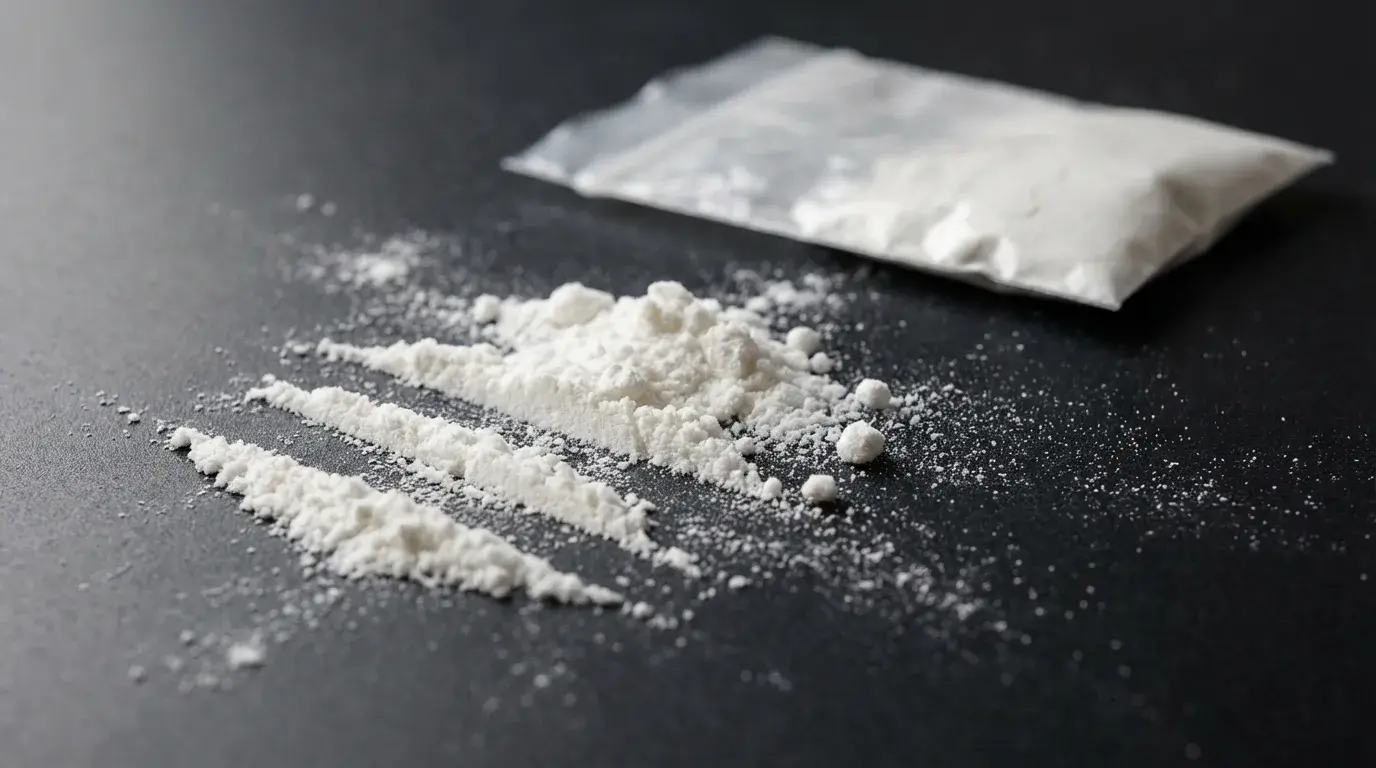
Crack cocaine stays in urine for 2 to 4 days for occasional users and up to 7 days or longer for heavy or chronic users. The test does not detect the drug itself but rather benzoylecgonine, a metabolite your body produces while processing the drug, which clears more slowly than crack itself.
The timeline varies depending on several factors, including metabolism, frequency of use, and overall health. This guide covers what drives that window, how each test type works, and what actually helps your body clear the drug.
Crack Detection Quick Reference
| Test Type | Detection Window | Notes |
|---|---|---|
| Urine | 2 to 4 days (up to 7+ for heavy use) | Most widely used method; detects benzoylecgonine |
| Blood | 2 to 12 hours | Detects active drug; used in medical or legal settings |
| Saliva | 24 to 48 hours | Short window; used for roadside or quick checks |
| Hair | Up to 90 days | Reflects long-term patterns; not used for recent use |
What Really Happens in Your Body After Using Crack
Crack cocaine is one of the fastest-acting drugs available. The high hits in seconds and fades within minutes. But what happens after that is exactly why detection windows exist.
When smoked, crack moves from the lungs into the bloodstream almost instantly. Your brain gets flooded with dopamine, producing an intense rush that peaks and burns out within 15 to 30 minutes. Crack has a half-life of roughly 15 minutes, meaning the drug itself clears the blood quickly. That part most people know.
What they do not think about is what comes next. As your body breaks crack down, it produces chemical byproducts called metabolites. The main one is benzoylecgonine, the exact compound every standard drug test is calibrated to detect. Not the drug itself, but the fingerprint left behind while your body processes it.
That fingerprint lingers in urine for 2 to 7 days, sometimes longer. Everything covered in this article connects back to that single process. One additional factor worth knowing: combining crack with alcohol causes the liver to produce a third metabolite called cocaethylene, which has a longer half-life than benzoylecgonine and can extend the overall detection window.
Crack Detection Timeline in Urine
Detection time is not the same for everyone. Frequency of use is the biggest factor, but several other things shift that window too.
| Usage Type | Typical Detection Time | What Can Make It Longer |
|---|---|---|
| One-time use | 2 to 3 days | Slow metabolism, high body fat, low hydration |
| Occasional use | 2 to 4 days | Poor health, older age, and infrequent exercise |
| Frequent use | 4 to 7 days | High body fat, slow metabolism, low water intake |
| Heavy or chronic use | 7 days or more | Any combination of the above factors |
The more frequently someone uses it, the more metabolites accumulate, and a higher buildup takes longer to clear. Two people with the same usage pattern can still test differently based on how their bodies process and eliminate the drug.
How Drug Tests Actually Catch Crack in Your System
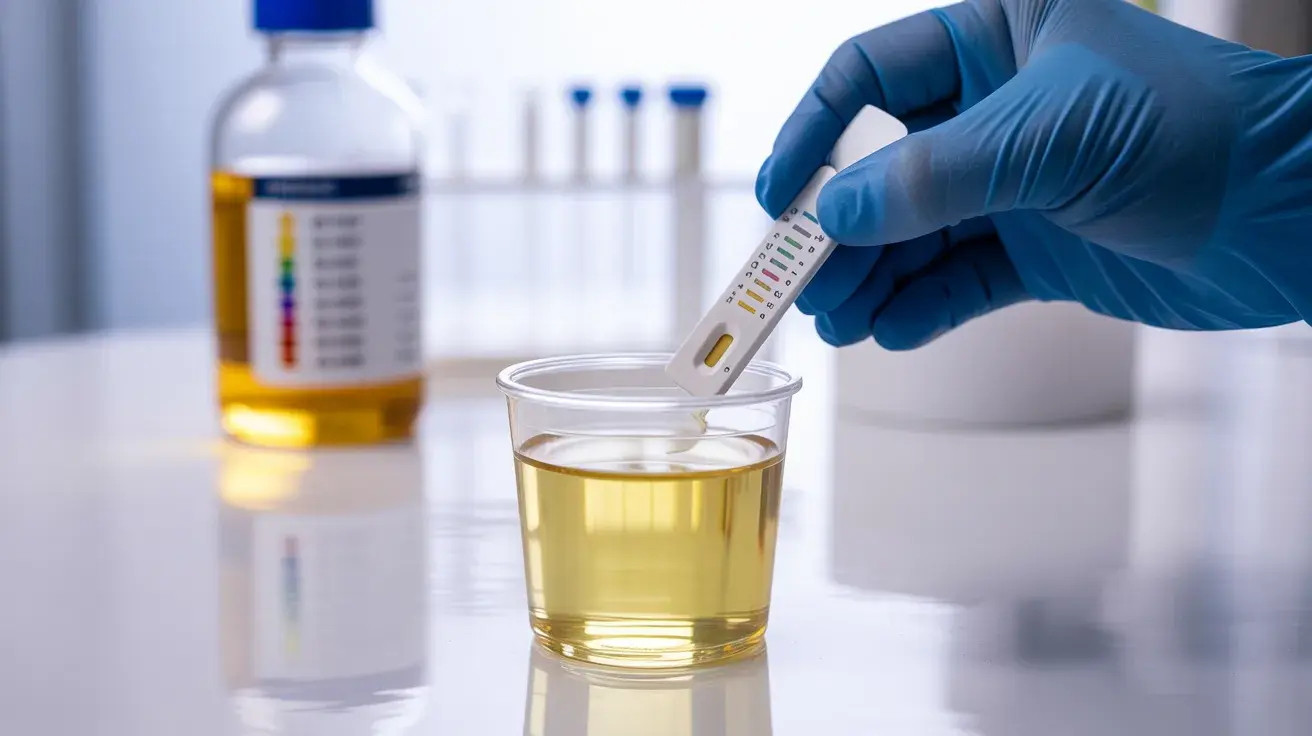
Each testing method looks at a different part of the body, so detection time and reliability both vary.
1. Urine Test: Detection Time and Process
For most people, crack shows up in urine for 2 to 4 days after last use. Heavy or frequent users can test positive for 7 days or longer.
The test does not look for the crack itself. It detects benzoylecgonine, a metabolite your body produces while processing the drug. Since metabolites clear more slowly than the drug itself, detection lasts longer than most people expect.
Urine testing is the most widely used method for employment and routine screening. Results are affected by metabolism speed, hydration levels, liver health, and frequency of use. Modern urine tests can also detect attempts to dilute a sample, so over-hydrating before a test may flag the result rather than clear it.
2. Blood Test: Detection Time and Process
Blood tests carry the shortest detection window, typically 2 to 12 hours after last use.
Unlike urine tests, blood tests detect the active drug still circulating in the bloodstream. The window is short because the body clears the crack from blood relatively quickly after use. Blood testing is mainly used in hospital settings or legal investigations and is not practical for routine screening.
3. Saliva Test: Detection Time and Process
Saliva tests detect crack for roughly 24 to 48 hours after last use. Compared to how other substances behave in saliva tests, crack clears from oral fluid relatively quickly, making this one of the shorter detection methods available.
Saliva tests are commonly used for quick checks or roadside testing. They are generally considered less reliable than urine tests and are not widely used as the primary method for crack detection.
4. Hair Test: Detection Time and Process
Hair follicle tests carry the longest detection window by far, picking up crack cocaine use for up to 90 days after last use.
When crack enters the bloodstream, trace amounts reach the hair follicles and get locked into the hair shaft as it grows. Hair testing is used to identify long-term patterns of use rather than recent activity and is not a practical tool for catching recent use.
Key Factors That Affect How Long Crack Stays in Your Urine
Several personal and biological factors directly influence how quickly the body clears crack from the system.
- Frequency of Use: The biggest factor. Occasional users typically clear a crack in 2 to 4 days. Chronic users can take 7 days or more because metabolites build up with repeated use.
- Metabolism Speed: A faster metabolism breaks down and flushes out metabolites more quickly. A slower one holds onto them longer than the standard window suggests.
- Body Fat Percentage: Crack is fat-soluble. Higher body fat means metabolites linger in the system longer.
- Liver and Kidney Health: The liver metabolizes crack into benzoylecgonine; the kidneys filter it into urine for excretion. Compromised function in either organ extends detection time significantly.
- Hydration and Exercise: Both support the clearance process. Neither guarantees a clean result on its own, and excessive hydration before a test can flag as sample dilution.
- Age and Overall Health: Older individuals and those with underlying health conditions tend to process substances more slowly, which can extend detection time beyond average.
- Alcohol Co-use: Using crack alongside alcohol causes the liver to produce cocaethylene, a metabolite with a longer half-life that can push detection further out.
Detoxing for a Crack Urine Test: What Actually Works

There is a lot of bad advice out there about detoxing. Here is what the evidence actually shows.
| What People Try | How Much Does It Help | What This Means for You |
|---|---|---|
| Drinking Water | Helps a little | Supports kidney function, but does not shorten detection time. Over-hydrating can flag as sample dilution. |
| Cardio Exercise | Helps over time | May help the body process stored metabolites gradually, but the results are slow |
| Detox Drinks and Pills | Not reliable | Often, dilute urine rather than clearing metabolites, and labs can flag this |
| Sweating It Out | Barely helps | Can feel productive, but has very little effect on clearing drug traces |
| Waiting It Out | Works best | Time is the only consistent factor. The body clears metabolites naturally. |
No shortcut replaces time. Supporting the body with hydration and moderate exercise helps the process along, but neither guarantees a clean result. For those working through crack cocaine dependency, medically supervised detox provides the safest and most supported path.
| ⚠️ When to Seek Emergency Care: Call 911 immediately if you or someone nearby experiences chest pain, irregular heartbeat, seizures, difficulty breathing, or loss of consciousness after crack cocaine use. These are signs of a cardiac or neurological emergency. |
Why You Can Still Test Positive After the Effects Wear Off
The effects of crack are short and usually fade within minutes, which makes it easy to assume the drug is gone. The crash or return to feeling normal creates a false sense of being clear. In reality, the body continues processing what remains long after the high ends.
Drug tests do not measure how you feel. They measure what the body is still clearing. This is why someone can feel completely fine but still test positive days later. The timing of the test matters more than the timing of the high.
Feeling normal does not mean the system is clear, and that difference is what determines whether a test comes back positive or negative.
What to Expect if You Fail a Crack Cocaine Urine Test
Failing a drug test carries real consequences across multiple areas of life. Legal consequences can be serious, particularly when on probation or in an active legal case where a positive result can trigger immediate penalties or violations. Employment impact is equally significant: a positive test can lead to termination, a withdrawn offer, or permanent disqualification from specific industries.
Social consequences are harder to measure but very real. Trust within family, friendships, and workplace connections can take a serious hit. Knowing your rights after a positive result matters. Depending on location, employer policy, and the context of testing, there may be options to dispute results, request a confirmation test, or contest employment decisions. A legal professional familiar with your jurisdiction can clarify what those options look like.
If a positive result prompts a closer look at crack cocaine use, understanding how false positives work is also worth reviewing before disputing any result.
Final Words
How long crack stays in urine comes down to a few core factors: frequency of use, metabolism, liver and kidney health, body composition, and whether alcohol was involved. For most people, detection runs 2 to 4 days. For heavy or chronic users, 7 days or more is a realistic window.
No detox method speeds up the process in any meaningful way. Time, normal hydration, and basic health support are what actually move the needle. Urine tests remain the most common method, but blood, saliva, and hair tests are used in specific contexts and carry different windows.
If crack cocaine use has become a pattern rather than a one-time concern, reaching out to SAMHSA at 1-800-662-4357 is a free and confidential starting point.
Frequently Asked Questions
How long does crack stay in urine for a first-time user?
A single use typically clears urine within 2 to 3 days. Slower metabolism, higher body fat, or low hydration can push that toward the upper end of the window.
Can crack be detected in urine after one week?
For occasional users, one week is unlikely but possible under the right conditions. For heavy or chronic users, detection beyond 7 days is well within the expected range as metabolite buildup takes more time to clear.
Does drinking water help pass a crack urine test?
Staying hydrated supports kidney function and helps the body process metabolites normally, but it does not meaningfully shorten the detection window. Modern labs can also flag urine that appears excessively diluted, so over-hydrating before a test carries its own risk.
How does crack use affect people with pre-existing health conditions?
Crack use can worsen conditions, including heart disease, liver problems, and respiratory issues. It raises blood pressure and affects mental health. Compromised liver or kidney function also slows metabolite clearance, which can extend the detection window beyond the standard range.
What legal steps can you take if you fail a drug test for crack cocaine?
Options can include requesting a confirmation test (GC-MS), disputing the collection process, or challenging termination through employment law. Outcome depends heavily on jurisdiction, employer policy, and whether the context involves probation or legal proceedings. Consulting a legal professional is the clearest next step.
Can crack be detected through secondhand smoke exposure?
Secondhand smoke exposure rarely produces metabolite levels high enough to trigger a positive result. Prolonged exposure in an enclosed space may create trace amounts, but these are generally well below standard cutoff thresholds.
Does crack show up on a drug test if you only used a small amount?
Yes. Even small amounts produce detectable metabolites that remain in the system for several days. The test is calibrated to detect benzoylecgonine at low concentrations, not to estimate how much was used.
Can crack show up on a 5-panel drug test?
Yes. Standard 5-panel tests screen for cocaine metabolites, which includes crack cocaine. The test does not distinguish between crack and powder cocaine; it detects cocaine use overall.
Sources
- National Institute on Drug Abuse (NIDA), “Cocaine DrugFacts.” Overview of cocaine pharmacology, detection, and prevalence data. nida.nih.gov
- Moeller, K.E., Lee, K.C., Kissack, J.C. (2008). “Urine Drug Screening: Practical Guide for Clinicians.” Mayo Clinic Proceedings. Peer-reviewed reference for detection windows and metabolite testing standards. mayoclinicproceedings.org
- Fun With Dizzies, What is BZO on a Drug Test: Meaning and Detection. Covers how metabolite immunoassay screening works and how confirmation testing differs from initial panels.
- Fun With Dizzies, What Supplements Can Cause a False Positive Drug Test. Relevant for anyone considering disputing a positive result before taking the next steps.