Curious about the Blockberry strain and what makes it different from other cannabis varieties?
Blockberry is commonly described as a balanced hybrid associated with fruity, citrus, and creamy flavor notes. Still, its name can refer to different genetic lines depending on the breeder or seller.
This makes understanding its reported lineage, THC and CBD content, terpene profile, effects, and potential risks especially important.
In this blog, you will learn about the most commonly reported Blockberry genetics, compare different types sold under similar names, and learn what to look for when checking product labels and lab reports.
I will also show you how to avoid common buying mistakes, responsible-use considerations, and why batch-specific testing matters when evaluating potency, flavor, and overall product information.
What is the Blockberry Strain?
Blockberry is a cannabis cultivar described as a balanced hybrid with an even indica and sativa profile. Major strain databases often list it as a cross between Black Cherry Punch and Tropicana Cookies.
This pairing is linked with berry, citrus, and vanilla flavor notes. However, the Blockberry name is not fully standardized across the cannabis market.
Some growers may use the name for different genetic lines, including crosses involving Blockhead and Blackberry. For that reason, strain names alone may not tell the full story about a product.
Buyers should check the product label, breeder details, and lab reports when comparing batches. The next section looks at the parent strains most often linked with Blockberry today.
Blockberry Strain Types
Blockberry is not a single fixed genetic line, and the name covers several distinct types that buyers should learn to tell apart before purchasing.
1. Black Cherry Punch x Tropicana Cookies
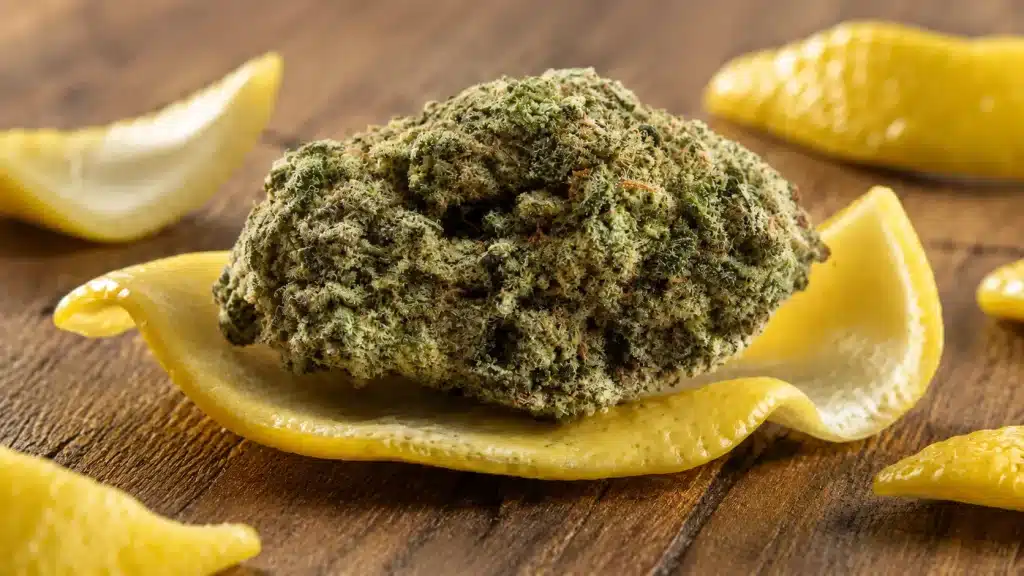
This is the lineage most strain databases cite for Blockberry. Black Cherry Punch brings dark fruit and cherry notes, while Tropicana Cookies adds citrus and Cookies-family genetics, producing a sweet, fruity, slightly earthy flavor profile.
2. Blockhead x Blackberry
Some sources trace Blockberry back to this separate breeding line instead. Cannabis genetics are not centrally registered so that different breeders can apply the same strain name to plants with distinct parentage and chemical makeup.
3. Super Boof / Superboof
Leafly and other sources list Blockberry as another name for Super Boof, a variety associated with the Blockhead Budz line. Some sellers treat the names as identical, while others market them as entirely separate phenotypes.
4. Block Berry
This spelling shows up on some product labels and dispensary menus as an alternate way of writing Blockberry. It usually refers to the same general genetic line, though buyers should still confirm this against the listed lab results.
Blockberry Genetics and Lineage

The most commonly reported lineage for Blockberry is Black Cherry Punch crossed with Tropicana Cookies. This pairing helps explain the strain’s fruit-focused aroma and flavor profile.
Black Cherry Punch is linked with rich cherry and dark berry notes, while Tropicana Cookies brings brighter citrus tones and genetics from the Cookies family.
However, cannabis strain naming is not centrally regulated, which means breeders may use the same name for plants with related but different genetics.
Because of that, this lineage should be viewed as the version most often reported rather than a scientific match for every Blockberry product.
Checking breeder information, product labels, and lab reports can give buyers a clearer picture of each batch.
Blockberry Effects and Possible Risks
The table below summarizes the commonly reported Blockberry effects along with possible short-term reactions and risks linked with higher THC use.
| Category | Reported Effects |
|---|---|
| Positive Effects | Giggly, creative, euphoric, uplifted mood, mental focus, and physical relaxation |
| Typical Pattern | Mood lift followed by mental stimulation and later relaxation or drowsiness. |
| Anxiety Risk | Higher THC levels may cause anxiety or racing thoughts, especially with lower tolerance. |
| Dryness | Dry mouth and dry eyes are commonly reported |
| Physical Effects | Dizziness or increased heart rate may occur |
| Cognitive Effects | Short-term memory, attention, and coordination may be affected |
| Long-Term Risk | Regular high THC use may increase the risk of cannabis use disorder |
Blockberry THC Content Explained

Reported Blockberry THC levels can vary widely by product and batch. One cited listing places a Blockberry product at 28 percent THC, while other commercial profiles fall in the low to mid 20s.
These figures are examples rather than a fixed standard for the strain. Flower labeled at 28 percent THC contains about 280 milligrams of THC per gram by weight.
However, that figure does not show how much THC a person absorbs, since dose, consumption method, and tolerance can change exposure.
The National Institute on Drug Abuse explains how THC affects the body. For the most accurate information, check the certificate of analysis for the specific batch instead of relying on strain database averages.
Blockberry CBD Content
These points show why checking a batch-specific lab report is important before judging the CBD level in any Blockberry product.
- No universal CBD percentage exists for all Blockberry products.
- Most commercial listings report CBD levels below 1 percent.
- Blockberry is generally marketed as a THC-dominant strain.
- CBD levels can vary by phenotype and individual product.
- Batch-specific lab reports provide the most reliable CBD information.
- CBD is not intoxicating like THC but may still cause drowsiness, appetite changes, or stomach upset.
- CBD levels may also relate to the terpene profile, which influences aroma and overall experience.
The National Institute on Drug Abuse notes that CBD is not intoxicating like THC but can still cause drowsiness, appetite changes, or stomach upset, so it is not risk-free.
Blockberry Terpene Profile
Blockberry descriptions commonly mention fruit-forward aromas built on limonene, myrcene, and beta-caryophyllene.
Limonene often brings citrus notes, myrcene adds earthy or fruity depth, and beta-caryophyllene contributes spice or pepper undertones.
Linalool and terpinolene sometimes appear too, adding floral or piney qualities. These associations describe common patterns, not guarantees.
The amount of each terpene in a specific batch matters more than assumptions based on the strain name, and the COA terpene panel is the most reliable source for this detail.
The National Institutes of Health explains cannabis chemical compounds in more depth.
Terpenes strongly influence how Blockberry smells and tastes, which the next section covers in more detail.
Blockberry Flavor and Aroma
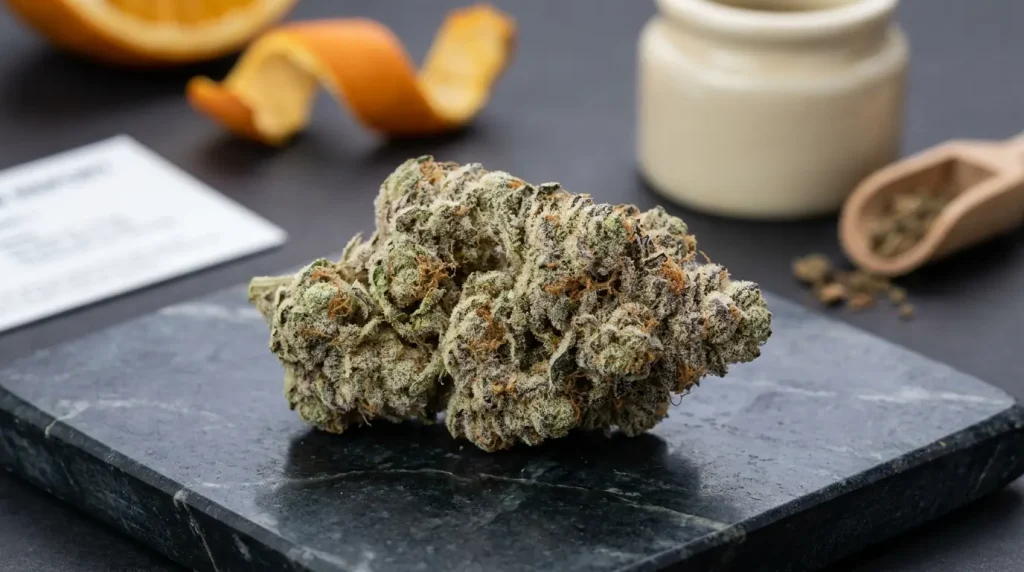
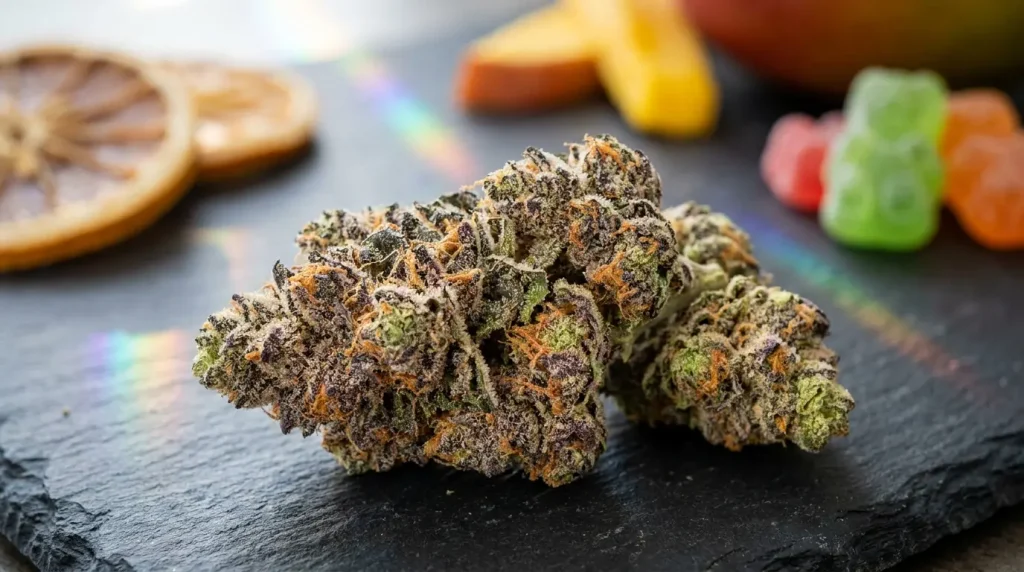
Blockberry is known for a layered flavor profile that mixes sweet fruit, citrus, and creamy notes with mild earthy undertones.
| Flavor Profile | Common Notes | What to Expect |
|---|---|---|
| Sweet and Fruity | Berry cherry | Rich, juicy sweetness that stands out first |
| Citrus | Grapefruit orange | Bright, tangy notes that add freshness |
| Creamy Finish | Vanilla dessert-like | Smooth sweetness that often appears on the finish |
| Earthy Undertones | Herbal, earthy, cheese-like | Subtle deeper notes found in some batches |
| Aroma | Sweet fruit citrus | Strong fruity scent with hints of citrus and earth |
| Batch Differences | Varies by curing and storage | Fresh, well-stored flower usually keeps a stronger aroma and flavor |
What Reddit Users Say About the Blockberry Strain

This Reddit post describes Blockberry as a strain linked to Black Cherry Punch and Tropicana Cookies.
The reviewer says Blockberry is known as Superboof, a name tied to a selected phenotype chosen by grower Mobile Jay.
The post lists caryophyllene, myrcene, and limonene as key terpenes. In terms of aroma and flavor, the reviewer mentions sweet cherry and incense notes that carry into the taste.
The effects are described as leaning more sativa, with a focused and upbeat feeling followed by mild physical relaxation.
The reviewer also says it helped with stomach pain and digestion problems. That last point is a personal experience, not medical proof, so it should not be treated as evidence that Blockberry can treat digestive conditions.
Safe Use Tips for Blockberry Products
These safety habits apply across product types, but a few misconceptions still trip up experienced buyers too. This is your checklist before using a Blockberry product.
- Start with a small amount, especially when using higher-THC Blockberry flower.
- Wait before using more because the effects can build gradually.
- Never drive or operate machinery after using cannabis.
- Inhaled cannabis may cause impairment for up to four hours.
- Edibles may cause impairment for at least eight hours.
- Avoid mixing Blockberry with alcohol or sedating medications.
- Store all cannabis products safely away from children and pets.
- These safety habits apply across product types and can help reduce avoidable risks.
NHTSA’s research on drug-impaired driving shows inhaled cannabis can impair a person for up to four hours and edibles for at least eight hours, according to the Colorado Department of Transportation’s cannabis impairment guidance.
How to Buy a Genuine Blockberry Product

Buying Blockberry safely starts with confirming the retailer holds a valid state cannabis license. From there, a few checks help verify what is actually inside the package.
- Compare the listed breeder and parent genetics against known Blockberry sources.
- Check whether the label says Blockberry, Super Boof, or a related name
- Review total THC, CBD, and terpene results on the COA
- Confirm the batch number, harvest date, and testing lab
These steps protect buyers from relying on the strain name alone, which the next section expands on through common mistakes.
Common Mistakes to Avoid With the Blockberry Strain
These common mistakes can lead to inaccurate expectations about Blockberry, so checking lab results, product details, and local laws can help buyers make better choices.
| Common Mistake | Why It Can Mislead | How to Avoid It |
|---|---|---|
| Treating t50/50 50 hybrid label as exact | It does not show the full chemical profile | Check terpene and cannabinoid lab results |
| Assuming every batch has 28 percent THC | Potency changes between batches | Read the certificate of analysis |
| Linking purple color with higher potency | Color does not prove strength | Judge potency by lab-tested THC levels |
| Using online reviews as medical proof | Personal reports are not clinical evidence | Use trusted health sources for medical information |
| Ignoring local cannabis laws | Rules vary by location | Check current state and local laws before buying |
| Do Not Miss: As of June 26, 2025, the National Conference of State Legislatures’ cannabis overview shows medical cannabis was allowed in 41 states, while adult-use cannabis was allowed or regulated in 24 states. Buyers should confirm their state’s specific rules before purchasing or traveling with any Blockberry product. |
Helpline numbers
If you or someone you know experiences severe side effects, accidental ingestion, or a mental health crisis after using cannabis, these resources can provide immediate assistance and confidential support in the United States.
- Emergency: 911
- Poison Control (24/7): 1-800-222-1222
- SAMHSA National Helpline (24/7): 1-800-662-4357
- 988 Suicide & Crisis Lifeline: 988
Final Thoughts
Blockberry can be an appealing option for consumers interested in fruity aromas, citrus-forward flavors, and a balanced hybrid profile. Still, the name alone does not guarantee identical genetics or effects.
Different breeders and sellers may use Blockberry for distinct genetic lines, making product labels, breeder information, and batch-specific lab reports important when comparing products.
THC and CBD levels can also vary considerably between batches, while terpene concentrations influence the aroma and flavor profile.
Buyers should avoid relying solely on strain names, online reviews, or advertised potency percentages.
Checking testing information, understanding local cannabis laws, and following responsible-use practices can help reduce avoidable risks.
Ultimately, the most reliable way to understand a specific Blockberry product is to evaluate its actual laboratory results rather than assumptions based on the strain name alone.
Frequently Asked Questions
Does Blockberry Strain Cause Anxiety?
It can for some users, especially at higher THC levels or with low tolerance. Reported side effects include occasional anxiety alongside dry mouth and dizziness. Starting with a small amount lowers this risk.
Can I Drive After Using Blockberry Strain Products?
No. Inhaled cannabis can impair a person for up to four hours, and edibles for at least eight hours, per NHTSA and Colorado transportation research. Never drive while impaired.
Why does Blockberry Strain THC Vary Between Dispensaries?
Different growers use different genetics, growing conditions, and harvest timing under the same strain name. This causes THC and terpene results to shift between batches and sellers.
Is Hemp-Derived Blockberry the Same as Dispensary Blockberry?
Not necessarily. Hemp-derived products follow different legal THC limits than state dispensary products. Always check the certificate of analysis rather than assuming equivalence between sources.
What Should I Look for on a Blockberry Certificate of Analysis?
Check total THC, THCA, CBD, terpene percentages, batch number, harvest date, and the testing lab name. These details confirm what is actually in that specific product.
Is Blockberry Flower or Vape Stronger?
Neither is automatically stronger. Potency depends on the specific product’s lab results, not the format. Compare THC percentage or milligrams listed on each item’s COA directly.