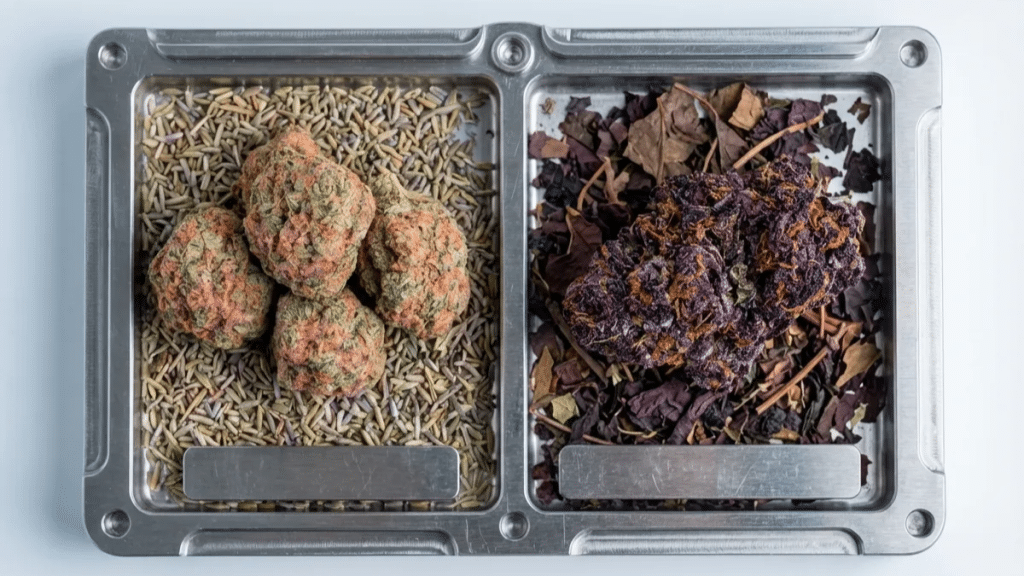
More people than ever are turning to cannabis for sleep, pain, and anxiety, and honestly, I get it. Prescription options don’t work for everyone, and curiosity around plant-based alternatives is growing fast.
That said, research is still catching up, and results genuinely vary from person to person. In my experience, the biggest gap isn’t access, it’s understanding.
Everything here is built around making genuinely informed choices, from how cannabis interacts with your body to the best strains, terpene science, and realistic expectations.
If you’ve ever spotted purple, cherry, or pink weed varieties and wondered whether there’s more to them than colors, that gets answered, too.
This content is for informational purposes only. Always consult a qualified healthcare professional before using cannabis for any medical condition.
Overview of Cannabis in Your Body
Your body already has a built-in system designed to receive cannabis, it’s called the endocannabinoid system (ECS). Think of it like a lock-and-key setup.
Cannabinoids such as THC, CBD, and CBN are the keys, and your ECS receptors are the locks. Each one unlocks a different response.
But here’s what most people miss: the strain name tells you very little. What actually shapes your experience is the cannabinoid ratio and the terpenes present. These work together like a recipe. Change one ingredient, and the whole effect shifts.
Once you understand this, you stop chasing strain names and start making genuinely informed choices. That’s where the real difference happens.
Best Cannabis Strains for Sleep, Pain, and Anxiety
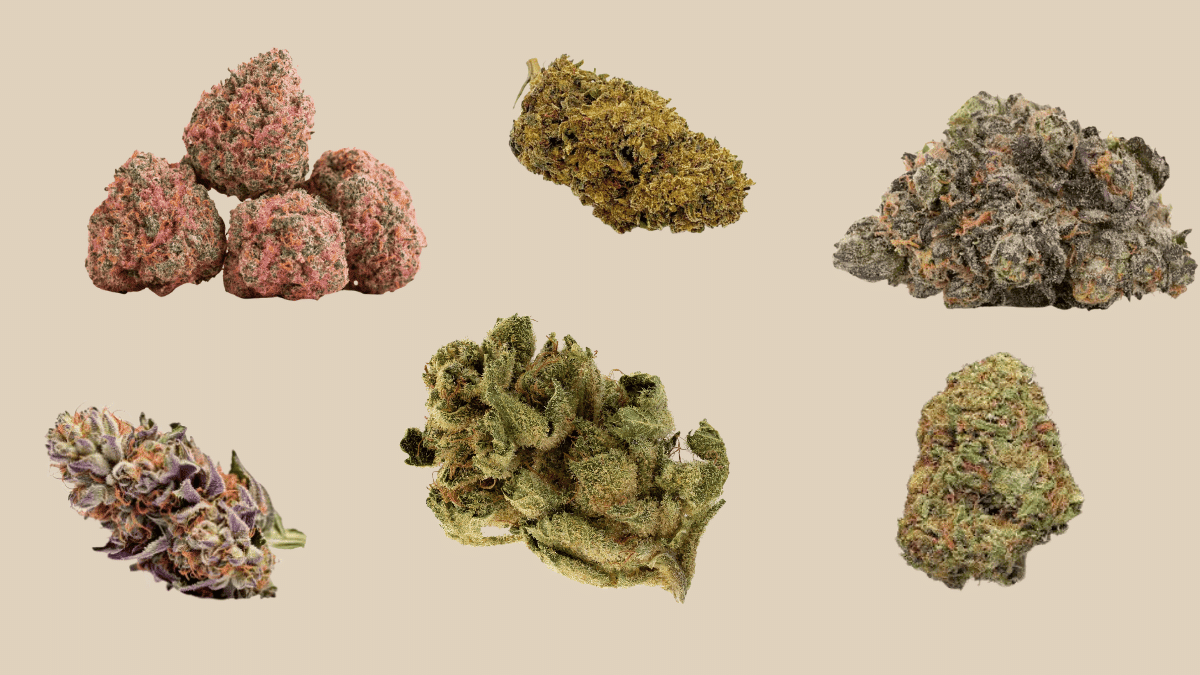
Not all strains are built the same. Here are my go-to picks across three categories, chosen by effect, not just popularity.
Best Strains for Sleep
The right nighttime strain should slow your body down and quiet your mind. Pink and purple strains are often a good place to start, as they tend to lean towards indica and carry the relaxing terpene profiles you want. Look for myrcene and linalool, nature’s own sleep aids.
- Granddaddy Purple: One of the more well-known pink and purple strains with deep full-body relaxation
- Northern Lights: A classic indica that eases you into a calm, heavy sleep
- Bubba Kush: Thick body sedation, ideal for those who struggle to stay asleep
- Lavender: Linalool-rich strain that melts stress and gently prepares your body for rest
Best Strains for Pain Relief
Pain needs targeted relief, not just sedation. Balanced THC/CBD strains often work best, effective without an overwhelming high.
- Platinum OG: Strong body sedation that works well for muscle pain and tension
- Harlequin (CBD/THC balanced): Eases aches while keeping your head relatively clear
- ACDC: High-CBD, low-THC option for inflammation without strong psychoactive effects
- Blue Widow (hybrid): Gentle full-body ease, good for chronic aches and joint discomfort
Best Strains for Anxiety
Anxiety needs low to moderate THC; too much can backfire. Prioritise CBD-rich or linalool-heavy options here.
- Northern Lights: Mellow and grounding, rarely triggers overthinking or paranoia
- Cannatonic (balanced): Low THC, high CBD, calms without clouding your thoughts
- Remedy: CBD-dominant strain that takes the edge off without any noticeable high
- Cherry Wine: Linalool-rich, gentle on the nervous system, great for daytime anxiety
How to Consume Cannabis?
The right strain means little if the method doesn’t match your intention. This is where a lot of people go wrong, and it’s an easy fix once you know the difference.
| Method | Onset | Duration | Best Experience Level | Best Use Case |
|---|---|---|---|---|
| Smoking & Vaping | Within minutes | 1–3 hours | Intermediate to experienced; harder to control the dose precisely | Fast onset anxiety relief; testing a new strain’s effect |
| Edibles | 30 mins – 2 hours | 4–8 hours | Experienced users; easy to overconsume without knowing | Sleep maintenance; sustained pain relief through the night |
| Tinctures | 15–45 minutes | 2–4 hours | Beginners to intermediate; most predictable entry point | Best all-round starting method; anxiety and sleep onset |
| Topicals | 15–30 minutes | 2–4 hours | All levels; no high, just localised relief | Joint pain, muscle soreness, localised inflammation |
| Sublingual strips/capsules | 20–40 minutes | 3–6 hours | All levels; very precise dosing | Consistent daily dosing for chronic conditions; medical users |
In my experience, beginners often do better starting with tinctures, more control, and far less guesswork than edibles.
Side Effects, Safety, and Use Tips for Cannabis
Cannabis can be genuinely helpful, but going in informed makes all the difference. Here’s what I always tell first-timers and experienced users alike.
- Dry Mouth & Red Eyes: Common at higher THC doses, stay hydrated and always start low
- Overconsumption: Can trigger anxiety or paranoia; less is often more, particularly with edibles
- Morning Sedation: Heavy indica strains can carry into the next day; time your dose wisely
- Legal Status: Varies by country and state; always check your local laws before purchasing
- Journal Your Experience: Note the strain, dose, and effects to find your personal sweet spot
- Talk to a Clinician: Especially important if you’re managing a medical condition or taking other medications
Your safest, most effective cannabis experience comes from staying curious, staying honest with yourself, and never rushing the process.
Science on Experience and Consumption
Cannabis hits differently depending on your use level and frequency. If you’re new to cannabis, high-CBD, low-THC profiles are your safest entry point.
Starting at 2.5mg THC or less lets your body gauge its response without discomfort. Occasional users usually do well with 5–10mg THC/CBD for noticeable effects without overwhelm. Regular users face a more nuanced picture.
According to a Frontiers in Pharmacology study tracking over 16,000 medical cannabis patients, tolerance builds faster than most people expect, and simply taking more rarely solves it.
Rotating products or adjusting your THC/CBD ratio is often wiser. Medical users should follow clinician guidance over general rules. Experience levels change as bodies and tolerances shift, so what worked six months ago may need reassessment.
The Final Choice
Choosing the best cannabis strains for sleep, pain, and anxiety comes down to more than a name on a label; it’s about understanding your body, your tolerance, and the compounds driving the effect.
From cannabinoid science to terpene profiles, strain picks, and dosing by experience level, my aim has been to give you what most cannabis content skips: real clarity without the overwhelm.
Cannabis works better when you know what you’re working with. If any part of this resonated or raised questions, drop a comment below.