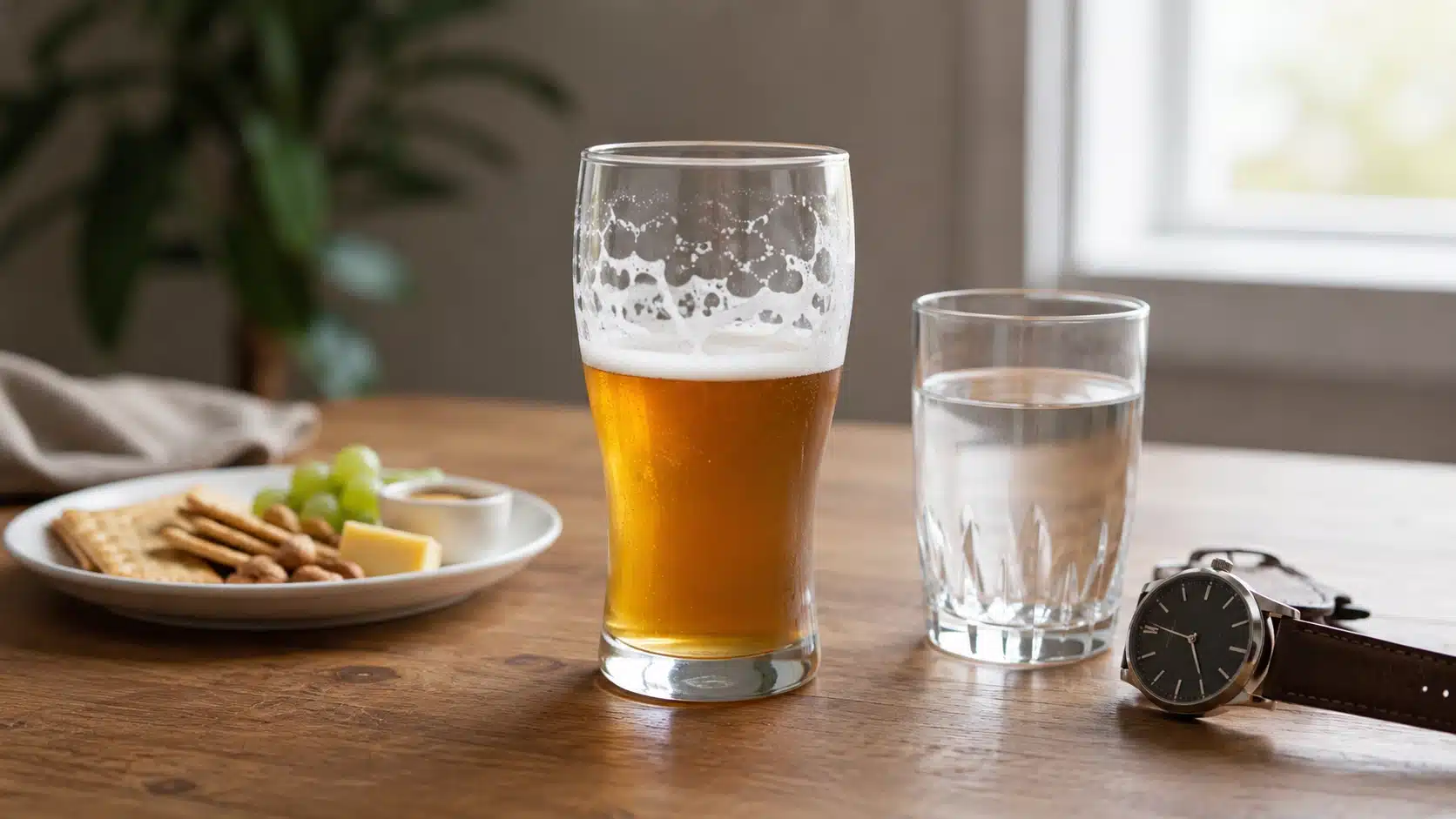
If you have ever taken a drink and thought, I feel fine, then suddenly felt warm, loose, dizzy, or way too confident about your dance skills, you already know alcohol timing can be tricky.
The short answer is simple: alcohol can start to hit within 10 to 30 minutes, but getting drunk usually takes longer, often somewhere between 30 and 90 minutes if you keep drinking.
The confusing part is that your brain and your blood alcohol concentration do not always feel in sync, so you may feel okay while your BAC is still climbing.
Let’s walk through the timing without turning it into a chemistry lecture you never signed up for.
How Long Does It Take for Alcohol to Hit?
Most people start to feel alcohol within about 10 to 30 minutes after drinking. That first hit may feel like warmth, a lighter mood, slower thinking, or a small drop in social nervousness, but it does not mean you are fully drunk yet.
Alcohol absorption ramps up once it moves from your stomach into your small intestine.
Food, drink strength, and drinking speed all change how fast that happens, and a scoping review in the Journal of Public Health confirms that food in the stomach slows gastric emptying, which can lower how high your BAC eventually climbs.
That is why one drink can feel mild one night and much stronger the next.
Since the early signals of alcohol are easy to dismiss, it helps to have a simple reminder handy for those first thirty minutes.
| 📝 Note: Do not use “I feel fine” as your safety test. Your BAC can still be rising even if you feel normal. |
Keeping that reminder in mind before your next drink can help you avoid the common trap of judging your alcohol level by mood alone.
What Happens After Your First Sip?
Alcohol does not need to be digested like a full meal. Once you drink it, it starts moving through your digestive system and into your blood. Here is the short path it takes from your first sip to your bloodstream.
- Alcohol enters your stomach.
- Some alcohol may be absorbed there.
- Most moves into the small intestine.
- It enters the bloodstream.
- Blood carries it to the brain.
- Your liver starts breaking it down.
That final step is where most of the real work happens, since your liver is what ultimately clears alcohol from your system. The liver does most of the work.
According to NIAAA’s research on alcohol metabolism, alcohol is primarily broken down by enzymes, including alcohol dehydrogenase, which converts ethanol into acetaldehyde, then into acetate, and ultimately into carbon dioxide and water.
That process takes time, and your liver cannot instantly clear alcohol just because you drank water or ate a snack.
Feeling It vs. Being Drunk vs. BAC Peaking
These three stages sound similar but describe very different points in your body’s relationship with alcohol. Here’s the difference:
| Stage | What It Means |
| Feeling it | You notice warmth, looseness, a change in mood, or slower reactions. |
| Being drunk | Your judgment, balance, speech, and coordination are clearly affected. |
| BAC peaking | Alcohol in your blood reaches its highest point before falling. |
This distinction matters because you may stop drinking, feel okay, then feel worse later. That does not mean the alcohol came back; it means your body was still absorbing it.
What Can Make Alcohol Hit Faster?

Alcohol timing is personal. The same drink can affect two people very differently, even at the same table.
1. Drinking on an Empty Stomach
An empty stomach is one of the biggest reasons alcohol hits faster. When you have not eaten, alcohol moves into the small intestine faster than usual, and since it absorbs quickly there, your BAC can climb faster too.
Food normally slows this process down by keeping the stomach busy, so skipping a meal removes that natural buffer and lets alcohol absorb with far less resistance than it otherwise would.
| ⚠️ Caution: Eating after you already feel drunk may help your stomach, but it will not rewind your BAC. |
Keeping food in your stomach before drinking remains one of the simplest ways to slow this whole process down.
2. Drinking Too Fast
Fast drinking can overwhelm your body’s processing capacity. If you take multiple shots or chug strong drinks, alcohol can build up in your blood before you notice the full effect, which is why “I was fine, then it hit me”. It happens so often among people who drink quickly.
Your brain does not always send a neat warning; it behaves more like a delayed software update, and nobody actually enjoys those.
3. Drink Strength and Serving Size
Alcohol by volume, or ABV, matters more than most people realize. A 12-ounce regular beer at 5% ABV may count as one standard drink, while a 12-ounce craft beer at 10% ABV can count as two standard drinks.
A small-looking drink can pack a real punch, and a large drink can end up far stronger than it actually tastes going down.
4. Body Size and Body Water
Body size can affect BAC directly, since a smaller person may feel the same amount of alcohol far more strongly than someone larger.
Body water also plays a role, because alcohol spreads through it, which is one reason two people drinking the same amount can end up feeling very different by the end of the night. This is simple body chemistry at work, not a personality contest between drinkers.
5. Sex and Hormones
Alcohol can affect men and women differently, partly because of body water, body size, hormones, and enzyme activity working together.
These combined factors can lead to a higher BAC from the same amount of alcohol in some people compared to others.
The main point is simple: do not copy someone else’s pace, since their body chemistry is not your personal measuring cup for how much you can safely handle.
6. Alcohol Tolerance
Tolerance means you may feel fewer obvious effects after drinking often, but tolerance does not mean your actual BAC is low.
A person with a higher tolerance may look and act steady on the outside, while their reaction time, judgment, and coordination remain quietly impaired beneath the surface.
This gap between how someone appears and how their body is actually functioning is exactly what makes tolerance such a deceptive safety indicator.
| 📝 Note: Feeling less drunk is not the same as being safe to drive. Your body can mask the signs long before your judgment and reflexes are actually back to normal. |
This is exactly why tolerance can quietly work against someone who assumes a steady appearance always means a steady mind.
7. Medications and Health Conditions
Some medicines can change how alcohol affects you, influencing absorption and metabolism in ways that raise BAC or trigger other adverse effects, and alcohol can also change how those medicines work in the body.
This matters most with sleep aids, anxiety medicines, pain pills, antidepressants, and cold or allergy medicine.
Timing also matters with decongestants, since mixing alcohol with pseudoephedrine can increase side effects like dizziness, dehydration, heart strain, and poor sleep, a combination worth understanding through a closer look at drinking after taking Sudafed.
| ⚠️ Caution: Ask a doctor or pharmacist before mixing alcohol with medication. Guessing is not a great health plan. |
A quick check with a pharmacist takes far less time than dealing with an unexpected reaction later in the night.
How Many Drinks does it Take to Feel Drunk?
There is no single number, but standard drinks help you estimate risk. Here’s how long it takes to get drunk based on the number of drinks and the effects it leads to:
| Drinks | Common Possible Effects |
| 1 drink | Warmth, relaxed mood, mild change in focus |
| 2 drinks | Lower inhibition, slower reaction time, more confidence |
| 3 drinks | Slurred speech, poorer judgment, balance changes |
| 4+ drinks | Strong impairment, nausea, memory gaps, higher poisoning risk |
A person may feel drunk from one strong drink, especially with an empty stomach or low tolerance, and one drink always means one standard drink, not one tall pour or one my friend made it strong, but it tastes like juice situation.
Why does Alcohol Hit All at Once?
Alcohol can feel like it hits all at once because the early signs are easy to miss while you are busy talking, eating, or dancing.
Your body keeps absorbing alcohol quietly in the background, and once that absorption catches up, the effects can suddenly become too strong to ignore.
This pattern shows up most when you drink quickly, take shots before eating, drink carbonated alcohol, choose strong cocktails, or start the night already tired and dehydrated.
Another major factor is the delayed peak effect, since your last drink can keep raising your BAC well after you have stopped drinking.
That lag is exactly why waiting before another round is one of the smartest moves you can make, since your body is often still catching up with drinks you already finished.
| 📝 Tip: After one drink, give your body time before deciding you feel nothing. Alcohol is not a microwave; it does not ding when ready. |
That short pause between drinks is often the difference between a comfortable evening and one that gets away from you.
How Long do Alcohol Effects Last?
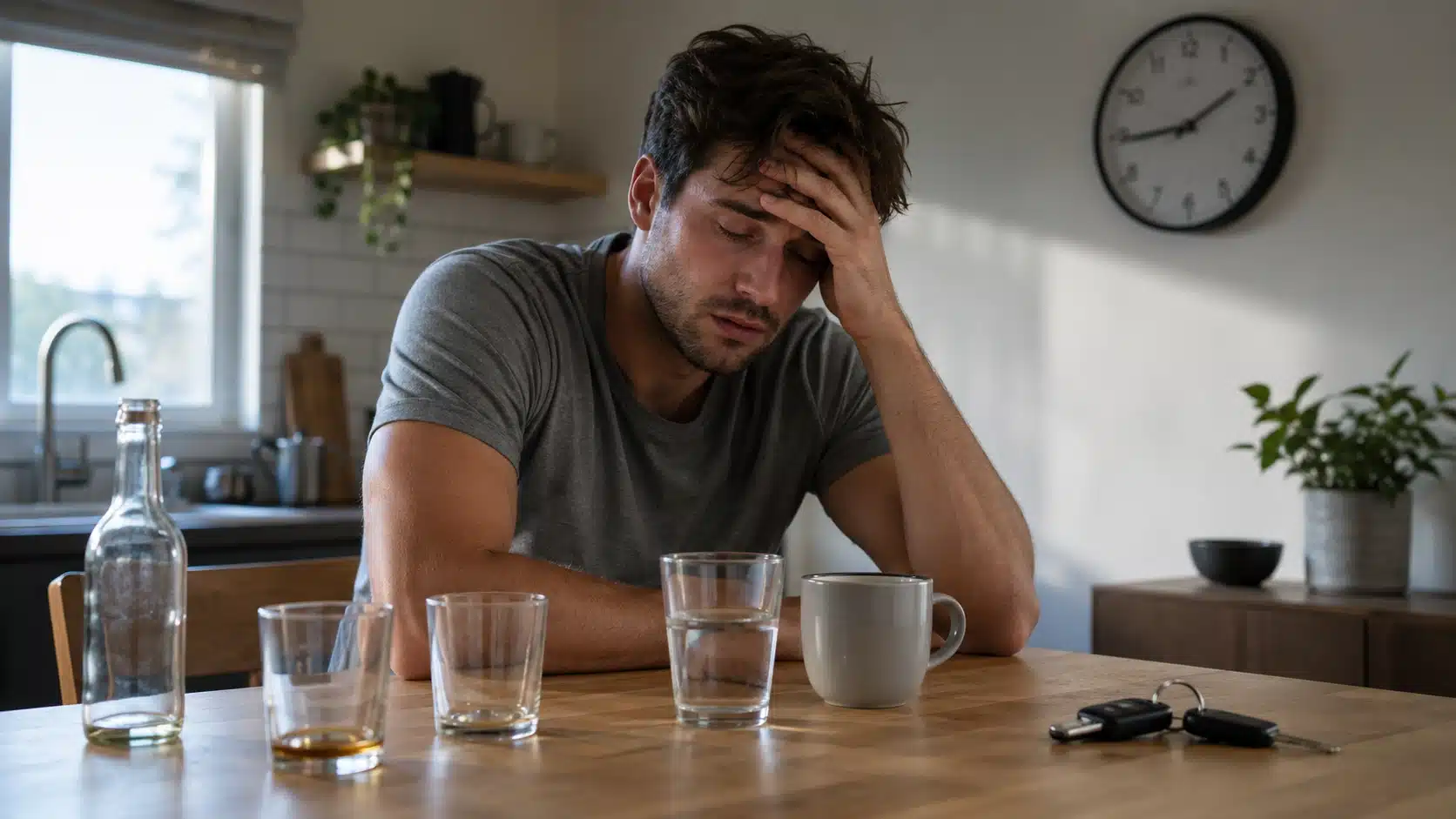
The first effects may show up within minutes, but alcohol can stay active in your body for hours.
A rough rule people use is that the body clears about one standard drink per hour, though real timing varies, and drinking more than your body can process makes the effects last longer.
Feeling sober and being at zero BAC are not the same thing, since breath, blood, urine, saliva, and hair tests all carry different detection windows and some catch alcohol metabolites well after BAC is already gone.
That gap is worth understanding fully in a breakdown of how long it takes to sober up, since sleeping for a few hours does not always mean you are safe to drive the next morning.
When Alcohol Becomes Unsafe
Alcohol becomes unsafe when it starts affecting breathing, alertness, body temperature, or the ability to stay awake.
Get medical help right away if someone has confusion, repeated vomiting, trouble breathing, pale or bluish skin, a seizure, very slow breathing, cannot wake up, low body temperature, choking risk, or severe sleepiness after heavy drinking.
Do not let someone sleep it off if they are hard to wake. Stay with them and get emergency help.
If alcohol use feels hard to control, or drinking keeps causing problems, SAMHSA’s National Helpline is free, confidential, and open 24/7 for people and families facing mental health or substance use concerns.
| ⚠️ Caution: If you think someone has alcohol poisoning, call emergency services. It is better to be wrong and safe than quiet and sorry. |
Acting quickly in that moment matters far more than being completely certain about what you are seeing.
Practical Tips Before You Drink
You cannot make alcohol risk-free, but you can lower the chance of a bad night with a few simple habits.
- Eat before drinking, especially protein, fat, and carbs.
- Sip slowly instead of racing.
- Know the ABV of your drink.
- Avoid mixing alcohol with medication unless a doctor says it is safe.
- Drink water between alcoholic drinks.
- Plan your ride before drinking.
- Do not match someone else’s pace.
- Stop early if you feel warm, dizzy, sleepy, or too bold.
None of these habits requires much effort, but together they can meaningfully change how a night actually unfolds.
| 📝 Note: The best time to make a safe plan is before alcohol starts making your decisions for you. |
Deciding your limits ahead of time takes the guesswork out of a moment when your judgment is least reliable.
Final Verdict
So, how long does it take for alcohol to hit? For many people, the first effects show up within 10 to 30 minutes. The bigger question- how long it takes to get drunk- depends on your body, your food intake, drink strength, and drinking speed.
The safest mindset is simple: alcohol can keep building before you notice it, which is why slow drinking, food, water, and planned transportation matter.
I would rather you feel slightly overcautious than have one of those nights where the group chat becomes evidence. Pay attention to early signs, do not trust quick sober-up tricks, and get help fast if someone seems dangerously impaired.
Drop a comment below and let me know if this helped.
Frequently Asked Questions
What is the 1/2/3 Rule for Drinking?
The 1/2/3 rule usually means one drink per hour, two glasses of water between drinks, and three hours before driving. It is a rough safety reminder, not medical math, since your BAC can still rise after you stop drinking too quickly.
What are the Stages of Being Drunk?
Some charts split intoxication into stages, from mild relaxation to confusion, stupor, coma, and death. Do not treat stages like a game. If someone cannot stay awake, breathes poorly, vomits repeatedly, or seems confused, get medical help right now.
Can You Get Drunk from One Drink?
Yes, some people can feel drunk from one strong drink, especially on an empty stomach. A cocktail may contain more alcohol than it looks. Lower body weight, low tolerance, tiredness, and medication can make one drink feel stronger than expected.
Why does Alcohol Hit Me All at Once?
Alcohol may feel sudden because your BAC can keep rising after you finish a drink. You may also miss early signs while talking, dancing, or eating salty snacks. Slow down and check in with your body carefully before deciding how you feel.
Sources
The research and internal guides referenced throughout this piece are listed below for anyone who wants to dig further.
- National Institute on Alcohol Abuse and Alcoholism, “What Is A Standard Drink?” niaaa.nih.gov
- National Institute on Alcohol Abuse and Alcoholism, “Alcohol Metabolism.” niaaa.nih.gov
- Ramsbottom, A. et al., “Drinking on an Empty Stomach: A Scoping Review of the Evidence on How Consuming Food with Alcohol Affects Short-Term Outcomes,” Journal of Public Health, 2023. academic.oup.com
- “How Long Does It Take to Sober Up? What BAC Shows?” funwithdizzies.com
- “How Long After Taking Sudafed Can You Drink Alcohol.” funwithdizzies.com