| Singer | Age | Year | Cause / Substance Involved | Best Known For |
| Janis Joplin | 27 | 1970 | Accidental heroin overdose | “Piece of My Heart,” “Me and Bobby McGee” |
| Amy Winehouse | 27 | 2011 | Alcohol poisoning | “Rehab,” “Back to Black” |
| Judy Garland | 47 | 1969 | Accidental barbiturate overdose | “Over the Rainbow” |
| Dinah Washington | 39 | 1963 | Barbiturate overdose | “What a Diff’rence a Day Makes” |
| Whitney Houston | 48 | 2012 | Accidental drowning, cocaine use as a contributing factor | “I Will Always Love You” |
| Billie Holiday | 44 | 1959 | Substance-related health decline | “Strange Fruit” |
| Dolores O’Riordan | 46 | 2018 | Accidental drowning due to alcohol intoxication | The Cranberries, “Zombie,” “Linger” |
| ⚠️ Warning: If you or someone you know is struggling with substance use, help is available right now. Call SAMHSA’s National Helpline at 1-800-662-4357 (free, confidential, 24/7). Call 911 immediately if someone is unresponsive, not breathing, has blue-tinged lips, or cannot be woken up. |
Female singers who died of overdose or substance-related causes include some of the most celebrated voices in music history: Janis Joplin, Amy Winehouse, Whitney Houston, Billie Holiday, Judy Garland, Dinah Washington, and Dolores O’Riordan. Each death is different. Some were confirmed overdoses. Others were alcohol poisoning, prescription drug toxicity, or substance-related drownings. Getting those distinctions right matters more than most articles on this topic bother to do.
Losing a great voice is always hard. Losing one to substances, when the signs were there, is something else entirely. These women shaped rock, jazz, soul, and pop in ways that still hold true today. Each legacy deserves more than a bad headline.
Overdose vs. Substance-Related Death: What is the Difference?
The word overdose gets used loosely, and that creates confusion. For this article, overdose includes: an illegal drug overdose (such as heroin), a prescription drug overdose (such as barbiturates), alcohol poisoning, mixed-substance toxicity, and substance-related accidental drowning.
Not every artist in this article died from what most people picture when they hear “overdose.” The National Institute on Alcohol Abuse and Alcoholism (NIAAA) notes that alcohol poisoning occurs when so much alcohol enters the bloodstream that the brain areas controlling breathing, heart rate, and temperature begin to shut down. That is medically an overdose, even when no illicit drugs are involved.
Each entry below is labeled one of four ways: Confirmed overdose, Alcohol poisoning, Substance-related death, or Often misreported. This keeps the facts straight and cuts through the misinformation that runs through most articles on this topic.
| Advisory: When reading about celebrity deaths online, always check whether a cause of death came from an official coroner’s report or is just widely repeated speculation. There is a meaningful difference, and many sources get it wrong. |
Female Artists Who Died of Overdose or Substance-Related Causes
Seven artists. Seven different stories. Each one involves substances, but not a single cause of death is exactly the same. Here is what actually happened to each of them.
1. Janis Joplin

- Death classification: Confirmed accidental overdose, October 4, 1970, age 27
- Cause and substance: Accidental heroin overdose confirmed by the Los Angeles coroner; toxicology indicated an unusually potent batch linked to multiple deaths in the area that week
- Musical legacy: Defining blues-rock voice of the late 1960s; known for “Piece of My Heart,” “Cry Baby,” and the posthumously released “Me and Bobby McGee”
Janis Joplin was the raw, unfiltered center of late-1960s rock. Her work with Big Brother and the Holding Company and her solo catalog established her as one of the most powerful female voices in the genre. She died three months before the release of her Pearl album, a record that would have cemented her in a new chapter entirely.
Heroin carries a well-documented overdose risk even for experienced users, particularly when drug potency varies between batches. She was among the first members of the 27 Club, a pattern that would resurface decades later with Amy Winehouse. Her death was ruled accidental, not a deliberate act, a distinction that still gets misreported across major publications.
| ⚠️ Advisory: Several online sources incorrectly describe Joplin’s death as intentional. The official ruling was accidental overdose. Always verify celebrity death details against coroner records, not headlines. |
2. Amy Winehouse

- Death classification: Alcohol poisoning, July 23, 2011, age 27
- Cause and substance: Accidental alcohol poisoning confirmed at the official inquest; blood alcohol level was more than five times the legal driving limit in the United Kingdom
- Musical legacy: One of the most distinctive soul and jazz voices of the 2000s; known for “Rehab,” “Back to Black,” and “You Know I’m No Good.”
Amy Winehouse did not die from a drug overdose, a fact that still surprises many people. Her death was tied to alcohol dependency and relapse after a period of attempted sobriety, a well-documented high-risk window in addiction recovery. Her blend of soul, jazz, and R&B was unlike anything else in that era.
Winehouse is one of two female singers in the 27 Club, alongside Janis Joplin. Both deaths were substance-related, and both have been mischaracterized repeatedly in mainstream media coverage.
| Note: Tolerance resets during periods of sobriety. Returning to a previously normal intake after abstinence can overwhelm the body’s reduced capacity and be fatal. This risk applies to alcohol just as much as to other substances. |
3. Judy Garland

- Death classification: Confirmed accidental overdose, June 22, 1969, age 47
- Cause and substance: Accidental barbiturate overdose ruled by the Westminster Coroner; the drug involved was secobarbital, a prescription sedative with a dangerously narrow gap between a therapeutic and lethal dose
- Musical legacy: One of the most beloved entertainers of the twentieth century, known for “Over the Rainbow” and the film The Wizard of Oz
Judy Garland’s dependency on prescription sedatives began during her childhood years at MGM, where studio pressure on young performers shaped decades of substance use. Barbiturates were freely prescribed to manage the impossible schedules studios imposed, and tolerance built quietly until the lethal dose was barely above the effective one.
Research on barbiturate overdose confirms that long-term use narrows the margin between sleep-inducing and fatal amounts. Her talent, spanning film, stage, and recording, was extraordinary. The systemic pressures placed on her from a very young age were equally so.
| ⚠️ Advisory: Barbiturates are rarely prescribed today because of how easily an accidental overdose can occur. The margin between a sleep-inducing and a fatal dose is far smaller than most people realize, and tolerance built through long-term use makes accidental fatal dosing more likely, not less. |
4. Dinah Washington
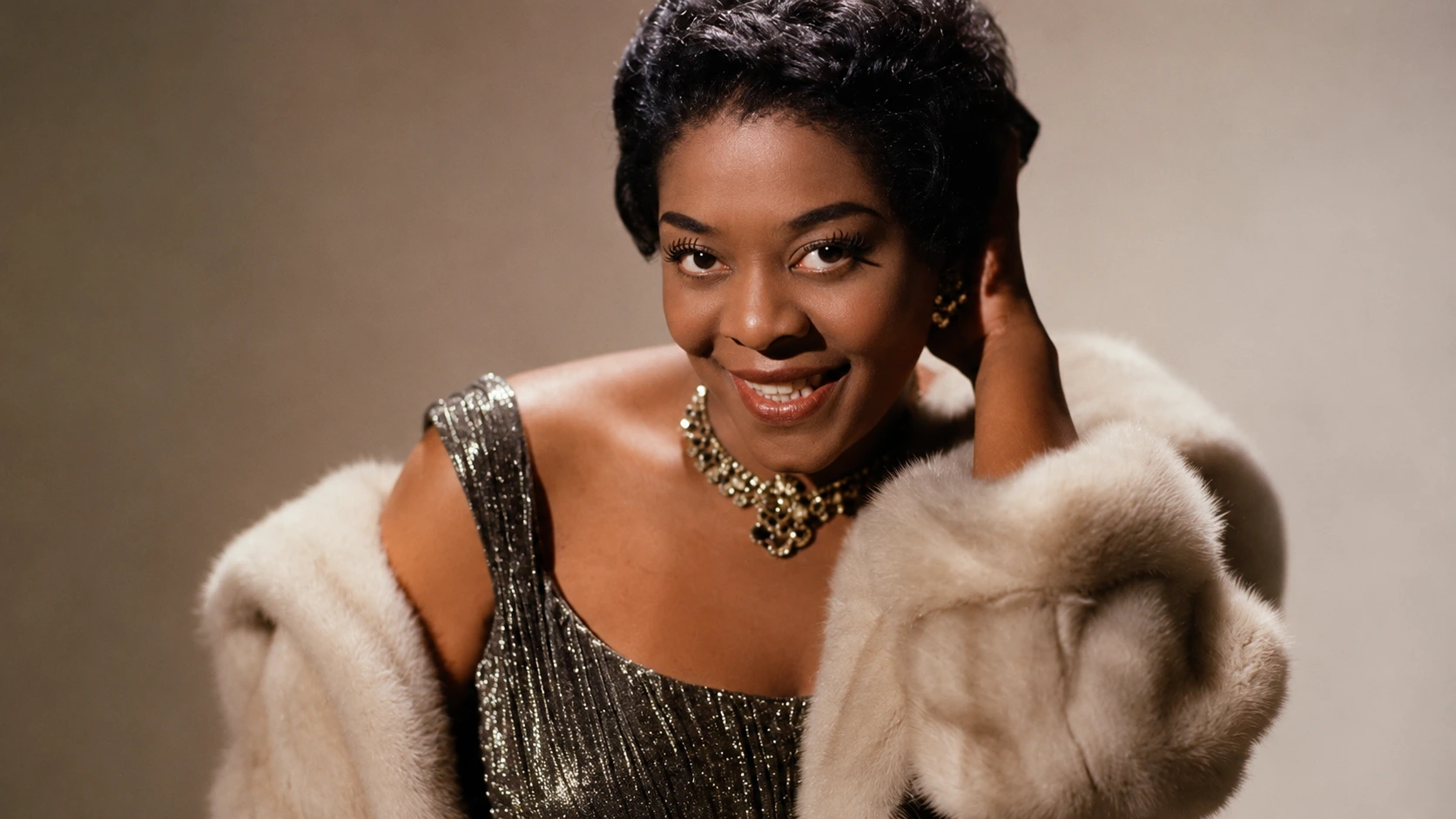
- Death classification: Confirmed overdose, December 14, 1963, age 39
- Cause and substance: Barbiturate overdose involving a combination of two prescription drugs; found unresponsive by her seventh husband, Dick “Night Train” Lane
- Musical legacy: Known as the “Queen of the Blues”; “What a Diff’rence a Day Makes” reached number four on the Billboard Hot 100 in 1959; inducted into the Rock and Roll Hall of Fame in 1993
Dinah Washington moved effortlessly between jazz, blues, R&B, and pop with a vocal precision that few could match. Her death receives far less coverage than other artists on this list, a gap that reflects broader patterns in how Black female artists are remembered and whose loss is treated as culturally significant in mainstream media.
The American Addiction Centers note that combining barbiturates with other depressants sharply raises overdose risk because the central nervous system suppression compounds. That combination was a direct factor in her case.
5. Whitney Houston

- Death classification: Often misreported; official cause was accidental drowning, February 11, 2012, age 48
- Cause and substance: Accidental drowning with atherosclerotic heart disease and cocaine use listed as contributing factors by the Los Angeles County Coroner; toxicology also identified diphenhydramine, alprazolam, cannabis, and cyclobenzaprine in her system
- Musical legacy: Widely regarded as one of the greatest vocalists in pop and R&B history; known for “I Will Always Love You,” “Greatest Love of All,” and “I Wanna Dance with Somebody.”
Whitney Houston’s death is frequently described as a straightforward overdose, but the coroner’s report tells a more specific story: accidental drowning, with cocaine use and existing heart disease listed as contributing factors, not the direct cause. Cocaine’s cardiovascular risks are well-established, and the strain it places on the heart raises the likelihood of accidents, including drowning, even in shallow water.
Her long public battle with substance dependency shaped how the media framed her final years. Her vocal range, control, and emotional depth set a benchmark that influenced an entire generation of R&B and pop artists. The cause of death that is so often reduced to “drug overdose” was more medically specific than that framing allows.
| Note: The coroner’s classification of Houston’s death reflects the interaction between cocaine use, cardiovascular disease, and the physical risk of drowning. All three factors contributed. Describing it as a simple overdose omits the medical detail that actually explains what happened. |
6. Dolores O’Riordan

- Death classification: Alcohol poisoning and substance-related death, January 15, 2018, age 46
- Cause and substance: Accidental drowning due to alcohol intoxication confirmed by the Westminster Coroner; blood alcohol level was approximately four times the legal driving limit
- Musical legacy: Lead singer of The Cranberries; known for “Zombie,” “Linger,” and “Dreams,” which defined the alternative rock sound of the 1990s
Dolores O’Riordan had spoken publicly about her bipolar disorder diagnosis and was receiving treatment at the time of her death. She was still actively recording, which makes her loss particularly sharp. The combination of severe alcohol intoxication and a bathtub is a recognized and documented drowning risk.
Alcohol rapidly compromises temperature regulation and consciousness, as described in research on alcohol withdrawal physical effects. O’Riordan’s death is often glossed over compared to the 27 Club members, but its medical reality is no less serious.
7. Billie Holiday

- Death classification: Substance-related death, July 17, 1959, age 44
- Cause and substance: Cardiac arrest and cirrhosis directly linked to long-term heroin use and heavy drinking; not a single overdose event, but the cumulative physical result of decades of dependency
- Musical legacy: One of the most influential jazz vocalists in American music history; known for “Strange Fruit,” “God Bless the Child,” and “Lady Sings the Blues”
Billie Holiday was arrested for drug possession while hospitalized in her final weeks, a detail that reflects the era’s treatment of addiction as criminal rather than medical. Her jazz vocal phrasing shaped generations of singers who came after her.
Her story belongs in every honest conversation about Black female singers and substance-related deaths, because the systemic barriers, legal targeting, and absence of any meaningful support infrastructure were as responsible for her decline as any substance she used. The pattern of how celebrity addiction goes unaddressed repeats itself across decades, and Holiday’s case is one of its earliest and starkest examples.
The Industry Conditions That Made Substance Use Almost Inevitable
Substance use among musicians rarely comes from nowhere. The industry itself creates the conditions, and for many artists, those conditions left very little room to land safely. Several structural factors ran through most of the cases above:
- Touring pressure and sleep disruption: Constant travel, irregular schedules, and back-to-back performances push the body past its natural limits, making substances an easy short-term fix for exhaustion and anxiety
- Performance demands with no off switch: Artists were expected to show up at full capacity regardless of mental or physical state, leaving chronic strain unaddressed and untreated for years at a time
- Pain management with no proper support: Physical strain and undiagnosed mental health conditions went untreated, and prescription drugs were often the only solution offered, particularly in earlier decades
- Studio and label involvement: Hollywood studios and music labels actively supplied drugs to performers to manage output, schedules, and appearances, placing substances directly into artists’ daily routines from the start
- Absence of real support systems: Many artists, especially those who rose to fame quickly, were surrounded by people who benefited financially from keeping them working, not recovering
Among celebrities, addiction patterns are well-documented and consistent: high access, low accountability, and an industry that profits more from performance than from recovery.
| ⚠️ Warning: When reading about substance use among artists from earlier decades, factor in that many had no access to addiction treatment, no support systems, and were surrounded by people who benefited financially from keeping them working at any cost. This is not an excuse. It is the medical and structural reality. |
Why Addiction Is a Health Condition, Not a Character Flaw
This point does not get made often enough. Addiction is a health condition, classified as such by every major medical authority. It changes brain chemistry, disrupts decision-making, and creates physical dependency that does not simply go away through willpower or moral resolve.
Framing it as a personal failure misses the medical reality entirely and, more practically, keeps people from seeking help when they need it most. For many artists, particularly those who rose to fame without strong support systems, substances became a way to manage anxiety, grief, trauma, and the disorienting weight of sudden public attention.
The National Institute on Drug Abuse (NIDA) documents that overdose risk climbs sharply when substances are combined, particularly alcohol with opioids, sedatives, or prescription depressants. Those are the exact combinations that appear across most of the cases in this article.
| ⚠️ Advisory: If someone in your life is managing addiction or in recovery, avoiding shame-based language significantly improves the likelihood they will reach out for help. Addiction care works best when the person accessing it does not feel judged for needing it. |
The 27 Club: Which Female Singers Are Members?
The 27 Club refers to musicians, artists, and performers who died at the age of 27, a pattern that drew cultural attention after several high-profile deaths in the 1960s and 1970s and resurged in 2011. Among female singers, Janis Joplin and Amy Winehouse are the most prominent members.
Joplin died of a heroin overdose in October 1970. Winehouse died of alcohol poisoning in July 2011, at exactly 27 years old. Both deaths were substance-related and both have been mischaracterized in popular coverage.
The 27 Club is not a mystical phenomenon: researchers who have examined it note that 27 is not a statistically unusual age of death for musicians, and the pattern reflects confirmation bias more than genuine clustering. What it does reflect accurately is how many young artists were left without adequate support at the peak of their careers.
The Relapse Window and Why It Is More Dangerous Than Most People Know
Sobriety does not reset the clock to zero. In many ways, it creates a new and specific danger that goes largely unrecognized until something goes wrong. The period immediately after abstinence is statistically one of the highest-risk windows for a fatal outcome:
- Tolerance drops during abstinence: Once the body stops regular exposure to a substance, its ability to process that substance decreases significantly, sometimes within days
- Previous doses become lethal: Returning to an amount that once felt normal can overwhelm a system that no longer has the tolerance to handle it safely
- Relapse often happens at the most vulnerable point: The period immediately after leaving rehabilitation is statistically one of the highest-risk windows for a fatal overdose
- The danger is frequently underestimated: Both the person in recovery and those around them often misjudge how much the body has changed during the period of sobriety
- Artists face compounded pressure at this stage: Returning to touring, public appearances, and industry environments puts recovering artists directly back into the same conditions that drove use in the first place
This is the window that claimed several artists on this list. Amy Winehouse’s death followed a period of attempted sobriety. Recovery is not a straight line, and the period right after sobriety is often the most physically dangerous stretch of the entire process. That fact deserves far more attention than it gets.
| ⚠️ When to Call 911 Immediately
Call emergency services without waiting if you see any of the following in someone who has been using substances:
Do not wait to see if they sleep it off. Turn them on their side to reduce choking risk and stay with them until help arrives. If naloxone (Narcan) is available and opioids may be involved, use it. |
Frequently Asked Questions
Which female singers died of overdose and are part of the 27 Club?
The two most prominent female singers in the 27 Club are Janis Joplin, who died of a heroin overdose in 1970, and Amy Winehouse, who died of alcohol poisoning in 2011. Both were 27 years old at the time of death. Both deaths were ruled accidental. The 27 Club also includes male artists such as Jim Morrison, Jimi Hendrix, and Kurt Cobain.
What was Whitney Houston’s actual cause of death?
The Los Angeles County Coroner ruled Whitney Houston’s death as accidental drowning in February 2012. Cocaine use and atherosclerotic heart disease were listed as contributing factors, not the direct cause. Toxicology also found diphenhydramine, alprazolam, cannabis, and cyclobenzaprine in her system. Describing her death as a straightforward overdose misrepresents the official findings.
Did Amy Winehouse die from drugs or alcohol?
Amy Winehouse died from alcohol poisoning, not a drug overdose. The official inquest confirmed that her blood alcohol level was more than five times the UK legal driving limit. Her death came after a period of attempted sobriety, which had reduced her tolerance significantly. Many people assume her death involved illicit drugs because of her well-publicized struggles with multiple substances over the years.
What is the difference between a barbiturate overdose and a heroin overdose?
Both suppress the central nervous system and can cause respiratory failure, but barbiturates are especially dangerous because tolerance builds quickly and the lethal dose is only slightly above the effective dose. Heroin overdose can sometimes be reversed with naloxone if administered quickly enough. No equivalent reversal agent exists for barbiturate poisoning, making it harder to treat in an emergency. Judy Garland and Dinah Washington both died from barbiturate overdoses.
Is drowning considered a substance-related death?
Yes, when alcohol or drugs are listed as contributing factors by a coroner. Both Whitney Houston and Dolores O’Riordan drowned while intoxicated. Alcohol severely impairs coordination, consciousness, and the body’s ability to respond to danger, making drowning a documented risk even in shallow water. That is why coroners in both cases listed substance use as a contributing factor in what was officially ruled accidental drowning.
Were Black female singers underrepresented in coverage of substance-related deaths?
Dinah Washington and Billie Holiday both died from substance-related causes that received significantly less long-term media coverage than their white contemporaries. This reflects broader patterns of racial disparity in how cultural loss and addiction are covered, remembered, and treated as socially significant in mainstream media. Washington’s Rock and Roll Hall of Fame induction and Holiday’s enduring influence on jazz have not translated into equivalent public conversation about their deaths.
Are there female singers from the 1980s or 1990s who died from substance-related causes?
Whitney Houston rose to prominence in the 1980s and died in 2012, with cocaine and heart disease listed as contributing factors in her accidental drowning. Dolores O’Riordan came to fame in the 1990s with The Cranberries and died in 2018 from alcohol intoxication. Both women dealt with substance use over long periods while remaining active in their careers, and both deaths reflect how industry pressure and inadequate support systems compound over time.
Did any of these artists attempt treatment before their deaths?
Amy Winehouse attended multiple rehabilitation programs. Whitney Houston entered treatment on several occasions. Dolores O’Riordan was receiving ongoing mental health care at the time of her death. These efforts reflect how difficult recovery can be, not personal failure. Relapse is a recognized part of the addiction treatment process for many people, and the period immediately after leaving treatment is statistically one of the most dangerous windows.
Final Thoughts
Every list of female singers who died of overdose or substance-related causes owes it to these women to get the details right. Janis Joplin, Amy Winehouse, Judy Garland, Dinah Washington, Whitney Houston, Dolores O’Riordan, and Billie Holiday were not defined by how they died.
They were defined by what they built, and that still holds. Some deaths were confirmed overdoses. Others were alcohol poisoning or substance-linked drownings. Each case is different, and those differences matter, both for accuracy and for understanding what actually puts artists at risk. What ties them together is not tragedy. It is talent, influence, and music that outlasted every bad headline written about them.
If you or someone you know is struggling with substance use, SAMHSA’s National Helpline is available 24/7 at 1-800-662-4357, free and confidential.
Sources
- National Institute on Alcohol Abuse and Alcoholism (NIAAA). “Understanding the Dangers of Alcohol Overdose.” U.S. Department of Health and Human Services. niaaa.nih.gov
- American Addiction Centers. “Barbiturate Addiction and Overdose.” americanaddictioncenters.org
- National Institute on Drug Abuse (NIDA). “Overdose Death Rates.” U.S. Department of Health and Human Services. nida.nih.gov
- FunWithDizzies. “Night Sweats Alcohol Withdrawal: Causes, Timeline, and Relief.” funwithdizzies.com
- FunWithDizzies. “Celebrities With Drug Addictions: The Untold Stories.” funwithdizzies.com