Georgia’s medical cannabis program has changed significantly since it started. The state has expanded access to provide more effective relief options for patients. Recent legislative changes are shifting the landscape of medical marijuana in Georgia from a restrictive low-THC oil program to a more comprehensive system. This new framework embraces modern delivery methods like vaporization. Understanding these new laws, product availability, eligibility requirements, and the removal of previous THC limits helps patients seeking alternative treatments.
Knowing where to access high-quality products is important for those navigating this evolving system. Patients looking for reliable options can find medical marijuana dispensaries that offer a range of newly approved products tailored to specific medical needs.
The Evolution of Georgia’s Medical Cannabis Laws
Medical cannabis in Georgia began with the Haleigh’s Hope Act in 2015. This legislation established the Low THC Oil Registry. Initially, the law allowed patients with a narrow list of qualifying conditions to possess up to 20 fluid ounces of low-THC oil. This oil was strictly capped at 5% THC. This limitation often proved insufficient for patients suffering from severe or chronic conditions requiring higher potency for effective relief.
The Georgia General Assembly passed Senate Bill 220, known as the “Putting Georgia’s Patients First Act,” which Governor Brian Kemp signed into law in May 2026. This legislation fundamentally changes the terminology from “low-THC oil” to “medical cannabis” and lifts the restrictive 5% THC cap. Under the new law, registered patients are authorized to possess products containing a cumulative total of up to 12,000 milligrams of THC.
SB 220 also officially legalized vaporization as a delivery method for registered patients aged 21 and older. This change matters because vaping provides faster onset of relief compared to tinctures or edibles. Fast relief is necessary for patients experiencing acute symptoms such as severe pain or sudden seizures.
Eligibility: Who Qualifies for Medical Cannabis in Georgia?
Patients must be state residents and be diagnosed with one or more qualifying medical conditions to participate in Georgia’s medical cannabis program. The process requires an evaluation by a physician fully licensed to practice in Georgia. The physician must establish a bona fide patient-physician relationship and submit the certification to the Georgia Department of Public Health (DPH).
The list of qualifying conditions has expanded over the years. With the passage of SB 220, the requirements have been broadened. The law removed the “severe” or “end-stage” limitations for several illnesses and added new conditions such as Lupus. The qualifying conditions include the following.
- Cancer: All stages now qualify.
- Seizure Disorders: Including those related to epilepsy or trauma-related head injuries.
- Multiple Sclerosis (MS)
- Amyotrophic Lateral Sclerosis (ALS)
- Crohn’s Disease
- Parkinson’s Disease
- Post-Traumatic Stress Disorder (PTSD): For patients at least 18 years of age resulting from direct exposure to trauma.
- Intractable Pain
- Sickle Cell Disease
- Autism Spectrum Disorder: For patients 18 and older, or minors diagnosed with severe autism.
- Alzheimer’s Disease
- HIV/AIDS
- Peripheral Neuropathy
- Tourette’s Syndrome
- Epidermolysis Bullosa
- Mitochondrial Disease
- Lupus
- Patients in a Hospice Program
Patients and their caregivers who meet these criteria can apply for a Low THC Oil Registry Card. The card costs $30 and is valid for five years. It serves as the legal credential to possess medical cannabis products in the state.
Exploring Medical Cannabis Products and Vaping Hardware

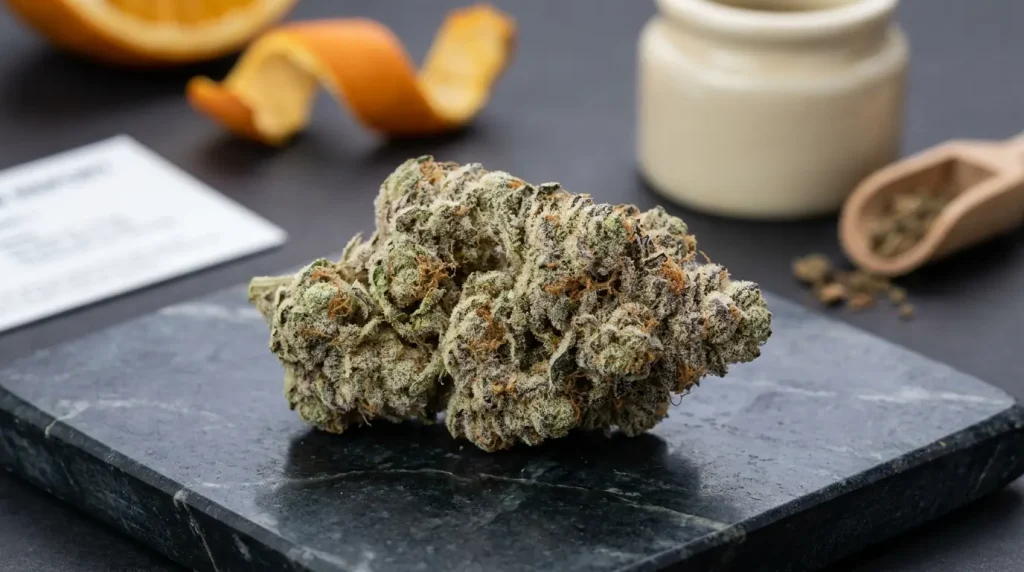
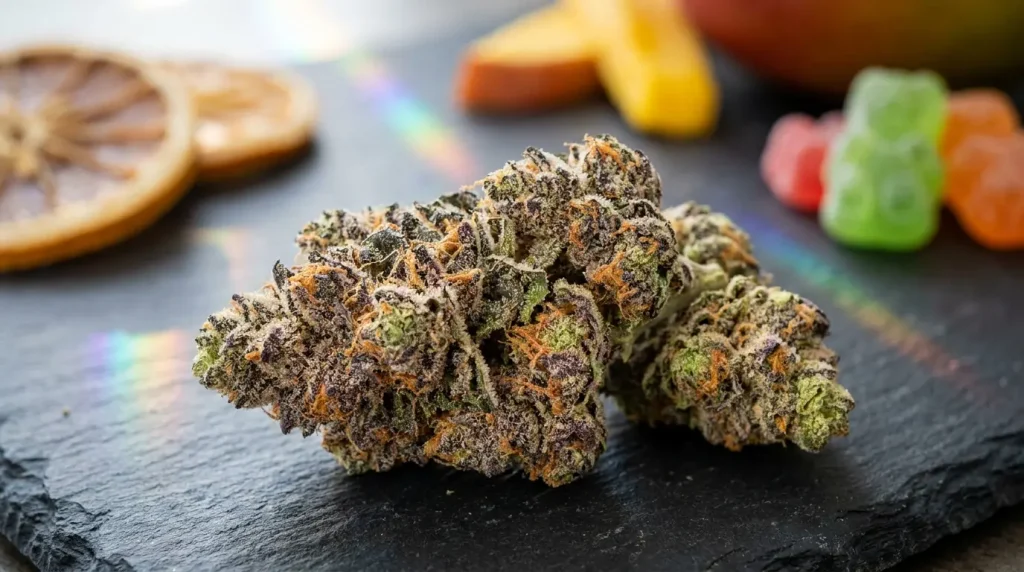
The legalization of vaping has expanded the product offerings available at Georgia dispensaries. Patients previously had access only to tinctures, capsules, and topicals. They now have access to high-potency vape cartridges and marijuana flower intended for vaporization.
Many patients favor vaporization because it allows cannabinoids to enter the bloodstream quickly through the lungs. This delivery method offers near-immediate relief. Oral consumption, by contrast, can take 45 minutes to over an hour to take effect as the product passes through the digestive system.
Patients often seek out reliable hardware to ensure a safe experience when exploring these new options. An online vape shop can provide a wide selection of vaporizers, batteries, and accessories designed to work with medical cannabis cartridges and flower for those who prefer to purchase their equipment independently.
The introduction of higher potency vapes means that patients can achieve their required dosage more efficiently. These products can now contain up to 50% THC potency or more given the removal of the percentage cap. Dispensaries in Georgia are now stocking these advanced products. This ensures that patients have access to specific strains and formulations that best address their symptoms.
Navigating the Dispensary Experience in Georgia
The dispensary experience in Georgia is becoming more robust with the expansion of the program. The Georgia Access to Medical Cannabis Commission (GMCC) regulates the licensing of dispensaries. This regulation ensures that all products are cultivated, processed, and tested within the state to meet safety and quality standards.
Patients must present their active Registry Card and a valid state ID when visiting a dispensary. They can consult with staff or pharmacists inside who can guide them through the newly available products, including the various vape options.
The state allows independent pharmacies licensed by the Georgia Board of Pharmacy to dispense medical cannabis products. This increases accessibility for patients across different regions.
Alternative Therapies and the Future of Plant Medicine
The progressive steps Georgia is taking with medical cannabis reflect a broader national shift toward recognizing the therapeutic potential of plant-based medicines. Researchers and advocates are exploring other natural compounds for treating complex medical and psychological conditions as the stigma surrounding cannabis diminishes and clinical evidence supporting its efficacy grows.
Ibogaine is one such compound gaining attention in the realm of alternative therapy. Found in the root bark of the Tabernanthe iboga shrub native to Central and West Africa, ibogaine has been studied for its anti-addictive properties and potential to treat severe mental illness and substance use disorders. It remains highly restricted and is not part of Georgia’s current medical framework. The increasing acceptance of medical cannabis paves the way for future discussions about integrating other plant medicines into clinical settings. The focus remains on providing patients with safe, effective, and diverse treatment options as the medical community explores these frontiers.
Conclusion
The recent legislative advancements in Georgia represent a victory for medical cannabis patients. The state has acknowledged the necessity of providing stronger, faster-acting medicine for those suffering from debilitating conditions by removing the 5% THC limit and authorizing vaporization. Access to effective treatment has never been better with an expanded list of qualifying conditions and a growing network of dispensaries and independent pharmacies.
They should consult with their healthcare providers to explore how new medical cannabis products, including high-potency vapes, can be integrated into their care plans. The future of alternative medicine in Georgia offers renewed hope for residents seeking relief and a better quality of life.