| ⚠️ Warning: If you or someone you know is struggling with cannabis use, please reach out before trying to manage it alone. SAMHSA National Helpline: 1-800-662-4357 (free, confidential, 24/7). Call 911 immediately if someone is experiencing a severe mental health crisis, psychosis, or a medical emergency related to substance use. |
If you are looking for how to detox from weed at home, the clearest answer is also the most practical one: stop using cannabis, support your body with steady daily habits, and give THC the time it needs to clear naturally. No kit, juice, or supplement changes that timeline in any meaningful way.
What follows is a real plan, not a promise. You will find what actually helps during withdrawal, which common shortcuts do more harm than good, and when the situation calls for professional support instead of going it alone. The goal is to feel informed and in control, not overwhelmed by worst-case scenarios or false reassurances.
At a Glance: What to Expect from Marijuana Detox
| Withdrawal onset | 24 to 72 hours after last use |
| Peak symptoms | Days 2 to 6 |
| Most symptoms resolve | Within 2 weeks for most people; up to 4 weeks for heavy daily users |
| THC detectable in urine | Up to 3 days (occasional use) / 30 or more days (daily use) |
| Biggest early risks | Insomnia, cravings, mood swings, relapse |
| Home detox works best when | Use has been occasional to moderate, no serious mental health conditions, no polysubstance use |
| Get professional help if | You use alcohol, opioids, or benzos alongside cannabis, or if panic and depression feel unmanageable |
What Does Marijuana Detox Really Mean?
Marijuana detox means the body is clearing THC and its byproducts after cannabis use stops.
THC is the main psychoactive compound in weed, and because it is fat-soluble, the body stores it in fatty tissue and releases it slowly over time. That is why frequent users need longer to fully clear their system than occasional users.
Detox and withdrawal are not the same thing, though they often happen together. Detox is the body’s natural clearing process. Withdrawal is how the body and mind respond while adjusting to the absence of cannabis.
A person may start feeling better before every THC marker has cleared from the body, which is why detox and full recovery are not always on the same schedule.
How Long Does THC Stay in Your System?
THC can stay in the body longer than most people expect. The timeline depends on how often you use, how much you use, your body fat percentage, your metabolism, and the type of test used.
For occasional users, THC may clear in a few days. For daily or heavy users, it can remain detectable for several weeks because THC accumulates in fat tissue and is released back into the bloodstream gradually.
| Test Type | Single Use | Moderate Use | Daily / Heavy Use |
| Urine | Up to 3 days | 5 to 7 days | 30 or more days |
| Blood | 3 to 4 hours | Up to 7 days | Up to 25 days |
| Saliva | Up to 24 hours | Up to 3 days | Up to 3 days |
| Hair | Up to 90 days | Up to 90 days | Up to 90 days |
Several personal factors affect how quickly THC leaves your system. Higher body fat stores more THC, which prolongs clearance.
A faster metabolism moves THC through the liver more quickly. Women tend to report somewhat longer detection windows than men, likely related to differences in body fat distribution. Higher-potency products such as concentrates and dabs also take longer to clear than standard flower.
If you want a deeper look at how detection windows work across test types, our guide on how long THC stays in hair follicles breaks down the science behind each method. Most cannabis leaves the body through stool rather than urine, so digestion and overall gut health also play a role in the process.
Marijuana Withdrawal Symptoms: What to Expect
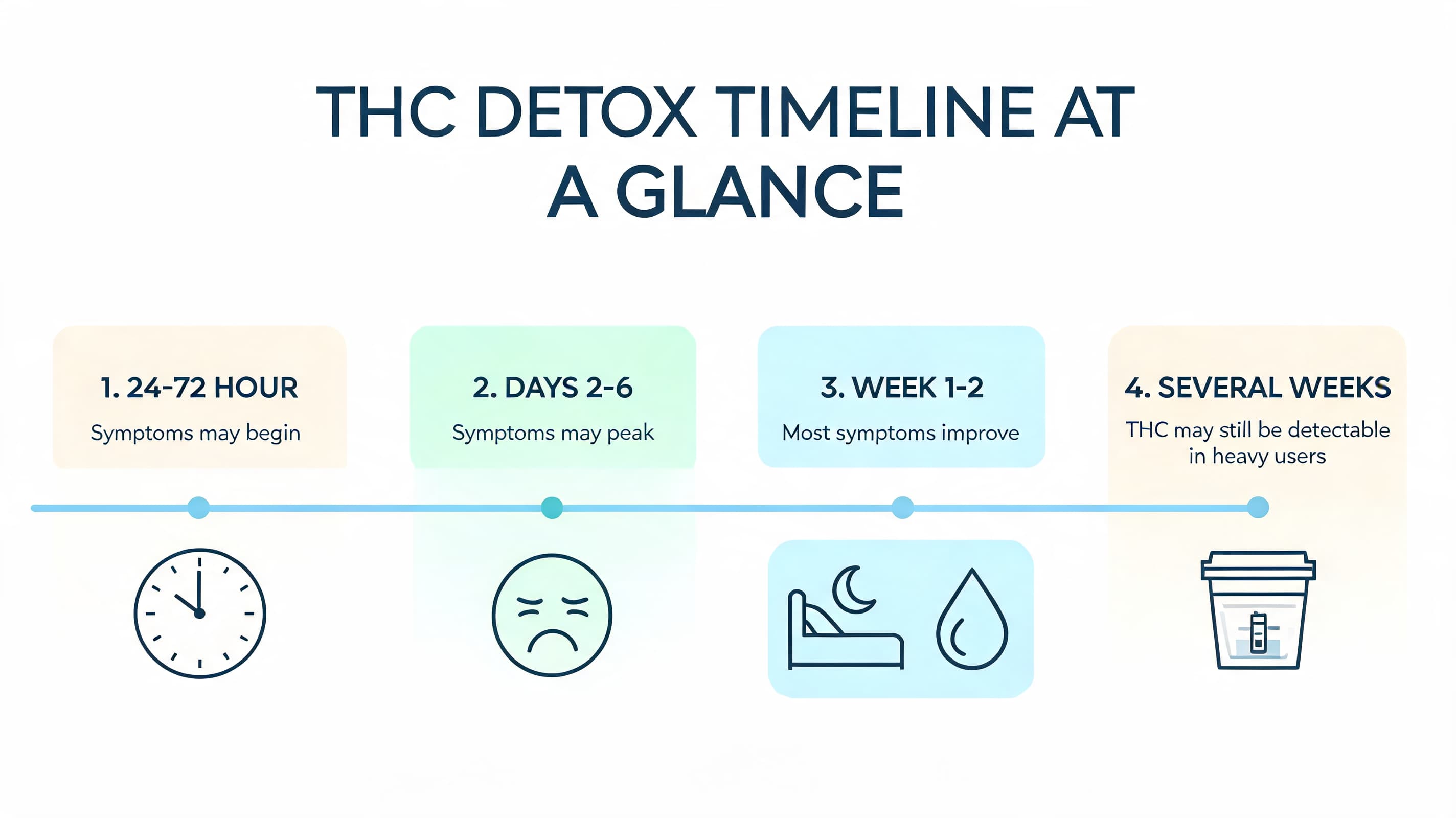
Marijuana withdrawal is real and recognized by the DSM-5 as cannabis withdrawal syndrome. Symptoms commonly begin within 24 to 72 hours after the last use.
They tend to feel strongest on days 2 through 6 and may last two weeks or longer, especially among daily or long-term users.
Cleveland Clinic’s clinical overview of marijuana withdrawal symptoms and treatment confirms that while these symptoms are not life-threatening, they can be genuinely uncomfortable and disruptive to daily life.
Common withdrawal symptoms include:
- Irritability, mood swings, and restlessness
- Insomnia and disrupted, non-restorative sleep
- Decreased appetite and nausea
- Anxiety and low mood or depressive feelings
- Headaches, stomach cramping, and excessive sweating
- Strong cravings and difficulty concentrating
- Vivid or disturbing dreams
Severity depends almost entirely on your usage history. Occasional users may notice very little. Long-term daily users are most likely to experience the full range of symptoms.
Marijuana Withdrawal Timeline: Day by Day
| Stage | What Users Typically Report |
| Days 1 to 3 | Irritability and restlessness begin. Sleep becomes difficult. Appetite often drops. Sweating, headaches, and early cravings show up for regular users. |
| Days 4 to 7 | Symptoms peak. Strong cravings, vivid dreams, mood swings, and anxiety are common. For some, depression intensifies as the body adjusts to functioning without THC. |
| Days 7 to 14 | Physical symptoms begin to ease. Sleep slowly improves. Cravings and mood issues may persist but become more manageable with structure and support. |
| Weeks 2 to 4 | Most people report meaningful improvement. Sleep quality, appetite, and mental clarity typically start returning. THC may still be detectable in urine even as withdrawal fades. |
| Beyond 30 days | Some heavy long-term users describe lingering mood fluctuations or intermittent cravings for several weeks. This pattern is sometimes called post-acute withdrawal syndrome (PAWS). |
| ⚠️ Advisory: If withdrawal brings on severe depression, intense panic attacks, or psychological symptoms that feel unmanageable, do not try to push through alone. Contact a healthcare provider. The psychological side of cannabis withdrawal can be serious even if the direct physical risks are low. |
Safe Marijuana Detox Methods to Try at Home
There is no instant marijuana detox. A steady home plan can support the body while THC clears naturally. These methods focus on comfort, consistency, and reducing relapse triggers during withdrawal.
1. Stop Using Cannabis Completely
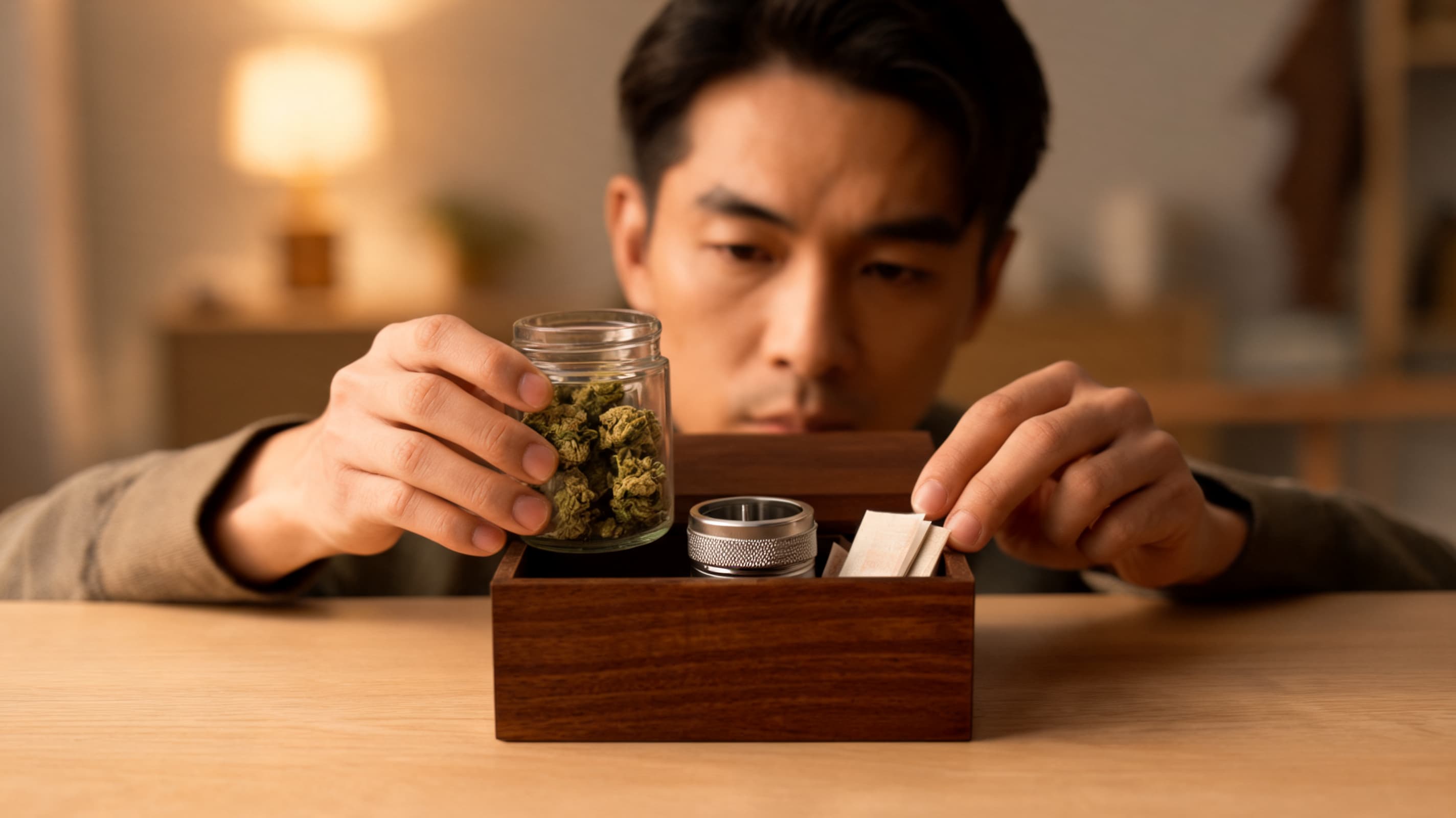
No home detox method works while cannabis use continues. Each session adds THC back into the body and extends the clearing process.
Set a quit date, remove weed, vapes, edibles, papers, and tools from your space, then tell one trusted person what you are doing. This gives the decision structure instead of leaving it to willpower alone.
If cravings hit, having fewer reminders around makes the first few days easier to manage. Make the easier choice visible and the harder choice distant. People who reduce their environment of triggers in the first week are significantly more likely to stick with their quit date.
2. Stay Consistently Hydrated

Hydration helps the body function well during detox, especially when headaches, sweating, dry mouth, or low energy show up. Drink water steadily through the day rather than forcing large amounts at once. Too much water at once is not helpful and will not flush THC faster.
Cut back on caffeine during the first week if anxiety or poor sleep gets worse. Herbal tea, electrolyte drinks, or water-rich foods can help you stay comfortable and steady. Aim for consistent daily habits, not dramatic short-term stunts that are hard to repeat.
3. Eat a Clean, Nutrient-Dense Diet

Food will not erase THC quickly, but eating well makes detox feel more stable. Focus on whole foods like leafy greens, oats, beans, lentils, fruit, eggs, fish, nuts, and lean protein.
Fiber supports digestion, which matters because cannabis byproducts leave the body partly through stool.
Try to limit sugary snacks, fried foods, and heavy processed meals. They can worsen energy crashes, mood swings, and cravings when the body is adjusting. Keep meals simple, regular, balanced, and easy to repeat every day.
4. Exercise Regularly, But Keep Expectations Realistic

Movement supports mood, sleep, digestion, and stress during marijuana detox. Walking, stretching, yoga, cycling, or light strength training are enough in the first week. Exercise may support metabolism over time, but it is not a reliable quick THC-removal strategy on its own.
Avoid pushing hard when sleep is poor, appetite is low, or nausea is present. The goal is to feel steadier, not exhausted. Small, daily movement works better than one extreme workout. Listen to your body and stop if you feel dizzy or lightheaded.
5. Make Quality Sleep Non-Negotiable

Sleep often becomes difficult after quitting weed, so protect it early. Keep the same wake-up time every day, reduce screen time before bed, avoid caffeine in the afternoon and evening, and keep the room cool and dark. Restless sleep, vivid dreams, and night sweats can happen, especially in the first week.
A calm bedtime routine helps the brain relearn how to sleep without cannabis. Consistent sleep hygiene practices, like a short wind-down walk, no phone in bed, and a regular sleep schedule, tend to make the biggest difference.
If insomnia becomes severe or lasts many nights, speak with a healthcare professional rather than continuing to push through alone. If you want to understand how cannabis affects rest before and after quitting, our guide on cannabis strains commonly used for sleep and anxiety provides useful background on the connection.
6. Actively Manage Stress and Mental Well-Being

The mental side of cannabis withdrawal can feel harder than the physical side. Anxiety, irritability, low mood, and restlessness often appear when a familiar coping habit is suddenly gone. Prepare replacement tools before cravings peak, not after.
Slow breathing, journaling, short walks, mindfulness, therapy, and support groups all offer practical relief. Cognitive behavioral therapy can help people recognize triggers and build more effective responses than they had with cannabis.
If anxiety feels stronger after stopping weed, our breakdown of why cannabis and calm often feel connected can help explain what the brain is going through. The goal is not to suppress feelings but to handle them safely, and to ask for help early if emotions start to feel too heavy.
7. Fill Your Time With Intention

Idle time makes cravings louder, especially during evenings, weekends, or old smoking routines. Plan the day before it starts. Add simple activities like cooking, walking, cleaning, reading, calling a friend, or watching something engaging.
This is not about staying busy every moment. It is about getting through the peak-craving window while new habits form. Structure gives the brain fewer chances to drift back into automatic cannabis use. A planned evening can protect progress more reliably than motivation alone.
| ⚠️ Caution: Withdrawal symptoms can feel strongest during the first week, especially for daily or long-term users. If sleep problems, anxiety, panic attacks, or low mood begin interfering with daily life, reaching out to a healthcare professional or support system can make the detox process safer and easier to manage. |
These methods work best together, not as quick fixes. Keep the plan simple, repeatable, and safe during the first weeks. If symptoms feel unmanageable, professional support can make detox easier and recovery more likely to last.
What Not to Do During Weed Detox
Some detox shortcuts sound harmless but can waste time or worsen symptoms. Knowing what to avoid is as important as knowing what to try.
| Detox idea | Why to avoid it |
|---|---|
| Detox drinks | They may dilute urine but do not remove THC from the body. Labs can detect diluted samples. |
| Vinegar or cranberry juice | No reliable evidence that either clears THC faster |
| Niacin megadosing | High doses can cause harmful side effects including liver stress. Does not purge cannabis. |
| Fasting | May worsen mood, energy, and sleep during an already difficult week |
| Sauna “sweat detox” | Can cause dehydration and does not reliably accelerate THC clearance |
| Laxatives | Can cause dehydration and gastrointestinal distress |
| One-night water loading | Drinking excessive water in a short window can be unsafe and may only flag a retest |
Since cannabis products now often contain significantly higher THC concentrations than earlier generations, stopping can feel harder for some users, as NIDA explains in its Cannabis Marijuana Research Report.
Steady habits are safer than any shortcut. Products promising overnight results do not address how THC actually leaves the body, which is why consistent behavior outperforms any supplement or detox kit.
Marijuana Detox Myths That Will Not Work
Many marijuana detox shortcuts sound convincing online, especially when quick results feel urgent. Most rely on myths rather than evidence, and some carry real health risks.
| Detox Myth | Why It Does Not Work |
|---|---|
| Detox drinks and THC cleanse kits | They dilute urine rather than removing THC. Labs can often detect diluted samples and require a retest. One documented case found that a commercial detox kit triggered a psychotic episode. |
| Niacin megadosing | High doses can be harmful and may stress the liver. There is no clinical evidence it purges cannabis from fat tissue. |
| Cranberry juice or apple cider vinegar | Neither removes THC from fat tissue or reliably changes test results |
| One-night water loading | Can dilute urine briefly but is unsafe in large volumes and usually triggers a retest rather than a clean result |
Real marijuana detox takes consistency, patience, and realistic expectations. Products promising overnight results consistently fail to address how THC actually leaves the body through fat metabolism and gradual excretion, which is why steady habits work far better over the long term.
Professional Support: Knowing When to Ask for Help
Home detox works for many people, but it is not always the safest or easiest path. Extra support matters when symptoms feel bigger than what daily habits can manage alone. Consider professional help if any of the following apply:
- Cannabis use has been heavy or daily for a long time
- You have tried to quit before and relapsed
- Anxiety, depression, or panic feels hard to control
- Weed is affecting work, relationships, money, or daily life
- You have a mental health condition such as PTSD, bipolar disorder, or psychosis
- You use alcohol, opioids, benzos, or other substances alongside cannabis
- Sleep problems or cravings feel genuinely unmanageable
| Note: Seeking professional support is not an admission of weakness or failure. Heavy cannabis use produces real neurological changes that make willpower alone an inadequate tool for many people. Professional programs exist because they work better than going it alone when dependency is present. |
Cannabis use disorder can affect daily life, relationships, and mental health. The CDC estimates that roughly 3 in 10 people who use cannabis develop some degree of cannabis use disorder, with risk rising sharply for those who begin using before age 18.
The CDC’s overview of cannabis use disorder risk and health effects provides a clear breakdown of what dependency looks like and why it responds to treatment. Getting help does not mean you failed. It means the situation calls for more support, structure, and safety than any home plan can provide on its own.
Treatment Options That Can Help
Support does not always mean hospital care. Many people do better with flexible help that fits daily life, especially when cravings, sleep problems, anxiety, or low mood make detox harder to sustain.
Treatment options may include one-on-one therapy, cognitive behavioral therapy, support groups, outpatient programs, teletherapy, and medical care for specific symptoms like nausea, sleep disruption, anxiety, or depression.
SAMHSA’s brief counseling approach for marijuana dependence focuses on coping skills, behavior change, motivation, and relapse prevention for adults who want to reduce or stop cannabis use.
Marijuana Anonymous (MA) is a free peer-support program modeled on a 12-step structure, available online and in person across the United States.
For people who benefit from community and accountability without clinical settings, MA offers a low-barrier way to stay connected to recovery. The right support system makes quitting feel less lonely, more structured, and easier to continue after the first difficult days.
| Note: There is currently no FDA-approved medication made specifically for marijuana detox, but a clinician may still be able to safely manage specific withdrawal symptoms such as anxiety, insomnia, or nausea. |
When to Seek Emergency Care
⚠️ Seek emergency care if:
Cannabis withdrawal alone rarely requires emergency care, but polysubstance withdrawal can be life-threatening. When in doubt, call 911. |
Life After Detox: How to Avoid Relapse
Completing the initial detox is step one. Staying cannabis-free requires understanding what drove heavy use in the first place and building real alternatives before the next craving shows up.
Common relapse triggers include social environments tied to cannabis use, unresolved stress, boredom, emotional low points, and continued contact with people who use regularly.
Identifying personal triggers before they arise, and having a specific and concrete response planned for each one, is the most practical relapse-prevention tool available. Therapy and structured programs help people build this kind of self-awareness in a way that willpower alone rarely can.
Some people experience what is described as post-acute withdrawal syndrome (PAWS) after the acute phase passes.
This pattern involves intermittent mood changes, low motivation, and occasional cravings that may surface weeks after the heaviest symptoms have resolved. PAWS is more commonly associated with heavier, longer-term use.
Knowing it can happen means it is less likely to feel like failure if mild symptoms reappear at week three or four. Staying consistent with sleep, exercise, and routine remains the best support during this phase.
The benefits of quitting arrive faster than most people expect. Users commonly report that sleep quality starts improving within two to three weeks. Mental clarity, improved mood, and reduced anxiety tend to follow. Tracking these improvements gives something concrete to hold onto when a craving arrives.
Frequently Asked Questions
Can stopping weed affect dreams?
Yes. Many people notice stronger, stranger, or more vivid dreams after quitting weed. Cannabis suppresses REM sleep, so when it is removed, dream activity often rebounds intensely during the first week or two. This is called REM rebound and is a normal part of the adjustment process. It usually settles as sleep patterns stabilize over time.
Can weed detox affect appetite?
Yes. Appetite changes are common after quitting cannabis. Some people feel less hungry, while others notice emotional cravings for comfort foods. Small, regular meals can help stabilize energy. Smoothies, soups, eggs, fruit, rice, and yogurt are easier options when full meals feel difficult to manage.
Should someone taper off weed instead of quitting suddenly?
Tapering may help some heavy users reduce withdrawal discomfort by gradually lowering the THC load before stopping completely. However, it can also extend the process and give cravings more opportunities to win. People who struggle with control may do better with a clear stop date and outside support. A healthcare professional can help determine which approach fits the individual situation.
Can detoxing from weed affect work or school performance?
Yes. Focus, patience, sleep, and mood may feel off during the first week. Planning lighter tasks, taking short breaks, and avoiding high-pressure commitments during the peak withdrawal window can help. Performance typically improves as sleep, energy, and mental clarity return over the following weeks.
Is it normal to feel bored or flat after quitting weed?
Yes. Weed can become tied to relaxation, entertainment, and routine in a way that makes normal activities feel dull by comparison. After quitting, everyday things may feel less interesting for a while. This emotional blunting is part of the brain’s dopamine system recalibrating. It does not mean life stays boring. It means the brain is relearning how to generate enjoyment without cannabis.
Does Delta-8 THC cause withdrawal too?
Yes. Delta-8 THC binds to the same cannabinoid receptors as Delta-9 THC, and regular users can develop dependency and experience withdrawal symptoms that are similar in character: irritability, insomnia, appetite loss, anxiety, and mood swings. Delta-8 detox follows the same general timeline and responds to the same home strategies as standard cannabis detox.
What is post-acute withdrawal syndrome from cannabis?
Post-acute withdrawal syndrome (PAWS) refers to milder, intermittent symptoms that can persist for several weeks after the acute withdrawal phase ends. For cannabis, this may include low motivation, mood fluctuations, and occasional cravings surfacing at week three, four, or beyond. PAWS is more common after heavy long-term use. Consistent sleep, exercise, and routine remain the best tools for managing it without returning to use.
How long before I start feeling better after quitting weed?
Most people report meaningful improvement in sleep, mood, and mental clarity within two to three weeks. The first week tends to feel the hardest, particularly days two through six. Improvement is rarely linear, so a difficult day at week two does not mean progress has reversed. Tracking small wins like better sleep or fewer cravings can help the process feel more concrete and manageable.
Conclusion
Detoxing from weed is less about forcing a fast cleanse and more about giving the body steady, reliable support while it resets. The plan is simple: stop using cannabis, drink water, eat real food, move gently, protect sleep, and manage cravings before they take over. Avoid the detox shortcuts that claim to accelerate what can only happen through time and consistency.
Knowing which myths to ignore and when to ask for professional help matters as much as knowing what to do. The first week is the hardest part, and having a structure in place before it begins makes the difference between getting through it and giving up on day three. If this guide helped you think the process through more clearly, share your thoughts or experience in the comments.
Sources
- Cleveland Clinic, “Marijuana (Weed) Withdrawal: Symptoms and Treatment.” Overview of cannabis withdrawal syndrome symptoms, timeline, and when to seek care. clevelandclinic.org
- CDC, “Cannabis Use Disorder.” Overview of cannabis use disorder risk, signs, prevalence, and health effects. cdc.gov
- NIDA, “Cannabis (Marijuana) Research Report.” Research report covering health effects, use patterns, potency trends, and related risks. nida.nih.gov
- SAMHSA, “Brief Counseling for Marijuana Dependence: A Manual for Treating Adults.” Coping skills, behavior change, motivation, and relapse prevention for adult cannabis users. library.samhsa.gov
- Fun With Dizzies, “How Long Weed Stays in Hair Follicles.” Science-based guide to THC detection windows across all test types. funwithdizzies.com
- Fun With Dizzies, “Best Cannabis Strains for Sleep, Pain, and Anxiety.” Background on how cannabis interacts with sleep and anxiety, useful context when quitting. funwithdizzies.com