| ⚠️ Warning: If you or someone you know is struggling with addiction or prescription drug misuse, call the SAMHSA National Helpline at 1-800-662-4357 (free, confidential, 24/7). Call 911 immediately if someone is unresponsive, not breathing, making gurgling sounds, or has blue lips or fingertips. |
Heath Ledger’s cause of death is still widely searched because the facts were initially unclear and rumors filled that gap fast. He died on January 22, 2008 from an accidental prescription drug overdose: not illegal drugs, not a single medication gone wrong, but a combination of six prescribed substances that together overwhelmed his respiratory system.
What the case actually illustrates is something most people never think about: legal, doctor-prescribed medications can become fatal when combined.
Understanding how and why that happened to Heath Ledger is not just a matter of celebrity history. It is directly relevant to anyone managing anxiety, pain, or sleep problems with prescription medication today.
Key Facts Regarding the Death of Heath Ledger
| Category | Details |
| Date of Death | January 22, 2008 |
| Age | 28 years old |
| Location | SoHo apartment, New York City |
| Official Cause of Death | Acute combined intoxication from prescription medications |
| Drugs Found (Toxicology) | Oxycodone, hydrocodone, diazepam, alprazolam, temazepam, doxylamine |
| Manner of Death | Accidental |
| Illegal Drugs Found | None |
| Investigation Outcome | Accidental overdose; no criminal charges filed |
A Timeline of What Happened Before and After Heath Ledger’s Death
The events around Heath Ledger’s death unfolded over several months. This timeline places the medical findings in context.
| When | What Happened |
| Late 2007 | Ledger completes filming as the Joker in The Dark Knight. He begins work on The Imaginarium of Doctor Parnassus. Reports indicate he was dealing with severe insomnia and using prescription medications to manage sleep. |
| January 2008 | Ledger is in New York. Sleep problems remain serious. He is taking multiple prescribed medications across different drug categories. |
| January 22, 2008 | His housekeeper and masseuse find him unresponsive in his SoHo apartment. Emergency services are called. He cannot be revived. His death is confirmed at the scene. |
| February 6, 2008 | The New York City Medical Examiner’s Office releases the official finding: acute combined intoxication from six prescription medications. Manner of death: accidental. |
| July 2008 | The Dark Knight is released. His performance as the Joker receives immediate critical praise. |
| February 2009 | Ledger is awarded the Academy Award for Best Supporting Actor posthumously for The Dark Knight. |
| 2009 | The Imaginarium of Doctor Parnassus is released. Scenes Ledger did not complete were filmed by Johnny Depp, Jude Law, and Colin Farrell as a tribute. |
| 2011 | A 575-seat theatre in Perth, Western Australia, is named the Heath Ledger Theatre in his honor. |
How Did Heath Ledger Die? What the Official Record Shows?
Heath Ledger died from an accidental overdose of prescription medications on January 22, 2008. He was found unresponsive in his SoHo apartment in New York City. His housekeeper and masseuse attempted to wake him and could not. Emergency services arrived, but Ledger could not be revived.
The news shocked fans worldwide because Ledger had just completed one of the most talked-about performances of his career as the Joker in The Dark Knight. Early reporting was confused and incomplete.
Some outlets speculated about illegal drugs. Others implied his role contributed to his mental state.
The official autopsy and toxicology report, released by the New York City Medical Examiner’s Office on February 6, 2008, ended that confusion.
The finding was specific: six prescription drugs, all interacting simultaneously, caused respiratory failure. No illegal substances were involved. The death was ruled accidental.
Heath Ledger’s Official Cause of Death: Acute Combined Intoxication

The official cause of Heath Ledger’s death was acute combined intoxication caused by the combined effects of six prescription medications. This ruling came from a full autopsy and toxicology analysis conducted by the New York City Medical Examiner’s Office.
What “Acute Combined Intoxication” Means
Acute combined intoxication means more than one substance was acting on the body at the same time, and the combined effect was greater than any single drug would have produced alone. In Ledger’s case, every drug in his system belonged to a category that slows the central nervous system. When multiple CNS depressants are active simultaneously, the body’s ability to regulate breathing becomes seriously compromised.
This is not a rare or unpredictable phenomenon. It is a well-documented drug interaction risk. What made Ledger’s situation dangerous was not any single prescription being taken incorrectly in isolation. It was the overlap.
Why the Combination Became Fatal
When the central nervous system is suppressed by multiple sedating substances at once, breathing slows progressively.
A person may lose consciousness before their body signals that anything is wrong. Oxygen levels fall. If breathing slows enough without intervention, the outcome is fatal, and because the person is unconscious, they cannot call for help or respond to external stimulus.
The medical findings showed that Ledger’s breathing was affected in exactly this way. The fatal outcome was the result of the combined reaction, not any single drug taken in excess.
What the Final Medical Ruling Said
The official ruling confirmed that Heath Ledger’s death was accidental. The medical examiner found no evidence of intentional self-harm, no suicide note, and no illegal drugs tied to the cause. His death was classified as an accidental overdose caused by the combined effects of prescribed medications. That ruling has remained unchanged.
| ⚠️ Advisory: The cause-of-death details in this article are drawn directly from the New York City Medical Examiner’s ruling. This section describes the official finding only and does not speculate about intent, mental state, or blame. |
Medications Found in Heath Ledger’s System
The toxicology report identified six prescription medications in Heath Ledger’s system at the time of his death. These medications came from three different drug categories, but they shared one critical property: all of them suppress the central nervous system.
| Medication | Drug Type | Common Use |
|---|---|---|
| Oxycodone | Opioid painkiller | Moderate to severe pain |
| Hydrocodone | Opioid painkiller | Pain relief |
| Diazepam | Benzodiazepine | Anxiety, muscle tension, calming |
| Alprazolam | Benzodiazepine | Anxiety, panic symptoms |
| Temazepam | Sleep medication (benzodiazepine) | Insomnia |
| Doxylamine | Antihistamine | Allergies, short-term sleep support |
Opioid Painkillers: Oxycodone and Hydrocodone
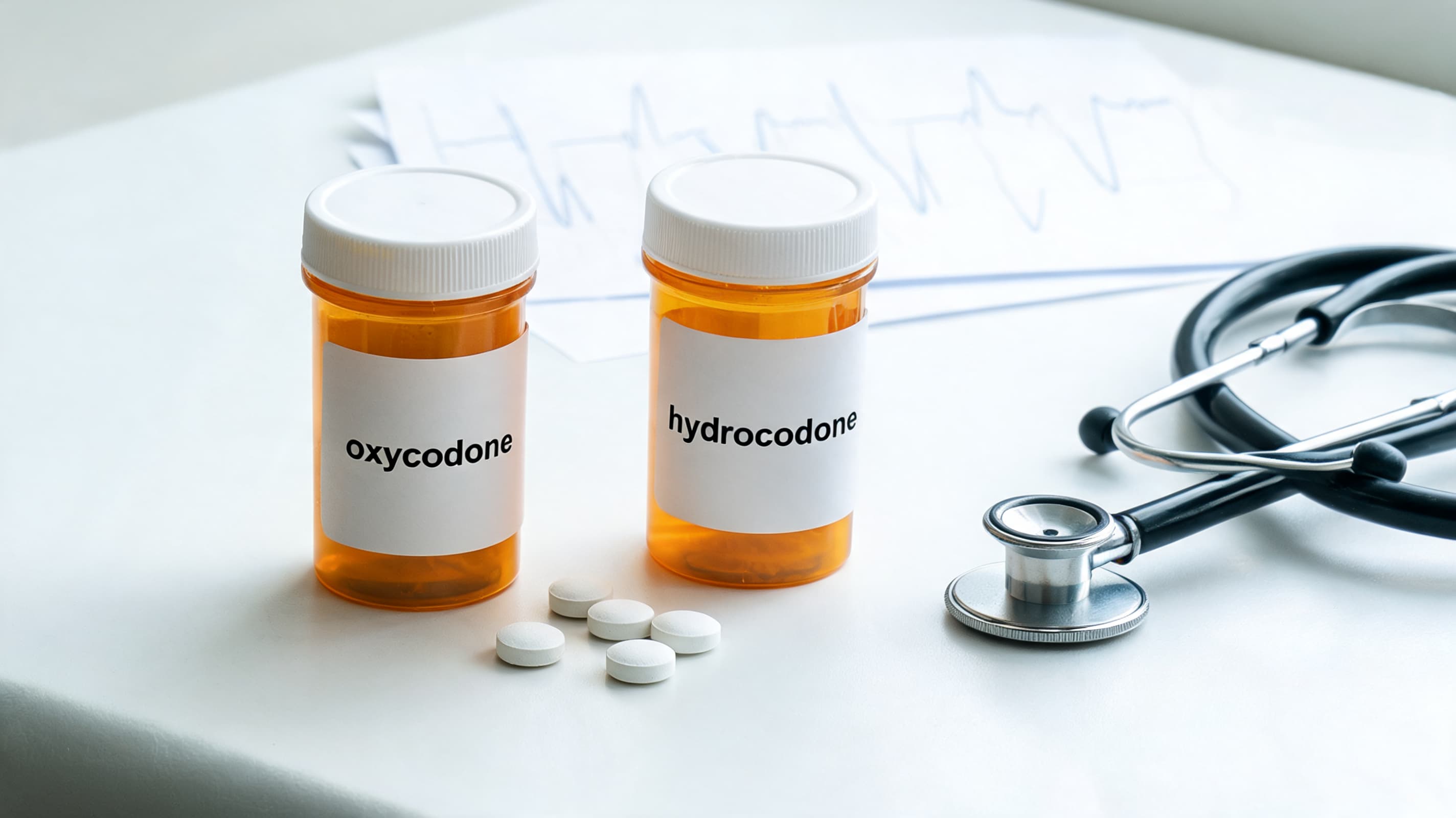
- Oxycodone and hydrocodone are opioid pain medications prescribed for moderate to severe pain.
- Both drugs slow the central nervous system, which reduces the perception of pain, but also reduces breathing rate and alertness.
- The risk escalates sharply when opioids are combined with other CNS depressants, such as benzodiazepines or antihistamines, because the sedative effects compound.
- The FDA issued its strongest warning label (a boxed warning) specifically addressing the danger of combining opioids with benzodiazepines.
Anti-Anxiety Medications: Diazepam and Alprazolam
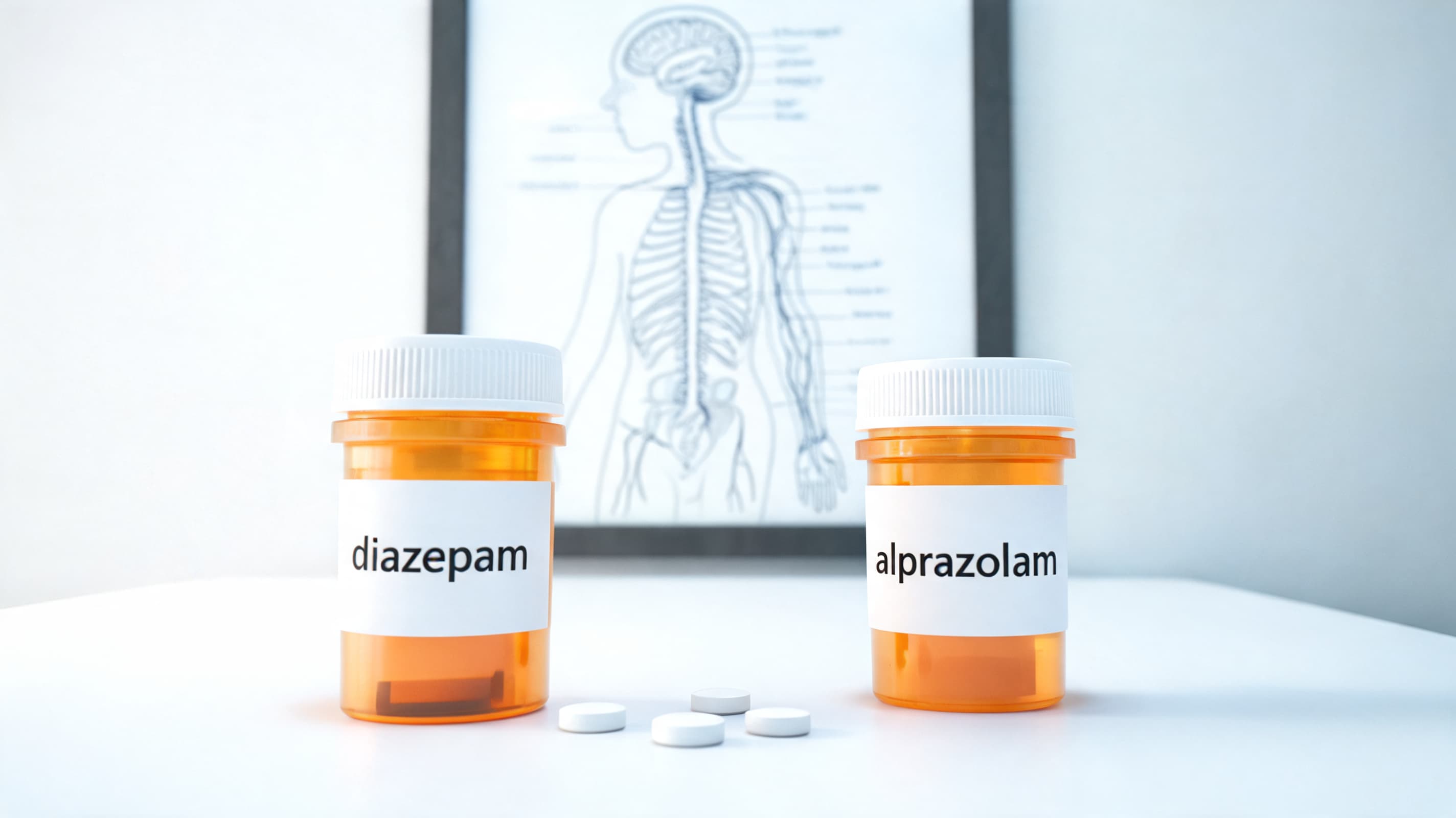
- Diazepam and alprazolam are both benzodiazepines, commonly prescribed for anxiety or panic symptoms.
- Benzodiazepines slow brain activity and can produce heavy sedation, confusion, and slowed breathing, especially in higher doses or when combined with other depressants.
- Research published in JAMA Internal Medicine found that patients on both opioids and benzodiazepines had significantly higher overdose death rates than those on opioids alone. Studies have found the risk of overdose death can increase dramatically when opioids and benzodiazepines are used together.
- Having both diazepam and alprazolam in the system simultaneously (two benzodiazepines) compounds this risk further.
Sleep-Related Medications: Temazepam and Doxylamine
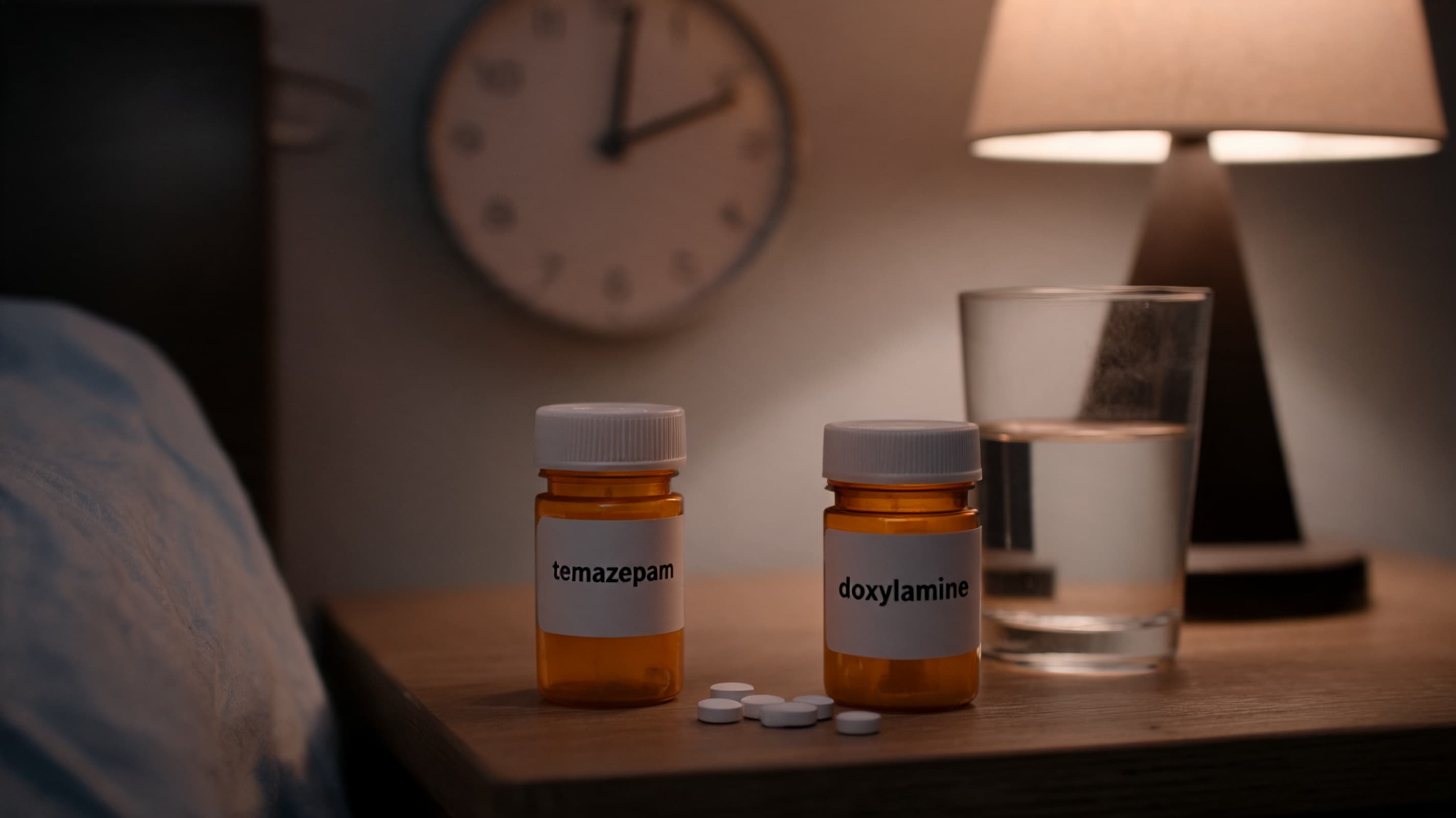
- Temazepam is a benzodiazepine prescribed for insomnia. Doxylamine is an over-the-counter antihistamine also used as a short-term sleep aid.
- Both produce sedation and reduce alertness. Combined with opioids and other benzodiazepines already active in the system, they add another layer of CNS suppression that the body cannot safely process all at once.
- Ledger had documented severe insomnia in the months before his death. The sleep medications in his system reflect his attempts to manage that.
- This combination of opioids, multiple benzodiazepines, and an antihistamine sedative represents one of the highest-risk polydrug profiles for respiratory failure.
| ⚠️ Advisory: This information is educational only and does not substitute for medical advice. Prescription medications can be safe when taken exactly as directed. Combining opioids, benzodiazepines, sleep aids, or antihistamines without medical supervision carries documented overdose risk. Always tell your doctor and pharmacist about every medication you are taking before adding a new one. |
What This Case Teaches About Prescription Drug Safety
Heath Ledger’s case is one of the clearest documented examples of polydrug toxicity from legally prescribed medications. That is what makes it important beyond the celebrity context.
The specific combination of opioids, benzodiazepines, and a sedating antihistamine is not unusual. Millions of people in the US are prescribed one or more drugs from these categories simultaneously.
Here is what the medical record in Ledger’s case shows, translated into practical terms:
- Multiple prescriptions from different doctors create invisible risk. If one doctor prescribed the painkillers and another prescribed the anxiety medications, neither may have had full visibility into what the other prescribed. This is a documented gap in how prescription drug management works.
- No single medication was necessarily taken in excess. Acute combined intoxication means the overdose resulted from the interaction, not from taking too much of any one drug. Each prescription on its own might have been within a normal range. Together, they were fatal.
- Over-the-counter sleep aids carry real risk in this context. Doxylamine is available without a prescription. Many people do not think to mention it to their doctor. In combination with opioids and benzodiazepines, it contributes meaningfully to CNS suppression.
- Exhaustion and sleep deprivation lower the body’s tolerance threshold. Ledger was severely sleep-deprived in his final months. That physical state may have reduced his ability to process multiple CNS depressants.
If you are currently taking a prescribed opioid, a benzodiazepine, or a sleep medication (or any combination of these), the most actionable step is to bring a complete medication list to your next appointment and specifically ask your doctor or pharmacist about interaction risk. That includes over-the-counter drugs, antihistamines, and any supplements you take regularly.
For a deeper look at what happens in the body during a benzodiazepine overdose specifically, this guide on benzo overdose signs and symptoms covers the warning signs and when to act.
When to Seek Emergency Care
⚠️ Call 911 immediately if you see any of these signs in someone who has taken prescription medications:
Do not wait to see if they “sleep it off.” Respiratory failure from CNS depressant combinations can progress quickly and silently. Time matters. |
Heath Ledger’s Life Before His Death
Before his death, Heath Ledger was moving through one of the most demanding periods of his career. He had recently finished playing the Joker in The Dark Knight, a performance he prepared for with extraordinary intensity, including an extended period of isolation in a London hotel room where he developed the character’s voice, movement, and diary entries.
He was simultaneously working on The Imaginarium of Doctor Parnassus, which added to an already heavy schedule. People close to him described serious insomnia and exhaustion in his final months.
He was reportedly sleeping very little, and the pressure of constant film work, public attention, and personal adjustment, including co-parenting his daughter Matilda with actress Michelle Williams following the end of their relationship, created a period of sustained physical and emotional strain.
Reports from that period later connected the sleep issues directly to his prescription medication use. This context matters because it shows how the polydrug situation developed: not through reckless behavior, but through a person in a genuinely difficult stretch trying to manage pain, anxiety, and sleeplessness with tools that were available to him through legitimate medical channels.
| 📝 Note: The background on Ledger’s final months is included for factual context only and is not intended to assign blame or speculate beyond what has been publicly documented. |
Common Myths and Facts About Heath Ledger’s Death
Several claims about Heath Ledger’s death have circulated widely since 2008. This table tracks the most common ones against what the official record actually shows.
| Claim | What the Record Shows |
|---|---|
| The Joker role caused his death. | No medical evidence supports this. The official cause was prescription drug interaction. The role’s intensity is often cited in media narratives, but it does not appear in the medical examiner’s finding. |
| Illegal drugs were involved. | The toxicology report found no illegal substances. Every drug identified was a prescription medication. |
| He died by suicide. | The medical examiner ruled his death accidental. No suicide note was found and no evidence of intentional self-harm was identified. |
| One drug caused his death. | The cause was explicitly the combined effect of all six medications, not a single drug taken in excess. |
Heath Ledger: Career and Personal Life
Heath Ledger was born on April 4, 1979, in Perth, Western Australia. He showed early interest in performance, moved to the United States at 19, and broke through with 10 Things I Hate About You (1999). That role led to a series of major films including The Patriot (2000), A Knight’s Tale (2001), and the critically acclaimed Brokeback Mountain (2005), for which he received an Academy Award nomination.
His role as the Joker in The Dark Knight became his most celebrated performance and his final completed screen appearance before his death. Outside film, he was known for keeping his personal life private. He had a daughter, Matilda Rose, with actress Michelle Williams.
People who worked with him consistently described him as deeply committed to every role, often investing intensive preparation work that went well beyond the shoot.
Heath Ledger’s Legacy
The Dark Knight was released in July 2008, six months after Ledger’s death. His portrayal of the Joker received immediate praise and has been widely described as one of the defining villain performances in modern film. In February 2009, he was awarded the Academy Award for Best Supporting Actor, a posthumous recognition that carried significant weight for his family, the film industry, and his fans worldwide.
His final film, The Imaginarium of Doctor Parnassus, was released in 2009. Because Ledger had not finished filming before his death, Johnny Depp, Jude Law, and Colin Farrell stepped in to complete the role as a tribute.
The gesture reflected how his colleagues regarded him. In 2011, a 575-seat theatre in Perth was named the Heath Ledger Theatre, and his Academy Award and Joker costume are displayed there.
Frequently Asked Questions
How did Heath Ledger die?
Heath Ledger died on January 22, 2008, from acute combined intoxication caused by six prescription medications: oxycodone, hydrocodone, diazepam, alprazolam, temazepam, and doxylamine.
The New York City Medical Examiner ruled his death accidental. No illegal drugs were involved, and no single medication was identified as the sole cause. The fatal outcome resulted from how all six substances interacted simultaneously to suppress his breathing.
What drugs were in Heath Ledger’s system when he died?
The toxicology report identified six prescription drugs: two opioid painkillers (oxycodone and hydrocodone), two benzodiazepines prescribed for anxiety (diazepam and alprazolam), one benzodiazepine sleep medication (temazepam), and doxylamine, an antihistamine commonly used as a sleep aid.
All were prescription medications. The danger came from taking all six simultaneously: each suppresses the central nervous system, and their combined effect on breathing was fatal.
Did Heath Ledger die because of the Joker role?
The medical examiner’s ruling does not list his role as the Joker as a contributing cause of death. The official cause was acute combined drug intoxication.
Media coverage has often connected the intensity of his preparation for that role to his broader health struggles at the time, including severe insomnia, but those connections are contextual. The medical record is clear: prescription drug interaction caused his death.
What is acute combined intoxication?
Acute combined intoxication means more than one substance is actively affecting the body at the same time, and the combined effect is greater and more dangerous than any individual substance would produce alone.
In Ledger’s case, all six medications were CNS depressants, meaning all of them slowed breathing, reduced alertness, and suppressed bodily functions that keep a person conscious and breathing. When enough of these overlapping effects accumulate, the body can no longer sustain normal respiratory function.
Why is it dangerous to mix opioids with benzodiazepines?
Opioids and benzodiazepines both slow the central nervous system, and when taken together, their effects do not simply add up. They can multiply. Research has shown that patients prescribed both medications have significantly higher rates of overdose death compared to those on opioids alone.
The FDA issued its strongest possible warning about this combination, requiring a boxed warning on both classes of drugs. If you are prescribed either type of medication and experience anxiety, pain, or sleep problems that require additional treatment, talk to your prescribing doctor before adding any new medication, including over-the-counter options.
What should I do if someone near me loses consciousness after taking prescription medication?
Call 911 immediately. Do not wait to see if they recover on their own. If the person is breathing but unconscious, place them on their side to reduce the risk of choking if they vomit. If breathing has stopped or is extremely slow, emergency responders can administer naloxone, which can reverse opioid-induced respiratory depression.
Time is critical with CNS depressant overdose: breathing can slow gradually and silently before becoming a medical emergency. If you’re unsure whether someone has taken opioids alongside other sedating drugs, tell the dispatcher everything you know about what medications were nearby.
Why did Heath Ledger lock himself in a hotel room before filming The Dark Knight?
Ledger spent about a month alone in a London hotel room preparing for the Joker role. During that time, he developed the character’s voice, physical mannerisms, and thought patterns, and kept a journal written from the Joker’s perspective.
He described this isolation as necessary for building the character from the inside out. This level of preparation was consistent with his broader approach to acting across his career.
Who inherited Heath Ledger’s estate?
Ledger’s will, written before his daughter Matilda was born, named his parents and sisters as beneficiaries. After his death, his family chose to redirect the estate to Matilda.
His family members stated publicly that they believed this was what he would have wanted. The exact value of the estate was not officially disclosed.
Sources
- CBS News. “Accidental Overdose Killed Ledger.” CBS News, February 6, 2008. Reports the New York City Medical Examiner’s official ruling of accidental prescription drug overdose. cbsnews.com
- ABC News. “Prescription Drugs Found in Heath Ledger’s System.” ABC News, February 6, 2008. Details all six medications identified in the toxicology report. abcnews.go.com
- Park, Tae Woo, et al. “Benzodiazepine Prescribing Patterns and Drug Overdose Mortality Among Individuals Receiving Opioid Analgesics.” Addiction Science and Clinical Practice, 2015. Documents elevated overdose mortality risk when opioids and benzodiazepines are prescribed concurrently. ncbi.nlm.nih.gov
- Time Staff. “Heath Ledger’s Joker Diary.” Time, 2015. Covers Ledger’s character preparation process for The Dark Knight. time.com
- Academy of Motion Picture Arts and Sciences. “81st Academy Awards.” Oscars.org, 2009. Records Ledger’s posthumous Best Supporting Actor win. oscars.org
- Arts Culture Trust WA. “Heath Ledger Theatre.” artsculturetrust.wa.gov.au. Details the Perth theatre named in Ledger’s honor and its display of his Oscar and Joker costume. artsculturetrust.wa.gov.au