I remember feeling confused when I first heard about blackout tarps and how growers use them to control cannabis flowering. It sounded technical, but once I understood it, everything made sense.
If you’re new, it helps to first understand the basics of light-dependent cannabis and how growers control plant cycles. In this guide, I’ll walk you through everything about blackout tarps in a simple way.
You’ll learn what they are, why they matter, and how to use them properly. I’ll also cover types of tarps, how to choose the right one, and common mistakes to avoid so you can get better yields and healthier plants.
Understanding Blackout Tarps in Cannabis Growing
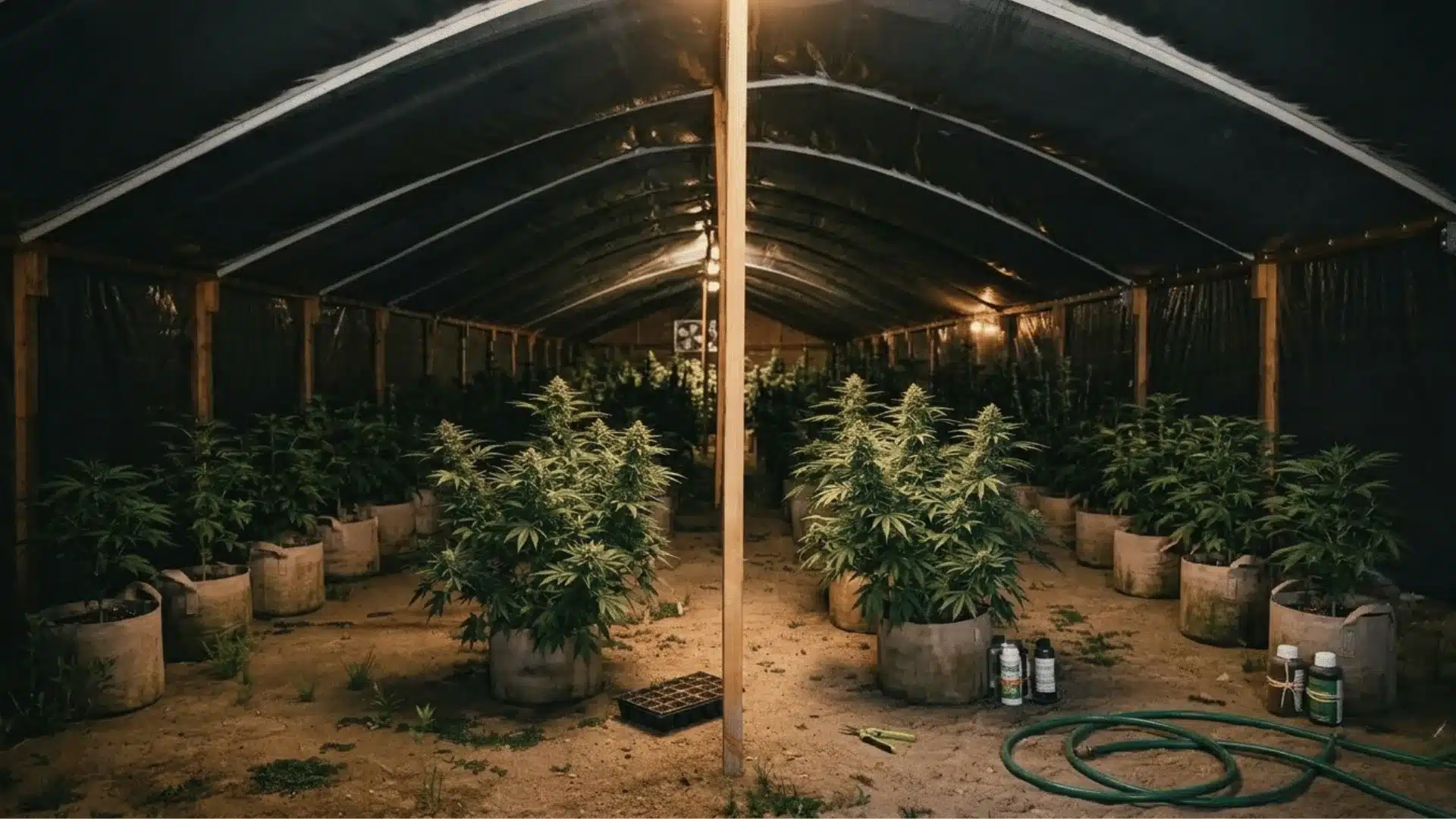
Blackout tarps are thick covers used to block all light from reaching cannabis plants. I like to think of them as a way to control the plant’s day and night.
Cannabis plants need long, dark nights to start flowering, and even small light leaks can confuse them. That’s where blackout tarps help. By covering the plants at the same time every day, you can create a steady dark period.
This is called light deprivation, or light dep. It tricks the plants into thinking the days are getting shorter, just like in nature before fall. Because of this, plants start flowering earlier than usual, helping growers better control timing and achieve better results.
Why Growers Use Blackout Tarps: Key Benefits
Growers use blackout tarps because they give better control over plant growth. I’ve seen how they make the process smoother and more reliable.
- Multiple harvests: By controlling light cycles, growers can produce two to three harvests in one season instead of only one
- Early flowering: Blackout tarps help trigger flowering earlier, which saves time and allows faster crop turnaround for growers
- Better quality buds: Controlled light exposure helps plants develop stronger aroma, more resin, and denser, higher-quality buds overall
- Weather protection: Tarps protect plants from rain, cold nights, and excess moisture that can lead to mold problems
- Light control: They block unwanted light at night, keeping the plant’s natural cycle stable and preventing stress or confusion
Overall, blackout tarps help improve both yield and quality when used properly and consistently.
How Light Deprivation Works with Tarps
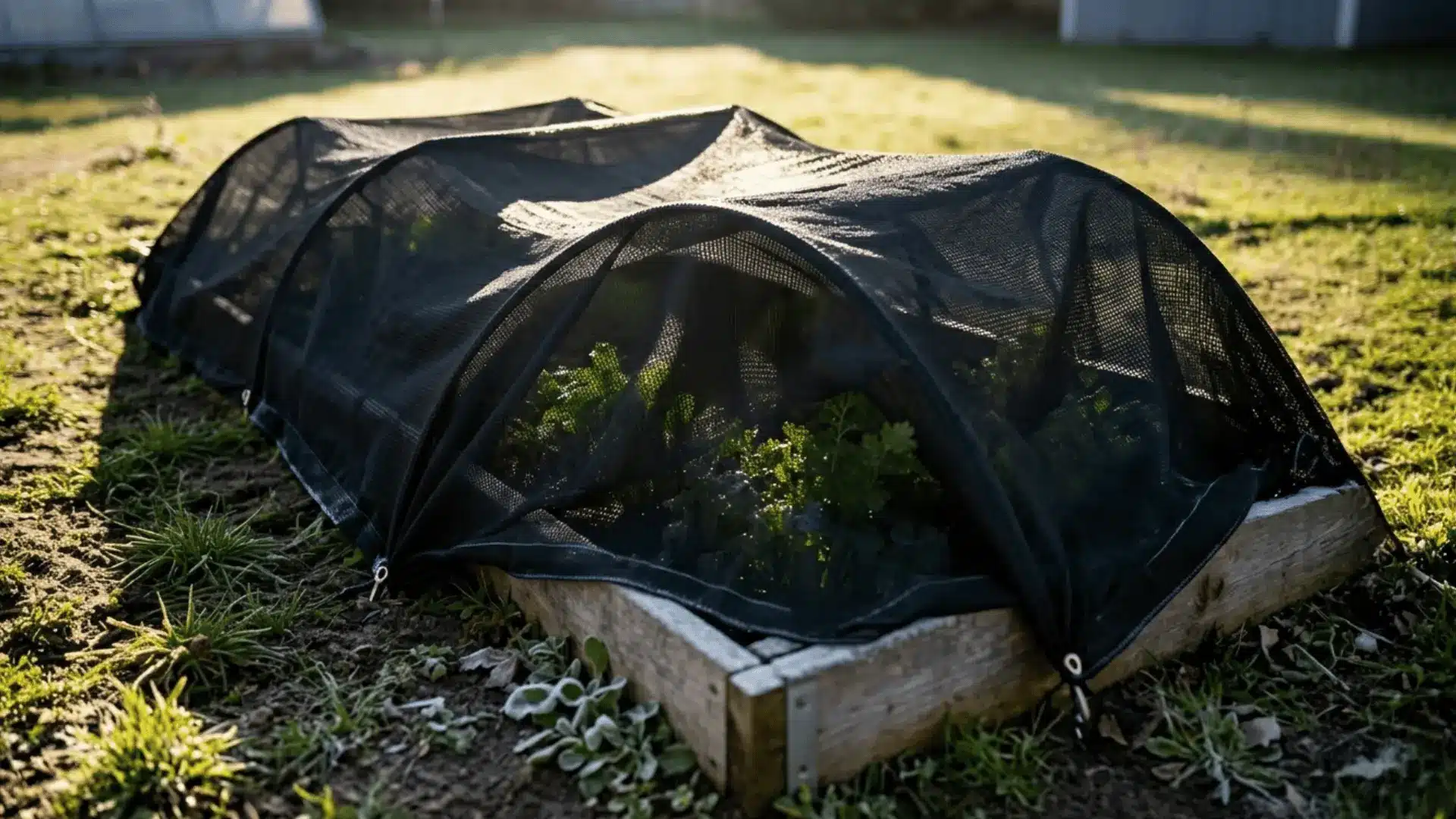
Light deprivation with blackout tarps works by giving cannabis plants a steady 12 hours of light and 12 hours of complete darkness each day. this simple cycle helps trigger flowering at the right time.
Cannabis plants naturally respond to changes in light, and shorter days signal them to move from the growing stage to the flowering stage. To make this work, growers cover their plants at the same time every day using tarps, either by hand or with automated systems.
The key is staying consistent. Even small mistakes like light leaks or missing the schedule can confuse the plants and affect their growth, yield, and overall quality.
Types of Blackout Tarps for Cannabis
Blackout tarps come in different types, and each one works a little differently. I’ve found that choosing the right type depends on your climate and growing setup.
| Tarp Type | Features | Best For |
|---|---|---|
| Black/White (Panda Film) | White side reflects heat while black side blocks light completely, helping balance temperature and darkness | Growers who want good light control without too much heat buildup in warmer climates |
| Black/Silver | Silver surface reflects more sunlight and reduces heat better than white, while black layer blocks light fully | Hot regions where keeping plants cool is very important during light deprivation cycles |
| Black/Black | Fully black material blocks maximum light but absorbs more heat, which can raise temperature under the tarp | Cooler climates where extra heat is not a problem and full darkness is the main goal |
| Reinforced Polyethylene (8–10 mil) | Thick, durable material that resists tearing, UV damage, and daily wear from repeated use | Long-term use setups where strength and durability matter more than flexibility |
Also, factors like light control and environment can affect plant compounds is a topic often discussed when comparing terpene variations.
How to Choose the Right Blackout Tarp
Choosing the right blackout tarp is important because it affects how well your plants grow. I’ve learned that a few key factors can make a big difference.
- Thickness (8 mil standard): An 8 mil tarp offers a strong balance between durability and flexibility, making it easier to handle daily while still lasting longer under regular outdoor use.
- 100% light blockage: Even the smallest light leaks can disturb the plant’s flowering cycle, so choosing a tarp that ensures complete darkness is very important for consistent plant growth.
- UV resistance: Tarps with UV protection can handle long sun exposure without breaking down quickly, helping them last longer and perform well throughout the entire growing season outdoors.
- Size and compatibility: Picking the right tarp size ensures full coverage of your structure, preventing gaps or light leaks that could affect plant health and reduce overall yield.
- Ease of use: Some tarps are designed for manual handling while others suit automated systems, so choosing one that fits your setup can save time and effort daily.
When you focus on these factors, it becomes much easier to choose a tarp that fits your needs and improves your growing results.
Step-by-Step: Using Blackout Tarps Properly

Using blackout tarps the right way is easier than it sounds. I’ve found that following a simple routine makes a big difference in results.
1. Build or Prepare Structure: Start by setting up a greenhouse, hoop house, or simple frame that can support the tarp properly and cover your plants fully without gaps.2. Install Tarp System Securely: Make sure the blackout tarp is fixed tightly over the structure so it doesn’t shift, tear, or allow any light to enter inside.3. Set a Strict Light Schedule: Follow a consistent schedule, like covering plants from 7 PM to 7 AM, to maintain a proper 12-hour dark cycle every day.
4. Ensure Full Darkness: Check carefully for pinholes or gaps, because even small light leaks can disturb flowering and confuse the plant’s natural growth cycle.
5. Remove Tarp Daily: Uncover the plants every morning so they receive full sunlight, which is important for healthy growth and strong development during the day.
6. Maintain Consistency: Stick to the same timing every single day, since irregular schedules can stress plants and reduce both yield and overall quality of buds.
Once you follow these steps daily, the process becomes smooth, and you’ll start seeing healthier plants and better yields over time.
Ventilation and Temperature Management
Airflow and temperature control are just as important as blocking light. Covering plants traps heat, especially in warm weather, and this can stress the plants if not managed well.
Good ventilation helps keep fresh air moving and prevents heat from building up too much under the tarp. It also reduces humidity, which is important because too much moisture can lead to mold and ruin your crop.
Simple tools like vents, fans, or even small openings can make a big difference. If you want better results, always focus on keeping the environment cool, dry, and well-ventilated during the dark period.
DIY vs Commercial Blackout Systems
Choosing between DIY and commercial systems depends on your budget and how much effort you want to put in. I’ve found both options work well, but they suit different needs.
| Aspect | DIY Tarp Setup | Commercial Automated System |
|---|---|---|
| Features | Uses basic tarps, ropes, or frames to manually cover plants each day | Uses motorized systems to cover and uncover plants on a fixed schedule automatically |
| Pros | Low cost, simple to build, and ideal for beginners or small-scale growers | Saves time, ensures consistency, and works best for larger or professional operations |
| Cons | Needs daily manual work and may lead to inconsistency or human errors over time | Higher upfront cost and requires proper setup and regular maintenance |
In the end, the right choice depends on how much time, effort, and money you’re ready to invest in your growing setup.
Common Mistakes to Avoid
Avoiding small mistakes can make a big difference in your results. I’ve seen how these issues can affect plant growth if not handled properly.
- Light leaks: Even tiny holes or gaps in the tarp can let light in and disturb the flowering cycle, leading to stressed and confused plants
- Irregular timing: Covering and uncovering plants at different times each day can break the light cycle and slow down healthy flowering
- Poor airflow: Lack of proper ventilation can trap humidity and heat, creating the perfect conditions for mold and other plant diseases
- Low-quality materials: Cheap or thin tarps can tear easily, allow light leaks, and won’t last long with regular daily use outdoors
- Overheating plants: Blackout tarps can trap heat inside, and without proper cooling, plants may suffer from stress or reduced growth
By avoiding these common mistakes, you can keep your plants healthy and get better yields with consistent results.
Final Thoughts
After using blackout tarps, I realized how powerful they are for controlling cannabis growth. They give you more control over timing, quality, and even how many harvests you can get in a season.
But the key is consistency and choosing the right setup for your space. Even small mistakes like light leaks or poor airflow can affect your results.
If you take the time to set things up properly, blackout tarps for cannabis can completely change how you grow. I’d suggest starting simple, learning the routine, and improving over time.
If you want better yields and more control, this is one technique worth trying start planning your setup today.