| Topic | Key Point |
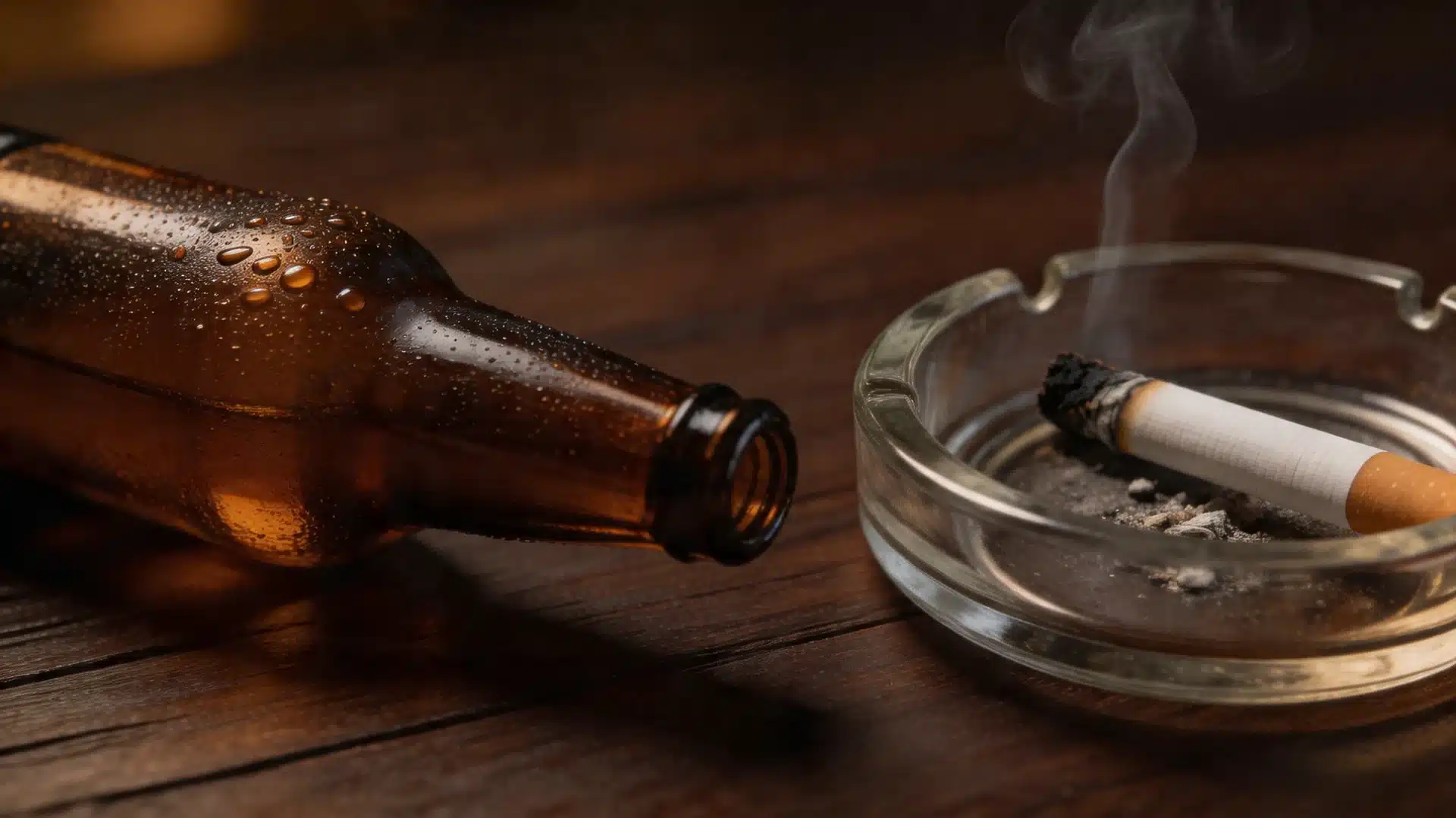
| Definition | Being drunk and high simultaneously, most commonly from alcohol and cannabis |
| Why does it hit harder | Alcohol increases THC absorption in the bloodstream |
| Common effects | Dizziness, nausea, paranoia, the spins, memory gaps |
| Biggest physical risk | A suppressed gag reflex can allow alcohol poisoning to go undetected |
| How long does it last | 2–6 hours; cognitive effects can linger through the next day |
| Who faces a higher risk | First-time users, people with anxiety, and anyone on medication |
| If things go wrong | Stop both substances, hydrate, stay upright, and call for help if someone is unresponsive |
Cross-fading means being simultaneously intoxicated from alcohol and high from cannabis, with both substances active and interacting in your system at the same time. The combination produces a pharmacologically distinct state, one that is less predictable and typically more intense than either substance creates on its own.
I work in clinical pharmacology, which means a significant part of my job is tracking what happens when substances interact, not in a textbook sense, but in real-world, actual-dose, real-human-body situations. Cross-fading comes up more than most people expect in those conversations.
The term gets tossed around so casually, in music, at parties, on social media, that its actual pharmacological meaning rarely gets explained. Most people assume it is just being more drunk or more high. It is neither of those things. It is a distinct physiological state with its own set of effects and risks that alcohol or cannabis does not produce on its own.
This article breaks down what the cross-faded meaning actually involves, why combining these substances changes things at the biochemical level, and what the real risks are. The goal is not to scare anyone; it is to give you information accurate enough to be useful.
What Does Cross Faded Mean?
Cross-fading means being under the influence of both alcohol and marijuana at the same time, to the point where the effects of each substance overlap. The word “faded” in drug slang refers to noticeable intoxication: your senses are dulled, your reactions slow, and your usual sharpness drops. Cross-fading adds a second substance into that equation, and that addition changes the equation entirely.
The cross-faded meaning is widely recognized. A study published through the National Institutes of Health found that 87% of young adult participants had heard the term, with most defining it as using alcohol and marijuana at the same time, and a secondary group describing it as being drunk and high simultaneously.
Some people use the term loosely to refer to any two substances mixed together. In practice, and in all clinical literature on the subject, alcohol and cannabis are the combination that defines it.
| 📝 Note: In audio and video production, “crossfade” refers to one track gradually blending into another. That is a completely separate use of the word. This article covers only the drug-related meaning. |
Why Do People Cross-Fade?
Understanding why people combine alcohol and cannabis matters for understanding the risk pattern. Research tracking simultaneous use in young adults found that on 76% of combined-use days, participants specifically aimed to amplify each substance’s effect. The most common motivations are:
- Chasing a stronger high: Both substances intensify each other’s effects, and many users are aware of this and pursue it deliberately.
- Social environment: At gatherings where both alcohol and cannabis are available, social habit and proximity lower the threshold for combining them.
- Tolerance management: Some users who have developed tolerance to one substance add the other to achieve the level of intoxication they used to reach on one substance alone.
- Curiosity: Particularly among first-time or early users, the combination is explored out of interest in the effect.
The problem with all four motivations is the same: people consistently underestimate how significantly alcohol changes THC absorption. The cross-faded experience reliably lands harder and faster than expected, regardless of the reason for combining.
What Does Faded Mean in Drugs?
“Faded” on its own is simpler than people think. In drug slang, being faded means you are visibly, noticeably intoxicated, whether from alcohol, cannabis, or something else. Your speech loosens, your balance shifts, your responses slow down. You are inebriated in a way that other people around you can observe.
The reason “cross faded” exists as its own distinct term is that the layered experience, two substances running in parallel, each affecting how the other behaves, is not the same as being more intoxicated on one thing. The character of the experience changes. That distinction matters practically because it means your expectations based solely on a single substance do not transfer.
Why Cross Faded Feels Different Than Drunk or High Alone
Alcohol depresses the nervous system, slowing signals, impairing coordination, and suppressing breathing at higher doses. The National Institute on Alcohol Abuse and Alcoholism documents that alcohol affects nearly every organ in the body, with the brain particularly sensitive to its effects even at lower doses, including changes to memory, balance, and decision-making that begin well before obvious intoxication.
THC binds to brain receptors, altering perception, slowing reaction time, and raising heart rate, sometimes triggering anxiety. Effects scale with dose. Alcohol increases THC blood plasma levels, meaning your usual amount hits harder and faster when alcohol is already present. Your normal tolerance stops being a reliable guide.
A qualitative analysis of college students who used both substances simultaneously identified nine distinct subjective effects, including increased impairment, altered sensory perception, elevated negative emotional states, and a cross-faded experience that participants described as separate from either substance alone. These effects do not reliably appear with either substance used alone.
Being cross-faded is not a bigger version of being drunk or high. It is a different state, one where your ability to predict what happens next is genuinely reduced.
| ⚠️ Advisory: If you have been drinking and are considering adding cannabis, know that the effect will be stronger than your prior cannabis experiences without alcohol. Your regular amount is not a safe reference here. |
What Does Being Cross-Faded Feel Like?

The experience shifts based on tolerance, body weight, food intake, order of use, and cannabis potency. Certain cross-faded symptoms show up consistently enough that knowing them before the fact is useful.
1. The Positives Some People Report
A portion of users describe cross-fading as pleasurable: heightened relaxation, stronger euphoria, and increased sociability overall. Research found that only about 10% of participants described effects that fit this positive pattern.
They tended to be experienced users consuming lower doses in familiar settings. This is the outcome most people aim for when combining both substances. It does not always arrive.
2. What Happens More Often
The spins, greening out, paranoia, and blackouts are the more common cross-faded symptoms. Both substances disrupt the vestibular system, causing the room to rotate; lying flat worsens it.
Cannabis amplified by alcohol triggers nausea and cold sweats. Anxiety already possible from THC can escalate into a full panic response. Memory gaps are considerably more frequent with both substances combined than alone.
3. A Note on Order
The sequence of use matters more than most people realize. Drinking first, then adding cannabis, causes the steepest spike in THC absorption, the pharmacological reason behind “beer before weed, take heed.”
Using cannabis first and drinking after is generally reported as less intense. Neither order removes the risks, but starting with alcohol raises the ceiling on how strong the combined effect gets.
Both experiences are possible. What remains constant is the underlying biology: alcohol’s effect on THC absorption does not change based on intention, your setting, or how experienced you think you are.
| ⚠️ Advisory: If someone with you stops responding, has difficulty breathing, or loses consciousness after using both substances, do not assume they need to sleep it off. Call emergency services immediately. The gag reflex risk discussed in the next section makes this more serious than it appears. |
How Long Does Cross Faded Last?
There is no single answer; it depends on what was consumed, how much, and whether edibles were involved. This breakdown reflects the typical ranges for each substance and form:
| Substance and Form | When Effects Peak | Typical Duration |
| Alcohol | 30–90 minutes | Metabolized ~1 standard drink/hour |
| Smoked or vaped THC | 10–30 minutes | 1–3 hours |
| THC edibles | 60–120 minutes | 4–8 hours |
| Residual effects (both) | — | Cognitive fog can persist 12–24 hours |
If edibles are part of the combination, the timeline extends well beyond what most people expect, especially when alcohol has already amplified THC absorption earlier in the evening. THC edibles metabolize considerably more slowly than smoked cannabis, and that gap in onset time catches many people off guard when both are combined with alcohol. Even after the obvious effects wear off, decision-making and reaction time remain below baseline.
| 📝 Note: Feeling better is not the same as being sober. Both substances interfere with your brain’s ability to accurately gauge its own state. This is why reaction tests, not how you feel, are the standard used in impairment assessment. |
The Real Risks of Being Cross-Faded
Cross-fading carries risks that go beyond feeling worse than usual. Some are immediate and physical, others build quietly over time, and several operate without any obvious warning signs.
1. Suppressed Gag Reflex and Silent Alcohol Poisoning

This is the most clinically serious risk in the combination. Unlike most side effects, it produces no visible warning until blood alcohol content has already reached a dangerous level.
- Your body’s vomiting reflex normally expels excess alcohol before blood concentration turns dangerous.
- THC suppresses that reflex directly, removing the body’s main defense against alcohol poisoning.
- When cross-faded, blood alcohol content can rise silently even after you stop drinking.
- No nausea means no warning; the poisoning advances without any signal to act.
Because this risk leaves no visible signal, it is the one most often missed. Someone who looks like they are sleeping it off may have blood alcohol levels still rising. Knowing this is what separates a bad night from a dangerous one.
2. Cardiovascular Strain
Alcohol and cannabis both affect heart rate and blood pressure independently. When combined, those cardiovascular effects compound rather than simply add together.
- Alcohol causes blood vessels to dilate, temporarily lowering blood pressure, then raises it as the body compensates.
- THC elevates heart rate, sometimes significantly, particularly in higher doses or in people who are not regular users.
- Combined, the cardiovascular load can produce a racing heartbeat alongside low blood pressure, a combination that increases the risk of dizziness, fainting, and falls.
- For anyone with an underlying heart condition or high blood pressure, this combination carries meaningful additional risk above either substance alone.
This cross-faded symptom gets less attention than the gag reflex risk, but it is documented in clinical literature and particularly relevant for anyone who is not a young, healthy adult with no cardiac history.
3. Long-Term Dependence

Cross-fading is often a deliberate choice; people mix both substances because each amplifies the other’s effect. That intentional, repeated pattern of use is where long-term dependence risk begins to build.
- On 76% of combined-use days, participants specifically aimed to amplify each substance’s effect.
- Stronger cross-fading motives are consistently linked to higher alcohol intake and more negative outcomes.
- Polysubstance use disorder, depending on two substances, is harder to treat than one.
- Each substance feels manageable on its own, which makes the combined pattern harder to self-identify.
A study tracking daily cross-fading motives and alcohol outcomes in young adults found that most combined use is intentional, people actively seeking that amplified effect. Repeated over time, that intention shifts occasional use into a pattern hard to recognize from inside it.
4. Driving and Accidents
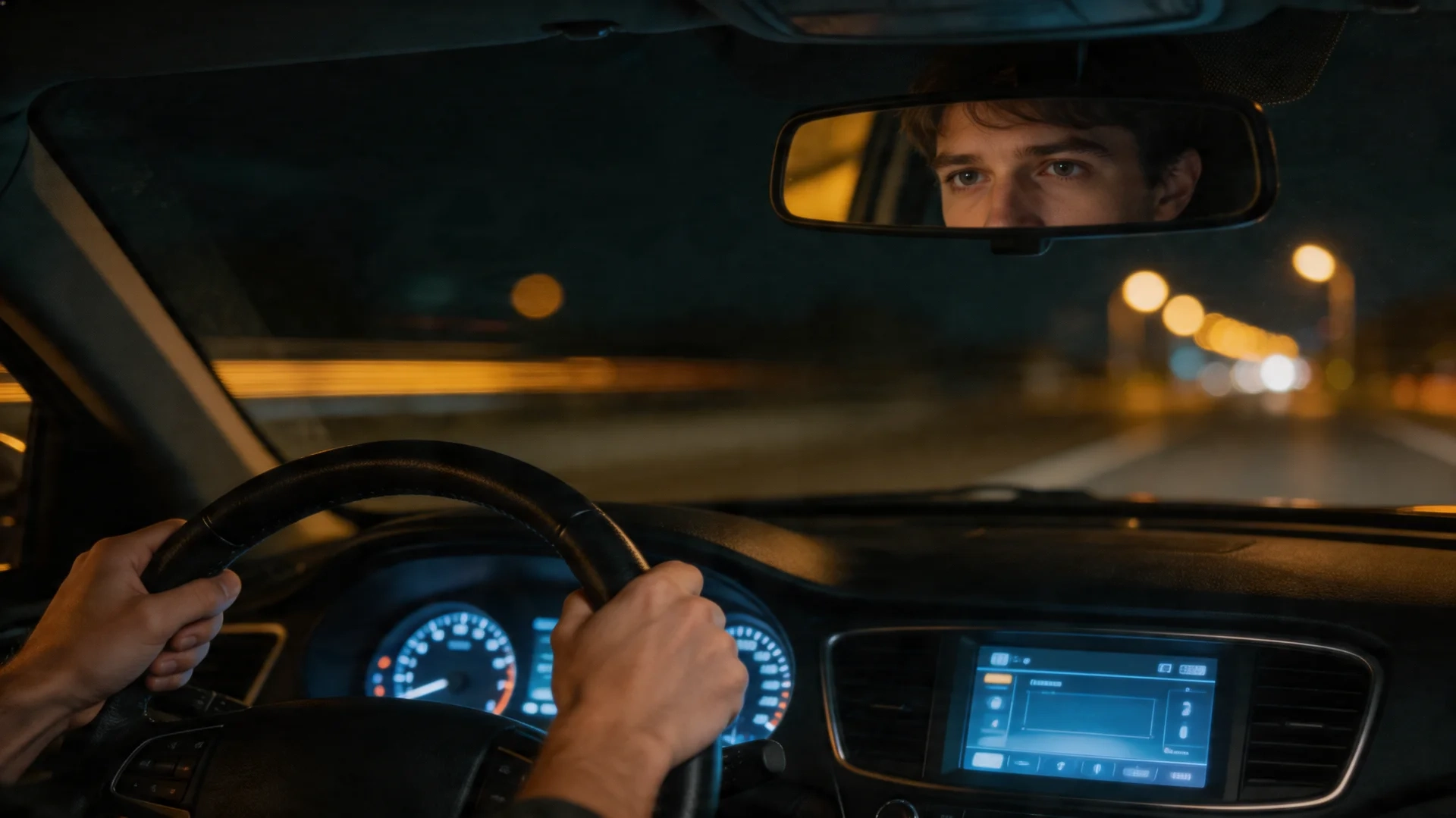
Most people know that driving drunk is dangerous and that driving high carries its own serious risks. Fewer understand how significantly the combination worsens performance compared to either substance alone.
- Alcohol impairs reaction time, coordination, and judgment, all functions needed to drive safely.
- Cannabis slows response time and distorts spatial perception, both directly relevant to driving.
- Combined, driving performance is measurably worse than either substance produces on its own.
- Feeling capable of driving while cross-faded is itself a symptom of impaired self-assessment.
This last point is the most practically dangerous: both alcohol and THC affect your brain’s ability to evaluate its own condition. You can feel fine and be impaired at the same time. That gap in self-awareness is where accidents happen.
5. Cognitive Impact

Memory and cognitive function are affected by both substances independently. When combined, those effects do not simply add up; they compound, producing outcomes that go beyond what either substance causes alone.
- Both substances independently disrupt the brain’s consolidation of short- and long-term memory.
- Cross-fading increases blackout frequency and overall completeness beyond what either substance alone produces.
- Repeated blackouts carry measurable, longer-term consequences for memory and cognitive processing.
- Single-night effects and longer-term cognitive damage from repeated use are entirely separate concerns.
The distinction worth holding onto is that cognitive damage from blackouts is not limited to what you remember, or do not, from a specific night. How the brain processes and retains information over time is the more significant concern.
| ⚠️ Advisory: Both alcohol and THC impair your brain’s self-monitoring, the same system that would normally tell you whether you are impaired. This is not a personality issue. It is a pharmacological effect. A sober person nearby is a more reliable judge of your state than you are. |
How the Risks Compare: Alcohol, Cannabis, and Both Together
Using either substance carries its own set of risks. Combining them changes the picture in ways most people do not expect, not just stronger effects, but different ones. Here is a clear comparison breakdown:
| Risk Factor | Alcohol Only | Cannabis Only | Cross-Faded |
| Gag Reflex | Mildly suppressed at high doses | Mildly suppressed | Severely suppressed: alcohol poisoning can advance silently |
| Blackout Risk | Moderate at higher doses | Low | Significantly higher than either substance alone |
| Anxiety / Paranoia | Low to moderate | Possible, dose-dependent | Elevated: THC effects amplified by alcohol absorption |
| Heart Rate / BP | BP fluctuates; modest heart rate increase | Elevated heart rate, especially in new users | Compounded: racing heart with BP fluctuation increases dizziness and fainting risk |
| Driving Impairment | Severe | Moderate | Worse than either substance produced independently |
| Nausea / Spins | Common at high doses | Uncommon | Frequent: Both substances disrupt the vestibular system |
| Memory Gaps | Dose-dependent | Rare | Considerably more frequent and complete |
| Self-Assessment Accuracy | Impaired | Impaired | Severely impaired: you cannot reliably judge your own state |
| Overdose / Poisoning Risk | Present | Extremely low | Higher: suppressed warning signals mask rising BAC levels |
The most important column is the third one. Cross-fading does not just add risks together. It creates conditions in which your body’s usual warning system stops working reliably, and your brain loses its ability to accurately gauge its own level of impairment.
Common Myths About Cross-Fading
Several persistent beliefs about cross-fading circulate in social settings, and most of them lead people toward riskier decisions. The pharmacology is documented well enough to address these directly.
Myth: Cannabis can sober you up if you have drunk too much. This is one of the most commonly repeated cross-fading beliefs, and it is pharmacologically false. Cannabis does not lower blood alcohol content or accelerate alcohol metabolism in any meaningful way. What it does is alter how you perceive your intoxication, masking the internal signals that would otherwise tell you how drunk you are. Using cannabis when already heavily intoxicated on alcohol does not reduce the risk of alcohol poisoning; it increases it by further suppressing the gag reflex and reducing your awareness of how compromised your system is.
Myth: The effects are just additive, twice as drunk and twice as high. The cross-faded experience is not the sum of its parts. Alcohol increases THC blood plasma levels, meaning the same cannabis dose produces a pharmacologically stronger effect when alcohol is already present. The combined state is qualitatively different, with higher blackout frequency, stronger vestibular disruption, and a self-assessment gap that neither substance produces independently at the same doses. This is why even experienced users describe unexpected intensity when combining what they consider moderate amounts of each.
Myth: The order does not matter. Drinking first, then adding cannabis, produces a steeper THC absorption spike than the reverse order. The sequence changes the pharmacological ceiling on how strong the effect becomes, which is the mechanism behind the old caution about drinking before using cannabis. Reversing the order does not eliminate the risk, but it does change the intensity of what follows.
How to Stop Being Cross-Faded
Being cross-faded hits harder than either substance alone. There is no fast fix; your body clears alcohol and THC on its own schedule, and nothing speeds that up from the outside. Here is how to manage the experience:
- Stop both substances now: adding more of either one makes things significantly worse
- Drink water slowly: alcohol dehydrates your body, compounding headaches and nausea fast
- Eat something light: food slows alcohol absorption and gives your body fuel to work
- Sit upright, find a fixed point: lying flat almost always makes the spins noticeably worse
- Stay somewhere familiar: both substances impair judgment, making unfamiliar environments harder to handle
- Keep a trusted person nearby: a sober presence is the single best risk-reduction tool available
- Skip extra medications: sleep aids, antidepressants, and blood pressure meds interact badly with both
Feeling too high is its own challenge, with or without alcohol in the mix. A guide on how to reduce a cannabis high quickly covers what actually works, and what definitely does not.
Who Is Most at Risk?
Inexperienced users face the steepest risk; low tolerance to either substance means the amplified combined effect arrives faster and hits harder than expected. Young adults aged 18–25 make up the most common demographic for simultaneous use, where social settings lower caution and consumption can escalate beyond what anyone planned.
People with anxiety or mood disorders are particularly vulnerable because cannabis can trigger or intensify both conditions, while alcohol destabilizes mood in ways that become harder to predict when THC is already present.
Anyone on regular medication adds another layer of complexity. SSRIs, benzodiazepines, blood thinners, and sleep aids all interact with alcohol and THC individually, and combining both substances at once multiplies those interaction risks considerably. Across all four groups, the common thread is a reduced ability to predict how the combined effect will land before it actually does.
When Cross Fading Becomes a Pattern
One night of cross-fading is a decision. A recurring pattern is a different conversation. If mixing both substances has become the default in most social situations, or if using one without reaching for the other feels unusual, that is worth noticing.
Polysubstance patterns are harder to self-identify than single-substance use, because each individual substance can seem manageable in isolation. For anyone whose relationship with alcohol specifically has started to feel harder to step back from, what stopping alcohol abruptly actually does to the body, and what safer alternatives exist for cutting back, is a grounded place to start.
SAMHSA’s National Helpline, 1-800-662-4357, is free, confidential, and available 24 hours a day, every day of the year.
Final Thoughts
In my clinical work, the pattern I see most often with combination substances is this: each one feels manageable on its own, so people assume together they are just “more of the same.” They are not.
The pharmacology is specific and documented: alcohol changes how THC moves through your blood, and that change makes the cross-faded experience less controllable than either substance suggests on its own.
The risks, suppressed gag reflex, cardiovascular strain, amplified impairment, higher blackout frequency, and, over time, increased dependence risk, are not edge cases. They are predictable outcomes of the biochemical interactions between these two substances.
That does not mean every instance ends badly. But understanding what is actually happening gives you better tools than assumptions do. Go slow. Know your baseline, and remember that baseline does not apply when alcohol is in the picture. Have someone sober nearby. Those three things cover more risk than anything else on the list.
Frequently Asked Questions
What does cross faded mean in slang?
Cross-faded is slang for being simultaneously drunk on alcohol and high on cannabis, with both effects overlapping at the same time. It describes a state that is distinct from either substance alone, one that is less predictable and typically more intense than either produces independently.
What does faded mean in drugs?
Faded means visibly intoxicated by a substance, usually alcohol or cannabis, to the point where your reactions slow and your behavior changes noticeably. It applies to either substance on its own, unlike “cross-faded,” which specifically describes being under the influence of multiple substances simultaneously.
Is being cross-faded dangerous?
Yes, in several specific ways. Alcohol amplifies THC absorption, the gag reflex is suppressed, impairment of judgment increases sharply, and blackout risk rises above what alcohol alone produces. Severity depends on dose and individual tolerance, but the unpredictability is what makes it consistently riskier than either substance used alone.
How long does a cross-faded state last?
Smoked THC typically lasts 1–3 hours. Alcohol peaks around 30–90 minutes and metabolizes at roughly one standard drink per hour. With edibles involved, effects can persist 4–8 hours. Residual cognitive effects, including impaired decision-making and fatigue, can carry into the following day.
Can cannabis sober you up if you have drunk too much?
No. Cannabis does not lower blood alcohol content or speed up how quickly your body processes alcohol. What it does is change how intoxicated you feel, often making you less aware of how drunk you actually are. Adding cannabis after heavy drinking increases the risk of alcohol poisoning by suppressing the gag reflex and reducing the warning signals your body would otherwise send. The only thing that reduces blood alcohol levels is time.
How do you stop being cross-faded faster?
You cannot accelerate sobriety in any meaningful way. Stop both substances, drink water, eat food, sit upright in a comfortable space, and wait. Coffee and cold exposure may improve alertness slightly, but they do not lower the actual level of substances in your bloodstream or reduce impairment.
Does being cross-faded affect your heart rate?
Yes. THC typically elevates heart rate, sometimes significantly, while alcohol affects blood pressure through vasodilation and the body’s compensatory response. When combined, the cardiovascular load can produce a racing heart alongside blood pressure fluctuation, increasing the risk of dizziness and fainting. This risk is most relevant for people who are not regular users of either substance or who have underlying cardiovascular conditions.
Can you green out from cross-fading?
Yes, and it is more likely when cannabis is combined with alcohol, specifically because alcohol increases THC blood plasma levels. A dose of cannabis that would be manageable without alcohol can push someone into nausea, cold sweats, and intense anxiety when combined, even at their usual amount.
Sources
- Patrick, M.E., & Lee, C.M. (2018). Cross-faded: Young Adults’ Language of Being Simultaneously Drunk and High. Cannabis, 1(2), 60–65. National Institutes of Health / PubMed Central. Read source
- National Institute on Alcohol Abuse and Alcoholism (NIAAA). Alcohol’s Effects on the Body. U.S. National Institutes of Health. Read source
- Waddell, J.T., et al. (2023). Subjective Effects of Simultaneous Alcohol and Cannabis vs. Alcohol-Only Use in College Students: A Qualitative Analysis. Psychology of Addictive Behaviors. PubMed Central. Read source
- Patrick, M.E., Fleming, C.B., Fairlie, A.M., & Lee, C.M. (2020). Cross-Fading Motives for Simultaneous Alcohol and Marijuana Use: Associations with Young Adults’ Use and Consequences across Days. Drug and Alcohol Dependence. PubMed. Read source
- How to Get Unhigh: Quick and Effective Ways to Sober Up. Fun With Dizzies. Read source
- Cold Turkey Alcohol: Risks, Symptoms, and Safer Options. Fun With Dizzies. Read source