| ⚠️ Warning: This article discusses prescription drug dependence, addiction, and death. If you or someone you know is struggling with substance use, call SAMHSA’s helpline at 1-800-662-4357 (free, confidential, 24/7). Call 911 immediately if someone is unresponsive or has stopped breathing. |
Some stories about prescription drug dependence do not involve back-alley dealers or illegal substances. Sometimes they start with a doctor’s signature, a famous name, and a medicine cabinet that grows heavier with each passing year.
What drugs did Elvis do is one of the most searched questions about his life, and the answer is more complicated and more human than most people expect. He was not the stereotype of a rock star chasing highs.
He was a person in physical pain, under enormous pressure, with unlimited access to medications and a physician willing to sign the prescriptions. That combination turned out to be fatal. This is what the records actually show.
| Drug Class | Reported Examples | Reported Purpose | Main Health Risk |
| Opioid painkillers | Codeine, Demerol, Dilaudid, Percodan | Chronic pain, sciatica | Respiratory depression, dependence, constipation |
| Tranquilizers | Valium | Anxiety, sleep, stress | Sedation, overdose risk when mixed with opioids |
| Barbiturates and sedatives | Various sedatives | Sleep | Breathing suppression, dependence |
| Quaaludes | Methaqualone | Sedation | Dangerous sedation, overdose risk |
| Amphetamines | Various stimulants | Energy, weight, touring demands | Heart strain, anxiety, insomnia |
| Antihistamines | Various | Allergies, sedation | Drowsiness, drug interactions |
| Laxatives | Various | Opioid-induced constipation | Dehydration, electrolyte loss |
What Drugs Was Elvis On? Breaking It Down
Elvis Presley’s drug use was almost entirely prescription-based. That distinction matters because it changes the narrative significantly. This was not a case of recreational street drug use.
It was a long-running pattern of prescription medication misuse, fueled by real medical complaints, a demanding career, and a physician willing to write whatever was asked. PBS News coverage of Elvis’s addiction0 documented how deeply prescription dependence had taken hold in his final years.
The reported list includes opioid painkillers like codeine, Demerol, Dilaudid, and Percodan, used to manage chronic pain and sciatica from years of physical performance.
Alongside those were tranquilizers like Valium for anxiety and sleep, barbiturates for sedation, Quaaludes, amphetamines to maintain energy on the road, antihistamines, and laxatives to counter the constipating effects of opioids.
| ⚠️ Advisory: Prescription does not mean safe. Many of the drugs in Elvis’s reported regimen are central nervous system depressants. Combining opioids with sedatives or tranquilizers multiplies the risk of respiratory failure, even at individually prescribed doses. |
What made his situation particularly dangerous was not any single drug but the sheer number of drug classes being used at the same time. Each medication addressed one symptom while creating another, building a cycle that became harder to step back from with each passing year.
Did Elvis Use Illegal Drugs?
Elvis Presley’s drug story is mostly about prescription medications rather than illegal substances. His use shows how legal drugs can still cause dependence and serious health problems when misused:
- Prescription drug misuse, not illegal drugs, was the main issue.
- Dependence works the same physiologically as with illegal drugs.
- Tolerance builds, requiring higher doses over time.
- Medications were often taken beyond their intended purpose.
- Multiple prescribers contributed to overlapping prescriptions.
- This pattern aligns with clinical substance use disorder criteria.
Elvis’s case illustrates that addiction isn’t limited to illegal substances. Even prescribed medications can create dependence and health risks when taken in large amounts or combined over years.
| 📝 Note: Prescription drug misuse includes taking more than the prescribed dose, using a medication for a non-medical effect, combining prescriptions without medical oversight, or obtaining prescriptions from multiple providers. Each of these raises overdose risk significantly. |
Why Did Elvis Take So Many Pills?
The reasons Elvis relied on prescription medications were layered and built on each other over time. Understanding them requires setting aside judgment and looking at the actual pressures he was under.
Chronic pain and sciatica from decades of physical performance were real and documented. Insomnia came with the territory of an irregular touring schedule and the constant stimulation of being Elvis Presley.
Anxiety and performance pressure at a scale few people experience added another layer. Weight concerns and the demand to appear a certain way on stage drove stimulant use. And once the cycle of uppers and downers began, stopping any one part of it without medical support became genuinely difficult.
The pattern is familiar to anyone who studies opioid and sedative dependence. Stimulants keep someone awake and performing. Sedatives bring them back down.
Painkillers numb the physical strain. Over time, tolerance builds, and the doses that once worked no longer suffice. The body adapts, and the person needs more just to feel normal, let alone functional. The National Institute on Drug Abuse outlines how opioid tolerance and dependence develop1, and the progression Elvis followed maps closely onto that documented pattern.
| 📝 Tip: The upper-downer cycle is one of the most common and dangerous patterns in polydrug dependence. Stimulants and depressants taken in alternation create competing physiological demands that strain the heart, disrupt sleep architecture, and accelerate dependence on both classes simultaneously. |
How Elvis’s Prescription Drug Use Affected His Health
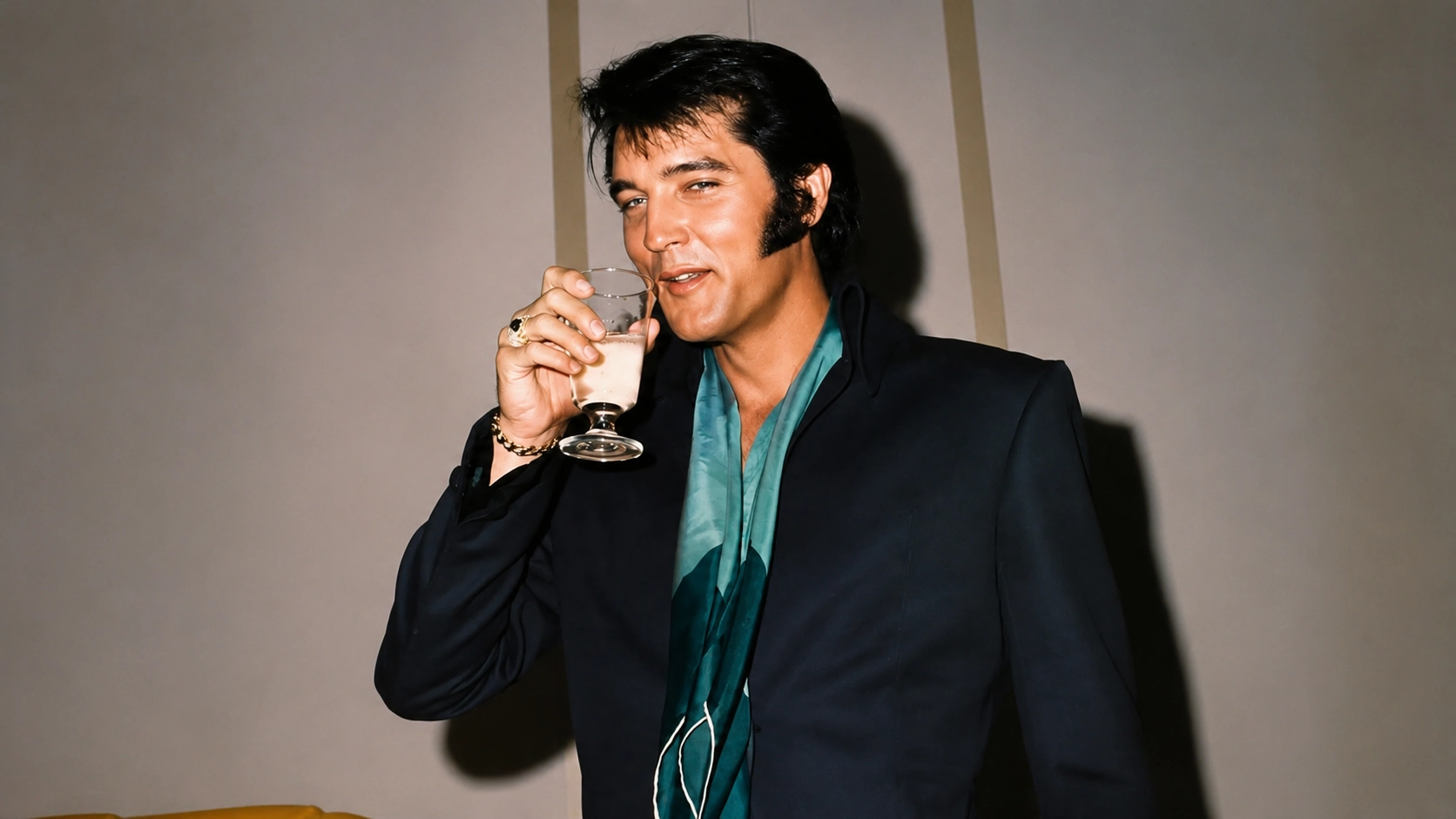
The health effects of long-term polydrug use showed up across multiple body systems in Elvis’s case. None of these problems existed in isolation. Each fed into the others.
1. Heart and Breathing Risks
Opioids and sedatives both slow breathing. Stimulants strain the cardiovascular system by raising heart rate and blood pressure over sustained periods.
When depressants are layered on top of each other, the risk of respiratory failure rises sharply, even without taking what would be considered a single dangerous dose of any one substance. This is how combined drug use can be fatal even when no individual drug appears to be at a lethal level on its own.
2. Digestive Problems and Constipation
Opioids slow gut motility, meaning the digestive system moves food and waste through the body more slowly than normal. With long-term opioid use, this becomes severe and chronic.
Reports indicate Elvis experienced significant opioid-induced constipation in his final years, which added physical strain to an already compromised body. Research published through NCBI on opioid-induced constipation2 confirms how serious and medically disruptive this condition becomes with sustained opioid use, which is why it comes up repeatedly in accounts of his death.
3. Sleep and Mental Health
Insomnia drove sedative use, and sedative use worsened sleep quality over time by disrupting natural sleep architecture. The result was a cycle where Elvis needed more medication to achieve rest that became progressively less restorative.
Cognitive fog, mood instability, and a growing fear of functioning without pharmaceutical support are all documented consequences of long-term benzodiazepine and sedative dependence.
4. Physical Decline in His Final Years
By the mid-1970s, significant weight gain, fatigue, and visible deterioration were apparent to audiences and colleagues. Elvis was hospitalized multiple times.
He continued performing while clearly unwell, which speaks both to his professionalism and to how normalized his condition had become within his inner circle. His final concert took place on June 26, 1977, in Indianapolis. He died less than two months later.
Did Drugs Cause Elvis Presley’s Death?
Elvis Presley died on August 16, 1977, from heart issues, but multiple factors, including long-term prescription drug use, shaped his death. Understanding the full picture requires looking at all contributing elements:
- Official cause listed as cardiac arrhythmia, a heart rhythm problem.
- Toxicology found multiple prescription drugs, including opioids and sedatives.
- Medications reflected years of chronic use and physical decline.
- Experts agree that long-term drug use contributed significantly, even if not officially listed.
- Death involved interconnected factors: heart disease, overall health, and prescription medications.
- No single cause fully explains his passing; multiple conditions worked together.
The pattern of deaths among well-known artists who relied heavily on prescription and recreational substances follows a broader documented trend, one that goes well beyond any single decade or genre, as seen in cases of celebrities who died from drugs and overdoses.3
How Many Pills Did Elvis Take a Day?

Exact daily pill counts for Elvis Presley are difficult to verify because the records come from multiple sources and are not always complete. Still, the clearest point is that Elvis Presley’s prescription drug use was very high in his final years.
Some reports describe thousands of individual doses written over several months, while others focus on the number of drug types he was using at the same time. The key issue is not one exact number of pills per day. It is the pattern behind it.
Elvis was reportedly using pain medications, sedatives, stimulants, and other prescriptions together over a long period. As tolerance grew, higher doses may have been needed to get the same effect, raising the risk of dependence, side effects, and serious health problems.
| 📝 Note: Tolerance is the physiological process by which the body adapts to a substance and requires more of it to achieve the same effect. In long-term opioid and sedative use, tolerance can develop within weeks, driving dose escalation that compounds health risk over time. |
What Did Elvis’s Toxicology Report Show?
Elvis Presley’s toxicology report highlighted multiple prescription drugs in his system. The findings show polydrug use rather than one lethal substance, illustrating the complex medical factors surrounding his death:
| Drug Class | Examples Found | Notes on Use & Risk |
| Opioids | Codeine, Dilaudid, Percodan | Used for pain relief; depresses breathing; can worsen constipation and sedation when combined with other depressants. |
| Sedatives & Tranquilizers | Valium, Quaaludes, Barbiturates | Used for anxiety, sleep, and relaxation; dangerous when mixed with opioids; contributes to overdose risk. |
| Other Prescription Compounds | Antihistamines, Laxatives | Taken for allergies, sleep, and digestive issues; can interact with other medications and increase the risk of complications. |
Toxicology confirms Elvis had heavy prescription drug use in his final years. Exact contributions of each medication remain debated, but the combination of substances clearly added to health decline and risk.
| ⚠️ Advisory: Toxicology findings in polydrug cases are often complex to interpret. A drug level that appears sub-lethal in isolation may become dangerous when multiple central nervous system depressants are present together. This is why combined drug intoxication is assessed differently from single-substance overdose. |
Who Was Dr. Nick?
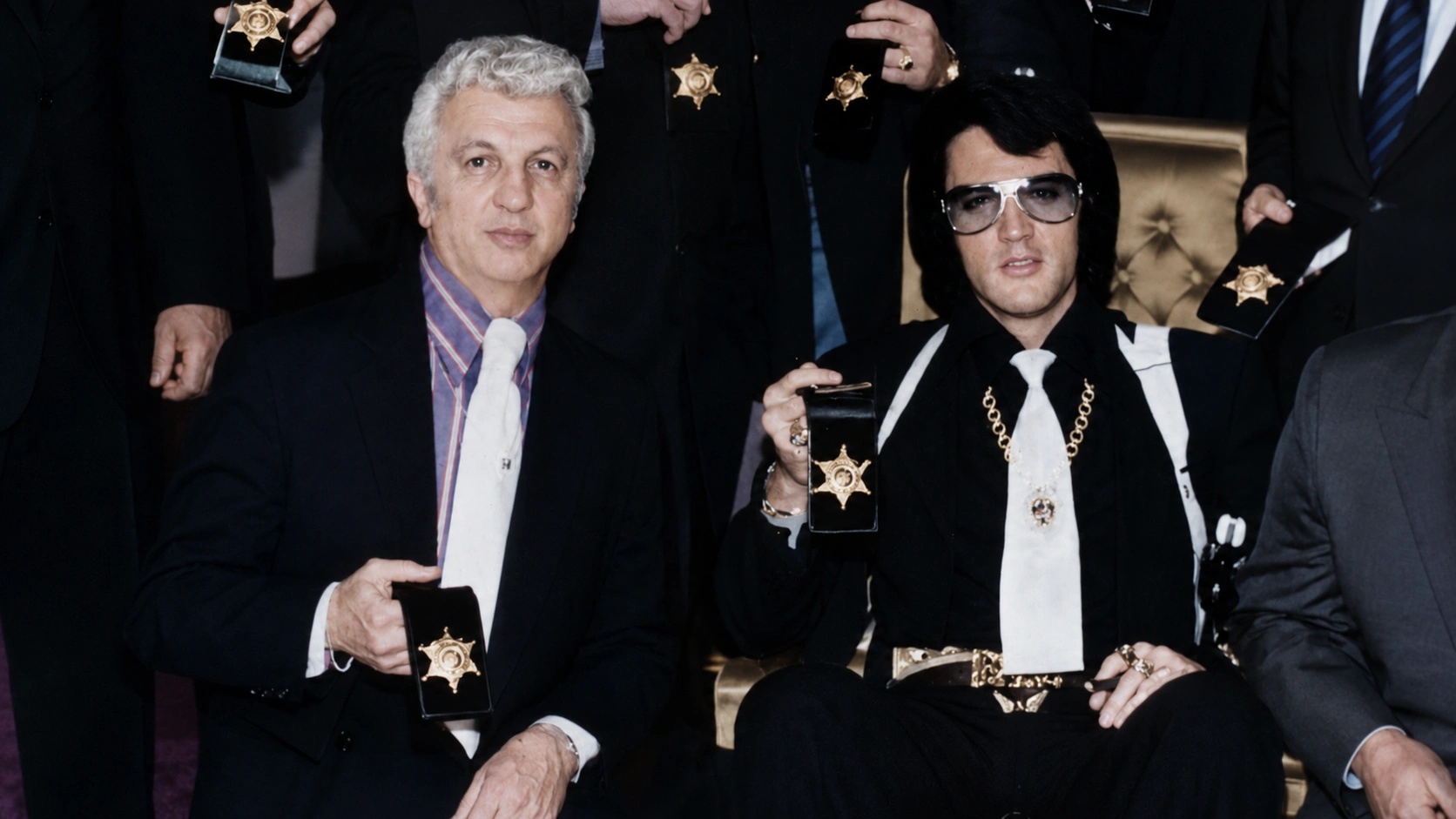
Dr. George Nichopoulos, known widely as Dr. Nick, was Elvis’s personal physician for the last decade of his life. He became one of the most discussed figures in the aftermath of Elvis’s death because of the volume of prescriptions he reportedly wrote.
Investigations following Elvis’s death found that Dr. Nick had prescribed thousands of doses of various medications over a relatively short period. His medical license was eventually suspended, and he faced legal scrutiny, though he was ultimately acquitted of criminal charges related to overprescribing.
His case raises a question that remains relevant today: when a physician serves a wealthy, famous patient in significant pain, and that patient has both the resources and the social authority to push for whatever they want, where does medical care end and enabling begin? Physician-enabled addiction is not unique to Elvis’s story.
It appears across the documented histories of public figures who had the means to access unlimited prescriptions.
The broader pattern of how celebrities with drug addictions navigated healthcare systems built around access and deference is worth understanding, and accounts of well-known figures who lived with drug dependence4 show how consistently that dynamic repeats.
Elvis’s Final Years: A Short Timeline
Elvis Presley’s final years were marked by health struggles, heavy prescription drug use, and ongoing performances. Tracking key events helps show how his declining health and medications intersected over time. The official Graceland records of things about Elvis5 provide a detailed record of his last performances and the events leading up to his death:
| Year | Key Event | Notes / Context |
| 1973 | Health concerns and prescription drug use become more visible | Family and colleagues began noticing weight gain and reliance on medications. |
| 1974–1976 | Continued touring | Despite worsening health, Elvis maintained a rigorous performance schedule. |
| April 1977 | Hospitalization in Memphis | Several tour dates were canceled due to health issues. |
| June 26, 1977 | Final concert at Market Square Arena, Indianapolis | Last live performance before his death. |
| August 16, 1977 | Found unresponsive at Graceland | Pronounced dead at Baptist Memorial Hospital; heart and prescription drugs were central factors. |
| Post-death | Toxicology findings publicized | Prescription drug use became a major focus in the media and medical discussions. |
This timeline shows how Elvis’s declining health, ongoing performances, and extensive prescription use combined to shape the last years of his life, highlighting the pressures and risks he faced.
Did Elvis Die on the Toilet?
Elvis Presley was found in the bathroom at Graceland on August 16, 1977, unresponsive on the floor. The phrase “died on the toilet” became widespread, but the location is less important than its medical context.
Straining during a bowel movement can trigger a vasovagal response, causing a sudden drop in heart rate and blood pressure. For someone with underlying heart disease and extensive prescription drug use, this physiological reaction could be dangerous.
Reports suggest that Elvis’s body was already under significant pharmaceutical strain from years of opioids, sedatives, and other medications.
While popular culture often focuses on the dramatic bathroom detail, it also highlights a medically relevant factor in understanding his death. The combination of long-term medication use, heart vulnerability, and physical strain provides a fuller picture than the phrase alone suggests.
Myths vs Facts About Elvis and Drugs
There are many misconceptions about Elvis Presley and drug use. Separating myths from facts helps clarify what really contributed to his health decline, prescription drug dependence, and eventual death:
| Myth | Fact |
| Elvis died from illegal drugs | The main drug story is prescription medication misuse, not street drugs |
| One pill killed Elvis | The concern was long-term polydrug use and the combined effect of multiple drug classes |
| Dr. Nick alone explains everything | Fame, pain, access, insomnia, and pressure all contributed alongside overprescribing |
| Elvis died only from constipation | Constipation was a symptom of opioid use, not a standalone cause of death |
| Prescription drugs are safe because a doctor prescribes them | They carry significant risk when misused, combined, or taken beyond prescribed guidelines |
Understanding these facts helps show that Elvis’s decline involved complex interactions between health issues, medications, and the pressures of fame, rather than simple cause-and-effect explanations.
What Elvis’s Story Teaches About Prescription Drug Addiction
Elvis’s story holds a specific lesson that gets lost when it is reduced to tabloid shorthand: addiction can start with legitimate pain. His use of opioids was not recreational at its origin. He had real physical complaints that real medications were prescribed to address.
The problem was the escalation, the combinations, and the absence of anyone in his life with both the authority and the willingness to say no. Legal medications can produce dependence through the same mechanisms as illegal ones.
Opioids bind to the same receptors regardless of whether they came from a pharmacy. Sedatives suppress the same brain signals whether or not a physician signed for them. Fame made Elvis’s addiction easier to hide and harder to confront.
People around him had financial incentives to keep him functioning rather than recovering. That dynamic is not unique to his case, but his case illustrates it with unusual clarity.
The lesson worth carrying forward is that empathy, not judgment, is the more useful response to someone caught in this kind of dependence. Understanding the physiology, the pressures, and the system failures that enable prescription drug addiction produces better outcomes than treating it as a personal failing.
Frequently Asked Questions
Were any of Elvis’s bandmates or staff affected by his drug use?
Several members of Elvis’s team have spoken publicly about the atmosphere of pharmaceutical access that surrounded him in his final years. Some described feeling unable to challenge the pattern given the power dynamics involved, while others reportedly shared in the drug culture that had formed around his touring life.
Could Elvis’s death have been prevented with modern addiction treatment?
Medical professionals who have reviewed the case suggest that modern addiction medicine, including medication-assisted treatment, structured intervention, and harm-reduction protocols, might have altered the outcome. Whether Elvis would have accepted that treatment is a separate and unanswerable question.
How does Elvis’s case compare to modern prescription opioid addiction?
The pattern of prescription opioid dependence that Elvis experienced, beginning with legitimate pain, escalating through tolerance, and compounded by sedative co-use, closely mirrors the clinical picture of modern opioid use disorder. His case predates the opioid epidemic by decades but reflects the same core mechanisms.
Final Verdict
The story of what drugs Elvis did shows how easily prescription medications can lead to dependence when combined with pain, stress, and insomnia.
You can see that his use of opioids, sedatives, and other medications over the years was not about a single choice but a pattern that worsened his health. His death involved heart problems, physical decline, and a system of people who didn’t intervene.
When you look at it closely, it’s clear this wasn’t just excess or recklessness. It’s a lesson in how fame, access to drugs, and gradual escalation can affect anyone.
Paying attention to those patterns helps you understand substance dependence beyond the headlines. Drop a comment below and tell me what your favorite Elvis song is. Mine is Jailhouse Rock.
Sources
- PBS NewsHour: Elvis’s Addiction Was the Perfect Prescription for an Early Death
- National Institute on Drug Abuse: Opioids: Tolerance, Dependence, and Risks
- NCBI Bookshelf: Opioid-Induced Constipation: StatPearls
- Celebrities Who Died From Drugs and Overdose: Funwithdizzies
- Celebrities with Drug Addictions: Funwithdizzies
- Graceland: Elvis Presley History 1974–1977