If you’ve spent any time in a dispensary asking about CBD-dominant flower, Cannatonic almost certainly came up. Bred by Resin Seeds out of Spain and introduced to the public in 2008, it placed third in the Sativa category at that year’s High Times Cannabis Cup, a remarkable result for a strain whose THC sits at just 7 to 8%.
That combination of competitive recognition and medicinal intent put Cannatonic on the map as a strain built for a specific purpose: maximum CBD delivery with minimum psychoactive intrusion.
What I consistently observed on the floor is that patients who struggled with anxiety around traditional cannabis came back to Cannatonic specifically because it didn’t tip them into the discomfort they’d experienced elsewhere.
That story is now decades old, and Cannatonic still earns that reputation. Here’s exactly what it does, where it comes from, and whether it fits your needs.
Quick Glance at Cannatonic
| Type | Hybrid (50% Sativa / 50% Indica) |
| THC Content | 7–8% |
| CBD Content | Up to 14% |
| Dominant Terpenes | Myrcene, Pinene, Caryophyllene |
| Primary Effects | Relaxed, Uplifted, Focused |
| Users Commonly Report Relief From | Pain, Anxiety, Muscle Spasms, Stress, Migraines |
| Flavor | Citrus, Herbal, Sour, Spicy, Woody |
| Aroma | Woody, Earthy, Sour, Spicy, Sweet Citrus |
| Flowering Time | 63–70 days (9–10 weeks) |
| Breeder | Resin Seeds (Spain, 2008) |
| Best Consumption | Smoked, Vaped, Edibles |
The Genetics: The Backbone of Cannatonic
Most seed banks describe Cannatonic as a cross of MK Ultra and G13 Haze, while Resin Seeds lists Reina Madre and NYC Diesel. Either way, roughly 75% of plants test positive for CBD. Resin Seeds estimates that 80% or more of American, Swiss, and Italian hemp varieties carry Cannatonic genetics, including ACDC, Harle-Tsu, and Cherry Wine.
MK Ultra: The Calming Parent
MK Ultra is an indica-dominant strain known for its sedative, body-focused effects. In the Cannatonic cross, it contributes the physical relaxation and muscular ease that users commonly report, without pushing the experience into full couch-lock at the low THC levels Cannatonic carries.
This grounding influence is what makes Cannatonic feel settled and manageable rather than stimulating, particularly for users who are new to CBD-dominant flower.
G13 Haze: The Uplifting Counterpart
G13 Haze brings a cerebral, sativa-leaning quality that keeps Cannatonic’s experience from tipping into pure sedation. This is the genetic component most responsible for the clear-headed focus users describe in the first phase.
The combination of both parent strains is precisely why Cannatonic delivers physical ease alongside maintained mental function. For a closer look at how similarly constructed hybrids perform, our Italian Ice strain review check another balanced hybrid that leads with a cerebral phase before settling into body relaxation.
Flavor and Aroma: A Tangy Delight
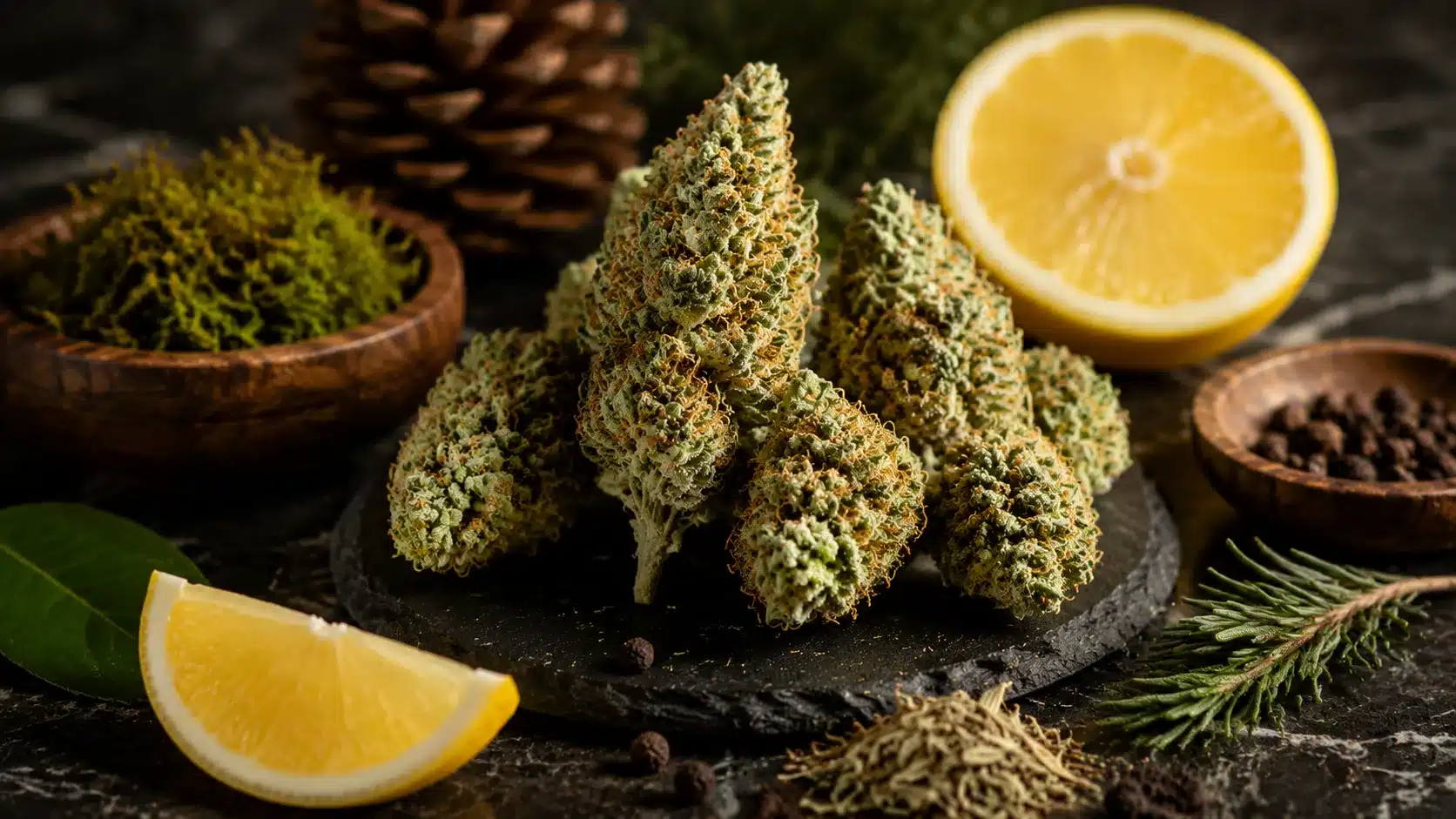
Cannatonic’s sensory profile is one of its most underrated qualities. From its citrus-forward flavor to its grounding earthy aroma and distinctive bud structure, here is exactly what to expect before your first session.
1. Cannatonic Flavor
The immediate impression on the inhale is a sharp, sour-lemony note, bright and clean, followed by spicy herbal undertones that give it an almost medicinal character without tasting clinical.
Some users report a subtle sweetness on the exhale that rounds out the experience. The Cannatonic flavor profile is inviting without demanding attention, making it easy to consume throughout the day without palate fatigue.
2. Cannatonic Aroma
The aroma carries a distinct woody and earthy quality, with piney freshness from the alpha-pinene content. Opening a jar is often described as similar to a forest after rain: grounding, natural, and not pungent enough to be disruptive.
The sour citrus brightens the earthy base rather than competing with it, making Cannatonic one of the more discreet-smelling CBD-dominant strains at standard consumption volumes.
3. Cannatonic Appearance
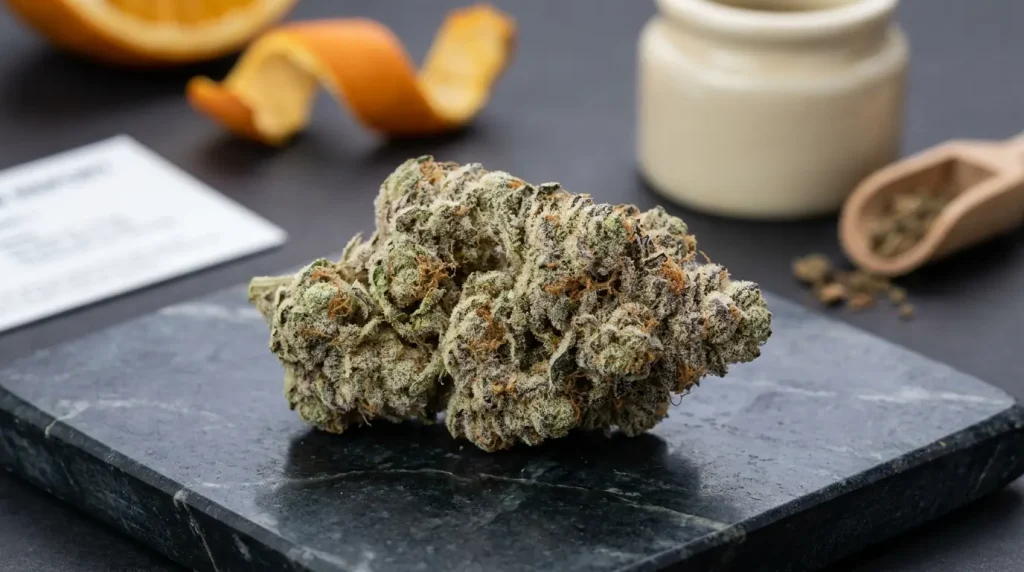
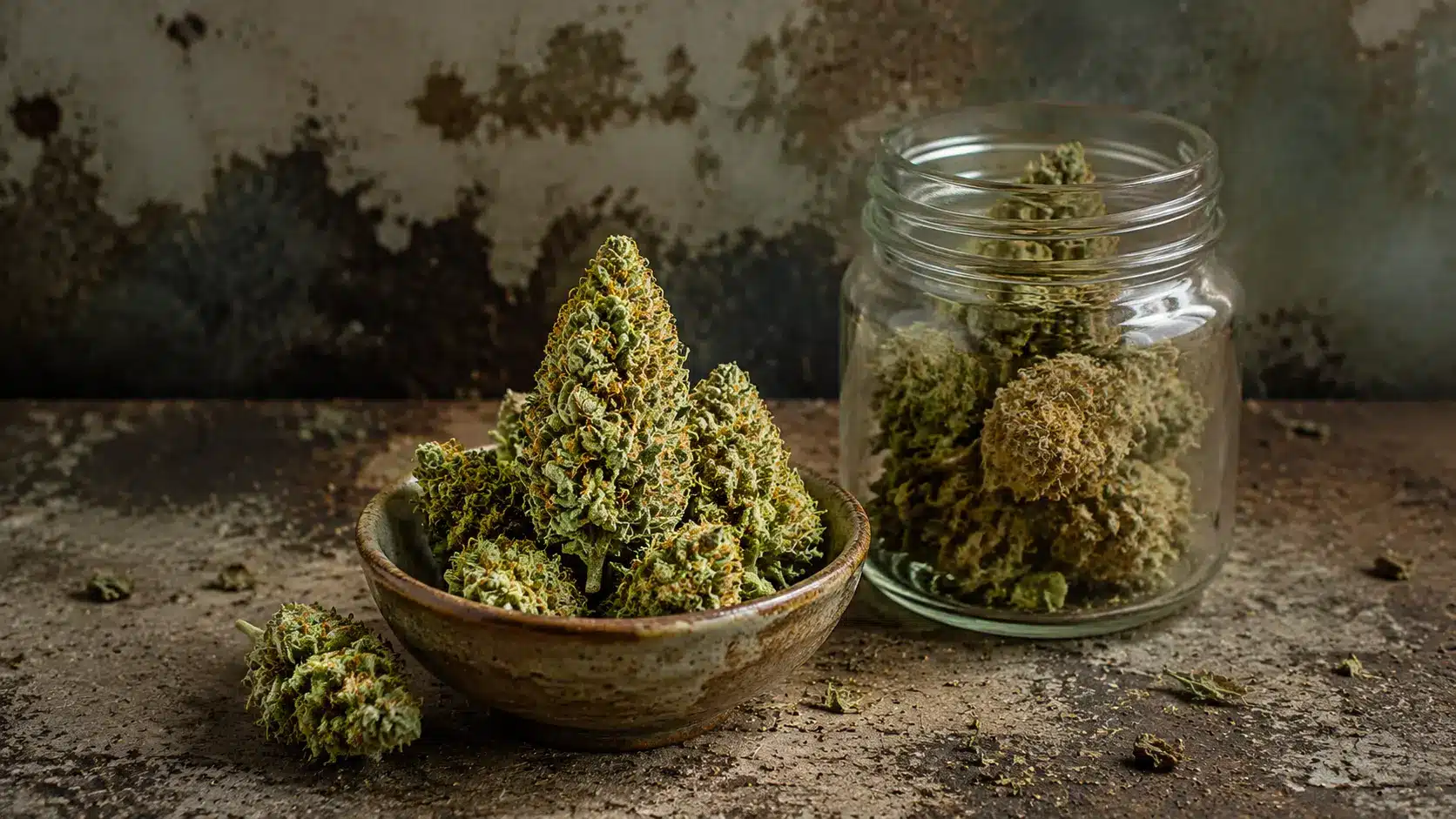
Cannatonic buds present as long, narrow, olive-green nuggets with thick yellow-orange pistils woven throughout the surface. A generous coating of frosty white trichomes gives the flower a crystalline shimmer, signaling its high resin content.
Some phenotypes develop subtle caramel and purple hues during the final weeks of flowering, adding visual depth to what is already a structurally dense and well-formed CBD-rich flower.
Terpene Profile of Cannatonic
Terpenes drive both the flavor and the functional character of a strain. Cannatonic’s terpene profile is straightforward but well-matched to its intended purpose as a calm, functional, and pleasant-tasting medicinal hybrid. The table below covers each major terpene present in Cannatonic:
| Terpene | Flavor Note | Reported Effect Contribution |
|---|---|---|
| Myrcene | Earthy, musky, herbal | Dominant terpene; associated with physical relaxation and sedative qualities at higher concentrations |
| Pinene (Alpha) | Fresh pine, slight citrus | Associated with airway support and counteracting short-term memory interference from THC; contributes to the forest-like edge to the aroma |
| Caryophyllene | Spicy, woody, peppery | Interacts with CB2 receptors; users commonly associate it with stress and physical discomfort reduction |
| Limonene | Bright lemon, sour citrus | Present in smaller quantities; associated with mood elevation and the citrusy front note on the inhale |
Resin Seeds notes that Cannatonic aromas can vary across phenotypes, ranging from strawberry and mandarin peel to haze and diesel, with myrcene consistently appearing as the dominant terpene across documented batches.
| 📝 Note: This content is for informational purposes only and is not medical advice. Consult a qualified healthcare professional before using cannabis for any health condition. |
Cannatonic Effects: What Users Consistently Report
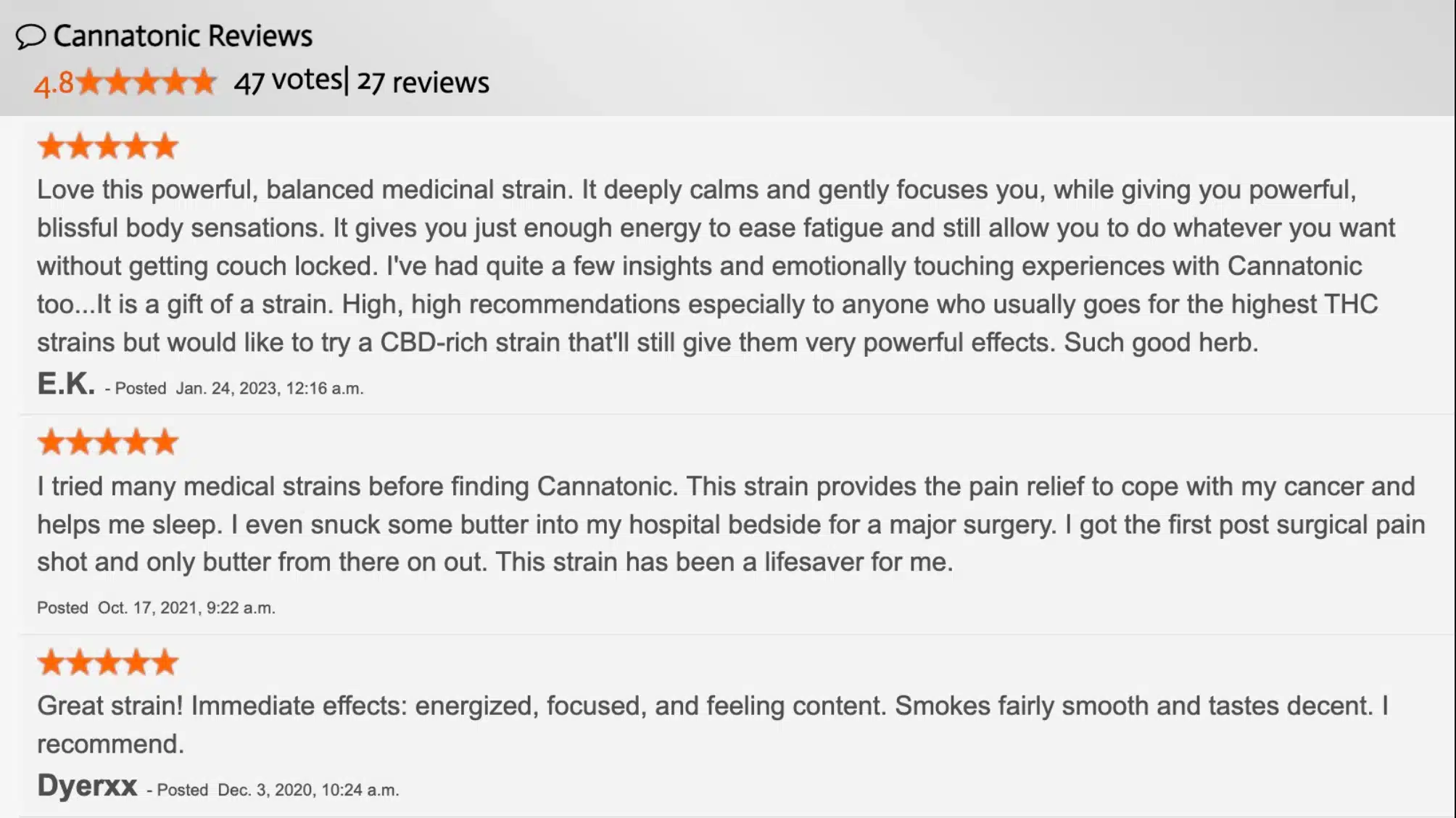
Across documented user accounts on platforms like AllBud1, the Cannatonic experience follows a consistent pattern that sets it apart from most cannabis strains.
The effect onset is gradual, typically building over 15 to 20 minutes, beginning with a light, lifted sensation that pushes out racing thoughts and replaces them with a quiet sense of warmth and calm.
Users describe this first phase as focused and clear rather than disorienting. From there, a slow wave of physical relaxation spreads through the body, easing muscular tension without tipping into sedation or sleepiness at standard doses.
The overall character is consistently described as mellow and calming, with a happy, settled quality that works well both during the day and in the evening. Side effects are generally mild, most commonly dry mouth and dry eyes, with little to no reports of paranoia even among first-time users of CBD-dominant flower.
For contrast, strains like Lemon Cherry Gelato deliver a more pronounced initial cerebral lift, which suits recreational users but can feel intense for anxiety-prone consumers.
| ⚠️ Advisory: Cannabis affects individuals differently. The experiences described here reflect user-reported accounts and are not a substitute for professional advice. Always consult a healthcare provider before using cannabis to manage any health condition. |
Potency and Tolerance Guide for Cannatonic
Cannatonic is one of the most beginner-accessible cannabis strains available, thanks to its low THC ceiling and substantial CBD content. New users should note that higher doses may cause drowsiness. The table below gives a practical starting framework based on experience level:
| Experience Level | Suggested Approach | What to Expect |
|---|---|---|
| Beginner | 1–2 small puffs; wait 15–20 minutes before redosing | Mild body ease, light mental calm, no significant psychoactive effect |
| Intermediate | Standard session; daytime or evening use | Noticeable physical relaxation with maintained focus |
| Experienced | Normal consumption; pair with edibles for extended effect | Full body relaxation; some sedation possible at high volumes |
Regardless of experience level, the same rule applies: start low, increase gradually, and allow adequate time between sessions to gauge your individual response to Cannatonic’s CBD-forward profile.
Growing Cannatonic: What You Need to Know

Cannatonic is considered a moderately accessible strain to grow, with indica-like growth patterns and a defined, manageable flowering window. It is susceptible to mold and mildew in humid environments, which is the primary challenge growers need to plan for.
Indoor vs Outdoor Growth
Cannatonic performs well both indoors and outdoors. Indoor cultivation is generally preferred because it allows direct control over humidity, which matters for a strain prone to mold in wet conditions. For outdoor growing, stable, warm, and dry climates produce the best results, with harvest typically falling in late September to early October in the Northern Hemisphere.
Aim for indoor temperatures between 65°F and 75°F (18°C to 24°C) during flowering, with humidity kept below 50% as buds develop. GrowDiaries’ Cannatonic grow logs document real-world cultivation results across climate conditions and are worth reviewing before starting a grow.
Flowering Time and Yield
Resin Seeds reports a 63-70-day flowering period for Cannatonic, consistent with what most growers report. This is a relatively standard timeline for a medicinal hybrid. Yields are moderate rather than heavy: Cannatonic plants are not particularly tall, but they spread widely, so spacing and airflow need attention in tight indoor setups.
Dense, resinous flowers are the norm when the environment is well-managed. Pest and disease resistance is generally good, though the mold susceptibility noted above means that humidity control is non-negotiable in the final weeks of flower.
How It Compares: Cannatonic vs Similar Strains
Cannatonic occupies a distinct position in the high-CBD strain category. The comparison table below places it alongside strains users commonly consider when exploring CBD-rich cannabis options, covering key differences in potency, effects, and best use cases:
| Strain | Type | THC / CBD | Effects | Best For |
|---|---|---|---|---|
| Cannatonic | Balanced Hybrid | 7–8% THC / ~14% CBD | Mellow, clear-headed, functional | Daytime use, anxiety, pain |
| ACDC | Sativa-dominant | ~1% THC / 15–20% CBD | Near-zero psychoactivity, very calm | THC-sensitive users, seizure management |
| Harlequin | Sativa-dominant | 5–10% THC / 8–15% CBD | Alert, focused, mild body ease | Daytime pain, active use |
| Charlotte’s Web | Hemp-derived CBD | <0.3% THC / ~17% CBD | Non-psychoactive, calm | Non-cannabis users, pediatric cases |
| Ringo’s Gift | Balanced Hybrid | ~1% THC / 13–20% CBD | Very mild effect, deeply calming | Inflammation, stress, PTSD |
| Remedy | Indica-dominant | <1% THC / ~14% CBD | Non-intoxicating, body-focused | Evening use, muscle tension |
Of the strains listed, Cannatonic is the most balanced entry point for users who want CBD-forward effects with a small but noticeable cannabis character. ACDC and Remedy suit users who prefer zero psychoactivity entirely.
Tips for Using Cannatonic
Getting the most from Cannatonic comes down to a few practical choices around consumption method, dose, and timing. The points below reflect what experienced users and cultivators consistently recommend:
- Start Slow: CBD at this concentration can cause unexpected drowsiness. One or two puffs with a 20-minute wait before redosing is the sensible starting point for new users.
- Vape for Flavor Preservation: Vaping at 170–185°C preserves the terpene profile, delivering a cleaner citrus and herbal flavor than combustion, and is smoother on the throat.
- Try Edibles for Extended Effect: Edibles deliver a longer-lasting effect than inhalation. Onset runs 45 to 90 minutes, so patience with dosing is essential, especially with CBD edibles.
- Time It for Daytime: At typical doses, Cannatonic doesn’t impair function. Morning or early-afternoon use is consistent with what most regular users report. Save higher doses for the evening.
These tips apply across all consumption formats. The common thread is patience with onset and conservatism with dose, especially for first-time users of high-CBD strains.
Should You Add Cannatonic to Your Rotation?
Cannatonic earns its reputation because it solves a specific problem: delivering meaningful CBD content in flower form without the psychoactive overhead that makes many cannabis users reluctant to consume during the day.
It’s not the most exciting strain for users looking for a pronounced effect, and its duration is shorter than some expect. But for someone managing anxiety, chronic pain, muscle tension, or migraines who wants to stay functional, it remains one of the most dependable options in the high-CBD category.
Its genetic lineage is well-documented, its breeder is credible and award-winning, and its terpene profile is straightforward enough to predict how it will behave across phenotypes.
If you’re new to CBD-dominant strains, Cannatonic is a logical first choice before moving into higher-CBD and near-zero-THC options like ACDC or Remedy.
Frequently Asked Questions
Does Cannatonic work well for pets?
Cannatonic is formulated for human use only. Consult a licensed veterinarian before giving any cannabis product to pets. THC, even at low levels, can be harmful to animals.
Can Cannatonic be used to make cannabis oil at home?
Yes, Cannatonic’s high CBD content makes it a popular choice for home oil extraction. Coconut oil and butter are common carriers. Always follow safe extraction practices and local regulations.
Does Cannatonic interact with prescription medications?
CBD can interact with certain medications, including blood thinners and antiepileptics. Always consult your prescribing doctor before combining Cannatonic with any ongoing prescription to avoid unintended interactions.
Is Cannatonic suitable for use during pregnancy?
No. Cannabis use during pregnancy is not considered safe regardless of THC level. Consult a qualified healthcare provider for guidance on any supplement use during pregnancy or breastfeeding.
How long do Cannatonic seeds stay viable in storage?
Properly stored Cannatonic seeds remain viable for two to five years. Keep them in a cool, dark, airtight container with stable humidity to preserve germination rates over time.
Final Thoughts
Cannatonic remains one of the most dependable high-CBD strains on the market for good reason. Bred by Resin Seeds from a MK Ultra x G13 Haze cross, this balanced hybrid delivers a CBD-to-THC ratio that keeps the experience grounded, functional, and approachable.
Its myrcene-forward terpene profile adds earthy depth to the signature citrus flavor, while the low THC ceiling makes it a natural fit for daytime use.
If you’re exploring CBD flower for the first time or returning to a trusted option for anxiety, muscle spasms, or general stress, the Cannatonic strain consistently delivers. Start low, stay consistent, and let the 50/50 hybrid balance do the work. Drop a comment below and share your opinions on this strain.
Sources
- Resin Seeds. “Cannatonic Strain Seeds.” resinseeds.net. Official breeder documentation on Cannatonic lineage, phenotype ratios, and growing parameters.
- GrowDiaries. “Cannatonic Strain Reviews and Grow Logs.” growdiaries.com. Real-world cultivation data across indoor and outdoor environments.
- FunWithDizzies. “Italian Ice Strain Review: Effects, Potency, and Benefits.” funwithdizzies.com. In-depth review of a similarly structured balanced hybrid with a two-phase effect arc.
- FunWithDizzies. “Lemon Cherry Gelato Strain: Effects and Flavor Guide.” funwithdizzies.com. Strain guide covering a higher-THC hybrid for contrast with Cannatonic’s CBD-forward profile.