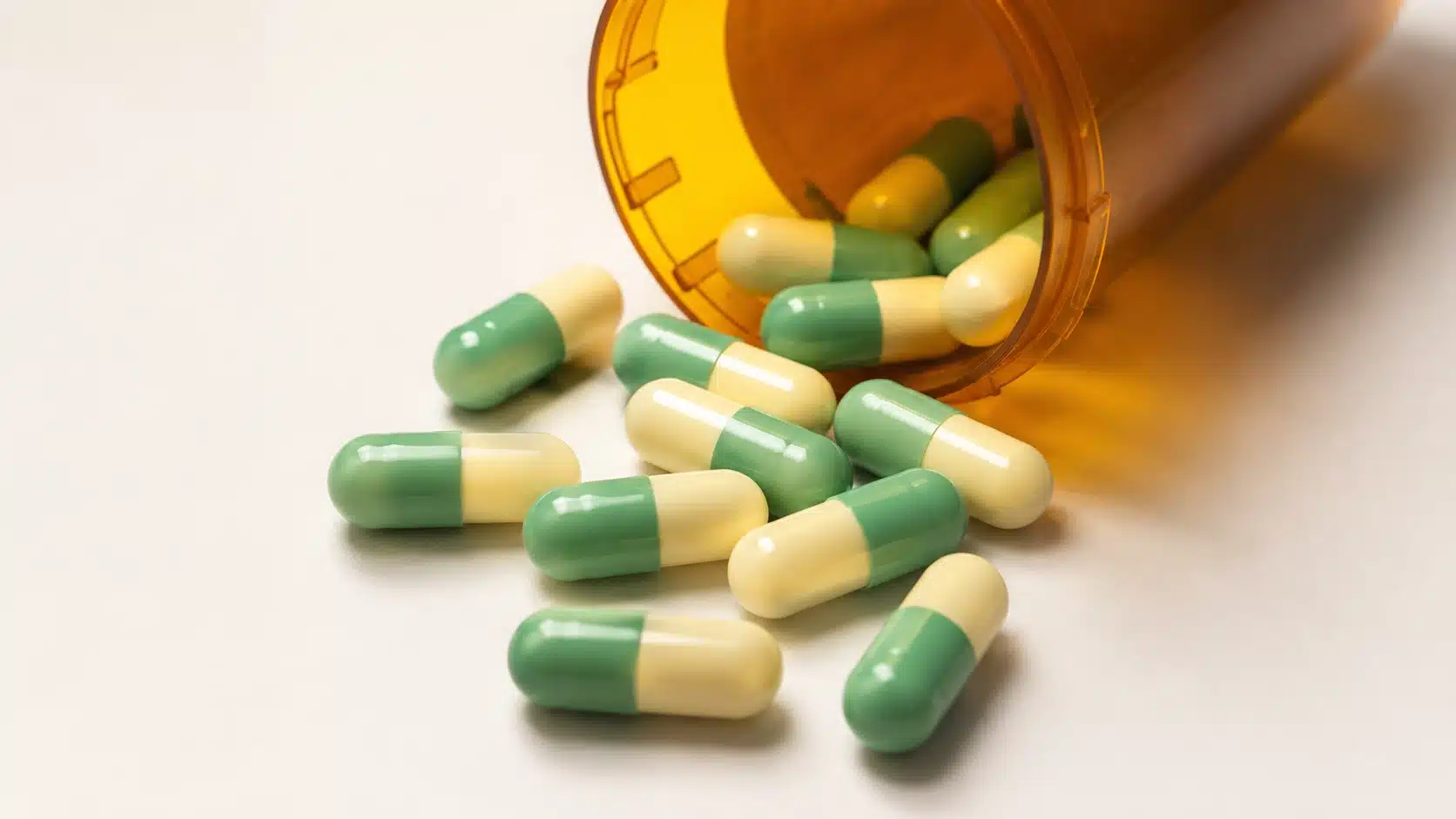
Prozac (Fluoxetine) at a Glance
| Generic name | Fluoxetine |
| Brand name | Prozac |
| Drug class | Selective serotonin reuptake inhibitor (SSRI); not a controlled substance |
| Half-life | 1 to 3 days after a single dose; 4 to 6 days with regular use |
| Active metabolite | Norfluoxetine, half-life approximately 4 to 16 days |
| Full clearance | Approximately 4 to 5 weeks for both compounds to leave the body |
| Onset of clinical effect | 2 weeks for early improvement; 4 to 8 weeks for full effect |
| Primary metabolism | Liver, via the CYP2D6 enzyme |
| Excretion | Primarily urine |
| ⚠️ Advisory: Prozac is not a controlled substance and carries a lower dependence risk than benzodiazepines, but stopping it too quickly can still cause discontinuation symptoms. Do not change your dose or stop taking it without talking to the prescriber who put you on it. |
How Long does Prozac Last? The Direct Answer
Prozac’s antidepressant effect builds gradually and stays fairly steady day to day once you reach a steady state, but the drug itself remains pharmacologically active in your bloodstream for weeks after your last dose.
The fluoxetine half-life of 4 to 6 days, combined with its active metabolite norfluoxetine’s half-life of 4 to 16 days, means full clearance can take roughly 4 to 5 weeks, which is also part of why prozac side effects sometimes show up or fade on a delay rather than all at once.
How long Prozac stays in your system depends on how long you’ve been taking it, your liver function, your genetics, and whether you’re on other medications. Those specifics are covered in full below.
What is Prozac and What is it Used For?

Prozac, the brand name for fluoxetine, is an SSRI that increases available serotonin in the brain by blocking its reabsorption at the synapse.
Serotonin plays a central role in mood, sleep, and appetite regulation, which is why fluoxetine is prescribed across a range of mood and anxiety-related conditions.
One of fluoxetine’s defining features is its metabolism. The liver’s CYP2D6 enzyme converts a portion of fluoxetine into norfluoxetine, a compound that is still active at the same serotonin transporter.
That conversion is central to almost everything covered later in this article, from detection windows to how gradually the medication leaves your system.
| 📝 Note: Prozac carries an FDA boxed warning regarding increased risk of suicidal thinking and behavior in children, adolescents, and young adults, particularly when starting treatment or adjusting the dose. Close monitoring during these periods is part of standard care. |
Prozac Uses: FDA-Approved and Off-Label
| Use | Context | Notes |
| Major depressive disorder | FDA-approved | Most common indication; adults and pediatric patients 8 and older |
| Obsessive-compulsive disorder | FDA-approved | Approved for adults and pediatric patients 7 and older |
| Panic disorder | FDA-approved | Typically started at a low dose to avoid early jitteriness |
| Bulimia nervosa | FDA-approved | Only SSRI specifically approved for this condition |
| Premenstrual dysphoric disorder | FDA-approved | Marketed under the brand Sarafem for this indication |
| Bipolar depression | FDA-approved in combination | Used with olanzapine, never as a standalone treatment for bipolar disorder |
| Generalized anxiety | Off-label | Commonly prescribed despite lacking a specific FDA indication |
| Autism-related repetitive behaviors | Off-label | Used situationally; evidence is mixed |
For anyone weighing whether an SSRI is the right long-term fit versus faster-acting options, it helps to understand how Prozac’s half-life stacks up against other antidepressants, which the next section covers directly.
The Prozac Half-Life: What it Actually Means

The Prozac half-life is the single most useful number for understanding dosing, side effects, and what happens when treatment ends.
An early 1994 pharmacokinetic review of fluoxetine, available through PubMed’s clinical research on fluoxetine, estimated a 1 to 4 day half-life with norfluoxetine at 7 to 15 days, figures that later prescribing data refined into the ranges used today.
1. Understanding the Half-Life Calculation
Half-life is the time it takes for a drug’s concentration in the blood to drop by exactly half. For fluoxetine, that’s 1 to 3 days after a single dose and 4 to 6 days once you’ve been taking it regularly, since ongoing dosing changes how the liver processes the drug. Norfluoxetine, the active metabolite, runs 4 to 16 days on its own.
| 📝 Note: Half-life and clinical effect are different measurements. Prozac’s mood-related benefits build over weeks, while its half-life describes how quickly the blood concentration itself declines. The two timelines don’t move at the same pace. |
2. Half-Life vs Onset and Duration of Effect
The gap between how Prozac feels and how long it’s actually present is where most confusion about dosing and discontinuation comes from. Early improvement in mood or anxiety can appear within 2 weeks, but full clinical benefit typically takes 4 to 8 weeks to show up, since blood levels need that long to reach a steady state.
Once you stop, the reverse happens gradually. Fluoxetine and norfluoxetine decline slowly rather than dropping off sharply, which is why side effects and, less commonly, withdrawal symptoms tend to fade over weeks instead of days.
3. Prozac Half-Life vs Other Antidepressants
Placed next to other common antidepressants, fluoxetine’s half-life stands out as unusually long. Sertraline lasts about 26 hours, paroxetine about 21 hours, and escitalopram about 27 to 32 hours, all firmly in the one- to two-day range.
Venlafaxine sits at the opposite end entirely, and the timeline for Effexor withdrawal symptoms shows how quickly a short half-life antidepressant can trigger discontinuation effects, sometimes within a day of a missed dose.
Because norfluoxetine acts like a built-in taper, fluoxetine carries a comparatively low risk of the abrupt discontinuation symptoms seen with faster-clearing SSRIs, which is also why it’s occasionally used as a bridge medication when someone is transitioning off a shorter half-life option.
How Long does Prozac Stay in Your System?
| ⚠️ Advisory: Combining fluoxetine with other serotonergic drugs, including certain migraine medications, tramadol, or St. John’s Wort, raises the risk of serotonin syndrome. This risk persists for weeks after stopping fluoxetine because norfluoxetine has a long half-life. |
Detection windows vary by test type, dosing history, and individual metabolism. Standard drug test panels don’t screen for antidepressants, so fluoxetine only shows up on tests specifically designed to detect it.
| Test Type | Detection Window | Notes |
| Urine | Several weeks, up to 90 days, reported in chronic users | Norfluoxetine extends the window well beyond fluoxetine’s own half-life |
| Blood | Several weeks after the last dose | Rarely used outside clinical or forensic settings |
| Hair | Up to 90 days | Least common testing method for antidepressants |
| Saliva | Not well established | Not a standard method for detecting fluoxetine |
According to GoodRx’s clinical overview of fluoxetine clearance, most people fully eliminate fluoxetine within about a month of the last dose, with norfluoxetine sometimes trailing a little longer depending on how long treatment lasted.
| 📝 Note: If you’re prescribed Prozac and facing a drug screening, disclose your prescription beforehand. Fluoxetine has occasionally produced false positives for other substances on standard panels, and a confirmatory test can clear that up quickly. |
How Long does Prozac Last by Dose?
The table below shows how Prozac dose may affect steady-state timing and practical clearance after the final dose, though individual results can vary.
| Dose | Time to Steady State | Approximate Full Clearance |
| 10 to 20 mg/day | 4 to 5 weeks | Approximately 4 to 5 weeks after the last dose |
| 40 mg/day | 4 to 5 weeks | Similar timeline, with a larger total drug load to clear |
| 60 to 80 mg/day | 4 to 5 weeks, sometimes longer | Higher total exposure can modestly extend the practical clearance window |
| 📝 Note: The half-life itself stays the same across every dose listed above. What changes is the total amount of drug your body has to process, which is why higher, longer-running doses sometimes take a little longer to fully clear in practice. |
Does Cannabis Change How Prozac Works?
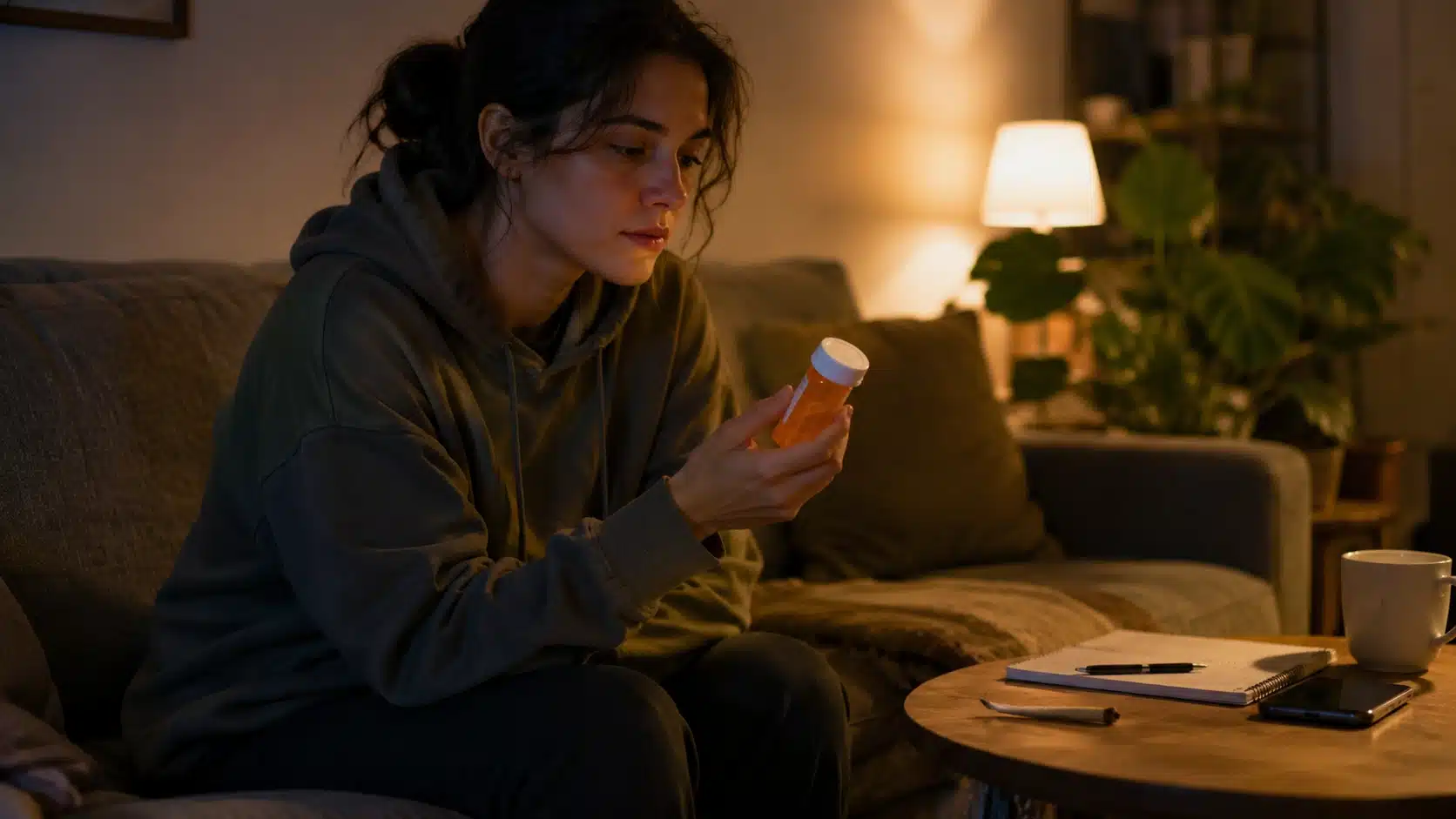
If you’re managing anxiety or mood symptoms with both a prescription and cannabis, it’s worth knowing that cannabinoids can slow how certain liver enzymes process antidepressants, which may raise blood levels of the medication rather than lower them.
I noticed a similar interaction in detail when I looked at how cannabis interacts with Wellbutrin, and the same caution applies here: this isn’t a reason to panic, but it is a reason to mention your cannabis use to whoever prescribes your antidepressant, since the two substances share overlapping metabolic pathways.
Dependence, Withdrawal, and Stopping Safely
Stopping Prozac isn’t something to schedule around a calendar guess; it’s a decision your prescriber needs to be part of. MedlinePlus’s guidance on stopping antidepressants safely lays out the groundwork below.
- Talk before stopping: Tell your prescriber exactly why you want to stop, whether it’s side effects, cost, pregnancy, or feeling like treatment has run its course.
- Ask about timing: Prozac’s slow clearance means dose changes take weeks to fully register, so your provider needs that window before judging results.
- Track your symptoms: Write down mood, sleep, dizziness, headaches, and nausea daily during any change, since patterns show up faster on paper than from memory.
- Separate withdrawal from relapse: Ask how to tell new physical symptoms apart from your original depression, anxiety, OCD, panic, or eating disorder symptoms returning.
- List every substance you use: Include prescriptions, over-the-counter medicines, supplements, alcohol, and cannabis, since several compete for the same liver enzyme as fluoxetine.
- Know when to get help fast: Seek urgent care for thoughts of self-harm, severe agitation, confusion, fainting, seizure, or any behavior that feels unsafe.
There’s no single timeline that fits everyone stopping Prozac. A long half-life can make the process gentler for some people, but dose history, liver function, and mental health background still shape what’s actually safe for you.
Missed Dose: What Should You Do?
Missing a single dose of Prozac usually isn’t an emergency. Because fluoxetine clears so slowly, one missed day rarely causes a noticeable drop in blood levels the way it would with a short half-life antidepressant.
Take the missed dose as soon as you remember unless it’s close to your next scheduled dose, in which case skip it rather than doubling up.
If you find yourself missing doses regularly, or if prozac side effects intensify after a missed dose, that’s worth mentioning to your prescriber rather than managing on your own.
A pattern of missed doses can also make it harder to judge whether your current dose is actually working.
Common Side Effects and Drug Interactions
Prozac side effects cluster into a few predictable categories, and because of the long half-life, some appear or linger on a delayed timeline compared to faster-clearing medications.
| Category | Examples |
| Digestive | Nausea, diarrhea, dry mouth, appetite changes |
| Sleep and energy | Insomnia, drowsiness, unusual or vivid dreams |
| Nervous system | Anxiety, tremor, restlessness, headache |
| Sexual | Reduced libido, delayed orgasm, erectile difficulty |
The FDA’s official prescribing information for Prozac’s full safety profile documents these reactions in detail, along with the boxed warning on suicidal thinking in younger patients and cautions around QT prolongation in those with cardiac risk factors.
| ⚠️ Advisory: New or severe mood changes, fainting, rash, agitation that feels out of character, or symptoms suggesting serotonin syndrome, including high fever, muscle rigidity, or rapid heartbeat, need prompt medical attention rather than a wait-and-see approach. |
When Should You Call a Doctor?

Beyond the physical warning signs already covered, pay close attention to your mental state during any dose change.
The National Institute of Mental Health lists warning signs including talking about wanting to die, feeling trapped or hopeless, withdrawing from others, extreme mood swings, and giving away belongings.
If you or someone you know shows these signs, the 988 Suicide and Crisis Lifeline is available by call or text at any hour.
Waiting because a symptom feels embarrassing, or hoping it passes on its own, is understandable, but it’s also the moment reaching out matters most.
Prozac Half-Life: The Bottom Line
Fluoxetine isn’t a medication that leaves the body overnight, and once you understand why, most of the confusion around missed doses, prozac side effects, and switching treatments starts to make sense.
The prozac half life of 4 to 6 days, paired with norfluoxetine’s much longer tail, is the reason a missed dose rarely causes a crisis and a dose change takes weeks to fully judge.
Keep notes, watch for how you feel over time, and loop in your prescriber before changing anything about your dose or timing.
Still curious about a specific piece of this, like withdrawal timing, drug interactions, or how your particular dose fits into these numbers? Drop your question in the comments, and I’ll help you think it through.
Frequently Asked Questions
Does Prozac Show up on a Standard Drug Test?
No. Standard workplace or legal panels don’t screen for antidepressants, including fluoxetine. Specific prescription drug tests can detect it, and fluoxetine has occasionally caused false positives for other substances, so mentioning your prescription before testing is always worthwhile.
How long after stopping Prozac can you start a new antidepressant?
It depends on the medication. Switching to another SSRI often needs only a short gap, but starting an MAOI requires waiting roughly 5 weeks because of norfluoxetine’s extended half-life. Your prescriber decides the exact window based on which drug comes next.
Is it Safe to Drink Alcohol While Prozac is Still in Your System?
Alcohol can intensify Prozac’s side effects, including drowsiness and impaired coordination, and that risk doesn’t end the moment you stop taking it.
Does Prozac Stay in Breast Milk After You Stop Taking It?
Fluoxetine and norfluoxetine both pass into breast milk and can remain detectable for a period tracking closely with the drug’s own elimination timeline.
Does a Higher Prozac Dose Mean a Longer Half-Life?
No. A 40 mg dose doesn’t clear any slower than a 10 mg dose in terms of half-life itself. What changes is the total amount of drug your body has to eliminate, which can modestly extend the practical clearance timeline without altering the underlying half-life.
Sources
- U.S. Food and Drug Administration, “Prozac (fluoxetine) Prescribing Information”. Official label covering half-life, dosing, MAOI washout, and boxed warning data.
- GoodRx, “How Long Does Prozac Stay In Your System on Average?”. Clinical overview of fluoxetine and norfluoxetine clearance timelines.
- Altamura AC, Moro AR, Percudani M, “Clinical Pharmacokinetics of Fluoxetine,” Clinical Pharmacokinetics, 1994. Early pharmacokinetic review of fluoxetine’s absorption, metabolism, and elimination.
- MedlinePlus, “Depression: Stopping Your Medicines”. Patient guidance on safely tapering antidepressants under medical supervision.
- FunWithDizzies, “Effexor Withdrawal: Symptoms, Timeline, and What to Expect”. Comparison point for short half-life antidepressant discontinuation.
- FunWithDizzies, “Wellbutrin and Weed: Risks, Interactions, and Guidance”. Context on cannabis interactions with antidepressant metabolism.