| ⚠️ Safety Alert: Avoid combining Mucinex and alcohol unless you have confirmed the active ingredients in your specific product. Some formulas may increase drowsiness, dizziness, or other risks when mixed with alcohol. |
The safest choice is to avoid mixing Mucinex and alcohol, especially until you know which active ingredients your product contains.
When I checked the current labels, one point stood out: Mucinex is a brand covering several medicines, not one single formula.
Plain Mucinex contains guaifenesin, while Mucinex DM adds dextromethorphan and Mucinex D adds pseudoephedrine.
Mucinex Nightshift Cold & Flu currently contains acetaminophen, dextromethorphan, and triprolidine, an antihistamine that can cause marked drowsiness.
These differences matter because alcohol may worsen dizziness, sleepiness, and poor coordination.
The Nightshift label specifically advises users to avoid alcoholic drinks. I would always check the “Active ingredients” panel on the exact package rather than relying on the Mucinex name alone.
Can You Mix Mucinex and Alcohol?
It is best not to drink while taking Mucinex.
The level of concern depends on the exact formula and its active ingredients, but I would not assume plain Mucinex and alcohol are automatically safe together.
Check the package for terms such as DM, D, Nightshift, Severe, or Multi-Symptom, then read the “Active ingredients” panel.
Nighttime and multi-symptom formulas usually require the most caution because they may combine dextromethorphan, acetaminophen, antihistamines, or decongestants.
The product name alone is not enough, so compare the active ingredients before deciding what to do.
Why does the Type of Mucinex Matter?
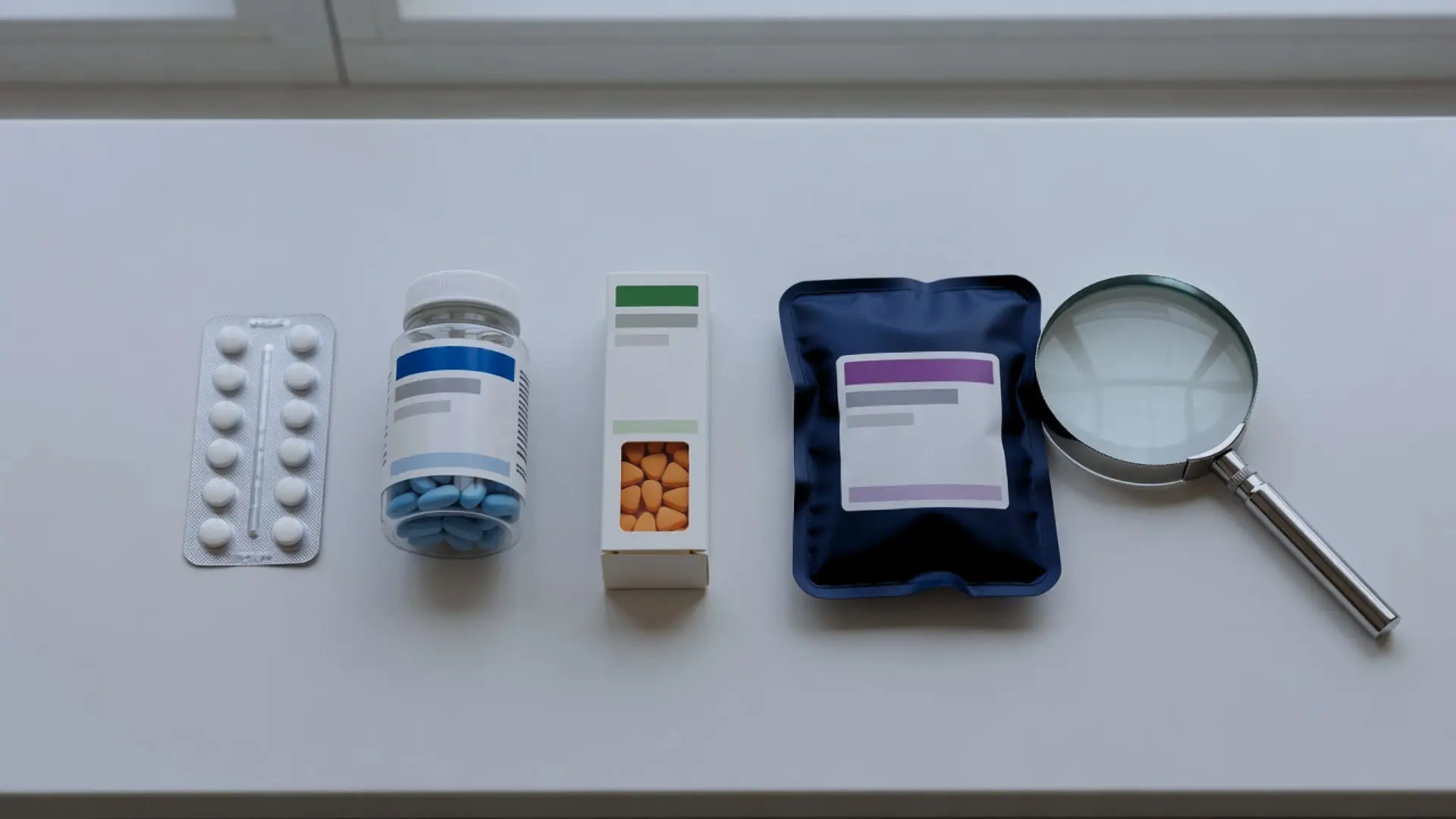
Readers often use “Mucinex” as a general name for products that work in very different ways. When I check a package, I focus on the active ingredients because they control the benefits, side effects, and alcohol-related concerns.
Guaifenesin is an expectorant that thins and loosens mucus, and some cold and flu products contain acetaminophen for pain and fever. Each added medicine changes the risk.
A simple expectorant does not carry the same concerns as a formula combining a cough suppressant, antihistamine, and pain reliever.
That is why the ingredient list, not the brand name alone, determines the safest answer.
| Mucinex Product | Common Active Ingredients | Main Alcohol Concern | Safest Guidance |
|---|---|---|---|
| Plain Mucinex | Guaifenesin | Possible added nausea or dizziness | Avoid alcohol while sick or experiencing side effects |
| Mucinex DM | Guaifenesin and dextromethorphan | Drowsiness, dizziness, and reduced coordination | Do not mix |
| Mucinex D | Guaifenesin and pseudoephedrine | Dizziness, restlessness, or heart-related symptoms | Avoid alcohol and ask a pharmacist if unsure |
| Mucinex Nightshift | Acetaminophen, dextromethorphan, and triprolidine antihistamine | Sedation and possible liver harm | Do not mix |
| Multi-Symptom Products | Several medicines that vary by product | Risks depend on the ingredients | Read the complete Drug Facts label |
1. Plain Mucinex With Guaifenesin
Plain Mucinex generally contains guaifenesin as its only active ingredient.
Its current label does not include the specific alcohol warning found on Mucinex Nightshift products. However, guaifenesin can cause headache, nausea, or vomiting.
I would wait until the medicine is no longer needed before drinking.
Drinking while sick may also make it difficult to tell whether alcohol, the medicine, or the illness caused a symptom.
2. Mucinex DM With Dextromethorphan
Mucinex DM combines guaifenesin with dextromethorphan, a cough suppressant. That may cause dizziness, lightheadedness, drowsiness, nausea, or vomiting.
I would not drive, operate machinery, or take sleep aids, sedating antihistamines, or other medicines that cause drowsiness after combining them.
Alcohol can also reduce alertness and coordination, so using both may increase impairment.
3. Mucinex D With Pseudoephedrine
Mucinex D contains guaifenesin and pseudoephedrine. Pseudoephedrine may cause restlessness, dizziness, difficulty sleeping, or a fast, pounding, or irregular heartbeat.
I would be especially cautious with high blood pressure, a heart condition, or sensitivity to stimulants, and ask a pharmacist before drinking.
Alcohol does not always cause a severe interaction with pseudoephedrine, but combining them can make side effects less predictable.
4. Nightshift and Multi-Symptom Products
Nightshift and multi-symptom products need the most caution because they may combine several medicines. Current Mucinex Nightshift Cold and Flu contains acetaminophen, dextromethorphan, and triprolidine.
Its label warns that marked drowsiness may occur and that alcohol can increase it. Acetaminophen also carries a liver warning.
Check other cold, pain, and sleep medicines carefully to avoid taking the same active ingredient twice, and do not combine Nightshift with alcohol.
What Happens When You Mix Mucinex and Alcohol?
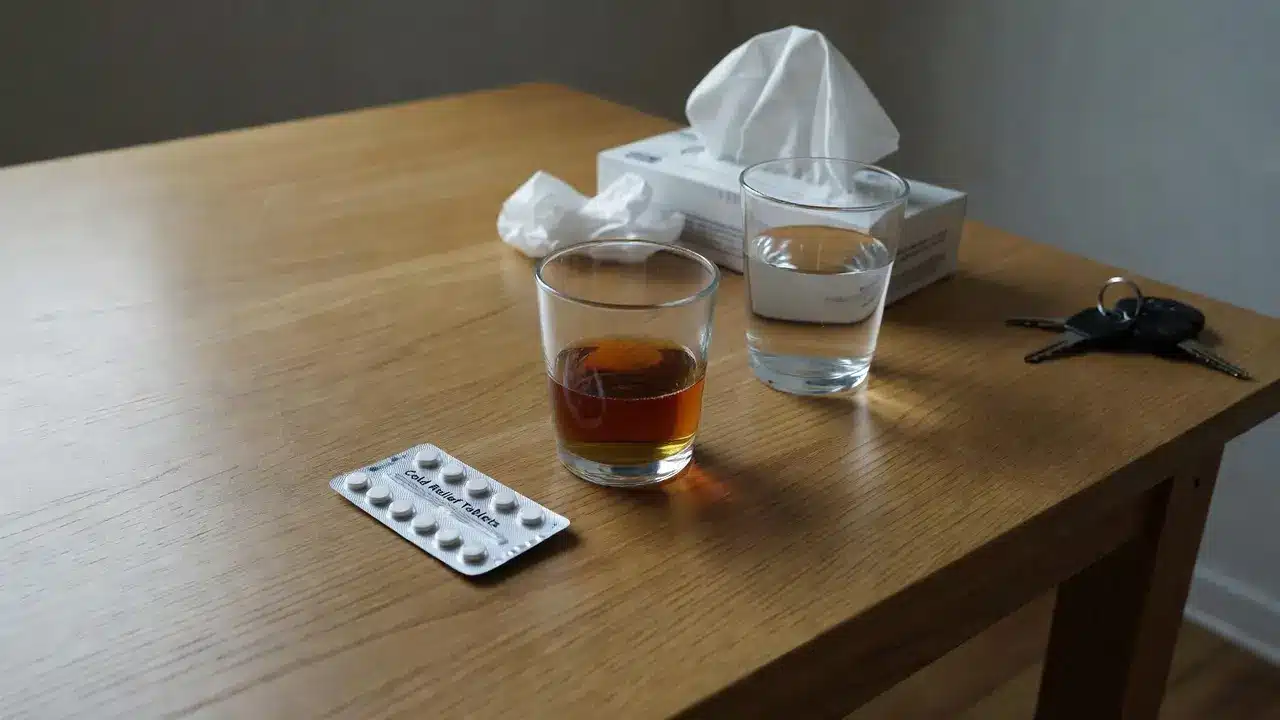
The effects of mixing Mucinex and alcohol depend on the formula, dose, amount of alcohol, other medicines, health conditions, and individual response.
The risk is greater with formulas containing dextromethorphan, sedating antihistamines, or acetaminophen.
NIAAA notes that alcohol and medicine interactions may cause drowsiness, fainting, poor coordination, breathing problems, and other serious effects.
Drowsiness, Dizziness, and Poor Coordination
Dextromethorphan, sedating antihistamines, and alcohol can all reduce alertness. Combining them may worsen dizziness, sleepiness, balance, and reaction time.
The risk is greater with Nightshift because its label warns that alcohol can increase marked drowsiness.
Safety steps:
- Do not drive.
- Do not operate machinery.
- Avoid sleep aids and other sedating medicines.
- Stay with a responsible person if symptoms become stronger.
Nausea, Vomiting, and Stomach Discomfort
Guaifenesin and dextromethorphan may already cause nausea or vomiting. Alcohol can worsen these effects and make it difficult to keep fluids or medicine down.
Repeated vomiting should prompt a call to a pharmacist or Poison Control.
Important: Do not repeat a dose simply because you vomited. Ask a pharmacist or medical professional before taking more medicine because some of the original dose may already have been absorbed.
Liver Risk With Acetaminophen Products
This warning applies only to Mucinex formulas containing acetaminophen.
Check the labels of:
- Cold and flu medicines
- Pain relievers
- Fever reducers
- Nighttime medicines
Taking more than one acetaminophen product can cause an accidental overdose.
The FDA warns that severe liver damage may occur in people who consume three or more alcoholic drinks daily while using acetaminophen.
People with liver disease should seek professional advice.
How Long After Mucinex Can You Drink Alcohol?
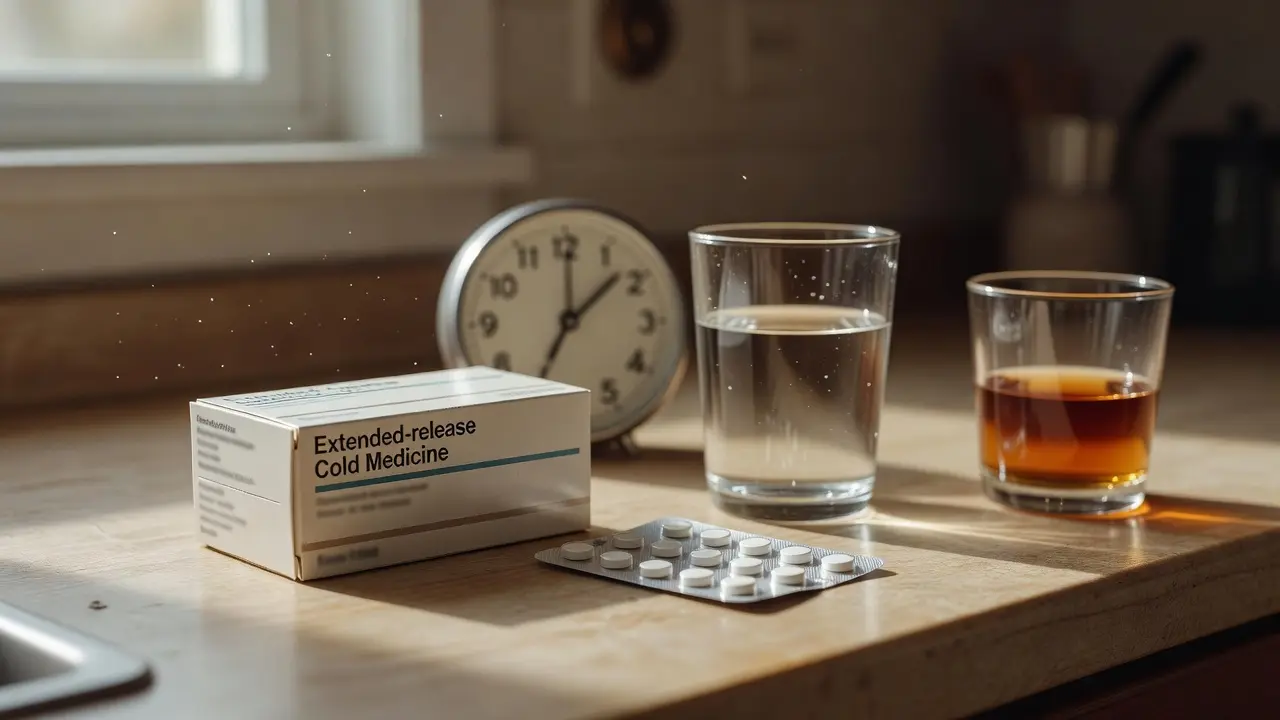
There is no single wait time that applies to every Mucinex product.
Some Mucinex, Mucinex DM, and Mucinex D tablets are extended-release medicines labeled for 12-hour use. However, a 12-hour dosing interval does not prove that alcohol becomes safe at exactly hour 12.
The answer changes with the active ingredients, dose, liver health, drinking pattern, and other medicines.
Someone who took plain 12-hour Mucinex in the morning does not face the same ingredient-related concerns as someone who used Mucinex Nightshift at bedtime.
If you plan to drink sooner, show the exact package and ingredient list to a pharmacist.
What Should You Do if You Already Mixed Them?
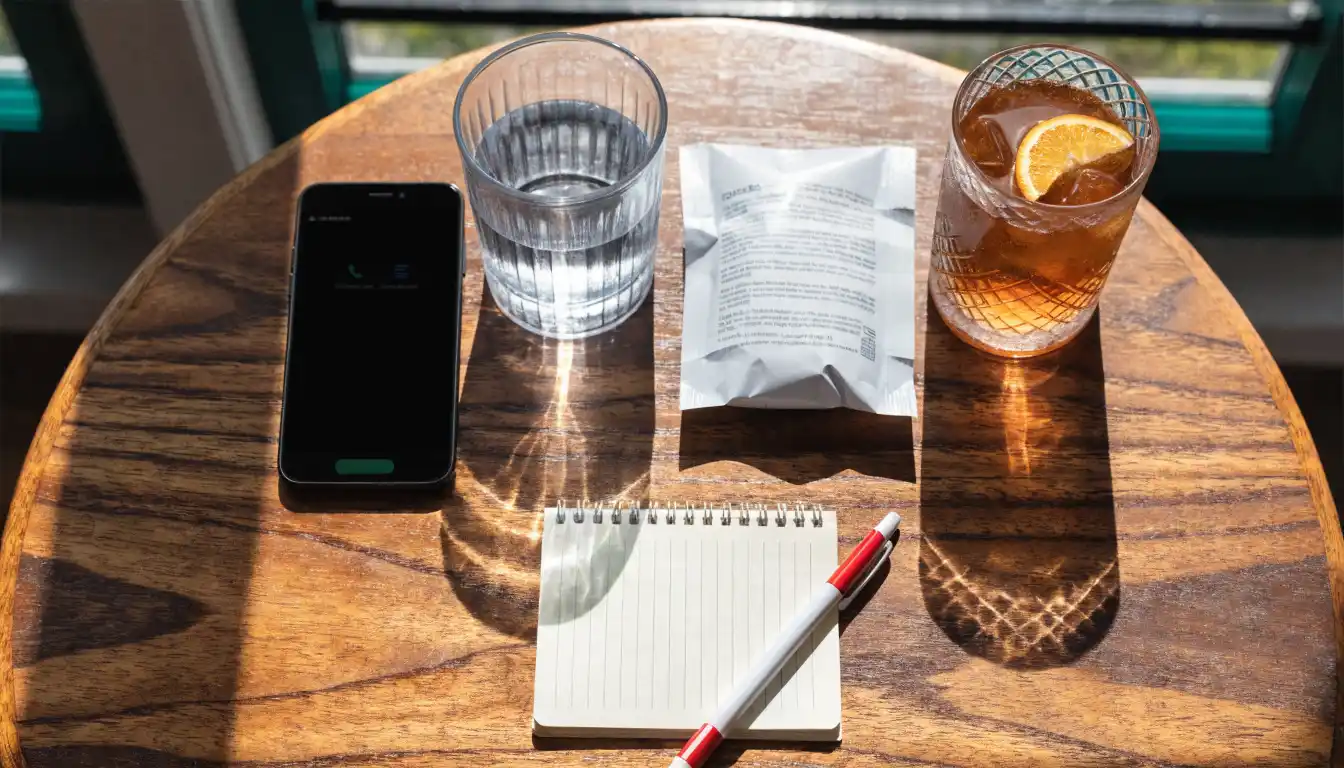
If you already mixed Mucinex and alcohol, stay calm and take practical steps.
- Stop drinking, and do not take another Mucinex dose early.
- Check the label’s active ingredients, then record the product name, dose, time taken, amount of alcohol, other medicines, and current symptoms.
- Do not drive or remain alone if you feel very sleepy, confused, faint, or unsteady.
- Contact a pharmacist or Poison Control for advice based on the exact exposure.
- Use the online Poison Control tool or call 1-800-222-1222 for free, confidential guidance.
- Do not force vomiting unless a medical professional specifically directs you to do so.
Seek emergency help immediately if severe breathing, consciousness, heart, or seizure symptoms develop.
When to Get Emergency Help
Get emergency help immediately when any of the signs below appear. MedlinePlus advises calling emergency services when a person collapses, has a seizure, has trouble breathing, or cannot be awakened.
| Warning Area | Urgent Signs |
|---|---|
| Breathing | Trouble breathing or blue or gray lips |
| Consciousness | Cannot wake, severe confusion, collapse, or fainting |
| Neurologic | Seizure |
| Heart | Chest pain or a very fast or irregular heartbeat |
| Stomach | Repeated vomiting |
Who Has a Higher Risk from Mucinex and Alcohol?
Some people may face more serious or less predictable effects when Mucinex and alcohol are combined.
Health and Medicine Risks
- Nightshift or multi-symptom users
- People with liver disease
- Anyone having three or more alcoholic drinks daily
- Older adults sensitive to sedating medicines
- People taking sleep medicines, opioids, benzodiazepines, or sedating antihistamines
- People with heart disease or high blood pressure using Mucinex D
Dose and Safety Risks
- Anyone who must drive or operate equipment
- People who exceeded the label dose
Alcohol can increase sedation and injury risk, especially in older adults. Mucinex D labels advise people with heart disease or high blood pressure to ask a doctor before use.
These groups should consult a doctor or pharmacist instead of testing the combination.
How Can You Check a Mucinex Label for Alcohol Risks?
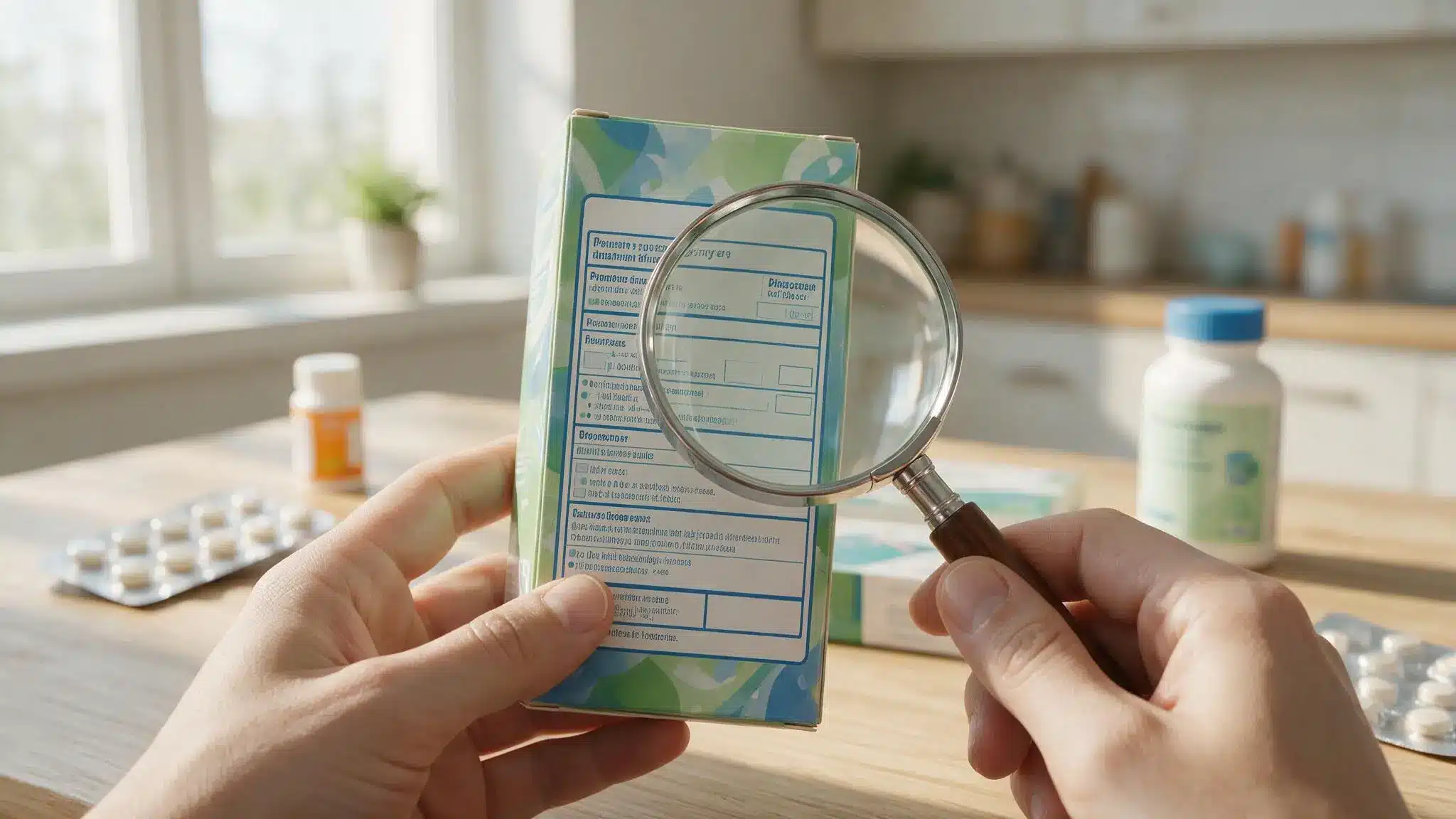
Start with the Drug Facts panel rather than the product name on the front.
- Find the active ingredients and look for guaifenesin, dextromethorphan, pseudoephedrine, acetaminophen, or a sedating antihistamine.
- Read every alcohol, liver, drowsiness, and driving warning.
- Compare the package with any cold, pain, fever, allergy, or sleep medicine you also use because duplicate ingredients can cause accidental overdosing.
- Check whether the medicine is immediate-release or extended-release, but do not treat a 12-hour label as proof that drinking is safe exactly 12 hours later.
- Because formulas may vary or change, use the package in your hand.
Ask a pharmacist when the formula, dose, or waiting period is unclear.
Final Takeaway
The safest choice is to keep Mucinex and alcohol separate.
The level of risk depends mainly on the active ingredients, since plain guaifenesin does not raise the same concerns as DM, D, Nightshift, or multi-symptom formulas.
Products containing dextromethorphan, sedating antihistamines, or acetaminophen deserve greater caution because alcohol may worsen drowsiness, poor coordination, nausea, or liver-related risks.
There is also no universal waiting period that applies to every Mucinex product. If you already combined them, check the label, stop drinking, avoid driving, and seek advice if symptoms appear or worsen.
Before drinking, read the active ingredients on your Mucinex package and ask a pharmacist to check the exact formula.
If you feel something is off, immediately use the online Poison Control tool or call 1-800-222-1222.
Frequently Asked Questions
Can Alcohol Make Chest Congestion Feel Worse?
Alcohol may increase urination and mild dehydration, which can add fatigue, thirst, or headaches while you are sick. Guaifenesin may loosen mucus but does not treat the illness itself.
Can I Take Mucinex the Morning After Drinking?
Wait until you are fully sober, then check the active ingredients. Ongoing nausea, dizziness, or dehydration can overlap with medicine side effects, especially with multi-symptom formulas.
Can Liquid Cough Medicine Contain Alcohol?
Yes, some liquid cough medicines contain alcohol. Also check for duplicate guaifenesin, dextromethorphan, antihistamines, or acetaminophen before combining another cough medicine with Mucinex.
Sources
- National Library of Medicine – Label: MUCINEX NIGHTSHIFT COLD AND FLU- acetaminophen, dextromethorphan hydrobromide, and triprolidine hydrochloride solution: https://dailymed.nlm.nih.gov/dailymed/drugInfo.cfm?
- National Library of Medicine – Safety And Tolerability Of Extended-Release Guaifenesin In Patients With Cough, Thickened Mucus And Chest Congestion Associated With Upper Respiratory Tract Infection: https://pmc.ncbi.nlm.nih.gov/articles/PMC6791405/
- National Library of Medicine – Dextromethorphan Guaifenesin: https://www.ncbi.nlm.nih.gov/books/NBK604212/
- Memorial Sloan Kettering Cancer Center: Guaifenesin and Pseudoephedrine: https://www.mskcc.org/cancer-care/patient-education/medications/adult/guaifenesin-and-pseudoephedrine?
- Poison Help: Get Fast, Free, and ConfidentialPoison Help: https://www.poisonhelp.org/