| Quick Look | Details |
|---|---|
| Main event | John Mulaney’s December 2020 intervention |
| Date | December 18, 2020 |
| Location | A friend’s apartment in New York City |
| Setup | 6 people in person, 6 people on Zoom |
| Organizer | Nick Kroll helped coordinate it |
| Key people linked | Seth Meyers, Nick Kroll, Fred Armisen, Bill Hader, Natasha Lyonne |
| Cover story | Dinner with a friend from college |
| What happened next | Mulaney entered rehab for 60 days |
| Public retelling | Late Night with Seth Meyers and Baby J |
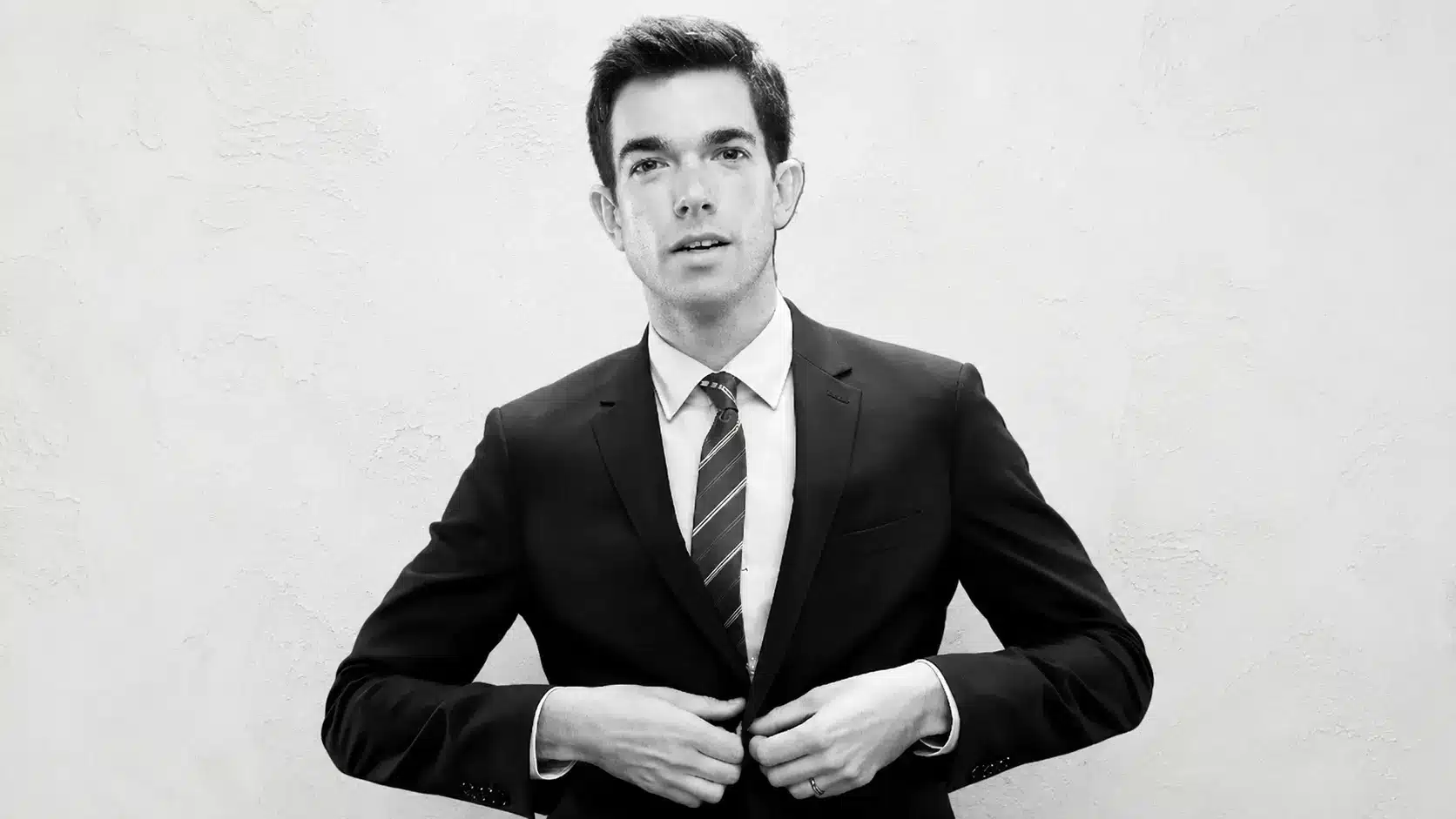
Some celebrity stories feel loud online, but the John Mulaney intervention still feels unusually serious. Behind the jokes was a real December 2020 crisis, when close friends stepped in after his relapse and urged him toward treatment.
You may have seen bits of the story through Baby J, Seth Meyers’ interview, or headlines about the famous comedy names involved
The full picture is more human than the viral details suggest. It involves fear, loyalty, anger, awkward Zoom moments, and the hard kind of care that can upset someone before it helps them.
Here, the focus stays on who helped plan it, who was there, why it happened, and what Mulaney said about that night after rehab in his own words.
How It All Started: The Relapse That Led to the Intervention
John Mulaney had been sober since he was 23, and that fact became part of how many fans understood him. He was the sharp, clean-cut comic who talked openly about past substance use while seeming far removed from it.
Then 2020 changed the story.
After an earlier rehab stay that year, Mulaney relapsed. Public accounts have connected that period to cocaine, alcohol, and prescription drugs, including Adderall, Xanax, Klonopin, and Percocet. The people close to him became deeply worried.
This was not a mild concern or a “he seems off” kind of moment. Friends believed the situation had become unsafe. By December, private check-ins were no longer enough. A group of people who knew him well decided to step in, even though they knew he might hate them for it.
| Note: Addiction can look confusing from the outside. A person may still work, joke, text, perform, and seem functional while things are falling apart in private. |
What Was the John Mulaney Intervention?
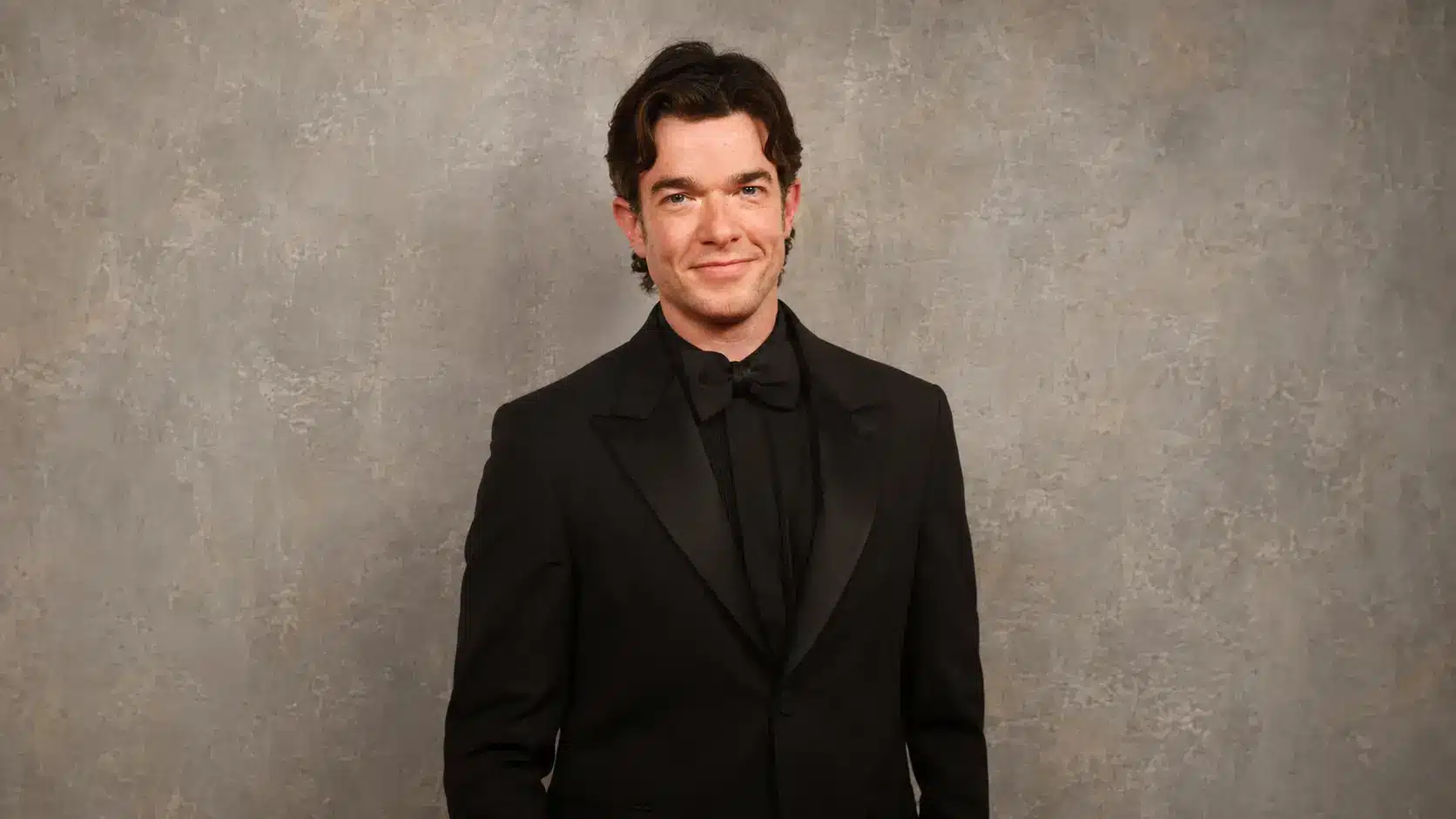
The John Mulaney intervention was a planned meeting in December 2020 where his close friends confronted him about his relapse and urged him to enter treatment.
Mulaney later spoke about it during his 2021 appearance on Late Night with Seth Meyers. In that conversation, he explained that he had gone to rehab in September 2020, left in October, hosted Saturday Night Live around Halloween, and then relapsed again.
His friends stepped in before the crisis became worse. A recap of that interview explains how the intervention and rehab timeline fit into his conversation with Seth Meyers.
Quick timeline
| Time | What happened |
|---|---|
| September 2020 | Mulaney entered rehab |
| October 2020 | He left rehab |
| October 31, 2020 | He hosted Saturday Night Live |
| Late 2020 | He relapsed again |
| December 18, 2020 | Friends staged the intervention |
| After the intervention | He entered a 60-day rehab program |
| February 2021 | He completed rehab and later spent time in sober living |
The key point is simple: the intervention was not a public event, a filmed scene, or a comedy bit. It became widely known because Mulaney later talked about it himself.
Why Did His Friends Stage the Intervention?
The intervention happened because Mulaney’s friends believed he was in real danger. They were not trying to shame him. They were trying to get him into treatment before the situation became worse.
Why they acted
- His relapse had become serious.
- Friends feared for his safety.
- Private concern was no longer enough.
- A treatment plan was ready after the meeting.
- The group wanted him alive, safe, and in care.
That last part matters most. Interventions can look harsh from the outside, but the goal is usually protection, not punishment.
| Caution: A real intervention can go badly without support. If someone is using drugs heavily, acting unsafe, or talking about self-harm, it is safer to contact a doctor, therapist, addiction specialist, or emergency service before planning anything. |
Who Organized John Mulaney’s Intervention?
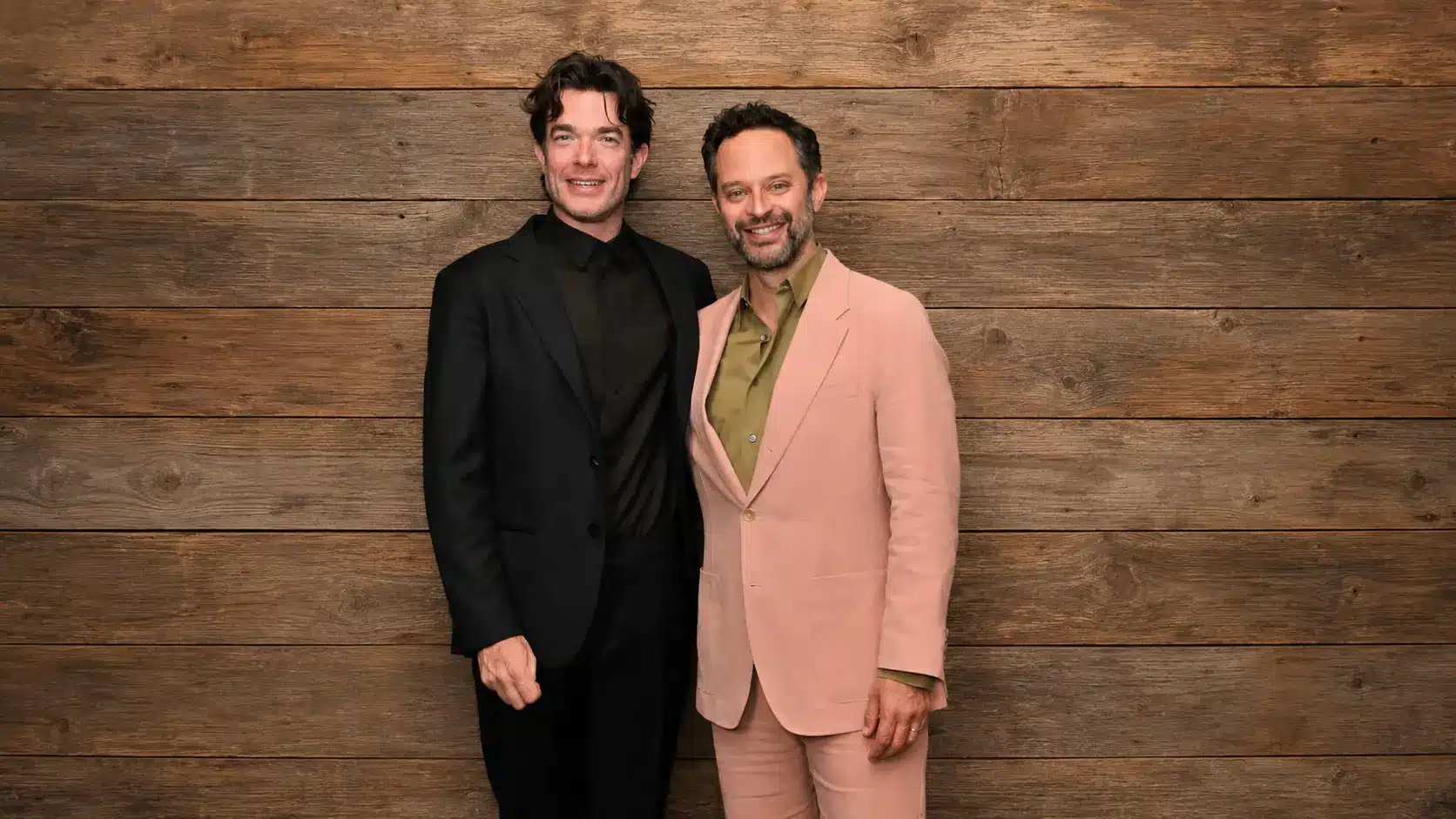
Nick Kroll helped organize the intervention. He was in Los Angeles while Mulaney was in New York, which made the whole thing harder. The pandemic added another layer of stress, since some people had to join remotely.
Kroll later described the planning as scary and painful. He said he feared Mulaney might die if nobody stepped in.
People reported his comments about organizing the intervention, including how he had to bring together friends from different parts of Mulaney’s life while handling the emotional weight of the situation in Nick Kroll’s later account.
| Person | Role in the story |
|---|---|
| Nick Kroll | Helped coordinate the intervention |
| Seth Meyers | A key friend was involved and later became part of the public retelling |
| Other close friends | Joined in person or over Zoom |
| Treatment support | Helped connect the intervention to rehab afterward |
Kroll’s role is important because it shows how much planning went into it before Mulaney ever walked into the room. This was not one friend making a sudden speech. It was a careful group effort built around urgency.
Who Was at John Mulaney’s Intervention?
This is the part many people search for first. The attendee list got attention because several well-known comedians and actors were involved. Publicly reported names include:
- Seth Meyers (SNL colleague, longtime friend)
- Nick Kroll (Big Mouth co-star, lead organizer)
- Fred Armisen (SNL friend)
- Bill Hader (fellow comedian, tour collaborator)
- Natasha Lyonne (comedy circle friend)
- Mike Birbiglia (college friend from Georgetown)
- Marika Sawyer (SNL writer)
- David Diner and Cara Masline (collaborators, likely producers)
- Plus a few more close friends whose first names appeared in the credits as a thank-you message
Vanity Fair reported on the famous friends Mulaney named or thanked in connection with the event, including the people tied to the “star-studded” intervention label in the attendee breakdown.
The setup
| Group | How they attended |
|---|---|
| New York group | 6 people attended in person |
| Los Angeles group | 6 people joined by Zoom |
| Total group | 12 people were involved |
That Zoom detail makes the story feel very specific to 2020. Even one of the most personal nights of Mulaney’s life had a remote-meeting angle. Somewhere in there, someone probably had to say, “Can everyone hear us?” which is both painful and painfully on brand for that year.
| Tip: The famous names matter for context, but they should not become the whole story. The real point is that close friends were scared enough to act. |
The Notable Absence: Pete Davidson
Pete Davidson was not at the intervention. That detail comes up often because he and Mulaney were publicly friendly and had worked together.
The reason was simple: Davidson was traveling at the time. Once he heard what had happened, he started calling Mulaney often.
There is also one oddly funny detail from this part of the story. Davidson kept changing phone numbers, so Mulaney saved each new number under a different famous person’s name.
On one call, the name showed up as Al Pacino. A nurse reportedly woke Mulaney up, thinking it was Al Pacino himself calling. Even in a heavy story, life sometimes slips in one strange little joke.
What Happened During the Intervention?
Mulaney thought he was going to dinner with a friend from college. Instead, he walked into a room full of people who were there to confront him about his drug use.
He was also late. By his own later account, he had stopped for a haircut at the SNL studio and had come from buying drugs. He knew what was happening almost as soon as he opened the door.
Inside the room
- He arrived at a friend’s apartment in New York.
- He saw close friends waiting.
- Some people joined through Zoom.
- The group had agreed not to make jokes.
- Mulaney was angry and not thankful at first.
- The night ended with him agreeing to enter rehab.
The “no bits” pact has become one of the most remembered details. A room full of comedians agreed not to joke because the moment was too serious. Mulaney later said seeing Fred Armisen act serious was maddening, which says a lot about how strange the room must have felt.
But underneath that awkward humor, the scene was raw. Mulaney was confronted at a low point, and his friends had to sit in the discomfort long enough to help him reach treatment.
| Caution: If you’re ever planning something similar for someone you love, professionals generally recommend involving an addiction specialist or interventionist to guide the conversation, going in unprepared, even with good intentions, can sometimes backfire. |
Rehab and Recovery: What Came Next
After the intervention, Mulaney entered a treatment facility in Pennsylvania. The stay lasted 60 days, and he completed the program in February 2021. He later spent time in sober living before returning to stand-up.
That timeline matters because the intervention was not the ending. It was the first hard step toward treatment.
What recovery involved publicly
| Stage | What it meant |
|---|---|
| Intervention | Friends pushed him toward help |
| Inpatient rehab | He stayed in treatment for 60 days |
| Sober living | He had more structure after rehab |
| Return to stand-up | He began working again in 2021 |
| Public reflection | He later spoke about the experience on stage |
Mulaney’s post-rehab material became more direct, especially in Baby J. The special did not make recovery look soft or simple. It showed anger, ego, shame, humor, and gratitude sitting in the same room, which feels closer to real life than a perfect comeback speech.
A wider look at celebrities with drug addictions shows a similar truth: fame can hide addiction for a while, but it does not protect anyone from its cost.
What John Mulaney Said About the Intervention Later
Mulaney has spoken about the intervention with a mix of honesty and comedy. On Late Night with Seth Meyers, he thanked Meyers and the others involved. He said they saved his life.
He also admitted something important: he was not grateful that night.
That makes the story feel more real. People often imagine receiving help with tears, hugs, and instant clarity. In reality, a person in active addiction may feel exposed, angry, cornered, or betrayed before they can later understand the care behind it.
In Baby J, Mulaney turned the intervention into a central part of his stand-up. He talked about the famous people in the room, the drugs he had on him, the awkwardness of Zoom, and the strange feeling of being confronted by people who knew him well. The humor worked because the danger was real first.
What Nick Kroll Said About It Later
Kroll’s later comments gave the story another side. Mulaney told the intervention from the view of the person being confronted. Kroll explained what it felt like for the friend trying to keep everything from falling apart.
Kroll’s side of the story
| Feeling | What it shows |
|---|---|
| Fear | He believed Mulaney’s life could be at risk |
| Stress | The planning happened across two coasts during the pandemic |
| Anger | Addiction had damaged trust in the friendship |
| Care | The group acted because they wanted him in treatment |
Kroll also said the intervention changed how he looked back at parts of their friendship. Addiction can do that. It can make people replay old moments and wonder what they missed, what was hidden, and what they should have done sooner.
That is a hard place to stand. You can love someone and still feel hurt by them. You can be relieved that they got help, and they still need time to deal with what happened.
| Note: Friends and family often need support too. Loving someone through addiction does not mean ignoring your own stress, fear, or anger. |
Why the Story Became So Widely Searched
The John Mulaney intervention story stayed in search results because it answers several questions people still have about celebrity, addiction, and recovery.
The main reasons people still search for it:
| Search reason | Why it matters |
|---|---|
| The attendee list | People wanted to know who was there |
| Mulaney’s public image | Fans had seen him as controlled and polished |
| Baby J | The special brought the story back into public discussion |
| Nick Kroll’s comments | His later remarks added emotional context |
| Recovery interest | People want to understand how a crisis becomes treatment |
The story also changed how many fans saw Mulaney’s older comedy. Some had treated his public image as the full truth. The intervention reminded people that a stage persona is not a private life.
That does not mean fans were wrong to enjoy his work. It means a performer can seem steady on stage while struggling badly off it.
What This Story Says About Addiction and Support
Mulaney’s intervention became famous because of the celebrity names involved, but the deeper point is support. When addiction turns dangerous, people close to the person often face a hard choice: stay silent and hope for change, or speak up and risk anger.
There is no simple script for that. The Substance Abuse and Mental Health Services Administration emphasizes that family and social support can strengthen treatment engagement and recovery when it is structured and healthy.
A related article also discusses how particulate matter and health risks are studied in biomedical research, showing the kind of evidence-based context public health uses to understand harm and recovery:
Helpful support can include
- A safe plan made with professionals
- Clear boundaries
- Honest concern without insults
- Treatment options ready before the conversation
- Follow-up after rehab begins
- Support for friends and family, too
Tip: The goal is not to win an argument with someone in active addiction. The goal is to help them reach safety and care.
Rehab and Recovery: What Came Next
Mulaney checked into a treatment facility in Pennsylvania almost immediately after the intervention. The stay lasted 60 days, addressing both alcohol dependency and the drug combination he’d been using. He completed the program in February 2021 and transitioned into outpatient sober living for several more weeks afterward.
If you’re curious how this timeline lines up with the rest of his career shifts, including the divorce, the new relationship, and his return to stand-up.
His story is different from Robert Downey Jr.’s, but both show how public addiction stories can include relapse, treatment, support, and a long return to steady work. The Robert Downey Jr. rehab story is a useful comparison because it frames recovery as a long process rather than a single perfect turning point.
Common Misunderstandings About the John Mulaney Intervention
Because the story has been retold through interviews, stand-up, headlines, and fan discussions, a few details often get mixed up. Some people focus only on the famous names in the room.
Others connect the 2020 intervention with later events in Mulaney’s personal life. This table clears up the most common mix-ups in a simple way.
| Misunderstanding | Clear answer |
|---|---|
| Olivia Munn organized the 2020 intervention | The 2020 intervention was organized by friends, with Nick Kroll and Seth Meyers central in public accounts |
| It was a comedy roast | No. Mulaney said nobody did bits that night |
| Everyone was in the room | No. Some people joined by Zoom |
| Rehab fixed everything instantly | Recovery is usually ongoing |
| Mulaney was grateful right away | He later said he was angry at the time |
| The story is only famous because of celebrities | The famous names drew attention, but the serious issue was addiction |
The main thing to remember is that the intervention was not a funny celebrity hangout or a neat recovery scene. It was a serious moment where friends stepped in because they were scared. The public retelling has humor, but the real story is about addiction, concern, and the hard first step toward treatment.
Why the Story Still Matters
The John Mulaney intervention still matters because it shows how addiction can sit behind a polished public life. It also shows how hard it is for friends to step in when the person they love may reject them for doing it.
The famous names made people click. The human part made people stay. Mulaney’s friends saw danger and acted. He did not thank them right away, and that detail makes the story more honest. Help is not always welcome in the moment. Sometimes it is hated first and understood later.
Recovery rarely happens in a straight line. Steven Tyler, for example, relapsed decades after his first intervention before eventually returning to treatment, a pattern documented in detail in his relapse and recovery timeline.
Mulaney’s story follows a similar arc: multiple attempts, a hard intervention, and slow, ongoing work afterward. That does not make the story neat. It makes it real.
Frequently Asked Questions
Did John Mulaney talk about the intervention in Baby J?
Yes, Baby J turned the intervention into one of the special’s central stories. Mulaney used stand-up to describe the shock, anger, famous friends, drugs, and rehab that shaped that night. He called it a “trick” and a “prank” while also thanking everyone involved and saying they saved his life. The humor worked because the underlying danger was real.
Why did John Mulaney call his intervention star-studded?
Mulaney used that phrase because several well-known comedians and actors were involved, including Seth Meyers, Nick Kroll, Fred Armisen, Bill Hader, and Natasha Lyonne. The joke landed because the guest list sounded glamorous, while the reason for gathering was deeply serious. He described the room as a “We Are the World of alternative comedians.”
Was John Mulaney’s intervention planned as a surprise?
Yes, the intervention was planned as a surprise. Mulaney believed he was going to dinner with a college friend, but instead found a group of 12 people waiting to confront him. The setup helped friends gather before he could avoid the conversation. By his own account, he figured out what was happening almost immediately after walking through the door.
Why is Seth Meyers important in John Mulaney’s recovery story?
Seth Meyers matters because he was part of the intervention and later gave Mulaney a public space to explain the story on his terms. Their 2021 interview helped people understand the relapse, rehab, and Mulaney’s eventual gratitude without turning the moment into tabloid gossip. Mulaney told Meyers directly that the people who intervened saved his life.
How did John Mulaney describe his reaction that night?
Mulaney described himself as angry, defensive, and not grateful during the intervention. He later admitted he was still pissed at his friends even after coming out of rehab. That reaction makes the story feel more accurate, because people facing active addiction often reject help at first, even when the people offering it are trying to protect them from serious harm.
Why do people still search for John Mulaney’s intervention?
People still search for it because the story combines celebrity, addiction, comedy, friendship, and recovery in an unusual way. The famous attendee list gets attention, but Mulaney’s own retelling in Baby J and his late-night appearances make people want the full timeline, the real emotional context, and the parts that the headlines left out.
What drugs was John Mulaney using before the intervention?
By his own account in Baby J, Mulaney was using cocaine, Adderall, Xanax, Klonopin, and Percocet during the period leading up to the intervention. He described leaving for rehab with three grams of cocaine, a bag of Adderall, a bag of Xanax, and $2,000 in cash on him. The combination reflected both stimulant and sedative dependency alongside alcohol.
Sum Up
The John Mulaney intervention story gets attention because of the famous names, but that is not the real reason it matters. The deeper reason is much more human. His friends saw danger, stepped in, and risked his anger because they wanted him alive.
The story still feels heavy because Mulaney does not tell it like a neat lesson. He admits he was angry. He admits the room was uncomfortable. He uses humor, but the facts keep everything grounded.
I think that is why the story stays with people. Addiction can make someone late to their own rescue. In Mulaney’s case, his friends waited anyway.
That does not make the story neat. It makes it real.
Sources
- Seth Meyers interview recap: Confirms Mulaney’s comments about relapse, rehab, the intervention, and Seth Meyers’ role.
- Nick Kroll’s comments confirm Kroll’s role in organizing the intervention and his fear for Mulaney’s safety.
- Intervention attendee list: Confirms the publicly reported friends associated with the intervention.
- Family therapy in treatment adds context on how family and social support can support recovery.
- Celebrities with drug addictions: Gives related context on addiction among public figures.
- Robert Downey Jr.’s rehab story offers another example of a celebrity recovery involving treatment and long-term support.