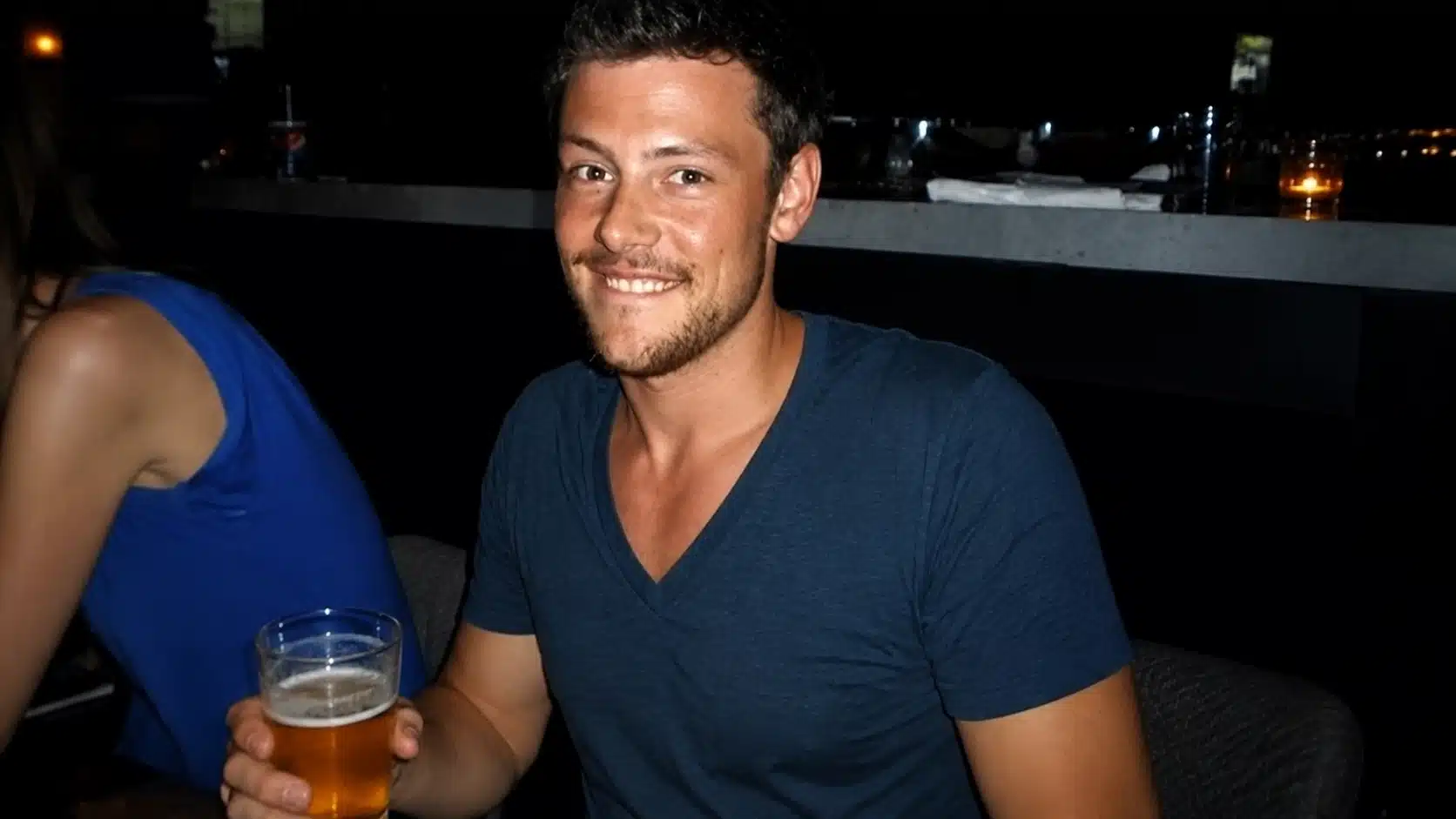
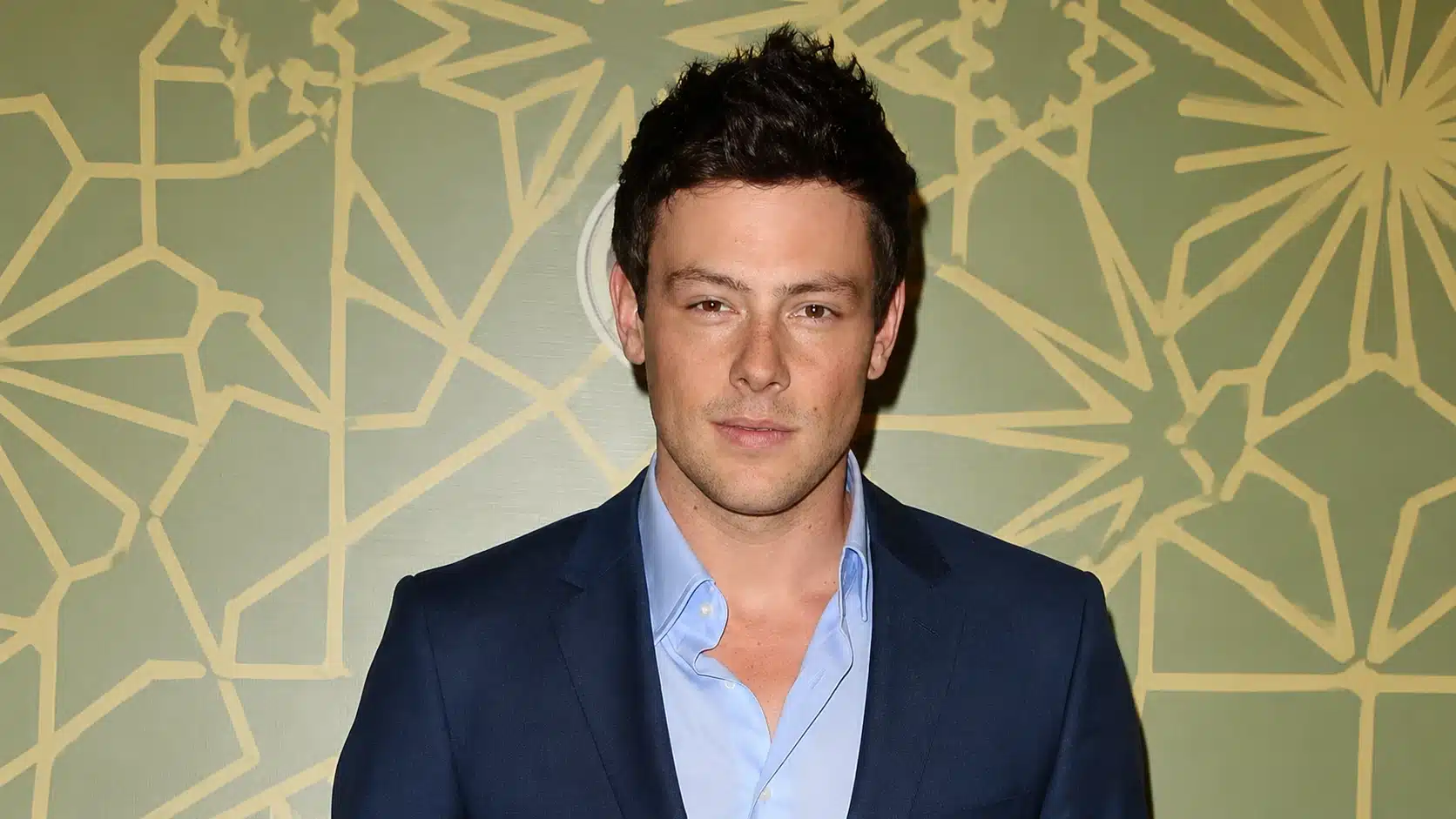
Cory Monteith was one of the most recognized faces on television when he died at 31. He played Finn Hudson on Glee, a character that millions of viewers genuinely loved, and that warmth made his death land differently than most celebrity losses.
People searched for answers, and many still do. The internet has not been short on rumors, half-sourced claims, or clickbait about what happened in that Vancouver hotel room. His story deserves better than that.
Cory had spoken openly about his struggles, checked himself into rehab earlier that same year, and was someone people felt they actually knew.
This piece cuts through the noise and gives you only what official sources have confirmed, in plain language, without the drama, because that is what he deserves.
Cory Monteith Cause of Death
| Full Name | Cory Allan Michael Monteith |
| Date of Death | July 13, 2013 |
| Age at Death | 31 |
| Location | Fairmont Pacific Rim, Vancouver, Canada |
| Official Cause | Mixed drug toxicity: intravenous heroin and alcohol |
| Manner of Death | Accidental |
| Ruling Body | British Columbia Coroners Service |
| Known For | Finn Hudson on Glee (Fox, 2009–2013) |
The Official Cause: What Killed Cory Monteith
The Cory Monteith cause of death was determined by the British Columbia Coroners Service as mixed drug toxicity involving intravenous heroin use and alcohol. The manner of death was ruled accidental, which means investigators found no evidence of intention or outside involvement.
He was 31 years old. The official BC Coroners Service report documents the full findings, including the substances involved and the physical evidence collected from the hotel room.
That report remains the most reliable primary source for anyone who wants to read the actual findings, not a media repackaging of them. It is not a long read, and it answers most of the questions that keep circulating online.
| ⚠️ Advisory: Mixed drug toxicity means more than one substance contributed to the fatal outcome. Neither heroin alone nor alcohol alone was listed as the single cause. The combination is what made the overdose fatal, which is a medically significant distinction and not a detail to gloss over. |
Death Timeline: What Happened Before and After
The basic sequence of events around his death is well documented. Knowing it helps separate what actually happened from the more dramatic versions that have been written about since. Here is what the public record shows, without any embellishment.
- July 6, 2013: Cory Monteith checked into the Fairmont Pacific Rim hotel in Vancouver.
- July 12, 2013: Friends who had been with him at the hotel departed, leaving him alone.
- July 13, 2013: He missed his scheduled checkout. Hotel staff conducted a welfare check.
- Shortly after noon, July 13: Staff found him unresponsive in his room and called emergency services.
- Post-investigation: The BC Coroners Service confirmed accidental mixed drug toxicity as the cause.
No foul play was found. Vancouver media coverage0 from the time captures how the news broke and how quickly the coroner’s office moved to release findings. The timeline itself is not disputed. What people tend to dispute online are the smaller details, such as the exact hour of death, and those were never officially released with precision, so any specific claim about that should be treated with skepticism.
| 📝 Note: Public reports do not confirm an exact time of death. If you see a specific hour cited without a source, that number is not from an official document. |
What the Coroner Found
The coroner’s findings cover three key areas: the substances involved, the physical evidence in the room, and the classification of manner. Understanding each one separately makes the full picture clearer and helps address much of the confusion that still circulates around this case.
1. Mixed Drug Toxicity in Plain Language
Mixed drug toxicity means that more than one substance was present in the body at levels that together caused a fatal outcome. Neither substance alone would necessarily be listed as the sole cause.
In Cory Monteith’s case, the combination of heroin and alcohol suppressed his central nervous system to a degree that his body could not recover from. This is not a rare mechanism.
It is one of the most documented patterns in accidental overdose deaths, and it is why harm reduction professionals treat polydrug use as distinctly higher risk than single-substance use.
2. Heroin and Alcohol: Why the Combination Is So Dangerous
The National Institute on Drug Abuse1 explains why combining opioids with alcohol raises the risk of a life-threatening overdose, because both substances slow breathing and central nervous system function through overlapping pathways.
When taken together, those effects multiply rather than simply add. This is especially relevant in cases involving lowered tolerance after abstinence.
Someone who has been in treatment and then returns to the same dose they used before treatment faces a far higher overdose risk, because the body no longer has the same tolerance it previously built up.
3. Accidental Ruling: What It Means
Accidental is a legal and medical classification. It means investigators found no evidence that the death was intentional, and no evidence of another person’s involvement. It does not minimize what happened.
It simply tells you how the case was formally categorized after a full investigation. This is the point where the rumor cycle tends to get messy, with some corners of the internet suggesting the manner of death was not accidental.
The BC Coroners Service found otherwise, and that finding has not been challenged by any credible source.
| ⚠️ Warning: If you or someone you know is struggling with substance use, SAMHSA’s helpline is available 24/7 at 1-800-662-4357. Call 911 immediately if someone is unresponsive or not breathing. |
Cory Monteith Before His Death
Cory Monteith had spoken publicly about his struggles with substance use starting in his teenage years. He was candid about it in a way that was unusual for someone at his level of fame.
Earlier in 2013, he voluntarily entered a rehabilitation program, which he completed. At the time of his death, he had recently returned from treatment. That context matters medically and personally.
It does not frame rehab as failure because relapse is a recognized part of how addiction often progresses, not a character flaw or a sign that treatment did not work.
Coverage from People magazine,2 written in the aftermath of his death, captures how those close to him remembered both his openness and his warmth. He was not just a headline. He was someone people knew, or felt they did, and that is part of why this still gets searched years later.
Why This Case Still Gets Searched

People searching Cory Monteith death are rarely looking for just the cause. They are often trying to understand: Was it truly accidental? What does relapse after rehab actually mean? How did the people around him respond? What does this say about mixing substances?
These are not idle celebrity curiosity questions. Many people asking them are processing something much closer to home. For anyone who wants to see how his story fits into a broader pattern, other public figures3 whose lives ended under similar circumstances are documented here, putting the risk of polydrug use in wider context.
A related piece covering how substance use sat behind many very public careers,4 often hidden in plain sight, rounds out the picture for anyone who wants more than just the facts of one case. Both deal with real people, not statistics, and handle the subject with the same care applied here.
| 📝 Tip: If you are reading about this because someone in your own life is dealing with substance use, the SAMHSA national helpline (1-800-662-4357) is free, confidential, and available around the clock. |
What Happened After His Death
The public response was immediate and sustained. The Glee cast, the show’s creators, and fans around the world responded with shock and grief. Fox and the production team eventually addressed his death on screen through a tribute episode titled “The Quarterback,” which aired in October 2013.
The episode did not recast him or write around his absence with a vague explanation. It confronted the loss directly, which was unusual for a network television show.
Lea Michele, who had been in a relationship with Monteith at the time of his death, has spoken about the experience in interviews over the years. Those statements have been consistent and measured.
Fan interest has remained steady, particularly around anniversaries, which is part of why this search still shows meaningful volume more than a decade after July 2013.
Frequently Asked Questions
Did Cory Monteith show any signs before he died?
His earlier 2013 rehab stay indicated ongoing struggles, but no public record confirms visible warning signs in his final days. Friends who were with him left the night before he was found. No one who was present has publicly described anything alarming before they left.
Was anyone else in the hotel room when he died?
No. The people who had been with him at the hotel left on July 12. He was alone when hotel staff found him on July 13 after he missed checkout. The investigation found no evidence of any other person’s involvement in his death.
Did Cory Monteith leave a note?
No note was reported by the BC Coroners Service or any credible news source. The manner of death was ruled accidental, not a deliberate act, which aligns with the absence of any documented final written statement from him.
How did Glee address his death on the show?
Fox aired a tribute episode called “The Quarterback” in October 2013. The episode focused on the cast grieving the character Finn Hudson. It did not explain how Finn died on screen, a deliberate choice by the showrunners to separate the fiction from the real loss.
Final Verdict
The verified answer is clear. Cory Monteith’s cause of death was mixed drug toxicity involving heroin and alcohol, ruled accidental by the British Columbia Coroners Service.
Everything else, the speculation, the exact timelines people invent, the rumored final words, comes from sources that are not the official record. If you want the facts, the coroner’s report is still publicly available and still says exactly what it said in 2013.
Cory Monteith was a real person with a real history, not just a search query, and the story behind the headline is worth understanding clearly, not just clicking through. Drop a comment below if you have seen him in Glee.
Sources
- Daily Hive Vancouver. “Cory Monteith Died of Heroin and Alcohol Overdose, BC Coroners Service.” Daily Hive, 2013.
- National Institute on Drug Abuse. “Benzodiazepines and Opioids.” NIDA.
- People Magazine. “Cory Monteith’s Tragic Death 11 Years Later: Read PEOPLE’s Cover Story.” People.com, 2024.
- Fun With Dizzies. “21 Celebrities That Died From Drugs and Overdose.”
- Fun With Dizzies. “31 Celebrities with Drug Addictions: The Untold Stories.”