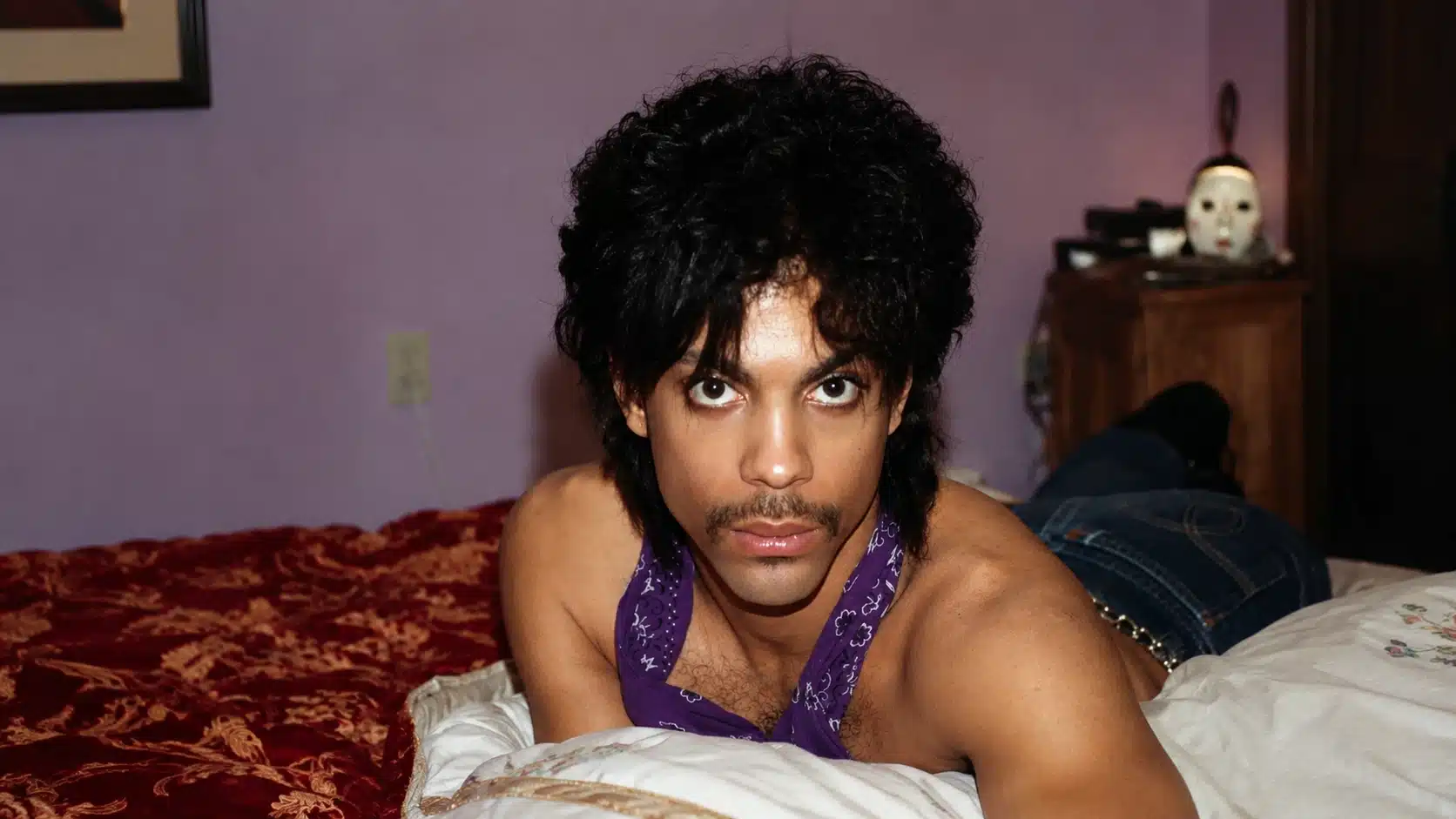
| Full name | Prince Rogers Nelson |
| Date of death | April 21, 2016 |
| Age at death | 57 |
| Location | Paisley Park, Chanhassen, Minnesota |
| Official cause | Fentanyl toxicity |
| Manner of death | Accidental |
| Drug involved | Fentanyl, a synthetic opioid |
| Criminal charges | None filed |
Prince died from accidental fentanyl toxicity on April 21, 2016, found unresponsive at Paisley Park in Chanhassen, Minnesota. He was 57. The official cause was confirmed by the Carver County medical examiner in June 2016.
What makes this case so difficult to move past is not the medical finding itself. That part is clear. It is everything surrounding it: counterfeit pills, a planned intervention that never happened, and a two-year investigation that closed without a single charge.
Today you’ll get to walk through the verified facts, which explain the science in plain language and are honest about the details that still lack a clear answer. Prince deserves that level of care, and so do the people still searching for it.
| ⚠️ Warning: If you or someone you know is struggling with opioid use, call SAMHSA at 1-800-662-4357. Call 911 immediately if someone is unresponsive, breathing slowly, or cannot be woken up. |
What the Autopsy Report Actually Showed
The Carver County medical examiner released autopsy and toxicology findings in June 2016, about six weeks after Prince’s death. The report confirmed fentanyl was present at concentrations far above a fatal threshold, not trace levels or a borderline amount.
The toxicology screen found no other substances at meaningful levels, narrowing the cause clearly to fentanyl alone. The manner of death was ruled accidental: the Prince autopsy report showed no signs of intent and no evidence that he understood what he had taken.
What the report could not answer was how fentanyl entered his system, because forensic findings cannot identify a pill’s supplier. That limitation is precisely what sent investigators into a two-year search. The medical picture was complete.
The legal picture had a hole that two years of investigation could not fill, and the case ultimately closed without anyone being charged with supplying the counterfeit pills.
How Fentanyl and Opioids Were Involved
Fentanyl is a synthetic opioid used medically for severe pain, but it is also produced illegally in large quantities. Understanding how it works explains why Prince’s cause of death was so swift and so final.
What Fentanyl Toxicity Actually Means
Fentanyl toxicity means the drug reached a concentration in the body that it could no longer survive. Opioids bind to receptors that control breathing. When levels get too high, breathing slows to a stop.
According to the CDC’s fentanyl resource page,0 illicitly manufactured fentanyl is behind a significant share of opioid overdose deaths in the United States, partly because its potency is so extreme that tiny miscalculations become fatal.
Prince’s autopsy confirmed fentanyl at toxic concentrations. The manner of death was ruled accidental, meaning there was no evidence of intent. The body simply could not recover from what it absorbed.
| 📝 Note: Fentanyl is roughly 50 to 100 times more potent than morphine by weight. A quantity invisible to the naked eye can be enough to cause fatal respiratory depression in someone without high opioid tolerance. |
How This Differed From a Typical Prescription Painkiller Overdose
Most people hear “painkiller overdose” and picture a well-known prescription opioid like Vicodin or OxyContin taken in excess. What happened to Prince was different in a critical way.
Synthetic opioids like fentanyl operate at a potency level that puts them in a separate category. A person could have moderate opioid tolerance and still be completely overwhelmed by a fentanyl dose absorbed unknowingly.
The phrase “accidental fentanyl overdose” is more specific than “painkiller death” because it captures both the substance and the intent. Prince was not knowingly pushing limits. Based on the investigation, he did not know what he had taken.
| ⚠️ Caution: Describing Prince as someone who “abused fentanyl” is not supported by any investigative finding. The accurate, source-based phrasing is accidental fentanyl toxicity. |
The Counterfeit Vicodin Detail That Changes the Entire Picture
Prosecutors said Prince appeared to have taken counterfeit Vicodin pills that contained fentanyl rather than the hydrocodone those tablets are supposed to contain. This is the detail that reframes everything.
He was not taking a substance he knew to be dangerous. He was, by all available evidence, taking what looked like a legitimate prescription painkiller. The DEA’s fake prescription pill fact sheet1 confirms that counterfeit pills are routinely manufactured to resemble Vicodin, Percocet, and OxyContin, while actually containing fentanyl or methamphetamine.
These pills are made to deceive. The coloring, the stamp, and the shape can all match the real thing. One pill from a batch may have trace amounts.
The next may contain a fatal dose. That inconsistency is not a side note. It is exactly the mechanism that killed Prince and has killed tens of thousands of others since.
| ⚠️ Advisory: There is no reliable visual way to identify fentanyl in a pill. Fentanyl test strips can detect its presence and are available in many states, but no test strip guarantees safety at the dose level. |
What Happened in the Days Before Prince Died
The week leading up to April 21, 2016, was not uneventful. Several things happened that, in retrospect, pointed toward a serious and unaddressed problem with opioid exposure:
| Date | What Happened |
| April 15, 2016 | Prince’s plane made an emergency landing in Moline, Illinois, after a reported medical emergency mid-flight |
| April 16, 2016 | Prince was treated and released; he returned to Paisley Park the same day |
| April 20, 2016 | An addiction specialist was scheduled to meet with Prince the following morning |
| April 21, 2016 | Prince was found unresponsive in an elevator at Paisley Park and was pronounced dead at the scene |
| June 2016 | Carver County medical examiner officially confirmed fentanyl toxicity as the cause of death |
| April 2018 | Prosecutors announced that no criminal charges would be filed due to a lack of traceable evidence |
The specialist arrived the morning of April 21, hours after Prince had already been found. Help had been arranged. It came one day too late. That timing is not a minor detail. It is the part of this story that sits heaviest.
Why No Criminal Charges Were Filed
The Carver County investigation lasted nearly two years. Prosecutors, led by County Attorney Mark Metz, concluded in April 2018 that there was no reliable evidence establishing who supplied the counterfeit pills or how Prince obtained them.
Without that chain of proof, filing charges was not legally possible. MPR News reported that Metz stated directly that investigators could not prove who provided the pills,2 which made the legal threshold for prosecution impossible to meet.
The full official record of the two-year investigation is publicly documented by Carver County.3
No named individual has ever been found legally responsible for supplying the counterfeit fentanyl pills. That outcome is not a failure of effort. It reflects how difficult it is to trace illegal pills once they change hands multiple times.
| ⚠️ Caution: No court has found any named person legally responsible for Prince’s death. Referring to any specific individual as his supplier goes beyond what the investigation established. |
What Prince’s Death Reveals About Celebrity Overdose Cases
Prince’s case does not stand alone. It fits a pattern that shows up repeatedly when famous people die from opioid-related causes, and understanding that pattern matters beyond the grief of losing one artist.
- Privacy becomes a barrier to care: Prince was intensely private, and the people around him often protected that privacy over pressing for medical transparency. That is a pattern seen in many high-profile overdose cases.
- Pain management gets complicated by fame: Touring, performing, and maintaining a public image create physical demands that push many artists toward painkiller use. Managing that use openly is harder when your health is a public story.
- Counterfeit pills are not a fringe issue: The DEA has documented fake pills flooding the supply chain in the United States for years. Prince’s death brought mainstream attention to a risk that had already killed many people with far less coverage.
- Help being arranged is not the same as help arriving: In several celebrity overdose deaths, intervention was in motion when the person died. The addiction specialist scheduled to meet with Prince was already en route. The gap between arranging help and delivering it is where the tragedy lives.
Looking at the broader documented cases of celebrities who died from drugs and overdoses shows that Prince’s situation shares structural elements with many others. Fame does not protect people from pain. It often just makes asking for help harder.
Why Fans Still Search for Answers About Prince’s Death
The official cause has been confirmed for years. What keeps people searching is not the medical finding. It is everything the medical findings cannot explain.
The Contrast Between Who Prince Was and How He Died
Prince was publicly known for sobriety from alcohol and a lifestyle that, by celebrity standards, was considered disciplined and private. He did not have a visible public history of substance use.
That contrast is part of why fan discussions about his death keep resurfacing. People expect the warning signs to match the person they thought they knew. With Prince, they did not. He seemed fine publicly, right up until he wasn’t.
That gap between public perception and private reality is where a lot of the lingering grief lives, and it connects to why people process losses like this by seeking accounts of other artists who died of an overdose and the legacy they left.
The Unanswered Questions That Keep the Conversation Open
Even with the investigation closed, certain things remain unresolved. Who supplied the counterfeit pills? How long had the underlying opioid problem been building before it became visible? Did the people closest to him fully understand the risk in those final days? These are not conspiracy questions.
They are the natural questions that follow when an official case closes without naming a responsible party. The Prince’s death investigation ended with a confirmed cause and an unanswered origin. That combination does not give people a place to put their grief. So they keep searching.
| 📝 Note: Fan curiosity about Prince’s death is not morbid. It reflects genuine grief and a desire to understand how someone so careful in so many areas of life ended up in this situation. Those questions are worth taking seriously. |
What Is Confirmed vs. What Remains Unclear
Separating verified facts from open questions helps put the investigation in honest perspective. This is what the record actually shows versus what it does not:
| Confirmed by official records | Still unclear or unresolved |
| Prince died from fentanyl toxicity | Who supplied the counterfeit pills |
| Death was ruled accidental | How long had the opioid problem been building |
| Counterfeit Vicodin was involved | Whether anyone in his circle understood the full risk |
| He did not knowingly take fentanyl | How many others in the supply chain knew what the pills contained |
| No criminal charges were filed | Whether the April 15 emergency changed anything in the days after |
This table does not make the case feel resolved. It is not resolved. But it draws a clear line between what can be stated with confidence and what remains genuinely open, which is what honest reporting requires.
Key Takeaways About Prince’s Cause of Death
These are the core facts from the official investigation and autopsy. Every point below is sourced and verified, with nothing added for effect.
- Prince died on April 21, 2016, from accidental fentanyl toxicity at age 57 at Paisley Park in Chanhassen, Minnesota.
- The pills involved were counterfeit Vicodin tablets that contained fentanyl, not the prescription drug they were made to resemble.
- Investigators found no proof that Prince knew he was taking fentanyl. The available evidence suggests he believed he had legitimate Vicodin.
- A specialist had been arranged to meet with Prince the morning of April 21. He was found unresponsive before that meeting could take place.
- Carver County prosecutors closed the two-year investigation in April 2018 without filing criminal charges, citing a lack of traceable evidence connecting any person to the pill supply.
- Fentanyl is so potent that a single counterfeit pill can be fatal, regardless of what the person taking it believes they are consuming.
The case is closed. The cause is confirmed. What remains is a public record that tells most of the story, a few gaps that may never be filled, and music that outlasted all of it.
Frequently Asked Questions
Was Prince in chronic pain before his death?
Reports indicate Prince had long dealt with hip pain linked to years of high-energy performing. He reportedly avoided surgery due to religious beliefs. That chronic pain is understood to be part of the context around his opioid use in the period before his death.
Where exactly was Prince found when he died?
Prince was found unresponsive in an elevator at Paisley Park, his private home and recording studio in Chanhassen, Minnesota. Staff discovered him on the morning of April 21, 2016. Emergency responders arrived but were unable to revive him.
Did Prince have a history of opioid use before 2016?
No public medical record confirmed ongoing opioid dependency before his death. The emergency landing of the plane on April 15, 2016, was the first widely reported incident suggesting a serious problem. Whether it had been building longer is one of the investigation’s unresolved questions.
What is fentanyl test strip detection, and could it have helped?
Fentanyl test strips detect the drug’s presence in a substance before it is consumed. If Prince had access to one and knew how to use it, the counterfeit Vicodin would likely have tested positive. These strips are now widely promoted by public health agencies as a harm reduction measure.
Final Thoughts
Prince’s cause of death is confirmed and officially closed: accidental fentanyl toxicity, ruled by the Carver County medical examiner after a two-year investigation that ended without a single charge.
That is the factual answer, and it is not complicated. What sits around it is harder to process. Counterfeit pills that looked like something safe. A private man managing real pain without enough people who could help.
A specialist was scheduled for the morning, but he was already gone. Those details do not change the medical finding, but they change how it feels. Prince gave everything to his work and deserved better than what the last week of his life looked like. His music is still here. The record, at least, can be straight.
Sources
- Carver County Sheriff’s Office: “Prince Investigation.” Official county investigation records.
- Centers for Disease Control and Prevention: “Fentanyl.” CDC Overdose Prevention.
- Drug Enforcement Administration. “Fake Prescription Pills.” DEA Fact Sheet.
- MPR News. “Prosecutor: No criminal charges from Prince death probe.” April 19, 2018.
- FunWithDizzies. “21 Celebrities That Died From Drugs and Overdose.”
- FunWithDizzies. “7 Female Singers Who Died of an Overdose and Their Legacy.”