| Feature | Quick Answer |
|---|---|
| Type | Hybrid, balanced to slightly indica-leaning |
| Common Lineage | Grape Pie x Jet Fuel Gelato (Compound Genetics) |
| THC Range | ~20% to 29%, varies by batch |
| Dominant Terpenes | Myrcene, Caryophyllene, Limonene |
| Main Flavor | Sweet grape candy, diesel, sour citrus, spice |
| Common Effects | Relaxed, euphoric, uplifted, body calm |
| Best For | Experienced users, evening use, fruity gas fans |
| Breeder | Compound Genetics |
I have run into plenty of strains that sound more interesting than they actually are, but the grape gas strain is not one of them. The name is almost too honest: candy shop meets fuel pump, and that is exactly what you get in the jar.
Sweet grape upfront, sharp diesel on the finish, and a hybrid body feel that earns the reputation it carries on most dispensary menus. If you have been seeing Grape Gas or Grape Gasoline listed and wondering whether the hype holds up.
I have covered everything worth knowing below. Lineage, effects, potency, flavor, terpenes, and the key differences between standard Grape Gas and the related grape mint gas strain are all in here, so you can make an informed call before buying.
| ⚠️ Caution: Cannabis laws differ by location. Only buy and use cannabis where it is legal. Never drive after using THC, and keep all products away from minors and pets. |
What Is the Grape Gas Strain?
Grape Gas, also known as Grape Gasoline, is a fruit-forward hybrid known for its grape-candy flavor, diesel funk, and a strong, body-settling high.
According to Leafly’s Grape Gasoline listing0, this strain is a cross of Grape Pie and Jet Fuel Gelato, with users frequently reporting relaxed, euphoric, and uplifted effects after a session.
The breeder behind the best-known version is Compound Genetics, which helped establish the Grape Pie x Jet Fuel Gelato cross as the standard reference point most dispensaries use today.
What sets this strain apart from other fruity hybrids is how it balances the sweet opening with a sharp, gassy finish. It is not a soft dessert strain. The fuel side is real, which is exactly why people who enjoy loud, flavor-packed flower keep coming back to it.
| 📝 Note: A strain name is not a substitute for a lab report. Always check the package label for THC percentage, CBD content, terpene data, and harvest date before buying. |
Lineage: Why Sources Do Not Always Agree
Most current listings connect Grape Gasoline to Grape Pie crossed with Jet Fuel Gelato, with Compound Genetics as the breeder behind the best-documented version.
Not every database or dispensary menu uses the same family tree, and the name Grape Gas can show up with more than one listed lineage depending on the source. Here is what the main versions actually look like:
- Grape Pie x Jet Fuel Gelato is the Compound Genetics cross and the most widely referenced lineage. It produces dense, dark purple buds with sweet candy grape and gasoline as the signature traits.
- (OG Chem x Granddaddy Purple) x The Truth appears on some Grape Gas listings and likely reflects a different cut, older naming, or a separate cultivar sharing the same name rather than the same bloodline.
- Both versions carry grape and gas characteristics, but the genetics underneath are different enough that lineage matters if you care about what you are actually buying.
- Verified lineage separates genuine Grape Gasoline from a strain that borrows the name and grape-diesel aesthetic without the same documented background.
The practical takeaway is simple. Grape Gasoline usually points to the Compound Genetics cross. Grape Gas can appear on menus with more than one listed lineage. If lineage matters to you, ask the dispensary which breeder or brand produced that batch before buying.
| 📝 Tip: If the label shows Compound Genetics, Grape Pie, or Jet Fuel Gelato in the lineage, you are most likely looking at the well-documented Grape Gasoline family. |
Terpene Profile
Terpenes drive the smell and taste of the grape gas strain, and they may contribute to how the session feels. They do not act alone. Dose, product type, THC level, and individual body chemistry all play a role in the final experience:
| Terpene | Scent | What It May Add |
|---|---|---|
| Myrcene | Earthy, musky, herbal | May support a heavier body feel in stronger batches |
| Caryophyllene | Pepper, spice, clove | May add warmth and a gassy, grounding bite |
| Limonene | Citrus peel, lemon | May brighten the grape and sour top notes |
| Linalool | Floral, soft spice | May smooth out the sharper fuel edges |
| Humulene | Hops, wood, herbs | May add a dry, earthy finish to each inhale |
Caryophyllene comes up often in gas-forward strain profiles. If you want a plain-language breakdown of why peppery strains can feel so grounded, the caryophyllene terpene guide1 covers the details without the jargon.
Flavor, Aroma, and Appearance
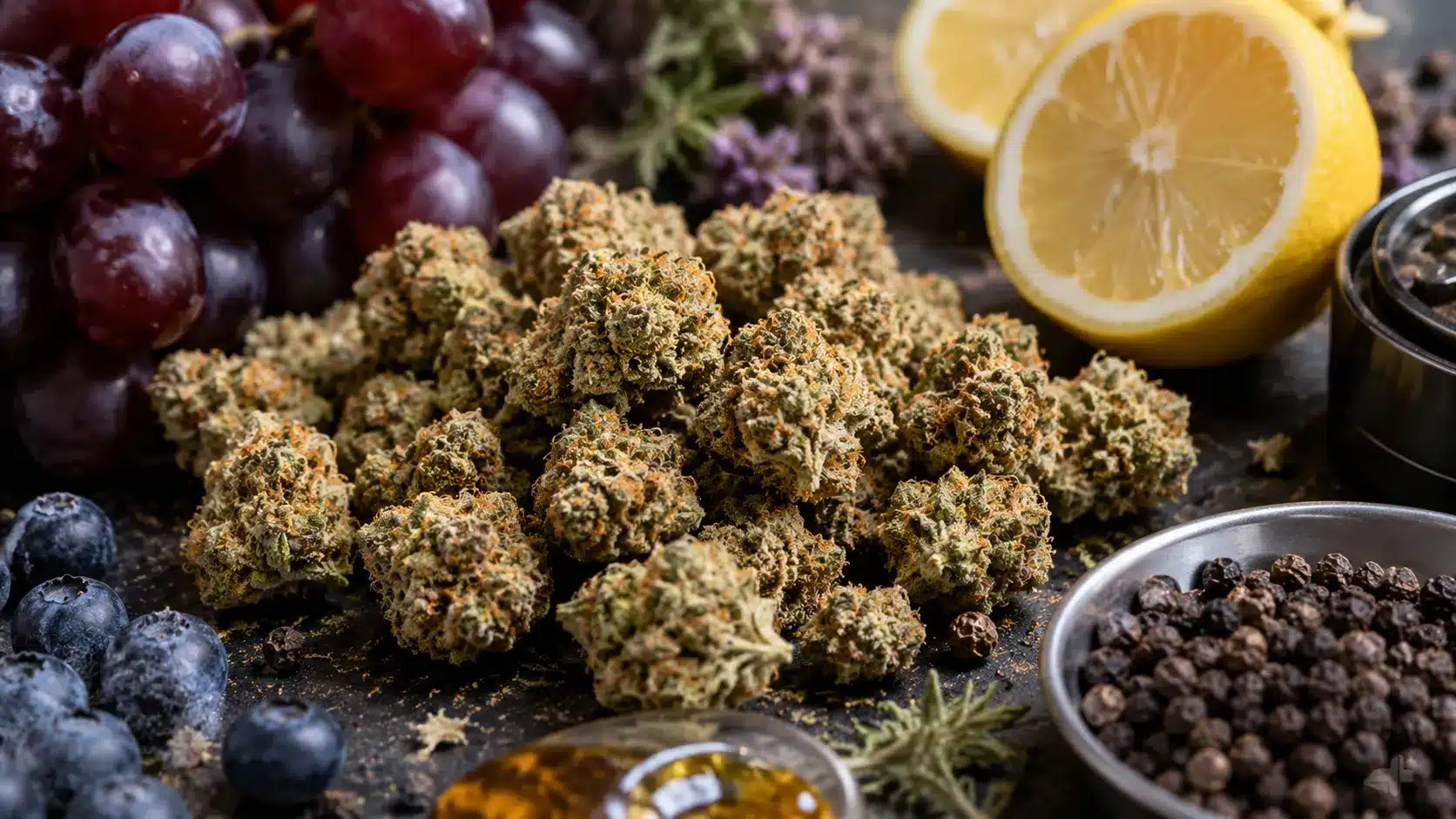
Grape Gas has one of the more distinctive sensory profiles in the high-THC hybrid category. The smell hits before the jar opens, and flavor carries through from the first pull.
Flavor
The grape gas weed strain usually opens with sweet grape candy, then shifts into a sour citrus and diesel finish with a light pepper edge.
Some batches lean creamier or more berry-forward, while others hit sharp and fuel-heavy right away. If you have ever tried a strain from the Jet Fuel side of the family, that gassy parent-side character is easy to recognize here.
Aroma
The smell of a fresh jar of Grape Gas tends to be louder than the taste. Expect ripe grape, skunk, sour fuel, damp earth, and light spice layered together, sweet one second, then garage-adjacent the next.
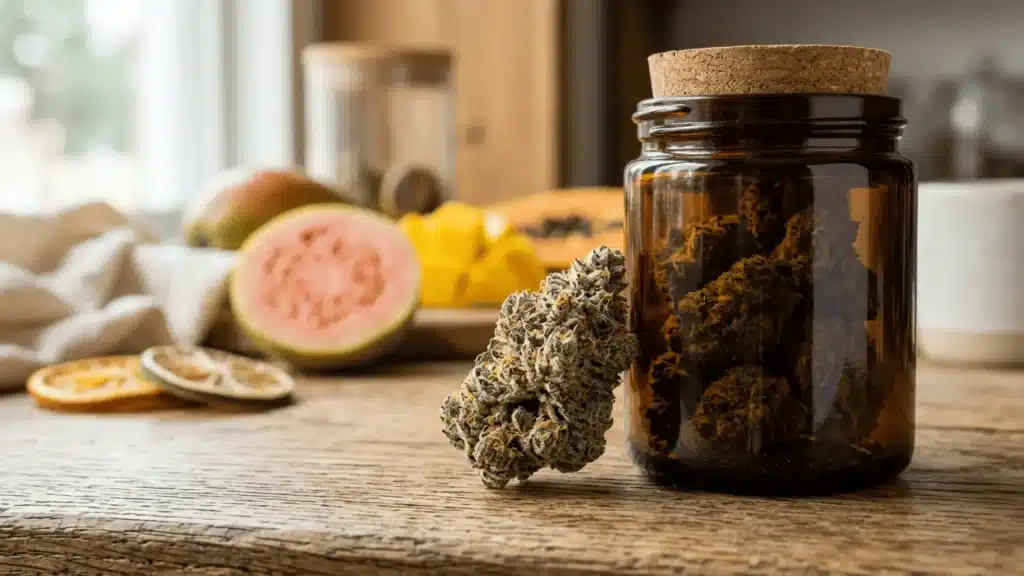
Keep it in a sealed glass jar, because this strain is not discreet in a loose bag or open container at any point during storage.
Appearance
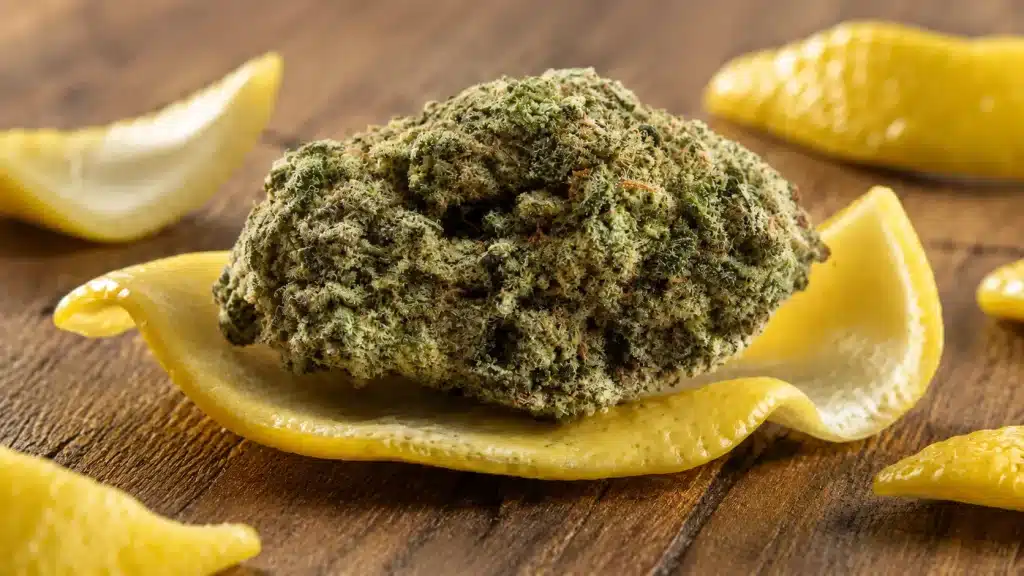
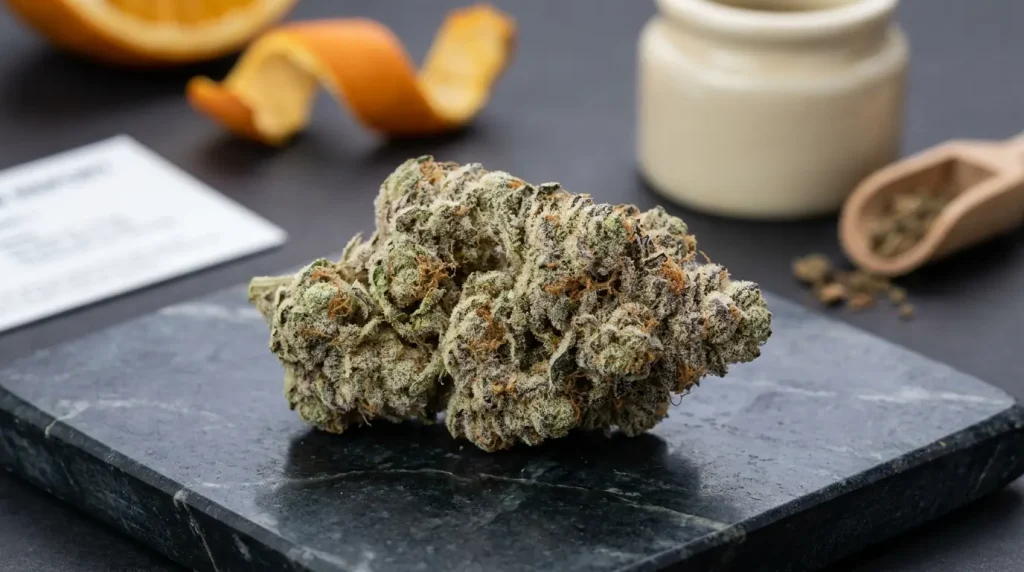
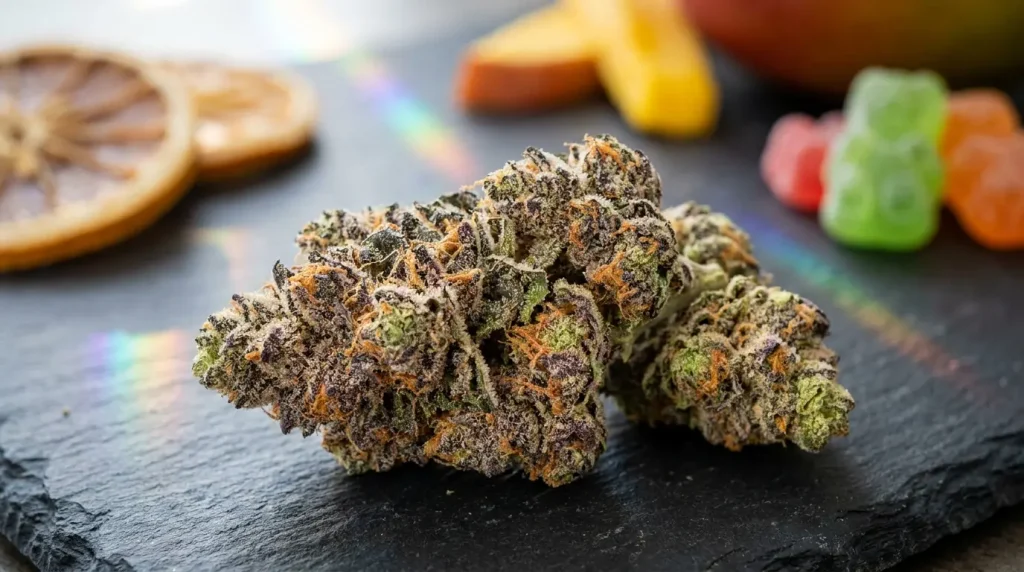
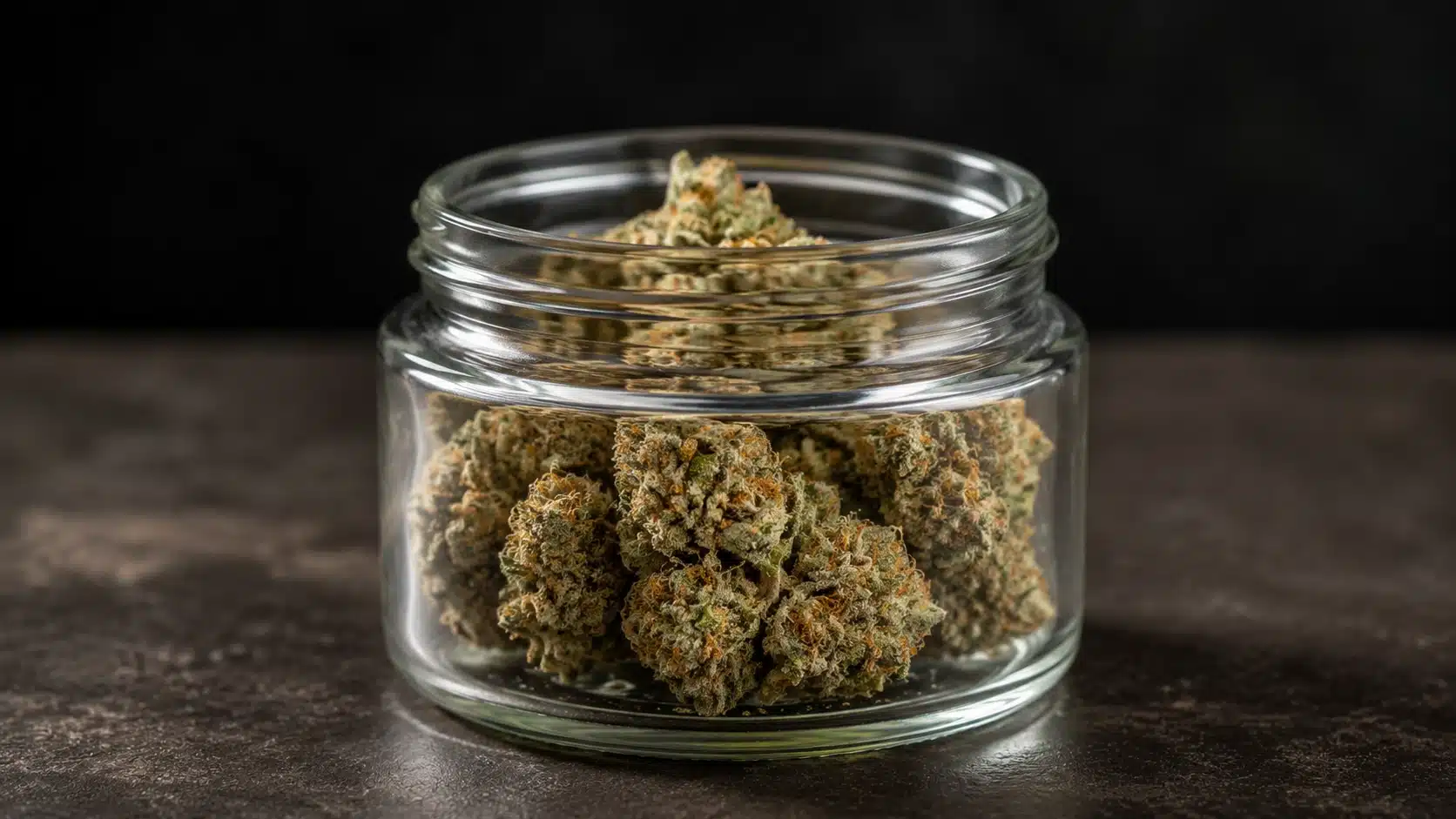
Well-grown Grape Gasoline produces dense, frosty buds with purple shading, bright orange hairs, and a heavy trichome coat from good resin production.
The purple tones come from anthocyanin pigments activating at cooler temperatures during the flower stage. That said, color alone does not signal quality. Freshness, cure, smell, and lab testing matter far more than dramatic purple coloring.
THC Content and Potency
The grape gas strain is not a mild pick. Most dispensary pages and strain databases place it in the strong range, with THC commonly landing in the mid-20s. Batch results can be lower or higher depending on grow quality, harvest timing, curing, storage, and lab method. The table below shows how different ranges tend to feel in practice:
| THC Range | Likely Strength | User Note |
|---|---|---|
| 18% to 20% | Moderate to strong | More accessible entry point for cautious users |
| 21% to 25% | Strong | The most common range across Grape Gasoline listings |
| 26% to 29%+ | Very strong | Best suited to experienced users in a calm setting |
| Concentrates | Much stronger | Use extra caution, especially with dabs or vape cartridges |
A higher THC number does not automatically mean a better session. A fresh, well-cured batch at 23% with clean terpene data will almost always outperform a dry, poorly stored batch at 29% with no smell and a vague label.
Effects of Grape Gas

Grape Gas does not deliver all of its effects at once. The experience builds in two clear stages, which is why experienced consumers rate it differently from a heavy indica.
Body Effects
The body effect on Grape Gas usually starts as a soft looseness across the shoulders and chest, then settles deeper as the session continues.
Users commonly report muscle ease, slowed movement, couch comfort, and a warm, spreading body buzz. With a stronger batch, that body feel can get heavy enough that a movie or a slow meal becomes the obvious plan for the rest of the evening.
Mental Effects
The head effect is often described as happy, lightly lifted, and mildly social. It does not feel sharp like a classic daytime sativa would.
Instead, users report a calm smile and a soft mental landing rather than racing thoughts or high-energy focus. That makes it a decent pick after a long work shift, not during one.
Side Effects
Common side effects of the grape gas weed strain include dry mouth, dry eyes, dizziness, and, in some cases, anxiety or paranoia, particularly with high-THC batches or low tolerance.
Strong cannabis can also affect memory, reaction time, and coordination. A review by the National Academies found evidence for certain medical uses of cannabis, though that does not make any single strain a treatment option for any specific person.
Read the full National Academies cannabis evidence review3 for context on where the research actually stands.
| ⚠️ Caution: Avoid this strain if you are THC-sensitive, prone to anxiety with cannabis, pregnant, underage, or combining it with alcohol or other substances. |
Dosage Guide
Use this as a general pacing reference, not medical advice. Product strength, consumption method, and personal tolerance vary widely with the grape gas strain. Here’s a clear dosage guide:
| User Type | Suggested Pace | Reason |
|---|---|---|
| New user | Choose a milder strain or skip this one | Grape Gas often tests too high for a first experience |
| Occasional user | Start with a very small amount, then wait | Effects can build over several minutes |
| Regular user | Use your normal low starting amount first | Batch strength can still vary from what you expect |
| THC-sensitive user | Skip or choose a lower-THC hybrid | Fuel-heavy profiles can feel intense for sensitive users |
| Edible user | Focus on milligrams, not strain name | Edibles last longer and often feel stronger than flower |
Do not rush the second round. The grape gas strain can feel smooth at first, then settle harder than expected. Start low, pause, and let the effects show up before taking more. Your comfort matters more than matching someone else’s dose.
| 📝 Tip: Do not re-dose quickly. Give the first amount 15-20 minutes to settle in before deciding whether you need more. |
What Users Commonly Report
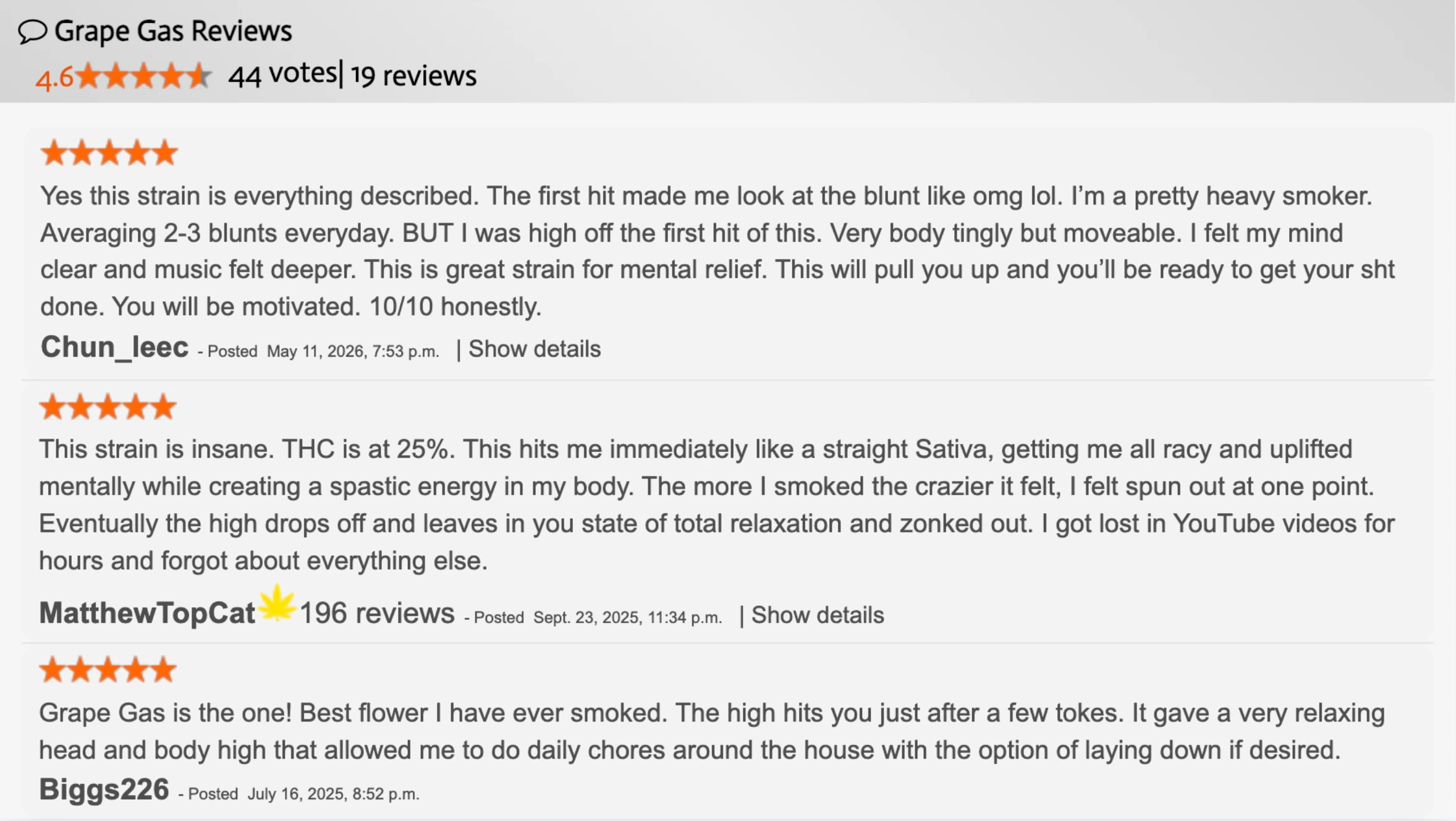
AllBud reviews4 for the Grape Gas strain mostly point to a strong, relaxing hybrid with a sweet grape taste and a clear diesel kick. Many users mention a happy, lifted mood first, followed by body ease that can feel warm and heavy.
The Grape Gas weed strain also gets praise for its long-lasting flavor, especially from people who like fruity strains with a gassy finish. Some users say it works well for quiet evenings, light social time, or settling down after a long day.
The less positive notes are just as useful: dry mouth, strong THC, and possible couch lock if you take too much. That makes Grape Gasoline better suited for users who already know their THC comfort level. The name sounds fun, but the high can be serious.
| 📝 Note: User reviews are personal accounts, not clinical data. Your response may differ based on dose, tolerance, product type, and current mood or physical state. |
How to Grow Grape Gas
Grape Gas is commonly grown indoors, though outdoor cultivation is possible where climate and law allow. Before starting, plan for serious odor output from the moment flowering begins:
- Odor control is non-negotiable: The grape and fuel smell builds fast and fills a room. Carbon filtration with strong airflow is the standard approach for indoor grows.
- Dense buds need humidity management: Poor air circulation around tight flower clusters invites moisture buildup and mold. Keep relative humidity lower in the final weeks of flower.
- Watch plant height: Some Grape Gasoline-style cuts can stretch during the transition to flower, so topping or low-stress training early helps keep the canopy manageable indoors.
- Feeding response varies by cut: Follow breeder or clone-source notes closely on nutrient schedule, since general charts may not match the specific phenotype you are growing.
- Purple tones appear late: Color usually develops in the final weeks of flowering when night temperatures drop. It is a visual bonus, not a growth target to chase at the cost of other quality factors.
Resin production and trichome density tend to be strong on well-grown Grape Gasoline cuts. Harvest timing and a proper cure are the final variables that separate a sticky, flavorful jar from a mediocre one.
| ⚠️ Caution: Only grow cannabis where local law permits it. Stay within plant count limits and keep all plants secured away from children and pets. |
Grape Mint Gas Strain, Same Family or a Different Pick?
The grape mint gas strain is best treated as a related option rather than a synonym for standard Grape Gas. Menus that list Grape Mint Gas typically describe a minty, cooler flavor profile layered over Grape Gasoline-style genetics, often with Menthol-adjacent crosses in the background.
The result is a hybrid that still carries grape and fuel at its core, but adds a fresh cooling mint note that changes the finish noticeably.
It shares a similar hybrid feel and potency range, but the flavor lands in a different place than standard Grape Gas or Grape Gasoline. If you prefer grape candy with a cool, refreshing edge, Grape Mint Gas may be the better pick.
If you want heavier diesel and raw grape without mint, standard Grape Gas or Grape Gasoline will land closer to what you are after. Check the label, because the name alone does not tell the full story.
How Similar Strains Compare
Before committing to a jar, it helps to see how Grape Gas stacks up against other fruity, gassy, and dessert-forward hybrids in the same flavor lane. Here are some similar strains:
| Strain | Why It Is Similar | Main Difference |
|---|---|---|
| Grape Gasoline | Often used as the same strain name | Tied to CompoundGenetics’’ Grape Pie x Jet Fuel Gelato |
| Jet Fuel Gelato | Fuel, cream, and strong potency, direct parent link | Less grape, more gelato sweetness and raw gas |
| Grape Pie | Sweet grape and dessert fruit notes, parent link | Generally softer body feel with less diesel character |
| Grape Mint Gas | Grape and gas profile with hybrid effects | Adds a cool, minty flavor layer |
| Granddaddy Purple | Grape flavor and classic purple appearance | More indica-leaning, often more sleep-focused |
| Sour Diesel | Fuel-forward, loud aroma, sour bite | Less sweet, typically more uplifting and daytime-leaning |
Grape Gas sits squarely between candy grape and sharp diesel, which is the overlap most fans of this profile seek when they ask for something loud yet still flavorful.
Should You Try Grape Gas?
If you already enjoy strong hybrids, grape flavor, diesel aroma, and a high that settles rather than spikes, then the grape gas strain is a reasonable pick for your next dispensary visit.
It fits well for a quiet evening hangout, a slow meal, background music, or a long movie where keeping track of the plot is optional. It is not the strain I would suggest before a work call or any situation that requires clear, fast thinking.
Skip it if you prefer mild THC, low smell, or a clean daytime focus. It is also worth skipping if high-THC flower has made you anxious before. In that case, a lower-THC hybrid or a balanced THC: CBD product will feel much easier to manage.
The Jet Fuel strain breakdown5 is useful for comparison if you want to see how the gassy parent side reads on its own before committing to the Grape Gas cross.
Whatever you choose, buy from a licensed source, read the batch label, and treat the specific product in front of you as the real reference, not just the strain name on the menu.
Frequently Asked Questions
Can Grape Gas show up on a drug test?
Yes. Grape Gas contains THC, and standard drug tests screen for THC metabolites, not strain names. Detection windows depend on use frequency, body composition, product strength, and test type. If testing is a concern, avoid any THC-containing product regardless of strain.
Can you mix Grape Gas with alcohol?
Mixing cannabis with alcohol makes impairment less predictable and may raise the risk of nausea, dizziness, anxiety, or feeling overwhelmed. Strong THC flower like Grape Gas already carries a high potency floor, so combining it with alcohol adds unpredictability most users prefer to avoid.
Why does Grape Gas cost more at some dispensaries?
Pricing shifts based on grow quality, brand reputation, terpene concentration, freshness, lab results, and local market demand. A higher price does not automatically signal betterflowersr. Compare lab data, smell, cure quality, and source credibility before paying a premium for any batch.
What makes Grape Gasoline different from other grape strains?
The Jet Fuel Gelato parent adds a sharp diesel layer that most grape strains lack. That combination of sweet grape candy and raw fuel is what separates Grape Gasoline from softer dessert-style grape crosses like Grape Pie or Granddaddy Purple, which lean more fruit and less gas.
Final Verdict
The grape gas strain makes a strong first impression, and for the most part, it delivers on that promise. Sweet grape, sour fuel, and a grounded hybrid high make it one of the more distinctive options in this flavor category.
The name can get messy across different menus and databases, so it is worth confirming whether you are looking at Grape Gas, Grape Gasoline from Compound Genetics, or the related grape mint gas strain before you buy.
Treat it as a strong, flavor-first choice built for experienced users, not a casual first-time strain. Start small, check the label, and keep the setting simple.
If you have tried a batch recently, drop your notes on aroma, THC, brand, and effects so other readers can compare real experiences. Drop a comment below and let me know if it worked out for you.
Sources
- Leafly, Grape Gasoline strain information: https://www.leafly.com/strains/grape-gasoline
- AllBud, Grape Gas strain information: https://www.allbud.com/marijuana-strains/hybrid/grape-gas
- National Academies, cannabis and cannabinoids evidence review: https://www.ncbi.nlm.nih.gov/sites/books/NBK425767/
- Jet Fuel strain guide: https://funwithdizzies.com/jet-fuel-strain-review-effects-thc-flavor-safety-guide/
- Caryophyllene terpene guide: https://funwithdizzies.com/caryophyllene-terpene-effects-benefits-and-safety/