| ⚠️ If someone is in crisis right now: Call 911 for overdose, unconsciousness, or psychosis with violent behavior. For confidential support and treatment referrals, call SAMHSA’s National Helpline: 1-800-662-4357 (free, 24/7, in English and Spanish). If you are in immediate danger, stop reading and call now. |
Street Names for Meth: The Complete Slang Guide for Families and Caregivers
If you heard the word “ice,” “Tina,” or “crank” in a text message and felt your stomach drop, you are not overreacting. These are street names for meth, and knowing what they mean is one of the most practical things you can do right now. This guide breaks down every major category of meth slang, including regional terms, international nicknames, use-related language, paraphernalia names, and colored meth variants that most articles miss. You will also find clear steps on what to do if you recognize warning signs in someone you care about.
Street Names for Meth at a Glance
| Category | Common Names |
| Most Widely Used | Crystal, Ice, Glass, Crank, Speed |
| Appearance-Based | Chalk, Shards, Rocks, Quartz |
| Regional (US) | Crank (Midwest/South), Go-Fast (West), Redneck Cocaine (rural) |
| Community-Specific | Tina, T, Christina, PNP (party and play) |
| Colored Meth Variants | Strawberry Quick, Soap Dope (pink); Blue Magic, Smurf Dope (blue) |
| International | Yaba (Southeast Asia), Shabu (Philippines/Japan), Jib (Canada) |
| Combo Drug Slang | Goofball (meth + heroin), Twisters (meth + MDMA), Speedball |
| Action/Use Slang | Tweaking, Getting Geared Up, Hot Rolling, Glassing, Chicken Flipping |
| Paraphernalia | Pookie (pipe), Points/Rigs (needles), Bubble, Glass Rose |
Slang alone is never proof of drug use, and that context matters. One unfamiliar word in a text is not a crisis. A pattern of words combined with behavioral changes is worth your full attention. Read on, and you will know exactly what to look for and how to respond without shutting the conversation down.
What is Methamphetamine?
Methamphetamine is a powerful synthetic stimulant that acts on the central nervous system. It is classified as a Schedule II controlled substance in the United States, meaning it carries a high potential for misuse with very limited medical use. It is technically prescribed as Desoxyn in rare cases for ADHD and obesity, but this is uncommon in clinical practice.
Meth works by flooding the brain with dopamine, the chemical involved in motivation, reward, and movement, creating an intense, reinforcing high that drives compulsive repeat use. According to the NIDA methamphetamine research page, this dopamine surge is far more intense than anything produced naturally, which is why dependence can develop quickly.
Meth comes in several forms: white powder, pills, and the most well-known version, crystal meth, which appears as clear, rock-like shards resembling broken glass or rock candy. Each form has its own slang terms, which is the main reason the list of meth nicknames is so long.
| 📌 Note: There is currently no FDA-approved medication specifically for treating methamphetamine addiction. Research is ongoing, including studies on antibody-based vaccines designed to neutralize meth in the bloodstream before it reaches dopamine receptors. |
Why Does Meth Have So Many Street Names?
Meth goes by over 200 documented slang terms, and that number keeps growing. The main reason is evasion: people involved in meth use and distribution use coded language to avoid detection by law enforcement, family members, and employers. Once a term becomes widely recognized, the slang rotates.
Names also emerge from the drug’s appearance, its effects, and the community or region where it is sold. A term common in rural Kansas may mean nothing in urban Los Angeles, and vice versa. Internet and social media have accelerated slang spread considerably, allowing terms born in one city to surface in another within weeks.
Social identity plays a role too. Some terms, particularly within LGBTQ+ communities, carry specific cultural meaning beyond just naming the drug. Understanding that layer helps caregivers ask better questions and avoid assumptions.
The Most Common Street Names for Meth
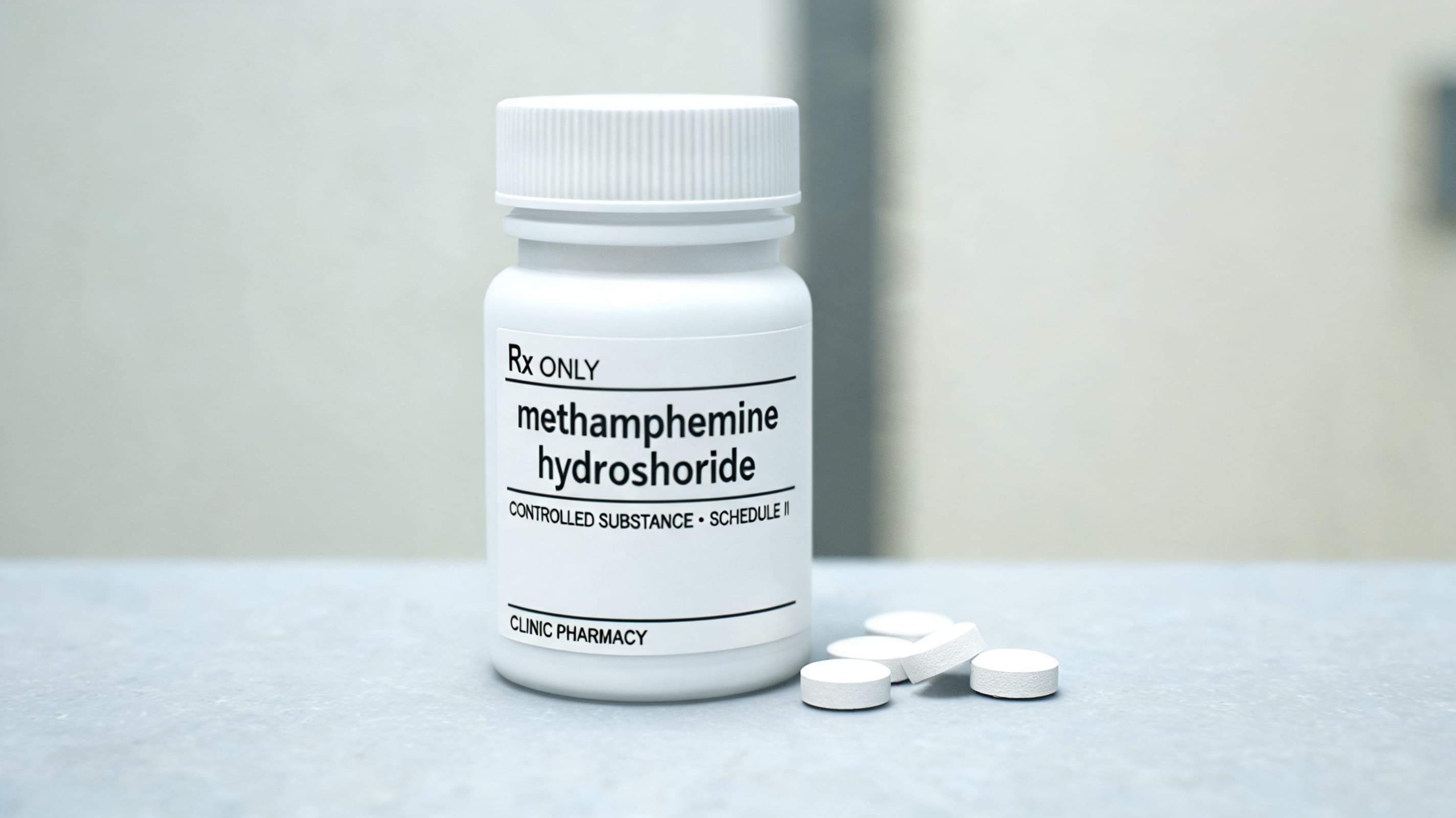
Meth has many street names, and each one points to something specific: its form, its effect, or where it is being sold. Knowing these terms helps you recognize risky conversations before they escalate.
1. Crystal and Ice
“Crystal” and “ice” are the most widely recognized street names for methamphetamine in the United States. Both typically refer to the clear, rock-like form of the drug that resembles glass shards or rock candy.
“Ice” often refers specifically to a purer and more potent form, and the term is especially common in Western states and Hawaii. According to American Addiction Centers’ meth slang guide, these are among the most consistently reported nicknames in national treatment data.
2. Glass, Shards, and Quartz
“Glass,” “shards,” and “quartz” all come from the physical appearance of crystal meth. These names describe its clear, sharp, broken-glass look.
Related terms include “hot ice,” “L.A. ice,” and “L.A. glass.” These nicknames tend to refer specifically to the crystal form rather than powdered meth. You may also encounter “super ice,” “Cristy,” and “shaved ice” used within the same context.
3. Crank and Speed
“Crank” is one of the older street names for meth, and it is especially linked with rural areas where homemade production became a serious public health problem.
You can find a detailed breakdown of what crank is and how it differs from crystal meth if you want to go deeper. “Speed” is a broader stimulant nickname used for decades, reflecting the drug’s core effects: increased energy, alertness, and reduced need for sleep.
4. Chalk and Go-Fast
“Chalk” typically refers to powdered meth, which can look off-white or dull rather than clear and crystalline. This form is more commonly associated with snorting.
“Go-fast” is a stimulant-effect nickname sometimes used by younger users or people newer to meth-related language. Both terms are less common on the West Coast, where crystal slang dominates.
5. Tina, T, and Christina
“Tina” is one of the most important meth nicknames to know because it sounds completely innocuous. Within LGBTQ+ communities, particularly among gay and bisexual men, Tina is a well-established coded name for meth. You may also see it shortened to “T” or written as “Christina.”
The phrase “party and play” or “PNP” refers to using meth in a sexual context, a pattern that carries significant health risks, including higher rates of HIV transmission and unsafe behavior. If you see these terms paired with changes in sexual behavior, sleep patterns, or secrecy, they warrant a calm conversation.
| Note: Street names change often. Some terms fade out while others spread through social media, music, texting, and online communities within months. No single list is ever fully current. |
Colored Meth Street Names: Pink, Blue, and Flavored Variants
Colored forms of meth are a growing concern that most awareness guides overlook. These variants are manufactured with additives that change the drug’s appearance and sometimes its flavor, making them easier to market to younger users.
Pink meth is produced with red food coloring and is often flavored to taste like strawberries, earning it the nickname “Strawberry Quick” or “Strawberry Meth.” Other street names for pink meth include “Soap Dope,” “Cheese,” and “Go-Fast.” It is typically consumed orally and resembles rock candy. The effects are identical to standard meth.
Blue meth gained significant cultural visibility after the television series Breaking Bad, but blue-tinted meth does exist in street supply. Street names for blue meth include “Blue Magic,” “Smurf Dope,” and “Blue Ice.” The blue color can result from specific precursors used during production, though it does not reliably indicate purity.
Lemon Drop refers to meth with a yellowish tint. “Hanyak,” “Hiropon,” and “Batu” are international terms sometimes encountered in US markets that also describe smokable crystal variants.
| ⚠️ Advisory: Flavored and colored meth variants are specifically designed to appear less threatening, particularly to younger people unfamiliar with the drug. If you find what appears to be flavored candy or rock candy in unusual circumstances, treat it with caution. |
Regional and International Meth Nicknames
Geography shapes meth slang significantly. The same drug carries entirely different names depending on where you are in the country or the world.
United States Regional Terms
Some meth slang is tied to specific US regions, particularly rural areas, older drug-use patterns, or local community language.
- Midwest and Rural South: Crank, Go-Fast, Redneck Cocaine, Trash, Garbage, Yellow Barn
- West Coast: Ice, Glass, Hot Ice, L.A. Glass, Super Ice
- General/Nationwide: Crystal, Speed, Tweak, Chalk, Scooby Snax, Cotton Candy, White Cross, Rocket Fuel
- LGBTQ+ Communities: Tina, T, Christina, PNP (party and play)
These terms should never be treated as evidence on their own. A word may have an entirely different meaning in context, and slang shifts quickly across locations and online communities.
International Names
Methamphetamine slang also varies significantly outside the United States. Some names are directly linked to specific countries and regional drug-awareness reports.
- Southeast Asia: Yaba
- Canada: Jib, Peach, Candy
- Philippines and Japan: Shabu
- Parts of Europe: Pervitin
| 📌 Note: Regional names are not static. They migrate, especially online. A term that originated in rural Tennessee can appear in a suburban Chicago text chain within months. |
Slang Terms for Meth Combinations with Other Substances
Meth is frequently mixed with other substances to cut supply, increase potency, or create specific effects. These combinations are especially dangerous and carry their own dedicated slang.
| Combination | Street Name(s) |
|---|---|
| Meth + Heroin | Goofball, Speedball (variant) |
| Meth + MDMA | Twisters, Hugs and Kisses |
| Meth + Cocaine | Party and Play combo, Shabu (in some regions) |
| Meth + Coffee | Biker Coffee |
| Meth + Fentanyl | No consistent name; extremely high overdose risk |
Combining stimulants with depressants, especially opioids, creates conditions where one substance can mask the overdose signs of another. According to SAMHSA public health data, approximately half of overdose deaths involving stimulants also involve opioids. If you suspect someone is using a combination involving meth and fentanyl, this is a medical emergency.
| ⚠️ Emergency: Meth combined with opioids, particularly fentanyl, significantly raises the risk of fatal overdose. Signs include blue lips, unconsciousness, and stopped breathing. Call 911 immediately. If naloxone (Narcan) is available, administer it while waiting for emergency services. |
Slang for Meth Use, Paraphernalia, and Being High
Meth slang also covers how people use the drug, the tools involved, and what being high looks like. These terms can help you spot patterns before other warning signs become obvious.
Use-Related Slang
- Tweaking: The frantic, agitated state that follows or accompanies a meth high. Someone who is tweaking may appear paranoid, unable to stay still, or intensely anxious.
- Getting Geared Up: Being high on meth.
- Hot Rolling: Inhaling liquid meth.
- Glassing: Snorting meth.
- Chicken Flipping: Using meth and MDMA together.
- Getting Spun Out / Getting Scattered: Experiencing the disorientation and paranoia associated with extended meth use.
- Shake and Bake: A reference to small, makeshift meth labs made in plastic bottles using volatile, dangerous chemicals.
Paraphernalia Slang
- Pookie: A small glass pipe used to smoke meth.
- Bubble / Oil Burner / Glass Rose: Variations of the glass smoking pipe.
- Points, Fits, Rigs, Pencils: Needles used for injection.
| Caution: These terms alone do not confirm meth use. Look for repeated slang combined with behavior changes, sleep loss, secrecy, anxiety, financial problems, or unusual equipment before drawing conclusions. One word is a question. A pattern is a concern. |
Other Names for Meth in Medical and Legal Contexts
Meth is not always referred to by street names. In medical, pharmacy, scientific, and legal settings, formal names are used to avoid ambiguity about the exact substance being discussed.
- Methamphetamine hydrochloride: The formal chemical name used in scientific and medical records.
- d-Methamphetamine hydrochloride: The psychoactive isomer linked to strong stimulant effects.
- Desoxyn: The FDA-approved prescription brand name for methamphetamine.
- Methamphetamine HCl: A shortened legal and laboratory term.
- Schedule II controlled substance: The legal classification indicating high misuse risk with limited medical use.
| 📌 Note: In a medical or toxicology context, “d-methamphetamine” is the regulated, psychoactive form. The “l-methamphetamine” form is found in some over-the-counter nasal inhalers and carries no significant stimulant effect. This distinction matters in legal cases and drug tests. |
Why Meth Slang Matters for Families
Knowing meth slang can matter because it may surface as an early clue before larger warning signs appear. Parents, partners, teachers, and coworkers may hear words like “ice,” “crank,” or “Tina” before they notice sleep loss, mood swings, or disappearing money.
That said, slang should never be treated as proof. People repeat words from music, jokes, movies, and social media without using drugs. The healthier response is to stay calm, look for patterns, and ask questions with care rather than confrontation. You might say: “I heard a word that worried me. I’m not here to attack you. I just want to understand what is going on.”
That line is not magic, but it beats raising your voice, which usually shuts the conversation down faster than anything else.
Physical and Behavioral Warning Signs of Meth Use

Physical signs: Rapid, unexplained weight loss, severe dental decay (commonly called “meth mouth”), skin sores from compulsive picking, dilated pupils, elevated body temperature, excessive sweating, and hyperactivity.
Behavioral signs: Staying awake for extended periods, sometimes days at a time, sudden paranoia, erratic or aggressive behavior, withdrawal from family and friends, financial problems, and loss of interest in previously enjoyed activities.
Psychological signs: Hallucinations, delusions, including the sensation of insects crawling under the skin (sometimes called “crank bugs”), severe anxiety, and psychosis. Psychotic symptoms can persist for months or years after a person stops using meth, and can return under significant stress even after long periods of recovery.
If you need to understand what comes next if someone stops using, the detailed breakdown of methamphetamine withdrawal symptoms and what to expect can help you prepare for that stage.
Treatment and Support Options
Meth addiction can feel overwhelming, but treatment and support genuinely help people recover. The right approach depends on the individual’s current health, safety, and daily circumstances.
- Medical care: A doctor or treatment provider can assess health risks and guide safe next steps for the person using and for family members.
- Counseling: Therapy helps people understand triggers, cravings, stress responses, and relapse risks in a structured way.
- Behavioral therapies: Cognitive Behavioral Therapy (CBT) and contingency management are the primary evidence-based approaches for meth use disorder since no FDA-approved medication currently exists for this addiction.
- Peer support: Support groups reduce isolation, which is often as damaging as the drug itself during recovery.
- Family support: Loved ones may need their own guidance and space to process what has happened, especially when trust has been damaged.
- Basic life stabilization: Help with sleep, mood, housing, employment, or family stress all reduce relapse risk.
- SAMHSA support: The SAMHSA National Helpline (1-800-662-4357) provides free, confidential referrals to treatment and support services around the clock.
- Withdrawal support: Withdrawal typically includes exhaustion, low mood, anxiety, sleep changes, and intense cravings. Medical support during this stage makes the process safer and more manageable.
| Note: Withdrawal is uncomfortable but manageable with the right support. Recovery is not instant, and relapse is common. Neither means failure. Thousands of people rebuild their lives after meth addiction every year. |
What to Do If You Recognize These Signs in Someone You Know
First: do not panic, and do not confront in anger. Approaching someone with rage typically shuts the conversation down immediately. Stay calm, stay factual, and lead with care.
Second: educate yourself. Knowing what the drug is, what it does, and what the language around it means puts you in a far better position to help. Understanding what meth feels like, including its short-term effects and risks, can make those conversations less confusing and more grounded.
Third: connect with professional resources. SAMHSA’s National Helpline (1-800-662-4357) is free, confidential, and available around the clock. Treatment works, and it is available now.
Frequently Asked Questions
What are the most common street names for meth in 2025?
The most widely recognized street names for meth in the United States are crystal, ice, glass, crank, and speed. Within LGBTQ+ communities, Tina and T remain common. Regional terms like Go-Fast (West Coast) and Redneck Cocaine (rural South and Midwest) are also still in active use. Slang rotates over time, so staying current matters for parents and caregivers.
What does “Tina” mean in drug slang?
Tina is a coded nickname for methamphetamine used primarily within LGBTQ+ communities, particularly by gay and bisexual men. The name sounds like an ordinary first name, which makes it easy to use in conversation without raising concern. “Party and play” or PNP refers specifically to using meth in a sexual context, which is associated with heightened risk of HIV transmission and other health consequences.
What is pink meth, and what are its street names?
Pink meth is methamphetamine manufactured with red food coloring and often flavored to taste like strawberries. Its most common street names include Strawberry Quick, Soap Dope, and Cheese. It is typically consumed orally and is designed to appear less threatening, particularly to younger or first-time users. Its effects are identical to standard crystal meth and carry the same risks of addiction and overdose.
Can meth slang appear in social media or online messages?
Yes. Meth slang commonly appears in captions, comments, usernames, hashtags, dating app profiles, and private messages. A single term alone does not prove drug use, but repeated slang combined with behavior changes, odd schedules, financial stress, or secrecy may deserve a closer and calmer conversation.
Can teenagers use meth slang without knowing what it means?
Yes, this happens regularly. Teens often repeat slang they have heard in music, memes, or videos without understanding the drug meaning behind it. That is why calm, curious questions work better than accusations. Try asking where they heard the word and what they think it means before drawing conclusions.
What should I do if I find drug paraphernalia like a meth pipe?
Do not handle it with bare hands, as pipes may have residue, sharp edges, or bodily fluids. Keep children and pets away from the area. Contact a harm reduction service, your local health department, or a police non-emergency line for safe disposal guidance. Finding paraphernalia is a signal to seek professional support, not to confront the situation alone.
Is it safe to test unknown substances at home for meth?
Reagent testing kits can reduce some risk by confirming the presence of methamphetamine, but they cannot identify every adulterant or combination. Fentanyl test strips are a separate, important addition when meth is suspected to be in the supply. For any suspected meth or fentanyl exposure, professional help is always the safest response.
What is the difference between crystal meth and regular meth?
Crystal meth refers to the high-purity, rock-like form of methamphetamine that resembles shards of glass or ice. Powdered meth is an older, lower-purity form associated with terms like crank, chalk, and speed. Both are the same drug chemically, but crystal meth tends to be more potent and is most commonly smoked, while powdered forms are more frequently snorted or swallowed. The risks of addiction and overdose apply to both forms.
Conclusion
Meth slang can look simple on the surface, but it can carry serious meaning. When you understand street names for meth, you can spot possible warning signs sooner and respond with more care.
I covered common names, regional terms, international slang, combo drug terms, use-related words, paraphernalia names, warning signs, and support options. You also learned why one word should not lead to panic. It should lead to calm attention.
This information matters because it helps you ask better questions, notice patterns, and support someone without blame. If you found this helpful, share your thoughts in the comments below or check out related blogs to keep learning.
Sources
National Institute on Drug Abuse (NIDA). “Methamphetamine Research Topics.” National Institutes of Health. nida.nih.gov
Substance Abuse and Mental Health Services Administration (SAMHSA). “Methamphetamine Awareness Day.” U.S. Department of Health and Human Services. samhsa.gov
American Addiction Centers. “Meth Street Names, Nicknames, and Slang Terms.” American Addiction Centers. americanaddictioncenters.org
National Association of State Alcohol and Drug Abuse Directors (NASADAD). “Methamphetamine Overview 2023.” NASADAD. nasadad.org