
To inhale weed properly, draw smoke gently into your mouth first, follow it with a small breath of fresh air to push it into your lungs, hold for one to two seconds, and exhale slowly through your mouth.
That two-step process is the entire technique, and everything below explains how to do it consistently with less coughing and more control.
Most people figure this out by coughing through their first few sessions with a concerned friend saying, “No, no, like this.” If you want to skip that part entirely, you are in the right place.
Quick Glance: How to Inhale Weed
| Step | What to Do | Why It Matters |
|---|---|---|
| 1. Draw | Pull smoke gently into your mouth | Prevents too much smoke from hitting your throat at once |
| 2. Pause | Let it sit briefly in your mouth | Cools the smoke slightly before it goes deeper |
| 3. Inhale | Breathe in fresh air to push it into your lungs | This is the step that actually delivers THC |
| 4. Hold | 1 to 2 seconds only | Longer holds add irritation, not better absorption |
| 5. Exhale | Breathe out slowly and steadily | Reduces throat strain and coughing |
| 6. Wait | 10 to 15 minutes before another hit | Lets you gauge how strong the effects are |
What Happens When You Inhale Cannabis?
When you draw smoke or vapor into your lungs, THC moves through the lung tissue directly into your bloodstream. From there, it travels to the brain and begins producing its effects. This is why inhaled cannabis works faster than edibles, often within minutes rather than an hour or more.
The amount you feel depends on how much actually reaches your lungs, not how hard you pull. A massive hit that mostly stays in your mouth does very little. A small, clean draw that fully enters the lungs does much more.
The National Institute on Drug Abuse covers how THC affects the brain in detail, and the short version is this: bigger hits do not always mean a stronger experience. Too much, too fast, is more likely to cause coughing, dizziness, or anxiety than a better time.
| 📝 Note: Effects from inhaled cannabis typically begin within 2 to 10 minutes. If you feel nothing after 15 minutes, consider whether you fully inhaled, rather than immediately reaching for another hit. |
The Best Beginner Method for How to Inhale Weed Properly
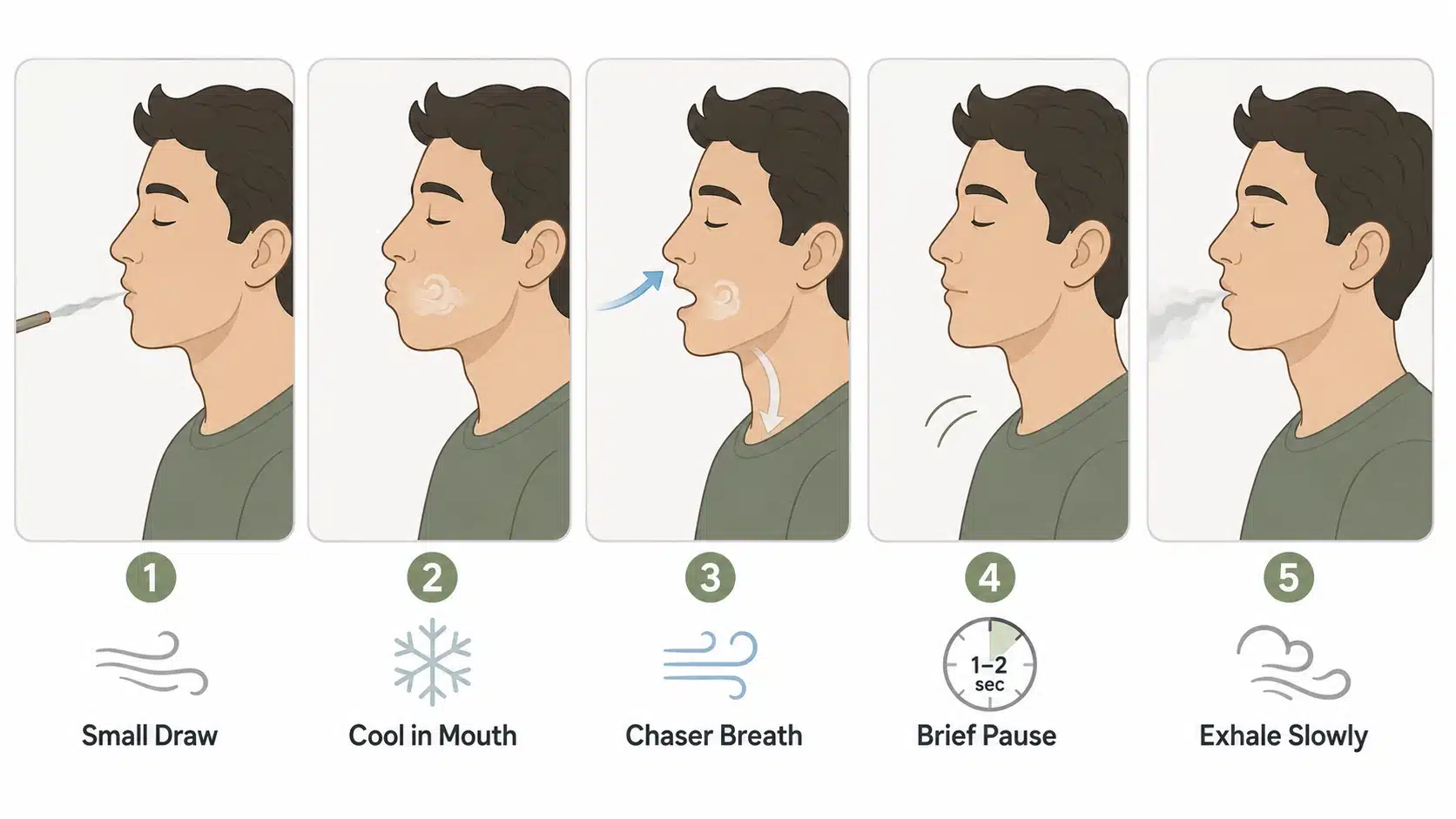
This is the core technique, and it is simpler than most people expect. Think of it as a two-step inhale rather than one big gulp.
Step 1: Take a Small Draw
Pull gently, as if sipping through a straw. You are not trying to empty the bowl or finish in one go.
A small, controlled draw gives you far more control over how much you take in and keeps the smoke from being uncomfortably hot when it reaches your throat. Starting small is always the right call here, especially in your first session.
Step 2: Let It Sit Briefly in Your Mouth
Hold it in your mouth for just a moment, not to absorb anything, but to let it cool slightly before it travels further. This brief pause also prevents the common beginner mistake of panic-inhaling too much at once.
It naturally slows the entire process down, which is exactly what you want when you are still learning how your body responds.
Step 3: Breathe In Fresh Air
After the smoke settles in your mouth, breathe in a small amount of fresh air alongside it. This is often called the chaser breath, and it is the step most beginners skip entirely.
It pushes everything down into your lungs, where absorption actually happens. Without this step, the majority of the active compounds never reach your bloodstream effectively.
Step 4: Pause Briefly
One to two seconds is genuinely all you need. Your lungs absorb THC quickly, and a short, comfortable hold is more than sufficient for most beginners to feel noticeable effects within a few minutes.
Holding longer does not increase absorption meaningfully, and it only increases throat irritation. Keep the pause short, controlled, and relaxed rather than forced.
Step 5: Exhale Slowly
Let it out at a slow, steady pace through your mouth. Forcing it out through your nose can cause a burning sensation, particularly for beginners.
Slow exhalation reduces the likelihood of coughing, is considerably easier on your airways, and makes the entire experience feel more comfortable and manageable from start to finish.
| ⚠️ Advisory: If you feel any burning or tightening in your chest during or after exhaling, stop for the session. That is your body asking for a break, and it is worth listening to. |
How to Inhale Weed From Different Methods
The basic inhale technique remains consistent across all methods, but each has small adjustments that make a real difference. Here is a quick breakdown of what to know before you start:
| Method | How to Inhale | Watch Out For |
| Joint | Take small puffs, pull gently to keep the burn even | Harsh or chemical taste may signal flower quality issues |
| Pipe | Cover the carb while drawing, release it when inhaling fresh air | Pulling without releasing the carb traps stale smoke |
| Bong or Water Pipe | Take slow pulls, clear the chamber gently, and start with a single small hit; change the bong water regularly to avoid harsh residue buildup | Cooled smoke feels deceptively smooth, making it easy to over-inhale without realizing it |
| Vape Pen or Concentrate | Use short draws of 2 to 3 seconds, wait 2 to 3 minutes between hits | Concentrate potency varies widely, and effects can hit harder than expected; only purchase from licensed dispensaries |
Each method delivers the same core experience with varying levels of control and intensity.
For joint beginners, understanding how moisture affects burn quality is worth your time, and what happens when you use wet cannabis covers exactly that. If you are rolling with shake or lower-grade flower, expect a slightly harsher draw and adjust your hit size accordingly.
Do You Need to Hold Weed Smoke In?
This is one of the most persistent myths in cannabis inhalation, and the answer is no. Holding smoke in your lungs for 10 or 20 seconds does not meaningfully increase how much THC your body absorbs.
Research published on PubMed examining breath-hold duration and cannabis response found that longer holds do not produce significantly stronger effects. What they do produce is more irritation and a lightheaded feeling that comes from reduced oxygen, not better THC delivery.
That spacey, dizzy sensation people associate with a long hold is not a sign of a stronger high. It is mild hypoxia. A one- to two-second pause after inhaling is plenty. Your lungs handle the absorption quickly.
| ⚠️ Advisory: If you regularly feel dizzy, lightheaded, or short of breath after smoking, consider reducing hit size and hold time. Persistent breathing discomfort should be discussed with a doctor. |
Why You Cough When Smoking Weed
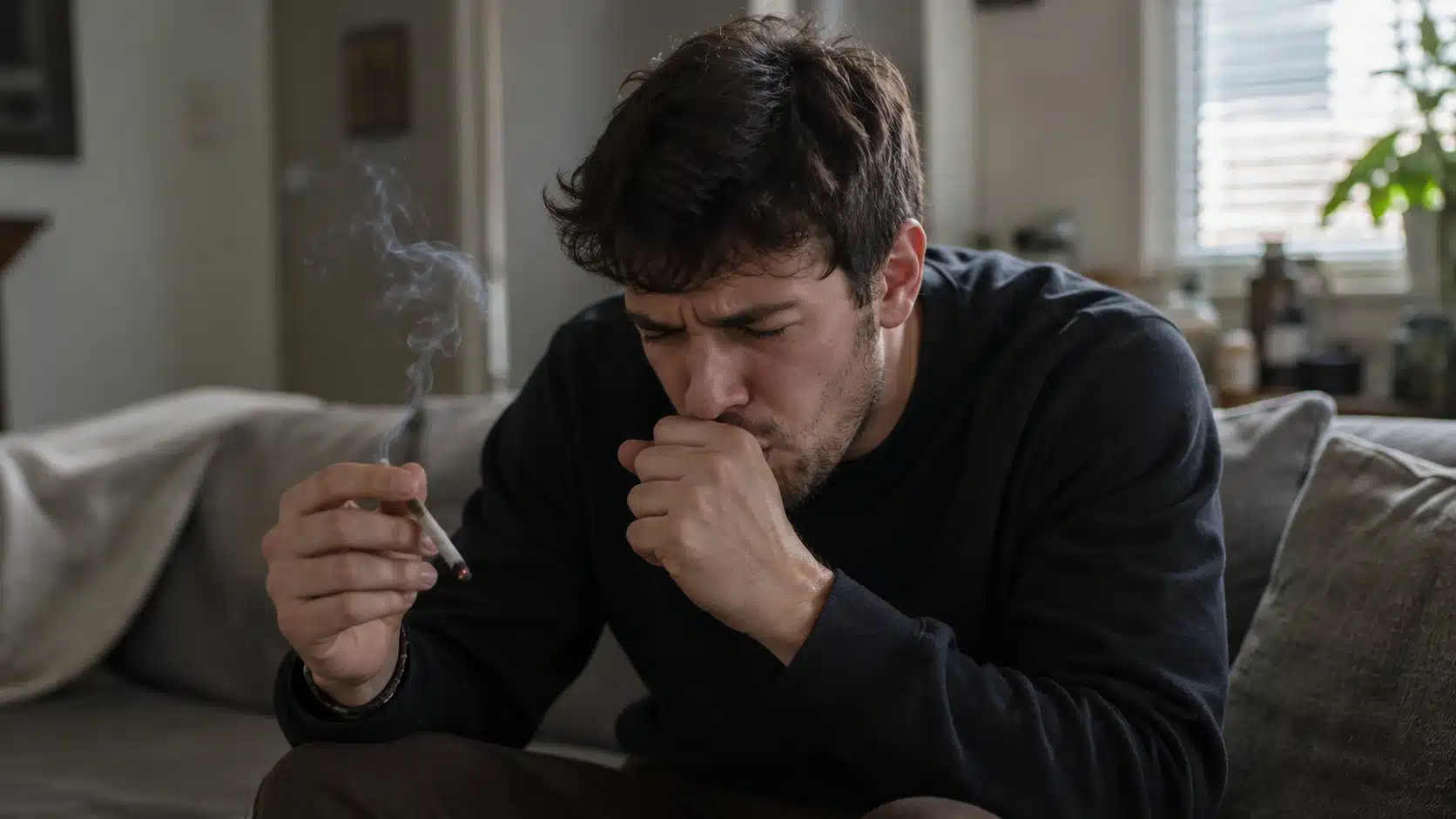
Coughing is extremely common, especially for beginners, and it happens for several overlapping reasons. Hot smoke is the main culprit. When smoke is still warm as it hits your airway, your throat reflexively tries to clear it.
Taking smaller hits and drawing more slowly lets the smoke cool slightly before it reaches your lungs. Other contributing factors include dry or poor-quality flower, a dirty pipe or bong, pulling too hard, and holding smoke longer than needed.
High-temperature vapor from a vape set too hot can also trigger the same response. According to the CDC’s overview of cannabis and secondhand smoke, cannabis smoke carries many of the same toxic and carcinogenic compounds found in tobacco smoke. That context matters when thinking about why repeated irritation is worth taking seriously.
Sometimes people also cough because they inhaled too much at once or because their throat was already dry. Drinking water before and after a session helps more than most people realize.
| ⚠️ Advisory: If coughing is persistent across sessions, or if you notice mucus, wheezing, or shortness of breath on regular days, speak with a healthcare provider. Chronic cough from smoking can be an early sign of airway irritation that compounds over time. |
How to Reduce Coughing and Harsh Hits
Coughing is not a rite of passage. Most of it comes down to technique, gear, and product quality, all things you can actually control with a few simple changes:
- Start with half-size hits: One small puff tells you plenty before taking more.
- Drink water regularly: Hydration keeps your throat calm before and after sessions.
- Clean your gear: Residue in pipes and bongs can make every hit harsher.
- Choose quality flower: Understanding what has been sprayed onto the weed helps you spot unsafe additives before you smoke.
- Lower vape temperature: High heat turns smooth vapor into a throat-scraping experience.
- Skip the long hold: Holding smoke in adds irritation without adding anything useful.
- Stop when discomfort starts: Tight chest or labored breathing means your body needs rest.
Small habits make a real difference here. Better gear, slower draws, and cleaner flower can turn a rough session into a comfortable one. If coughing still persists after these adjustments, consider switching methods or speaking with a doctor.
What to Do If You Feel Too High
It happens to most people at least once, especially beginners who have not yet developed a sense of how their body responds to a particular product or potency level.
If the effects feel overwhelming after inhaling, there are a few straightforward steps that can help you feel more comfortable while you wait for them to pass.
Move to a calm, familiar space. Changing your environment makes a real difference. A quiet room, a comfortable chair, and reduced noise or stimulation all help your nervous system settle. Avoid crowded or unfamiliar places if you can.
Drink water and eat something light. Staying hydrated and having a small snack can ease nausea and give your body something grounding to focus on. Avoid alcohol completely; combining the two amplifies intensity fast and is one of the quickest routes to a bad experience.
Control your breathing. Slow, deliberate breaths, in through the nose and out through the mouth, can help reduce the physical anxiety response that sometimes accompanies a stronger experience than intended.
Remind yourself it will pass. Effects from inhaled cannabis are time-limited. The discomfort, however intense it may feel in the moment, will diminish within 30 to 90 minutes. Nothing about the experience is permanent, and knowing that tends to help.
Know what you combined it with. If you use cannabis alongside any prescription medications, it is worth understanding the potential interactions ahead of time. Our guide to smoking weed while on antibiotics is one example of where combinations can shift the experience in unexpected ways.
| ⚠️ Advisory: If you experience chest pain, severe difficulty breathing, or extreme confusion that does not improve with rest, seek medical attention. Most cannabis overconsumption resolves on its own, but physical symptoms that worsen need professional assessment. |
How Much Should a Beginner Inhale?
The honest answer is less than you think. Start with one small hit and wait 10 to 15 minutes before reaching for more. Cannabis potency varies widely between products, and high-THC flower or concentrates can feel dramatically stronger than something with a lower percentage.
New users have no baseline yet, so starting small is simply the smarter approach. Back-to-back hits before the first one kicks in is exactly how beginners end up far more affected than they intended.
Effects from inhaled cannabis can keep building for 10 to 30 minutes after your first draw. If you feel nothing after that window, check your technique first.
You may not have fully inhaled, the product may be weaker than expected, or your body may simply need more time. Some first-time users feel very little in their first session, and that is completely normal.
It is worth noting that smoked cannabis can irritate lung tissue and small blood vessels, according to the CDC’s guidance on cannabis and lung health. Do not stack hits trying to force an experience that your body is not ready for.
| 📝 Note: Vape pens and concentrates tend to run significantly stronger than regular flower. Start with a single short pull and give yourself a longer wait before deciding you need more. |
Smoking vs Vaping vs Edibles: Which Is Easier for Beginners?
Each method works differently, and the right choice depends on your comfort level, tolerance for harshness, and the level of control you want over the experience.
| Method | Onset Time | Harshness | Dose Control | Best For |
| Smoking | 2 to 10 min | High | Moderate | Fast feedback, experienced beginners |
| Vaping | 2 to 10 min | Low to medium | Moderate | Smoother hits, less throat irritation |
| Edibles | 45 to 90 min | None | Difficult | No inhalation, slower experience |
| Tinctures | 15 to 45 min | None | Easy | Controlled dosing, no smoke or vapor |
No method is completely without risk. The National Academies of Sciences report on the health effects of cannabis covers the broader evidence across all four methods if you want the full picture before deciding what is right for you.
When You Should Avoid Inhaling Cannabis
Some situations call for skipping cannabis entirely, and they are worth stating plainly. Avoid inhaling if you are pregnant or breastfeeding, as THC can affect fetal and infant development.
Existing lung conditions like asthma, bronchitis, or COPD will only get worse with smoke or vapor. If you are managing a respiratory condition, inhalation is not the right route for you.
A personal or family history of anxiety, psychosis, or schizophrenia is another reason to be cautious, since THC can worsen these conditions in vulnerable people.
Cannabis also interacts with certain medications, so a quick conversation with your doctor before use is sensible. Adolescent use carries real risks too, as THC affects the still-developing brain in ways that extend well beyond the session itself.
Common Mistakes Beginners Make
Most bad first experiences trace back to the same handful of errors. Recognizing them before they happen saves you a lot of unnecessary discomfort and second-guessing:
- Pulling too hard sends a rush of hot smoke straight to your throat, triggering instant coughing.
- Swallowing smoke instead of inhaling it means almost no THC reaches your bloodstream at all.
- Holding smoke too long adds throat irritation and a false lightheadedness, not stronger effects.
- Mixing with alcohol amplifies both substances fast and is one of the quickest routes to nausea.
- Skipping potency checks on vapes or concentrates can turn a casual session into an overwhelming one.
- Driving too soon after use is dangerous regardless of how unaffected you feel in the moment.
Getting these basics right from the start makes the whole experience more predictable and comfortable. Most of these mistakes are easy to avoid once you know what to watch for.
| ⚠️ Advisory: Cannabis significantly affects reaction time, judgment, and coordination. Do not drive or operate machinery after any session, even if you feel only mildly affected. Effects can be stronger than they feel in the moment. |
Frequently Asked Questions
How do you inhale a weed pen or vape correctly?
To inhale a weed pen correctly, take a short draw of 2 to 3 seconds rather than a long, sustained pull. Let the vapor settle briefly in your mouth, then follow with a small breath of fresh air to push it into your lungs.
Hold for one to two seconds and exhale slowly through your mouth. Vape pens and concentrates are typically far more potent than flower, so start with a single short draw and wait at least 10 minutes before taking another.
Is it possible to inhale weed without ever coughing?
Not always, but it is possible to significantly reduce coughing. Using small hits, clean gear, well-cured flower, and staying hydrated before sessions all help.
Switching to a lower-temperature vaporizer or using a water pipe can also filter and cool the smoke before it hits your throat. Some people with sensitive airways will cough occasionally regardless of technique, and that is normal.
How long should you hold weed in before exhaling?
One to two seconds is all you need. Research published on PubMed examining breath-hold duration and cannabis response found that longer holds do not produce meaningfully stronger effects.
What they do produce is additional throat irritation and a brief lightheadedness from reduced oxygen intake, not better THC absorption. Keep the hold short and comfortable.
Can you feel the effects from just one hit?
Yes, especially for new users or with high-potency products. One small, properly inhaled hit is often enough to produce noticeable effects within 5 to 15 minutes. Starting with one and waiting is always the smarter move before deciding whether you need more.
Is vapor from a weed pen actually safer than smoke from a joint?
Vapor is generally considered less harsh because it does not involve combustion, but it is not risk-free. High-temperature vapor and unknown vape oil ingredients can cause their own irritation and health concerns.
Licensed, lab-tested products from regulated dispensaries reduce but do not eliminate those risks.
How do you smoke weed for the first time without getting overwhelmed?
Start with a single small hit from the least intense method available to you, typically a joint or a low-temperature vape. Use the two-step inhale technique: draw into your mouth, then follow with fresh air into your lungs.
Wait a full 15 minutes before deciding whether to take another. Choose a calm environment, have water nearby, and be with someone you trust. Starting smaller than you think you need to is always the right call.
What does it feel like to inhale correctly for the first time?
You will likely feel a mild warmth moving past your throat and into your chest. Effects usually begin within a few minutes: a light shift in mood, relaxation, or heightened sensory awareness.
If you feel nothing after 15 minutes, review your technique before taking more. First-time users sometimes feel little to nothing in their first session, and that is completely normal.
Wrapping Up
Cannabis inhalation does not need to be complicated, but it does benefit from intention. The method is simple: a small draw into the mouth, a chaser breath to move it into the lungs, a brief one- to two-second pause, and a slow exhale.
That is genuinely it. The rest, holding smoke for extended periods, taking the biggest hit possible, racing to take another before the first kicks in, is all working against you.
Your body will tell you when something is wrong. If it feels harsh, take a break. If you feel dizzy or anxious, step outside, drink some water, and give it time. There is no version of this where pushing through discomfort makes it better.
Start slow, pay attention, and you will find what works for you without the rough introduction most people stumble through. Drop a comment below and let me know if this technique worked for you.
Sources
- National Institute on Drug Abuse. “Cannabis (Marijuana) Research Overview.” NIDA, 2023. https://nida.nih.gov/research-topics/cannabis-marijuana
- FunWithDizzies. “Can You Smoke Wet Weed: What You Should Know.” FunWithDizzies.com. https://funwithdizzies.com/can-you-smoke-wet-weed-what-you-should-know/
- Chait, L.D. “Response to Marijuana as a Function of Potency and Breathhold Duration.” Psychopharmacology, 1991. PubMed PMID: 1652073. https://pubmed.ncbi.nlm.nih.gov/1652073/
- Centers for Disease Control and Prevention. “Cannabis and Secondhand Smoke.” CDC, 2024. https://www.cdc.gov/cannabis/health-effects/secondhand-smoke.html
- FunWithDizzies. “What Is Sprayed Weed: Risks and How to Spot It.” FunWithDizzies.com. https://funwithdizzies.com/what-is-sprayed-weed-risks-and-how-to-spot-it/
- Centers for Disease Control and Prevention. “Cannabis and Lung Health.” CDC, 2024. https://www.cdc.gov/cannabis/health-effects/lung-health.html
- FunWithDizzies. “What Is Shake Weed: Everything You Need to Know.” FunWithDizzies.com. https://funwithdizzies.com/what-is-shake-weed-everything-you-need-to-know/