Knowing what to check before buying CBD can save you money, keep you safer, and cut through the noise of a market flooded with near-identical bottles.
This guide covers the nine factors that actually separate a reliable CBD product from one that is not worth the price.
Quick Glance: CBD Buying Checklist
| Factor | What to Check | Why It Matters |
|---|---|---|
| CBD Type | Full-spectrum, broad-spectrum, or isolate | Affects cannabinoid profile and THC exposure |
| COA Testing | Third-party lab report | Verifies safety and CBD accuracy |
| Hemp Source | Organic and transparent sourcing | Reduces contamination risk |
| Extraction Method | CO2 vs. solvent-based | Affects purity and residual contamination risk |
| Potency and Dosage | Total CBD milligrams | Shows actual product strength |
| Delivery Method | Oils, gummies, topicals, or vapes | Affects absorption speed and duration |
| Drug Interactions | Medication and dosage guidance | Helps avoid unwanted interactions |
| Brand Transparency | Clear labels and batch details | Reflects product reliability |
| Ingredients | Simple, clean formulation | Indicates better product quality |
What Is CBD and Why Product Quality Varies
CBD is a naturally occurring compound found in the hemp plant that interacts with the body’s endocannabinoid system, which helps regulate functions like sleep, mood, and overall balance. It does not create a “high,” but its effects can vary depending on product quality and formulation.
This is where research becomes important before buying. The CBD market is not tightly regulated, so products on the shelf can differ widely in purity, strength, and safety. Some may contain inaccurate CBD levels or unwanted contaminants if they have not been properly tested.
Because of this, checking product quality before you buy is essential. A little due diligence helps separate well-made products from unreliable ones, making it easier to choose CBD that is consistent, safe, and worth the money.
What to Consider Before Buying CBD: A 9-Point Guide
The CBD market is crowded and largely self-regulated. Knowing what actually matters helps you filter for quality, avoid common mistakes, and make a safer, more informed choice.
1. CBD Type: Full-Spectrum, Broad-Spectrum, or Isolate

CBD products fall into three main categories, and each works differently in the body. Full-spectrum includes multiple hemp compounds along with trace THC, which may contribute to what researchers call the entourage effect. Broad-spectrum removes THC while keeping other plant compounds, offering a middle option. Isolate contains only pure CBD without any additional cannabinoids.
This distinction matters because it directly impacts how the product feels, how consistent the effects are, and whether THC exposure is a concern for you.
If you are also sorting through how CBD compares to other hemp-derived compounds, this breakdown of how CBD and Delta 8 compare in effects and safety covers the key differences. For a deeper look at how THC percentage factors into your choice, this guide on whether THC percentage actually matters is worth reading alongside this one.
| Caution: If workplace or athletic drug testing is part of your life, avoid full-spectrum products. Trace THC accumulates with consistent use and can flag a test, even from products that are fully within the 0.3% legal limit. |
2. Third-Party Lab Testing (COA)

A Certificate of Analysis (COA) is one of the most important quality checks before buying CBD. It is a report from an independent lab that confirms CBD potency, THC levels, and contaminant safety, including pesticides, heavy metals, and residual solvents.
Since CBD products are not strictly regulated, this document acts as the primary proof of what is actually inside the bottle. A reliable COA should be issued by an accredited third-party lab and closely match the product label. Without it, there is no clear way to verify safety or accuracy.
A 2017 analysis published in JAMA found that a significant number of CBD products sold online were mislabeled, with some containing meaningfully more or less CBD than stated, and others showing detectable THC.
To understand what unsafe labeling practices look like in practice, this guide on CBD brands to avoid and how to choose safe, tested products covers specific red flags by brand.
| Tip: Most reputable brands post COAs on their website or include a QR code directly on the label. If neither option is available, email the company and request the most recent batch COA. A brand with nothing to hide responds within a day. |
3. Hemp Source and Farming Quality
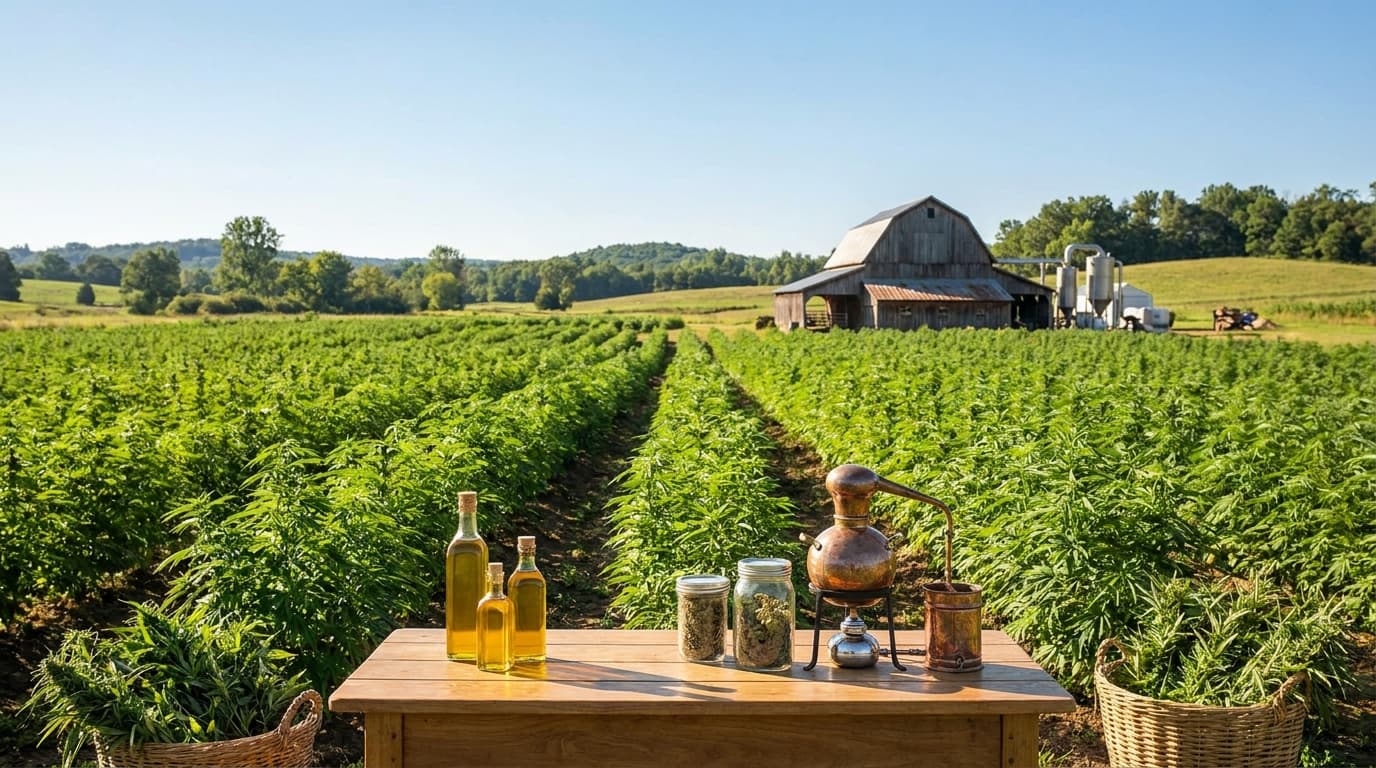
The quality of CBD begins with the hemp plant itself, which absorbs everything from the soil it grows in. Hemp sourced from organic or well-regulated farms is generally safer because it reduces exposure to pesticides, heavy metals, and chemical fertilizers. The growing region also plays a role, as different countries follow different agricultural standards.
When the hemp origin is clearly listed on the label or website, it signals better transparency from the brand. The Consumer Reports guide to shopping for CBD recommends prioritizing USDA Organic-certified products when available, since that certification means no synthetic pesticides or prohibited soil amendments were used during cultivation.
One labeling trap to watch for: hemp seed oil is not CBD oil. Hemp seed oil is cold-pressed from hemp seeds and contains no cannabinoids.
It shows up in grocery stores, skincare lines, and sometimes on shelves right next to actual CBD products in near-identical packaging.
If a label reads “hemp extract” or “hemp oil” without specifying CBD milligrams, there may be no CBD in that product at all. For a full comparison of the two, this guide on hemp oil vs. CBD: effects, uses, and what you should know explains the difference clearly.
| Note: Hemp seed oil is not CBD oil. If a label reads “hemp extract” or “hemp oil” without specifying CBD milligrams, there may be no CBD in that product at all. Check for a specific milligram count before you assume any cannabinoid content. |
4. CBD Extraction Method: Why It Matters
How CBD is pulled from the hemp plant affects how clean the final product is. CO2 extraction is widely considered the gold standard. It uses pressurized carbon dioxide to isolate cannabinoids from the plant material without leaving behind chemical residues. The process is more expensive, which is one reason well-made CBD oils tend to cost more.
Cheaper alternatives, including ethanol and hydrocarbon (butane or propane) extraction, can work well when carefully controlled, but they carry a higher risk of solvent residue in the final product if quality controls are loose.
A brand that discloses its extraction method on the label or product page is demonstrating a higher standard of transparency. If no extraction method is mentioned anywhere, it is worth asking the company directly before buying.
| Tip: Look for “CO2 extracted” or “supercritical CO2 extraction” on the product page or label. If a brand uses a different method, ask for solvent residue data in their COA before purchasing. |
5. Concentration and Dosage: Read Past the Marketing Numbers

Many first-time buyers compare bottle size instead of actual CBD content, which often leads to overpaying or underdosing. The key figure is total CBD in milligrams, not packaging size or marketing terms. A 30mL bottle with 300mg contains far less active ingredient than one with 3,000mg, even if they look identical on the shelf.
Watch for misleading labels like “hemp extract” without CBD amounts, nanogram conversions, or per-serving claims that obscure total content. For dosing, most guidance suggests starting at 5 to 10mg and adjusting slowly, since effects vary based on body weight, metabolism, and usage purpose. Healthline’s guide to reading CBD labels recommends the same approach.
| Tip: To compare products honestly, calculate the cost per milligram of CBD. Divide the total price by the total milligrams in the bottle. That figure strips out packaging and branding costs and tells you what you are actually paying for the active ingredient. |
6. Delivery Methods and What They Actually Do

The way CBD enters the body affects absorption speed, effectiveness, and duration. Oils and tinctures work faster because they are absorbed directly under the tongue into the bloodstream.
Gummies and capsules take longer because they pass through the digestive system, but their effects commonly last longer. Topicals are designed for localized areas, such as muscles or joints, and are not intended for full-body effects.
Vapes act the fastest and offer high absorption, though quality control matters more with inhaled products than with any other format. If you are managing something specific, like post-activity soreness, this guide on the best edibles for pain after surgery covers format and dosage options in more detail.
| Note: There is no universally correct delivery method. The right one depends on why you are using CBD, how quickly you need it to act, and your daily routine. Sublingual oils are the most flexible and well-studied starting point for most people: adjustable, reasonably fast-acting, and easy to dose. |
7. Drug Interactions and Side Effects

CBD can affect how the liver processes certain medications because it interacts with cytochrome P450 enzymes, which are involved in metabolizing many prescription drugs.
This may change how some medications work in the body, particularly blood thinners, antidepressants, and seizure medications. Common side effects are usually mild and may include dry mouth, fatigue, digestive discomfort, or drowsiness, particularly at higher doses, and often improve when the dosage is reduced.
The Mayo Clinic specifically identifies potential interactions between CBD and blood thinners like warfarin, antiepileptic drugs, certain antidepressants, antipsychotics, and immunosuppressants. Anyone taking prescription medication regularly should consult a doctor before starting CBD, since interactions can occur even with products labeled as natural or plant-based.
| Caution: If you take any prescription medication daily, speak with your doctor before adding CBD to your routine. The cytochrome P450 interaction is documented and clinically relevant regardless of how natural or harmless a product appears on the label. |
8. Brand Transparency and Labeling

Brand transparency is a strong indicator of CBD quality. Reliable brands clearly show lab reports, sourcing details, and full ingredient breakdowns without hiding information.
A 2017 study published in JAMA found that mislabeled CBD products were common enough to be a real consumer safety concern, which is one reason labeling standards matter. Proper labeling includes CBD content, THC levels, batch numbers, and usage details. When this information is easy to find, it reflects better quality control and accountability.
Vague labels or missing documentation can signal weak manufacturing standards or inconsistent production. Clear labeling reduces risk and supports safer buying decisions.
| Caution: Avoid CBD products with missing lab reports, unclear CBD strength, or vague ingredient labels. Limited transparency often points to inconsistent quality control and makes product safety harder to verify. |
9. Ingredient List and Additives

A well-formulated CBD product usually has a short ingredient list anchored by a carrier oil, such as MCT oil or hemp seed oil. These ingredients help deliver CBD effectively into the body. High-quality products avoid unnecessary artificial flavors, colors, or fillers, which can reduce overall purity.
A clean ingredient list often reflects better manufacturing standards and more attention to formulation quality. Simpler formulations are generally easier to trust and more consistent in performance over time.
When you see a long list of additives with vague or unfamiliar names, that is a reasonable signal to keep looking.
| Tip: The ideal CBD oil ingredient list is short: hemp extract, a carrier oil (MCT or hemp seed), and possibly a natural flavoring. If the list runs longer than five or six ingredients, check whether the extras serve a functional purpose or are just filler. |
| Caution: Long ingredient lists with vague additive names make it harder to understand what is actually contributing to the product’s effects and whether any individual ingredient could cause a reaction. |
How to Read a CBD Label Correctly
CBD labels often include technical terms, serving sizes, and marketing phrases that can be confusing at first. Understanding a few key details makes product comparison clearer and purchasing decisions more reliable overall.
| Label Detail | What It Means |
|---|---|
| Total CBD (mg) | Shows total CBD content in the product |
| CBD Per Serving | Indicates strength in each dose |
| CBD Type | Identifies full-spectrum, broad-spectrum, or isolate |
| THC Content | Confirms THC percentage or presence |
| Extraction Method | CO2 or solvent-based; affects purity |
| Ingredient List | Displays carrier oils and added ingredients |
| Batch Number | Helps track production and testing records |
| COA / QR Code | Provides access to third-party lab testing |
| Expiration Date | Indicates expected freshness and stability |
Reading CBD labels carefully helps avoid misleading marketing terms and unclear formulations. Focusing on measurable details such as potency, ingredients, and testing information supports safer, more informed product selection.
How to Choose the Right CBD Product for Your Needs
Choosing the right CBD product depends on factors like potency, delivery method, and lifestyle fit. Understanding these differences helps narrow the options and makes product selection feel more practical.
- Flexible dosing needs may make oils or tinctures a more practical option
- Pre-measured servings can simplify daily CBD use for beginners
- Localized application goals are better suited for topical products
- Lower-potency formulas help make dosage adjustment easier initially
- THC sensitivity concerns should influence the choice between CBD types
- Daily routine and convenience often determine the most sustainable product format
- Desired effect duration can vary depending on the delivery method chosen
- Personal comfort with different formats plays a role in long-term consistency
The right CBD product usually depends on comfort, consistency, and intended usage goals. Carefully matching product type, potency, and delivery format helps create a more practical long-term experience.
Best Storage Practices for CBD
CBD storage affects product freshness, potency, and consistency more than many buyers realize. Proper handling helps preserve cannabinoid stability and keeps oils, gummies, and capsules in better condition over time.
| Storage Practice | Why It Matters |
|---|---|
| Keep in a cool, dry place | Helps maintain cannabinoid stability |
| Avoid direct sunlight | Prevents breakdown of active compounds |
| Seal containers tightly | Reduces air exposure and freshness loss |
| Store oils upright | Helps prevent leakage and oxidation |
| Keep away from humidity | Protects gummies and capsules from texture changes |
| Check expiration dates regularly | Helps ensure consistent potency and quality |
Proper storage does not increase CBD strength, but it helps maintain formulation quality, freshness, and effectiveness. Small storage habits can make products stay more stable and consistent over time.
Frequently Asked Questions
Why do some CBD products feel stronger than others?
CBD products can feel different because cannabinoid profile, concentration, delivery method, and ingredient quality all affect absorption and overall experience. Full-spectrum products may also feel more pronounced due to additional hemp compounds working alongside CBD in the formulation, a phenomenon researchers refer to as the entourage effect.
Does higher CBD potency always mean better quality?
Higher potency does not automatically mean better quality. Product effectiveness also depends on formulation, ingredient quality, cannabinoid profile, and third-party testing. A balanced, well-tested product at a moderate concentration may perform more consistently than a highly concentrated but poorly formulated one.
What is CO2 extraction and why does it matter?
CO2 extraction uses pressurized carbon dioxide to pull cannabinoids from the hemp plant without leaving chemical residues. It is widely considered the cleanest extraction method available because it does not rely on flammable or potentially harmful solvents. Products made with CO2 extraction are generally purer and easier to verify through a COA. When a brand discloses this on its label, it is a positive quality signal.
Where is the safest place to buy CBD?
The safest place to buy CBD is directly from a brand’s official website or from a licensed dispensary, since these channels give you direct access to COAs, batch numbers, and customer support. Buying from gas stations, unmarked online marketplaces, or unverified third-party sellers increases the risk of receiving an untested or mislabeled product. Reputable online retailers that publish COAs for every product batch are also reliable options.
Can CBD products expire or lose effectiveness over time?
CBD products can gradually lose potency when exposed to heat, sunlight, air, or moisture for extended periods. Proper storage and checking expiration dates help maintain freshness, formulation stability, and overall product consistency. Most CBD oils have a shelf life of 12 to 24 months when stored correctly.
What makes third-party lab testing important for CBD?
Third-party lab testing confirms CBD potency, THC content, and contaminant safety without relying solely on brand claims. Independent testing provides an extra layer of transparency and helps buyers verify that the product matches its label information. Research published in JAMA found that mislabeling was common enough across commercially available CBD products to make independent COA verification a necessary step, not just a nice-to-have.
What is the difference between hemp seed oil and CBD oil?
Hemp seed oil is pressed from hemp seeds and contains no CBD or other cannabinoids. CBD oil is extracted from the flowers, leaves, and stalks of the hemp plant, where cannabinoids are actually concentrated. Both come from the same plant, but they serve entirely different purposes. A product labeled “hemp oil” or “hemp extract” without specifying a CBD milligram count may contain no CBD at all.
Final Thoughts
Buying CBD gets easier once you stop focusing on packaging and start checking what actually matters. Lab testing, CBD type, hemp sourcing, extraction method, dosage strength, ingredients, and label transparency are the factors that separate reliable products from forgettable ones.
When you understand these details, it becomes much easier to avoid low-quality or misleading products. Simple checks like reading the COA, comparing CBD milligrams, and reviewing ingredient lists can save money and frustration. The goal is not to find the most expensive option, but to find one that is tested, consistent, and honest about what is inside the bottle.
If you have tried CBD before, share what helped you choose the right product in the comments below.
Sources
- Bonn-Miller MO, et al. “Labeling Accuracy of Cannabidiol Extracts Sold Online.” JAMA, 2017. https://jamanetwork.com/journals/jama/fullarticle/2661569
- Healthline Editorial Team. “CBD Terminology and Labeling: How to Shop for CBD.” Healthline, 2025. https://www.healthline.com/health/reading-a-cbd-label
- Mayo Clinic Staff. “CBD: Safe and effective?” Mayo Clinic. https://www.mayoclinic.org/healthy-lifestyle/consumer-health/expert-answers/is-cbd-safe-and-effective/faq-20446700
- Consumer Reports. “How to Shop for CBD.” Consumer Reports. https://www.consumerreports.org/cbd/how-to-shop-for-cbd/
- Fun With Dizzies. “CBD Brands to Avoid and How to Choose Safe, Tested Products.” https://funwithdizzies.com/cbd-brands-to-avoid-and-how-to-choose-safe-tested-products/
- Fun With Dizzies. “CBD vs. Delta 8: Effects, Uses, and Safety.” https://funwithdizzies.com/cbd-vs-delta-8-effects-uses-safety/