| ⚠️ Advisory: This article is for educational purposes only and does not constitute medical advice. Ketamine is a controlled substance. Use outside of a licensed clinical setting carries serious health and legal risks. If you or someone you know is struggling with substance use, contact SAMHSA’s National Helpline at 1-800-662-4357 (free, confidential, 24/7). Call 911 immediately if someone experiences chest pain, difficulty breathing, loss of consciousness, or severe confusion after ketamine use. |
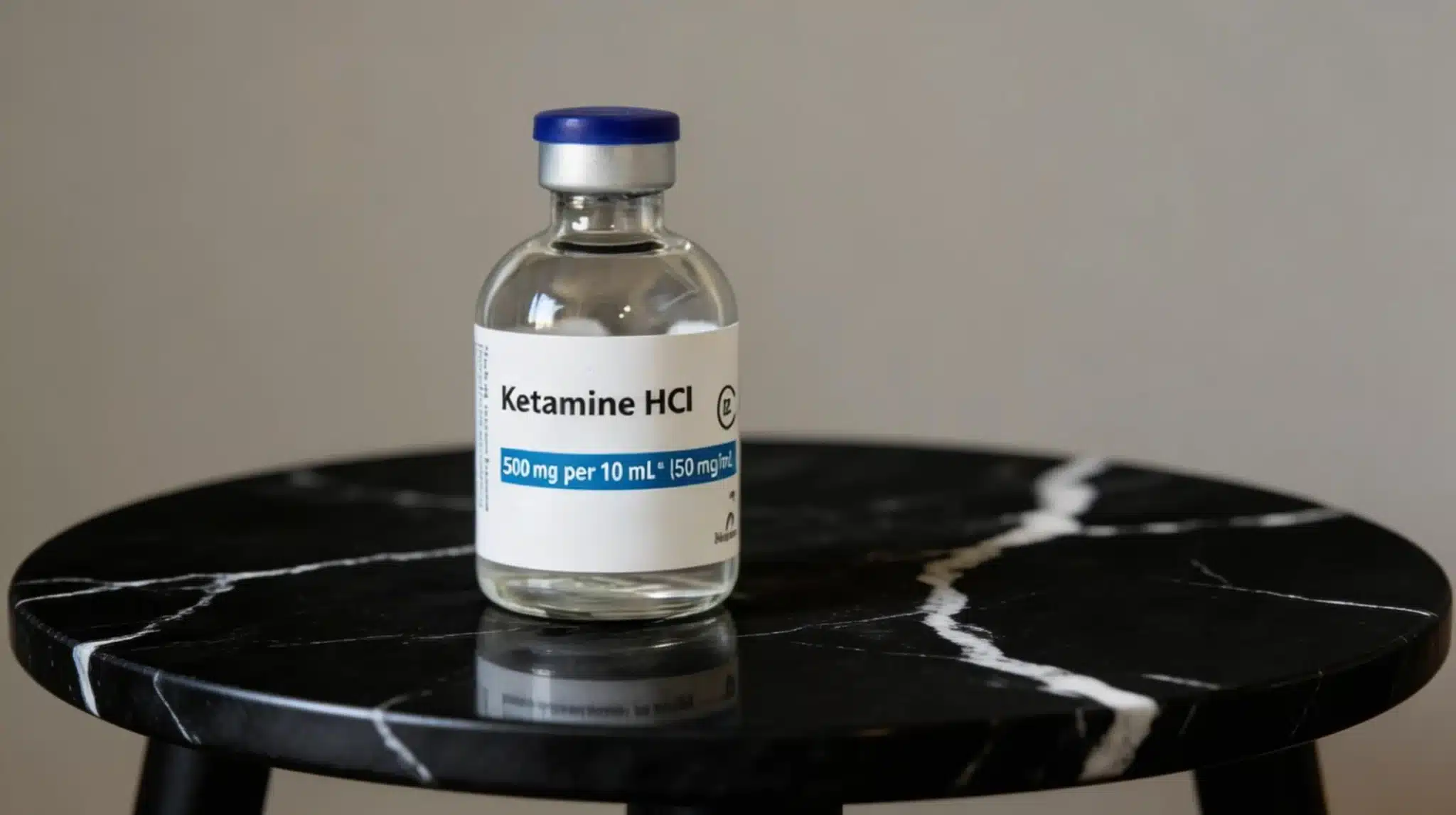
Ketamine is a dissociative anesthetic with documented medical uses ranging from surgical sedation to treatment-resistant depression. It is not classified as a classic psychedelic, though it produces altered states of consciousness through a distinct mechanism.
This article covers what separates medical from recreational use and where the real risks lie.
Quick Reference: Ketamine at a Glance
| Drug class | Dissociative anesthetic |
| First synthesized | 1962; FDA approved 1970 |
| Mechanism | NMDA (glutamate) receptor antagonist |
| Medical uses | Anesthesia, treatment-resistant depression (esketamine/Spravato), chronic pain, PTSD (off-label) |
| Clinical dose range | 1–2 mg/kg IV for sedation in adults; lower sub-anesthetic doses for depression treatment |
| Administration routes | Intravenous (IV), intramuscular (IM), nasal spray, oral lozenge; recreationally: snorted, smoked, injected |
| Schedule status (US) | Schedule III controlled substance (since 1999) |
| Key risks | Cardiovascular stress, psychological dependence, bladder syndrome (chronic use), and respiratory depression when combined with CNS depressants |
What Is Ketamine: History, Science, and Uses
Ketamine is a fully synthetic dissociative anesthetic first synthesized in 1962 and approved by the FDA in 1970. Originally developed as a safer alternative to phencyclidine (PCP) for surgical use, it became a standard tool in emergency medicine and battlefield surgery due to its ability to induce sedation without suppressing respiratory function, a property most general anesthetics do not share.
Today, its medical uses extend well beyond the operating table. Clinicians prescribe it off-label for treatment-resistant depression, chronic pain, and PTSD.
The most significant regulatory development in recent years is the FDA approval of esketamine (Spravato), a nasal spray cleared specifically for major depressive disorder. Scientists attribute its rapid antidepressant action to neuroplastic effects: the drug appears to stimulate the formation of new synaptic connections in the brain, a mechanism quite different from conventional antidepressants.
It is worth noting that researchers at the French drug regulatory agency approved intravenous racemic ketamine in early 2026 for severe suicidal crisis, the first official rapid-acting pharmacological option for imminent suicide risk recognized at a national regulatory level. Most systematic reviews, however, caution that evidence for long-term efficacy remains limited and largely low quality.
Is Ketamine a Psychedelic?
Technically, no, but the comparison is understandable. Ketamine belongs to the dissociative class of drugs, which alter sensory perception and create feelings of detachment from the body and surroundings, rather than producing the structured visual hallucinations typically linked to classic psychedelics. Here is how they compare:
| Factor | Ketamine | Classic Psychedelics (LSD, Psilocybin) |
| Drug class | Dissociative | Psychedelic |
| Receptor target | NMDA (glutamate) receptors | Serotonin (5-HT2A) receptors |
| Primary effects | Dissociation, euphoria, sensory disruption | Perceptual changes, altered thought patterns |
| Hallucination type | Internally generated, dream-like | Externally projected, visually structured |
| Antidepressant duration | Typically transient (days to weeks) | More persistent in early research (months) |
| Medical use | Anesthesia, depression treatment (FDA-approved esketamine) | Experimental therapy (psilocybin, MDMA in trials) |
Despite these differences, researchers studying psychedelic-assisted therapy at the NIH often include ketamine alongside classic psychedelics in clinical conversations. Both appear to promote neuroplasticity and psychological flexibility, just through different molecular pathways.
Animal research published in ACS Chemical Neuroscience found that while psilocybin and LSD produced persistent antidepressant-like effects lasting months in rodent models, ketamine’s effects were transient, typically relapsing within about 17 days in human patients. The functional overlap is real; the durability is not equivalent.
How Is Ketamine Made?
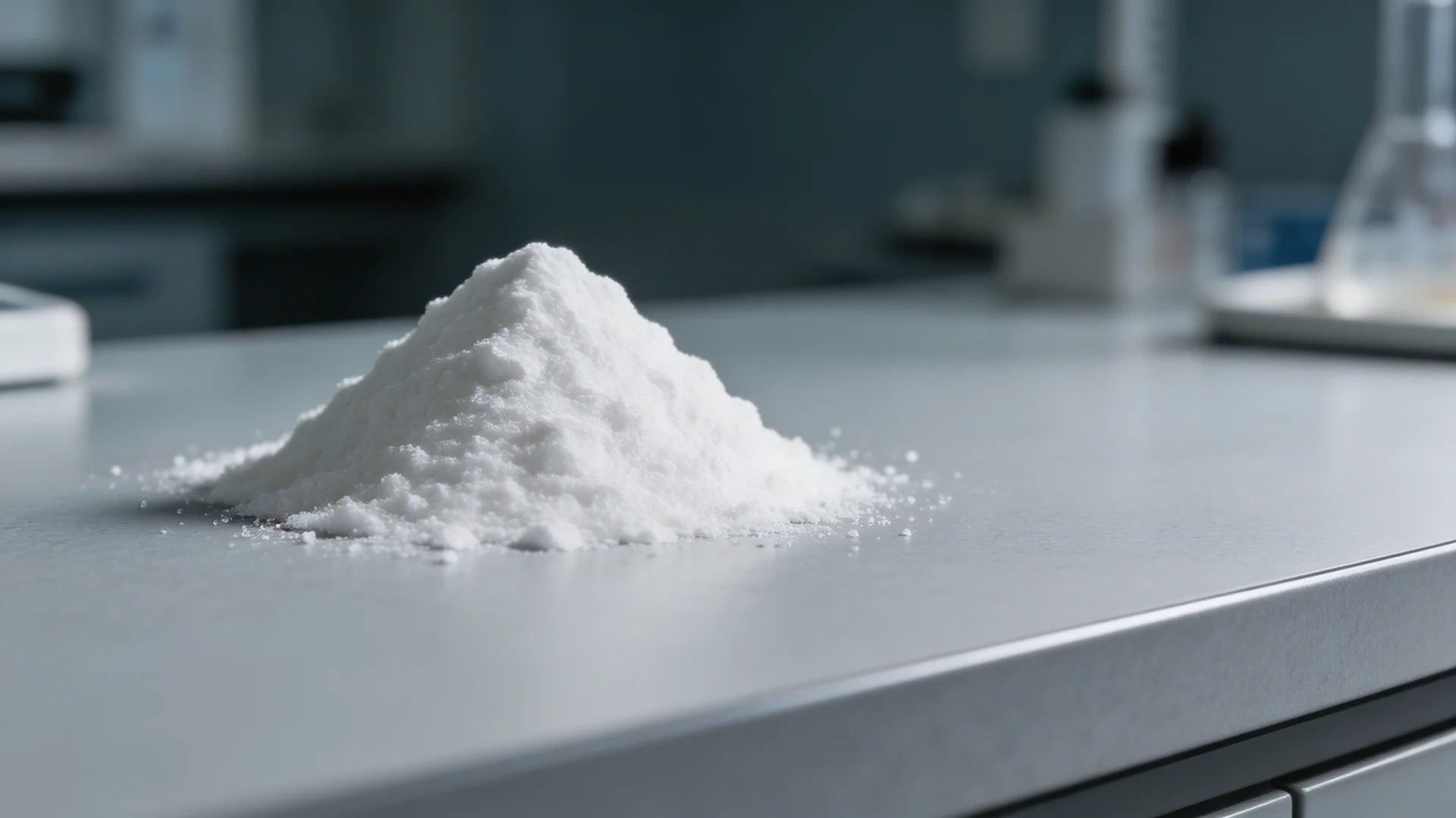
Ketamine is a fully synthetic compound; it does not occur in nature and must be manufactured in controlled pharmaceutical settings. Its chemical name is 2-(2-chlorophenyl)-2-(methylamino)cyclohexan-1-one, and it exists in two mirror-image molecular forms: R-ketamine and S-ketamine, the latter being the active component in esketamine (Spravato).
Key facts about its production and pharmacology: it is produced through a multi-step chemical synthesis involving cyclohexanone-based precursors under tightly regulated laboratory conditions. It functions as an NMDA receptor antagonist, blocking glutamate, the brain’s primary excitatory neurotransmitter, which underlies both its anesthetic and antidepressant properties.
Pharmaceutical-grade ketamine is strictly controlled, but illicitly manufactured versions vary significantly in purity and concentration, a serious safety concern for anyone using it outside clinical settings. Much of the illicit supply is reportedly diverted from veterinary sources rather than clandestine synthesis.
Ketamine Safety, Risks, and What Experts Warn About
Even in controlled medical settings, ketamine is not without risks; outside of them, those concerns compound significantly.
Cardiovascular effects top the list: ketamine temporarily raises heart rate and blood pressure. This is manageable under clinical supervision, but presents real danger for anyone with pre-existing heart conditions using it without oversight. In rare cases, irregular heart rhythms may also occur.
Psychological vulnerability is equally important to flag: people with a personal or family history of psychosis should avoid ketamine entirely, as it can destabilize existing symptoms. It is specifically contraindicated in uncontrolled psychosis.
Drug interactions carry a third category of serious risk. Mixing ketamine with alcohol, benzodiazepines, or opioids can trigger respiratory depression, a combination the DEA’s official fact sheet flags as explicitly high-risk. Both ketamine and alcohol are central nervous system depressants; their combined effects can be fatal, and no person with alcohol intoxication should take ketamine even in prescribed doses.
Date-rape drug risk: Because ketamine is odorless and tasteless in liquid form, and produces amnesia and sedation, it has been documented as a drug used to facilitate sexual assault. This risk is worth naming directly.
Unsupervised access is one of the most pressing current concerns: the growing at-home infusion market has alarmed addiction specialists. The FDA has specifically advised that at-home administration of compounded ketamine presents additional risks because a healthcare provider is not present to monitor adverse reactions. Reduced medical screening in telehealth ketamine programs significantly raises the probability of misuse and psychological dependence.
Does Ketamine Therapy Get You High?
The direct answer: it depends entirely on dose and setting.
In structured ketamine therapy for depression and anxiety, doses are carefully controlled, typically delivered intravenously or via nasal spray over 40 to 60 minutes in a supervised medical environment. At these doses, patients commonly describe a gentle dissociative state (feeling slightly detached or “floaty”), mild perceptual shifts without intense hallucinations, and a dreamlike quality to thoughts sometimes described as meditative.
A review on ketamine’s antidepressant mechanisms found that even sub-anesthetic doses can produce meaningful mood improvement without the full dissociative effects seen in recreational settings.
This is fundamentally different from recreational use, where doses are significantly higher and taken without medical oversight. The clinical goal is neurochemical change, not intoxication. Any altered state experienced during therapy is a controlled, purposeful side effect, not the intended outcome.
Ketamine Experiences People Talk About Online and in Culture
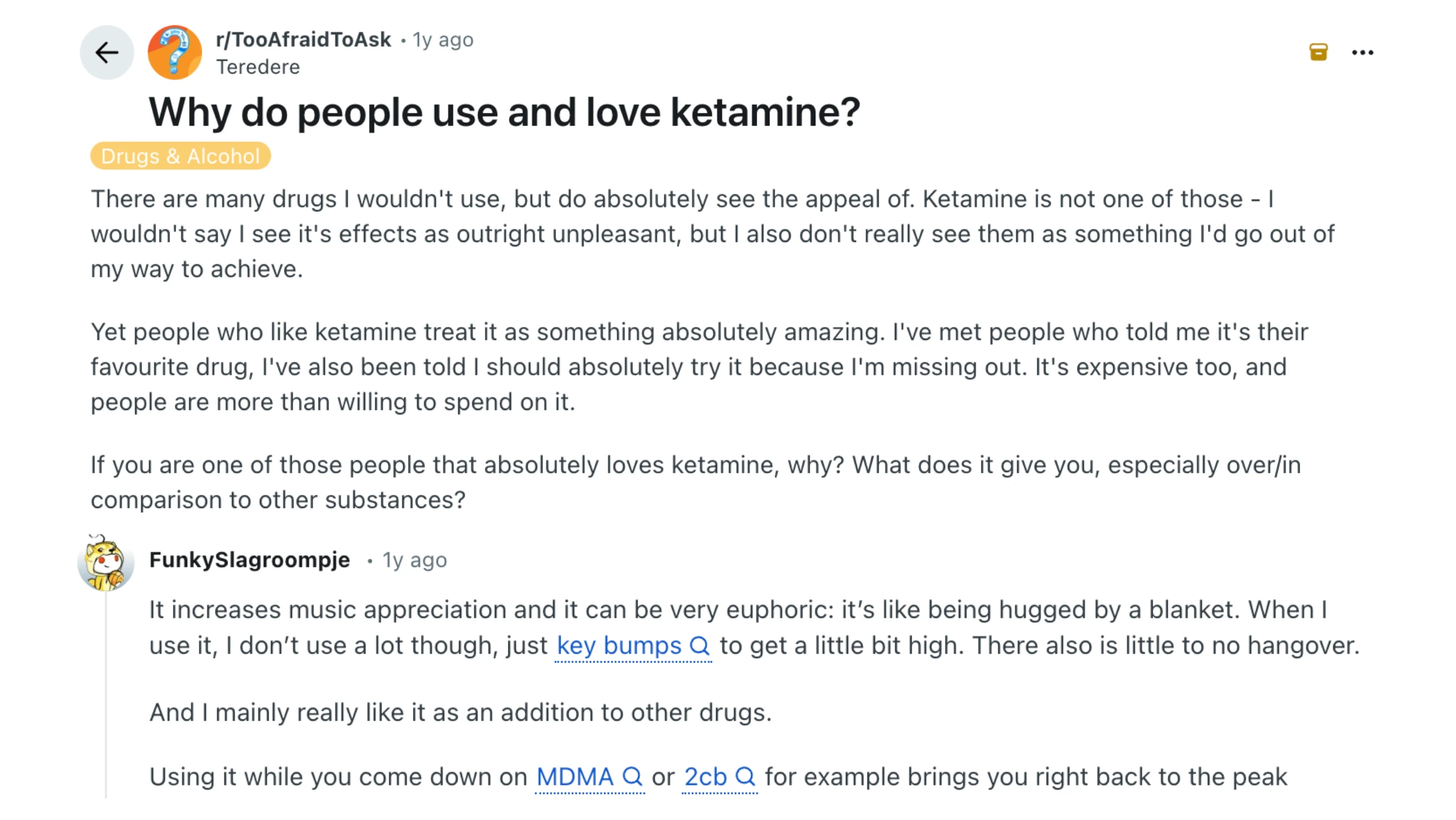
When you search for “ketamine” online, whether on Reddit, TikTok, or other forums, you will find a wide range of personal accounts. Some focus on positive therapeutic outcomes; others describe riskier recreational experiences.
A common term in these conversations is the K-hole: an intense dissociative state that occurs with high doses of ketamine. People who have experienced a K-hole describe complete detachment from their bodies, inability to move or communicate, and a profound sense of disconnection from reality. Online communities sometimes discuss dosing strategies in ways that normalize this state, but the line between “interesting” and “dangerous” is not stable, and clinical evidence consistently flags the serious risks involved.
Risks and Side Effects
Short-term effects during use include sedation, mild euphoria, and pain relief at lower therapeutic doses; impaired motor function, slurred speech, and disorientation at higher doses; and nausea and vomiting, particularly with oral administration. Sensory and coordination impairment can persist for up to 24 hours after the drug wears off.
Long-term health consequences from chronic misuse are well-documented. Ketamine bladder syndrome is arguably the most severe: this condition causes progressive and sometimes irreversible damage to the bladder lining, resulting in chronic pain, urinary urgency, and in advanced cases, surgical removal of the bladder.
Memory and cognitive impairment linked to short-term and spatial memory deficits are consistently reported in multiple controlled studies. Kidney damage frequently occurs in parallel with bladder complications in heavy, prolonged users. Structural and functional brain changes have also been documented in a 2022 research review of prolonged recreational use, including changes associated with executive functioning deficits.
Ketamine does not produce physical dependence in the same way opioids do, but a documented withdrawal syndrome exists. Symptoms can include depression, excessive sleepiness, and intense drug cravings. Psychological dependence is well-documented, tolerance builds rapidly, and this pattern commonly escalates into compulsive use with lasting health consequences.
| ⚠️ When to seek emergency care: Call 911 immediately if you or someone nearby experiences chest pain, difficulty breathing, loss of consciousness, severe confusion, or inability to move after ketamine use. Do not wait to see if symptoms resolve. There is no antidote for a ketamine overdose; treatment is supportive care in a hospital setting. |
Frequently Asked Questions
Is ketamine a psychedelic drug?
Ketamine is classified as a dissociative anesthetic, not a classic psychedelic. Classic psychedelics such as LSD and psilocybin work primarily on serotonin receptors, while ketamine blocks NMDA (glutamate) receptors.
The experiences they produce have some overlap, particularly a sense of altered perception and, in some cases, mood elevation, but the mechanisms, hallucination types, and clinical profiles are distinct.
What is ketamine used for medically?
Ketamine has several documented medical uses: surgical and procedural anesthesia (especially in emergency and battlefield medicine), treatment-resistant depression via IV infusion or the FDA-approved esketamine nasal spray (Spravato), chronic pain management, and off-label treatment of PTSD. It is valued partly because it does not suppress breathing the way most anesthetics do.
What does a ketamine therapy session actually feel like?
At clinical doses, patients commonly describe a floating or detached sensation, mild dreamlike perceptual shifts, and a calm or meditative quality to thoughts. Intense hallucinations are uncommon at therapeutic doses. Sessions typically last 40 to 60 minutes and are conducted under direct clinical supervision. The experience varies with dose, individual biology, and setting.
What is a K-hole, and how dangerous is it?
A K-hole refers to an intensely dissociative state triggered by high doses of ketamine, characterized by near-complete detachment from the body, inability to communicate or move, and a loss of connection with reality.
It occurs with recreational doses well above clinical ranges. Reaching a K-hole outside of a supervised setting is dangerous: the person cannot call for help, cannot protect themselves from physical harm, and is highly vulnerable if mixed with other CNS depressants.
Can ketamine cause addiction or dependence?
Ketamine does not produce physical dependence in the same way opioids do, but psychological dependence is well-documented and a documented withdrawal syndrome exists. Symptoms upon stopping heavy use can include depression, fatigue, and drug cravings.
Tolerance develops rapidly, which commonly pushes recreational users toward escalating doses. Formal substance use disorder related to ketamine is recognized clinically.
What are the long-term effects of ketamine misuse?
The most severe documented outcome is ketamine bladder syndrome, which can cause irreversible bladder damage requiring surgical removal in advanced cases.
Cognitive effects, including short-term and spatial memory impairment, are consistently reported in research. Kidney damage, structural brain changes associated with executive function deficits, and psychological dependence are also documented in chronic heavy users.
Is it safe to use ketamine at home for depression?
The FDA has specifically warned about at-home administration of compounded ketamine. Without clinical supervision, the risks of adverse cardiovascular events, respiratory depression from drug interactions, and misuse are significantly higher.
Legitimate ketamine therapy for depression is conducted in licensed clinical settings with monitoring, not at home. Compounded ketamine products offered through some telehealth platforms are not FDA-approved for depression treatment.
What drugs should never be mixed with ketamine?
Mixing ketamine with alcohol, benzodiazepines, opioids, or GHB can cause dangerous respiratory depression and is considered explicitly high-risk. Both ketamine and alcohol are CNS depressants; combining them can be fatal.
Certain stimulants, such as cocaine or methamphetamine, combined with ketamine, can produce dangerous cardiovascular effects, including blood pressure spikes. Theophylline-class drugs may also increase seizure risk when combined with ketamine.
Final Thoughts
Ketamine occupies a genuinely complicated position in medicine and culture. Clinically, it is a well-established anesthetic and an emerging treatment for depression that has changed outcomes for patients who failed every other option.
Outside clinical settings, it carries documented risks ranging from bladder destruction to psychological dependence to the danger of respiratory depression when mixed with other substances.
The fact that ketamine is not a classic psychedelic matters practically: its mechanisms, duration of effect, and risk profile differ in ways that affect how it should be used and understood. Whether the question is ketamine therapy for depression, recreational use, or simply understanding what the drug is, the science is clear that dose, setting, and supervision are the variables that separate benefit from harm.
Sources
U.S. Drug Enforcement Administration, “Ketamine Fact Sheet.” Documents Schedule III status, high-risk drug combination warnings, and recreational use patterns.
Zanos P, Moaddel R, Morris PJ, et al. (2018). “Mechanisms of ketamine action as an antidepressant.” Molecular Psychiatry. PMID 30283029. Covers sub-anesthetic dosing and antidepressant mechanisms.
Poon SHT, Sim K, Baldessarini RJ. (2021). “Pharmacological approaches for treatment-resistant bipolar disorder.” Current Neuropharmacology. PMID 32763531. Includes data on cognitive impairment with chronic ketamine use.
National Institute on Drug Abuse / NIH, Psychedelic-assisted therapy research context. Covers ketamine alongside classic psychedelics in clinical therapeutic literature.
Johns Hopkins Bloomberg School of Public Health (2024), “What to Know About Ketamine.” Expert commentary on regulatory gaps, telehealth risks, and off-label promotion concerns.
FunWithDizzies.com, Ketamine Dose for Sedation in Adults: Safety and Limits. Covers clinical dosing ranges in more detail.