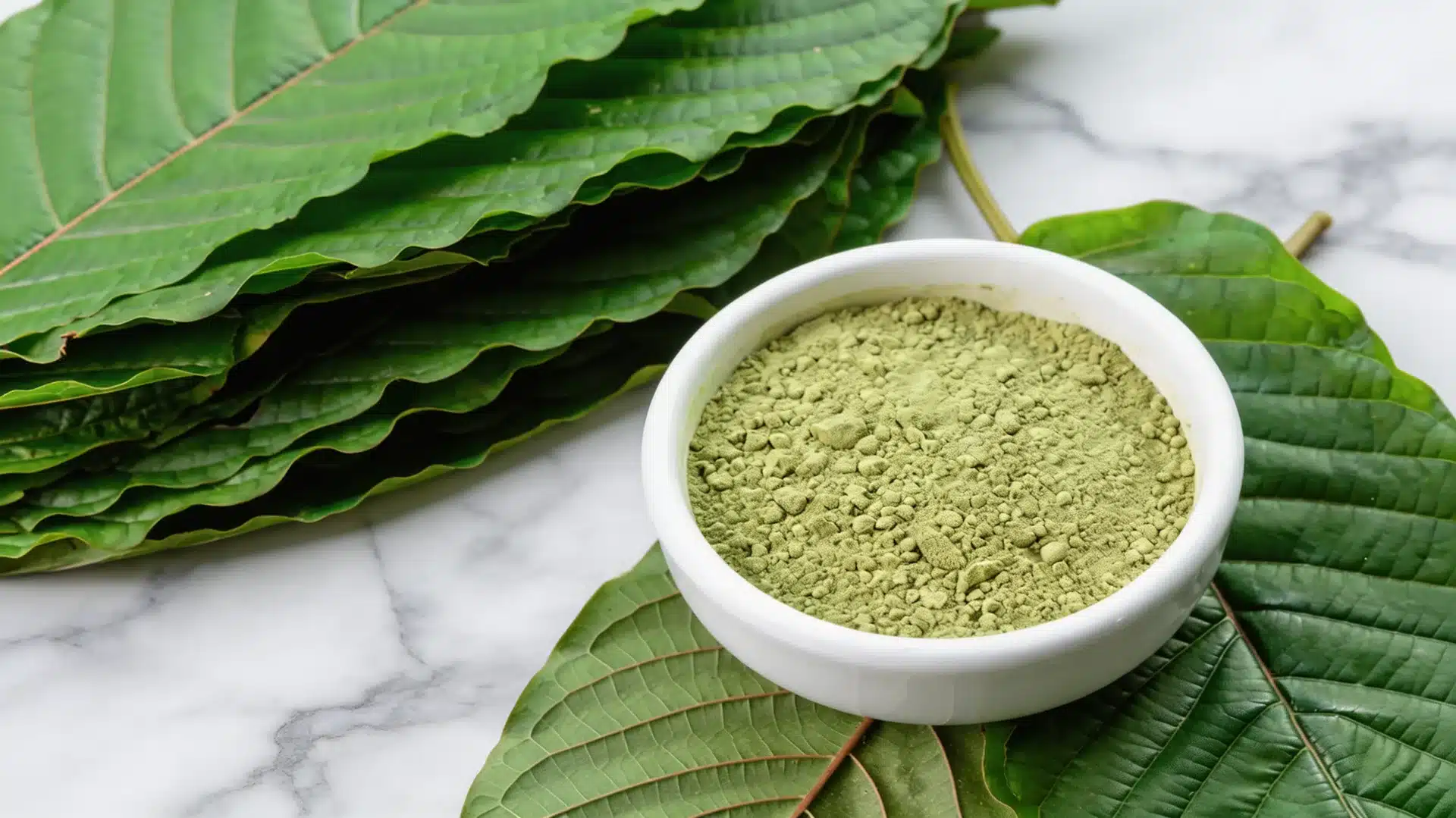
Ever wondered how long kratom stays in your system after the effects wear off? Kratom can remain in your system for several days (1–7 days), depending on usage and metabolism, even though its effects only last a few hours.
You might be trying to figure this out for your health, routine use, or even a drug test, and the mixed answers online don’t always help.
That’s where understanding how long kratom stays in your system becomes important. I’ve broken it down simply so you can see what actually happens in your body.
By the end, you’ll know how long it lasts, what affects detection, and how to make better, more informed decisions
This information is meant for educational purposes only and should not be taken as medical advice. Always speak with a qualified healthcare professional for guidance based on your personal health, symptoms, and treatment needs before making any decisions related to your care.
How Long Does Kratom Stay in Your System?
Most people feel the effects within 10 to 30 minutes, and those effects usually fade within 2 to 5 hours. However, your body continues to process kratom long after that, and it remains in your system for several days (1–7 days).
The primary active alkaloid, mitragynine, has a reported half-life ranging from roughly 3 hours in some pharmacokinetic studies to 23 to 39 hours in others, depending on the individual, dose, and frequency of use.
| A 2024 pharmacokinetics study published in Molecules (Huestis et al.), the largest controlled human dosing study on kratom to date, reported the highest mean mitragynine half-life at 43.4 hours after a single dose, rising to 67.9 hours with repeated daily dosing. That wide variability is exactly why detection windows differ so significantly from person to person. |
Urine tests can detect kratom for up to a week, especially if you use it regularly. Blood detection is shorter, while hair testing can last much longer, but is rarely used.
The exact timing depends on your dose, how often you use it, and your metabolism. So even if you feel normal again, kratom may still be present in your system for several days.
How Long Kratom Shows Up on Drug Tests

To understand how long kratom can be detected, it helps to look at the different types of drug tests and how each one works.
Mitragynine and 7-hydroxymitragynine are not part of those default cutoff tables. Kratom only shows up when a specialized kratom assay is specifically added to the order. The detection windows below apply only to those specialized tests.
1. Urine Test
Urine testing is the most common method used in drug screenings. When a specialized kratom panel is ordered, it typically screens for mitragynine at an immunoassay cutoff of 5 ng/mL, confirmed by LC-MS/MS at 1 ng/mL.
Both Labcorp and ARUP Laboratories offer dedicated kratom urine panels targeting mitragynine and 7-hydroxymitragynine. Kratom can usually be detected for up to 5 to 7 days after use, depending on your body and how often you use it.
If you use kratom regularly, it may stay longer due to buildup over time. In clinical case reports, chronic heavy users have shown urine detectability extending to approximately two weeks. Since most workplace drug tests rely on urine samples, this is the most relevant method for most people concerned about detection.
2. Blood Test
Blood tests are less common and are typically used in medical or specific situations. Based on mitragynine’s pharmacokinetic profile, blood detection is generally possible for 1 to 3 days after use, though some research places the window closer to 2 days for single-dose users.
These tests are more invasive and expensive, which is why they are not part of routine screenings. Compared to urine testing, the detection window is shorter, but it still shows that kratom remains in your body after the effects wear off.
3. Hair Test
Hair testing has the longest detection window and can show traces of kratom for up to 90 days. This happens because substances get stored in hair follicles as they grow.
Forensic-grade hair testing for kratom is validated, with detection limits as low as 0.05 pg/mg for mitragynine, according to current laboratory capability data. That said, this method is almost never used in routine employment screening and is primarily relevant in forensic or child protection contexts.
Most standard drug tests do not include it, so while it shows long-term presence, it is not something most people need to worry about.
4. Saliva Test
Saliva tests are not commonly used to detect kratom. Oral fluid kratom assays do exist; some labs offer them for mitragynine and 7-hydroxymitragynine, but the detection window is short, spanning only minutes to approximately 48 hours after use. This makes oral fluid testing more useful for detecting very recent exposure than for documenting past use.
Because of this, saliva testing is considered an unlikely method for detecting kratom in everyday situations. While it is quick and easy to perform, it is not reliable for identifying kratom use compared to urine or specialized testing methods.
Factors That Affect How Long Kratom Stays in Your System
Kratom does not follow the same timeline for everyone. Several factors can change how long it stays in your body.
- Dosage: Higher amounts take longer to clear from your system
- Frequency of use: Regular use can lead to buildup over time
- Metabolism: A faster metabolism processes substances more quickly
- Body composition: Weight and hydration levels can influence how your body handles kratom
- Liver function: Since kratom is processed in the liver, efficiency matters
- Type of kratom: Extracts and stronger forms may stay longer than regular powder
- Drug interactions: Certain medications that affect the CYP3A4 enzyme, including ketoconazole and some antibiotics, can slow mitragynine metabolism and extend detection time. Conversely, drugs that induce CYP3A4 may speed clearance. If you take prescription medications, this is worth discussing with a pharmacist.
- Age: Older individuals generally have slower metabolic rates, which can extend how long kratom remains detectable.
- Hydration: Higher fluid intake increases urinary output, which can modestly speed clearance of metabolites. Dehydration has the opposite effect.
Even small differences in these factors can shift how long kratom remains in your system.
Understanding How Kratom Affects Your System
Kratom works by interacting with receptors in your brain that influence mood, pain, and energy levels. The way it feels can change based on the dose you take.
At lower doses, it tends to act more like a stimulant, helping you feel alert and focused. At higher doses, it shifts toward a more relaxing or sedative effect, which can lead to calmness or drowsiness.
After you take kratom, it enters your bloodstream and is processed in the liver. Your body breaks it down into smaller compounds, which are then gradually removed through urine.
This process takes time, which is why kratom can stay in your system longer than the effects you feel.
Kratom and Drug Tests: What Research Shows
Kratom works differently from substances that are commonly included in routine drug screenings.
Standard 5-panel, 10-panel, and 12-panel screens used by employers and most probation programs do not include kratom alkaloids. These panels detect controlled substances based on federally established cutoffs. Because kratom is not scheduled under the Controlled Substances Act, it falls outside those default panels entirely.
Research shows that it is not usually part of standard test panels, which is why it often goes undetected. Its main compound, mitragynine, does not match the substances these tests are designed to identify.
According to research on kratom drug testing, named Drug Testing for Mitragynine and Kratom: Analytical Challenges and Medico-Legal Considerations by Wiley, detection depends more on the type of test used than on how long it stays in your system.
Standard tests often miss it, while specialized testing methods can detect it more reliably.
If you are subject to a standard workplace or probation drug screen, kratom will almost certainly not be detected unless a specific kratom panel was explicitly added to the order. If you are in a treatment program or pain management setting, a specialized kratom assay is more likely to be in use.
Kratom vs. Other Substances

Understanding how kratom compares to other substances helps you get a clearer sense of how long it stays in your system and how your body processes it over time.
|
Substance |
How Long Do Effects Last |
How Long Does It Stay in Your System |
Key Reason |
|
Kratom |
2–5 hours |
1–7 days |
Broken down slowly, especially with regular use |
|
Alcohol |
Few hours |
1–2 days |
Processed quickly by the body |
|
Cannabis |
2–6 hours (longer in some cases) |
Several days to weeks |
Stored in body fat and released slowly |
When you compare all three, kratom sits in the middle. It stays longer than alcohol but usually clears faster than cannabis, depending on how often and how much you use it.
Is Kratom Addictive?
Kratom can lead to dependence, especially if you use it regularly or in higher amounts. Over time, your body may get used to it, so you may need more to feel the same effects.
If you suddenly stop after frequent use, you may notice symptoms such as trouble sleeping, muscle aches, mood changes, or general discomfort. This is partly a function of how long kratom’s alkaloids remain in the body.
Because mitragynine and its metabolites can persist for days, the onset of withdrawal can be delayed compared to shorter-acting opioids, which sometimes leads people to underestimate the degree of physical dependence that has developed.
This often catches people off guard because kratom is plant-based, but it still affects the brain.
The risk depends on how often and how much you use it. Occasional use may carry a lower risk, but daily or heavy use increases the chances of dependence. Paying attention to early signs helps you stay in control and make better decisions.
Common Myths and Facts About Kratom
Kratom is often misunderstood, and many people rely on half-truths. This can lead to confusion about how it works and what to expect. Clearing up these common myths can help you better understand how kratom actually affects your body and mind.
Myth: Kratom is completely safe because it’s natural
Fact: Natural does not always mean safe. It can still affect your body and cause side effects.
Myth: Kratom works the same for everyone
Fact: Effects vary based on your body, dose, and frequency of use.
Myth: You can’t build dependence on kratom
Fact: Regular use can lead to dependence in some people.
Myth: Higher doses always give better results
Fact: Higher doses increase side effects and don’t always improve results.
Myth: Kratom acts only like a stimulant
Fact: It can act as a stimulant at low doses and more like a sedative at higher doses.
The key thing to keep in mind is simple. Kratom affects each person differently, and understanding the facts helps you make better decisions.
Final Thoughts
Kratom doesn’t leave your body as quickly as its effects fade, and that’s the key thing to understand. I’ve seen that most confusion comes from mixing up how it feels with how long it actually stays in your system.
Once you consider detection time, drug tests, and factors such as dosage and metabolism, the picture becomes much clearer.
Knowing how long kratom stays in your system helps you make smarter choices, especially if you’re thinking about frequency, safety, or testing. Small details like usage patterns and body response matter more than most people expect.
If this helped you, share your thoughts or check out more guides to better understand how substances affect your body.