Cannabinoids demand patience; separating credible outcomes from marketing noise is rarely straightforward. CBN (Cannabinol) stands out, however, as a compound genuinely worth examining.
Unlike THC or CBD, which dominate most conversations around cannabis wellness, CBN occupies a quieter but increasingly evidence-supported niche, particularly around sleep and relaxation.
As someone trained in herbal science and wellness reporting, I approach CBN not through anecdote but through cross-referenced studies and documented outcomes.
What I’ve found is consistent: CBN edibles are gaining legitimate traction among people seeking natural, non-habit-forming support for insomnia and daily stress.
Here is what CBN is, how it functions in edible form, its documented benefits, and practical dosing guidance structured around what’s actually useful to you.
Quick Overview: CBN Edibles at a Glance
- What it is: Cannabinol, a minor cannabinoid formed when THC oxidizes in aged cannabis or hemp
- Primary use: Sleep support, particularly reducing nighttime awakenings and improving sleep quality
- Psychoactive? Mildly, but far weaker than THC. Most users experience relaxation and drowsiness rather than intoxication
- Best evidence dose: 20mg nightly, based on the most recent placebo-controlled human trial (Bonn-Miller et al., 2024)
- Formats: Gummies, tinctures, capsules, chocolates
- Legal status: Hemp-derived CBN (under 0.3% THC) is federally legal in most US states, though laws vary and are subject to change
Understanding CBN (Cannabinol)
CBN, or cannabinol, is a cannabinoid found in cannabis plants. Unlike CBD or THC, it is not produced directly by the plant in large amounts.
Instead, CBN forms when THC naturally breaks down through exposure to heat, light, and oxygen. This means older cannabis plants typically contain higher levels of CBN.
CBN is considered a minor cannabinoid, meaning it exists in smaller quantities than THC or CBD. It produces very mild psychoactive effects, far weaker than THC.
Because of its calming properties, CBN has become popular in wellness products designed to support:
- relaxation
- sleep quality
- nighttime recovery
One detail that most product descriptions skip: CBN’s effects may not come entirely from CBN itself. A 2024 University of Sydney study found that a metabolite of CBN called 11-hydroxy-CBN, produced when the body breaks down CBN, binds to CB1 receptors more strongly than CBN does.
This suggests that some of CBN’s sleep-promoting effects may actually be driven by how the body processes and converts it, not just the compound as consumed. This has practical implications for dosing and onset timing that are still being studied.
What is CBN in Edibles and How Do They Work?
CBN in edibles refers to edible products that contain cannabinol extract, allowing the cannabinoid to be consumed through digestion rather than inhalation.
Common examples include:
- gummies
- chocolates
- capsules
- beverages
- baked goods
When consumed as an edible, CBN passes through the digestive system and is metabolized in the liver before entering the bloodstream. This process leads to slower onset but longer-lasting effects compared with vaping or smoking.
Many people prefer edibles because they offer: precise dosing, discreet consumption, and extended duration of effects.
CBN interacts with the body through the endocannabinoid system (ECS), a network of receptors that helps regulate important processes such as sleep, mood, pain perception, and immune response.
The ECS primarily includes two types of receptors:
- CB1 receptors, located in the brain and central nervous system
- CB2 receptors, located in immune cells and peripheral tissues
CBN interacts mildly with these receptors, influencing several biological responses. Key ways CBN works:
- Receptor interaction: CBN binds weakly to CB1 receptors and interacts with CB2 receptors, influencing neurological and immune responses.
- Neurotransmitter regulation: These interactions affect neurotransmitters involved in sleep cycles, mood balance, and pain perception.
- Synergistic effects: When combined with other cannabinoids like CBD or THC, CBN may contribute to the entourage effect, where plant compounds work together to produce stronger effects.
Does CBN in Edibles Get You High?
CBN in edibles is much less intoxicating than THC, so most people do not experience a strong “high” when consuming it. Instead, users often describe the effects as mild and calming.
Many people report feelings of relaxation, gentle drowsiness, and overall mental ease after taking CBN edibles. These effects are one reason CBN products are commonly marketed for nighttime use or sleep support.
In larger doses, CBN may produce very mild psychoactive sensations, but they are significantly weaker than the effects typically associated with THC. Because of this, many wellness brands combine CBN with CBD rather than THC in edible products.
This combination helps support relaxation while minimizing the chances of intoxication, making the experience more comfortable for users seeking calm rather than a strong psychoactive effect.
A 2020 study of National Library of Medicine found that CBN cross-reacts with urine immunoassay drug tests designed to detect THC metabolites.
This means regular CBN use could potentially produce a positive result on a standard workplace drug screen. If drug testing is a consideration in your situation, this is worth raising with a healthcare provider or the test administrator before starting a CBN regimen.
Potential Benefits of CBN in Edibles
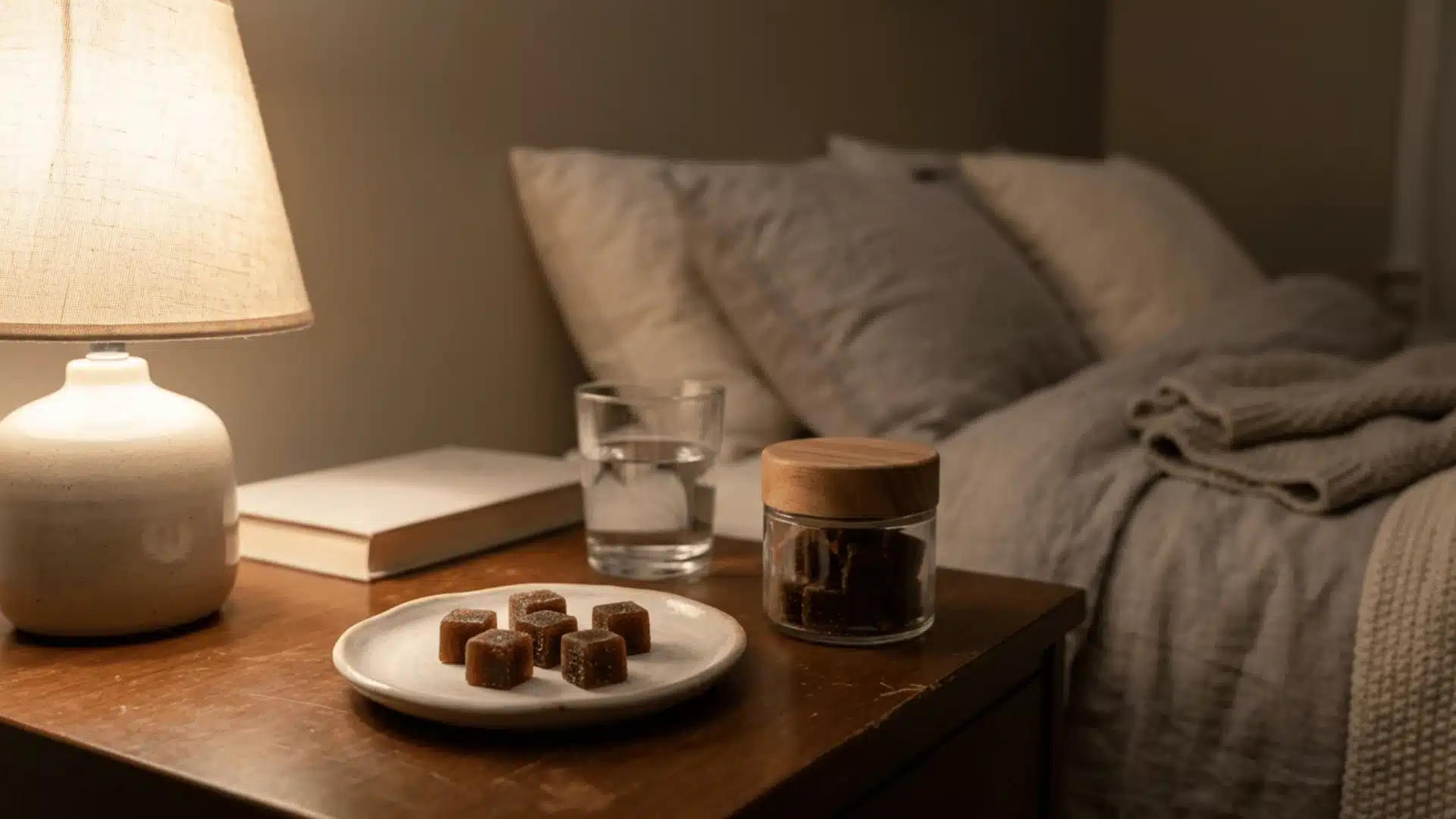
CBN edibles may provide several health-supporting effects beyond simple relaxation. The edible format allows slower digestion and gradual release, which can support longer-lasting effects.
1. Promotes Better Sleep
CBN is often associated with improved sleep support. Many reports suggest its calming effects may help the body relax before bedtime. This may shorten the time needed to fall asleep and help maintain sleep longer during the night.
Because edibles release cannabinoids slowly, the effects may last several hours, which can help people with interrupted or irregular sleep patterns.
2. Pain Relief
CBN may support natural pain management, especially for ongoing discomfort. Some research suggests cannabinoids can influence the body’s pain response and inflammation levels. When combined with other cannabinoids, such as CBD, the effect may become stronger.
Edible products release CBN gradually, which may help provide longer-lasting relief throughout the night and support people with persistent pain conditions.
3. Anti-inflammatory and Antibacterial Effects
CBN may support the body’s response to inflammation, which can be helpful for conditions linked to swelling and discomfort. These calming effects may be useful for issues such as joint stiffness or certain digestive concerns.
CBN may also help the body respond to certain bacteria. Because of this, researchers continue to look at how cannabinoids might support overall wellness beyond relaxation.
4. Additional Wellness Support
CBN may offer additional supportive benefits as well.
- Appetite support: It may help stimulate appetite for people experiencing appetite loss.
- Nerve health support: CBN may help support nerve function and overall neurological balance.
- Stress support: Some people report mild calming effects that may help reduce everyday stress.
- Eye pressure support: Cannabinoids may help support healthy eye pressure levels.
5. Other Potential Applications: What the Evidence Actually Supports
CBN has been studied or proposed for several additional applications, including appetite stimulation, neuroprotection, antibacterial properties, and intraocular pressure management.
These areas show biological plausibility in preclinical and in vitro research. However, none of these applications currently have sufficient human clinical trial data to support strong therapeutic claims.
When I evaluate products that market CBN for these purposes, I treat them as areas of genuine scientific interest, not established outcomes. The distinction matters for consumer decision-making.
CBN Edibles: Types and Forms
CBN edibles come in various types and forms, offering different ways to incorporate CBN into your routine. Each type has its own unique advantages, making it easier to find what works best for you.
| Format | Onset Time | Duration | Best For |
|---|---|---|---|
| Gummies | 1 to 3 hours | 6 to 8 hours | Consistent nightly dosing, full-night coverage |
| Tinctures (sublingual) | 15 to 45 minutes | 4 to 6 hours | Flexible timing, faster onset when added under the tongue |
| Capsules | 1 to 2 hours | 6 to 8 hours | No flavor, consistent dosing, travel-friendly |
| Chocolates | 1 to 2 hours | 6 to 8 hours | Taste preference, occasional use |
Onset timing matters significantly for sleep applications.
Gummies and capsules should generally be taken 1 to 2 hours before your target sleep time to align peak effects with bedtime.
Tinctures taken sublingually (held under the tongue for 60 to 90 seconds before swallowing) absorb into the bloodstream more directly and can be timed closer to 30 to 45 minutes before bed.
Adding a tincture to food or a beverage instead slows absorption closer to the edible range.
CBN Dosage Guide for Edibles
CBN affects people differently depending on body weight, metabolism, and tolerance to cannabinoids. Because edibles take longer to work, it’s best to start with a small dose and increase gradually if needed.
| Experience Level | Suggested Dose |
|---|---|
| Beginner | 2.5–5 mg |
| Moderate | 5–10 mg |
| Experienced | 10–20 mg |
Best Dosing Practices: To use CBN edibles safely and effectively, keep these tips in mind:
- Start with a small dose to see how your body reacts.
- Wait at least 2 hours before taking another dose since edibles work slowly.
- Increase the dose gradually if the effects feel too mild.
- Take CBN at the same time each evening if you’re using it for sleep support.
Always consult a healthcare professional before using cannabinoids regularly, especially if you take medications
Possible Side Effects of CBN Edibles
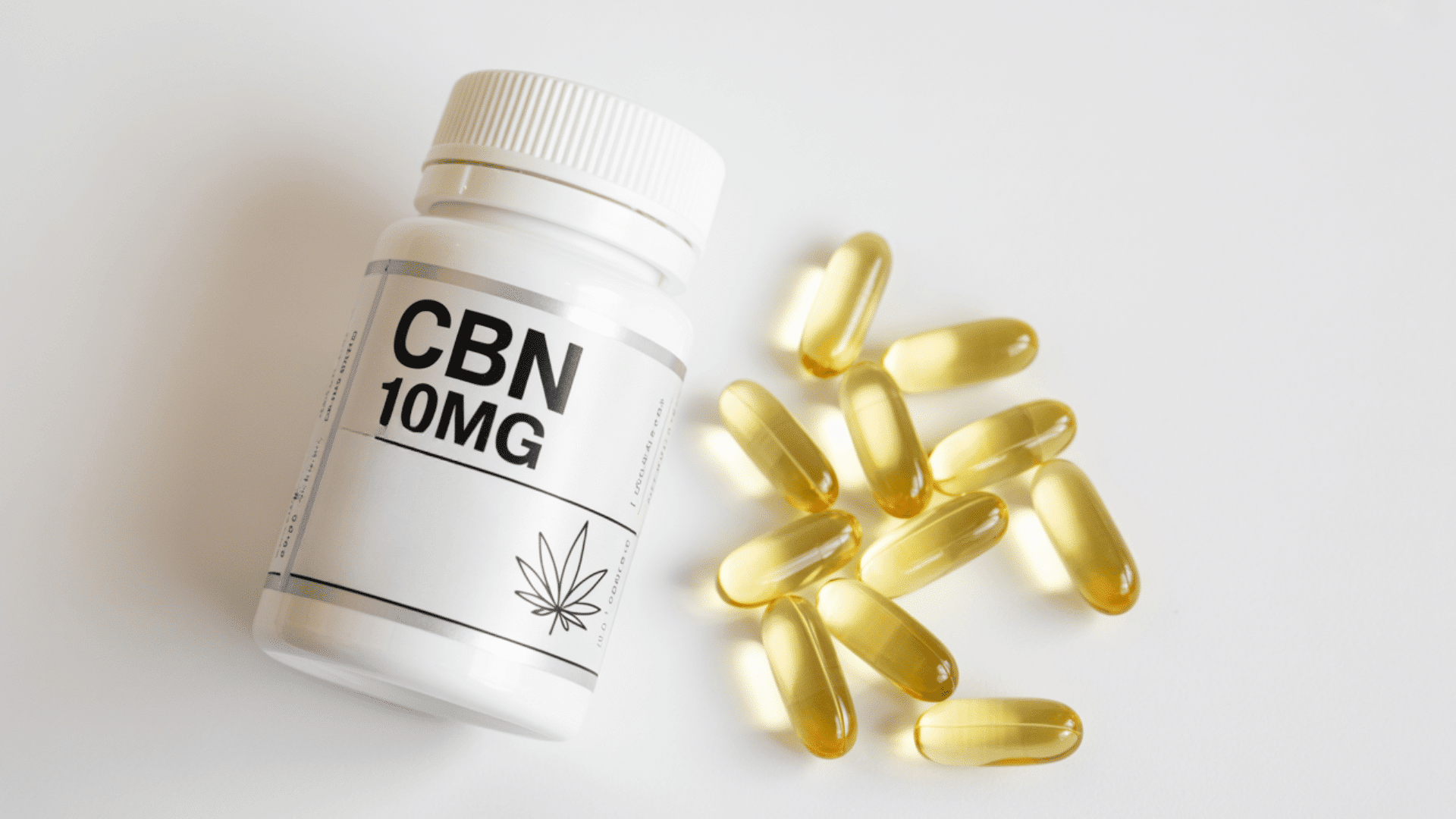
CBN is generally well tolerated, but some users may experience mild side effects, especially when taking higher doses.
- Drowsiness: You may feel sleepy or relaxed after taking CBN edibles, which is why many people use them at night.
- Dry mouth: CBN can reduce saliva production, leaving your mouth feeling dry or slightly uncomfortable for a short time.
- Dizziness: Some users may experience mild lightheadedness, especially if they take higher doses or combine CBN with other cannabinoids.
- Fatigue: You might feel tired or sluggish, particularly if you take CBN earlier in the day instead of bedtime.
- Digestive discomfort: In some cases, edibles may cause mild stomach upset as the body processes cannabinoids through digestion.
CBD and CBN are both processed by the liver through the cytochrome P450 enzyme system, the same pathway used to metabolize many common prescription medications.
Cannabinoids can compete with these enzymes, potentially altering how long medications stay in your system or at what effective concentration.
This is particularly relevant for older adults on multiple medications. If you are taking prescription drugs, discuss CBN with your prescribing physician before starting regular use.
CBN vs. CBD: What’s the Difference?
In this section, we’ll compare CBN and CBD to help you understand their key differences and how each can benefit you. Here is a small table comparing CBD and CBN, covering the key points you should know.
|
Feature |
CBD |
CBN |
|
Primary Effect |
Calming, anti-inflammatory |
Sedative, sleep-inducing |
|
Best Time to Use |
Daytime |
Nighttime (30-60 min before bed) |
|
Psychoactive |
No |
Mildly |
|
Main Benefits |
Anxiety, stress, inflammation, pain |
Insomnia, sleep disorders, nighttime pain |
|
Onset Time |
30-90 minutes |
30-90 minutes |
|
Duration |
4-6 hours |
6-8 hours (full-night sleep) |
|
User Experience |
Calm, focused, balanced |
Relaxed, drowsy, restful |
|
Ideal For |
Daily wellness management |
Sleep support |
From the table, we can see that CBD is great for daytime use, helping with anxiety, stress, and inflammation, while CBN is more focused on nighttime support, particularly for sleep and related issues.
Combining both CBN and CBD offers the best of both worlds. CBD helps with anxiety and prevents sleep disruption, while CBN works to ensure you get the deep, restful sleep you need.
Are CBN Edibles Legal?
If you’re wondering whether CBN edibles are legal, the short answer is that it depends on where you live. In many places, CBN made from hemp plants with less than 0.3% THC is allowed under federal law.
Think of it like this: hemp-derived CBN generally gets the green light, but cannabis laws can look very different from state to state or country to country.
That means something legal where your friend lives might not be legal where you are. So before you buy anything, take a few simple steps to protect yourself.
Check the rules in your area, make sure the product has been tested in a lab, and always buy from a brand you can trust. A little homework goes a long way.
An important development to be aware of: federal legislation introduced in 2025 (informally referred to as the “hemp ban“) could potentially restrict hemp-derived products containing trace THC, including some CBN formulations, depending on how the legislation is finalized.
The regulatory landscape for hemp-derived cannabinoids remains in flux. Before purchasing, check current regulations in your state and confirm the product’s compliance status with the retailer.
What Does Research Say About CBN?
Growing consumer interest in CBN hasn’t been matched by an equivalent volume of clinical research, and that gap matters when evaluating therapeutic claims honestly.
Some findings suggest CBN may affect sleep patterns and pain signals through interaction with the body’s endocannabinoid system. Early research, includingCannabidiol in Anxiety and Sleep: A Large Case Series, indicates potential effects, though evidence remains preliminary.
TheNational Institutes of Health continues to expand cannabinoid research, yet peer-reviewed human clinical data on CBN specifically remains sparse. Until larger trials produce replicable outcomes, the FDA advises caution around cannabinoid health claims.
Consulting a healthcare professional before incorporating CBN regularly remains the most responsible starting point
How to Choose Quality CBN Edibles
Choosing the right CBN edible is important for both safety and effectiveness. Not all products on the market are made with the same quality standards, so it helps to know what to look for before buying.
- Third-party lab testing: Reliable brands send their products to independent laboratories for testing. This confirms the actual CBN content and checks for harmful substances like pesticides or heavy metals.
- Certificates of Analysis (COA): A COA is a lab report that shows the exact cannabinoid levels in the product. Always choose brands that make these reports easy to access.
- Clear dosage information: Good products clearly list the amount of CBN per serving. This helps you control your dose and avoid taking too much.
- Minimal additives: High-quality edibles usually contain simple ingredients with fewer artificial colors, flavors, or unnecessary fillers.
Many experts also recommend full-spectrum products, which contain several cannabinoids and plant compounds. These ingredients may work together through the entourage effect, potentially supporting stronger overall results.
Wind Up
CBN’s formation through THC oxidation and its interaction with the endocannabinoid system aren’t just interesting biochemistry; they translate into real, observable outcomes: improved sleep quality, reduced tension, and meaningful pain relief for many users.
The format options, gummies, tinctures, chocolates, and capsules, make CBN accessible regardless of preference. From a dosing standpoint, starting conservatively at 5–10mg and adjusting incrementally remains the most evidence-aligned approach. Your body’s response is the most reliable data point you have.
If you’re considering adding CBN to your wellness routine, the research supports cautious optimism. Explore the formats, track your experience, and adjust deliberately.
Have you tried CBN edibles? Share your experience in the comments below. Your insights may help others navigate their own wellness decisions.