Night sweats alcohol withdrawal is a common symptom many people notice when the body begins adjusting after stopping alcohol use.
You may wake up with damp sheets, sudden warmth, or interrupted sleep and wonder why it is happening. I often see people become concerned when detox symptoms appear at night, especially when sweating feels intense or unfamiliar.
Night sweating during alcohol withdrawal occurs when the body begins adjusting to the sudden absence of alcohol. In this guide, I will explain why night sweats occur during withdrawal, when they usually appear, and how long they may last.
You will also learn practical ways to manage the discomfort and recognize signs that require medical attention during alcohol detox.
Disclaimer: This article is for informational purposes only and does not replace professional medical advice. Always consult a qualified healthcare provider before managing alcohol withdrawal or starting any detox process.
Quick Overview: Night Sweats and Alcohol Withdrawal
- When they start: Typically 6 to 12 hours after the last drink
- Peak intensity: 24 to 72 hours after the last drink
- Typical duration: 1 to 2 weeks; may persist several weeks in heavy long-term drinkers
- Are they dangerous on their own? No, but they can signal more serious withdrawal. See the warning signs section below.
- Primary cause: Nervous system rebound after alcohol removal disrupts temperature regulation and stress hormone activity
- Three distinct causes: Active drinking effects, alcohol withdrawal syndrome, and alcohol intolerance (separate conditions, explained below)
Why Alcohol Withdrawal Is Medically Different From Other Substance Withdrawals
Most people understand that stopping opioids or stimulants causes withdrawal. Fewer people know that alcohol withdrawal is uniquely dangerous in a way that most other substance withdrawals are not.
Alcohol works primarily by enhancing the activity of GABA, the brain’s main inhibitory neurotransmitter, which produces the calming and sedating effects of drinking.
At the same time, it suppresses glutamate, the main excitatory neurotransmitter. The brain compensates over time by downregulating GABA sensitivity and upregulating glutamate activity, essentially fighting back against alcohol’s depressant effects to maintain function.
When alcohol is suddenly removed, this compensation becomes the problem. The brain is now running with reduced GABA activity and elevated glutamate activity, and nothing is counterbalancing it.
The result is a hyperexcitable nervous system that produces the full spectrum of withdrawal symptoms: tremors, anxiety, elevated heart rate, sweating, and at the extreme end, seizures and delirium tremens.
This is why alcohol is one of the few substances where abrupt withdrawal without medical support can be directly fatal.
Understanding Night Sweating During Alcohol Detox
Night sweating during alcohol withdrawal happens when detox changes how the body controls temperature and stress responses.
Alcohol affects the central nervous system and disrupts how the brain regulates body temperature and stress responses.
When alcohol use stops, the nervous system becomes temporarily overactive while it restores normal balance. This shift can cause the body to release more heat and activate sweat glands during sleep.
Many people experience damp bedding, overheating, or disrupted rest during the detox phase. These symptoms are common and usually temporary while the body recalibrates its internal systems. Night sweats are therefore considered a typical withdrawal response rather than an isolated health problem.
What Night Sweats Feel Like: People experiencing withdrawal night sweats often notice physical sensations that interrupt sleep and create discomfort during the night.
- Waking up with soaked sheets or damp clothing
- Sudden feelings of heat followed by chills
- Frequent awakenings because sweating disrupts sleep
Three Distinct Causes of Alcohol-Related Night Sweats
Not all alcohol-related night sweating is withdrawal. Understanding which category applies to your situation affects how you should respond.
1. Night Sweats From Active Drinking
Alcohol is a vasodilator. It widens blood vessels and increases blood flow near the skin, creating a temporary warm sensation and triggering the body’s cooling response through sweating. Alcohol also disrupts sleep cycles, particularly REM sleep, and raises body temperature during the second half of sleep as blood alcohol levels decline. These sweats can occur after moderate drinking in people with no dependence.
A counterintuitive fact worth knowing: while drinking makes you feel warmer, alcohol actually lowers core body temperature because vasodilation moves heat from your core to your skin. This is why alcohol is dangerous in cold environments despite the warming sensation it creates.
2. Night Sweats From Alcohol Withdrawal Syndrome
This is the primary focus of this guide. In people with alcohol dependence, stopping or significantly reducing alcohol triggers alcohol withdrawal syndrome, a physiological response driven by the GABA and glutamate imbalance described above. Night sweats are one of the early and consistent features of this syndrome, alongside tremors, anxiety, elevated heart rate, and insomnia.
3. Night Sweats From Alcohol Intolerance
A separate and less commonly discussed cause: some people experience sweating specifically because of a genetic mutation that prevents the body from metabolizing alcohol normally, usually due to a deficiency in the enzyme aldehyde dehydrogenase 2 (ALDH2).
This mutation is most commonly seen in people of East Asian descent. It causes a toxic buildup of acetaldehyde when alcohol is consumed, producing flushing, sweating, nausea, rapid heartbeat, and headache. People with this condition experience these symptoms from drinking, not from stopping.
If you notice sweating and flushing during or shortly after drinking rather than during withdrawal, alcohol intolerance may be the cause.
Can Alcohol Withdrawal Cause Night Sweats?
Yes. Night sweats are a well-known symptom of alcohol withdrawal. When alcohol leaves the body, the nervous system becomes temporarily overstimulated while it attempts to regain balance. This overactivity can increase heart rate, raise body temperature, and activate sweat glands during sleep.
For people who regularly consume alcohol, the brain adapts to alcohol’s depressant effects.
When drinking suddenly stops, the body experiences a rebound effect that leads to several withdrawal symptoms, including anxiety, tremors, insomnia, and night sweats.
Why Night Sweats Happen During Alcohol Withdrawal
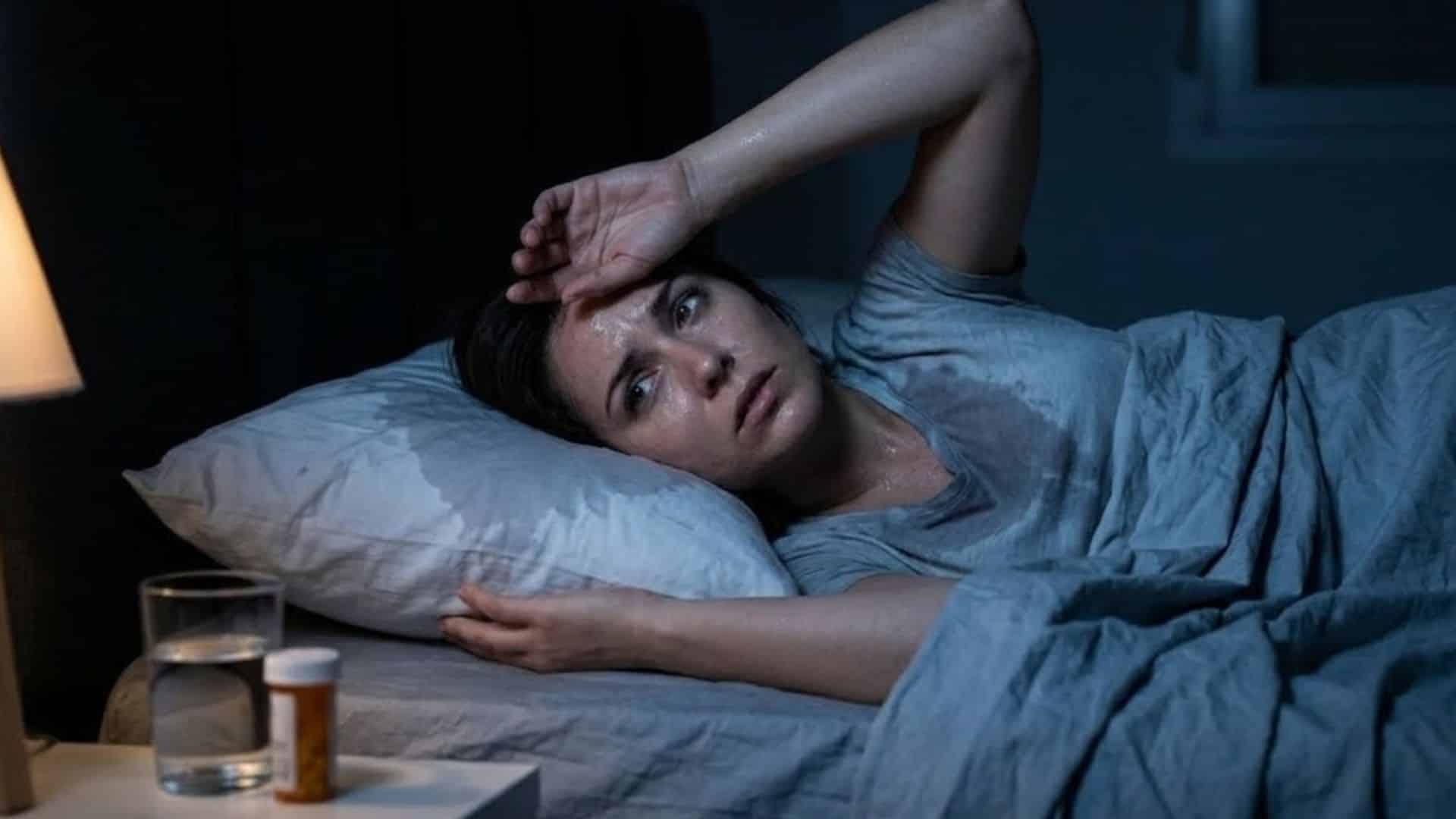
Alcohol withdrawal affects several body systems that regulate temperature, stress, and nerve activity. As the body begins detox, the nervous system and hormones work harder to restore balance. This process can trigger sweating, increased heart activity, and changes in how the body releases heat during sleep.
1. Nervous System Rebound
Alcohol slows activity in the central nervous system. Research from the National Library of Medicine (NCBI) explains that alcohol withdrawal causes a rebound effect where nervous system activity increases rapidly after alcohol is removed. This heightened activity stimulates several body processes, including heart rate, body temperature, and sweat production.
The nervous system attempts to stabilize itself after long exposure to alcohol’s depressant effects. During this adjustment phase, sweat glands may become more active, especially during sleep, which explains why night sweats commonly appear during alcohol withdrawal.
2. Body Temperature Regulation Changes
Alcohol interferes with the hypothalamus, the part of the brain responsible for controlling body temperature. When drinking stops, the hypothalamus must readjust its normal function.
During this transition, the body may struggle to maintain stable temperature levels, leading to episodes of overheating and sweating during sleep. These fluctuations are part of the detox process as the brain gradually restores normal temperature regulation.
These changes can cause overheating and sweating during sleep while the brain gradually restores normal temperature regulation.
3. Stress Hormone Activation
Alcohol withdrawal activates the body’s stress response system. During detox, the body increases production of hormones such as cortisol and adrenaline. These hormones help the body respond to stress but also stimulate sweat glands and increase body temperature.
As a result, sweating becomes more noticeable, particularly during rest when the body processes recovery changes. This hormonal surge explains why night sweats often appear alongside symptoms like anxiety, restlessness, and increased heart rate during alcohol withdrawal.
Why Alcohol Can Cause Night Sweats Even Without Withdrawal
Not all alcohol-related night sweats occur during withdrawal. Some people experience sweating after drinking alcohol, even when they are not dependent.
Alcohol acts as a vasodilator, widening blood vessels and increasing blood flow near the skin. This creates a temporary warming sensation, which triggers the body’s cooling system through sweating.
Alcohol can also disrupt sleep cycles, raise body temperature, and cause dehydration. These factors may lead to night sweats hours after drinking, especially during the second half of sleep when blood alcohol levels begin to decline.
Common Symptoms That Occur With Night Sweats
Night sweats during alcohol withdrawal rarely occur alone. They often appear alongside several physical and psychological symptoms as the nervous system adjusts.
- Tremors or shaking
- Anxiety and restlessness
- Rapid heart rate
- Nausea
- Difficulty sleeping
These symptoms typically develop during the early stages of detox and may change in intensity over the first few days of withdrawal.
Cold Sweats During Alcohol Withdrawal
Some people experience cold sweats instead of warm sweating episodes during alcohol withdrawal. Cold sweats feel clammy and uncomfortable even in a cool room.
This occurs when the body enters a “fight-or-flight” stress response. Increased adrenaline and nervous system stimulation can trigger sudden sweating along with chills and anxiety.
Cold sweats usually improve as the nervous system stabilizes during detox, but severe symptoms should always be evaluated by a healthcare professional.
Alcohol Withdrawal Timeline
| Phase | Timeframe | Common Symptoms Including Night Sweats |
|---|---|---|
| Early Withdrawal | 6 to 12 hours after last drink | Mild sweating begins, anxiety, headache, mild tremors, sleep disruption |
| Peak Withdrawal | 24 to 72 hours after last drink | Intense night sweats, elevated heart rate, significant shaking, agitation. Highest risk window for seizures and delirium tremens. |
| Acute Recovery | 4 to 7 days | Gradual improvement. Sweating decreases. Sleep begins to stabilize. Anxiety may persist. |
| Post-Acute Phase (PAWS) | Weeks to months | Mild, intermittent night sweats may continue alongside sleep disturbance, mood changes, and anxiety as the brain fully recalibrates. |
Duration varies considerably based on drinking history, overall health, liver function, metabolism, and whether detox is medically supervised.
One pattern I consistently see in harm-reduction work: people who attempt unassisted detox after heavy long-term use often experience more prolonged and severe night sweating, in part because they cannot access the medications that significantly reduce withdrawal symptom intensity and duration.
How Long Do Night Sweats Last During Alcohol Withdrawal
Night sweats during alcohol withdrawal usually appear early in the detox process and gradually improve as the body stabilizes.
For many people, sweating episodes last several days, especially during the first week after stopping alcohol. The most intense symptoms typically occur within the first seventy-two hours when withdrawal symptoms reach their peak.
After this period, the nervous system slowly returns to normal function, and sweating becomes less frequent. Some individuals may still experience mild night sweating for a few weeks while sleep patterns recover.
In some cases, night sweats may persist for several weeks. This can occur during a stage known as Post-Acute Withdrawal Syndrome (PAWS), where symptoms such as anxiety, insomnia, and temperature regulation problems continue while the brain fully recovers.
Duration varies depending on factors such as drinking history, overall health, metabolism, and whether detox occurs under medical supervision.
How Medical Detox Treats Withdrawal Night Sweats
Medical supervision during alcohol withdrawal is not just a safety net for worst-case scenarios. It meaningfully reduces the intensity and duration of all withdrawal symptoms, including night sweats, through proven pharmacological protocols.
The standard first-line treatments for alcohol withdrawal include:
- Benzodiazepines (such as diazepam or lorazepam): These medications replace some of alcohol’s GABA-enhancing effect, reducing nervous system overactivity, preventing seizures, and significantly calming the sweating, tremors, and anxiety that drive night sweats
- Carbamazepine or gabapentin: Often used for mild to moderate withdrawal that is not at high risk of progressing to seizure, these can reduce symptom intensity without the dependence risk of benzodiazepines
- IV fluids and electrolyte replacement: Directly addressing the dehydration and electrolyte loss that makes sweating episodes more severe and prolonged
- Thiamine (Vitamin B1): Alcohol depletes B1, and deficiency can cause serious neurological complications. Supplementation is standard in medical detox
Clinicians often use a standardized tool called the CIWA-Ar scale (Clinical Institute Withdrawal Assessment for Alcohol) to score withdrawal severity across ten symptom domains, including sweating, and determine the appropriate level of medication and monitoring.
Knowing that a structured assessment tool exists can help people advocate for proper evaluation if symptoms are being dismissed.
How to Manage Night Sweats During Alcohol Detox

Simple lifestyle adjustments can help reduce discomfort and improve sleep while the body moves through withdrawal.
- Stay Hydrated: Drink water and electrolyte fluids regularly to replace the fluids lost through heavy sweating during withdrawal.
- Keep the Sleeping Environment Cool: Lower room temperature and use breathable sheets to prevent overheating during the night.
- Wear Lightweight Sleepwear: Moisture-wicking fabrics help keep the skin dry and reduce discomfort caused by excessive sweating.
- Consider Medical Detox Support: Healthcare professionals can monitor symptoms and prescribe medications that help stabilize withdrawal effects safely.
Medical supervision reduces withdrawal risks and ensures proper treatment if symptoms become severe or difficult to manage.
Factors That Influence Night Sweats During Withdrawal
Several factors can affect how intense night sweats become during alcohol detox and how long these symptoms continue.
- Length of alcohol use: Long-term drinking increases physical dependence, making the nervous system react more strongly during withdrawal and detox.
- Amount of alcohol consumed: Higher daily alcohol intake can lead to stronger withdrawal symptoms, including more frequent sweating during sleep.
- Overall health condition: Liver health, metabolism, and existing medical conditions can influence how the body responds to alcohol withdrawal.
- Hydration and nutrition levels: Dehydration and poor nutrition may worsen sweating and other withdrawal symptoms during detox.
- Previous withdrawal experiences: People who have gone through alcohol detox before may experience stronger symptoms due to nervous system sensitivity.
Understanding these factors can help individuals prepare for detox and recognize when medical supervision may be necessary for safer withdrawal management.
When Night Sweats May Indicate a Serious Withdrawal Problem
Night sweats are common during alcohol withdrawal, but certain symptoms may signal a more serious medical condition. Severe confusion, hallucinations, seizures, or extremely high fever can indicate delirium tremens.
The National Institute on Alcohol Abuse and Alcoholism (NIAAA) describes delirium tremens as a serious and potentially life-threatening complication of alcohol withdrawal. This condition affects the nervous system and requires immediate medical treatment.
If night sweats occur alongside severe agitation, disorientation, or uncontrollable shaking, professional care should be sought immediately.
Delirium tremens can develop within a few days after the last drink and may become life-threatening without proper supervision.
Monitoring symptoms carefully during detox helps identify warning signs early and ensures the person receives the medical support needed for a safer recovery process.
Safe Approaches to Alcohol Withdrawal
Safe detox practices can reduce withdrawal risks and support the body during recovery.
- Avoid stopping heavy alcohol use abruptly without professional medical guidance.
- Seek supervised detox programs when withdrawal symptoms are expected to be severe.
- Maintain hydration, balanced nutrition, and proper rest during the detox process.
Taking safe steps during alcohol withdrawal protects your health and allows the body to recover steadily under proper guidance.
Wind Up
Night sweats alcohol withdrawal occurs because the body is adjusting to the absence of alcohol and restoring balance in the nervous system.
Throughout this blog, I explained why sweating happens during detox, when it typically appears, and how long it may last.
You also learned about the withdrawal timeline, symptoms that often accompany night sweats, and simple steps that can help manage discomfort during recovery.
Paying attention to warning signs is important because severe withdrawal symptoms may require medical care.
If you or someone close to you is going through alcohol withdrawal, taking safe detox steps can make the process easier. Share your experience or questions below so others can learn from your recovery journey.