I’ve been getting more questions about hair drug tests lately, and honestly, it’s no surprise.
Employers and courts are turning to this method more than ever because it reveals a much longer history than traditional tests.
While THC might clear your blood or urine relatively quickly, your hair tells a different story, sometimes going back months.
I think what makes this such a hot topic is that people have vastly different reasons for asking: some are just curious about how it works, while others are dealing with real consequences if they can’t pass.
Understanding this distinction matters as we dig into the science.
How Hair Follicle Drug Tests Work?
I need to clarify something important: hair tests don’t actually look for THC itself. They detect THC-COOH, the metabolite your body creates after breaking down cannabis.
Here’s how it works: when you consume THC, these metabolites circulate through your bloodstream and get deposited into your growing hair follicles. Each half-inch of hair represents roughly a month of history.
Standard tests analyze one and a half inches and cover about 90 days, though longer samples can reveal up to a year of use.
| Test Type | Hair Length Required | Detection Window | Common Use Cases |
|---|---|---|---|
| Standard 90-Day Test | 1.5 inches | ~3 months | Employment screening, standard workplace compliance |
| Extended 6-Month Test | 3 inches | ~6 months | Legal cases, custody disputes, probation monitoring |
| Extended 12-Month Test | 6 inches | ~12 months | Long-term monitoring, forensic investigations, and serious legal matters |
THC Detection Timeline by Use Pattern

Your usage pattern dramatically affects what shows up in a hair test. I’ve seen people surprised to learn that a single joint doesn’t guarantee the same result as daily consumption.
The concentration and distribution of metabolites tell very different stories depending on your habits.
1. One-Time Use
If you’ve only used THC once, there’s a slim chance it won’t show up at all, though I wouldn’t count on it.
The metabolite concentration from a single exposure is very low, usually under 0.1 pg/mg, and depending on when the hair sample is taken, it might not have been incorporated into the hair shaft yet.
However, modern tests with cutoff thresholds as low as 1 pg/mg are sensitive enough that even minimal exposure can register positive.
2. Occasional Use
Occasional users, say a few times per month, will typically show metabolite concentrations ranging from 1 to 5 pg/mg in their hair. The presence is detectable but less pronounced than regular users.
What I find interesting here is that the metabolites appear scattered rather than consistently throughout the hair shaft, reflecting the sporadic nature of consumption.
This pattern still results in a positive test above the standard cutoff, but the concentration levels tell the story of infrequent use.
3. Regular/Frequent Use
When you’re using THC multiple times weekly, metabolites accumulate to concentrations between 5 and 20 pg/mg across several segments of your hair shaft.
I’ve noticed this creates a more uniform distribution pattern that labs can easily identify. The concentration is significantly higher than occasional use, and multiple sections of the tested hair will show positive results.
This consistent presence makes it nearly impossible to dispute the findings or attribute them to environmental contamination.
4. Heavy/Daily Use
Daily cannabis consumers face the most challenging situation with hair tests, often showing metabolite levels exceeding 20 to 50 pg/mg or higher.
The metabolite saturation is substantial and spreads throughout the entire hair sample, creating unmistakable evidence of chronic use. What really stands out is how long these elevated concentrations persist.
Even if you stop completely, that 90-day detection window remains locked in your hair until it grows out at the standard rate of half an inch per month or gets cut off.
THC in Hair vs. Other Drug Tests
Each type of drug test has its own detection window, and the differences are substantial.
Understanding these variations helps explain why hair testing has become the preferred method for long-term monitoring in many workplace and legal settings.
| Test Type | Detection Window | Sample Collection | What It Detects | Best Used For |
|---|---|---|---|---|
| Urine Test | 3–30 days (varies by frequency) | Non-invasive, easy to collect | THC-COOH metabolites in urine | Recent use, standard workplace screening |
| Blood Test | Few hours to 2 days | Invasive, requires medical staff | Active THC in bloodstream | Impairment testing, DUI cases, and immediate detection |
| Saliva Test | 24–72 hours | Non-invasive, quick results | THC in oral fluids | Roadside testing, very recent use detection |
| Hair Test | 90 days to 12 months | Non-invasive, difficult to tamper with | THC-COOH embedded in the hair shaft | Long-term use patterns, employment, and legal cases |
Hair tests detect substantially longer periods because hair permanently encodes drug history as it grows.
While the body metabolizes and clears THC from blood, urine, and saliva within days or weeks, hair creates a biological record that doesn’t clear out like other bodily fluids.
Factors That Affect How Long THC Stays in Your Hair
Not everyone’s hair retains THC metabolites the same way. Several biological and environmental factors influence how long these compounds remain detectable and at what concentration levels they appear in testing.
- Higher THC potency and frequency lead to increased metabolite production, with daily use of concentrates creating cumulative buildup exceeding 50 pg/mg compared to occasional low-potency consumption.
- Body fat percentage matters because THC-COOH is fat-soluble and stored in adipose tissue, releasing slowly into the bloodstream and extending the window for hair incorporation.
- Darker, coarser hair binds metabolites more effectively due to its melanin content, with studies showing 10-50% higher retention in black or dark brown hair compared to blonde hair.
- Hair growth rate and length determine detection windows, as slower growth extends the 90-day period, and longer samples enable testing back six to twelve months.
- Environmental exposure doesn’t register because lab washing removes external contamination, and tests only detect internal metabolites from actual consumption, not secondhand smoke.
Body chemistry, hair characteristics, and product potency all play significant roles in determining metabolite concentration and retention duration.
Myths vs. Facts: Can You Beat a Hair Drug Test?
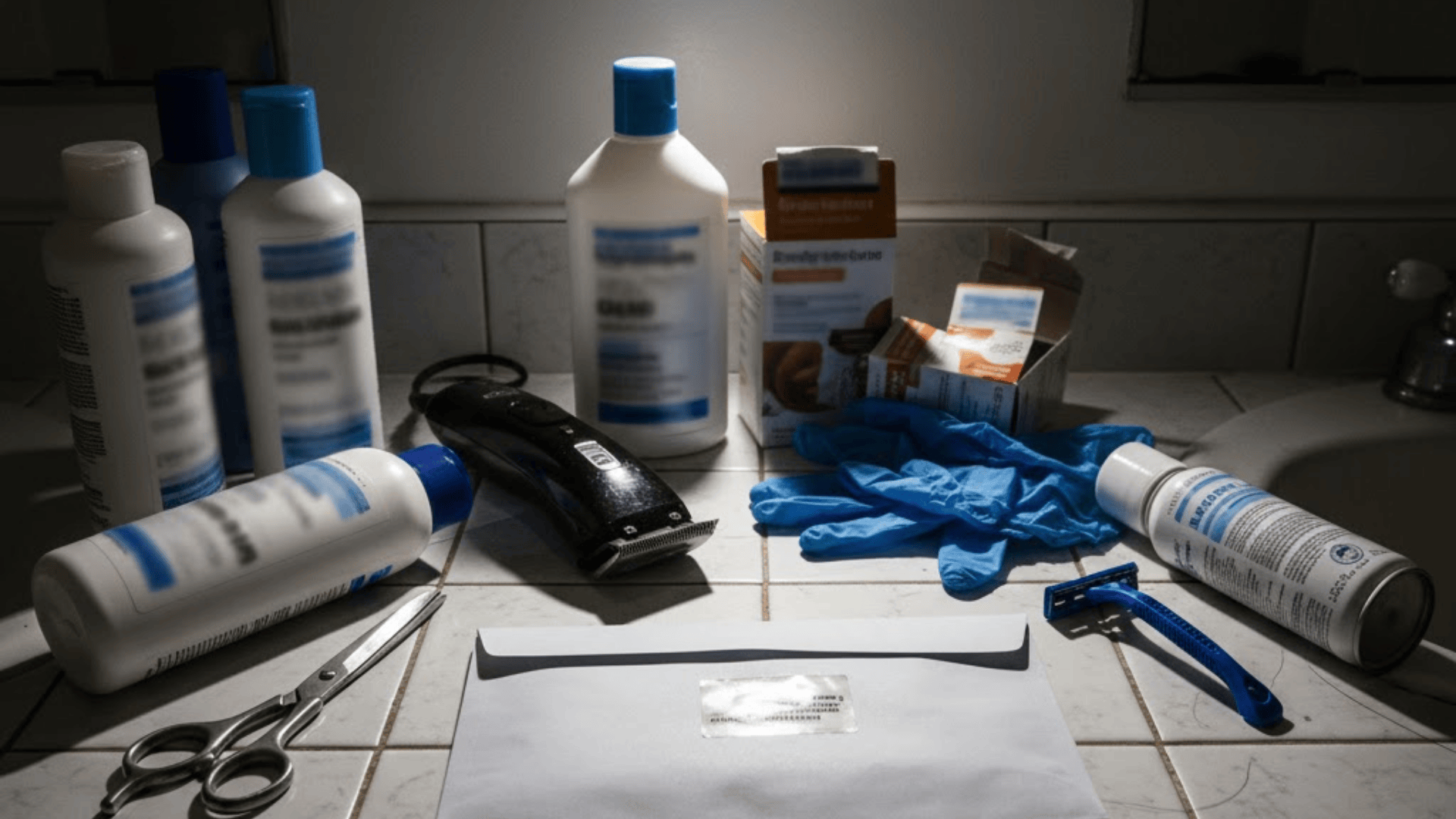
The internet is full of supposed workarounds for passing hair tests, but most are either ineffective or create new problems.
Let’s separate what people believe from what actually happens in real-world testing situations.
Myth 1: If There’s No Hair on Your Head, They Can’t Test You.
Fact: Testers will simply collect body hair from your arms, legs, chest, or underarms as an alternative sample, and shaving your entire body raises immediate red flags about tampering.
Myth 2: Special Detox Shampoos Can Remove THC Metabolites from Your Hair Shaft.
Fact: Most detox shampoos only clean the hair surface and cannot penetrate the cortex where metabolites are embedded, making them largely ineffective against laboratory-grade testing that washes away external residue anyway.
Myth 3: Chemical Treatments Will Remove All Drug Metabolites from Your Hair.
Fact: While aggressive bleaching or perming may reduce metabolite concentrations by 40-60%, it rarely eliminates them completely, and damaged hair appearance alerts testers to possible tampering attempts.
Myth 4: There’s a Quick Fix or Product that Guarantees Passing.
Fact: Only time and natural hair growth genuinely work, as you need approximately 90 days for contaminated hair to grow out and be cut away, assuming no further consumption during that period.
How Long Until THC is Fully Gone From Hair?
The answer depends entirely on hair length and growth rate.
For standard 90-day tests that examine 1.5 inches of hair closest to the scalp, you need three to four months of complete abstinence for clean hair to grow past that testable length.
However, this assumes you cut your hair regularly. If you maintain long hair without trimming, those contaminated segments remain stored further down the shaft for a year or longer.
The only definitive solution is either waiting for sufficient new growth while cutting away the old sections, or cutting your hair short enough that only recent, clean growth remains for testing.
THC Exposure vs. True THC Use
One of the most common concerns people have is whether passive exposure can trigger a positive result.
Understanding the difference between external contamination and internal metabolites is critical for interpreting test accuracy.
Can Secondhand Smoke or Handling Affect Hair Tests?
Passive smoke exposure and physical contact with cannabis products cannot produce positive results because tests specifically detect THC-COOH metabolites created inside your body through metabolism.
External THC from smoke or touching plants only contaminates the hair surface. Labs use thorough washing protocols before analysis to remove surface residue, ensuring only internally deposited metabolites from consumption are measured.
Why Lab Washing Procedures Matter?
Before testing begins, laboratories subject hair samples to multiple chemical washes using solutions like methanol or dichloromethane that dissolve external contaminants.
This decontamination removes THC particles from hair surface caused by secondhand smoke, handling cannabis, or environmental contact. The metabolites in the hair cortex came through your bloodstream after THC consumption.
Safety, Workplace Policies & Legal Considerations
Hair testing exists within a complex legal landscape where state cannabis laws, federal regulations, and employer policies often conflict.
Understanding your rights and limitations helps you manage workplace drug testing requirements more effectively.
- Federal contractors and safety-sensitive positions must maintain zero-tolerance policies regardless of state cannabis legalization status.
- Private employers can enforce drug testing and terminate employees for positive results, even in recreational-legal states.
- Recreational legalization provides no workplace protections against hiring rejection or termination based on hair test results.
- Medical cannabis patients have limited legal protections, with most employers retaining discretion to refuse employment despite prescriptions.
- Disability discrimination claims rarely succeed because federal law doesn’t recognize cannabis as a legitimate medication.
Employers generally maintain the upper hand in testing policies, and positive hair tests can have serious employment consequences regardless of when or where consumption occurred.
Resources / References
This information draws from peer-reviewed toxicology research on hair follicle drug testing.
Key studies include research on cannabinoid detection and segmental hair analysis in the Journal of Analytical Toxicology, controlled administration studies in Drug Testing and Analysis, and comparative analyses from NIH cannabis user studies.
Additional validation comes from metabolite incorporation research in Forensic Science International and transfer mechanism studies in Scientific Reports.
Closing Note
I hope this guide has cleared up the confusion around how long THC stays in hair and what actually affects detection times.
Hair follicle drug tests are more complex than most people realize, with detection windows stretching far beyond blood or urine tests.
Understanding the science behind metabolite incorporation, the factors that influence retention, and the realistic limitations of various methods empowers you to make informed decisions.
Knowledge truly is your best tool when dealing with these situations. Found this helpful or have questions about hair drug testing? Drop a comment below and share your thoughts or experiences with the community.